I wonder how many of my readers are old enough to remember — or have at least learned about — the infamous McCarthy Hearings of the early 1950s. I was just a kid, but I vividly recall sitting in front of our black-and-white TV, fascinated by the spectacle and simultaneously terrified at the idea that our country might be massively infiltrated by . . . GASP! . . . communists.
Army-McCarthy Hearings – 1954
Senator Joseph McCarthy’s paranoia-driven crusade did incalculable damage to the lives of countless innocent people. As the Republican Senator from Wisconsin, his party, which led the Senate, allowed him to continue the closed-door hearings of his “Red Scare” campaign because they reflected badly on the Democratic Truman administration.
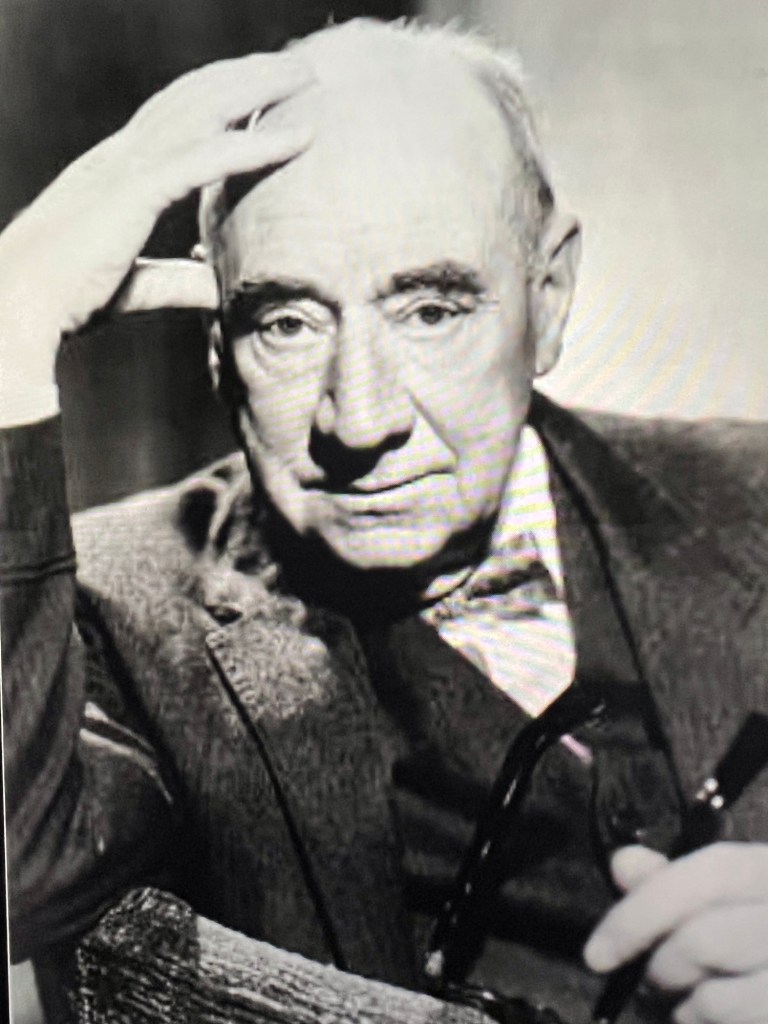
But finally, on June 9, 1954, with Republican Dwight Eisenhower in the White House, the Senate — and Americans as a whole — had had quite enough of Joe McCarthy. And he sealed his own fate when he decided to take on the U.S. Army, declaring it to be “soft” on communism and opening hearings into the matter.
The attorney representing the Army was one Joseph N. Welch, who brilliantly attacked and debunked every one of McCarthy’s charges, sending the already unbalanced Senator into rage after rage. Finally, when in a moment of desperation McCarthy accused a member of Welch’s firm of being involved with an organization considered to be a “legal arm of the Communist Party,” Welch had had enough.
Staring McCarthy in the eye, he said:
“Until this moment, Senator, I think I never really gauged your cruelty or your recklessness. Have you no sense of decency, sir, at long last?”
– Source: “This Day In History,” History.com, June 9, 2026.
Joseph N. Welch (1890 – 1960)
Joseph McCarthy’s career ended in disgrace. Following official condemnation by the Senate for contempt against his colleagues, he managed to retain his office, but descended into alcoholism and died in 1957.
*. *. *
The United States, and the world as a whole, was a different place in 1954. There was an innate sense of decency that we had grown up with, and that had been firmly embedded in us during the recently hard-won Second World War. All it took then to bring down a hateful, destructive, egomaniacal tyrant were ten words that have become famous in the annals of our country’s illustrious history:
“Have you no sense of decency, sir, at long last?”
. . . words that we would do well to remember today.
If you saw yesterday’s post, you know that I was on my way to the podiatrist’s office to deal with a sore toe that has had me hobbling around in pain for several weeks. What I didn’t mention was that I had convinced myselfz the only cure would be amputation, and that I was doomed to spend my remaining years as a nine-toed circus attraction.
But sometimes life’s little surprises turn out to be pleasant ones.
First, yesterday had been predicted to be rainy and thunder-stormy — the most appropriate weather for a funeral or a dreaded visit to the doctor. But, while it was mostly cloudy, the rain held off and the sun occasionally peeked through . . . a truly auspicious start.
Then the friend who had referred me to this new doctor and offered to accompany me there said that she and her husband wanted to take me out to dinner after my appointment, if I was feeling up to it. Pleasant surprise #2.
Now, about the offending phalange (that’s podiatrist-speak for “toe”). It turned out that it wasn’t being devoured by a flesh-eating bacterium, or otherwise in need of being divorced from its nine siblings. Without going into boring detail, it was a simple matter of a little novocaine, a little scraping and digging (totally painless, thanks to the novocaine), and a padded bandaid to be worn for a couple of days.
Oh . . . and some really nice people, including the entire office staff and the doctor himself. Lovely surprise #3.
Then a good seafood dinner with friends, and back home with all of my lower digits intact, and absolutely pain-free even after the novocaine wore off.
Finally, for the icing on the cake, I got to spend an entire afternoon away from the news of the day. No Trump, no Russia, no China, no Iran or Cuba or Venezuela or Israel or Greenland or . . . well, no negativity at all. Just good company, and a happy toe.
It doesn’t get much better than that, so I wanted to be sure to share it with all of my friends out there.
The world will just have to continue spinning without my supervision (or interference) for the rest of the day, whilst I attend to a couple of personal matters, including a doctor’s appointment.
This one is a long-awaited visit to the podiatrist to find out about that tiny bump on my right pinky toe, that is barely visible but hurts like a son-of-a-b*tch when anything touches it. I’ve been roaming around the house barefoot or in socks for weeks, and will be wearing slippers to the doctor’s office because shoes are out of the question. It’s a good thing it’s not winter.
Way, way, waaaaay back in the 1950s, there was a Frank Loesser musical called “The Most Happy Fella,” probably best remembered for one song: “Standin’ On the Corner Watchin’ All the Girls Go By.” One of the other tunes — not so commercially marketable but very clever — was sung by a waitress at the end of her long workday. It was titled “Ooh! My Feet!” . . . and over the decades it has become my mantra.
Some years ago, my former podiatrist (until he had the nerve to retire) told me that I had the second-worst feet he’d ever seen. The worst pair belonged to a friend of mine, whom I had referred to him, and who suffered from severe rheumatoid arthritis. That gives you an idea of what I’ve been living with for the last 30 years or so.
I blame my multiple pedal problems on those beautiful-but-deadly shoes of my youth. You know — the ones with four-inch stiletto heels and pointed toes that cost a fortune, hurt like hell, but made your legs look longer and slimmer.
Vanity, they name is woman! *
* FYI — and just because I can’t resist a good Shakespearean reference — that is a paraphrase of a famous line from Hamlet (Act I, Scene 2), which is often misquoted and is actually written: “Frailty, thy name is woman.” And it had absolutely nothing to do with Hamlet’s shoes, but somehow seemed applicable here. My mind is a maze.
So I’m off for now, but I’ll catch up with you tomorrow . . . hopefully hobbling a little less noticeably.
There is more than one way to exercise the nuclear option: for example, you can throw the “N” word around in a threatening manner; you can go all the way and launch an actual nuclear weapon; or you can attack an existing nuclear facility. And this week — not for the first time — the Kremlin has chosen the third option.
Yesterday, at about 2:00 a.m. local time, a Russian Shahed drone struck the Centralized Spent Nuclear Fuel Storage Facility in Ukraine’s already fragile Chernobyl Exclusion Zone, causing a fire. Luckily, the fire was quickly extinguished, and Ukrainian authorities report that there were no casualties. Most importantly, radiation levels remain within normal limits, according to both Energoatom — Ukraine’s state nuclear power operator — and the International Atomic Energy Agency (IAEA). The IAEA also said that it was preparing to visit the site to assess the situation. [Peter Beaumont, The Guardian, June 7, 2026.]
Still, it was much too close for comfort . . . and it was no accident.
Damaged Storage Facility Building
In a statement following the attack, Ukrainian President Volodymyr Zelensky said:
“As of now, there is no heightening of radiation safety limits. But there is clearly a heightening of Russia’s already sky-high arrogance. It was [a] critical infrastructure facility. And an extremely vile Russian attack.” [Id.]
And Ukraine’s Foreign Minister, Andrii Sybiha, posted on X:
“This is not the first time Russian forces are putting Ukrainian nuclear facilities at risk. Russia’s nuclear blackmail and threats to nuclear safety are systemic, deliberate, and unacceptable.” [Id.]
The attack followed a strike by Ukraine on a naval base and an oil terminal in St. Petersburg, Russia, earlier in the week . . . which in turn was a response to a massive, multi-city assault on Ukraine by Russian forces underscoring Vladimir Putin’s flat rejection of Zelensky’s most recent offer of a ceasefire and peace talks between the two leaders.
While these tit-for-tat drone and missile strikes have become the new “normal” as Ukraine’s military technology has advanced, the targeting of nuclear-connected facilities is an escalation that threatens, not only the two combatant nations, but the rest of Europe as well.
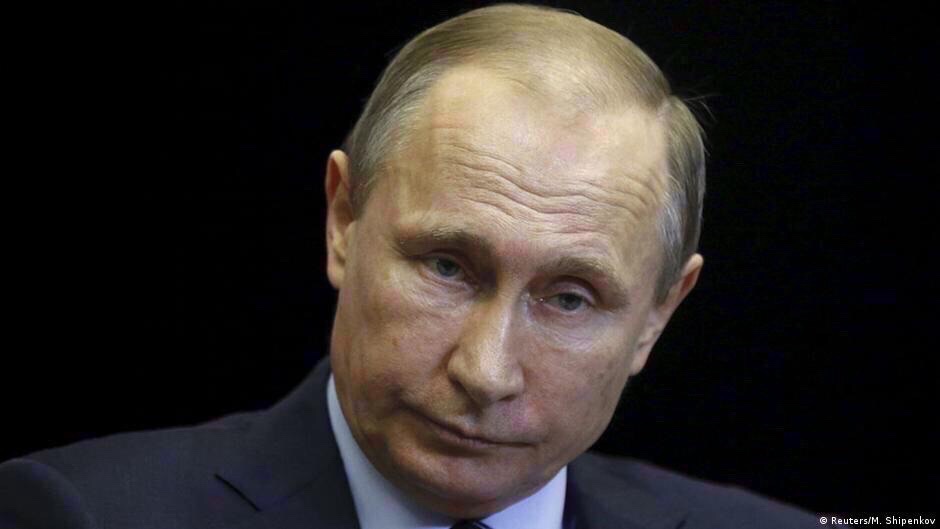
And this guy knows it all too well . . .
One might almost believe that he actually wants Armageddon.
The truth is, Mme. Antoinette never did say “Let them eat cake,” or anything like it. But she lost her head anyway, as did her husband, King Louis XVI — both accused of treason, and being unpopular (to say the least) with the general populace of France who were mired in poverty and misery while the royal family lived in ostentatious luxury, completely oblivious to the reality of life outside the palace.
Marie Antoinette (1755 – 1793)
Sounds familiar, doesn’t it? Well, try this one on for size.
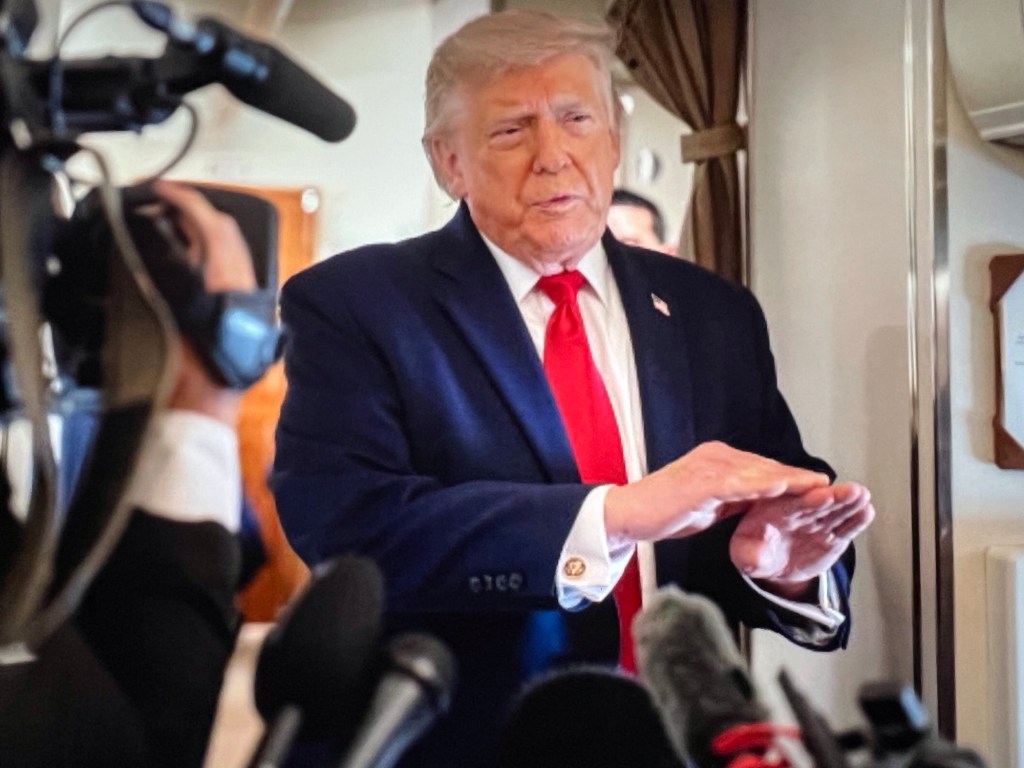
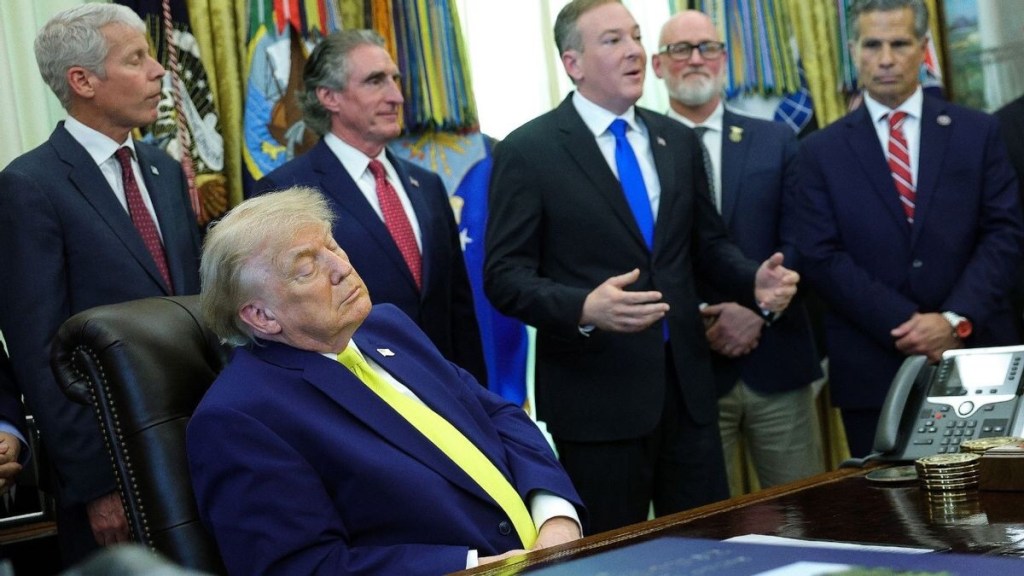
Today’s quote comes from none other than our very own Louis XVI, Donald Trump, who — when questioned by reporters as to his planned attendance at the third game of the NBA Finals where ticket prices begin at $8,000 — had this to say about the inability of the average citizen to attend sporting and other events due to the outrageous cost of everything:
“They can watch it on television. It’s sorta semi-free to watch it on television. That’s the way life goes.”
– Reported by Associated Press, June 5, 2026.
“That’s the way life goes.”
There you are: the perfect solution . . . if they can even afford cable or satellite TV.
But that’s the way life goes.
Perhaps someone should remind Trump what happened to Louis and Marie. This isn’t 18th-Century France; but some things never seem to change.
In a week with no new hostage information, I’m never sure whether to think of it as good news — because there have been no recent arrests reported — or bad news, because none of the current prisoners have been released.
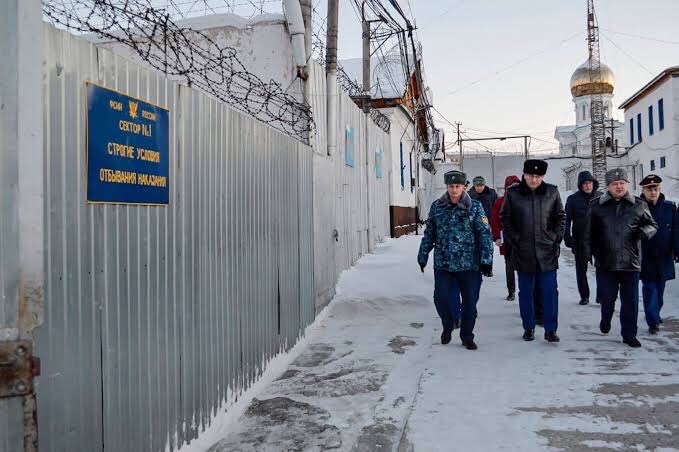
I’d like to think that the good news at least partially offsets the bad. But for those political prisoners still incarcerated in Russian and other prison camps, it’s just another week in hell.
Siberian Prison Camp
*. *. *
So, for those thousands of men and women, named and unnamed, here again is the full list of the hostages known to me, together with a blanket prayer for the safety and quick release of every last one of them:
Prisoners of War:
The 20,000+ Kidnapped Ukrainian Children The People of Ukraine
Immigrant Detainees in Russia:
Migrants from the Central Asian nations of Kazakhstan, Kyrgyzstan, Tajikistan, Turkmenistan and Uzbekistan
Endangered Exiles:
Pavel “Pasha” Talankin Mikita Losik Yulia Navalnaya Oleg Orlov Countless Journalists and Other Dissidents
Political Prisoners:
In Afghanistan:
Mahmoud Habibi (Afghan-American) Paul Overby (American, missing since 2018)
Andrei Chapiuk Uladzimir Labkovich Andrzej Poczobut Marfa Rabkova Valiantsin Stafanovic Yuras Zyankovich
In Georgia:
Mzia Amaglobeli
In Russia:
The “Crimea 8”: Oleg Antipov Artyom Azatyan Georgy Azatyan Aleksandr Bylin Roman Solomko Artur Terchanyan Dmitry Tyazhelykh Vladimir Zloba
James Scott Rhys Anderson (British) Aleksandr Andreyev David Barnes (American) Yevgenia Berkovich Gordon Black (American) Hayden Davies (British) Yury Dmitriyev Anastasia Dyudyaeva Antonina Favorskaya Konstantin Gabov Robert Gilman (American) Stephen James Hubbard (American) Sergey Karelin Timur Kishukov Vadim Kobzev Darya Kozyreva Artyom Kriger Michael Travis Leake (American) Aleksei Liptser Grigory Melkonyants Nika NovakSvetlana Petriichuk Leonid Pshenychnov (in Russian-occupied Crimea) Nadezhda Rossinskaya (a.k.a. Nadin Geisler) Lev Schlossberg Sofiane Sehili (French) Igor Sergunin Dmitry Shatresov Robert Shonov Grigory Skvortsov Eugene Spector (American) Joseph Tater (American, disappeared)Karina Tsurkan Laurent Vinatier Robert Romanov Woodland (American)
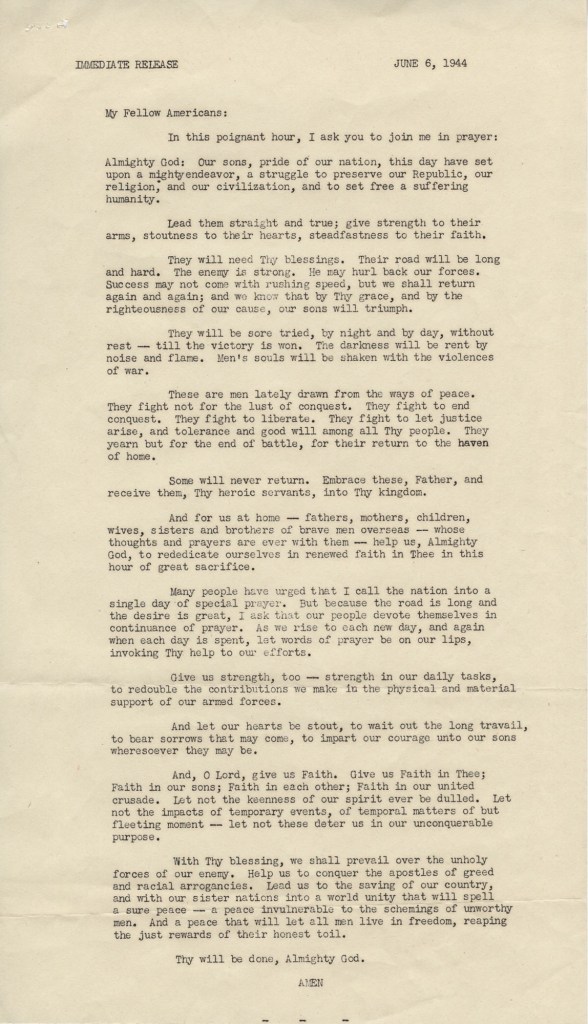
On this date in 1944 — 82 years ago — Allied forces landed on the beaches of Normandy, marking the beginning of the liberation of France, and from there, the rest of Europe. As the Western front progressed eastward, and the Eastern front led by Russian forces moved westward, Adolf Hitler began to realize that his days were numbered.
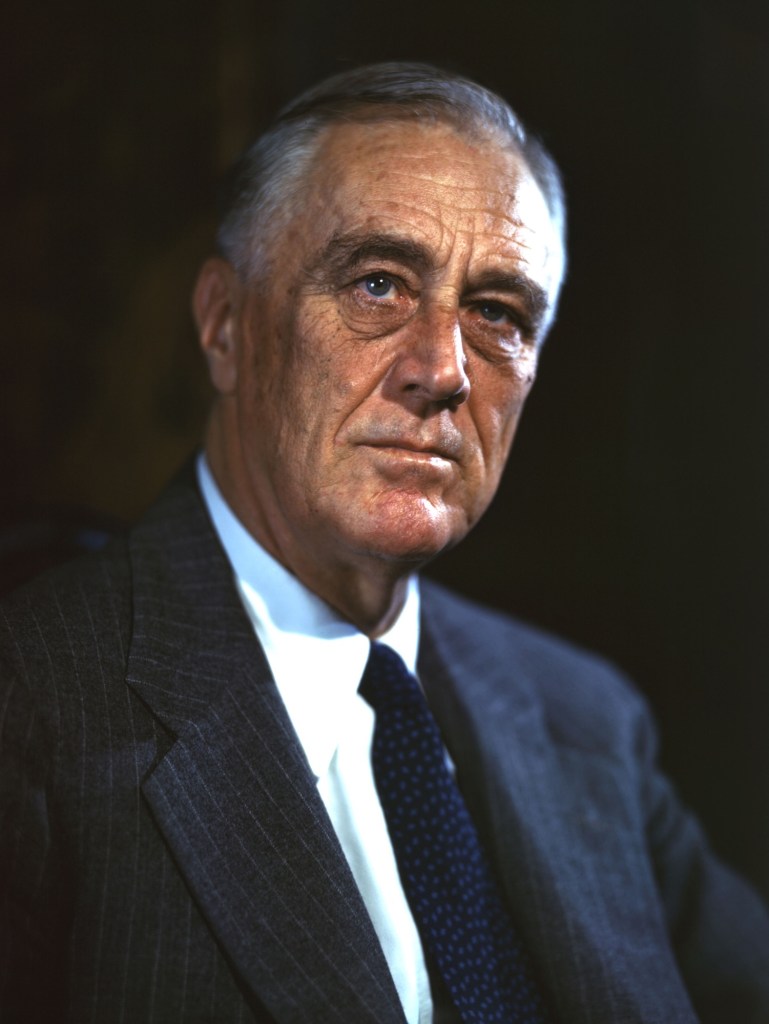
It was the beginning of the end of a brutal, six-year war, costing millions of lives and unimaginable devastation. But it was a war that the Allies fought in defense of freedom and democracy — not by choice, for oil, or for personal glorification. And when President Franklin Delano Roosevelt addressed the nation on that day, he did so — not in anger or malice — but in the form of a non-denominational prayer for the safety of those embroiled in that historic battle and the souls of those who would not return.
First it was Donald Trump who lost interest in attempting to negotiate a ceasefire and/or peace talks between Russia and Ukraine.
Then — although they continue to provide material and moral support — the European Coalition of the Willing has faded from the headlines.
And now, the EU has declined to name a special envoy to Russia, at least partially due to Vladimir Putin’s suggestion that Gerhard Schroeder, the former German Chancellor and a close confidant of Putin himself, should be appointed as the envoy. At a meeting of EU foreign miisters in Cyprus on May 27–28, one senior official described it as a “dead topic.” [Rikard Jozwiak, RFE/RL, June 2, 2026.]
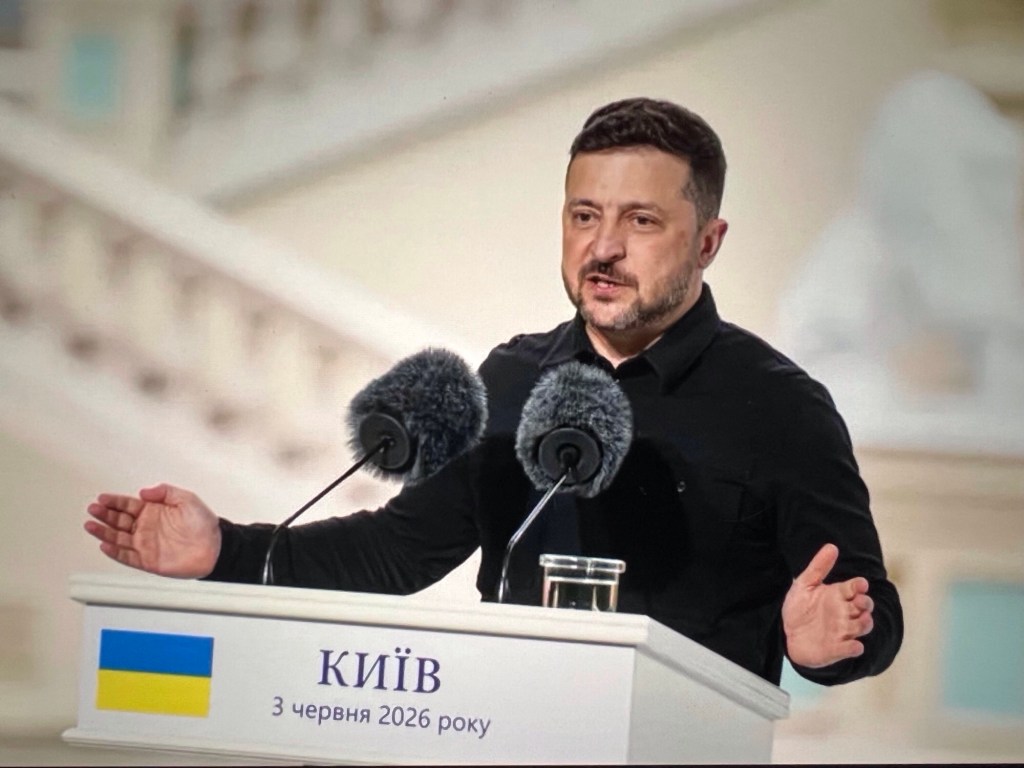
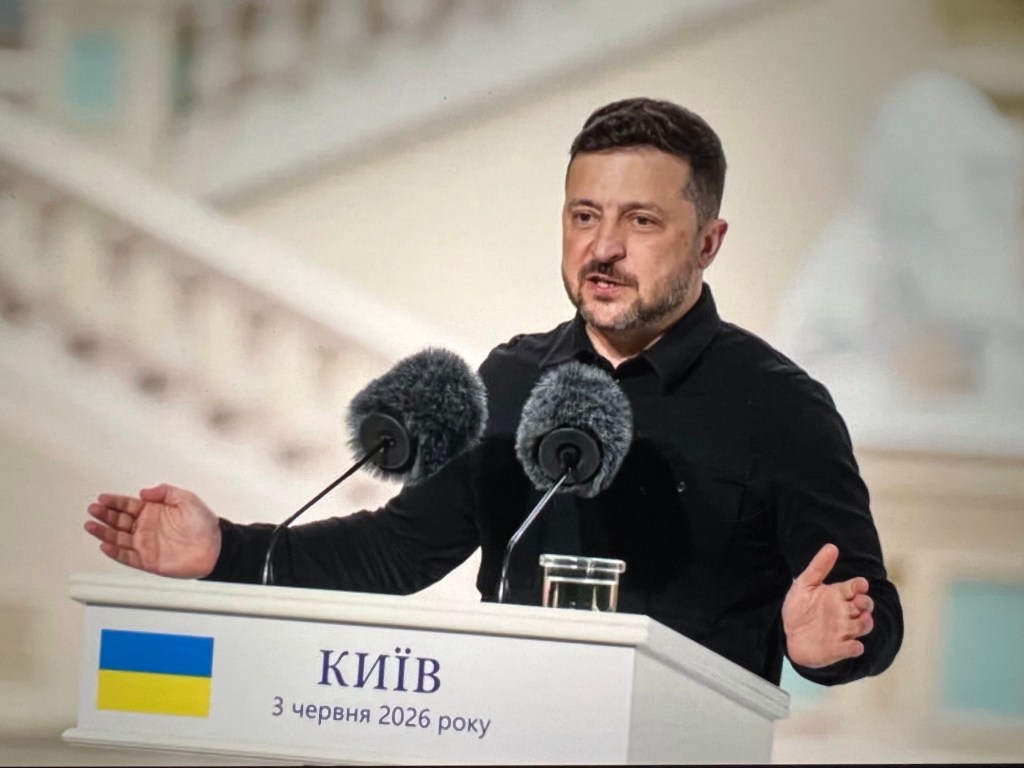
So Ukraine’s President Volodymyr Zelensky stepped forward on June 3rd, in an open letter to Putin urging that they meet at a neutral location to agree to end the war.
President Volodymyr Zelensky – June 3, 2026
The letter pointed out that Washington — i.e., Donald Trump — is “fully focused” on his war with Iran, and that “it would be wrong to simply wait” for a change in that situation. While stressing that the United States and European nations should still be involved in the peace process, Zelensky wrote:
“Ukraine is ready for a full cease-fire for the duration of the negotiations. This is standard practice, and current developments around Iran only reinforce that point.” [Ray Furlong, RFE/RL, June 4, 2026.]
He further proposed a mutual exchange of all prisoners of war.
Noting that Ukraine has been successfully striking Russia’s energy industry, he continued:
“You regularly postpone, every few months, your own deadlines for capturing our regions — especially the Donetsk region. And you will not capture it this year either. But we in Ukraine do not want a permanent war. We know very well that life without war is infinitely better. And we want to achieve that.” [Id.]
*. *. *
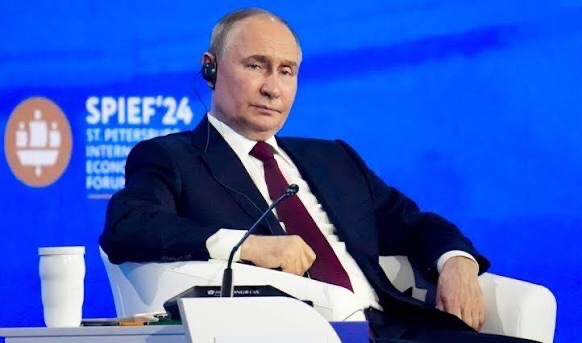
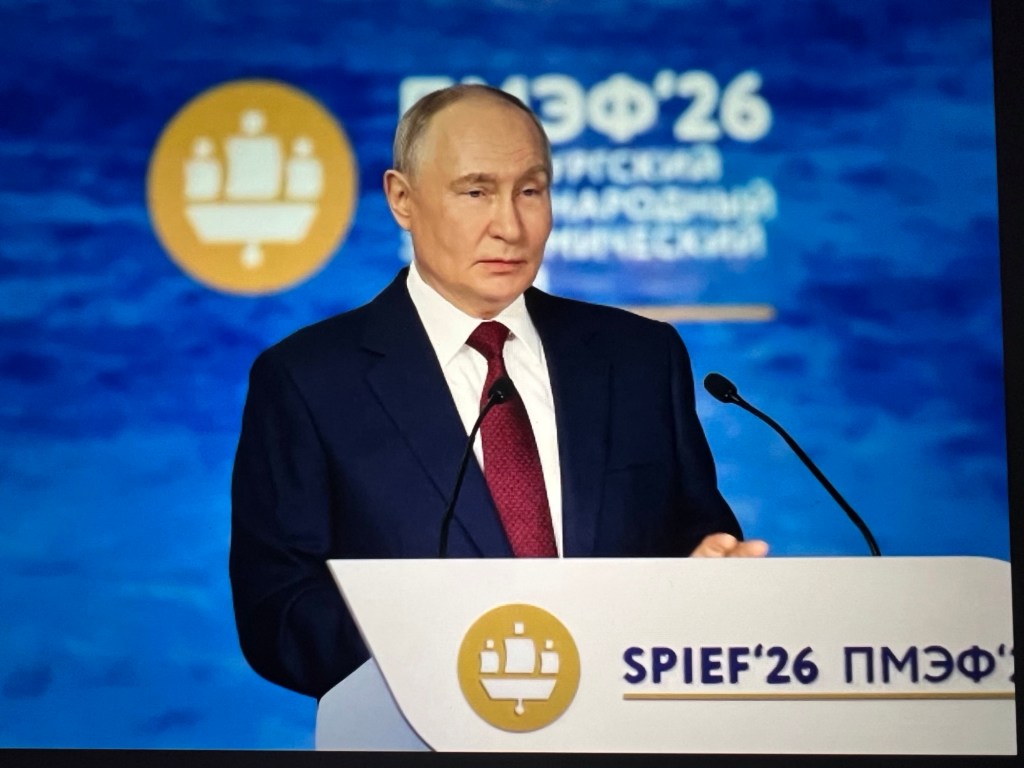
Well, that put the ball squarely in Putin’s court, just as he was attending the 2026 St. Petersburg International Economic Forum — Russia’s answer to the Western economic meetings at Davos. Kremlin spokesman Dmitry Peskov told state media that Zelensky could “come at any time to Moscow” . . . an invitation that somehow reminds one of this:
When Putin was informed about the letter, he called it “rude,” reiterated his position that peace talks should come before any ceasefire, and said:
“I don’t see any point for now. Was it a way to create the conditions for a face-to-face meeting or a way not to set up a face-to-face meeting? I think it was the second.” [Dan Sales, BBC, June 5, 2026.]
To which Zelensky responded that Putin “was choosing war again. He just doesn’t want to end the war. I think that many in the world were disappointed by this answer.” [Id.]
*. *. *
And what did Donald Trump have to say about all of this while speaking to the press in the Oval Office?
“Im glad that they’re maybe talking about meeting. I think we had a lot to do with it. I think it would be great if they met. They should — get it done.” [Ray Furlong, RFE/RL, June 4, 2026.]
For whatever that’s worth.
*. *. *
So where does that leave Ukraine? Sadly, in the fifth year of a war they did not ask for and do not deserve, with no end in sight.
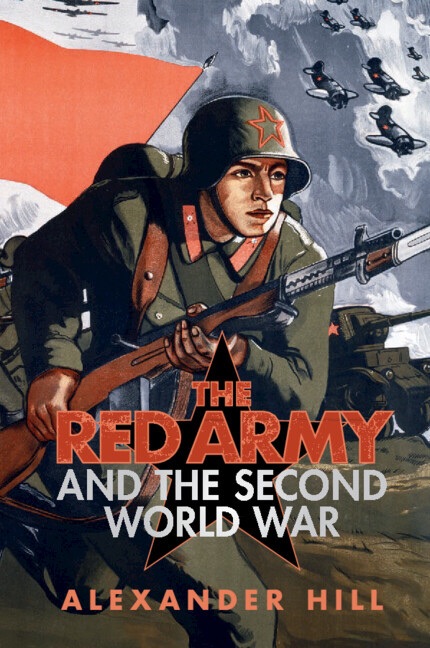
There was a time, not that long ago, when the Red Army was a force to be reckoned with — when it opened up a second front in order to join the allies in defeating Hitler and bringing the Second World War to an end.
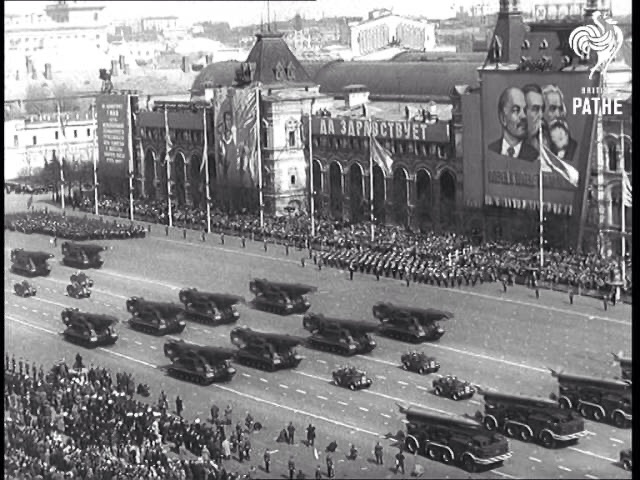
And we’ve all seen pictures and films of those parades in Red Square, where the troops and their armaments were put on full display, both to instill patriotic fervor in the Russian people and to strike fear in the peoples of the free world.
May Day Parade – Red Square, Moscow – 1967
But what has happened to the Russian military might of yesteryear? What have four years of war against the much smaller, less militarily-equipped nation of Ukraine done to Russia’s pride and joy?
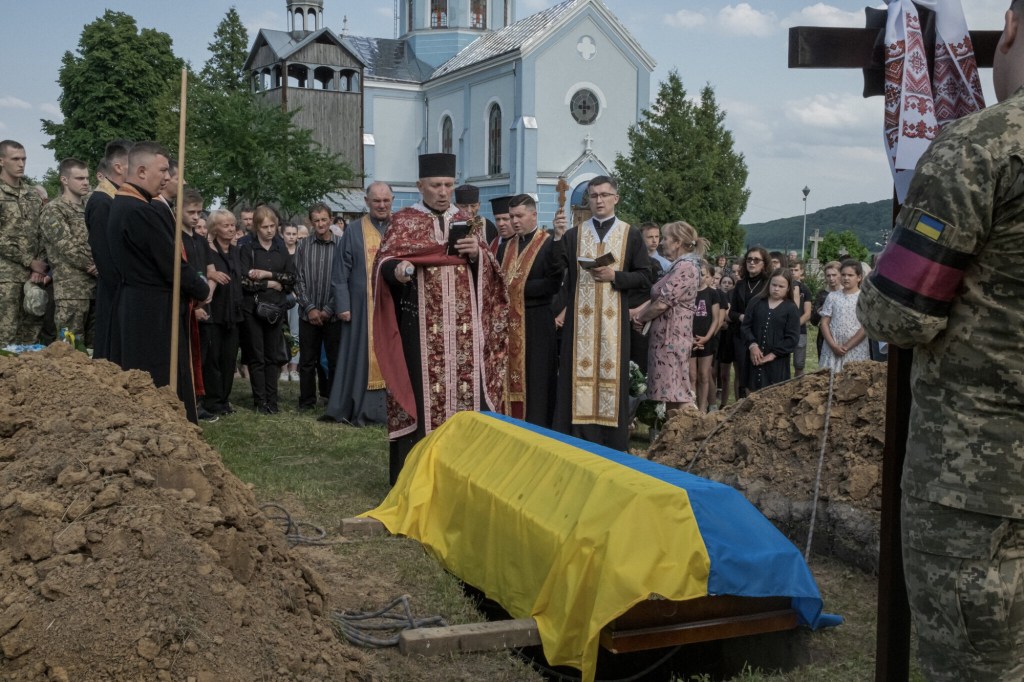
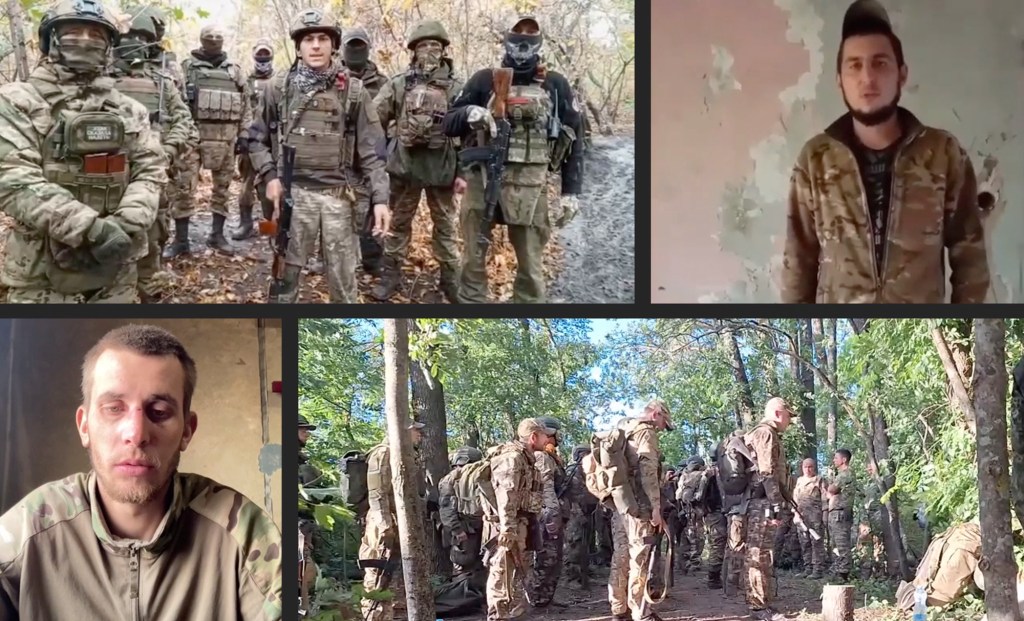
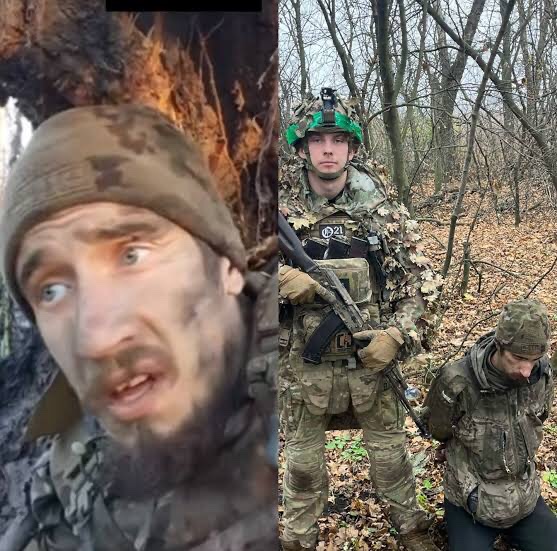
To begin with, nearly 500,000 Russian troops have been killed since the invasion of February 24, 2022. Vladimir Putin tried ordering a wide-scale mobilization in September of that year, but it resulted in the flight from the country of hundreds of thousands of draft-age citizens. Since then — fearful of repeating his first mistake — Putin has instead relied on other means of attracting “volunteers.” In addition to convincing a number of other countries to send troops to join the battle, he has promised high pay and bonuses for Russian soldiers and the families of those who are killed in the war, and has turned to recruitment of prison inmates, drunks, and homeless individuals: people desperate to escape their present situations and willing to risk their lives for the promise of financial gain.
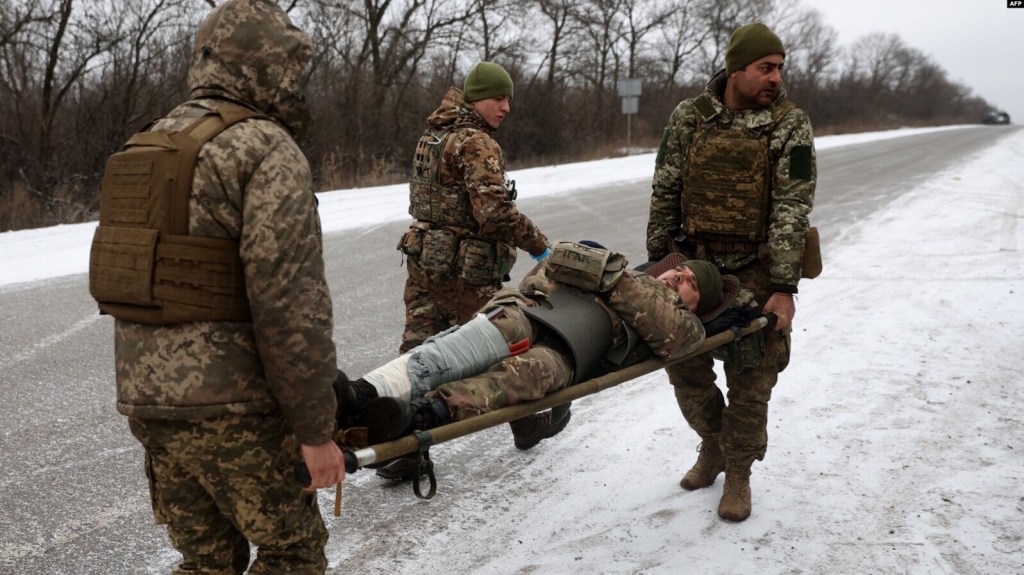
But even that hasn’t been enough. So his military leaders have been sending even the most seriously wounded men back into battle, retrieving them from their homes or the hospitals where they were supposed to be recuperating, or simply ordering them to continue fighting without ever receiving medical care. Some examples:
Pavel Podgrushny, 38, had been sentenced to eight years in prison for causing a fatal car crash. To avoid the hell of prison, he enlisted in the army and was sent to a different kind of hell: the front lines in Ukraine, where he was wounded and hospitalized in April 2024. According to a relative, he suffered head and chest injuries, lost his left eye, and also lost his hearing when his eardrums ruptured. He was declared temporarily (!) unfit for service and sent home to recover, but never received the documents confirming his status.
In September 2025, Podgrushny was summoned to a recruitment center, was later declared a deserter, and for the next six months tried to obtain a formal discharge. Then one day he was detained and his phone confiscated. His family has not heard from him since, and it is not known where he is, or even if he is still alive. [RFE/RL’s Russian Service, June 4, 2026.]
One More Casualty
Another case is that of Mikhail, who was seriously wounded in 2024, leaving him with badly limited vision in his one sighted eye. According to a rights activist named Igor, a medical commission “declared [Mikhail] fit for duty in five minutes, detained him, and the next day, they sent him — blind — to the front.” [Id.]
Igor says that these are not isolated cases. “They force them to sign a new contract. They’re usually locked up in the guardhouse for a few days. They’re simply left in the barracks, in a cell, without food or water. And they’re forced to sign a paper stating that the last military medical commission [finding] was ‘fake.’ After that, they organize a new commission for them. It will then declare the discharged soldier fit for service. There’s no way out. The wounded and their families are just stunned as their own army drags them out of their homes, blind and on crutches. But the situation is getting even worse. To avoid searching for discharged soldiers at addresses where they may not be registered, commanders sometimes save time by hauling them straight from the hospital.” [Id.]
*. *. *
That is what happened to Andrei Perevalov, 26. According to his friend Sergei:
“He has fractures, multiple shrapnel [wounds] all over his body.” Andrei’s right arm now hangs, useless, by his side. But the military “took him straight to the front, to the combat zone [near Pokrovsk]. He’s recording voice messages for me — you can hear explosions in the background. He’s no fighter in this condition, and they’re giving the order to ‘move forward.’ What’s going on? Are they just throwing bodies all over Ukraine? Squeezing us until the last drop of blood?” [Id.]
Sergei said that some of the wounded don’t even make it to the hospital before being ordered to join a new assault. Wounded soldiers contact their units “from a trench or a destroyed building. They tell you their name, age, where and how they were wounded. Commanders simply refuse to hospitalize them, even if the wounds are open.” [Id.]
And so on, ad infinitum.
*. *. *
Like me, your first reaction to this story was probably horror and revulsion at the level of inhumanity to which human beings can sink.
But once I stopped gagging, I thought of the desperation of the officers who feel they have no option but to send even the most horrifically wounded men back into battle, simply to fill an empty space left by one who didn’t survive.
And I thought of Putin and his generals — Shoigu, Gerasimov, and all the others — commanding a military force so diminished by four years of fighting a war they should never have started in the first place that it is now largely populated by invalids.
What are Putin’s choices now? Another mass mobilization, risking yet another exodus like the last one? Or — in the best-case scenario — finally conceding that he must negotiate a ceasefire and peace treaty on terms that may not be exactly what he wants?
Like all dictators, Putin finally embarked on one adventure too many and is paying the price. His popularity has waned; his cities are being attacked by Ukrainian missiles and drones; and he spends more and more time cowering in bunkers.
And he deserves every bit of it — for all of the lives, both Ukrainian and Russian, that have been destroyed by his “special military operation.” Tragically, his downfall will come too late to save those other lives; but it may bring some satisfaction to the survivors.
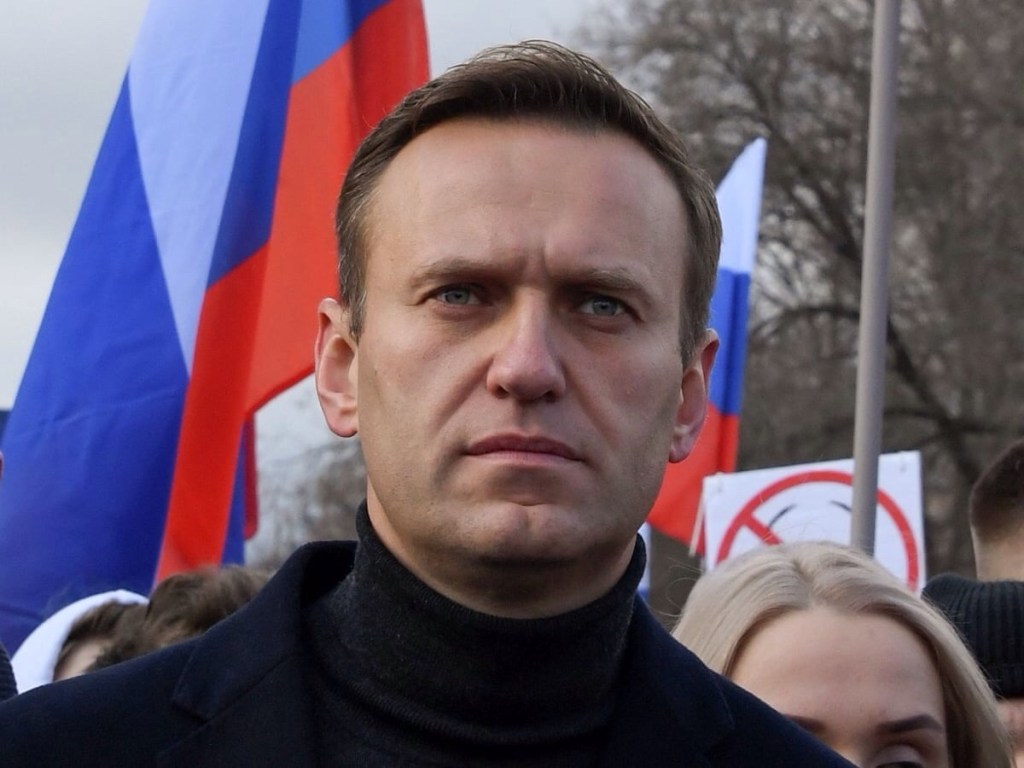
The following quote from the late Russian dissident Alexei Navalny refers, of course, to his own country, and specifically to Vladimir Putin. But I have chosen it today because it is so clearly applicable to every authoritarian leader, anywhere in the world. Take from it what you will:
“A serious political leader cannot simply decide to turn his back on a huge number of his fellow citizens because he personally dislikes their views. That is why we must create a situation where everybody is able to participate on an equal footing in fair and free elections, competing with each other. . . . Without question, those who organize pogroms should be called to account, but people need to be given the opportunity to demonstrate legally and express their opinions, however much you may dislike them.”