5/28/26: My Encounter With Russian Orthodoxy

As I was writing yesterday’s post about Vladimir Putin’s purge of Russian Orthodox priests who have spoken out against his war in Ukraine, I was reminded of my own, surprisingly spiritual, experience in one of the churches at the famed Novodevichy Monastery in Moscow, more than 30 years ago.

Novodevichy Monastery in Winter

February 1993. In a lead-up to my being hired to manage the Moscow office of a U.S. humanitarian aid foundation later in the year, I was in the Russian capital to accompany the foundation’s Washington office director, Kate Williams, for a week of organizational meetings.

One bitterly cold afternoon when Kate and I had some free time, our driver Vitold took us on a little sightseeing tour, ending at the historic Novodevichy Monastery. Most of the buildings were not open to the public, but we were able to wander the snow-packed lanes through the cemetery where the creme-de-la-creme of Russian and Soviet society were spending eternity: famed writers such as Chekhov, Gogol and Bulgakov; the composer Prokofiev; and the unforgettable former Soviet leader Nikita Khrushchev; among numerous other cultural, political and military elites.

Grave of Nikita Khrushchev

After an hour or so, when we were just about frozen to the bone, we suddenly heard an unexpected sound . . . a sound best described as the distant voices of angels.

No . . . we were not hallucinating. What we were hearing was the liturgical music of a choir practicing in one of the Monastery’s churches . . . and the doors were open. We headed for the warm interior, excited at the opportunity to thaw out and to see what the inside of a Russian Orthodox church looked like.

The first surprise was the emptiness — no pews, no benches, no seats of any kind; just a large expanse of concrete flooring. Along the left and right sides were tall windows, below which were statues of various saints, and tables with long, thin candles to be lit for the saint of one’s choice. And at the front was a large altar, behind which loomed an incredibly beautiful, nearly ceiling-high iconostasis separating the main part of the church from the sanctuary. The angelic voices were drifting out from behind that screen.

A Russian Orthodox Iconostasis

There were a few worshipers — mostly old women, who, despite the obvious pain involved, would periodically kneel and touch their heads to the hard floor. Seventy-five years of communist rule had done nothing to diminish their faith.

But most interesting were the men in suits and overcoats strategically posted on either side of the room, one on each side, just standing and watching. Kate wondered who they might be — perhaps security? Vitold didn’t respond, knowing the answer but concentrating on trying to ignore them. So I whispered that they were most likely from the KGB.

She thought at first that I was joking; but when she saw that I wasn’t, and Vitold nodded in agreement, she looked understandably nervous. So I told her, “It’s okay; just ignore them” — which was pure bravado, of course. I was feeling jittery myself; but I knew that the last thing we needed was for them to think we had anything to be nervous about. The Soviet Union may have disintegrated more than a year earlier, but some things hadn’t changed, despite glasnost.

Close … but minus the attache case

Then we were distracted by some activity at the front of the church. To our delight, we had arrived at the perfect time. Without any fanfare, a priest — in long, white-and-gold robes and headdress, snowy white beard flowing from his chin halfway down his chest — emerged from the sanctuary and began a service for the small gathering. Of course, Kate and I couldn’t understand a syllable of the old Church Slavonic language, but with the choir of angels in the background, it sounded divine.

The three of us were standing in front near the altar, soaking in the atmosphere, when suddenly the priest looked around and his eyes caught mine . . . and held. And held. And held some more. His gaze was mesmerizing, and I could not bring myself to look away. I felt as though he was looking deep into my soul, and I somehow sensed that I was being blessed . . . though I couldn’t imagine why.

Perhaps I stood out as a foreigner, and he was trying silently to warn me about the KGB’s presence. But why me, and not Kate? I still think about it, and wonder. It was unlike anything I had ever experienced, or have felt since. And if I close my eyes today, I can see that priest’s eyes and feel the power of his gaze.

Russian Orthodox Priest

Finally, after what felt like an eternity, he looked away and the service ended shortly thereafter. It was time for us to leave — and to walk past those KGB watchers still hanging out in the warmth of the church. I wondered if either of them had noticed my visual exchange with the priest, and I half expected them to stop us, if only to find out who we were and where we were from; but they didn’t.

We stopped briefly to light candles to a couple of saints whose identities were a complete mystery to us, left a generous donation of rubles in the plate, and hurried out of the church and the Monastery grounds to Vitold’s little heap of a car waiting nearby on the street.

*. *. *

That experience has stayed with me for 33 years, which is probably why I have had such a strong reaction to the treatment of today’s Orthodox priests by the Putin administration, and by their own Moscow Patriarch Kirill. Even though I was raised in the Jewish faith, I have always been interested in, and maintained a great respect for, all other religions. And that day, standing in the warmth of a Russian Orthodox church, I felt the strength of that priest’s faith and his spirit of human kindness.

Both Vladimir Lenin and Josef Stalin tore down countless magnificent cathedrals and churches in an effort to stamp out religion. Putin, thus far, has been smarter than that, choosing instead to pay lip service to the Orthodox Church while maintaining control over its teachings.

The Russian Orthodox Church and its proponents survived Lenin, Stalin, and their communist successors; and their faith will outlive Putin as well. But unfortunately, it won’t be without a struggle.
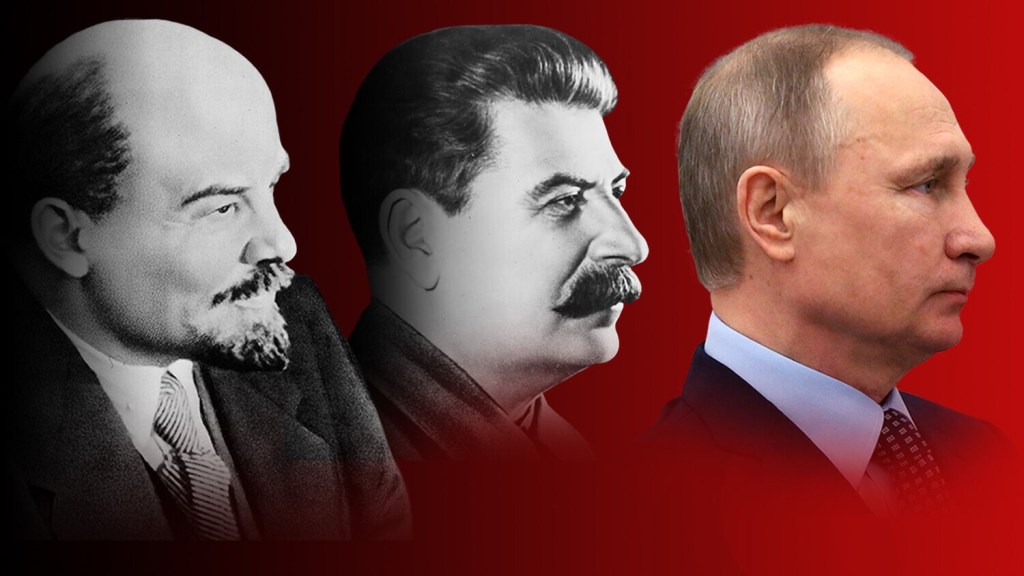
History Repeating Itself

Just sayin’ . . .

Brendochka
5/28/26

5/27/26: Quote of the Day: On Premonitions

On May 24, 1844, American inventor Samuel F.B. Morse saw his latest creation come to life. He had been working to perfect an idea he had first gleaned from a French inventor 12 years earlier: an electric telegraph instrument.

Just the Beginning . . .

During that time, while refining and improving his models, he also composed a set of signals that could represent language in telegraph messages, which became known as the Morse Code. He also convinced Congress to finance a Washington-to-Baltimore telegraph line to transmit the signals of his yet-to-be-completed invention.

When at last it was ready to be tested, Morse arranged with Alfred Vail — an engineer who had partnered with Morse to turn the concept into reality — to receive a message in Baltimore that would be sent by Morse from the U.S. Capitol in Washington. The message he chose was a four-word line from the Old Testament:

“What Hath God Wrought?”
– Numbers 23:23

Within another decade, more than 20,000 miles of telegraph cable criss-crossed the United States. And the rest, as they say, is . . . well, you know . . . history.

But I can’t help wondering whether Morse had an inkling of just what he and God had indeed wrought when they opened up the lines of communication across, not just one continent, but the entire world. And if they could have foreseen the next 182 years, would they have had second thoughts about launching their marvelous toy onto an unsuspecting world?

And Now . . . the End?

Just sayin’ . . .

Brendochka
5/27/26

5/27/26: The De-Frocking of Russia’s Priests

The centuries-old relationship between the Russian Orthodox Church and the many iterations of the country’s government has been a complex one. But since 2009, it has been clear that the man born as Vladimir Mikhailovich Gundyayev, who rose through the Church’s hierarchy to become Patriarch of Moscow and all Rus’ and Primate of the Russian Orthodox Church, lives in the pocket of President Vladimir Putin.

Moscow Patriarch Kirill

Describing Putin’s reign as “a miracle of God,” Kirill has worked to solidify the relationship between church and state, even justifying Russia’s war against Ukraine as a struggle against “forces of evil,” and describing it as a “Holy War.”

Conversely, and not surprisingly, his relationship with Patriarch Bartholomew I of Constantinople — the Ecumenical Patriarch and spiritual leader of Eastern Orthodox Christians throughout the world — has been described as “tense.” Bartholomew I has denounced Kirill’s support for Putin as “damaging to the prestige of the whole of Orthodoxy.” [Wikipedia.org.]

Patriarch Bartholomew I of Constantinople

But, ignoring the disapproval of his spiritual leader, Kirill — knowing full well what side his khleb (bread) is buttered on — continues to do Putin’s bidding . . . including, since the invasion of Ukraine in February 2022, disciplining and de-frocking Orthodox priests who dare speak out against Putin’s “special military operation.”

One such case is that of Father Aleksei Uminsky, for more than 20 years rector of a church in central Moscow. On January 4, 2024, three days before Russian Orthodox Christmas, he received a phone call instructing him to appear before the regional archpriest the following day. When he arrived, Uminsky was handed a decree suspending him from the ministry, thus revoking his authority to preach to his flock. [Valery Panyushkin and Systema, RFE/RL, May 26, 2026.]

Within an hour, Uminsky found himself standing before a four-member disciplinary committee demanding to know why he was not reading a prayer in support of the war as part of his services. The four men, who did not identify themselves, then confirmed his suspension and ordered him to remove the cross from around his neck. [Id.]

Father Aleksei Uminsky

Following the Christmas holiday, Uminsky received repeated phone and email instructions to appear before a church court for a hearing on his potential defrocking. But a fellow priest warned him that he was slated to be arrested after the ecclesiastical trial, and he chose instead to leave Russia. Soon thereafter, he received an email notice that Patriarch Kirill had approved the diocesan court’s January 13th decision to defrock him for “refusing . . . to read the prayer for Holy Rus during the Divine Liturgy” — a prayer created by Kirill himself following the start of the war.

Now mandatory, the “prayer” says that “those who wish to wage war have risen up against Holy Rus” and asks God to “grant us victory by Your power.” When asked by the original disciplinary committee why he wasn’t reading the prayer, Uminsky had answered, “I don’t know what Holy Rus is.” [Id.]

For those who have any knowledge of Russian history, that answer makes perfect sense. But it is not what Putin — and, by extension, Kirill — wanted to hear.

One trying to save his soul; the other selling his.

There have been other cases like Father Uminsky’s. He and at least two others have had their ranks reinstated by Patriarch Bartholomew — a long and painstaking process. And though they have been reassigned, they remain separated from their long-time congregations. Uminsky now serves in a small church in Paris, where he is provided a small apartment above the church but no salary. He earns a living by giving lectures and sermons on social media. [Id.]

This is how men of peace are treated in Putin’s Russia. Had Father Uminsky not fled when he did, he likely would have wound up in a penal colony alongside the thousands of dissidents, journalists, and other political prisoners who have done nothing more than speak out against Putin’s illegal war of attrition.

These stories are nothing new in Russia. But it could happen anywhere . . . and we can’t say we haven’t been warned.


Just sayin’ . . .

Brendochka
5/27/26

5/26/26: Quote of the Day: From the New U.S. Special Envoy to Greenland, On What Passes for Diplomacy These Days

Why the U.S. even needs a special envoy to Greenland is a mystery to everyone other than Donald Trump. But we’ve got one, in the person of Louisiana Governor Jeff Landry: a red-blooded, ultra-conservative, right-wing member of the Republican Party who has supported his state’s abortion ban, advocated for prayer in public schools, and fought against LGBTQ rights.

Louisiana Governor Jeff Landry

Landry’s political credentials are slightly better than, say, special envoy to the Middle East Steve Witkoff’s, in that he (Landry) has served one term in the U.S. House of Representatives (from 2011 to 2013), eight years as Louisiana Attorney General (2016 to 2024), and since then as Governor of the state.

But again, what purpose does he serve as special envoy to a territory that clearly doesn’t want us there? And for that matter, why have we just opened a new consulate in the capital city of Nuuk?

On a three-day trip there last week, Landry met with Danish Prime Minister Jens-Frederik Nielsen, the current and former foreign ministers, and a group of business leaders, ostensibly to “build ties and make friends.” But no top Danish or Greenlandic officials attended the dedication of the new consulate, and hundreds of citizens gathered to protest the U.S. presence.

Anti-U.S. Protest in Nuuk, Greenland

In an interview with the local Sermitsiaq newspaper, Landry attempted to curry favor by supporting the territory’s long-held dream of independence, saying, “I think Greenland could have an equally good or even better economy as an independent country.” [Adrienne Murray, BBC, May 22, 2026.]

But then he blew it. When asked if Donald Trump would respect an independent Greenland’s red lines on sovereignty, he replied:

“There is only one line for us. It is red, white and blue.”

Good job, Landry. You just reiterated Trump’s obsession with the one thing Greenlanders will never agree to: a hostile takeover of their island. And your faux pas was reinforced by a follow-up statement from a White House spokesperson, saying that “The United States is optimistic that we are on a good trajectory to address US national security interests in Greenland.” [Id.]

U.S. interests . . . not Greenland’s.

Thus did another Trump-appointed “special envoy” push America even further into disfavor with our traditional allies.

I have one question: Where does Trump find these people?


Just sayin’ . . .

Brendochka
5/26/26

5/26/26: Trading Pieces of Ourselves … or … Wouldn’t It Be Nice To Be Like a T-Rex?

Come on, now, admit it . . . Haven’t you always wondered about those little bitty arms? I have.

Tyrannosaurus Rex

No, I don’t spend hours contemplating the physiology of a creature that lived 100 million years ago. But I have been to the Smithsonian Museum of Natural History, and I’ve seen snippets of Jurassic Park (though admittedly never watched the whole movie). And those teeny-tiny forelimbs are a matter of some curiosity.

Certainly, they’re interesting enough for scientists to have spent more than a century trying to figure out why Mother Nature would have played such a mean trick on an otherwise fearsome animal. The theories they have posited over the years include the arms being used for holding or pinning down prey; impressing potential mates during courtship (though the aesthetic logic of that one eludes me); reducing the risk of being bitten during feeding frenzies; and simply having shrunk over time because the arms had no practical purpose to begin with.

But now a new study, based on an analysis of 85 species of dinosaurs, concludes that the tiny arms were an evolutionary trade-off for a bigger and stronger head. According to Charlie Roger Scherer, a doctoral student in the Department of Earth Sciences at University College London who acted as lead author for the study:

“If you’re a dinosaur with a very strongly put together skull, chances are you’re going to have very small forelimbs. And it doesn’t really matter how big you are — you could be 1 ton in weight, or 10 tons in weight. If you have a strong skull, you’re going to have relatively small arms.” [Jacopo Prisco, CNN, May 25, 2026.]

“That’s my dinner!” . . . “Yeah? Says who?”

Well, that’s logical — at least, it is if you’re a carnivore in a prehistoric world where you have to butt heads with the competition for your next meal. But when you think about it, it’s also very cool to contemplate.

What if we could make trade-offs the way T-Rex did? Of course, we wouldn’t want to wait millions of years for the changes to evolve. Everything moves a lot faster in today’s world, thanks largely to advanced technologies. Wouldn’t it be nice if our bodies were able to adapt instantly to the rapid changes — for example, by swapping our fat fingers for slimmer ones (especially thumbs) to accommodate the keypads on our cell phones. Or spines designed to withstand the hours of sitting at a computer. And ears shaped to hold earbuds comfortably and securely.

Come to think of it, maybe we could just become like these folks:

Mr. & Mrs. Potato Head

We already have the capacity to transplant internal organs, with a very high success rate. And plastic surgery can do wonders for our aging faces, unattractive noses, and sagging breasts. So how far off can interchangeable parts be?

And on that optimistic note, I’d like to put my order in now. It’s a pretty long list, and I’m not getting any younger, so I don’t want to waste a minute.

Yup … that’ll do just fine.

Just sayin’ . . .

Brendochka
5/26/26

5/25/26: Quote of the Day: On Remembrance

Today is Memorial Day in the United States — a day when families and friends enjoy some free time together, away from work, ushering in the unofficial start of summer.

But it is, first and foremost, a day that is dedicated to the remembrance of those who have given the “last full measure of devotion” for their country throughout the 250 years of her existence, from the American Revolution to the present day.

In honor of the occasion, I found what I think are the perfect words of thanks and remembrance in the writing of an English poet and dramatist, Laurence Binyon, as he paid tribute to the fallen heroes of World War I:

“They shall grow not old, as we that are left grow old:
Age shall not weary them, nor the years condemn.
At the going down of the sun and in the morning,
We will remember them.”


– Laurence Binyon, “For the Fallen”

Laurence Binyon (1869 – 1943)

Enjoy the long weekend, everyone. But let’s not forget what our country is really about, what all of those young men and women gave their lives to preserve, and the battle in which we are now engaged to save our Republic from those who would destroy her.

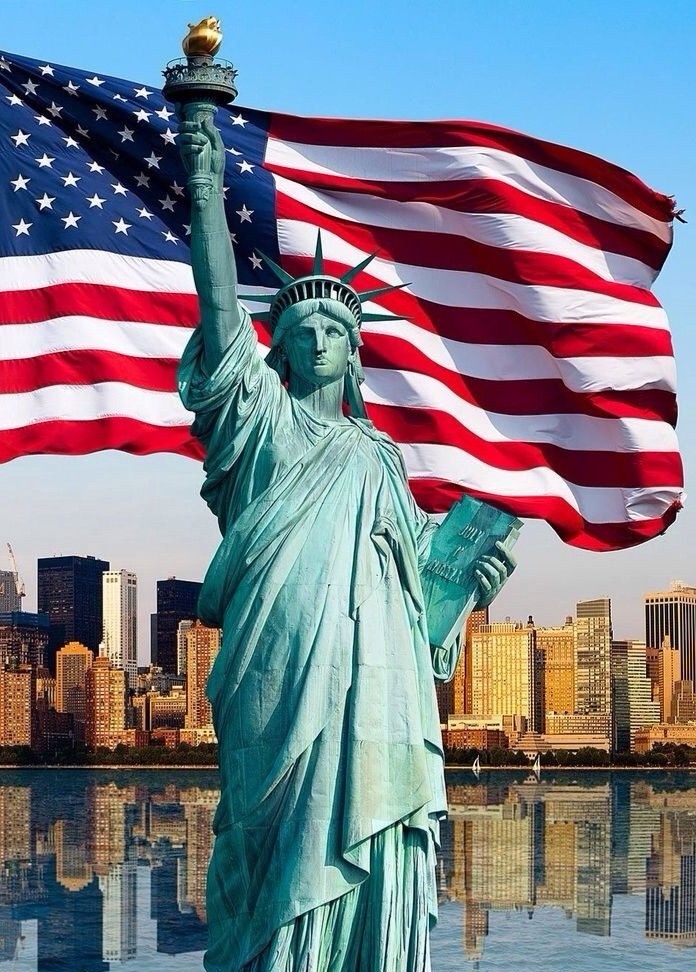
“I lift my lamp beside the golden door!”
– Emma Lazarus, The New Colossus

Just sayin’ . . .

Brendochka
5/25/26

5/25/26: We’re Drowning in Red Herrings, While Kyiv Burns

It has been one after another of these recently:

Red Herring: An Irresistible Distraction

And in the final analysis, they all seem intended to turn our attention away from these:

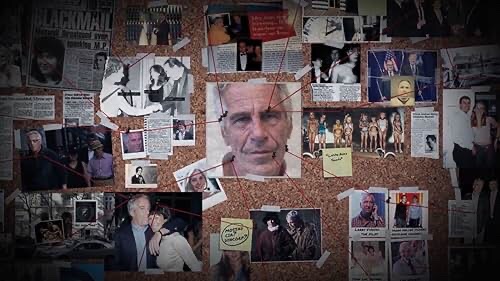
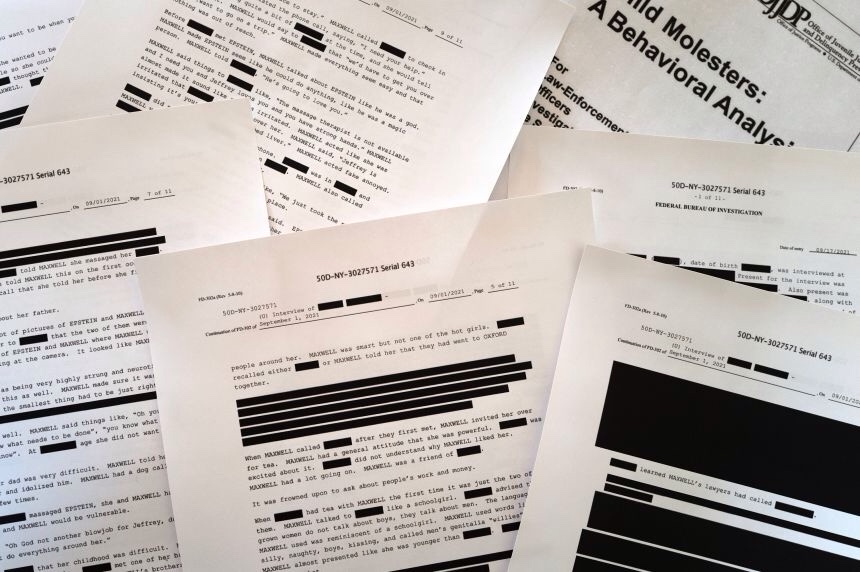
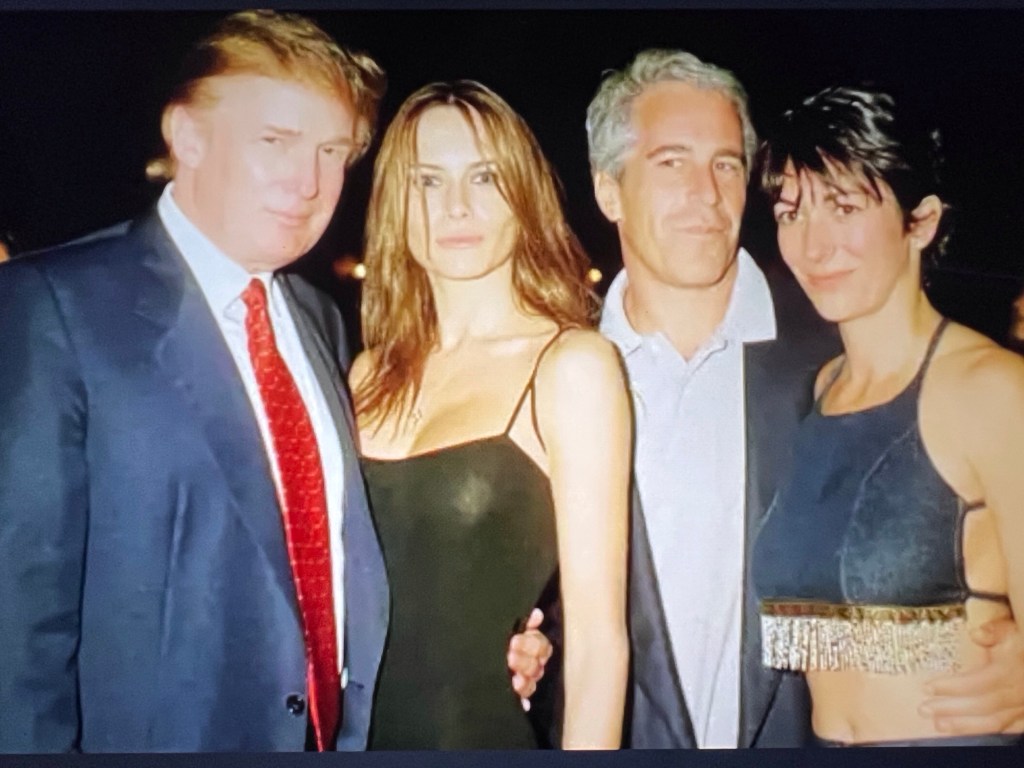
The 3 Million Missing Epstein Files

The first big fish tales to draw our attention had to do with Donald Trump’s insistence that Canada and the Danish island of Greenland should be annexed to the United States. But, to his surprise and dismay, both Canada and Denmark refused to relinquish their sovereign territories.

And the Epstein Files were still there.


So he next turned to Venezuela, blowing up suspected drug-smuggling boats in international waters, threatening to invade the country, and finally kidnapping the president, Nicolas Maduro, and spiriting him away to the U.S. to stand trial.

But the Epstein scandal wouldn’t go away.


So he expanded his horizons, threw caution to the wind, and — against all advice and logic to the contrary — invaded Iran. Claiming they were building nukes (again, despite all intel saying otherwise), he blockaded the Strait of Hormuz, which had long been wide open, creating worldwide economic havoc; swore to the American people that Iran was sure to capitulate within two weeks at most; and launched a war with no plan and no end game. It has now been three months, Iran is still there, the Strait is still closed, and . . .

. . . the ghost of Jeffrey Epstein continues to haunt him.

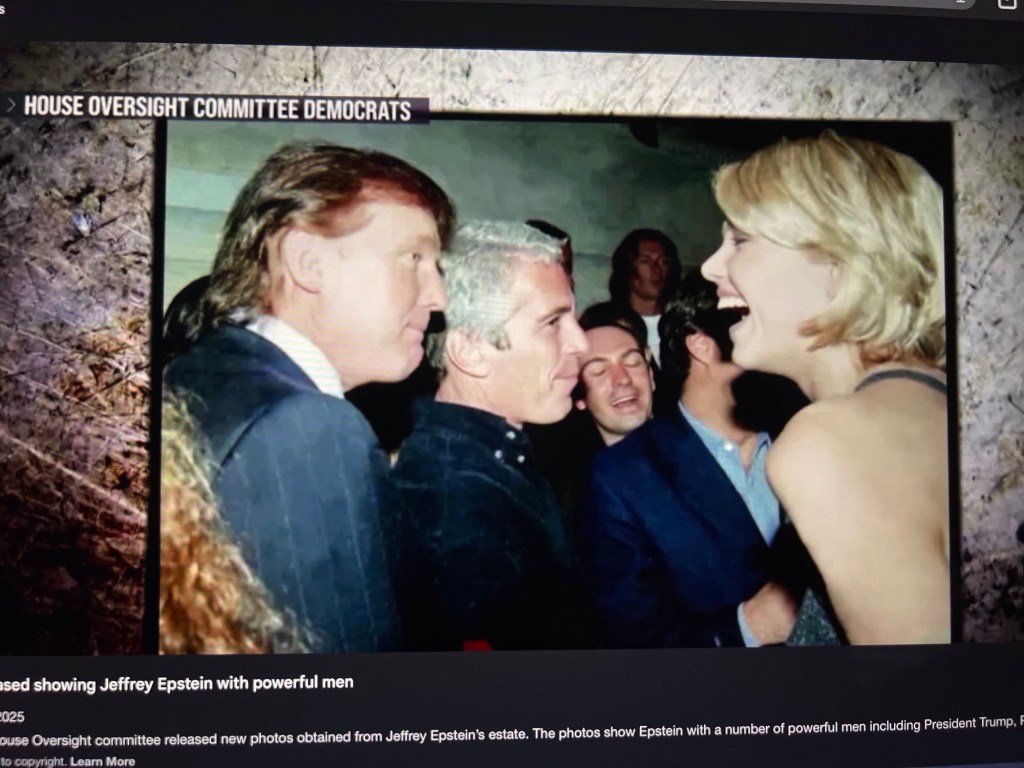
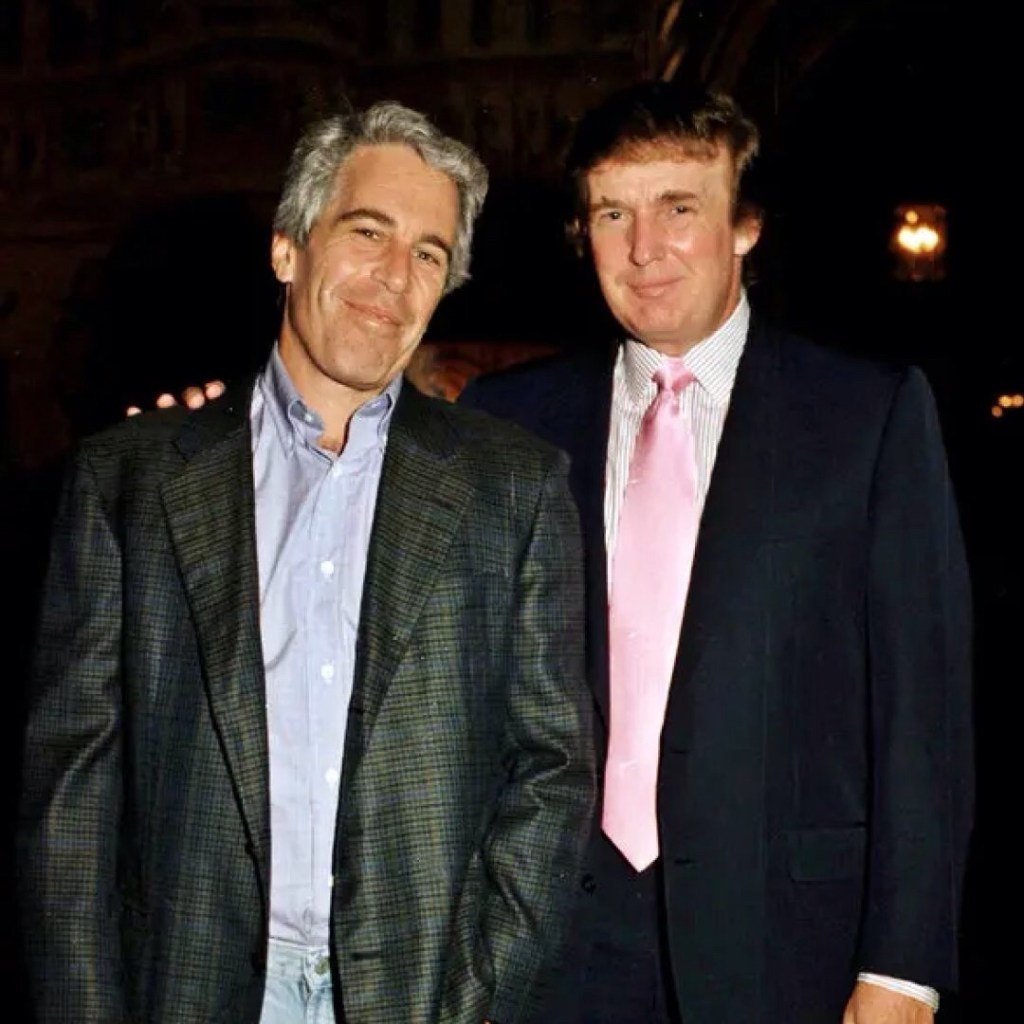
Judged by the company you keep

Next on Trump’s bucket list was Cuba. He cut off their oil supply, severely worsening an already dire economic crisis, then said he needed to rescue the Cuban people from themselves. He has also filed charges against 94-year-old Raul Castro for something that happened 30 years ago when he (Castro) wasn’t even in charge. This most recent distraction has yet to play itself out, and in the meantime . . . do I have to say it? . . .

. . . the Epstein files haven’t gone anywhere.


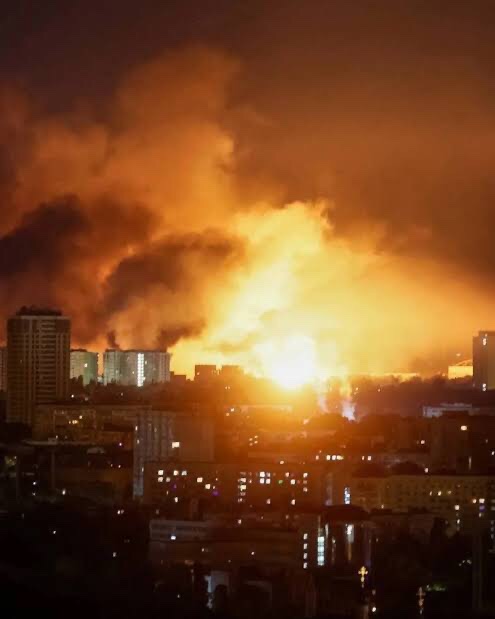
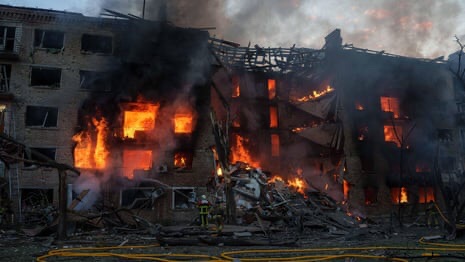
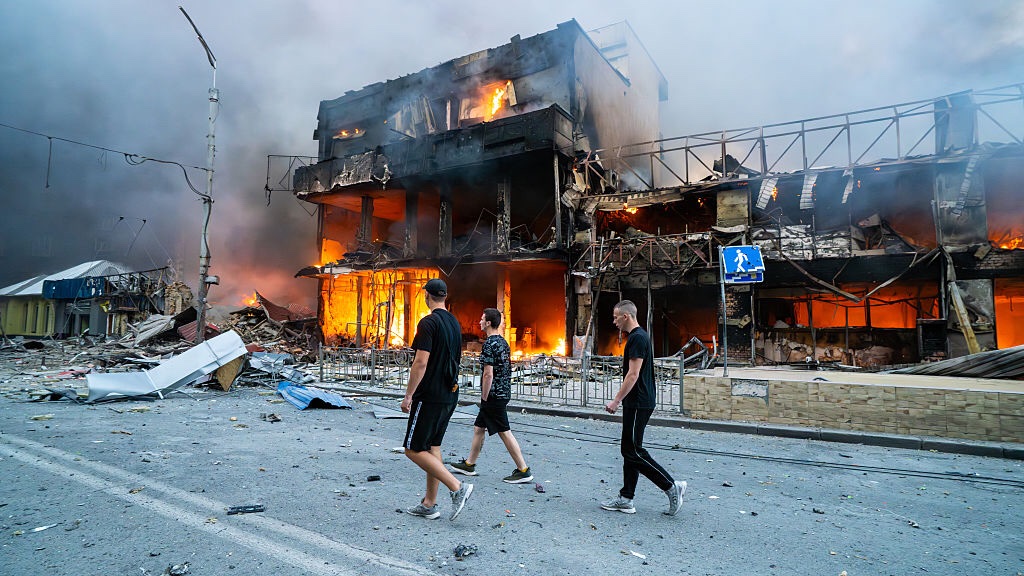
But, as serious a matter as this international pedophilia scandal is . . . and as fervently as I want to see every guilty party held to account . . . an even more immediate situation continues unabated, even accelerated, as Vladimir Putin relentlessly increases his devastating attacks on the civilian population and infrastructure of Ukraine. While claiming, with a straight face, that he only targets military and military-related installations, the evidence clearly says otherwise:

Kyiv, Ukraine – May 24, 2026

And all of Trump’s red herrings continue to draw attention, not only from the Epstein Files, but also from the ongoing conflagration in Ukraine.

By all accounts, Russia is gradually losing its war of attrition against Ukraine. But it’s not over yet, and Putin continues his punishing attacks, taking the lives of more and more innocent people, destroying historic landmarks and civilian property, and illegally occupying territory that does not, never did, and never should belong to him.

Now, after more than four years of indescribable horror, the allies that have so faithfully supported Kyiv in its defense against Putin’s murderous regime are growing weary — not because they have lost interest, but because there is simply too much else to deal with in the daily insanity that Donald Trump has brought down upon the earth.

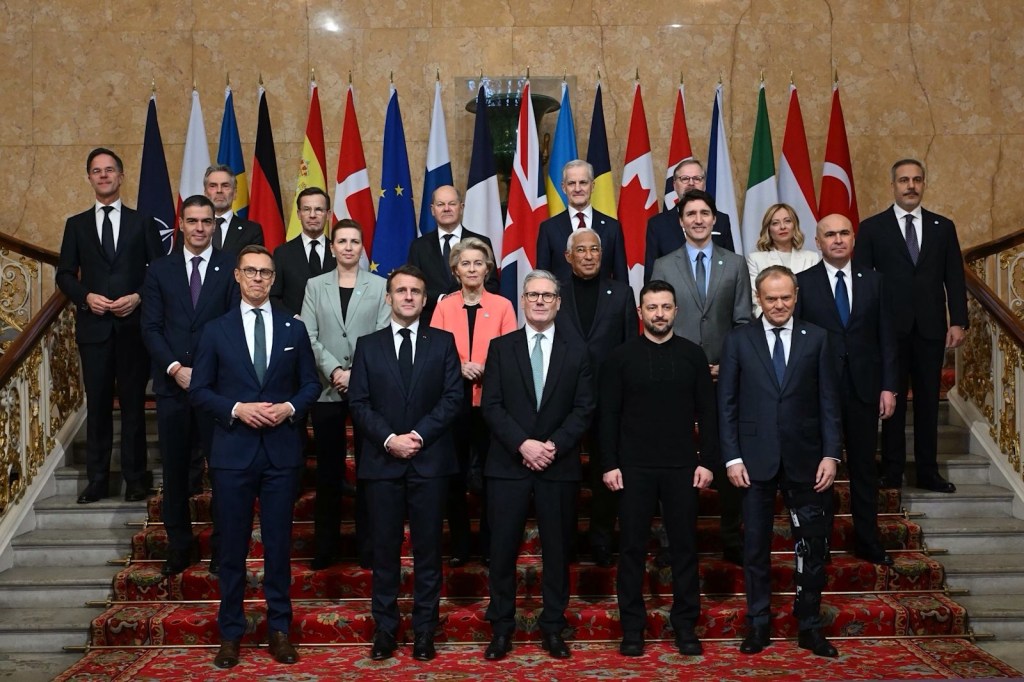
Coalition of the Willing

It is truly almost too much to bear. But we cannot give up the fight against tyranny, whichever side of the world it comes from. And we cannot give up on Ukraine, both for its own sake and for the future of the rest of Europe.

The world’s democratic forces are big enough and strong enough to take on Jeffrey Epstein’s co-conspirators and Vladimir Putin at the same time. We must not let Trump’s endless school of red herrings — or, as they say in Russia, “distracting maneuvers” — be the cause of Ukraine’s downfall.

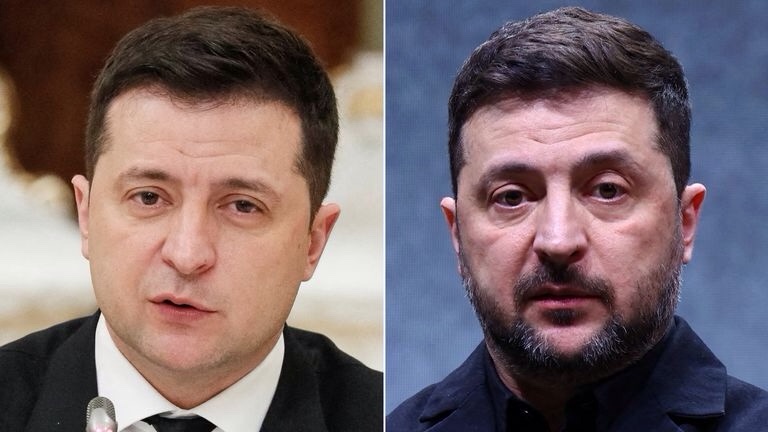
The result of four years of war: President Volodymyr Zelensky

Just sayin’ . . .

Brendochka
5/25/26

5/24/26: Quote of the Day: On Friendship

You’re probably getting tired of seeing Shakespeare’s picture in my daily quotes. But there’s a reason I cite him so often: because he can always be counted on to offer just the right words to express whatever I may be thinking or feeling at any given moment. Here is my find for today, which I will explain below:

“Words are easy, like the wind; faithful friends are hard to find.”

– Shakespeare, “The Passionate Pilgrim”

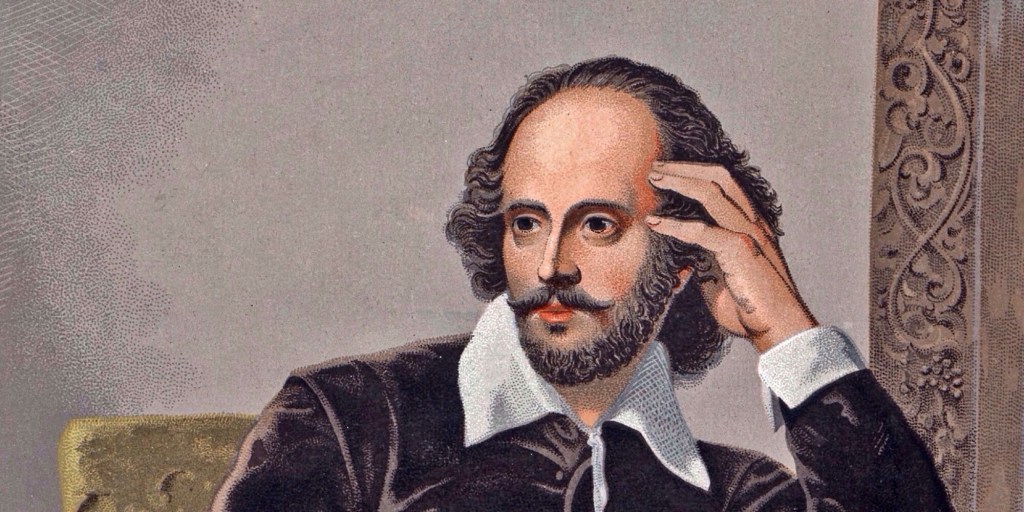
William Shakespeare (1564 – 1616)

Well, words may have been easy for old Will, but not so for most of the rest of us. Still, I’ll give it my best shot.

I had a dear, dear friend named Marilyn, who sadly passed away several years ago. She was the kindest, wisest, gentlest, yet strongest woman I have ever known, and I miss her terribly. But she lives on in her two beautiful daughters, who are blessed with the same wonderful qualities as their beloved mother.

Yesterday I needed a sounding board for a problem I’m trying to solve, and I knew they were just the right people to help. So I sent them a joint email — a rather lengthy one — and hoped to hear back in the next couple of days, as both are extremely busy with work and family.

But I didn’t have to wait. They happened to be together at the time, and called me during a brief respite in their frantic schedule (a graduation, a wedding, and two long-distance moves, all in the span of a couple of weeks!). First they apologized — actually apologized — for being unable to drop everything and run to my side. Which is exactly what their mother would also have done.

When I explained that I was only calling for information and advice, they came up with just the answers I needed, as I knew they would. And they said they would follow up with me soon — as I also know they will.

When we finished talking, I thought about how rare such friendships are — especially when they span generations. I consider myself the luckiest of people to have had a few such angels in my life. Some are gone now, but happily, not all. And I wanted to share this as a reminder that there is still so much good in the world, even in the midst of all the other stuff.

It’s what keeps us going, and we should never take it for granted. Hold on to the love.


Just sayin’ . . .

Brendochka
5/24/26

5/24/26: Putin’s Hostages – Bring Them Home, Week 124: Following Up On the Dissidents

Last week I wrote about the death by suicide of Russian human rights activist and dissident Nina Litvinova, whose suicide note spoke of some of the imprisoned dissidents she had tried to help. In part, she wrote:

“I tried to help them, but my strength is gone, and day and night I suffer from helplessness. I am ashamed, but I gave up. Please forgive me.”

She also named several of the individuals she had attempted to assist, and I added their names to my list of hostages. During the past week, I have researched their stories as promised, and present them to you here:

*. *. *

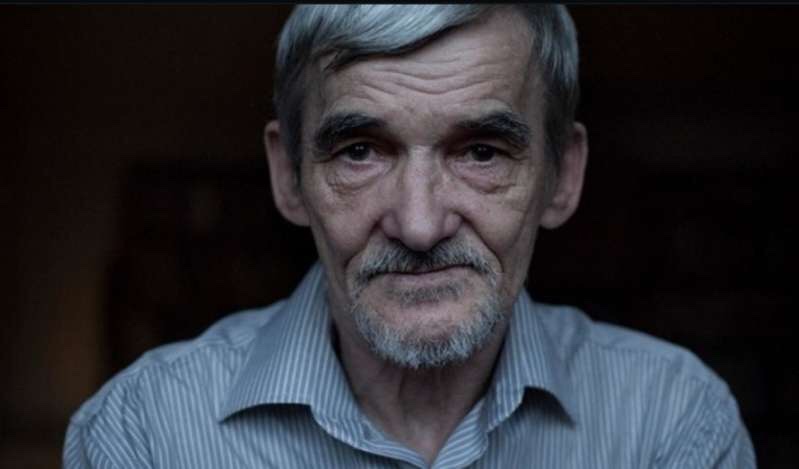
YURY DMITRIYEV: A prominent Russian historian, human rights activist, and former head of the Karelian branch of the human rights group Memorial, best known for uncovering hidden Soviet-era atrocities, now serving a 15-year sentence in a strict-regime penal colony on politically-motivated charges.

Yury Dmitriyev

*. *. *

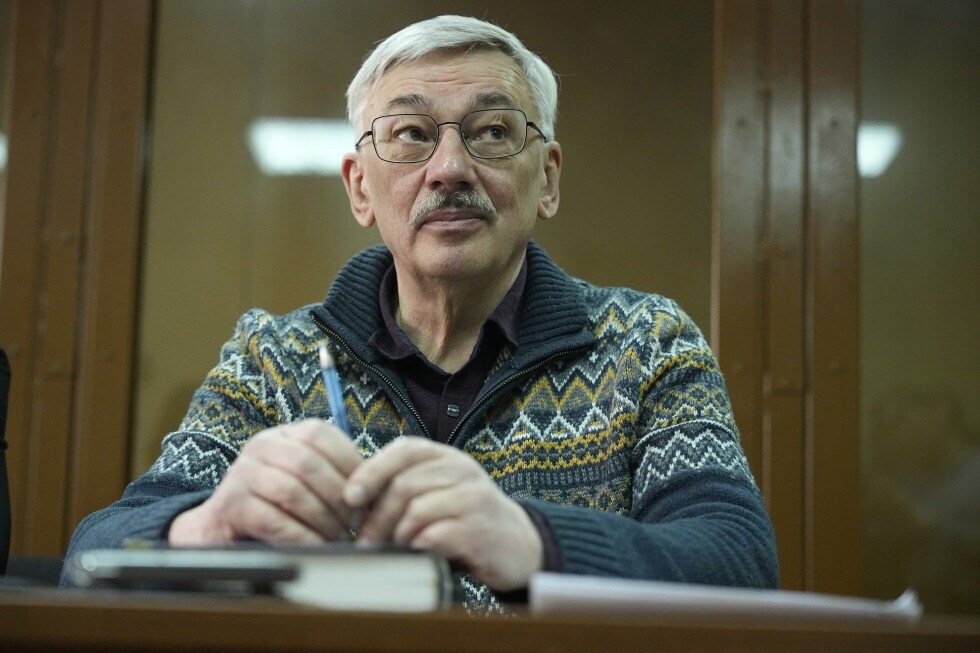
OLEG ORLOV: Another well-known human rights activist, Chairman of the Board of Memorial and board member of its Historic-Educational Society, Orlov was the recipient of the prestigious Sakharov Prize in 2009. He was previously on my list of hostages: In February of 2024, he was sentenced to two years and six months in a penal colony for having “discredited” the Russian army. He was released in the much-publicized prisoner exchange of August 1, 2024, and now lives in exile, unable to return to his native land; so he is back on the list as an “endangered exile.”

Oleg Orlov (Endangered Exile)

*. *. *

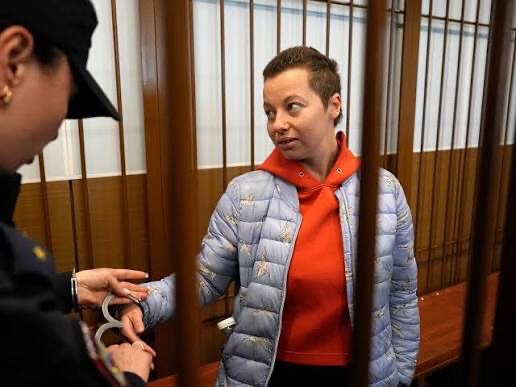
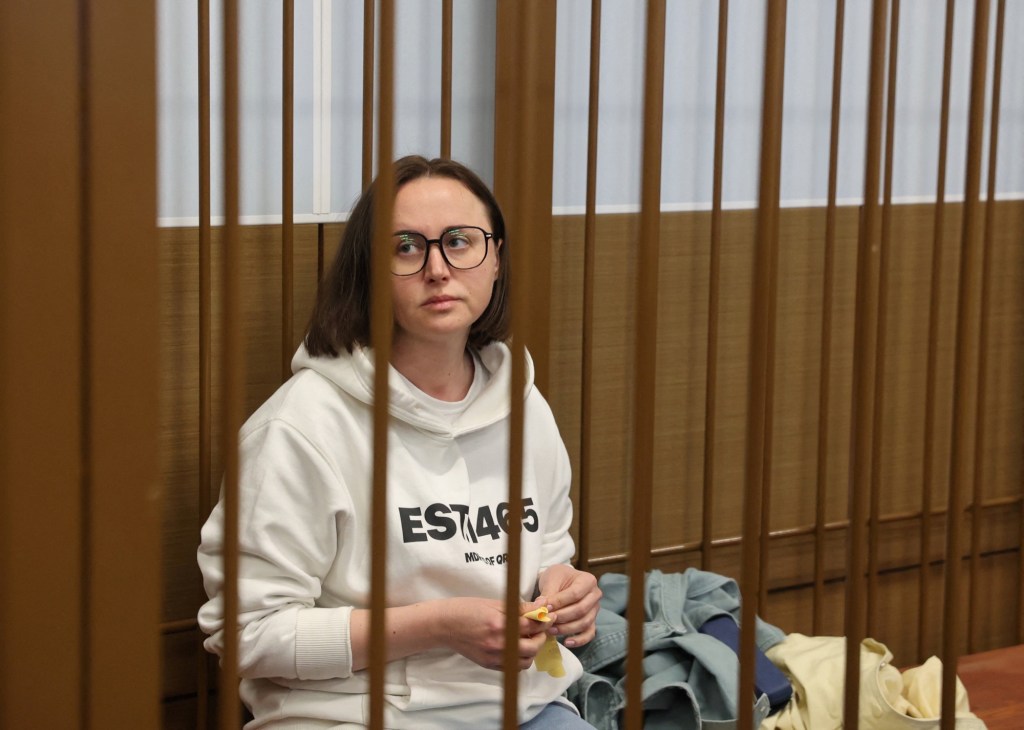
YEVGENIA BERKOVICH and SVETLANA PETRIICHUK: Arrested together in December of 2024, the two women were charged with “justifying terrorism” for having written and produced their award-winning play “Finist the Brave Falcon,” which tells the story of Russian women manipulated by online recruiters into marrying Islamist militants in Syria. Both were sentenced to six years in a penal colony, which was later reduced to five years and seven months. It is hardly coincidental that their arrest followed on the heels of Berkovich’s release of anti-war poetry criticizing the invasion of Ukraine.

Yevgenia Berkovich
Svetlana Petriichuk

*. *. *

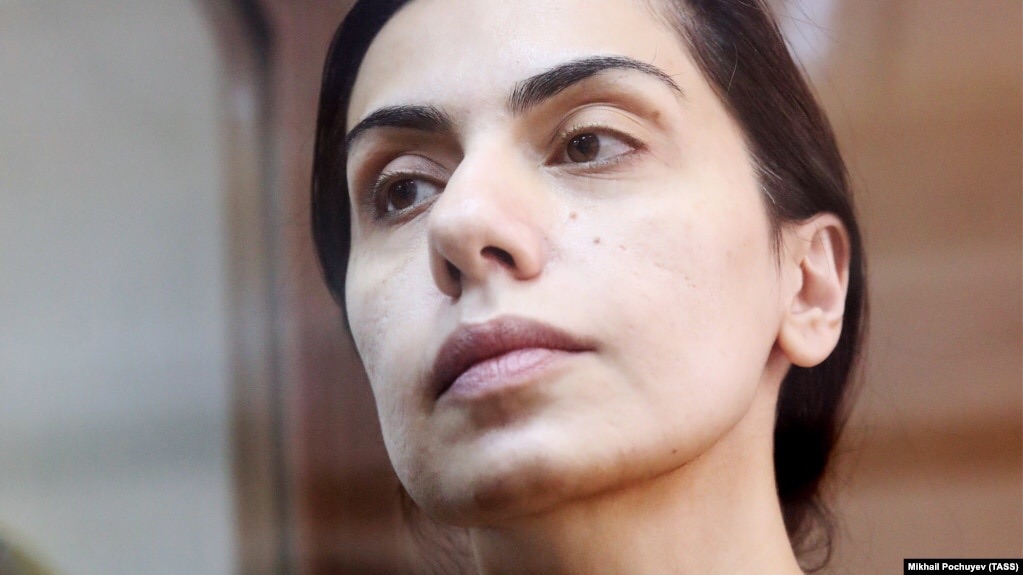
KARINA TSURKAN: This case is different from the others, in that it involves charges of spying for Moldova — charges vehemently denied by Tsurkan, and found by her attorneys to have been based in large part on forged “evidence.” Now seven years into a 15-year sentence, Tsurkan was the head of the trading division of state-owned Inter RAO, Russia’s fourth-largest producer of power and its monopolistic exporter and importer of electricity. Her job involved overseeing electricity trades in parts of Eastern Europe, including Moldova. Because the trial was a closed proceeding, few details are available, but the Memorial Human Rights Center has classified Tsurkan as a political prisoner because of the indications of falsified charges.

Karina Tsurkan

*. *. *

And another week in prison has passed for the thousands trapped in Putin’s web of political persecution. Once again, here is the full list of those hostages known to me, which is still only a fraction of the total:

Prisoners of War:


The 20,000+ Kidnapped Ukrainian Children
The People of Ukraine

Immigrant Detainees in Russia:

Migrants from the Central Asian nations of Kazakhstan, Kyrgyzstan,
Tajikistan, Turkmenistan and Uzbekistan

Endangered Exiles:


Pavel “Pasha” Talankin
Mikita Losik
Yulia Navalnaya
Oleg Orlov
Countless Journalists and Other Dissidents

Political Prisoners:

In Afghanistan:

Mahmoud Habibi (Afghan-American)
Paul Overby (American, missing since 2018)

In Azerbaijan:

The “Azerbaijan 7”:
Farid Mehralizada
Ulvi Hasanli
Sevinj Abbasova (Vagifqiai)
Mahammad Kekalov
Hafiz Babali
Nargiz Absalamova
Elnara Gasimova

In Belarus:

Andrei Chapiuk
Uladzimir Labkovich
Andrzej Poczobut
Marfa Rabkova
Valiantsin Stafanovic
Yuras Zyankovich

In Georgia:

Mzia Amaglobeli

In Russia:

The “Crimea 8”:
Oleg Antipov
Artyom Azatyan
Georgy Azatyan
Aleksandr Bylin
Roman Solomko
Artur Terchanyan
Dmitry Tyazhelykh
Vladimir Zloba

James Scott Rhys Anderson (British)
Aleksandr Andreyev
David Barnes (American)
Yevgenia Berkovich
Gordon Black (American)
Hayden Davies (British)
Yury Dmitriyev
Anastasia Dyudyaeva
Antonina Favorskaya
Konstantin Gabov
Robert Gilman (American)
Stephen James Hubbard (American)
Sergey Karelin
Timur Kishukov
Vadim Kobzev
Darya Kozyreva
Artyom Kriger
Michael Travis Leake (American)
Aleksei Liptser
Grigory Melkonyants
Nika Novak
Svetlana Petriichuk

Leonid Pshenychnov (in Russian-occupied Crimea)
Nadezhda Rossinskaya (a.k.a. Nadin Geisler)
Lev Schlossberg
Sofiane Sehili (French)
Igor Sergunin
Dmitry Shatresov
Robert Shonov
Grigory Skvortsov
Eugene Spector (American)
Joseph Tater (American, disappeared)
Karina Tsurkan

Laurent Vinatier
Robert Romanov Woodland (American)

You have not been, and will not be, forgotten.


Just sayin’ . . .

Brendochka
5/24/26

5/23/26: Is There Such a Thing as Pre-Traumatic Stress Disorder?

I had never heard of it. But, based on my own recent experiences and those of my closest friends and relatives, I was beginning to believe it was real. So I did what I always do: I looked it up.

And there it was, on the website of the American Psychological Association (APA). There is, of course, some comfort in knowing I haven’t been imagining it; but on the other hand, my fellow sufferers and I are having a hell of a time trying to deal with it.


The APA Dictionary of Psychology describes Pre-TSD as:

“a condition characterized by prolonged, significant anxiety about a potential threatening or otherwise devastating event, such as a terrorist attack or wartime violence. The individual remains in a constant state of worry and heightened stress at their perceived helplessness to prevent the expected future trauma and often mentally experiences the dreaded event again and again. . . . The resulting symptoms (e.g., fear, anger, vulnerability, uncertainty, irritability, concentration difficulties, insomnia, appetite disturbances) are so intense as to negatively affect daily functioning. Also called pretraumatic stress syndrome.”

Happily, I can’t say that I, or anyone I know, is in such bad shape that we are hallucinating specific disastrous events. (We won’t discuss my weird nighttime dreams here.) But in a world dominated by the likes of Donald Trump, Vladimir Putin, Xi Jinping, Kim Jong Un, Benjamin Netanyahu, and a few others, is it any wonder that so many of us are feeling fearful, vulnerable, irritable, and generally batshit crazy?

I remember a time — not that many years ago — when I would awaken each morning anticipating what the day might bring: an interesting new legal case at work, lunch with friends, a chance encounter with an interesting new acquaintance, a travel opportunity, a relaxing evening at home with a good movie and a bowl of popcorn, and finally a good night’s sleep. Nothing spectacular; just simple pleasures that told me life was mostly good.

When there was still something to laugh about

But we now live in a digital age, constantly bombarded from all sides by up-to-the-minute news reports. And in today’s world, if it’s not bad, it’s not news. So our phones and laptops and tablets ding constantly with reports of Trump’s latest multi-billion-dollar scam; Ukraine’s casualty count from Russia’s overnight drone attack; Netanyahu’s most recent assault on Gaza or wherever; Trump’s newest tacky decimation of the Washington landscape and history; mass job layoffs; Xi’s friendly overtures to Putin; another war; the disenfranchisement and deportation of legal immigrants; the Supreme Court’s (or two-thirds of its members’) abdication of their duties; Congress’ lily-livered obeisance to Trump; the Justice Department’s amnesia concerning its proper mission; mandatory White Christian prayer meetings at the Pentagon; the rising cost of everything; Trump’s bruises, swollen “cankles,” drooping face, and midnight social media dumps; and so on, and on, and on.

And, lest we forget, there are still those three million mysteriously absent Epstein files.


So now, I awaken every day wondering what new disasters the world has in store for us. And I pull the blankets up to my chin, bury my head in my pillow, and try to go back to sleep for a couple of extra hours of blissful ignorance before facing it all again.

I may not be hallucinating (yet), but I’d say I definitely show early signs of Pre-TSD. And I’m pretty certain I’m not alone.


Just sayin’ . . .

Brendochka
5/23/26