Author Archives: brendochka39

Unknown's avatar

About brendochka39

Having a wonderful time reminiscing about all my past travel (and other) adventures. Hope you’ll share them with me in my blog, “All Roads Led to Russia.”

Ch. 27 – Aftermath – Part II (Re-Posted 12/18/23)

Storm Warning

Washington, first week of March 1994: Things were not going well. With word out that Shvets’ book was about to be released, the press was expected to engage in one of its usual feeding frenzies, and I knew I had to take preemptive action; I couldn’t let my Russian contacts find out about my involvement from a news release. So I went to see Natalya at the Embassy. She was expecting to hear about the conference in Malta; what she heard instead appeared to send her into shock.

Natalya Semenikhina was an exceptional woman: smart, efficient, attractive, with a natural charm and warmth that made her perfect for her position in the Cultural Section of the Embassy. And she had been extremely helpful to me in working toward the creation of my U.S. training program and establishment of a business school in Moscow. I genuinely liked and respected her, and had enjoyed working with her. And now I had to try to salvage our relationship — and all of my hard work and dreams — without betraying the two people to whom I owed a professional responsibility . . . whether they deserved it or not.

She and I sat facing one another over tea in one of the Embassy’s formal meeting rooms, talking first about Malta, the people I had met there, the business opportunities, etc. Then I said I had something else to discuss with her . . . something quite serious. And as I related the story of my meeting the year before with Aksilenko in Moscow, his revelation as to his friend’s tell-all book, their subsequent “relocation” to the United States, and the imminent publication of the book, her face paled and her expression turned to one of total horror. Although I stressed the strictly commercial nature of my relationship with them, I could see clearly that she knew exactly who they were and what was at stake. And, for the first time in all the months I had known her, she was speechless.

Finally composing herself, she said that this was completely outside her purview, and that she would have to discuss it with someone else. At that point, I’m not sure she even knew whom to go to, but she did know she couldn’t deal with it alone. She said she would call me to set up another meeting, and I left the Embassy with a sinking feeling that my work in Russia was about to come to an end. My one hope might be to cut short my working relationship with Aksilenko and Shvets, and perhaps even to forfeit my financial interest in the book. I would have to give that some thought while I waited to hear from her, but I wasn’t optimistic — you can’t unring a bell.

She called the very next day and asked me to come to the Embassy on the day after that. Her voice left no doubt that she was under serious stress. As concerned as I was for my own situation, I also felt regret that it had become necessary for her to be involved — she had had nothing to do with any of it.

The next morning I arrived at the Embassy to be greeted by a very somber Natalya. There was no tea service in the meeting room that day — a bad sign from the normally hospitable Russians. Her speech was hesitant, and had obviously been carefully rehearsed. All of the public rooms in the Embassy were assumed to be bugged, probably even wired with cameras; so I was sure she was being careful to say everything she’d been instructed to say, and nothing more. I, on the other hand, had no idea of what to expect. For me, this was going to be like amateur night at the Improv.

Natalya told me she would normally have arranged for me to meet with a Mr. Lysenko — the name was unfamiliar to me — but that he had returned to Moscow just a few days earlier. So she had talked with someone else in his department, and that person had suggested that I should prepare and submit to them — now check this out — a written statement detailing the history of my relationship with Aksilenko and Shvets, from beginning to end, leaving nothing out: everything I knew about them, everything they had ever told me, everything about the contents of the book, my business arrangement with them, and where they were and what they were doing now. Then, and only then, could my own situation be reevaluated and given careful consideration.

Momentary silence . . . deep breath . . . then . . .

“You’re kidding . . . right??!!!”

Okay, so I didn’t actually laugh. But oh, how I wanted to! Did they really believe for one moment that I would even consider delivering to the government of any country — let alone an adversarial one — any information that could conceivably be used against American interests? Did they think I was personally low enough to sell out another human being (or two)? Or that I was stupid enough not to realize that anything I might give them would go directly to the Russian Foreign Ministry as well as KGB Headquarters, and could potentially reach all the way to the Kremlin itself? And did they also believe I was weak enough or greedy enough to simply break down and submit to their transparent attempt at coercion?

Actually . . . yes, I suppose that is what they thought. Well, then . . . they clearly had no idea of what kind of person they were dealing with!

Of course, I kept all those thoughts to myself, and somehow managed to remain calm. I briefly considered keeping them hanging for a couple of days by telling Natalya I’d think it over and get back to her. But no . . . there was nothing to think over, and I wanted them to know that. So what I did say was that — for better or worse — Aksilenko and Shvets were my clients in a publishing venture, and that it would be professionally unethical and personally reprehensible (my exact words) for me to betray them in the manner her people were suggesting. Bottom line: a flat-out “Nyet!

As I spoke, Natalya almost seemed physically to deflate. She had failed, and she looked worried, even frightened. Then she stood up, whispered something that sounded vaguely apologetic . . . and I was politely shown the door.

*. *. *

Walking down 16th Street away from the Embassy, I knew that I, too, had failed in my efforts to guide some of Russia’s middle class into the approaching 21st Century. But they would manage without me and my business school; the Russian people always did, somehow. In a different sense, though, I knew I had succeeded. I had stood my ground, refused to be intimidated, and had managed to preserve my principles of honor and decency. I was, in human terms, the clear winner.
“Ta-da!!”

When I reported all of this to Eric later that day, he told me that the man I was supposed to have met — Aleksandr Lysenko — was well known to the FBI: he had been the rezident, or chief of station, at the Russian Embassy for several months. In other words, the top KGB agent in Washington. He had been expelled from the U.S. just days earlier for his role in running the CIA turncoat Aldrich Ames. The fact that I was intended to have met with a person of Lysenko’s rank clearly indicated how seriously the Russians were treating this whole situation. On the one hand, I was obviously relieved that a meeting with him had been averted; but on the other hand, I thought it might have been an interesting experience . . . in a rather perverse way. But that’s one more thing I’ll never know.

Aldrich Ames and Aleksandr Lysenko — two men I didn’t know, and had never even heard of before they made the news just a few days earlier — had somehow, indirectly, invaded my life and changed it forever. Unbelievable!

*. *. *

In April of 1994, Shvets’ book, Washington Station, was finally released.
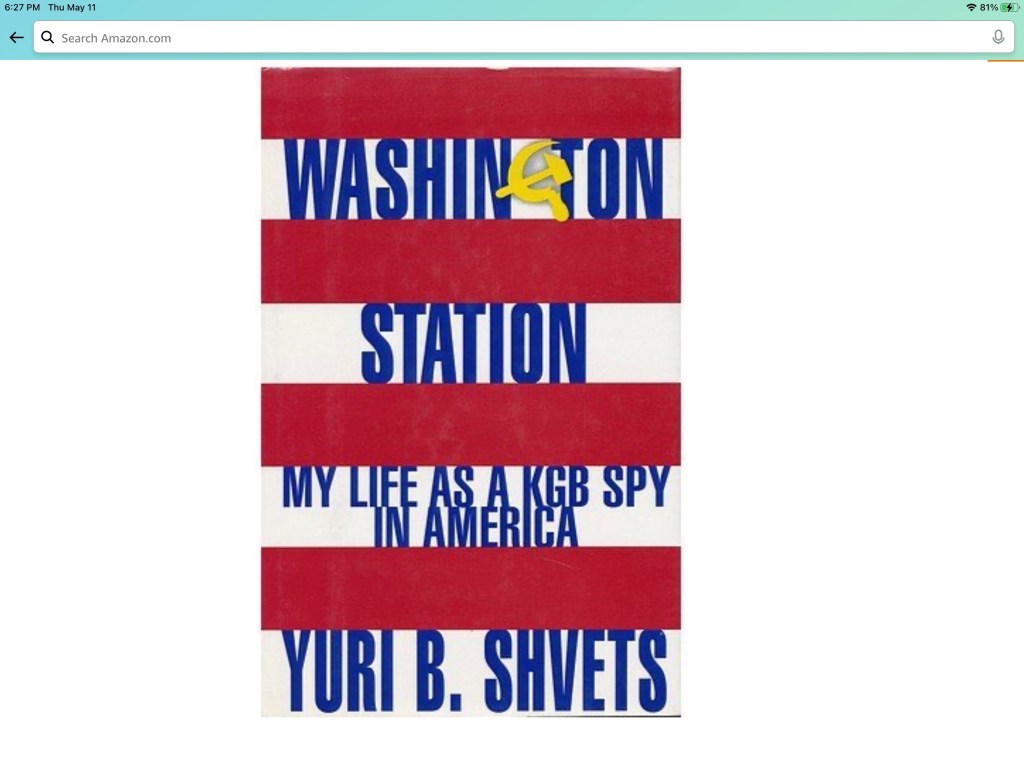
The Root of the Trouble

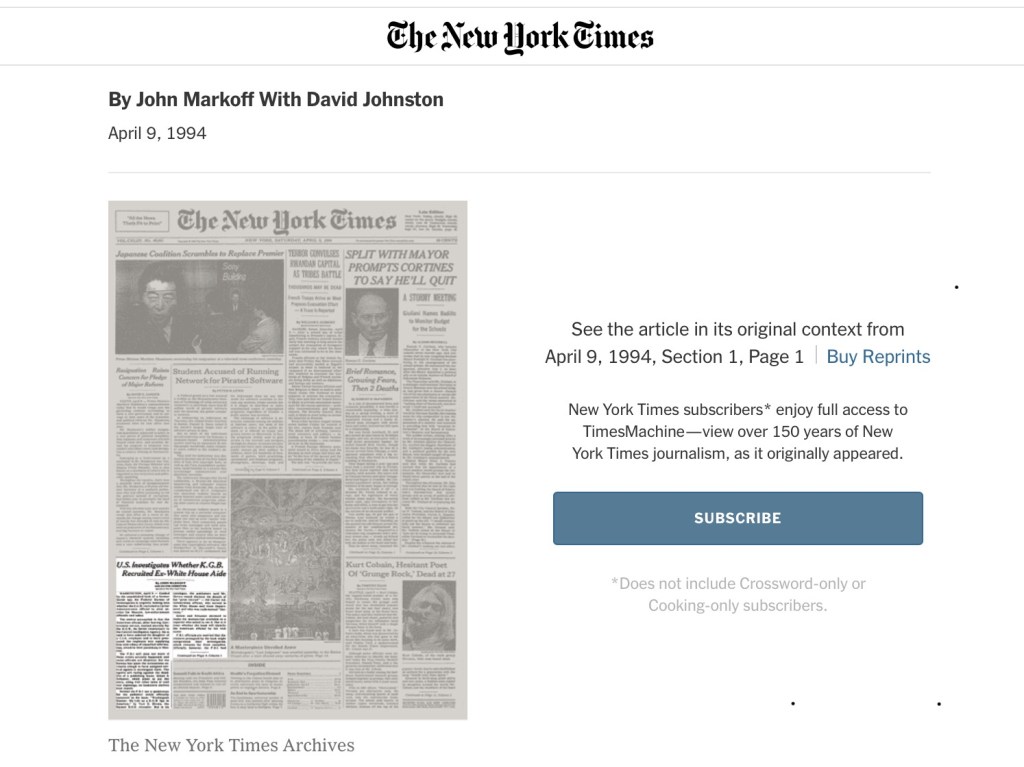
On April 9th, an article by John Markoff and David Johnston appeared in the New York Times about the book, about Yuri Shvets himself, and about my role — not entirely accurately presented — in having brought Shvets and his colleague, Valentin Aksilenko, to the United States the previous year. But the article didn’t stop there. It went on to suggest a possible connection between the arrival of the two men in the U.S. for ten days in April-May of 1993 and the opening of the FBI’s official case against Aldrich Ames on May 12th, just one week after their departure on May 5th.

And as I read that article, a comic-strip lightbulb lit up over my head. It all began to make sense, in a totally convoluted, nonsensical way. All of the attention from the FBI at home and the KGB and Militia in Moscow; the “watchers” and “Good Samaritans” repeatedly showing up during my travels; the ease with which the two former KGB spies had gotten back into the U.S. — it hadn’t been my imagination at all.
No . . . I was just a person who had been in the right place at the wrong time — not really involved, but ultimately the one who had been used to tie the various strings together. Metaphorically speaking, I had become a pawn in someone else’s political chess game, and now, at the end of that game . . . well, now I was simply collateral damage.

You just can’t make this stuff up!

*. *. *

There’s more — lots more — that I really don’t need to go into here. But there is an interesting footnote. Because of the brouhaha surrounding Aldrich Ames’ arrest and eventual conviction and sentencing on charges of espionage, Yuri Shvets’ book could not have hit the stands at a worse time. It was totally overshadowed by the bigger story. The first — and only — printing was smaller than originally planned, and didn’t do well. It was withdrawn from the bookstore shelves before most of the world even knew it was there. Other than my small percentage of their advance payment, my only royalty check arrived in the mail a full five years later, in June of 1999, in the amount of . . . drumroll, please. . . seventy-seven cents ($0.77). As I stood by the wall of mailboxes in the lobby of my apartment building and opened the unexpected envelope from Brockman, Inc., I burst out laughing — so hard, and so loudly, that several passing neighbors thought I’d lost my marbles. I managed to choke out “I’m okay,” and continued laughing all the way to the elevator, up to the third floor, and down the long hallway to my apartment.

I still have that check, and it still tickles me to look at it.
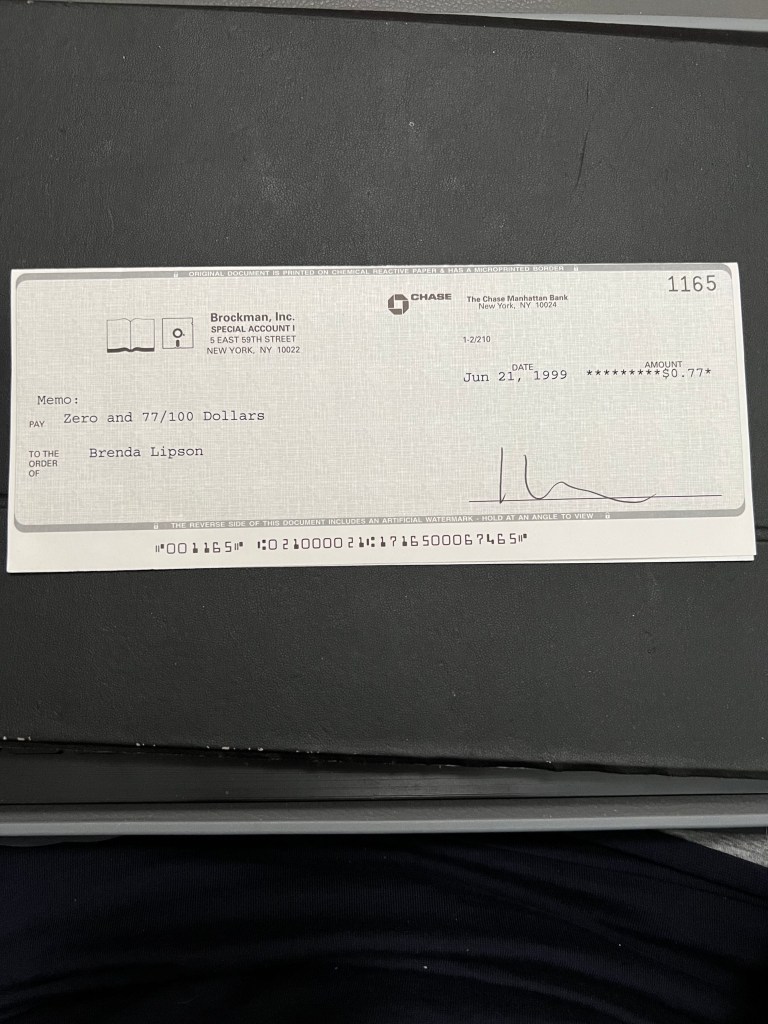
Don’t spend it all at once!

*. *. *

So how does it all end? Am I going to leave you hanging after dragging you around Europe with me for half a year, wondering why I’ve bothered writing all of this stuff? No . . . of course I wouldn’t do that to my loyal readers. So, see you next time for the grand finale.

Brendochka
5/29/23 (re-posted 12/18/23)
Ch. 26 – Aftermath – Part I (Re-Posted 12/17/23)
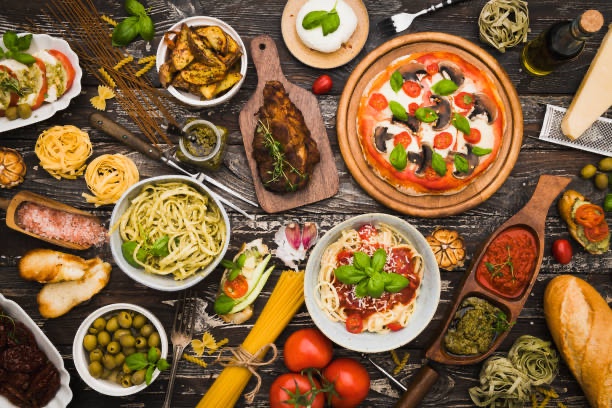
February 25, 1994: Homeward bound once more, and happily not on Aeroflot this time. But because my original booking had been through Rome, returning the same way turned out to be the least expensive route, even though there was no connecting flight and it meant an overnight stay in Rome. I had reserved a room at a small hotel near the airport and arrived around 11:00 p.m., well after the hotel’s dining room had shut down for the night. But one of the benefits of a boutique hotel is the personal attention they are able to pay to their guests, and this one was no exception. The concierge found a person still in the kitchen who was able to prepare some of the food that hadn’t been served at dinner, and delivered my light meal to me personally. It was delicious, and with a glass of Chianti to wash it down, I was able to sleep like a baby.

Italian Snack

I awoke early the next morning — Saturday the 26th — in order to catch the hotel’s shuttle bus to the airport. As I was dressing, I again tuned in to CNN, this time to learn that there had been yet another shooting incident in Hebron, a Palestinian city in the West Bank of Israel. Would they never stop?!! I wondered. It was an ongoing tragedy; but as an American who lived geographically far removed from the problems of the Middle East, and this being years before acts of foreign terrorism reached our shores, I never thought of the effect it might have here in Italy. That is, until I got to the airport . . .

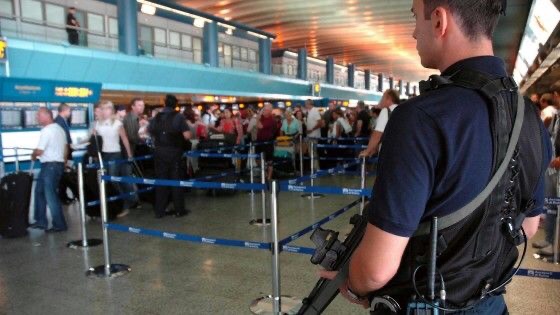
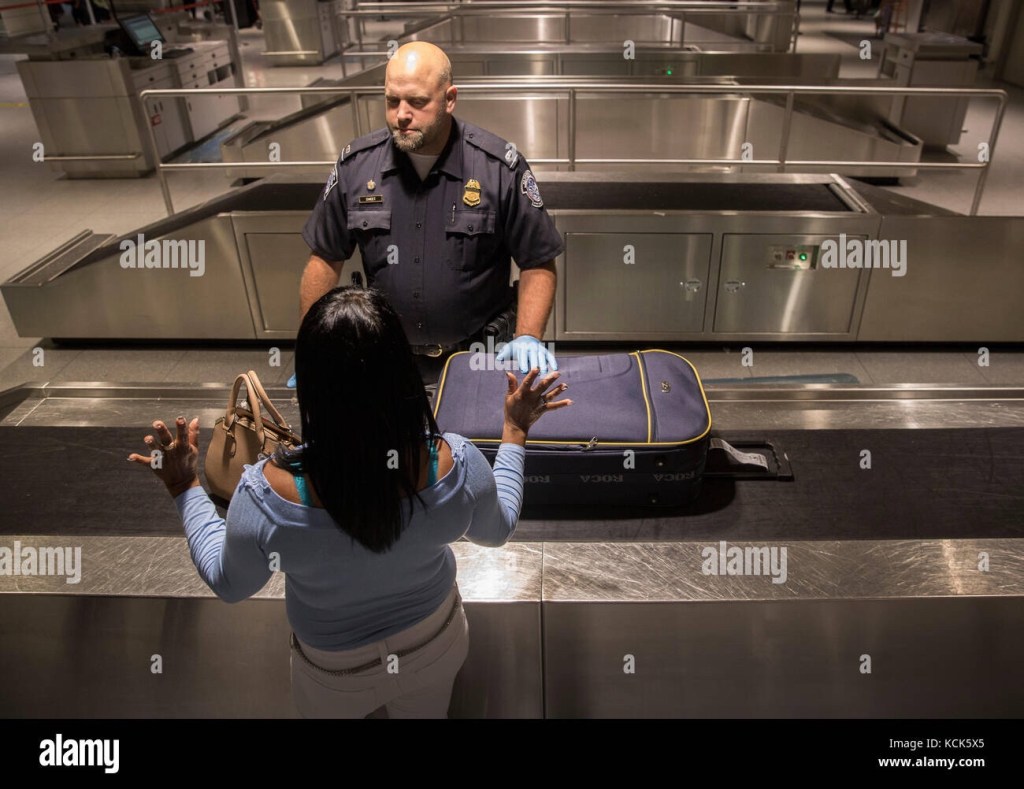
The lines in the terminal appeared endless. They snaked around the inside of the building to every airline counter, including mine. The police and military presences were heavy and heavily armed, many accompanied by their canine partners. This was Europe, where they had suffered their fair share of terrorist attacks; and I had forgotten that when things heated up in the Middle East, the response here was immediate . . . and impressive. So I found my line and waited as the security officer worked her way toward me.

Airport Security – Rome, Italy

When she finally reached me, she began by asking the usual questions: “What was the purpose of your visit to Rome, and how long were you here?”

Answer: “Overnight, just transiting.”

Logical next question: “Transiting from where to where?”

Oh-oh. My answer — “Moscow to Washington” — was clearly going to set off some alarms. And did it ever! Her next questions concerned the purpose of my visit to Moscow, where I had stayed and for how long, whether my luggage had ever been out of my sight, whether anyone else might have had access to it . . . And when I answered truthfully that I had stayed in an apartment and that yes, others had been alone with my bags for a while, she very apologetically said she would have to perform a search of my luggage. I responded that it was no problem, as long as I didn’t miss my flight, which she assured me would not happen.

And I said a silent prayer of thanks that I had had the good sense not to take Shvets’ $3,000, and even more so his son’s passport, from his mother. This was exactly the sort of thing I had been afraid of, although I certainly could not have known there would be an overnight Middle East problem. But there are many possible reasons for a baggage search — even a simple random check — and it was almost as though Mama Shvets had been hoping for that when she loudly insisted that I could hide the passport under my clothing. The things I thought about her and her precious son in those moments do not bear repeating, but I’m sure they’re not difficult to imagine.

Not My Finest Moment

In any event, the search was quick and respectful. Security officers are trained to read people’s reactions and body language, and I suppose she could sense that I wasn’t hiding anything. When she finished, she even took me up to the head of the line to be checked in, as a sort of apology for the inconvenience. The plane was boarded on time, and off we went.

I had a seat mate this time: an American woman, 40-ish, well-dressed, professional-appearing — someone I thought I might enjoy chatting with. But she was as silent as the American man on last summer’s Aeroflot flight. My usual get-acquainted questions — was this your first visit to Italy? business or vacation? what line of work are you in? — met with non-responsive, monosyllabic answers. She clearly did not feel like talking. I didn’t want to be intrusive, so I resigned myself to a long, quiet flight ahead and settled in with the book I had brought, thinking she might be more willing to talk a bit later. She wasn’t. We landed at Dulles on time, and she walked away without a word. So much for the friendly skies.

The next day, all hell broke loose.

Well . . . maybe not this bad.

First, there was Yuri Shvets to deal with. He was anxious to receive whatever his mother had sent back for him. The FedEx envelope with the passport was already en route (and actually arrived a couple of days later); but when he saw that I had brought only a letter and no money, and that most of his gifts for her had not made it into my luggage in the first place, he was livid . . . which was nothing compared to what I was feeling. I told him in minute detail of his mother’s performance and how irresponsibly, and even recklessly, she had behaved. His excuse was, again, that she was just a “simple Russian woman,” to which I replied, “Bull shit! She’s the mother of a KGB Major. Don’t tell me she doesn’t know how to behave in public.” I also let him know what had happened at the Rome airport. The conversation deteriorated from there, and I stopped just short of accusing him of trying to set me up — only because I had no proof. And because I was alone in my apartment with a very angry man. He finally took the bag and the letter and left, slamming the door behind him. I never saw or spoke to him again.

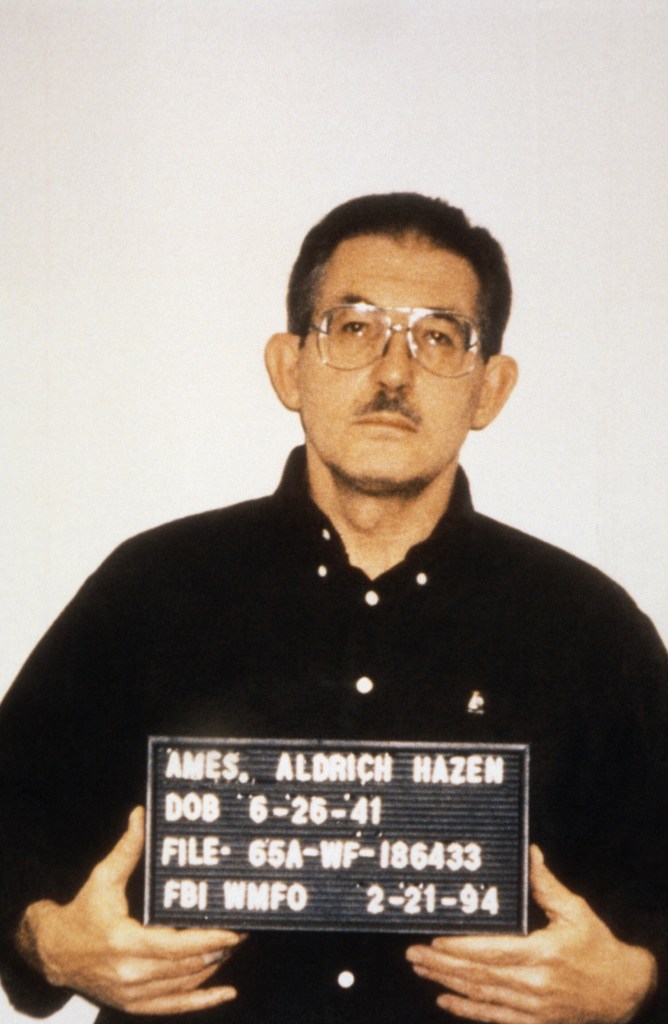
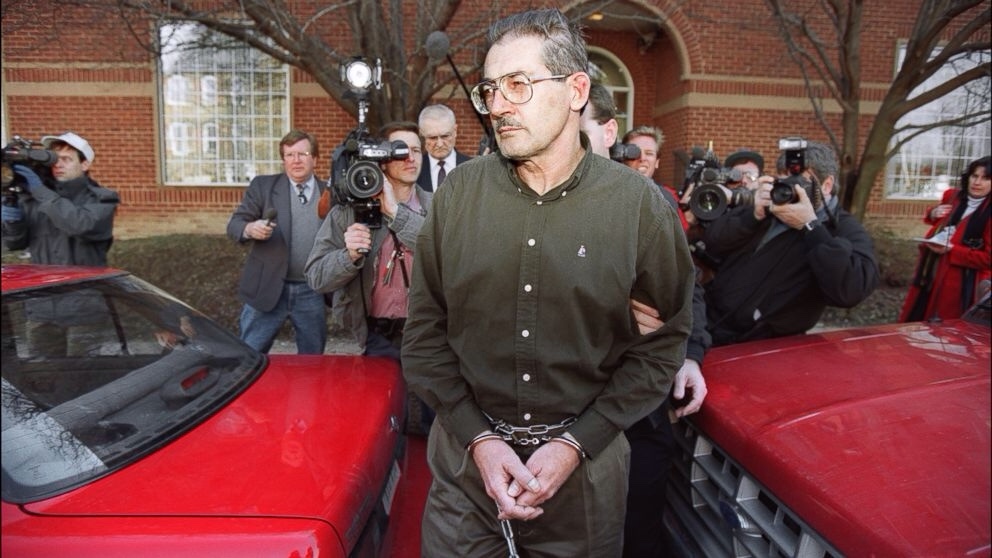
I called Eric on Monday to let him know I was safely back, and we made plans to get together in a day or so. In the meantime, I had caught up on the national and local news, which turned out to be full of the story of the CIA agent who had been caught spying for the KGB: Aldrich Ames, the man I had first heard of on CNN in Moscow. Folks there had shrugged it off as just another remnant of the Cold War; but here at home it was a big deal. Still, it had nothing to do with me.

Well, at least not directly, it didn’t. But as I read the details of his arrest, and the FBI’s actions in the days leading up to it, I realized that the coincidence in timing between that activity and my pending travel to Moscow was more than a little interesting. It was reported that Ames had been part of a CIA team scheduled for an official visit to Moscow, due to leave Washington on February 22nd — the very middle of the time I was also to be in Moscow — and that his arrest had been set for the 21st in order to forestall his leaving the country. But again I wondered: so what? I hadn’t even known the man existed.

Aldrich Ames

And I had my own problems. Shvets’ book was soon to be released, and John Brockman was talking about pre-release publicity. My name was tied to both Shvets and Aksilenko, and I knew it was time to do damage control with Natalya at the Russian Embassy. This was not going to be pleasant . . .

Brendochka
5/25/23 (re-posted 12/17/23)
Ch. 25 – Once More, in February (Re-Posted 12/16/23)
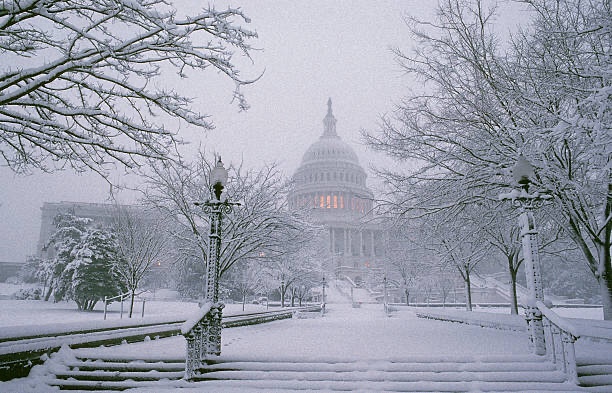
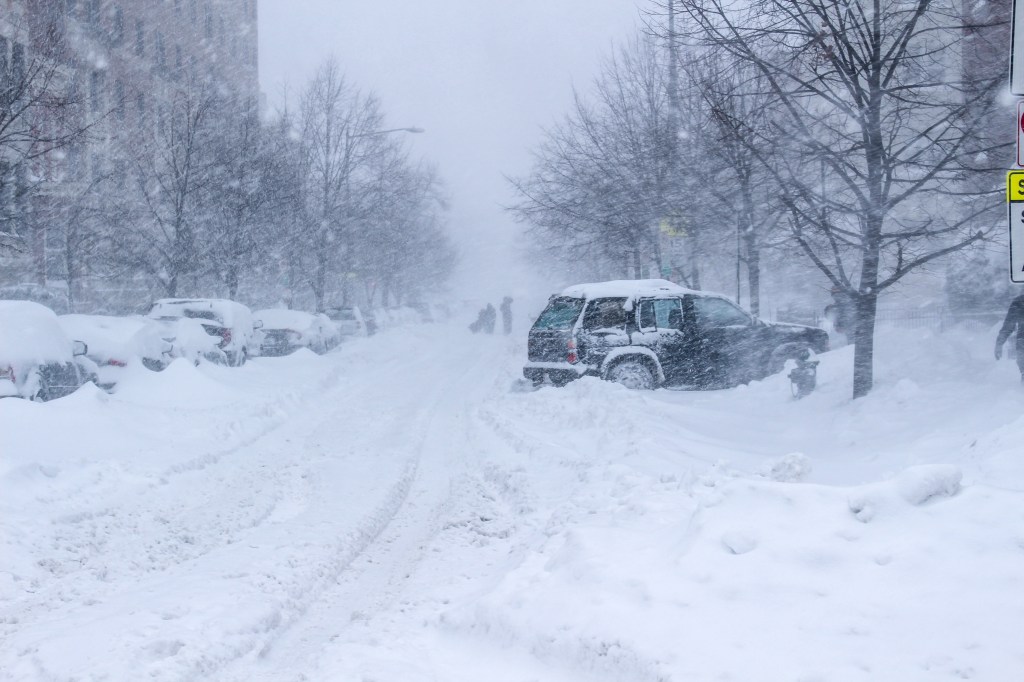
February 1994: If you’ve never been in Washington when it snowed . . . count your blessings. It’s a total nightmare. Sure, the city looks beautiful blanketed in the clean white stuff — if you’re indoors, looking out. But if you’re trying to get home from work — or anywhere, for that matter — you had better have a full tank of gas, an emergency survival kit, and a strong bladder. Because, depending on how far you have to travel, it can take as much as twelve hours to get there. And that is not an exaggeration. I recall that during one blizzard, some of the people I worked with actually were on the road for between eight and twelve hours trying to make it home to the suburbs. And it doesn’t even take a blizzard to screw things up — the slightest dusting will do it. My eight-mile commute once took me three hours.

Snowy Washington

But now here I was, facing the prospect of a treacherous 23-mile cab ride to Dulles Airport on the frozen suburban Virginia roads, not knowing whether my flight to Italy would even be able to take off. So I checked with the airline, found that I could book the same flights one day later, and decided to play it safe. I changed my reservations, called the conference coordinator in Malta, faxed Olga in Moscow, and settled down with a cup of cocoa and a good book — my favorite thing to do on a snowy day at home.

Then I remembered to call Eric, just to keep him informed of my whereabouts; this trip actually had nothing to do with Aksilenko, Shvets, or the FBI. But then, why did he react as though I’d just asked him for a divorce?

No, seriously — he was clearly not happy. He even tried to talk me into changing my mind, and said he would drive me to the airport himself. But it was too late — there wasn’t time to reverse what had already been done. And he finally, somewhat grudgingly, acknowledged that I was probably smart not to take the risk; but I still couldn’t shake the feeling that something else was going on that I wasn’t aware of.

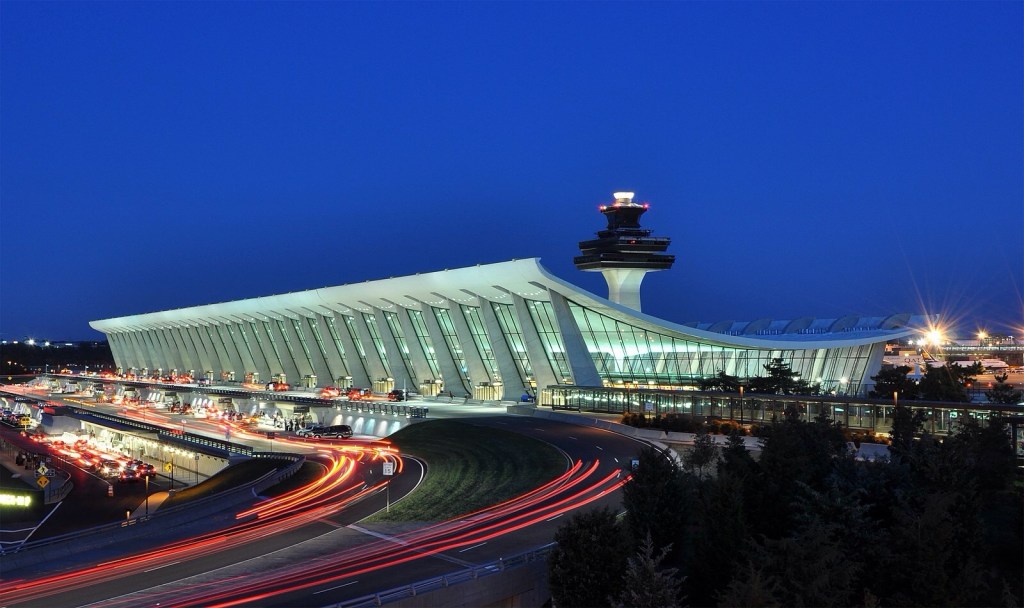
By the next day, it had stopped snowing, the main roads had been cleared, and I was on my way to sunny Malta at last. As I usually do, I left home a little earlier than necessary, and had time to spare at the airport. I checked in, made my way through security to the boarding area, and found a spot to sit and read while I waited for the announcement of my flight.

Then I noticed him: a man, sitting a little distance away and periodically looking over at me as though he might have known me. I asked myself if I recognized him from somewhere. No, not that I could recall. Did he seem to be flirting? Well, when he caught me looking at him, he quickly looked away, so . . . no, definitely not that. Was there something wrong with my appearance, like one of those dreams where you’re naked in public? Again, no . . . not naked. Or was I most likely imagining things? That had to be it. So I ignored him as best I could, and got up to board my flight when it was called.

Dulles International Airport

The flight itself was uneventful, though the hassle of going through security in Milan was a royal pain. But we made it to Rome, where I had to switch to a smaller plane for the short hop to Malta . . . which was when I ran into a problem. Checking in for the second flight, I was told they had no reservation for me. I didn’t exist. I explained to the agent that I had rescheduled my reservation from the day before, and she still couldn’t find me in her computer. I asked if she could just get me onto the flight — that I would pay the additional cost — but was told that was not possible. And that’s when another good Samaritan came into my life, seemingly out of nowhere. This was beginning to feel like JFK Airport in April of ‘93 again, only in Italy this time. Did these guys just hang around airports waiting to rescue people, or what?

This one was also an attractive, well-dressed man. Apparently having heard my exchange with the agent, he simply nodded at me, walked up to the counter, quietly said a few words to her in Italian — which of course I did not understand — and suddenly I was no longer a non-person. In a couple of minutes, I was ticketed and wished “Buon viaggio, signora.” Even I understood that. What I didn’t understand was how my name had suddenly managed to appear on their computer. But my mysterious benefactor had already vanished, and I hadn’t had a chance to ask, or to thank him. And there was no time to think about it now — I had a plane to catch. So off I went, leaving one more mystery behind me.

*. *. *

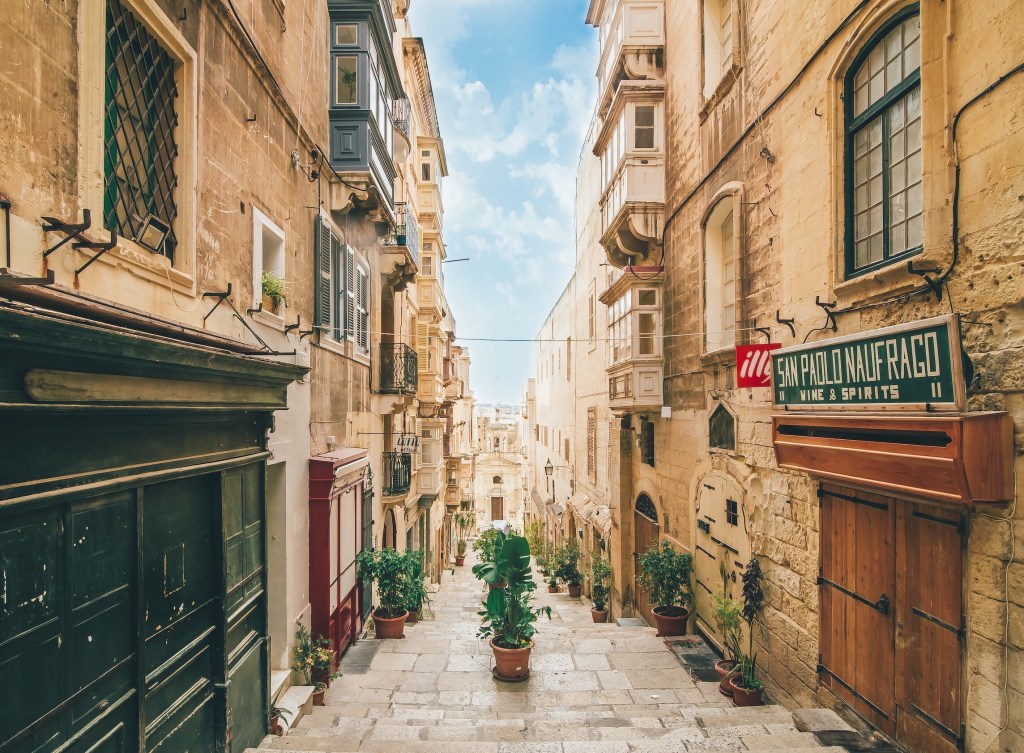
Valletta, the capital city of Malta, was breathtakingly beautiful, with its blue Mediterranean harbour, ancient multi-cultural architecture, stone-paved streets, and an endless array of wonderful shops and restaurants. The mild spring weather was a delightful break from the snow and ice I’d left behind, and all of my free time was spent wandering and discovering charming little neighborhoods, shops and magnificent churches. And eating. With a group of fellow foodies from the conference, I was introduced to the best Italian food I had ever tasted.

A street in Valletta, Malta

The conference itself was mildly interesting, and included a reception at the Russian Embassy. I did learn a great deal about the emergence of Malta as a second Cyprus in terms of doing business and hiding assets. But otherwise, I can’t say there was anything meaningful to take home from the conference sessions. If it hadn’t been for the idyllic setting and the free time spent enjoying the surroundings, it would have been something of a waste. The Russian participants seemed most interested in eating, drinking, sightseeing, shopping, and altogether enjoying the respite away from their frigid homeland, and I can’t say I blamed them. It was a wonderful little vacation, and I highly recommend it as a destination for all you travel buffs out there.

But the coming week in Moscow, I was sure, would make the whole trip worthwhile. And I was right . . . though not exactly in the way I had expected.

*. *. *

Vitold was waiting for me at the now-familiar Sheremetyevo Airport, this time with his own car and not the borrowed truck from last summer — which I felt sure had long since been sold for parts, or should have been. I was once again in the bitter cold and snow, but unlike Washington, nothing stops for the winter weather in Moscow. I had a wonderful, heartfelt reunion at the office with my “besties” Olga, Lena, Maya and Tamara, who had all taken great pains to make sure I had my favorite foods in the kitchen, fresh linens in my old bedroom, and anything else I might need during that week. I was back in my second home.

There was just one string attached to my use of the Foundation’s apartment: Gil Robinson had asked me to meet with our old friends from Petrovka 38 on his behalf. So on the Tuesday after my arrival, my buddy from the previous summer, the KGB’s own Vladimir Bragin, dropped by to welcome me back and provide transportation once again. There he was, in my living room, greeting me with a big smile and a handshake — not just to drive me to Petrovka that day, but with an “offer” (the kind you can’t refuse) to escort me back to the airport on my departure date. It was deja vu all over again.
Earlier that morning, while getting ready to head out to the Petrovka meeting, I had turned on the satellite TV to catch the news on CNN and learned that an American CIA agent had been arrested near his home in Virginia the previous day on charges of espionage. He had allegedly been selling secrets to the Soviet Union, and then to the Russian government, for nine years. His name was Aldrich Ames. I had never heard of him, of course, and my immediate thought was how sad it was that our two countries were still playing those “silly spy games.” Then I put it out of my mind and went about the business of the day. It had nothing to do with me.

The Arrest of Aldrich Ames

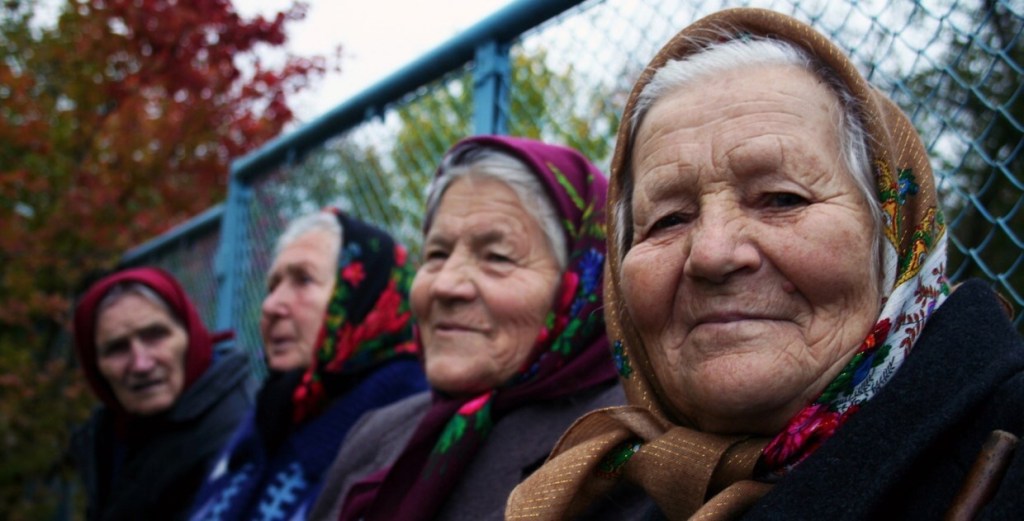
But the week was not yet over. I still had Yuri Shvets’ mother to deal with, and had purposely put that off to the very end of my stay. I arranged to meet her on my next-to-last day in Moscow at the most public indoor place I could think of where we could sit and talk: my old haunt, the Radisson Hotel. I was waiting in the lobby when a small, elderly lady, dressed in a plain cloth coat and “babushka” head scarf, walked uncertainly through the door, clearly out of place in a hotel frequented by foreign businessmen and women. I approached her and asked if she was Mrs. Shvets, which she said she was.

It was my plan to take her up to the business center on the mezzanine level where we could talk quietly, but she had other ideas. In a voice that could shatter glass, she insisted that we sit right there, in the lobby, directly across from the concierge desk. There were dozens of people milling around, and I was not comfortable with the setting; but that “simple Russian grandmother” was pushy and would not be refused.

A Bevy of Babushkas

As we sat there, I gave her the few little gifts I had brought from Yuri, along with his letter and some snapshots. She looked closely at the pictures and loudly exclaimed over each one, calling out his name, where he lived, the names of his wife and children — everything but his phone number. “Oh, look — there’s Yuri.” “And Zhenya.” “Is that their beautiful house in Virginia?” And on, and on, as I kept trying, unsuccessfully, to shush her.

Then — still as loudly and visibly as possible — she capped it off by pulling out of her purse some things for me to take back to him, naming each item as she handed them to me: a letter for Yuri; $3,000 in cash, allegedly from the rental of his Moscow apartment; and . . . wait for it . . . her younger grandson’s new Russian passport.

Are you freakin’ kidding me??!!!

First, about the money. It was the law in Russia at that time (and probably still is) that visitors could not take more hard currency out of the country than the amount they had declared to Customs on arrival, so as to prevent a currency drain. And I had brought nowhere near $3,000 in cash with me, so that was out of the question. Then there was the passport. Did she and her son really think I was stupid enough to try to carry someone else’s Russian passport across international borders — someone who wasn’t supposed to be out of Russia in the first place — without written authorization? Did I look as though I wanted to spend the next few years in some foreign prison? What was going on here?

My New Roomies? Uh … no thanks.

So I explained to her about the currency, and told her she could take it to an American Express office — I even gave her the location of one that I knew of — to be safely transferred to him. And as for the passport, I said there was a FedEx counter right upstairs in the business center, and I would help her send it to him from there; she could pay for it out of the $3,000. She tried hard to convince me — still at the top of her lungs, and with gestures — that I could just hide it all among the clothes in my suitcase; but her loud protestations fell on deaf ears this time. My deaf ears, that is — everyone else in the lobby heard her quite well.

Seeing that I wasn’t going to budge, she finally gave in, and we went upstairs to FedEx, where I addressed the envelope to Yuri, sealed the passport inside, and took $40 from her for the shipping costs. The remaining $2,960 went back into her purse. Then I hustled her out of the hotel as quickly as possible, hoping she wouldn’t be mugged on her way home, and headed into the coffee shop for a cup of tea to calm my nerves. Unfortunately, it was too early in the day for vodka.

*. *. *

That evening, I said goodbye to my friends yet again, wondering whether it would be the last time I would ever see them. I had filled the days with back-to-back meetings that week, and evenings had been set aside for get-togethers with friends. Somehow, in all the rush, I had completely forgotten to pay my usual good-luck visit to Red Square. And with Bragin driving me to the airport via the beltway, there would be no way to detour into the city before leaving.

The following morning, true to his word, Bragin again showed up on time, and I headed back to Washington once more. As I left the apartment, I somehow felt that another, even bigger door was closing behind me.

That was 29 years and 3 months ago. I never saw Moscow again.

TTFN,
Brendochka
5/22/23 (re-posted 12/16/23)

12/15/23: A War In Ukraine, A Prisoner Swap, and the Price of Eggs

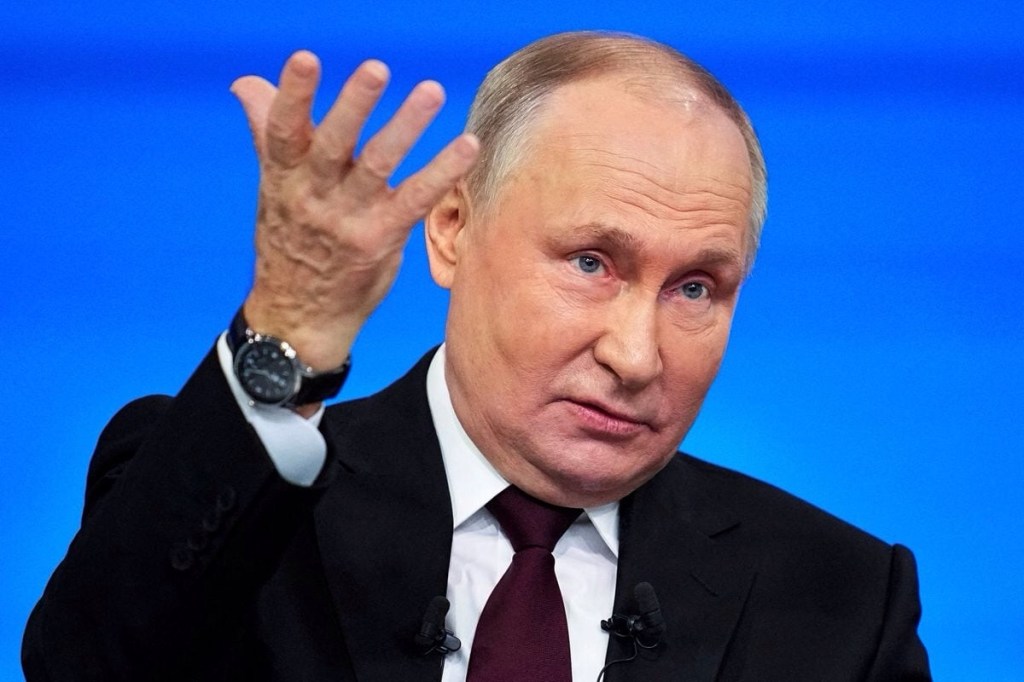
Putin’s annual press conference in a nutshell: The “special military operation” in Ukraine will continue until we have attained our goals; the prisoner swap will take place when our demands are met; and the appropriate government officials will fix the price of eggs “in the near future.” How enlightening! How hopeful for the coming year!

What a load of crap!

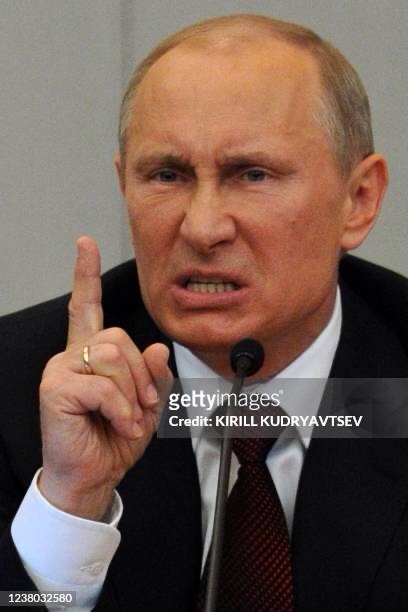
Would you buy a used car from this man?

For anyone who follows the news from Russia, there is nothing new here. The commander-in-chief of Russia’s seemingly inexhaustible troops continues to exude complete confidence in his country’s ultimate victory — despite refusing to acknowledge that he’s talking about an actual “war.” And with the passage of time, as Western support for Ukraine sadly diminishes, his confidence grows. He now says that there is no need for a second mobilization of reserve troops, due to “a steady influx of volunteers.” [AP News, Dec. 14, 2023.] Well, maybe . . . we shall see. In the meantime, Ukraine’s future hangs by a thread.

*. *. *

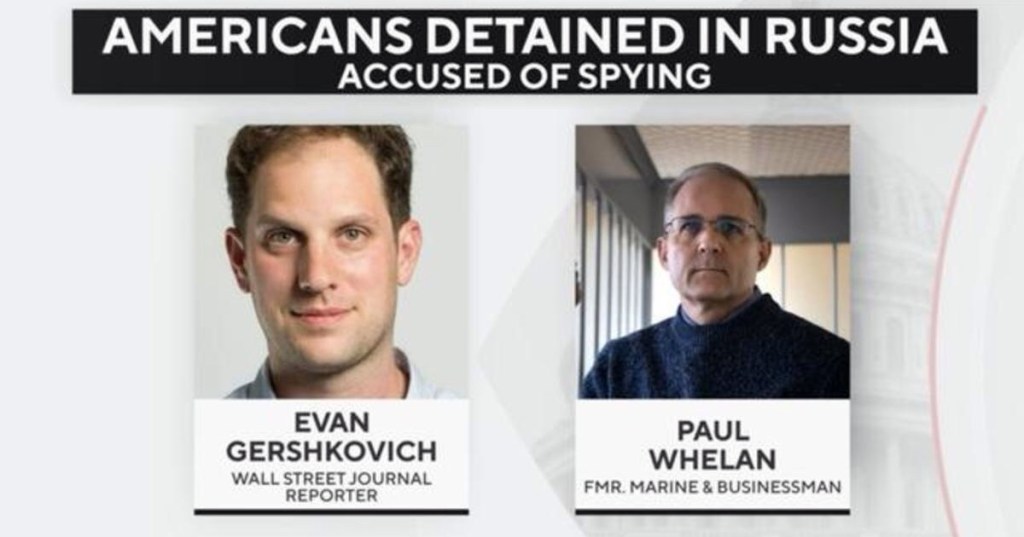
Putin was also asked by a New York Times reporter about the possibility of a prisoner swap for Americans Evan Gershkovich (a Wall Street Journal reporter) and Paul Whelan (a U.S. Marine veteran), both being held on trumped-up charges of spying. His answer: “We want to reach an agreement, and these agreements must be mutually acceptable and must suit both parties.” Stating that talks with the U.S. have been ongoing, he added: “It is not simple, I will not go into details now, but in general, it seems to me that we speak a language that is understandable to each other. I hope we will find a solution. But, I repeat, the American side must hear us and make an appropriate decision, one that suits the Russian side.”

Once again, Vladimir Putin is both the irresistible force and the immovable object . . . the rock and the hard place. He holds the prisoners; he knows how badly we want them back; and he is calling the shots. John Kirby, the White House national security spokesperson, said that discussions were ongoing, but that “There was . . . [a serious proposal] put forward and they rebuffed it.”

Surprise, surprise, surprise!

And in the meantime, the futures of Evan Gershkovich and Paul Whelan also remain hanging by a thread.

The Hostages

*. *. *

Finally, after the usual bluff and bluster, came the entertainment feature of this year’s program: the questions from ordinary Russian citizens. One of the stars of today’s show was a pensioner, an elderly lady named Irina Akopova who is shown seated at her kitchen table, speaking to Putin by video link (obviously pre-arranged). She complains that prices for eggs, chicken breasts and wings have skyrocketed. “Vladimir Vladimirovich, take pity on pensioners! We don’t get millions in our pensions. Sort this out – we have no one to turn to. I’m very grateful to you, I’m counting on you to help.” [Reuters, Dec. 14, 2023.]

“Counting on you to help.”

And the response of dear Vladimir Vladimirovich? Simply: “I apologize for this, but this is a failure of the government’s work . . . I promise that the situation will be corrected in the near future.”

Wow! How sympathetic! How heartfelt! How helpful!

Or in the words — or word — of my beloved grandmother: “Oy!”

But greater satisfaction was given to a group of young boys in the Russian-annexed territory of Crimea, who complained about the rundown state of their sports hall. A response from TV anchor Pavel Zarubin (who was apparently participating in the program) indicated that volunteers from that territory had called in and promised to renovate their arena. Terrific! Poor Mrs. Akopova can’t afford eggs, but we can fix a sports venue immediately. You know, that actually makes sense, in a perverse way — the first issue involves a nationwide increase in prices as high as 40%, whereas the second merely calls for some local “volunteers” with hammers and nails (and a big trash truck).

*. *. *

So how does this people-to-person marathon come about each year? It obviously is not a spontaneous exchange. To begin with, Putin speaks . . . and speaks . . . and speaks. On and on he drones, ad infinitum. I counted 209 paragraphs (even grouping together some of the shortest ones) from the transcript offered on the Kremlin’s own website. No, I did not read the whole thing; my tolerance for bullshit is not that great.

For those on the scene who managed to stay awake to that point, there followed the question-and-answer session. The journalists this year were hand-picked and carefully screened. And as for the citizen call-ins, I have no idea how they were chosen from the many applicants; but from the two examples above, I am quite certain that any attempt at improvisation would have been cut off by “technical difficulties.” The questions, though sincere, were pre-selected and carefully worded, and the answers obviously scripted. All very efficient.

But the desired effect has been obtained: the benevolent master has shown his concern for his serfs. All is well throughout the land.

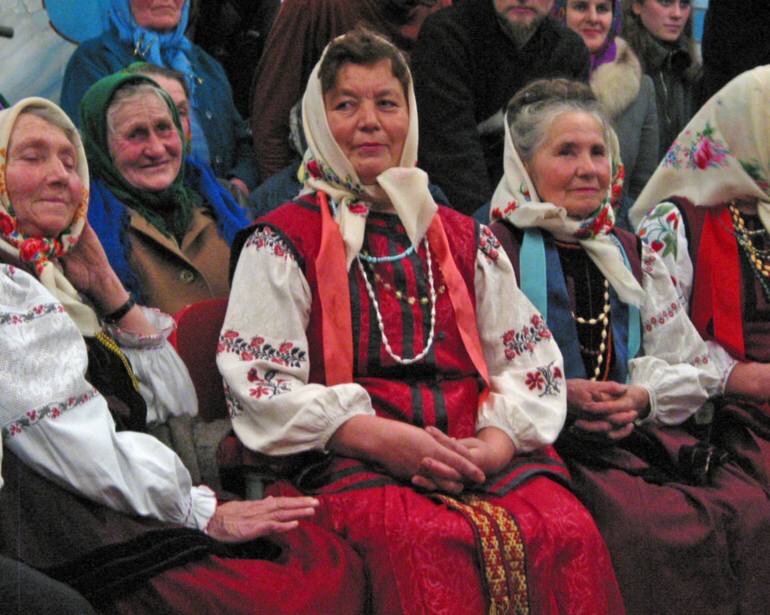
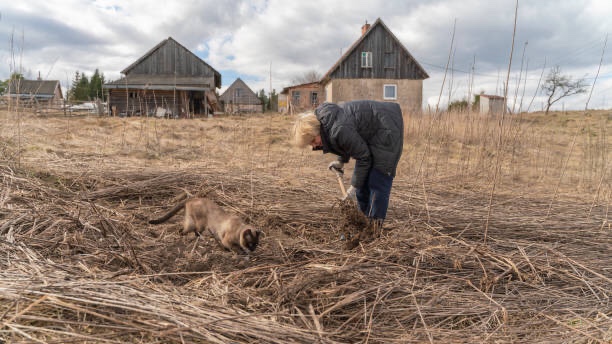
A Rural Russian Village
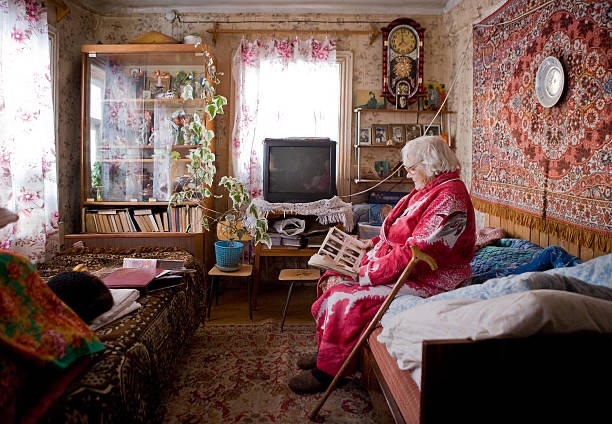
A Russian Pensioner
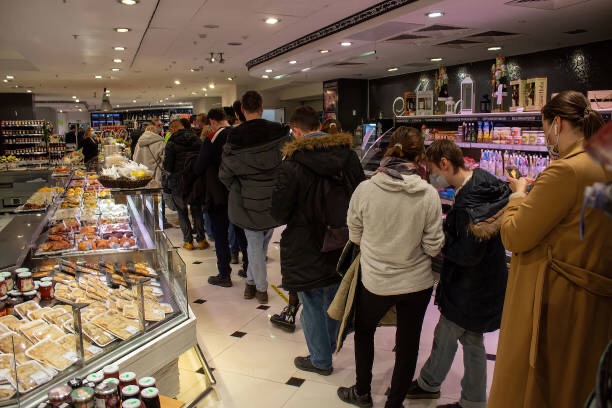
People lined up at a supermarket ATM in Moscow to withdraw dollars following devaluation of the ruble

That should hold them for another year.

Just sayin’ . . .

Brendochka
12/15/23

12/14/23: It’s No Longer Enough To Be A Billionaire

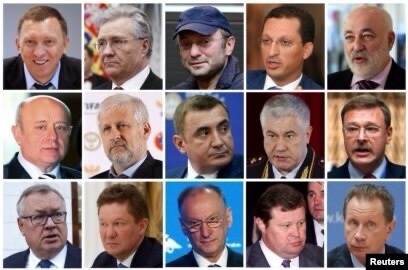
Not in Russia, anyway. If you’re an oligarch with a direct line to the Kremlin, your privileged lifestyle is in imminent danger of being snatched away. Your wealth may — may — be safe, but your political and personal influence . . . not so much.

The Faces of Influence

The history of the Russian “oligarchs” is fairly well-known. Back in the 1990s, following the collapse of the Soviet Union and the introduction of Mikhail Gorbachev’s policy of perestroika (restructuring), a slew of state industries were privatized and put up for grabs by anyone with the money, the smarts, and the right connections to claim as their own at a tiny fraction of their actual value. And those formerly failing industries were modernized and upgraded, and began to thrive. Fortunes were made in banking, manufacturing, oil production, communications, and so on. And the people who made those fortunes became the cadre of oligarchs who, along with their wealth, gained a certain political influence with Gorbachev, and later with Boris Yeltsin . . . and into the 21st Century, with Vladimir Putin.

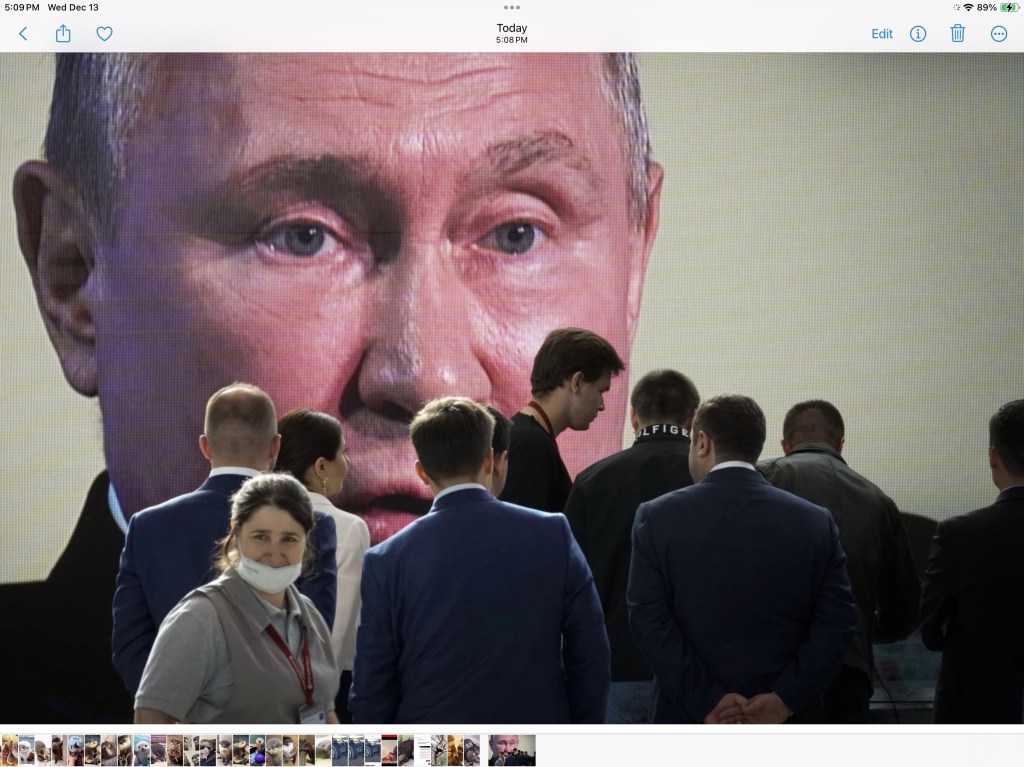
Except that Putin’s tolerance was limited. In July of 2000, he summoned 21 of Russia’s top oligarchs and business leaders and advised them that he wouldn’t reverse the privatization of their assets . . . provided they pledged their loyalty to him and agreed not to meddle in politics. He has been quoted as follows:

“I want to draw your attention to the fact that you built this state yourself, to a great degree through the political or semi-political structures under your control. So there is no point in blaming the reflection in the mirror. So let us get down to the point and be open and do what is necessary to do to make our relationship in this field civilized and transparent.”

The Face of Power

Needless to say, they got the message, and things seemed to have been running fairly smoothly ever since. They had access, they had input, they had a measure of influence . . . and they had their money.

But . . . Yes, always that damned Russian “but” . . .

But time passed, as time does, and along came February of 2022, when Putin decided to pursue his “special military operation” . . . Oh, hell, let’s call it what it is: his invasion of Ukraine. A few hours after sending in the first of his troops, he held a meeting in the Kremlin with top industrialists and business leaders, and told them flat out that he had had no choice but to invade. Their input had not been required.

And thus the dynamic of the Kremlin-oligarch relationship shifted dramatically. They realized the war would have an unwelcome effect on their fortunes, but they had to accept it. They knew who wielded absolute power. For the most part, they have again kept quiet and adjusted to the new reality. A few, of course, listened to their consciences, spoke up, and fled the country, notably banking and brewing executive Oleg Tinkov, who called the war’s supporters “morons,” left Russia, and renounced his citizenship. But most were not that courageous.

Fleeing Russia

*. *. *

One of the effects of Putin’s war against Ukraine has been the flight from Russia of many of the largest foreign companies — McDonald’s, 3M, CITI, Lego, and a thousand or so more — leaving behind the physical foundations for the establishment of new Russian companies. And the Russian government has taken on the task of reallocating those abandoned assets.

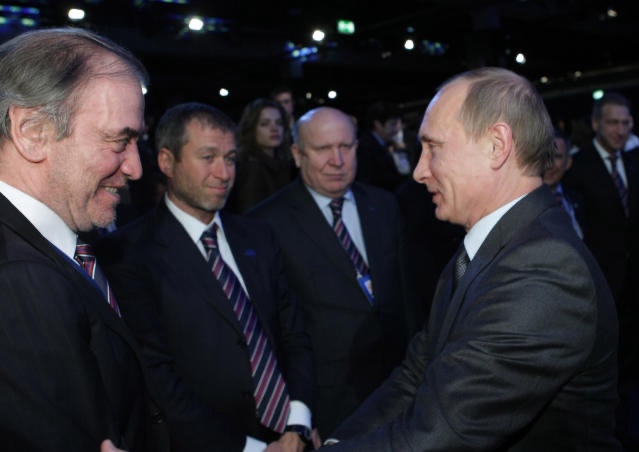
One would think that the most-favored oligarchs would be the natural recipients of this largesse; but alas, that does not appear to be the case. While Putin is said to value loyalty above all else, that loyalty runs in one direction — to him, not from him. And he has seen an opportunity to expand this program of reallocation. As reported by Jim Heintz of Associated Press, Dec. 6, 2023:

“But . . . analysts suggest that loyalty had not been enough for Putin and that he wants to create a new cadre of hugely wealthy figures who are beholden to him by distributing the assets that the state has seized from foreign companies exiting Russia and through invalidating the privatizations from the 1990s. [Emphasis is mine.]

”Analyst Nikolai Petrov of Britain’s Royal Institute of International Affairs wrote that Russia is engaged in deprivatization ‘intended to redistribute wealth to a new generation of less-powerful individuals and shore up the president’s own position.’

”A new group of quasi-owner state oligarchs is being created, with wealth and control redistributed from the ‘old nobles’ to the new, he said.”

The Face of Deception

More significant — and more frightening — than his treatment of his current group of loyal sycophants is Putin’s undisguised intention to “deprivatize” and redistribute what has for some thirty years been privately-held and privately-run industrial and commercial property. Just like that! A snap of the fingers, and the state once again owns everything. Welcome home, Messrs. Lenin and Stalin and all the rest up to and including Konstantin Chernenko. Everything will soon be just as you left it.

*. *. *

I have no great love for the oligarchs; for the most part, they got their starts through questionable, even purely illegal, means. But they did then manage to build something out of nothing, and — much like the American “robber barons” of the late 19th and early 20th Centuries — contributed tremendously to the industrial and economic growth of their country. And so my hope for them is that they survive this royal screwing, get the hell out of Dodge, and use whatever assets they’ve managed to hide in foreign lands to start fresh. Preferably legally, this time.

As for Vladimir Putin . . . you, sir, have once again proven yourself the Grand Poobah of Nastiness. But name-calling doesn’t faze you; sanctions don’t stop you; even the condemnation of the entire free world rolls off of you like water off a shark. How does one deal with a ruthless, pathologically narcissistic individual who is absolutely convinced of his own infallibility and immortality? Quite simply, one doesn’t.

One just leaves that to the Fates to handle.

Just sayin’ . . .

Brendochka
12/14/23

12/13/23: Where In Hell Is Alexei Navalny?

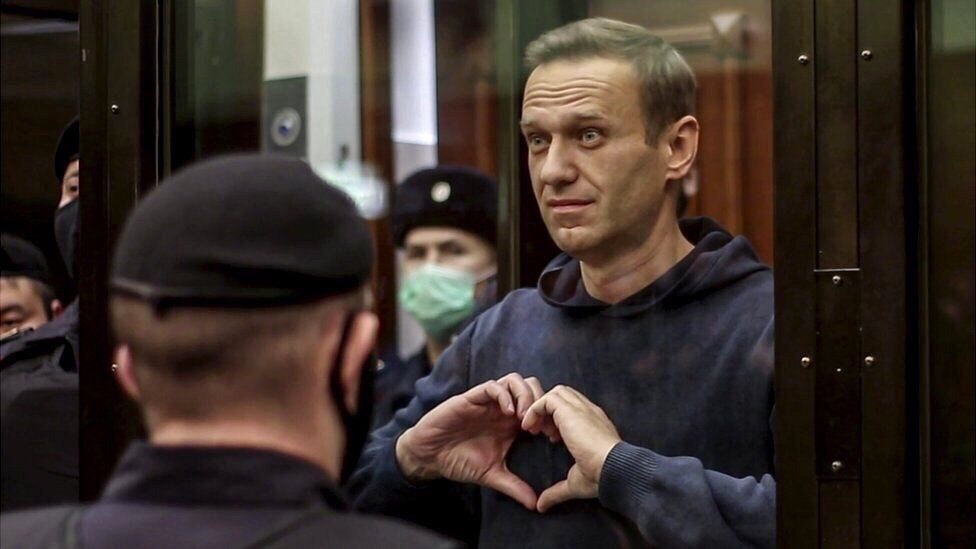
Seriously, what new hell has he been thrown into now? Because he’s missing from Melekhovo penal colony, where he has been imprisoned since being found guilty of “founding and funding an extremist organization” — charges that he unequivocally denies.

Alexei Navalny, In Prison

His associate, Kira Yarmysh, said on Monday that there had been no news of him for six days, and that he had been absent from several recent court appearances, which he has in the past attended by video link. Prison authorities blamed the absences on technical problems at the colony. She further said that lawyers waiting for news outside Melekhovo, 235 km (145 miles) east of Moscow, and another nearby colony, had been told that he was not registered in either place. [Robert Greenall, BBC News, Dec. 11, 2023.]

Alexei Navalny has been a thorn in Vladimir Putin’s side for many years now. A staunch political reformer, he has gained a huge following throughout Russia, and has proven himself to be a viable competitor to Putin. For this reason alone, he had to be silenced. But he survived an attempt on his life when he was poisoned with the Russian nerve agent Novichok in August of 2020. Because of the worldwide publicity, he was permitted to seek treatment in Germany, where the poisonous substance was identified, and where he was brought back to reasonably good health.

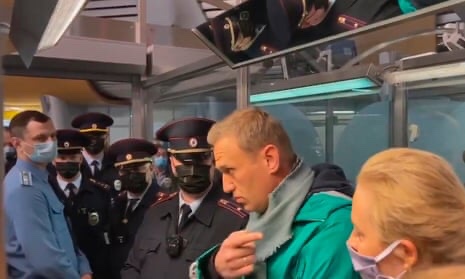
And then he made the decision that would change the rest of his life: he returned to his homeland, where he was arrested immediately upon arrival at Moscow’s Sheremetyevo Airport. He has been in one prison or another ever since. But where is he now? And why has this happened at this particular time?

Arrest at Sheremetyevo Airport

Well, think about it. On Friday, December 8th, Vladimir Putin officially announced that he will be running for his fifth term as President of the Russian Federation — not a surprise, but an official announcement that had inexplicably been postponed and kept secret for many weeks. And no sooner was that announcement made than Alexei Navalny disappeared from sight.

According to Navalny’s aide, Leonid Volkov, this was “0% coincidence and 100% direct manual political control from the Kremlin. It’s not a secret for Putin who his main opponent is in these ‘elections.’ and he wants to make it so that Navalny’s voice is not heard. So each one of us must become the voice of Navalny.” [Robert Greenall, BBC News, Dec. 11, 2023.]

Intelligent, personable, courageous, attractive, honest, sincere . . . all of these qualities have made Navalny the one Russian opposition leader who has been able to gather the large numbers of people throughout Russia needed to form a viable opposition. Over more than a decade he has drawn tens of millions of online viewers to his video investigations into corruption in the Russian government. He is, to state it mildly, a serious threat to the Putin regime.

“Navalny Must Go!”

And as such, he must be dealt with. His health has been failing in recent months. Will he now suddenly “decline” and die “while receiving the best medical care” in a prison hospital? Or will that be too extreme even for Putin, in light of Navalny’s great popularity? Could that even be the spark that might finally light the tinder of an already nascent people’s revolution? Might it be best just to keep him locked away, out of reach of even his legal team, in a maximum-security penal colony, perhaps in far Eastern Siberia? It’s a decision that can only be made by Vladimir Putin himself; and I would imagine it’s keeping him awake at night.

*. *. *

This is, as they say, a breaking and continuing story. Be assured that I will be following it closely . . . meanwhile sending my hopes and prayers to Alexei Navalny, his family, and his legion of friends and supporters for a best-case outcome.

UPDATE: Today (December 12th), U.S. National Security spokesman John Kirby commented on the disappearance of Alexei Navalny as follows: “He should never have been jailed in the first place, and we’re going to work with our embassy in Moscow to see how much more we can find out.” [CNN’s 5 Things, Dec. 12, 2023.]

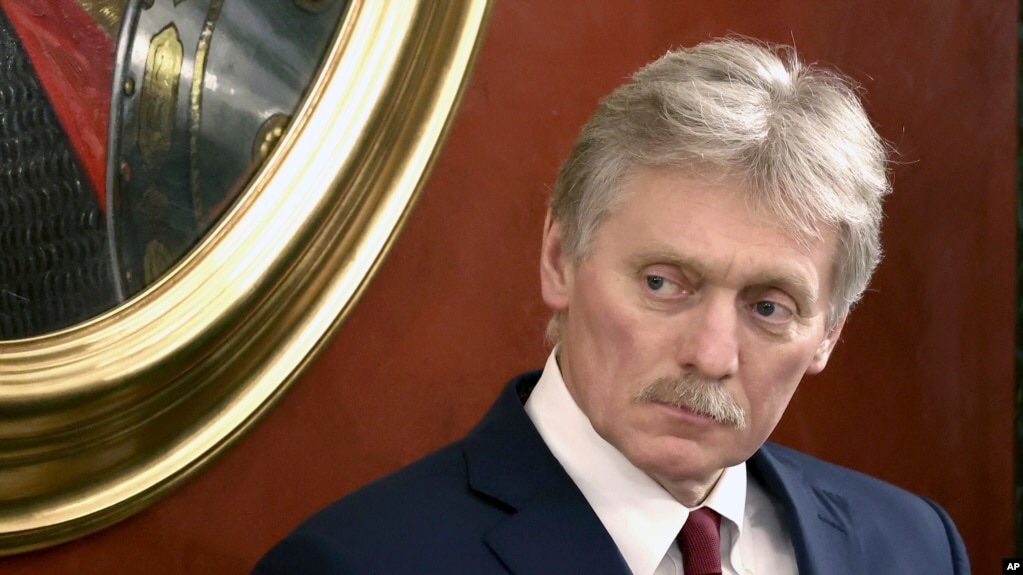
Presidential spokesman (and chief propagandist) Dmitry Peskov has claimed that the Kremlin does not know where Navalny is currently being held, and that they have no intention of looking into the matter. He called U.S. expressions of concern over Navalny’s disappearance “unacceptable.” He told reporters:

“Here we are talking about one prisoner who, according to the law, was found guilty and is serving his sentence, and here we consider any intervention by anyone, including the United States of America, unacceptable and impossible.” [Patrick Reevell, ABC News, Dec. 12, 2023.]

Dmitry Peskov

I don’t know how much good it will do — considering the obduracy and total lack of transparency of the Russian government — but I am pleased to know that at least we are trying, and that Alexei Navalny is not being forgotten. He is not a U.S. citizen; but his opposition to the increasingly totalitarian nature of Vladimir Putin’s regime is of vital importance to the Russian people and to the entire free world. We must not fail Navalny or any of the other political prisoners being held unjustly in Russian penal colonies.

I ask myself: How many human rights violations can one country be allowed to get away with? And the number just keeps growing.

Just sayin’ . . .

Brendochka
12/13/23

12/12/23: Anatomy of the Cold From Hell: Ten Days and Counting

“They” say that if you treat a cold, it will go away in just seven days; but if you don’t treat it, it will hang around for a full week. Or vice-versa. That’s about as clever as the groundhog mystique — we know it’s exactly six weeks from February 2nd to the first day of spring (March 21st) whether that cute but not-very-bright little marmot sees his shadow or not.

Punxsutawney Phil

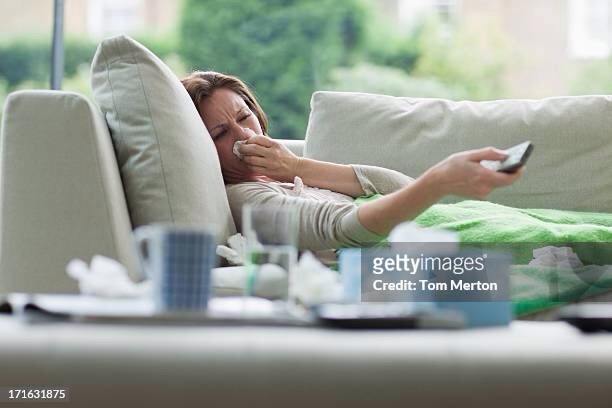
But in either case — to treat or not to treat — “they” (whoever the hell “they” are) are full of it. I am now on day ten, with no sign of this current plague ever going anywhere. I’ve kept sort of a diary of the past ten days, simply because I haven’t had the energy or the desire to do anything other than sit here in my comfy chair with my iPad on my lap. And of course, being the compulsive sharer that I am, it was inevitable that I would share it with you.

No, no! Don’t run away! It’s really rather interesting, and may perhaps serve to prepare you for the winter cold you’ll probably have before Punxsutawney Phil shows up again.

Day One – Saturday: Oh-oh! Woke up this morning with a scratchy, burning throat. Never a good sign. Feeling a little off, but not terrible. Maybe I just slept with my mouth open. Christmas tree going up today, something nice to distract me.

Day Two – Sunday: Damn! Throat feels worse, and there’s a definite post-nasal drip making an appearance. Time for the Mary Poppins treatment, slightly modified: a spoonful of honey, instead of sugar. It really helps the scratchiness, and it tastes yummy. Let’s see . . . ooh, orange blossom. No wonder. A cup of tea would be good too, and some extra Vitamin C.

Day Three – Monday: Crap! Feeling really rotten now. Woke up coughing up a lung from the g**damned drip. Hope it’s not the flu. [Pause to take temperature.] Nope — a nice cool 97.9, so that’s good. Should get dressed, but I’d rather just hang out in my jammies today. Not going anywhere anyway. Called the dentist about my 4:00 p.m. appointment, and they told me not to come — understandable, but the lady sounded like I was Typhoid Mary or something. Rescheduled for next Monday; should be fine by then.

Day Four – Tuesday: Oohhhhhhh! I can’t breathe through my nose anymore. Where are my saline nose drops? Did have somebody pick up some DayQuil, which helps a little but the label says I can’t overdo it without risking damage to my liver from the Acetaminophen, or whatever it is. Why is the treatment always more dangerous than the condition? Crap!

Day Five – Wednesday: Shit! Shit! Shit! Shit! Shit! I really need to get out of these jammies and get washed — it’s . . . what? Three days now? Okay, as soon as I can get up. First, let’s see what’s on TV. [Pause] Not much. Maybe I’ll just check Facebook. [Long pause] Oops . . . fell asleep there. If DayQuil does that to me, can you imagine what NyQuil would do?

Day Six – Thursday: Feeling better in clean jammies, but had a coughing fit today and think I pulled something on my left side. It hurts to cough and to move certain ways. Not as bad as the time I tore cartilage in my rib cage, though, so no worries. Just one more thing to deal with. Think I’ll get some soup now . . . Hey, I never noticed that before. Is it something crawling on the carpet, or am I seeing spots? . . . Oh, okay — it’s a piece of outside dirt the dog brought in. Can’t bend down without falling over — get it later. First night of Chanukah tonight; remember to light the menorah.

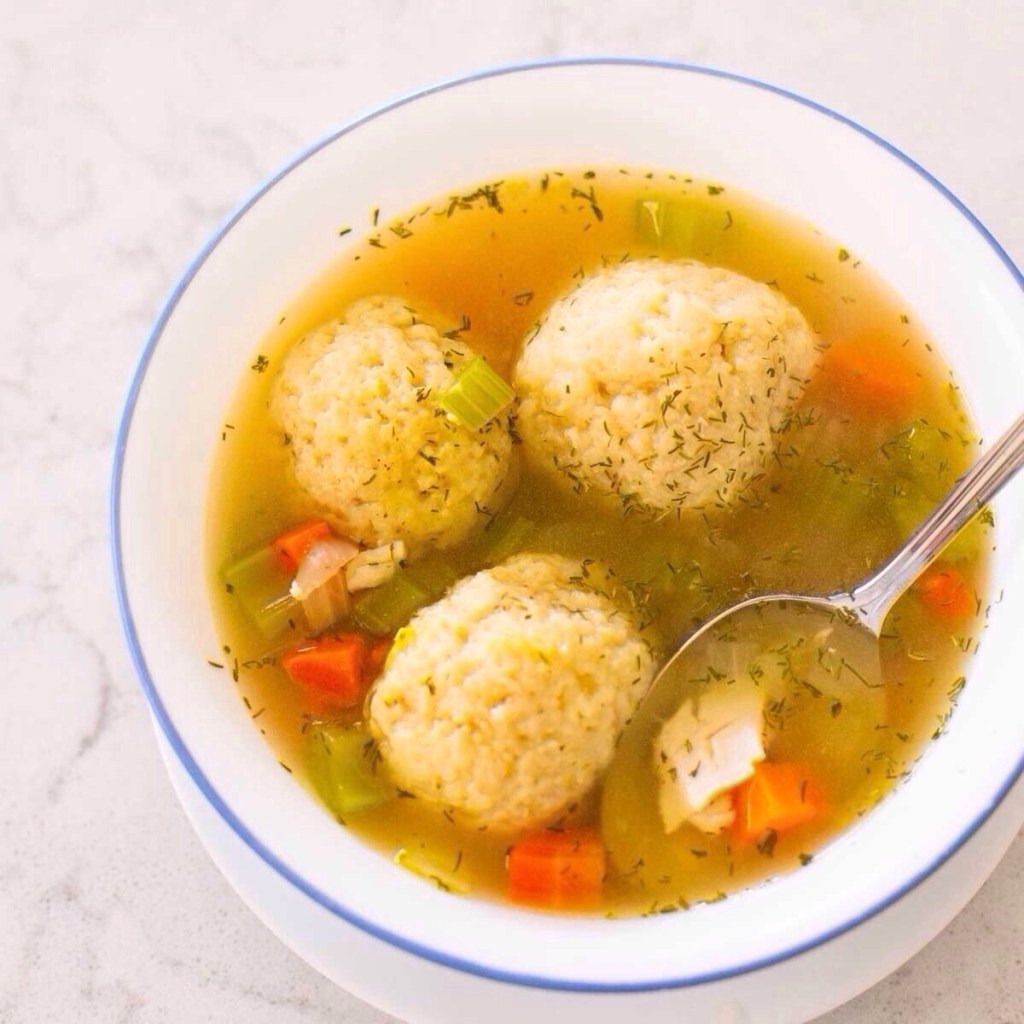
Day Seven – Friday: Still coughing, still dripping (post-nasally). Working on second bottle of DayQuil; bye-bye, liver. Also about to finish second big box of Kleenex. All that stuff is so freakin’ expensive! Still no fever, so that’s some good news anyway; glad I had my flu shot last month. Just noticed how much dust there is on the ceiling fan. Well, that’s something to do when I can stand up again; or get someone else to do it. Yeah, that’s a better idea. Or just don’t look up at the ceiling. Time for more soup now.

Jewish Penicillin

Day Eight – Saturday: F*ck! F*ck! F*ck! Saturday again. I told you they lied about that seven-day cold thing. Still choking on phlegm, hacking up gobs of the stuff, blowing yellow crap through my nostrils, and peeing every 20 minutes from all the liquids I keep chugging. My nose looks like freakin’ Rudolph from all the blowing. Not a f*cking pretty picture, but who gives a shit at this point? I guess I’ll be missing the neighborhood party tonight; and I even bought an ugly Christmas sweater for it. But who wants Typhoid Mary at their party, right? And I sure don’t want to be the one everybody blames when anybody in the neighborhood gets sick between now and Easter. Crap!

Day Nine – Sunday: Same as every other day. Seriously hooked on honey now. I wonder how many calories it has . . . don’t really care. Running out of curse words in English, too lazy to look them up in other languages. Cancelled dental appointment tomorrow too. Don’t care about that anymore either. F*ck it!

Seriously don’t care.

Day Ten – Monday: Slept till almost 2:00 p.m. Still feel like crap, still a lot of nose-blowing, but just a little less coughing. Maybe there’s actually a light at the end of this G*d-awful tunnel? Fifth night of Hanukkah (however you choose to spell it). We’ll see what tomorrow brings.

Maybe . . .

No time to think about that now, though . . . got to pee again.

Thanks for listening,

Brendochka
12/12/23

12/11/23: You Didn’t Really Want To Go There Anyway . . . Did You?

There’s always been a certain risk involved in flying. But there’s risk involved in crossing the street, or stepping into the bathtub. All in all, flying has long been one of the safest means of travel. Hasn’t it?

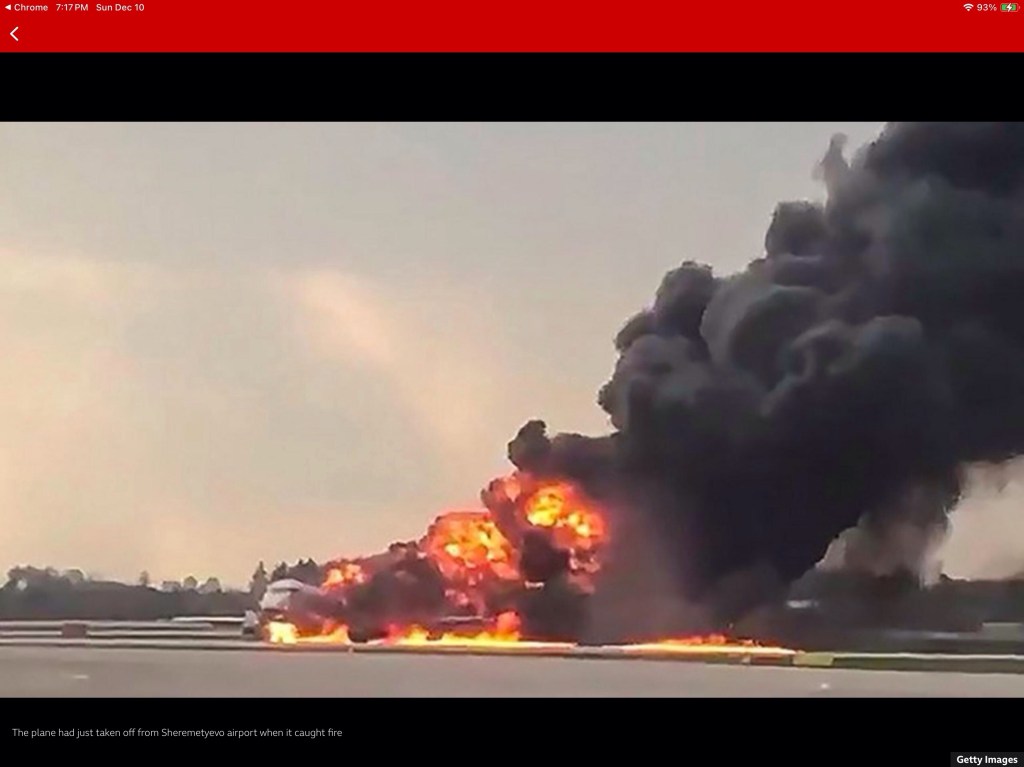
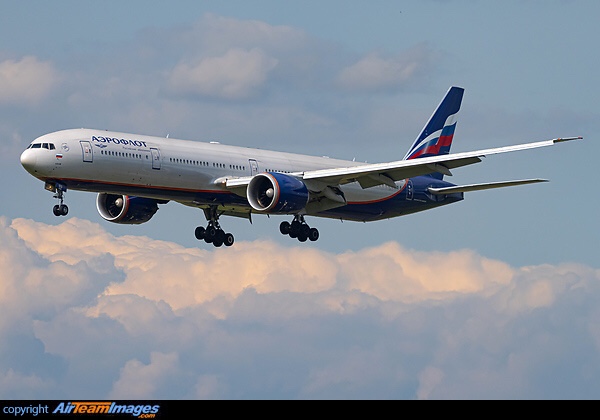
Boeing-777 Goes “Boing!”

Well, that all depends on a number of factors. What’s the make and model of the plane? What airports are you leaving from and heading to? What airline is operating the flight? And, probably most importantly . . . what did your horoscope say this morning? Because, as we all know, there are no guarantees in life.

Though there are some ways we can mitigate the dangers of air travel. And at the top of that list — my list, at least — is: Do not, under any circumstances, go to Russia.

Now I hear you thinking, “Whoa! How stupid does she think I am? Why would I want to go to a place where I could be arrested just for using the wrong words, like ‘war,’ or ‘gay,’ or ‘Putin sucks’”?

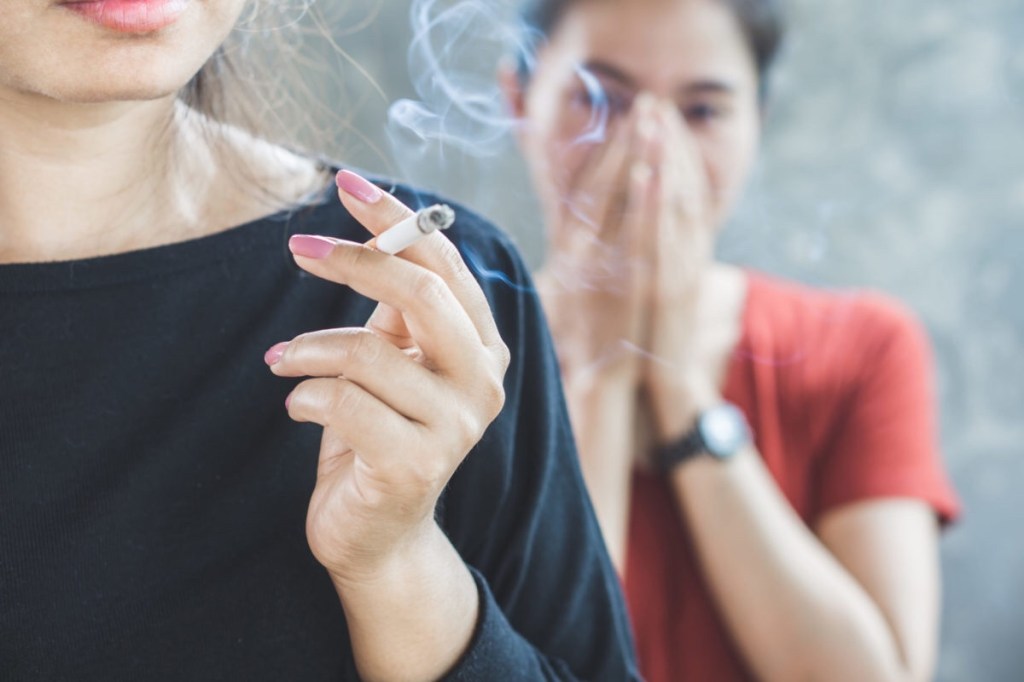
Calm down — I know you’re smarter than that. I’m not speaking about the political situation there . . . only the issue of flight safety. Aeroflot, though never the most luxurious of airlines, was at one time one of the safest. Never mind that the seat backs flopped forward when you stood up, or that the overhead racks for carry-on luggage had no doors, or that there was no barrier between smoking and non-smoking so the air was always thick with a blue-gray carcinogenic haze. But the pilots were said to be expert, mostly former military; and the equipment, while old and musty, was assiduously maintained — or at least, that’s what they said. I was never nervous flying on an Aeroflot flight . . . except for the lung cancer thing from the smoke.

But times have changed, and not entirely for the better. Oh, they have more updated planes now. Boeing 777s, for example. Good planes, manufactured by a great company, right? But even a Rolls Royce has to be maintained in order to keep running properly. And from what I’ve read recently, that’s not happening.

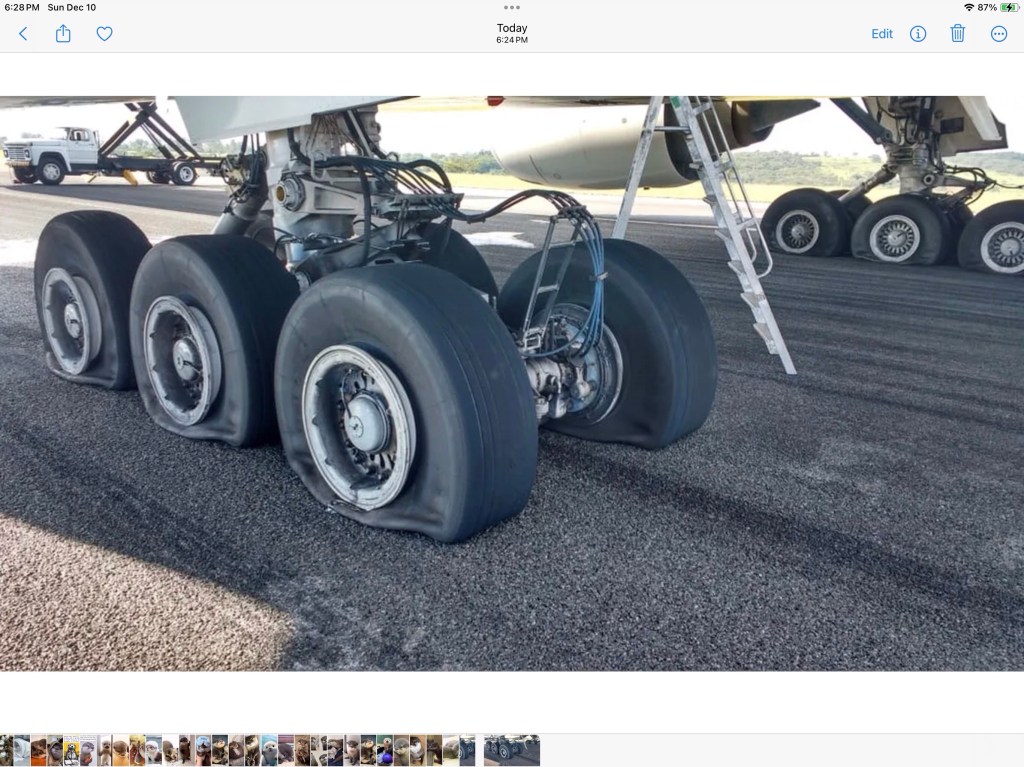
On November 30th, 2023, an Aeroflot Boeing-777, flying out of Moscow, made an emergency landing in Yuzhno-Sakhalinsk. The cause of the problem was initially stated to be “chassis issues.” [RIA Novosti.]

“Chassis Issues”

The Ministry of Emergency Situations for the Sakhalin Region said the plane had a warning of a drop in pressure in one of the landing gear wheels during the flight. Again, the reports appear to be understating the issues; looking at the photo of the landing gear in question (above, as posted on social media), I count four flat tires, the other two being hidden from view. So, not really a “chassis issue,” and not just one of the landing gear wheels.

Further details concerning the state of Russia’s airline industry have come from a Ukrainian hack of Kremlin records, which revealed that “Russia’s stricken airline industry is ‘on the verge of collapse.’” [Kyiv Post, Dec. 2, 2023.] The report states that several similar incidents have occurred in recent months, including one in August in which passengers on a Red Wings flight were stranded in Yekaterinburg for 24 hours “due to simultaneous ‘technical malfunctions’ on the only two available aircraft.”

In the same month, faults in the weather monitoring system caused a delay in Thailand of a Russian Pegas Fly plane. And in early October, “Aeroflot suffered three technical failures to its planes in a single day.” [Kyiv Post, Dec. 2, 2023.]

The foregoing information was gathered by Ukraine’s Main Intelligence Directorate of the Ministry of Defense (HUR) from “a hack into Russia’s Federal Air Transport Agency “Rosaviatsiya” computer system on which it records all data relating to flight safety records, including reports on ‘emergency events,’” and covered an 18-month period from 2022 and 2023.

“Their analysis of the information obtained led the intelligence staff to one inescapable conclusion — Russia’s civil aviation ‘is on the verge of collapse.’” [Kyiv Post, Dec. 2, 2023.]

Ukrainian Pinocchio? No, not at all!

Lest you conclude that this is a case of sour grapes on the part of some Ukrainian journalists looking for ways to strike another blow at Russia, be assured that there is further confirmation of the sad condition of Russia’s commercial airlines. A report by Isabel van Brugen and Yevgeny Kuklychev in the December 9, 2023 issue of Newsweek states that recent Western sanctions against Russia have “suffocated” the aviation industry, resulting in a tripling of the number of plane malfunctions in just one year. Under the sanctions imposed following Russia’s invasion of Ukraine in February of 2022, U.S. aircraft manufacturers have stopped delivering spare parts and new planes to Russia, creating the current crisis. According to data gathered by Newsweek, in the short period from September 2023 to December 8, 2023, “Russia saw a total of 60 commercial aviation incidents that involved emergency landings, engine fires and malfunctions, along with other technical issues forcing the planes to abandon their intended routes.”

In addition, Novaya Gazeta Europe reported that, between January and August, 2023, “More than 120 air accidents were recorded in Russia involving civil aircraft used by Russian airlines,” bringing the total number to over 180 in this year alone.

In 2022, 60 such incidents — one-third as many as this year — were recorded; and between 2018 and 2022, an average of “only” 55 accidents were recorded during the same months. [Novaya Gazeta Europe.]

Just One Of Many

*. *. *

But enough statistics. Suffice it to say, things are bad — really bad — in Russia’s airline industry. I leave it to you and your good judgment to decide on your airline of choice if you find yourself in a position of having to travel to the ancient land of Pushkin, Tolstoy, and Rachmaninoff. (Ah, the good old days!) Unfortunately for people in Russia traveling domestically, there isn’t much choice. To my mind, trains are probably your best option . . . if you can stand the rest rooms.

Just sayin’ . . .

Brendochka
12/11/23

Ch. 24 – A Juggling Act (Re-Posted 12/10/23)

August 1993: It’s disorienting, waking up in a different place and not being able to remember where on the globe you are today. I don’t know how the frequent flyers ever get used to it. When I opened my eyes that first morning at home in Virginia, it took a moment to realize that I was no longer in Moscow. And, quite frankly, I was a little disappointed. I had grown quite fond of that extraordinary, exciting place and its people, and being home seemed a bit of a letdown.

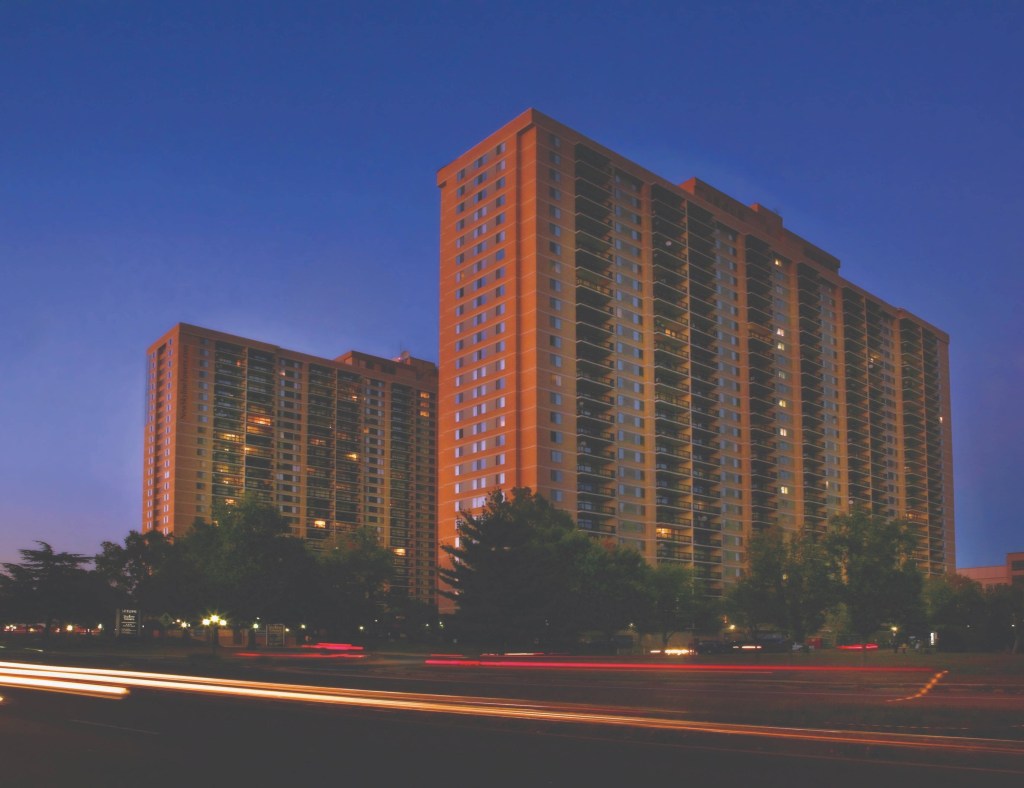
Home at Skyline Towers, Falls Church, Virginia, USA

But it took just one phone call to snap me out of my fog. The call was from Frank — FBI Frank — who was looking forward to receiving a first-hand report on my summer in Moscow, since all he had heard from me during those months was that I was alive and well. “How about lunch?” he offered. The unpacking would have to wait another day, but I was in no hurry to attack that anyway. And I hadn’t been to the grocery store for provisions yet, so lunch actually sounded pretty good.

“Uh-oh . . . empty!”

And thus began a period of frenzied activity, bouncing back and forth between my own business interests and Shvets’ book chapters being shuttled from Moscow to me to translator, back to me and on to the publishers. There were meetings with Natalya at the Russian Embassy, phone calls and faxes to and from my potential partners in Moscow, correspondence and meetings with possible sources of funding, and all the while double-checking the translations of Shvets’ chapters, and somehow finding time to keep Frank up to speed on all of it. It soon became obvious that my early return from Moscow had actually been fortuitous — there was just too much to do here at home.

Then I received word from Shvets’ literary agent, John Brockman, that he was about to issue invitations to both Shvets and Aksilenko to return to the United States for further meetings with the publishers. Really? Did they seriously expect to be able to leave Moscow again, so soon — less than four months since their last visit? I didn’t know what cover story they had cooked up as their reason for another trip, but I hoped it was a good one, for their sakes. In any event, I was relieved that I hadn’t been asked to send the invitations.

By this time, I was becoming less and less involved with the publishing venture, which was to be expected. After all, they had a literary agent working for them. My work with them was winding down. Soon I would be able to just back out completely, wait for the book to be finished and released, and collect my small share of the royalties.

Reward For A Job Well Done

But once again, what had seemed impossible became a reality. Before I knew it, it was fall, and Valentin Aksilenko had arrived — this time with his wife. Not long afterward, Yuri Shvets managed to find his way back to the States; his wife and two sons were to come later.

Wait . . . WHAT???!!! The wives and kids were invited? That was news to me. But Shvets had left Moscow without his family, and assumed they would be able to join him later. Was he insane . . . or just colossally stupid? No — not for one moment did I believe he was either of those things. There had to be another answer to all of it, and I was being kept out of the loop.

To begin with, the two men found nice furnished apartments in Alexandria, Virginia, that offered short-term rentals. And when they asked for my assistance with things like car shopping, applying for Social Security cards and such, it became blatantly obvious that they had no intention of returning to Russia. They were defecting, plain and simple — though they later defined their situation as “seeking asylum.”

Defection, asylum . . . Potato, potahto . . . Semantics.

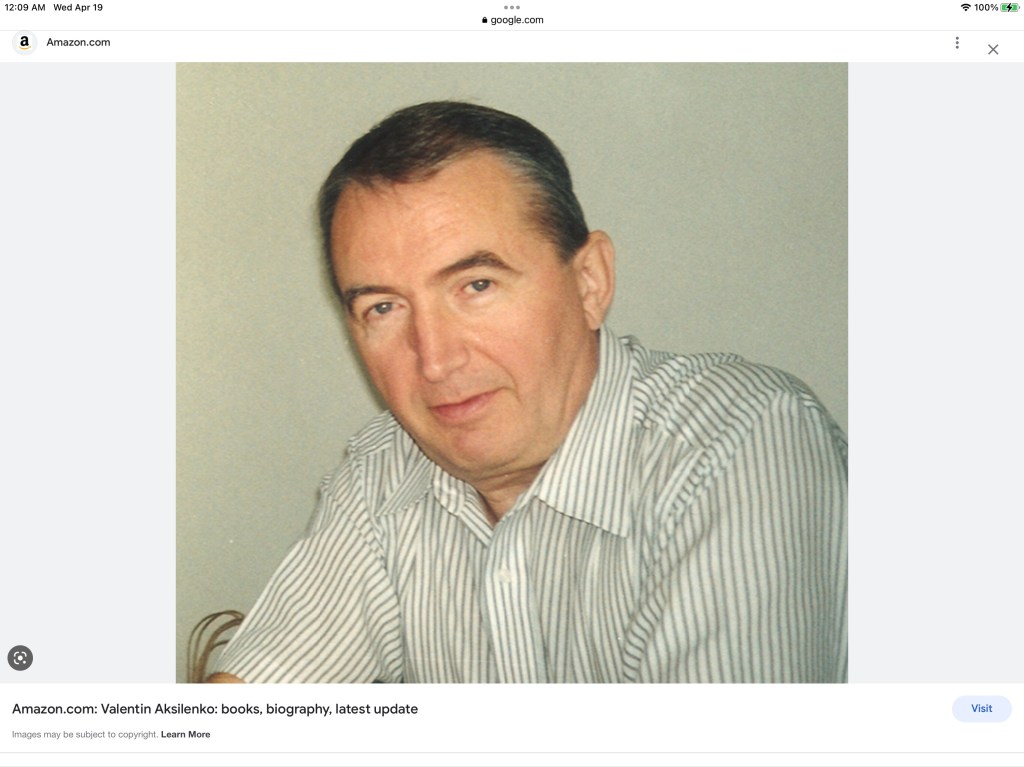
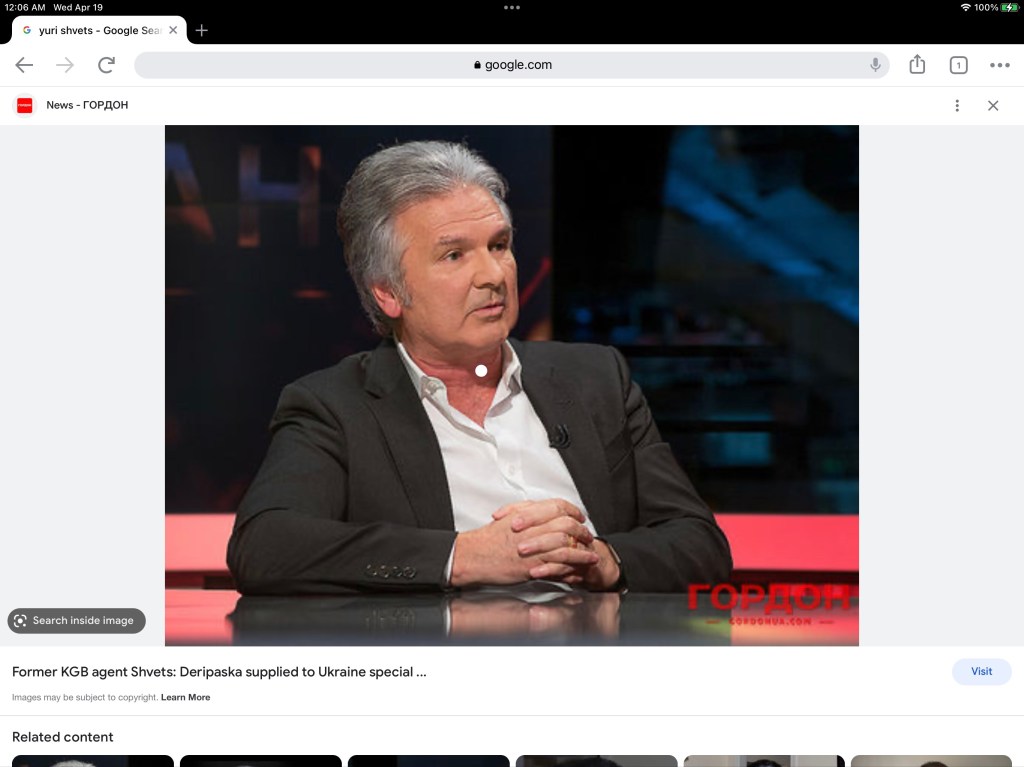
Valentin Aksilenko (top) and Yuri Shvets

Back in Moscow — and throughout Russia — new passports were being issued to all citizens by the government of the young Russian Federation to replace the old Soviet documents. But it was slow going, and Shvets’ younger son had not yet received his. This was the explanation I was given for the delay in the departure of the rest of the family. Finally, though, they decided to leave anyway, with the boy using his old passport, and were somehow able to board a flight for the U.S. — despite Yuri’s already being listed among the “missing” at home.

Don’t ask me — I don’t know. I never knew. And I still don’t have a clue as to how it all came together. As I said, I was being largely sidelined. I only know they made it, and by the end of 1993, the two families had moved into town houses in Virginia, in a lovely suburban area farther away from Washington. If you’re interested in Shvets’ telling of the story, you might read his book, Washington Station . . . Oh, wait, you probably can’t. It’s no longer available. Hasn’t been since shortly after its release, except for a few used copies on Amazon and such. But I’m getting ahead of myself again.

*. *. *

Soon, as seems to happen every twelve months, we slid into a new year. What would 1994 bring? If I had been able to look into the future . . . well, let me just say that it’s a good thing I’m not prone to bouts of depression. At first, though, the year seemed to be going pretty well. After some unexplained delays, Washington Station was nearly ready to be released — though not for another few weeks. And I had plenty of work to keep me occupied.

Then one day, at a meeting with Natalya at the Embassy, she showed me a brochure for an upcoming conference on doing business in Russia, to be held on the island of Malta in the Mediterranean in mid-February, and suggested that it might be of interest to me. Hmm . . . let me see now: a Mediterranean isle, a lovely hotel, delicious food, new people, business opportunities, and let’s not forget the world-class shopping. Yes, I could probably be convinced. I took the brochure and told her I’d look into it.

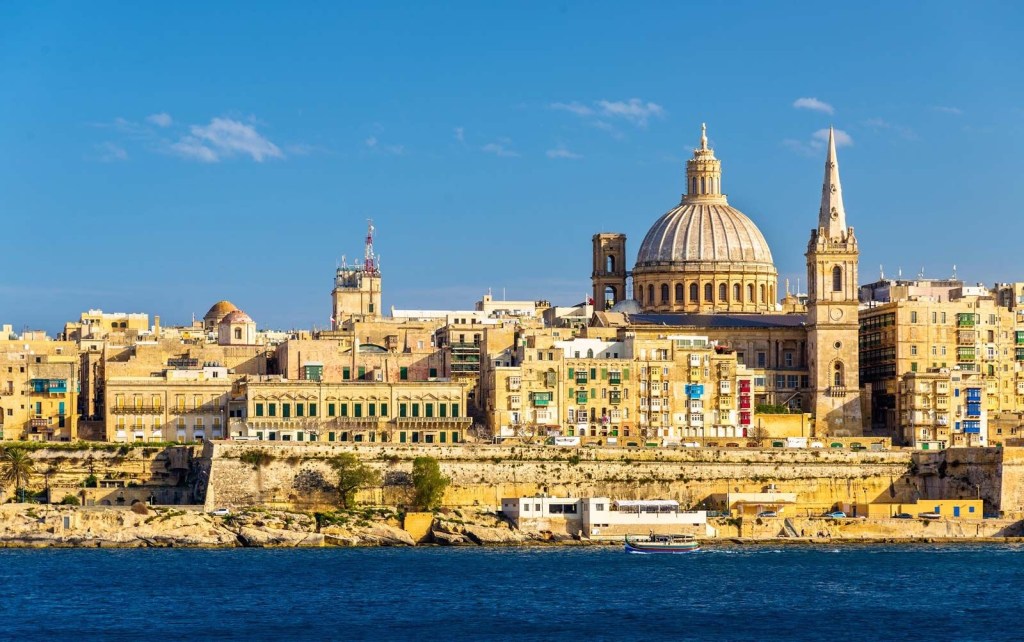
Valletta Harbour, Malta

Since I was still in contact with Aksilenko and Shvets, though, and since the conference would be putting me in touch with Russian officials and entrepreneurs, I thought I’d run the plan past Eric — the newly assigned agent at the FBI following Frank’s recent retirement. I had also checked plane fares, and found that for just $300 additional, I could fly round-trip between Rome and Moscow, giving me the opportunity to touch base with my friends and business contacts there as long as I was already going to be on that side of the Atlantic. And a call to Gil Robinson confirmed that I would be able to stay in the Foundation’s apartment — my old home-away-from-home — for free. (I figured he owed me at least that much.) It seemed there was no downside to the plan, and Eric agreed that it appeared to be a good opportunity for me. I quickly registered for the conference, made my travel reservations, set up some meetings in Moscow for the second week, and let Olga and Lena know I was coming. I was about to hit the road again.

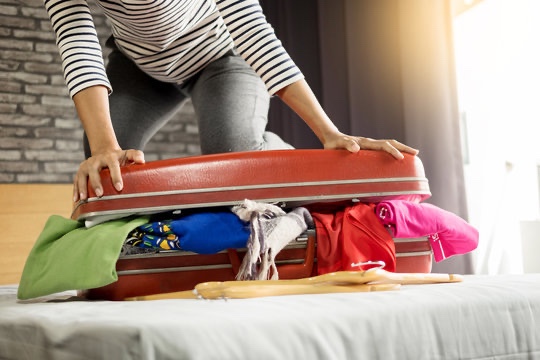
When I told Shvets and Aksilenko about my travel plans, Shvets — ever the opportunist — immediately said he’d like me to take a few gifts to his mother, whom he had left behind in Moscow. I had had no direct contact with him during the previous summer, and certainly had never met his mother. In fact, I didn’t even know he still had one. And I was frankly not thrilled at the prospect of meeting the woman he described as a “simple Russian grandmother” who spoke no English, but who I suspected was anything but simple. After all, look at the son she had spawned. Also, because I was to spend one week in the springtime weather of Malta, and a second week in the frigid winter weather of yet another Moscow February, I would have to bring clothes for both seasons, in addition to the planned gifts for my own friends. I already had as much as I could handle.

Seriously?

But I told him I would try to find room for just a couple of small items, and before my departure date, he came to my apartment carrying . . . seriously??!!! . . . a shopping bag filled with clothes, photographs and other items that couldn’t possibly fit into my airline allotment of one large suitcase and one carry-on. He was not amused when I told him I would do my best, but that I could probably only take a couple of things and he would have to send the rest to her later by international courier. So I chose what seemed to be the most important items, and left at home the bulk of what he had brought in the bag, to be returned to him later. But if he was unhappy that day, it was nothing compared to the way he was going to feel when I got back.

Traveling from Dulles Airport to Malta would turn out to be a little more complicated than I had anticipated. There was a change of planes in Rome, which I knew. But on top of that, the flights in and out of Rome first went through Milan, where all of the passengers had to disembark with their carry-on bags, claim their checked bags, go through Security in a distant part of the terminal, re-check their checked bags, and re-board the same plane with their carry-ons. Boot camp would have been easier. But I didn’t know all of that in advance. Sometimes ignorance truly is bliss.

So all of my reservations were made and confirmed, and I was scheduled to leave on February 10th, arriving in sunny Malta in plenty of time for the first day of the conference.

And then . . . as it tends to do in Washington in February . . . it snowed. And sleeted. And snowed some more. And the entire D.C. metropolitan area went into panic mode.

D.C. Paralysis

To be continued . . .

Brendochka
5/18/23 (re-posted 12/10/23)

Ch. 23 – Lenin, Come Home (Re-Posted 12/9/23)

The last goodbyes had been said, the last hugs exchanged, the last promises made to keep in touch. And a couple of days earlier I had made my final pilgrimage to Red Square, which — much like tossing a coin into the Trevi Fountain in Rome — had become my personal superstitious ritual, hopefully ensuring that I would some day return to this place. It had worked so far.

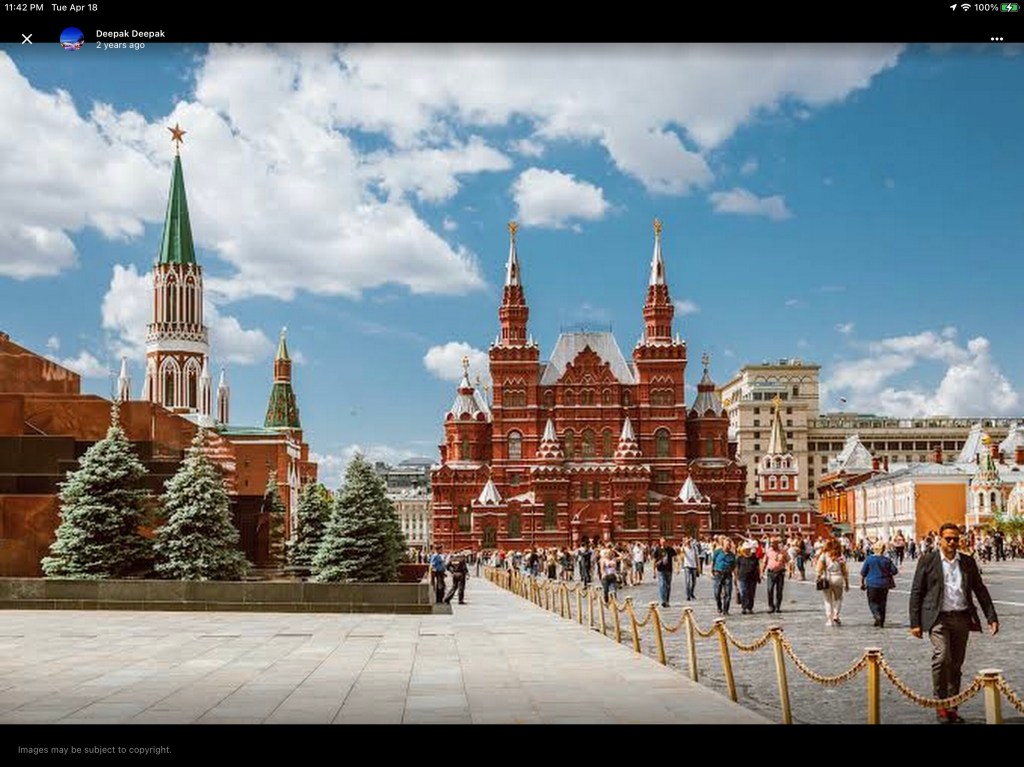
Red Square, Moscow
(Lenin’s Tomb, left; History Museum
, center)

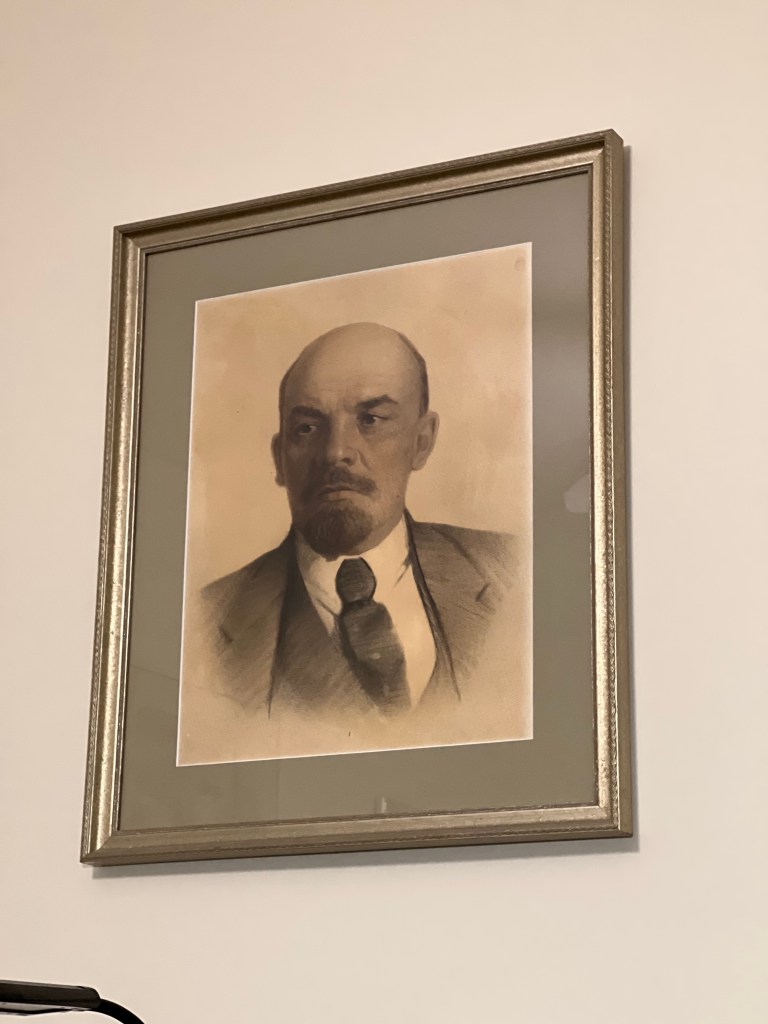
Last, but far from least, my portrait of Vladimir Lenin, still protected by its rickety wooden frame, had been carefully packed between layers of clothes in my biggest Samsonite suitcase. It just fit, thanks to Mr. Pivovarov’s having found a slightly smaller one for me than the one still hanging on his office wall. Now all I needed was a good cover story for the Customs people at the airport the following day, where the wooden frame would surely be caught on x-ray. It wasn’t an antique; but it was, technically, Russian government property.

Sleep eluded me that night as I lay staring at the ceiling, my mind a hopeless jumble of memories from my time in Russia: evenings at the ballet and opera, train rides to Kyiv, armsful of peonies, lunch at Militia Headquarters, burnt-out cars by the side of the road, caviar and ice cream (no, not eaten together), the KGB, the Russian Mafia, little girls with big hair bows, monasteries, the Fourth of July concert . . . and on and on and on. But most of all, there were the people I would miss: Olga, Lena, Vitold, Tamara, and even Maya. They had become my second family, and I had grown to love them.

On the other hand, I would of course be happy to be back with my first family and lifelong friends, and in my own apartment with all of its comforts and familiar surroundings. Little did I know, however, that life would not be calm and peaceful for some time to come. By inviting Valentin Aksilenko and Yuri Shvets to the U.S. in April, I had inadvertently opened a gigantic Pandora’s box of tsuris (Yiddish for “grief”). But for now, I just had to concentrate on getting back home.

Pandora’s Box

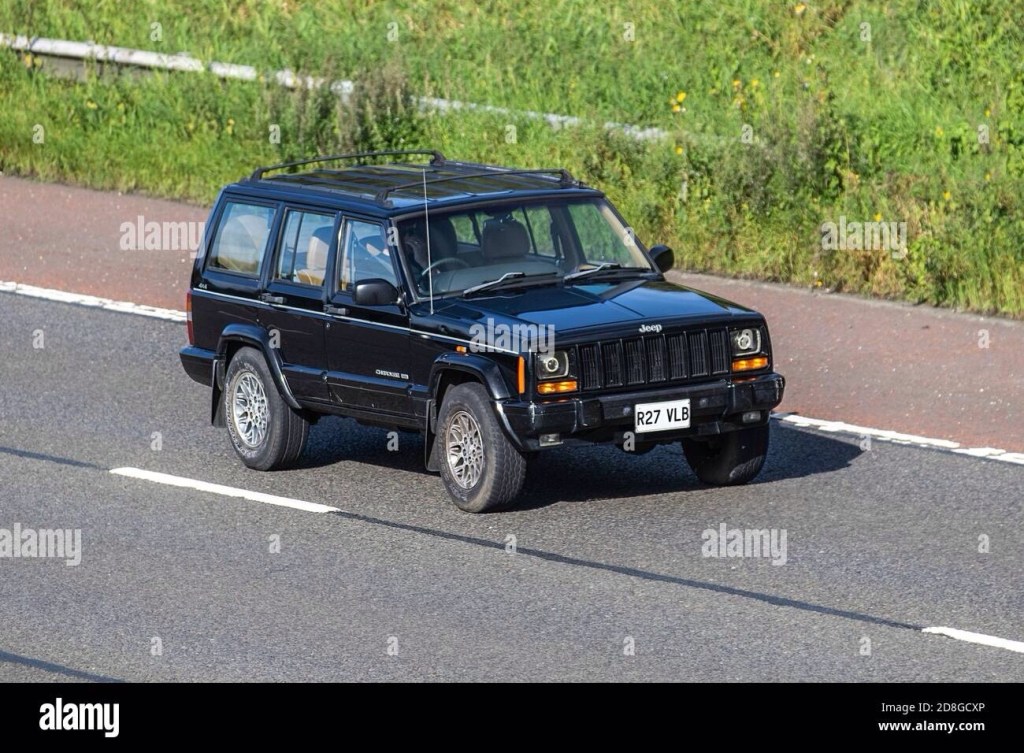
I was dressed, packed and ready in the morning when my very own personal KGB escort, Vladimir Bragin, arrived as promised to whisk me out of town. With him was his sidekick, Militia Officer Kostylev, who apparently was to be the designated driver that day. And parked outside, waiting to transport us to Sheremetyevo Airport, was a late model Jeep Cherokee — a far cry from the broken-down truck that had brought me from the airport to my new home on my arrival in Moscow back in May. I was leaving in style, and for perhaps the hundredth time had to ask myself why. Yes, our little humanitarian aid organization did good work, but we didn’t bring millions of dollars into the Russian treasury. I wasn’t a government official, a movie star, or CEO of a major U.S. corporation. What was it that made us, or me, so special? I didn’t know the answer then, and I don’t know it today — not for certain. But it was great fun while it lasted.

There was one more goodbye to be said: to the lady at the little desk in the lobby. She wished me well, but I had the distinct feeling she was relieved to see me go. With the number and variety of people coming and going over the past months, I’m sure she was convinced I was running more than just a humanitarian aid foundation upstairs. And today, with this uniformed Militia officer and the other quiet guy and their big Jeep Cherokee . . . well, she wouldn’t be likely to miss me. And I couldn’t blame her.

Then there I was at last, seated between the two men in the front seat of the Cherokee, headed . . . in the wrong direction!!! What the hell?!! Why were we going south? The airport was north of the city. Was this my worst nightmare about to come true — the long drive to oblivion?

Well, no . . . it wasn’t. These guys had access to the “special lanes” reserved for top government officials, law enforcement, and the like. And they were headed for those lanes on what we would call the beltway, the nearest access road being slightly south of my apartment building. Once they were on the highway’s reserved lanes, where there were apparently no speed limits, they delighted in showing me what their vehicle could do, which — the last time I opened my eyes and looked at the speedometer — was registering 145 kilometers, or about 90 miles an hour. So, since apparently they weren’t going to take me out and shoot me, maybe they were just going to scare me to death instead. I began imagining my obituary in the Moscow Times , , ,

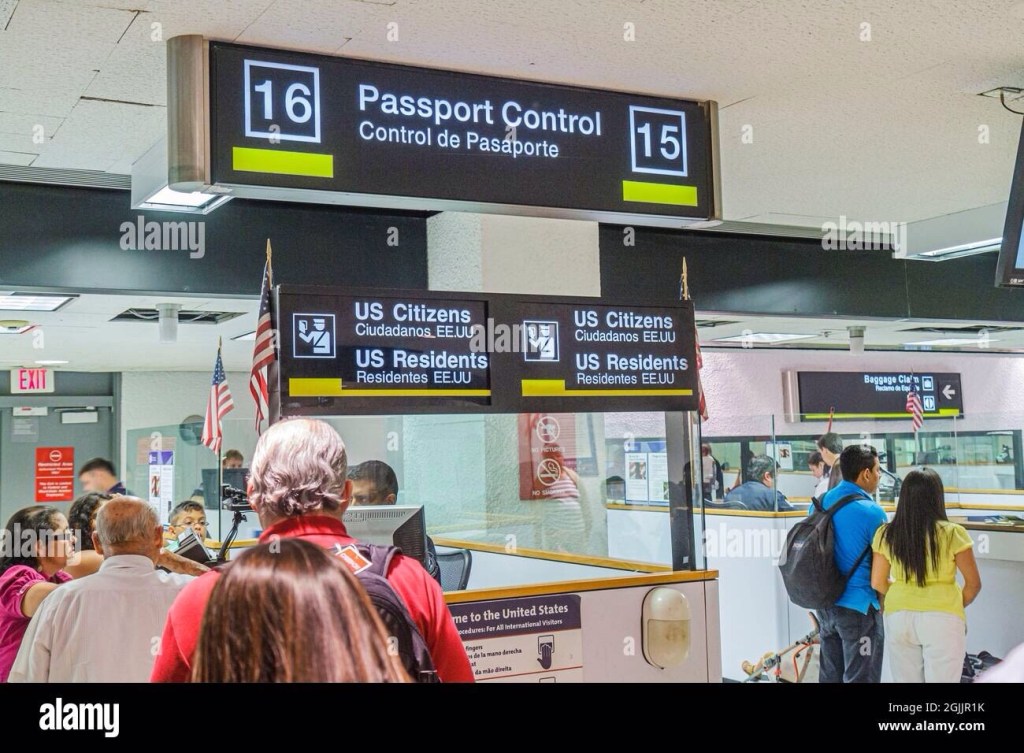
The fact that I am here today, writing this story, tells you that we made it to the airport without bursting into flames, and in plenty of time to get me, and my multiple pieces of luggage, through Customs. And now the suitcase with the Lenin portrait was about to pass through x-ray, and my two guardian angels were still standing behind me, watching over me to the very last. As the picture frame revealed itself, the Customs agent stopped the conveyor belt, studied the x-ray image, and said to me:

Him: “You have picture in suitcase.” (Duh!)

Me: “Yes.” (Brilliant comeback.)

Him: “What is it?”

Me: “It’s a souvenir.” (The absolute truth.)

Him: “Where you get it?”

Me: “The art market across the street from Gorky Park.” (Hmm . . . )

Okay, so that’s where I veered from the truth, just a teensy bit. But there was an art market across from Gorky Park, and I had been there, and maybe — just maybe — there could have been a Lenin portrait there at one time . . .

“Busted!”

And that was when I observed the Customs agent looking past my shoulder, obviously at Bragin and Kostylev behind me; and I had a clear mental image of them gesturing with their hands to “let her go, let her go.” Or perhaps it was more like “get her the hell out of here already, we’re tired of babysitting her.” In any event, the agent looked at me — did I imagine the expression of respect, or maybe fear, in his eyes? — said “Hokay,” and passed my bags through, stamping my passport and handing it back to me. I turned around, said one more quick goodbye and thanks to my two bodyguards, and headed toward the departure gates.

Once again, I lacked the ability to see into the future; I had no idea that I was not to have seen the last of Vladimir Bragin. But that’s a tale for another time.

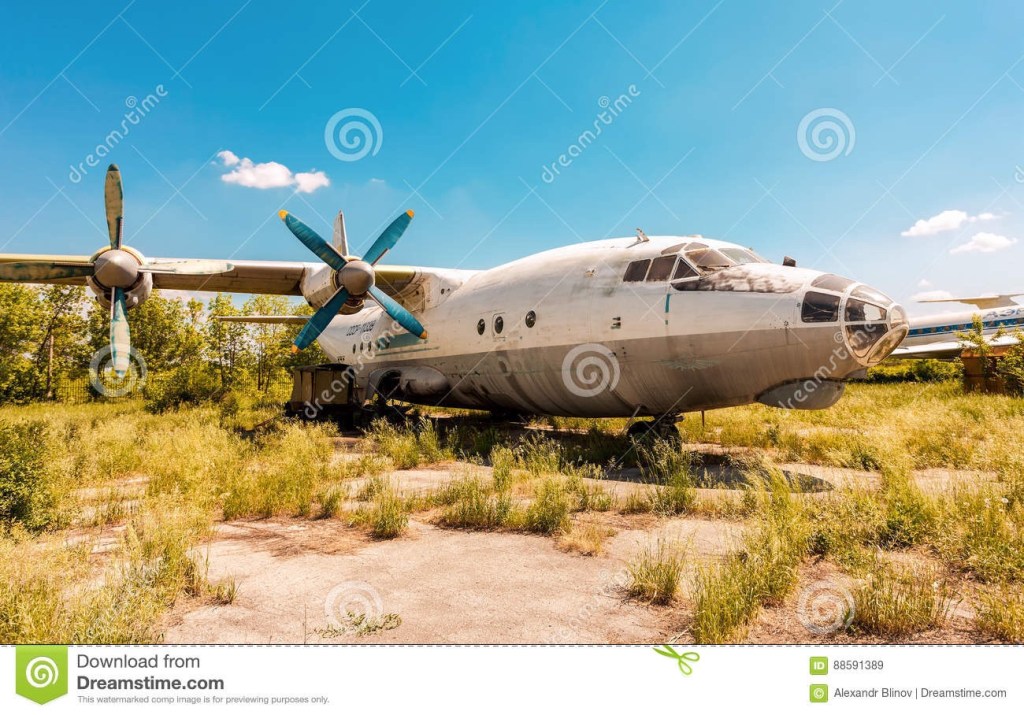
After my elegant transport to the airport, my airline reservation was, to say the very least, disappointing. Trying to save a few more dollars at my expense, Gil Robinson had booked me on Aeroflot all the way from Moscow to Washington, though as a concession I was at least seated in what was laughingly called “first class.” All that meant was more leg room. There was no division between the sections of the plane, and smoking was allowed in coach. It seemed that all Russian men smoked, so the thick gray cloud from the back of the plane easily found its way forward. The seats were incredibly soft, which may sound like a good thing, but they were hardly ergonomic. And when you stood up, the back of the seat flopped forward onto the seat itself. It wasn’t that mine was broken; they were actually designed that way.

As for the luggage rack, it was just that: an overhead rack, with a rope stretched across the front to (hopefully) hold the bags in place — no doors. If we encountered any turbulence, I guess we were just supposed to cover our heads and duck. I found myself wondering which century had given birth to this incredible flying machine, and who had cleared it for today’s flight — Mr. Magoo?

“Come on, baby — you can do it!”

There was one other American passenger aboard, a man in the row ahead of mine, who pointedly ignored me and buried his face in a book or some sort of paper work throughout the flight. Interestingly, the flight attendant correctly spoke to him in English, but when she approached me, she immediately switched to Russian — even though she knew perfectly well I was also American. I felt as though everyone in Moscow knew me and I was always being watched, or watched over — and frankly, it was getting on my nerves.

I hadn’t been feeling particularly well that morning — probably from the excessive amount of food I’d forced down my gullet at Petrovka the previous day, followed by today’s terrifying ride to the airport. So when the attendant asked what I would like to eat, I told her I didn’t want anything because my stomach was a bit upset — which threw her into a frenzy. Her job description required her to take care of the passengers, and she didn’t seem to know what to do when something disrupted her routine. She did seem genuinely concerned, though, and kept trying to find some way she could be of help — offering me medicine, or even a doctor. (I had to wonder where she was going to find one of those at 30,000 feet, but no matter.) So I finally asked for a cup of tea, and she went away happy, returning quickly with an entire pot of a delicious Russian brew. It actually did make me feel a bit better, and she was satisfied that she had done her job.

The rest of the non-stop flight, I am happy to say, was smooth and uneventful. I even managed to catch up on some of the sleep I had missed the night before, and awoke feeling almost normal. When the plane touched down at Dulles Airport outside of Washington, D.C., I heaved a gigantic sigh of relief. I had not, until that moment, realized how stressful living in Russia really had been — my body, and my mind, both constantly on the alert for . . . what? Almost anything, really. I desperately needed a spa day, and as we taxied toward the terminal, I made a mental note to place that at the top of my new to-do list.

“Aaahhh!!!”

Making my way to the baggage claim area, I managed to locate and retrieve all of my bags — though not before reaching for one that was identical to mine but, as it turned out, belonged to a Russian TASS journalist (that’s a real thing, but it’s also frequently used as a cover for KGB officers in foreign countries). When I saw the large ID tag on his suitcase, I immediately pulled my hand back, just in time to see him grab the bag and shoot me a really nasty look. I muttered “sorry” in Russian, which threw him momentarily; then I took the pieces that actually did belong to me and piled them onto two airport luggage carts.

Wheeling one ahead and dragging the other behind — and feeling oddly like Dr. Dolittle’s “Pushmi-Pullyu” — I headed for the Customs area for U.S. citizens and spotted an empty lane. The agent, seeing me with two carts piled high with bags, looked around for another person who should have been accompanying me. Not finding anyone else, he asked, “Are all of those yours?” and when I said they were, he inquired as to where I had been and for how long. I told him “Moscow, for three and a half months,” to which he nodded, smiled sympathetically, said “Welcome home, ma’am,” stamped my passport, and waved me through. I could have been bringing home a Faberge egg from the Kremlin Armory Museum, and no one would have been the wiser. Too bad I didn’t know that in advance!

Home, at last!

My sister was waiting to greet me on the other side of Customs, and seeing her made me realize I was really at home. When we arrived at my apartment, all I wanted was a shower and my bed. Most of the unpacking could wait until the next day, but I did pull out the gifts I had brought for her and a few others. And for myself there was the proud unveiling of the precious Lenin portrait, which had survived the trip undamaged. He had to be reframed, of course, and I had the perfect spot in which to hang him, directly over my desk in my home office. Within a few days, he had an expensive new frame, and he has resided above my desk for the past thirty years. In fact, as I write these words, he is still glaring down at me from my wall. I was once offered $1,000 for him, but I wouldn’t sell; his grim countenance helps to keep alive the memories of those days . . . and my brief career as a smuggler.

Vladimir Ilyich Ulyanov, a.k.a. Vladimir Lenin

So now it was back to the real world of closing out my relationship with Gil Robinson’s Foundation, continuing my search for financing for my business school project, receiving and dealing with the chapters of Shvets’ book being sent to me from Moscow, and generally regaining some semblance of normalcy in my life. But that’s not so easy to do with the FBI knocking at the door. It all became a juggling act, which I will go into next time. ‘Til then . . .

Do svidaniye,
Brendochka
5/11/23 (re-posted 12/9/23)