In the face of widespread protests and the rise of opposing forces, Russia’s Tsar Nicholas II had abdicated on March 15, 1917, ending the 300-year dynasty of the Romanovs.
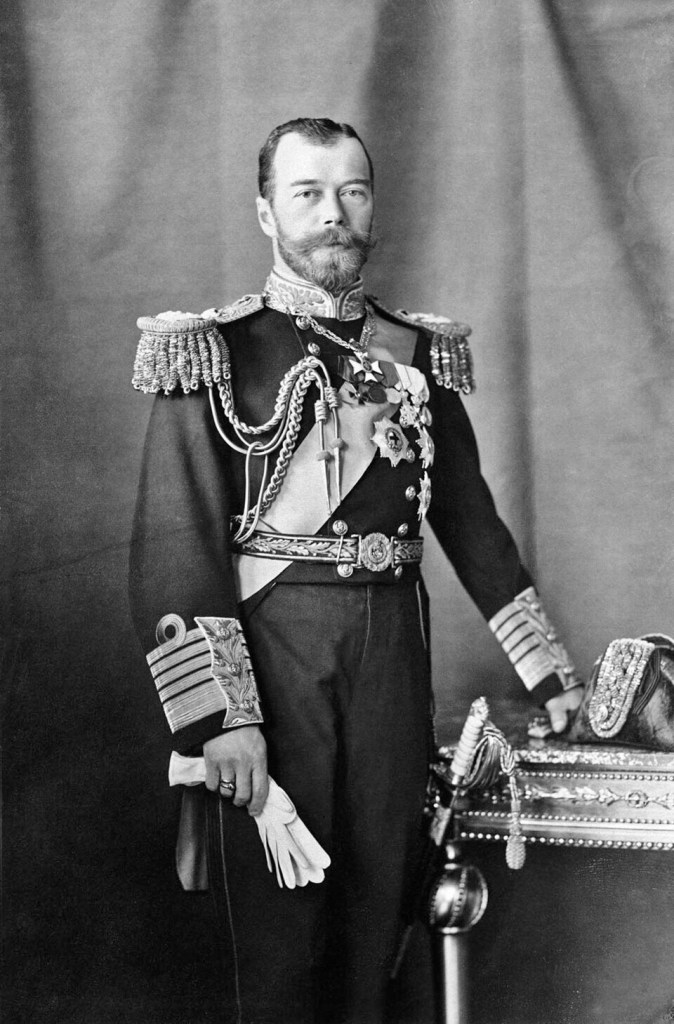
A liberal Provisional Government was hastily formed by the State Duma, initially led by Georgy Lvov until July of that year, and then by Aleksandr Kerensky. Until November, government power was shared with the more radical workers’ and soldiers’ council known as the Petrograd Soviet.
It was a tenuous partnership at best. The new government’s delay in instituting the essential reforms that had led to the popular uprisings in the first place, and choosing to extend Russia’s involvement in World War I against the wishes of the people, merely created further dissatisfaction and left the door wide open for Vladimir Lenin’s Bolsheviks to step in and seize control.
On November 6, 1917, Lenin’s revolutionaries staged a nearly bloodless coup against the weak Provisional Government, occupying government buildings and other strategic locations in the capital city of Petrograd (now St. Petersburg). Two days later, a new government had been formed, with Lenin as its head, promising “Peace, Land, and Bread” and an exit from the war.
That new government would later be renamed the Union of Soviet Socialist Republics (USSR) . . . or, as most of us came to know it, the Soviet Union.
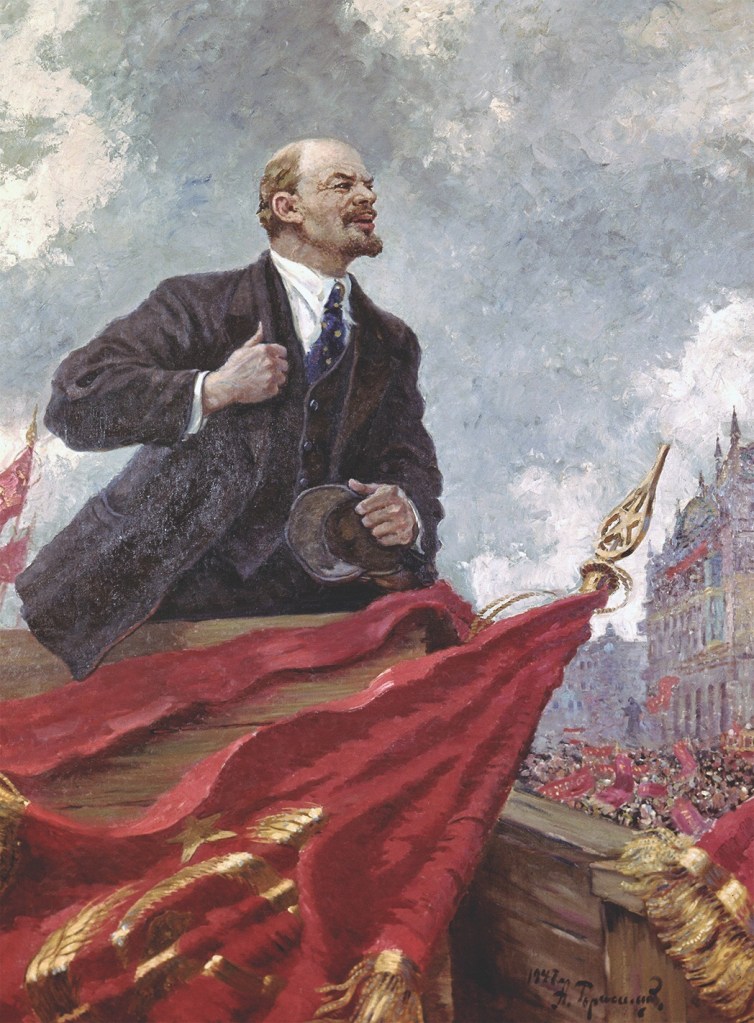
The Russian lower classes had long suffered at the hands of the Tsarist regimes. But what was the spark that finally lit the fire of revolution in 1917? As in the case of most of history’s major uprisings, it wasn’t one single problem; it was a “perfect storm” of political, economic and social issues that had been simmering for decades, just waiting for the right person — in this case, Lenin — to convince the people that the time to act had arrived.
In brief, the main issues were these:
World War I: The country’s economy, and the morale of its people, had been exhausted by heavy military losses, poor equipment, and mass casualties on the Eastern Front.
Economic Hardship: Severe food and grain shortages, high inflation, and railway disruptions had left people in the cities starving.
Autocratic Misrule: Widespread corruption in the Tsar’s court, along with its failure to address the social and economic problems, had alienated the population.
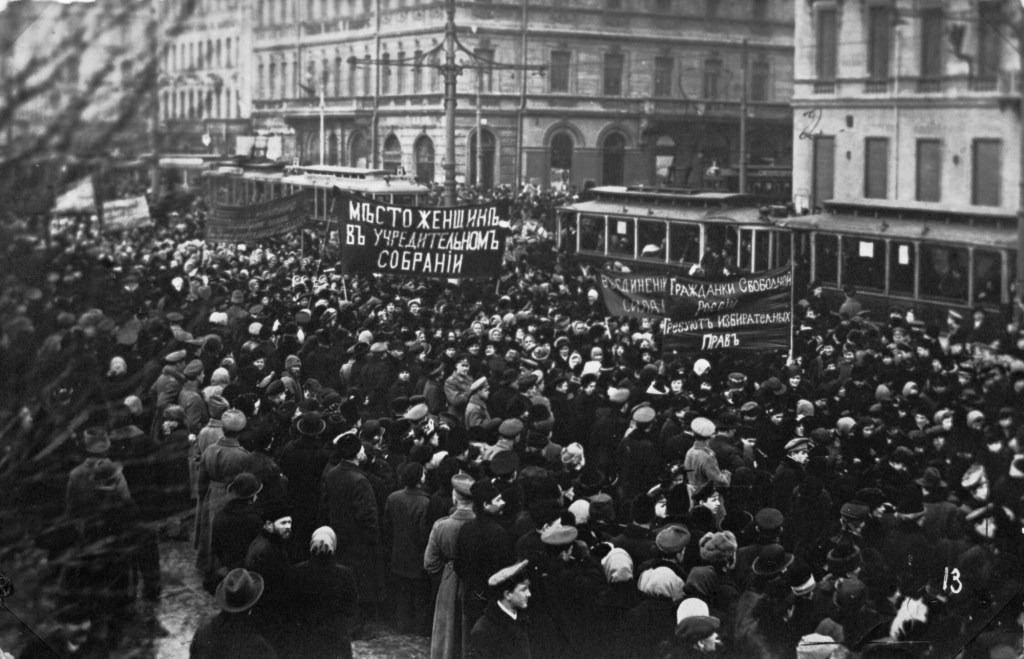
And if that sounds vaguely familiar, it should. For the past two years, the United States has become embroiled in unnecessary and unjustifiable foreign wars; endured economic changes that have nearly wiped out what was the world’s largest, most properous middle class and caused immeasurable financial hardships for all but the wealthiest; and been subjected to a wave of high-level government and corporate corruption unknown in more than a century.
I am grateful that we have thus far avoided an all-out revolution. Instead, We the People have staged peaceful demonstrations, and just three days ago, made our voices heard at the polls. Change for the better is underway — not as a quick, violent takeover, but as a lawful, Constitutional mandate for reform.
Perhaps, after all, we have stopped ignoring history, and decided to learn from it.
I certainly hope so.

Just sayin’ . . .
Brendochka
11/6/26

