August 18, 1991. Mikhail Gorbachev had been the leader of the Soviet Union — first as General Secretary of the Communist Party (CPSU) and then as head of state — for eight years. During that time, he had led his country from a strict Marxist-Leninist regime toward a more democratic socialism, introducing the twin programs of perestroika (reconstruction) and glasnost (openness), and advancing political and trade relations with the West.
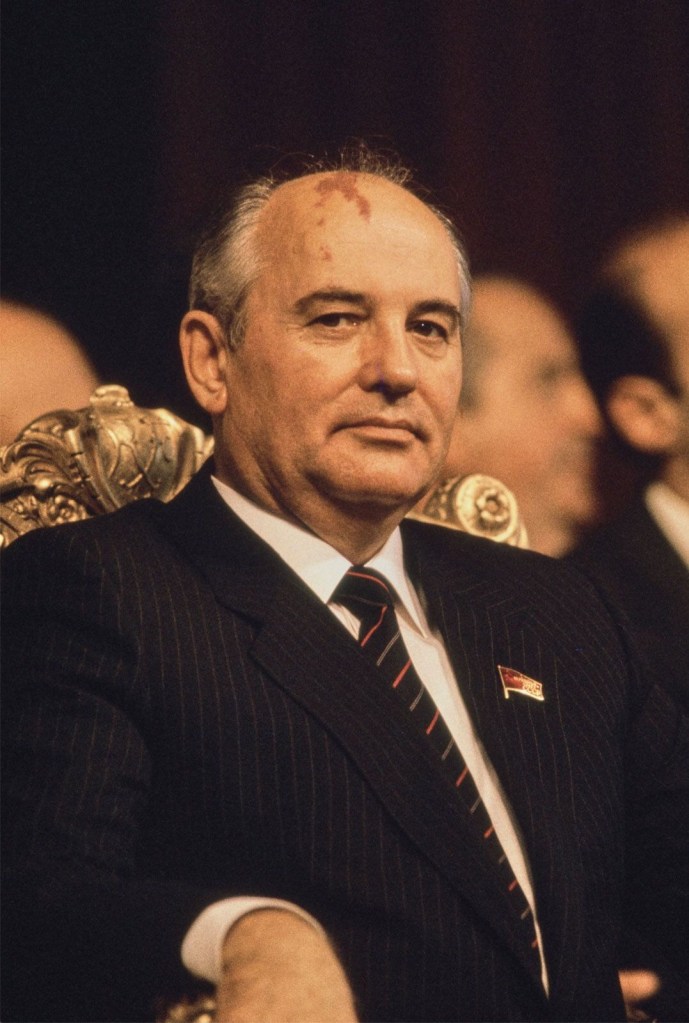
But the country’s hardline communist factions remained in strong opposition to Gorbachev’s reforms, and on August 18th, his political, military, and security (KGB) opponents staged a coup, placing him under house arrest at his vacation villa in Crimea. They then attempted to take over the Parliament in Moscow by force, but were unexpectedly blocked by Russian reformer and Gorbachev ally Boris Yeltsin and his followers, including a small cadre of progressive military and police officers.
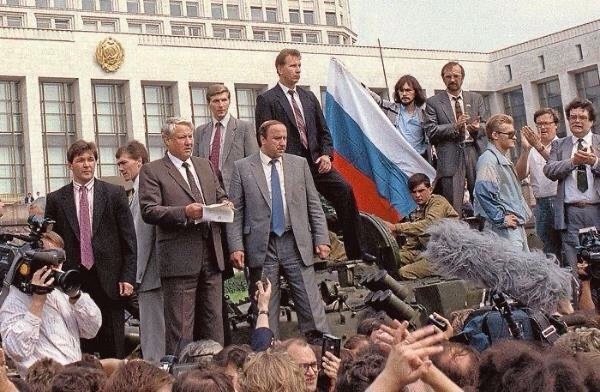
Thousands of Russian citizens took to the streets, and the coup collapsed after three days. Gorbachev was released and flown back to Moscow, where, over the next several months, he dissolved the Communist Party, granted independence to the Baltic republics of Latvia, Lithuania and Estonia, and proposed the establishment of a looser confederation among the remaining 12 Soviet republics.
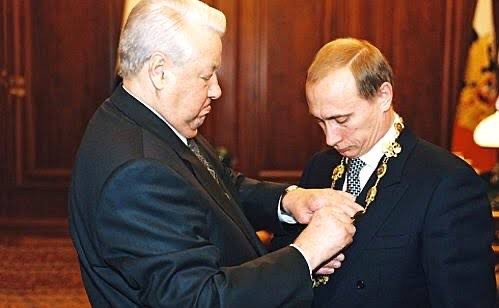
But Gorbachev’s authority had been irreparably damaged, and on Christmas day — December 25, 1991 — he resigned and turned over the reins of power to Boris Yeltsin, who continued to implement reforms for the next eight years until edged into retirement on December 31, 1999, by none other than his protege and Prime Minister, Vladimir Putin.
Those years of perestroika and glasnost were a mixture of hope and chaos for the Russian people. On the one hand, new freedoms were introduced and previously unheard-of opportunities presented themselves.
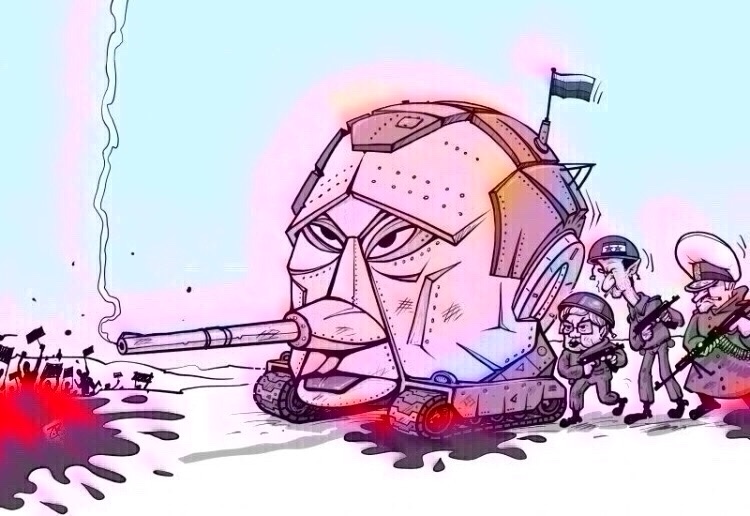
But on the other hand, centuries of a controlled regime and command economy were demolished without a new system having been created to take its place. Government-owned properties and industries were suddenly up for grabs; and the only people in a position to grab them were those already in power under the old regime. A new “mafia” class was created, oligarchs sprang out of nowhere, and mob-style crime became rampant. Russia became known as the “Wild East.”
*. *. *
Mikhail Gorbachev was a man with a vision for his country: a vision that would bring peace and prosperity to the people. He just got the timing wrong.
And the rest, as they say . . .
Just sayin’ . . .
Brendochka
8/18/26

