We are in danger of forgetting about Ukraine . . . or rather, Ukraine is in danger of being forgotten. The Russian invasion has dragged on into its third year, when it was supposed to have been repelled in weeks or months, with the help of the West. But it has become unexpectedly oppressive, and expensive, and divisive. And the people of Ukraine are staggering under the weight of the Russian onslaught.
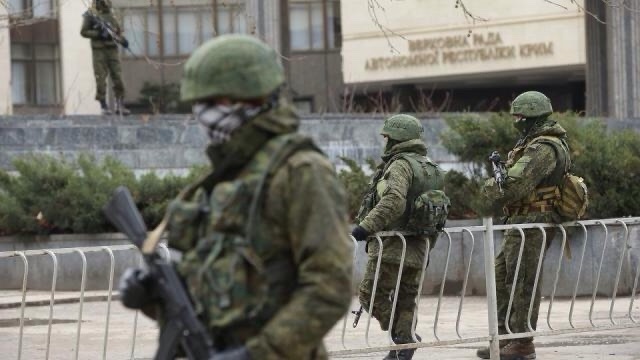
In the meantime, the example of Crimea is right in front of our faces, and we are ignoring it. We are overlooking the Little Green Men who now inhabit, and rule, what was geographically and legally part of Ukraine until 2014, when Russia . . . yes, let’s call it what it was . . . invaded it, on the pretext of “taking back” what they claimed was rightfully theirs.
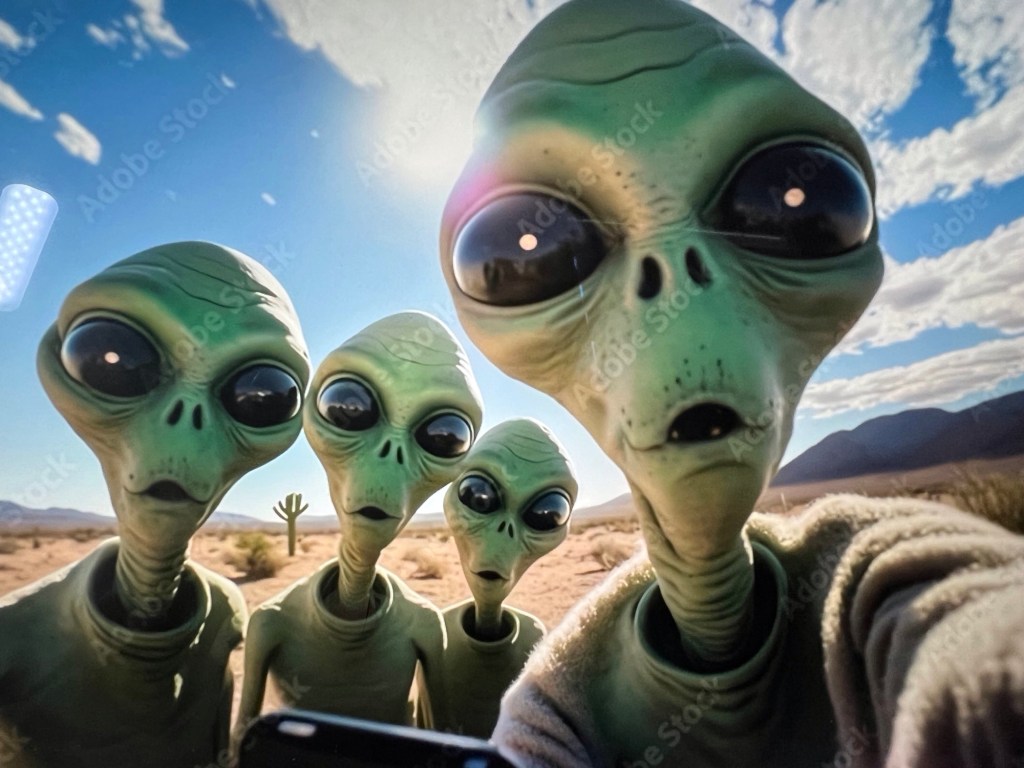
No, I haven’t been seeing UFOs or ETs, or pink elephants, for that matter. The “Little Green Men” of Crimea are Russian soldiers — masked, armed, fearful-looking men in khaki green battle gear or fatigues, Russian insignia clearly visible, patrolling the streets, invading people’s homes and businesses, and making arrests when and as they see fit. They represent the Russian government of Vladimir Putin. The locals have given them their other-worldly nickname.
Depending on who’s speaking, you might hear: “It’s part of Ukraine!” “No, it belongs to Russia!” “But it was ceded to us!” “But historically it is ours!” And so on, and on, and on. We could argue forever about the rightful political place of Crimea in the 21st Century. Its history is so complex as to be nearly indecipherable; over the centuries it has been controlled, wholly or in part, by a succession of Cimmerians, Bulgars, Greeks, Scythians, Goths, Huns, Khazars, Kievan Rus’, Byzantine Greeks, Kipchaks, Ottoman Turks, Golden Horde Tatars, and Mongols. And that was only up to the 13th Century, when it was partly controlled by the Venetians and the Genoese, followed by the Crimean Khanate and the Ottoman Empire in the 15th to 18th Centuries, the Russian Empire in the 18th to 20th Centuries, Germany during World War II, and the Soviet Union from the time of its recapture of the Peninsula from Germany in 1944 until the breakup of the Soviet Union in 1991. Whew!
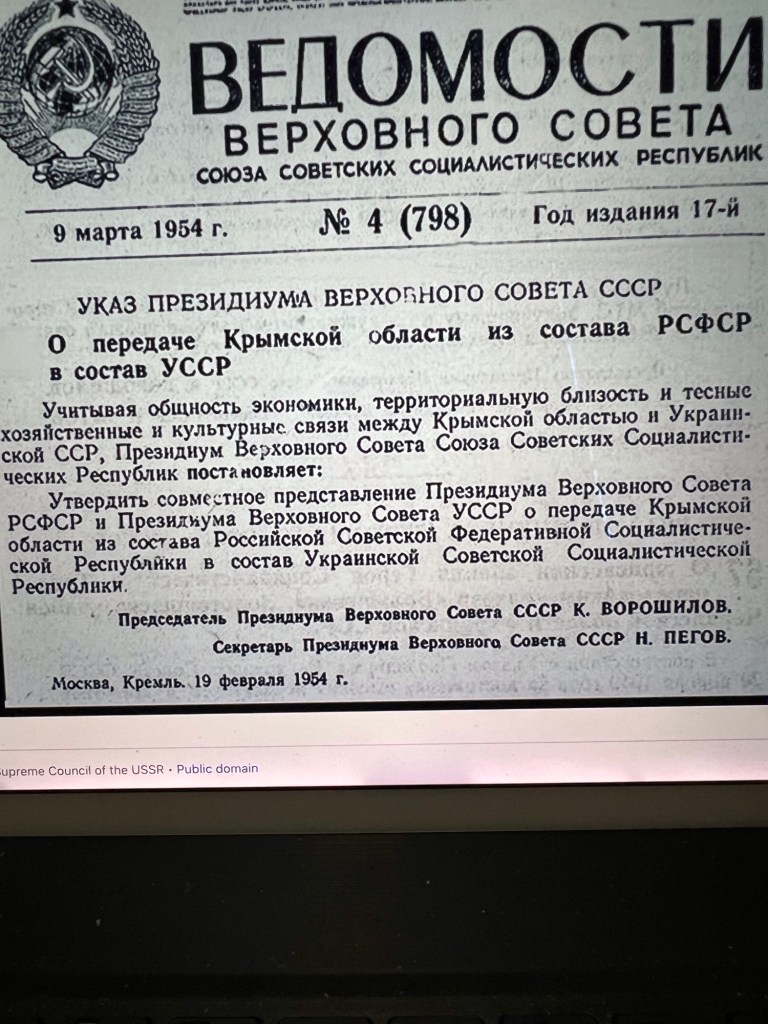
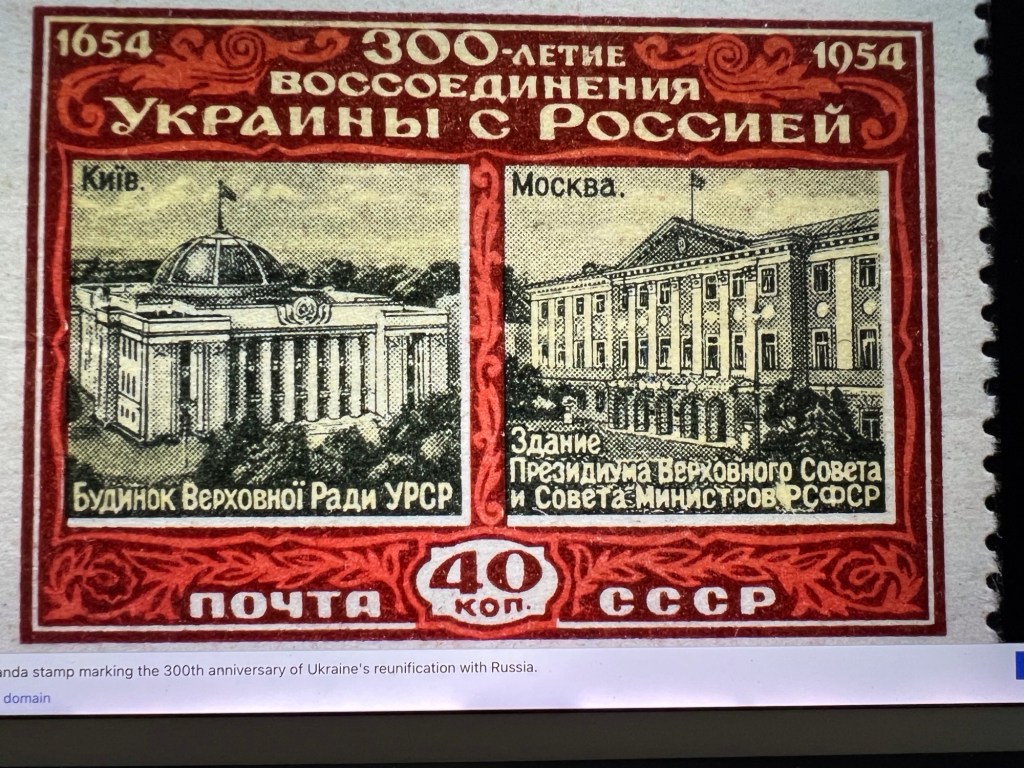
But that’s not all. Because on March 9, 1954, it ceased to be an oblast (region) of the RSFSR (Russian Soviet Federative Socialist Republic) within the Soviet Union, and was transferred by decree of the Presidium of the Supreme Soviet to the Ukrainian Soviet Socialist Republic. And that is where it stood when, in 1991, the 15 Soviet Republics became 15 independent, sovereign nations. The reasons for the 1954 transfer were about as complicated as the history of the region itself, and are actually quite interesting . . . but are not really relevant here.
*. *. *
So there you have it. Yes, it’s true: for a couple of centuries, the now non-existent Russian Empire did include the Crimean Peninsula . . . and a whole lot of other land that no longer belongs to modern Russia. Borders are forever in a state of flux, due to invasions, revolutions, and treaties. And for about 34 years — from the Russian Revolution of 1917 to 1954 (excluding the three-year German occupation of 1941-44) — it belonged to the Russian Soviet Socialist Republic of the Soviet Union. But for the 70 years from the transfer of 1954 to the present time, it has been — and rightfully still is, both politically and geographically — an inseparable part of Ukraine.
And it is our job — the job of the free world — to help it remain such. Because the fate of Crimea is the fate of Ukraine. The Russians have already planted their flag — both metaphorically and literally — on the soil of the Donetsk, Luhansk, Zaporizhzhia, and Kherson Oblasts of Ukraine. And they will not quit until they have it all . . . or until we stop them.
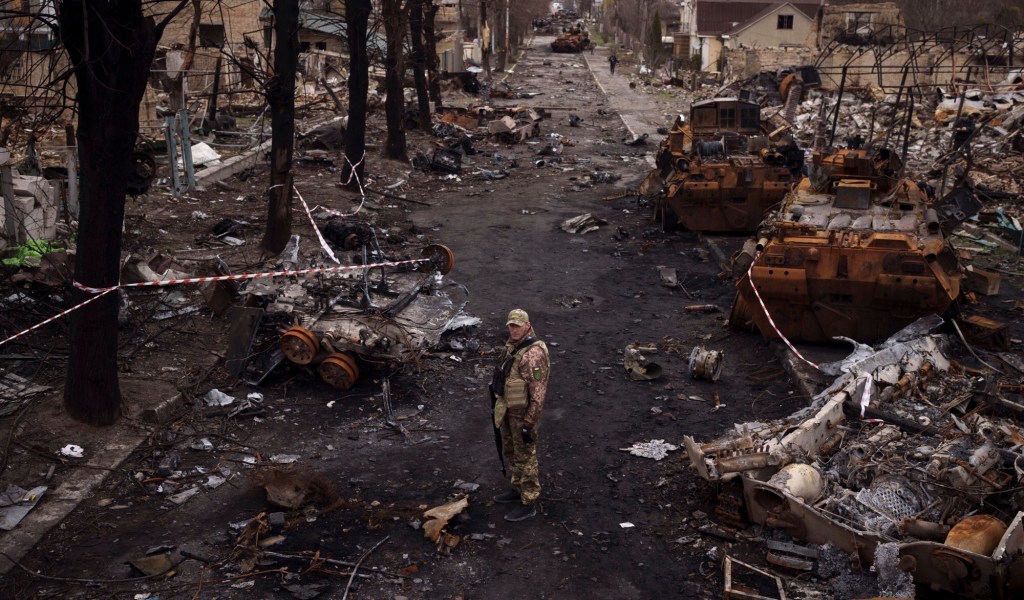
The Russian war machine must be stopped. The people of Crimea — like the people of the rest of Ukraine — do not want to live under Vladimir Putin’s rule. They continue to protest against the Russian hegemony, but — as in Russia itself — arrests are being made of those who dare to speak out. One of the latest is a woman named Lutfiye Zudiyeva, a human rights activist who has been arrested for the third time, this time on charges of “abuse of mass media freedom.” Translation: speaking the truth.
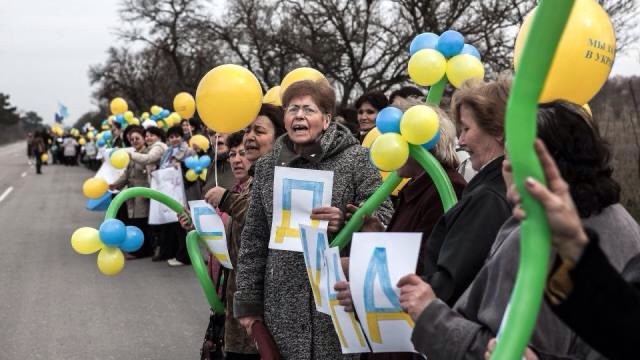
And this is what awaits the rest of Ukraine, if we — the West — allow it to happen. And make no mistake: it will happen . . . unless we put Ukraine back up at the top of our agenda, where it rightfully belongs. Because, tragically, what happened in Crimea in 2014 didn’t end in Crimea; it merely took a break, and reignited in 2022.
And because there are plenty more Little Green Men out there, just waiting to move in as soon as we turn our backs.
Just sayin’ . . .
Brendochka
3/20/24
 The Blog About Everything … and Sometimes Nothing