Today’s quote does not offer deep philosophical insight, solace in times of stress, or an attempt at humor.
It is, however, a hell of a good question from an independent political commentator and author:
“Hey, um . . . where’s Mitch McConnell? His extremely slow and steady recovery must be almost complete, no?
– David Pakman, The David Pakman Show, September 2, 2026.
David Pakman
Thanks for bringing that up, David. It seems to have been pushed onto the back burner — except in the office of the U.S. Treasury that issues the Congressional paychecks.
According to the Merriam-Webster Dictionary, the definition of “Chutzpah” is:
“Supreme self-confidence; nerve; gall.”
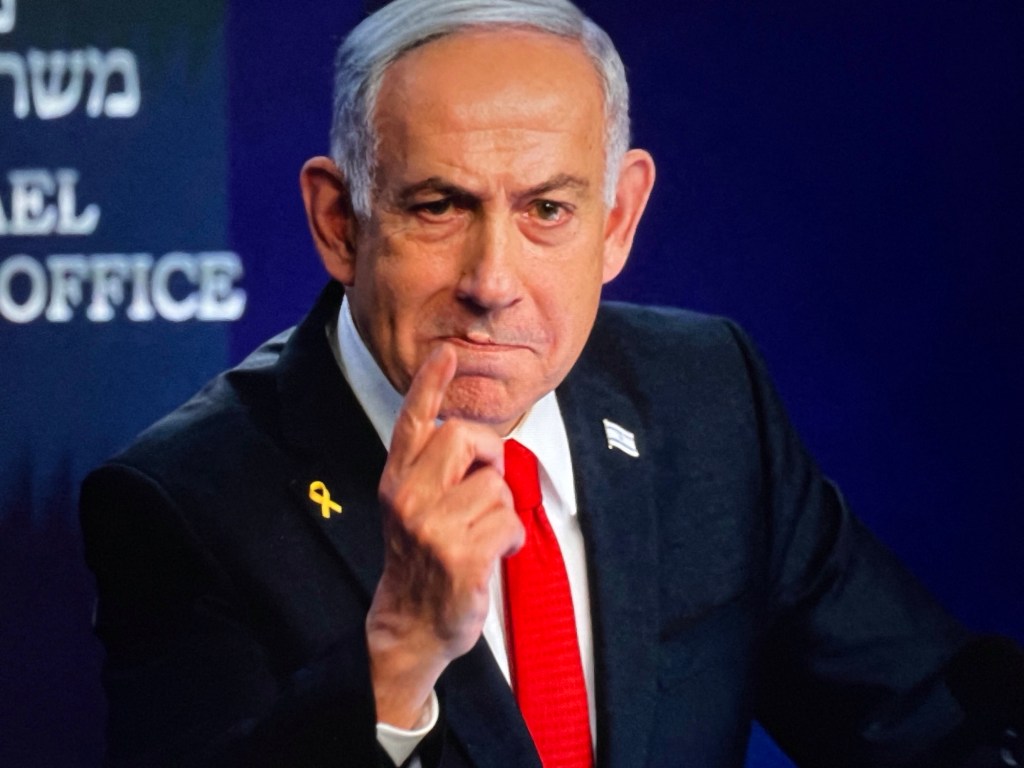
And there are few people I can think of who fit that description as well as Israeli Prime Minister Benjamin “Bibi” Netanyahu.
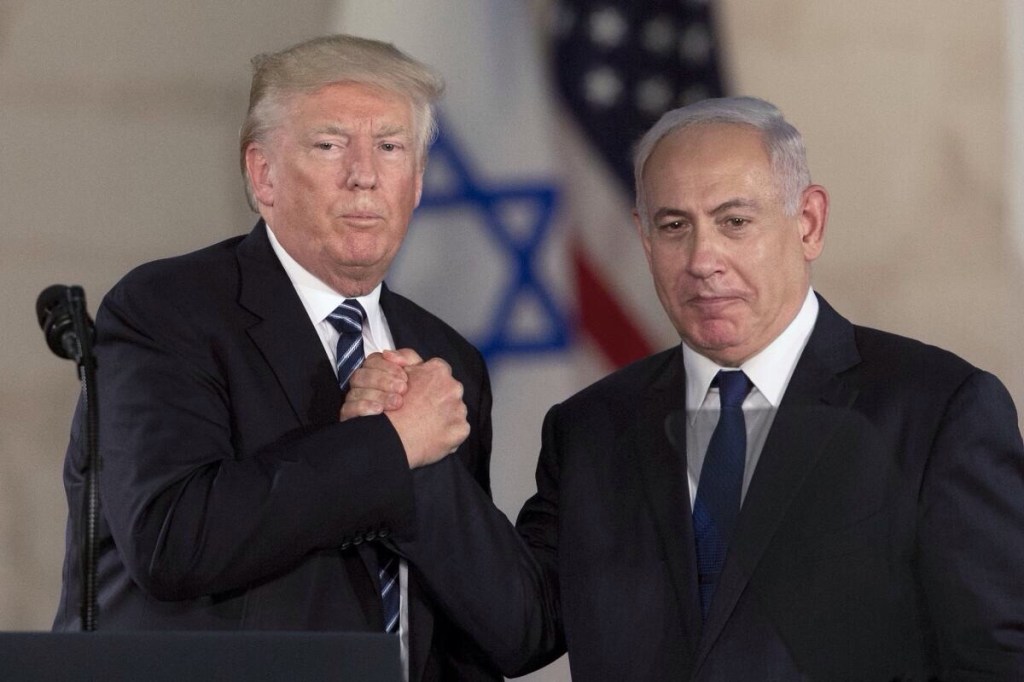
It is certainly no secret that, despite Donald Trump’s assertions that his war against Iran is all about denuclearization and regime change, it also manages to tie in nicely with his friend Bibi’s long-standing goal of taking down Iran.
Not content with proportional retaliatory measures against Hamas in Gaza following the horrific attack against Israeli civilians on October 7, 2023, Netanyahu has embarked on a war of attrition against the whole of Gaza that has resulted in his being charged by the International Criminal Court (ICC) with war crimes amounting to genocide. And that war has expanded to include Iran, and to have a major deleterious effect on other Middle Eastern countries that had nothing to do with the original Hamas attack.
In all fairness, Israel’s entire history, since its establishment as an independent nation in 1948, has been one of persecution and having to fight for every inch of its 8,500 square miles of territory, while surrounded by enemies who want only to see it wiped off the face of the Earth. Some eight decades ago, the people of the new state of Israel took a desert wilderness and began building a thriving democracy against unimaginable odds. And for that, they earned worldwide respect and admiration.
Until Netanyahu.
I needn’t go into the recent history here; it’s already well documented in the daily news — including Trump’s refusal to condemn Netanyahu’s worst offenses, and his continued support despite worldwide condemnation.
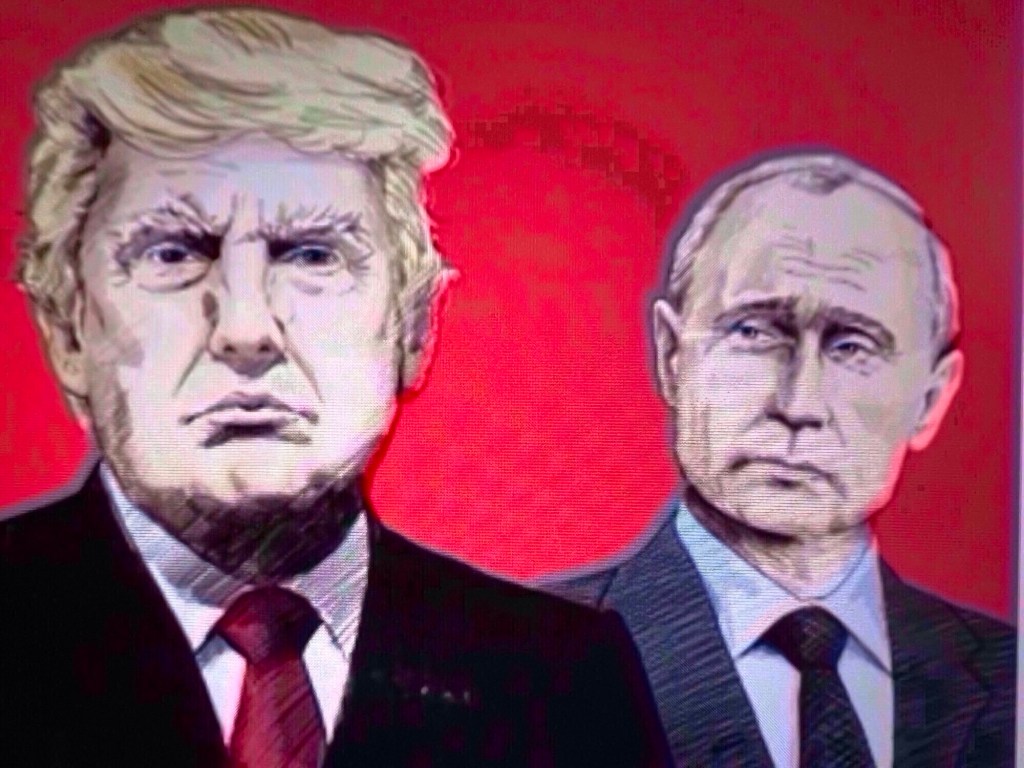
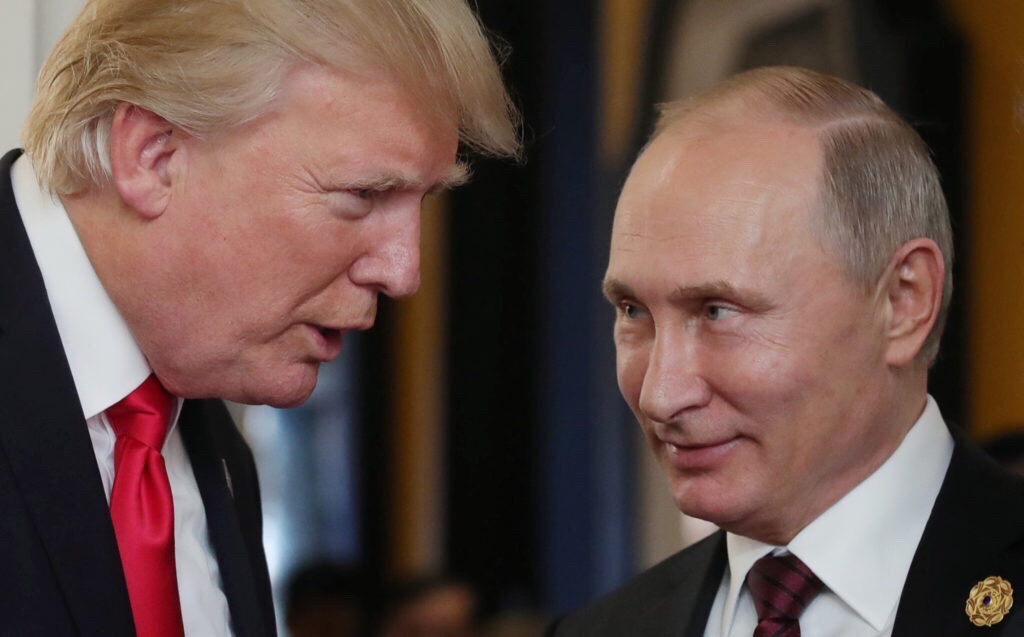
There are many who have suggested that — much like his relationship with Vladimir Putin — Trump has been suckered by Netanyahu into doing, not what is best for America or even what is best for Israel, but what is best for his friend Bibi. And that suspicion was validated by a shocking statement made by Netanyahu himself on Tuesday, when he boasted on live television:
“I’ve been against Iran for almost 40 years . . . it took a long time to bring the United States to its senses. . . . [I’ve had] close to 1,000 hours of American television with the ability to influence the United States — with the intimate knowledge of all its leaders, both those who support us and those who don’t support us — the ability to navigate this field, through it.” [Alexander Willis, Raw Story, September 1, 2026.]
Yes, those were his words. And I wonder how long it will take for Trump to realize that his loyal, supportive, flattering friend Bibi has just thrown him under the bus.
There was no need for us to attack Iran. They had no nuclear weapons, the Strait of Hormuz was open and operating nicely, and they had made no threats against us. But Bibi wanted a war, and his friend Donald was weak and malleable. The result, as we all know, has been a military, diplomatic, and economic debacle that will take years, if not decades, to undo.
To have done all of that was bad enough. But to appear on live TV and openly brag about it . . . well, that is so far beyond chutzpah, I don’t think there is a word in the English language strong enough to define the duplicitous relationship between Benjamin Netanyahu and Donald Trump.
Well, actually there are several . . . but I can’t bring myself to repeat them in polite company.
Last week I posted an article expressing my gratitude to my grandparents for having had the courage to leave their homeland in Ukraine in 1905 to travel across an ocean in order to build a better life in America. And I meant every word.
Russian/Ukrainians Arriving at Ellis Island – C. 1905
Because of them, I was born and raised in a land of plenty, of security, and of boundless hope. I did not have to experience the horrors of Naziism, Stalinism, or Putinism.
Of course, the one thing they could not possibly have foreseen was Trumpism. That is my generation’s punishment for having taken our blessings for granted and for allowing ourselves to become complacent . . . and it is certainly not what my grandparents would have wanted for their descendants.
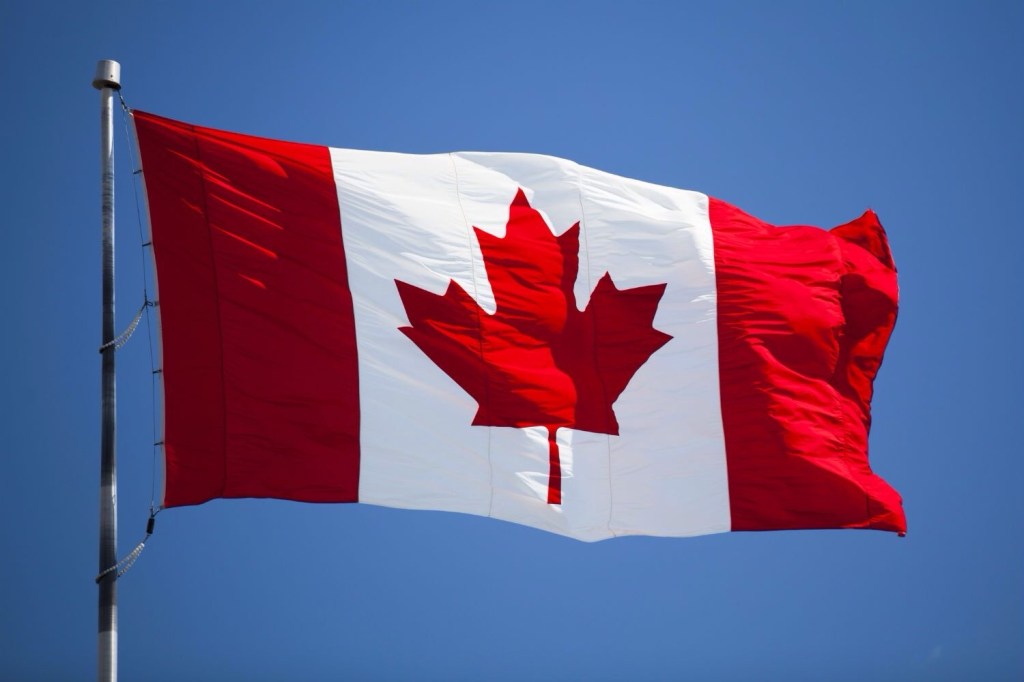
So this morning, when I read that September 7th will mark the 135th anniversary of the first Ukrainian wave of immigration from Ukraine to Canada, and that that first diaspora continued from 1891 to 1914 — the very period during which my grandparents headed west to settle in Rhode Island — my first thought was . . .
“DAMN! A little farther north, and I could have been Canadian!”
*. *. *
I have been privileged to do some traveling in the past, and I have found much to love in every country I’ve visited . . . including Canada. But I have always been proud to be carrying my U.S. passport, and to be able to come back to my happy place.
So, for me to think “Damn . . . I could have been Canadian” comes as quite a shock to my psyche. But I have to be honest: if I were younger, and met the qualifications, I might be considering moving across the border right now — at least on an extended stay until the plague of Trumpism has passed.
It pains me to admit it, but I am one of the tens (or hundreds) of millions of Americans who are horrified by what is happening to our beautiful country, and ashamed to be even an unwilling part of it. But it does bring a significant measure of comfort to know that our good neighbors to the north — from the French speakers of Quebec to the Inuit of the Yukon Territory — are still there, patientlywaiting for us to pull through and regain our humanity.
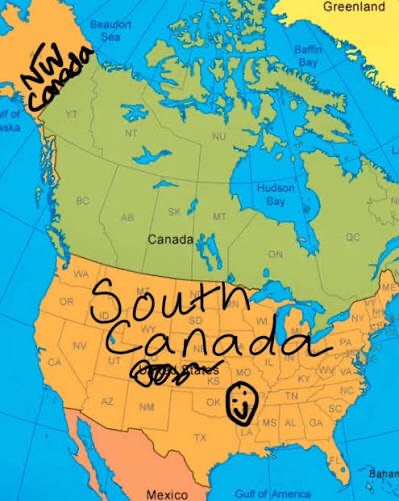
And now I find myself daring to ask: Are you sure you wouldn’t like to claim us as your 11th province? “South Canada” suddenly has a nice ring to it.
Looking for some words of wisdom, I found this today:
“Dangerous consequences will follow when politicians and rulers forget moral principles. Whether we believe in God or karma, ethics is the foundation of every religion.”
– Dalai Lama XIV
The 14th Dalai Lama
And should be the foundation of every government.
Now, if only we could convince the politicians and rulers . . .
That’s us — the United States of America — under the administration of Donald J. Trump.
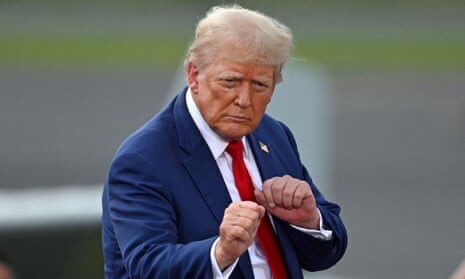
Looking Tough
Why are people surprised that we haven’t been able to negotiate an end to Russia’s war against Ukraine? Or frighten the leadership of Iran into capitulation? Or convince Kim Jong Un to stop making threats against South Korea?
A better question is: Why would any of those countries take us seriously when, every time Trump threatens retaliation or sanctions, he lets someone sweet-talk him into giving them more time and ends up doing nothing?
TACO. Trump Always Chickens Out.
Case in point:
Last week CIA Director John Ratcliffe made a hasty trip to Moscow, where he met with his intelligence counterpart. Although we don’t have details, the best information to date is that he (1) warned the Russian government against making any aggressive moves against NATO countries, and (2) discussed the status of that little ongoing fracas in Ukraine — not necessarily in that order. Then he came home.
What happened next? Well, the attacks on Ukraine intensified, with dozens of civilians being killed in just the last three days of unending, day- and nighttime barrages.
And early Tuesday morning, September 1st, NATO was forced to scramble fighter jets when drones entered both Estonian and Latvian airspace. No damage was done, and there is no word yet as to the origin of the drones. But the numerous threats emanating from the Kremlin, together with other identifiable incidents of Moscow’s ongoing hybrid war in Europe, have placed the entire European continent on edge — which is exactly what Putin is trying to do.
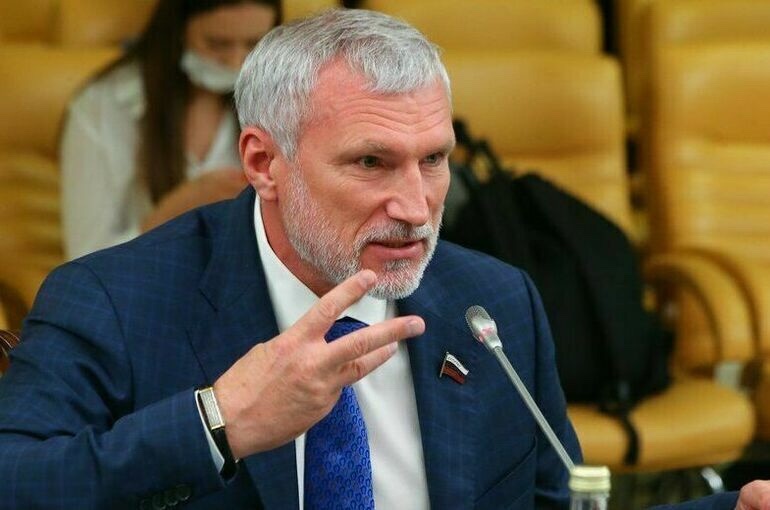
To add fuel to the fire, another top Russian official — First Deputy Chairman of the Russian Parliament’s Defense Committee Aleksey Zhuravlyov — dropped the “N” word this week when he said that any discussion over using nuclear weapons “should not even exist” because Moscow is now “obliged” to do so.
Aleksey Zhuravlyov
Demanding that Russia launch tactical nuclear missiles against Ukraine in order to force them into submission, he dismissed any question of the legality or morality of such an action, saying:
“The Americans dropped a couple of nuclear bombs on Japan, and what do we see? They practically started kissing American ***** . . . If we have to strike [with nukes], we’ll strike.” [Daily Express, August 30, 2026.]
And he is not the first Russian official to suggest the use of nuclear weapons. Dmitry Medvedev, Deputy Chairman of the Security Council, has done so more than once.
So how much good did Ratcliffe’s visit to Moscow do?
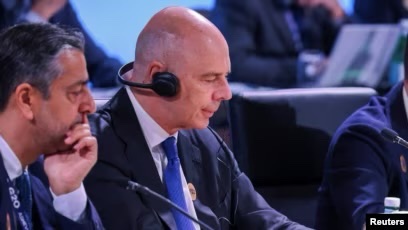
Well, consider that on Monday, August 31st, Russia Finance Minister Anton Siluanov — at the express invitation of the U.S. administration — inserted himself into the G20 meeting in North Carolina. And while many of the other members made it quite clear that his presence was less than welcome, it was obvious that Donald Trump had once again played into Putin’s hands.
So I ask again: How many times can we cry wolf, and still expect to be taken seriously? It’s well past time to develop a real foreign policy, rejoin the brotherhood of democratic nations, and put a stop to Putin’s crusade for world domination once and for all.
But who is going to have the cojones to march into the Oval Office with that message?
Today is the anniversary of one of those moments in history that remains blindingly vivid in my memory because it is personal . . . as it is for the families and friends of the 268 other people who died together on that day in 1983. For that reason, and also because of its political significance, I once again pay tribute to the victims of one of the 20th century’s many great tragedies — and specifically to one I knew and cared deeply for.
*. *. *
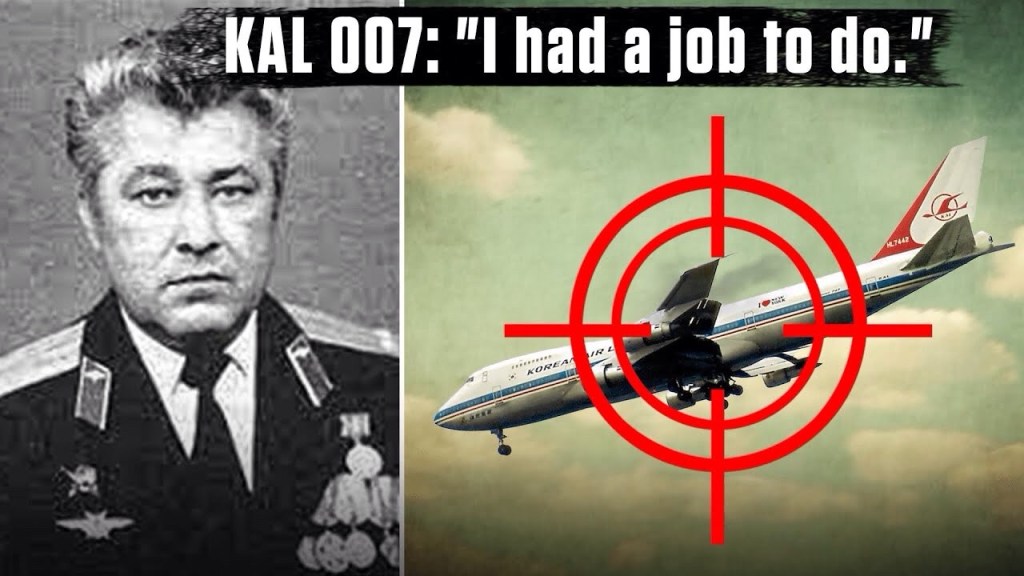
September 1, 1983: Korean Airlines flight shot down by Soviet Union.
I was in the office when the call came from the Dean of Columbia University Law School, telling me that John Oldham had been on that Korean Air Flight 007 to Seoul, en route to China for his summer of study and teaching. “No! Not the one the Soviets shot down!”
Tragically, it was.
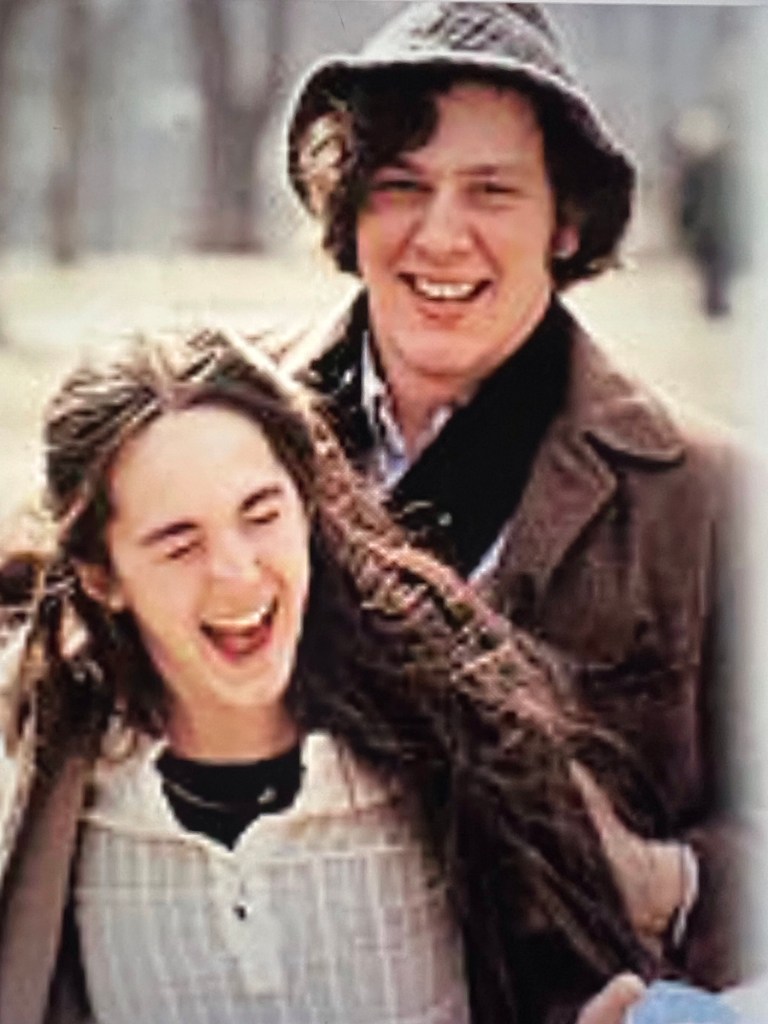
John was an amazing young man — smart, hard-working, decent, with a bright future. Just having graduated from law school, he was scheduled to join our firm; but first he had been offered an internship in Beijing for a year of study, with a side job of teaching English. He had been scheduled to leave a day earlier, but had changed his reservations in order to accommodate a friend who needed help with something. That was John.
And now he was gone.
John Oldham (1956 – 1983)
It fell to me to tell everyone in the office . . . but first of all, Walter. That was my immediate boss, Walter Sterling Surrey: a prominent international attorney and senior partner of the Washington-based law firm of Surrey & Morse, with clients doing business throughout the world, including China and the Soviet Union. But he was at a dental appointment that morning, so I had to tell him by phone, before he might hear it somewhere else.
When I called him at the dentist’s office and broke the news, he said nothing for a moment. Then: “Call Tregub. I want him in my office at noon. No excuses.” And he hung up.
Valeriy Tregub was our commercial contact in the Soviet Embassy. When I reached him by phone, there were none of the usual niceties. I told him bluntly, “One of our people was on that plane. Walter wants to see you here at noon.” And he didn’t argue.
When Tregub arrived, he looked as though he’d already been through hell; and his meeting with Walter didn’t help. I learned later from Walter that he had told Tregub what he thought the Soviet government should do — accept responsibility for a terrible, accidental tragedy, and offer restitution — but of course, they did just the opposite, denying fault and accusing the Koreans of spying.
The Downing of KAL Flight 007 – September 1, 1983
And to this day, there has been no justice for the 269 passengers and crew members on that flight . . . John Oldham included. He would have been 70 years old now, probably married with children and grandchildren, and likely looking forward to retirement from a successful and meaningful career, or already embarked on a new one.
But that never happened for John . . . just as it will never happen for the tens of thousands of those killed during the past four and a half years, and still being killed, on the battlegrounds and in the cities and villages of Ukraine. Because it never stops.
In 1983, it was Yuri Andropov seated in the Kremlin; today it is Vladimir Putin. It seems that only the names on the office doors have changed.
He is Russian Finance Minister Anton Siluanov; the “room” is this week’s G20 meeting in Asheville, North Carolina, where Siluanov made a surprise appearance yesterday, to the dismay of a number of the other attendees.
Anton Siluanov, at G20 Meeting – August 31, 2026
Though still officially a member of the G20, Russia has not sent a representative to attend a meeting in person since the 2022 invasion of Ukraine. In that year, Siluanov attended remotely; and even then, a multinational group, led by the United States, walked out when it was his turn to speak.
Yesterday, German Finance Minister Lars Klingbell expressed his frustration at the Russian’s attendance, telling reporters:
“People [in Ukraine] are dying every day. We have just seen another escalation in the [Russian] attacks. You cannot simply return to normality. I find the signal sent by receiving the Russian finance minister here quite troubling. I would have wanted greater clarity from the American side that he should not be received here as a normal guest.” [RFE/RL, August 31, 2026.]
A number of European ministers and central bankers objected to having Siluanov appear in the traditional “family photo” of the attendees, and the decision was ultimately made to exclude him. But it was reported that he did hold bilateral talks with US Treasury Secretary Scott Bessent, ostensibly to discuss Russia-US cooperation on financial issues and interaction within the framework of the G20. [Id.]
And the fact remains that he was there . . . in the room . . . in the United States . . . in spite of his government’s ever-intensifying assaults on Ukraine, and its recent illegal incursions into NATO territory.
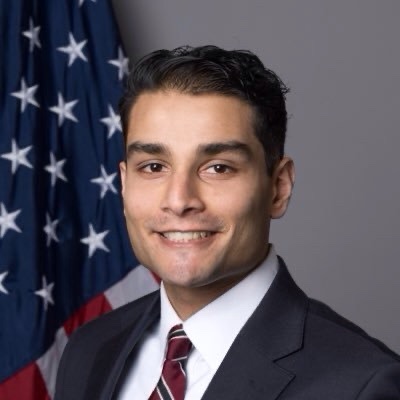
When asked about the situation, White House senior deputy press secretary Kush Desai said that the administration has been pushing Moscow for a deal that “would stop the endless bloodshed that the president has really condemned. The president and the administration will never shy away from talking with the folks we need to talk to, to further that. That’s what we’re working on here at the G20.” [Id.]
Kush Desai
But talk is cheap. And thus far, in attempts to end the nearly five-year-old war in Ukraine, it has proven fruitless. Yet Donald Trump allows Vladimir Putin to perpetuate his stalling tactics as he merrily continues his merciless attacks on Ukraine’s civilian population and infrastructure. And now he has further helped Putin by unilaterally inviting Siluanov — who, not incidentally, is also personally under sanctions by numerous countries including the United States — into the room for a meeting with the unsuspecting members of the G20.
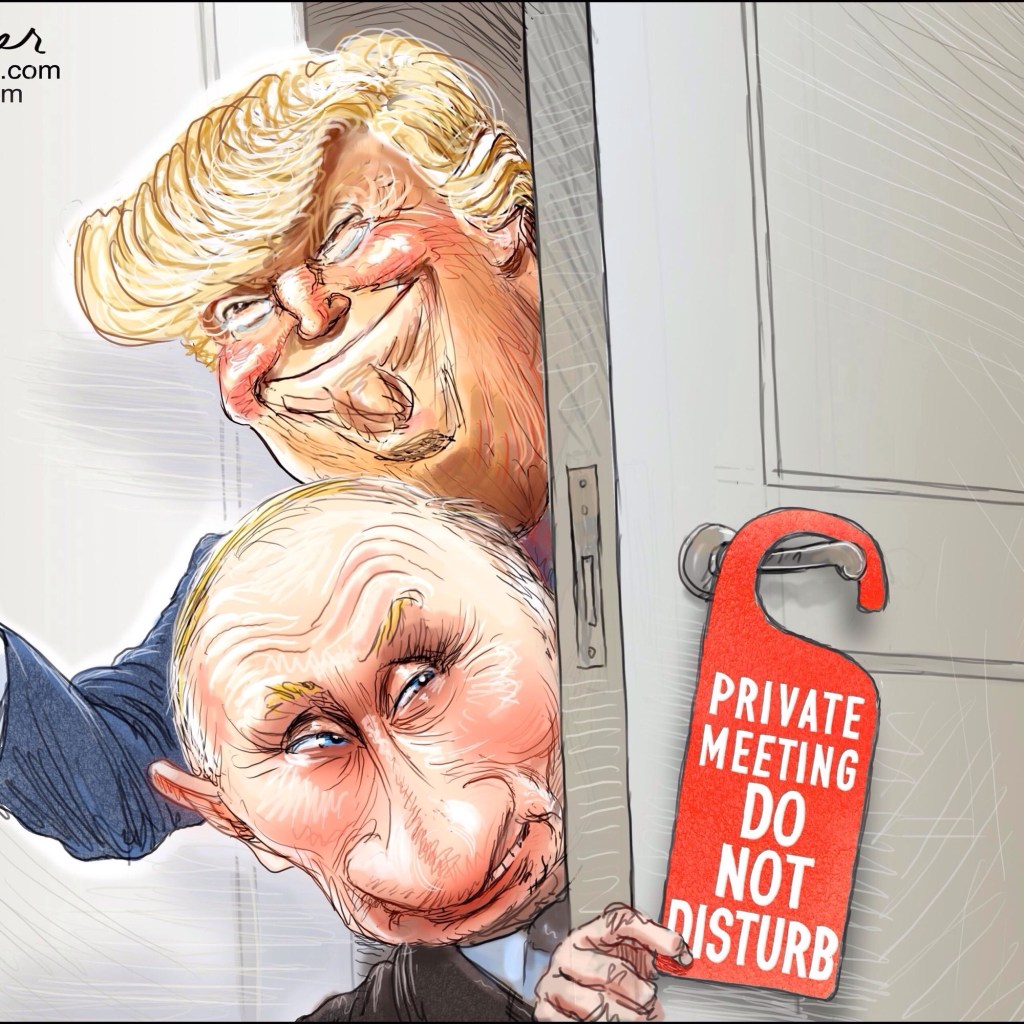
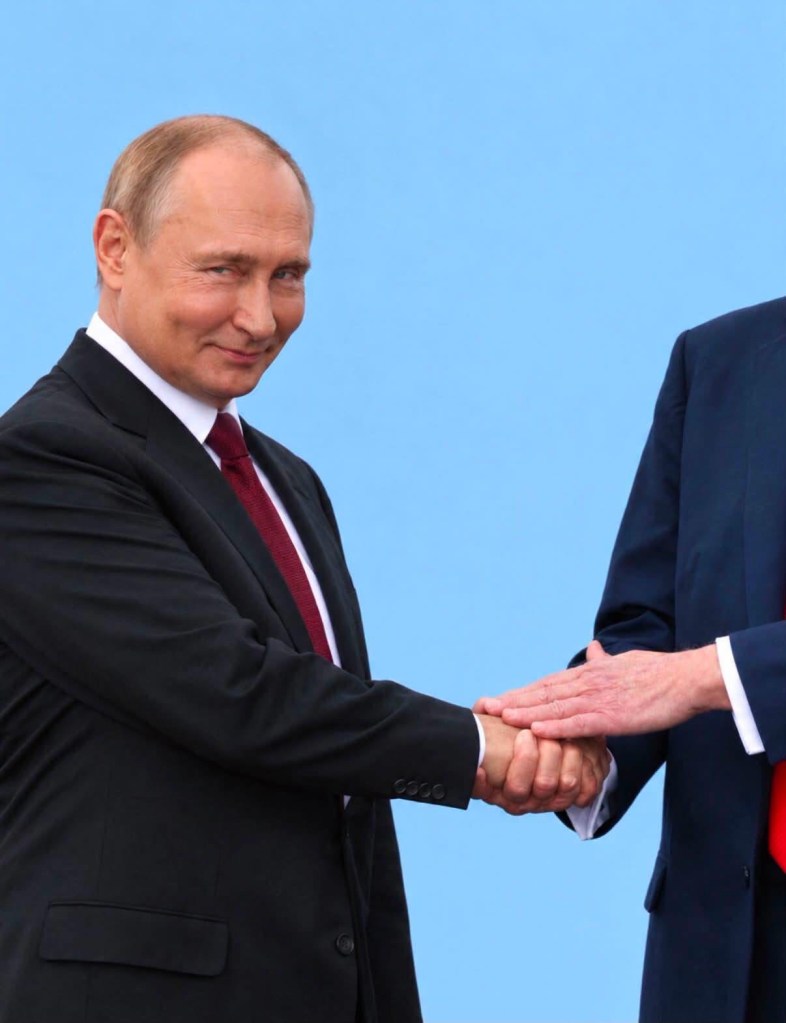
Over the past 19 months, so many parallels have been drawn between the actions of Vladimir Putin and those of Donald Trump that I’ve lost count. There were, for example, the illegal wars they each started and can’t find their way out of, the crackdowns on free speech and journalistic independence, the financial corruption, and the free rein being given to law enforcement agencies to interpret the law any way they choose — though admittedly, none of those are new or surprising in Russia.
Birds of a Feather
But Trump obviously admires “strongmen” leaders, and seeks to emulate them whenever possible. And now, it seems, he may be contemplating trying yet another move of Putin’s . . . the one that has kept him on the Kremlin “throne” for the past 26 years, and could continue for another decade (barring a coup or a fall from the window of a tall building).
So bear with me, please, through this little review of Vladimir Putin’s seemingly endless terms as president of the Russian Federation, as it may shed light on Trump’s insistent teasing that he could run for a clearly unconstitutional third term. I’ll try to be brief.
When Boris Yeltsin suddenly resigned the presidency of Russia in 1999, his then Prime Minister, Vladimir Putin, properly stepped up to complete his term. Putin then ran in the next scheduled election in 2000 and won. At the time, the Russian Constitution allowed two consecutive four-year presidential terms, and in 2004, Putin was re-elected for another four years.
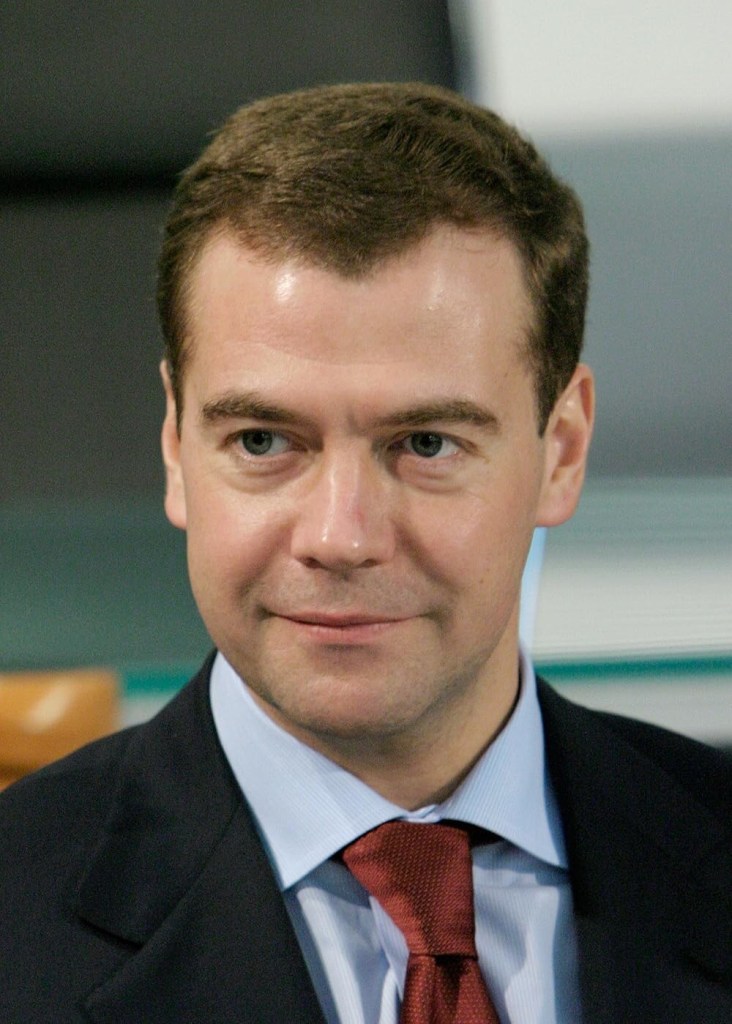
His Prime Minister at the time was the alleged reformer (I say “alleged” because he has since morphed into one of the Kremlin’s most virulent hawks), Dmitry Medvedev. With some clever finagling, the two managed to swing the 2008 election to Medvedev, who then appointed Putin as his Prime Minister. For the next four years, Putin ran the government from behind the scenes, while Medvedev smiled for the cameras.
A Kinder, Gentler Dmitry Medvedev
During those four years, by an amazing coincidence (note the sarcasm), a constitutional amendment was also pushed through the Russian Parliament, enlarging the presidential terms to six years apiece. And when Putin was again eligible to run in 2012 — remember the two-term restriction specifically said “consecutive” terms — he got himself elected for six more years, then did the same in 2018.
Now you’re thinking that that should have been the end of it for Putin, since he had by then served two consecutive six-year terms. But no . . . he wasn’t ready to throw in the towel just yet. Because in 2020, yet another constitutional amendment — dubbed the “Zero-Reset” Amendment —had been engineered, effectively “un-happening” all of his previous terms and allowing him to run again. Which he did, successfully, in 2024.
Now, that’s how you erase history!
His present term expires in 2030, at which time he will be eligible for another six-year term, taking him to 2036, when he will be 83 years old. And who knows how else he will have tinkered with the Constitution before then?
“Whew! That was exhausting.”
Okay, sorry . . . that wasn’t as brief as I’d hoped. But we are now up to the present time, when Donald Trump is facing the end of his second and final term, because our Constitution doesn’t say “consecutive” terms. Yet he continues to hint that there may be a way around it, and there are those who have suggested that he could be looking at taking a page from Putin’s playbook and trying to get JD Vance or one of his other sycophants elected in 2028, with himself as vice-presidential running mate. Then the figurehead president could invent an excuse to resign, leaving Trump to finish his term, and possibly run again after that.
Clever? Well, not quite. Because, first, there is the 22nd Amendment, which states that no person can be elected to the office of the president more than twice. Period.
But if he advances to the office by reason of the president’s resignation, that is not being elected a third time. So couldn’t he at least do that?
Again, no . . . because way back in 1803, Congress — in its then infinite wisdom — passed the 12th Amendment, which unequivocally states:
“ . . . no person constitutionally ineligible to the office of President shall be eligible to that of Vice-President of the United States.”
And since he would not be eligible to run for the presidency a third time, he also would not have been eligible to run for the vice-presidency in the first place.
“Gotcha!”
That, at least, is how the Constitution reads today. But let’s not celebrate too soon. Can we really afford to assume that what is true today will also be true tomorrow?
I think not . . . not when we’re dealing with someone as inherently sly and unethical as Donald Trump. And not while he is still in control of a Republican-majority Congress and a conservative-majority Supreme Court.
So we need to ditch the complacency and do two things:
First, be on the alert for any signs of back-room shenanigans regarding a possible move toward a constitutional amendment.
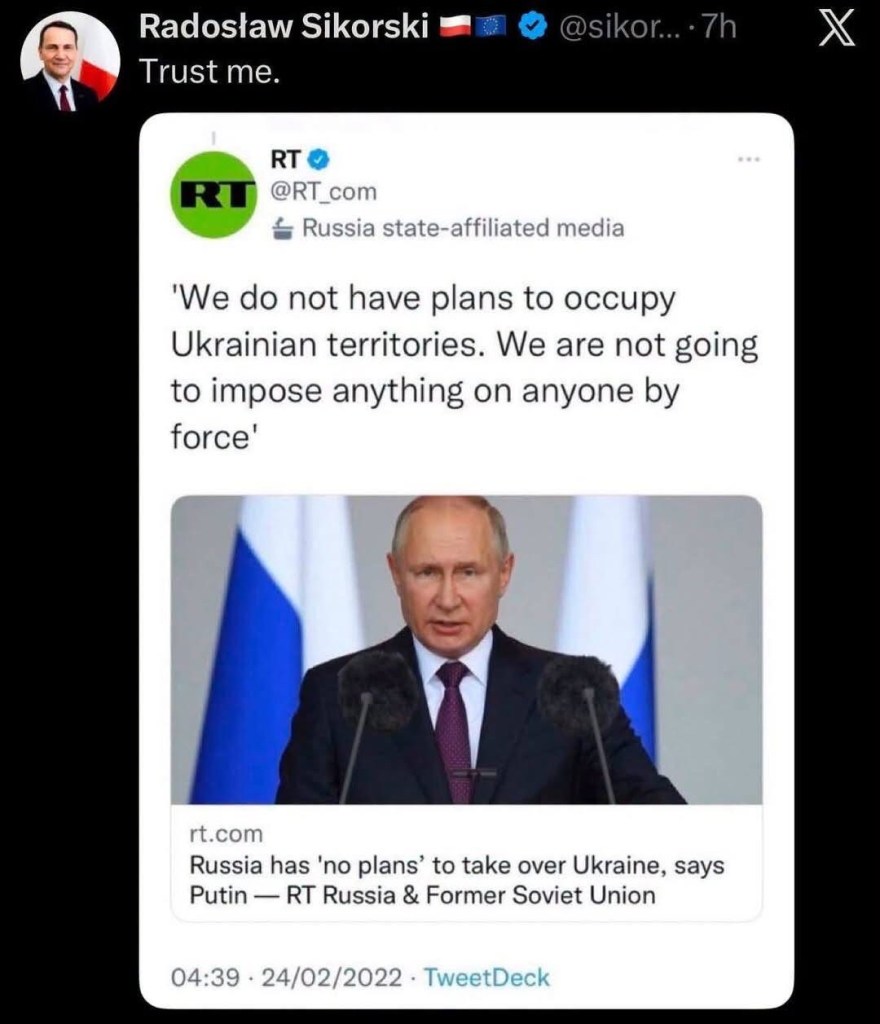
On February 24, 2022, Russia’s state-controlled news channel RT quoted Vladimir Putin as having said the following:
What RT forgot to add to their broadcast was a warning: “Caveat emptor.”
That same day, Russian forces rolled across the border into Ukraine. Four and a half years later, they’re still there.
There are people in this world who are so deluded that they wouldn’t know the truth if it slapped them in the face. That is not the case with Putin. He is, in fact, all too well acquainted with the truth; he just doesn’t see any reason to adhere to it.
I make it a point not to respond to online political posts or solicitations — not for lack of interest or from fear of commitment, but because it is so difficult to distinguish the genuine article from the fake. However, this does not mean that I shy away from political commentary. On the contrary, I freely exercise my First Amendment rights at every opportunity.
In that spirit, let me say that I consider Canadian Prime Minister Mark Carney to be a true leader — one whose first priority is the welfare of his country and its people.
Donald Trump’s monstrous, often unhinged behavior, on the other hand, has proven him to be a fraud, an autocrat, as tacky as the golden gewgaws with which he surrounds himself, and as crooked as San Francisco’s famous Lombard Street.
Lombard Street, San Francisco, California
The recent spate of memes following Trump’s idiotic attempt to rename Lake Ontario has been the one bright spot in an otherwise horrendous week. We lost Dolly Parton, Tim Curry, and King Harald V of Norway, along with far too many victims of the war in Ukraine, floods in Nepal, and measles outbreaks in the U.S. But we didn’t lose our sense of humor.
Thank you, Canada, for the pictures of newly- coiffed Canada geese, the map of the U.S. relabelled “Southern Canada,” and all the other choice bits of ridicule aimed at you-know-who. We Americans — the ones with brains and hearts — know you don’t equate the majority of us with one raving lunatic. And we also know who started this idiotic (not to mention, costly) trade war . . . and it wasn’t you.
My Personal Favorite
We are truly sorry for any discomfort and inconvenience you may experience over the next couple of years. If it’s any consolation, we’re feeling the pinch much worse down here below the border. Just contemplating the increased price of toilet paper is giving me major heartburn!
But let’s take heart from the fact that all of this is only temporary, and that our historic friendship will survive the insanity . . . and perhaps be all the stronger for it in the end.
Meanwhile, keep those memes coming. We love them, and we love our Canadian neighbors and friends.