One can always count on the words of the late Sir Winston Churchill for a touch of irreverent humor or a bit of good advice.
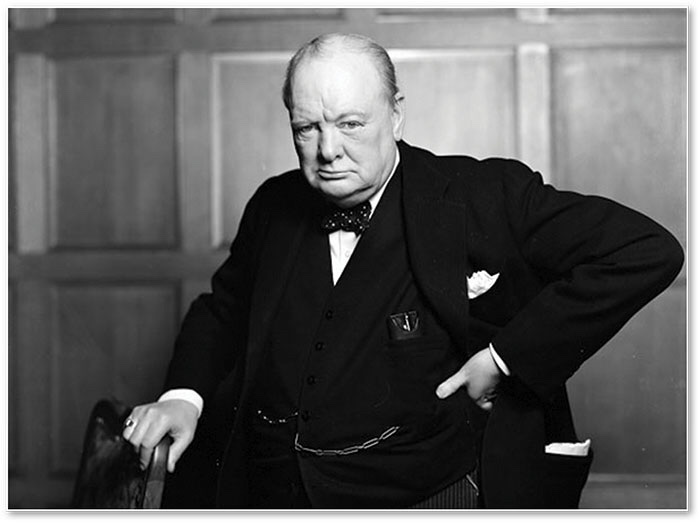
Sir Winston Churchill (1874-1965)
He certainly needed both humor and wisdom to help him as he steered his country through the horrors of World War II. And in a speech at the Harrow School in 1941, with the worst years of the war still ahead of them, he had these words to offer the young students:
“Never give in. Never give in. Never, never, never, never — in nothing, great or small, large or petty — never give in, except to convictions of honour and good sense. Never yield to force. Never yield to the apparently overwhelming might of the enemy.”
– Sir Winston Churchill, “Never Give In! The Best of Winston Churchill’s Speeches”
His speeches inspired a generation of men and women who would go off to fight the enemy in foreign lands, and at home when the battle was brought into their own back yards. And we would do well to listen to his words again today, as we fight different, but not dissimilar, battles against evil.
You’ve probably had those nights when, for whatever reason, you lie in bed for hours, alternately staring into the darkness, tossing and turning and punching the stuffing out of your pillows, and playing mental word games in the hope that you’ll fall asleep out of sheer boredom.
Last night was one of those nights. And in the void, I found myself thinking about my next life (assuming there will be one).
Setting aside the question of reincarnation for the moment, let’s investigate the concept of Heaven.
There are millions, possibly even billions, of people whose faith in an afterlife includes a belief that, when we enter into that higher realm, all of life’s mysteries will be revealed to us.
I do hope that’s true, because I have a whole list of questions that I plan to bring with me.
The big existential questions — what is the meaning of life? . . . are we alone in the universe? . . . when and how will the world end? — those I have always left to the existentialists (if there are any remaining from the good old pot-smoking ‘60s). If there is another life after this one, it would be nice to finally be let in on their secrets.
There are, of course, the little puzzling things as well, such as:
> Who was the first person to think that lobsters might be edible? > Who invented the apostrophe? > Why do fingernails and toenails need to grow? > Why do we need words like “cacoethes” and “zenzizenzizenzic”? > Why is the one thing you need from the refrigerator always in the back? > What was the world’s first joke, and who told it? > Where does a smell go when it dissipates?
Good one, Buster!
But nothing so esoteric is keeping me awake these nights, because the oppressive reality of all that is happening in today’s world keeps interfering with my musings about the next one.
Just as I think I’ve convinced myself that human nature can’t possibly sink any lower than its present state, someone, somewhere in the world, comes up with a way to prove me wrong. And these days, that someone is usually to be found in Washington (or, in this instance since it happened on a weekend, in Florida). So the big question haunting my sleepless nights has been:
“Why are there people like this in the world, and why do we allow them to control us?”
As we all know, on Saturday, February 28, 2026, Donald Trump ordered a full-scale invasion of Iran. Don’t ask why he did it, what his ultimate goal might be, or for that matter whether he even knows what it is, because his answers to those questions change from minute to minute.
But what has kept me awake since Saturday is his nonchalant attitude when he announced that, on the first day of his new war, four U.S. service members had been killed, telling the nation and the world:
“And sadly, there will likely be more before it ends, that’s the way it is. Likely be more.” [Rex Huppke, USA Today, March 2, 2026.]
He actually said: “ . . . that’s the way it is.”
HOLY SHIT!!!
*. *. *
Remember this “Uncle Donald”? . . .
He loved his nephews, Huey, Dewey and Louie, and took good care of them, forever on the alert to keep them out of trouble.
But if you think this other, real-life “Uncle Donald” gives a flying fig about the American people whose welfare has been entrusted to him, and whom he took an oath of office to protect and defend, I’m sorry to inform you that you are as delusional as he is:
Because he doesn’t give a rat’s ass how many people — Americans or otherwise — die in furtherance of his mad obsession with power, wealth, and his so-called legacy. It’s all about him. Always has been, always will be.
And with people like him in control, the next life — or whatever comes after this one — has begun to look more appealing by the minute.
There are different forms and degrees of socialism, from the Democratic Socialist governments of the Scandinavian countries, to the extreme form we know as communism. Those with truly democratic principles enshrined in constitutions designed to protect the welfare of the people — such as Denmark, Sweden, Norway and Finland — work very well. In fact, they are consistently ranked at or near the top of the “happiest countries” lists each year.
Others — the Soviet Union being one of the clearest examples — are “socialist” in name only, having devolved over time into tyrannical autocracies.
It was clearly the latter example that George Orwell had in mind when he wrote the following:
“It was possible, no doubt, to imagine a society in which wealth, in the sense of personal possessions and luxuries, should be evenly distributed, while power remained in the hands of a small privileged caste. But in practice such a society could not long remain stable. For if leisure and security were enjoyed by all alike, the great mass of human beings who are normally stupefied by poverty would become literate and would learn to think for themselves; and when once they had done this, they would sooner or later realise that the privileged minority had no function, and they would sweep it away. In the ongoing run, a hierarchical society was only possible on a basis of poverty and ignorance.”
– George Orwell, “1984”
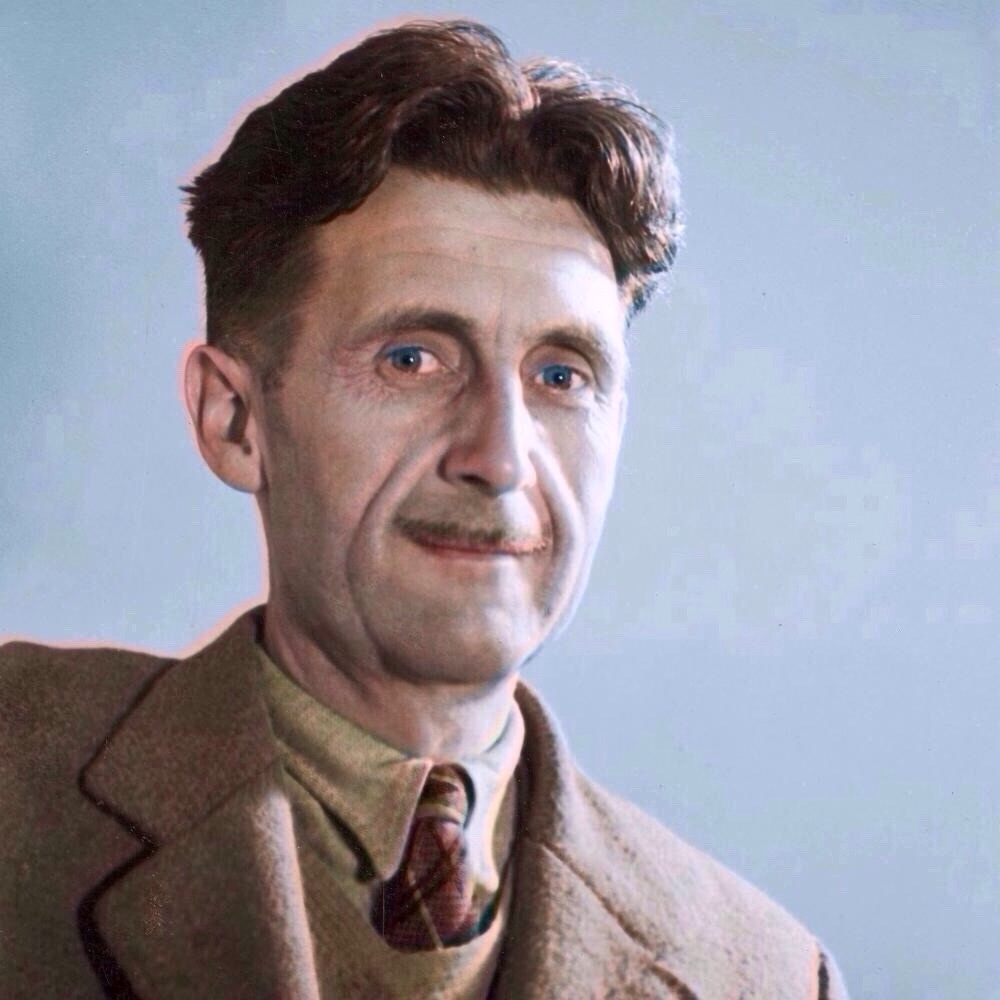
George Orwell (1903-1950)
The difference, of course, is in the leadership. Today, when Democrats in the U.S. advocate for social programs such as affordable health care, child services and education, or DEI programs, the MAGA base immediately begin screaming “Socialism,” when what they are actually yammering about is Soviet-style communism.
But a social safety net, properly structured and administered to protect against abuse, is not socialism per se . . . and it most certainly is not Marxism-communism (“from each according to his ability, to each according to his need”). However, it can be made to appear that way by those who would create Orwell’s “hierarchical society . . . on a basis of poverty and ignorance.”
Is there anyone — one single person — in the Trump administration who might have thought ahead to the possible ancillary consequences of declaring war against Iran?
Whatever excuse they might offer for the decision to invade — whether it was their inability to reach a nuclear agreement to replace the one Trump tore up in his first term, or to “gift” the Iranian people with an opportunity for regime change, or both — did any of the brilliant billionaire businessmen in Donald Trump’s inner circle warn him about the likely effect their war would have on the world’s oil and gas markets?
Or was it — in a worst-case scenario — intentional?
Black Gold
From the point of view of the average American consumer, there are two immediate, personal effects of this week’s developments: (1) the already soaring price of fuel for our homes, businesses and vehicles, and (2) the inevitable human casualties, which Trump casually admits are to be expected.
But on a broader spectrum, let’s also look at the immediate ramifications elsewhere in the world. Take China, for example, which has been Iran’s largest energy customer. Now, with the Strait of Hormuz closed, they must look elsewhere for supplies of oil and gas. The same obviously holds true for Iran’s other buyers.
Add to that scenario the world’s recent loss of access to Venezuelan crude oil following Trump’s seizure of that resource, and what you see is the world’s largest remaining supplier of oil and gas — Russia — sitting pretty. And they have not hesitated to gloat about it.
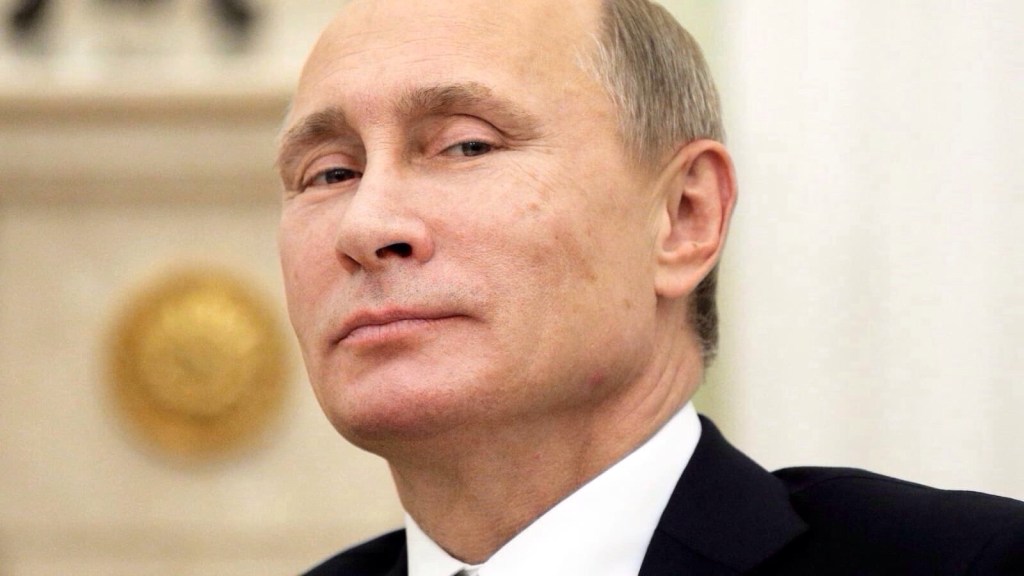
The Putin Smirk
While the death of Ayatollah Ali Khamenei, the Supreme Leader of Iran for more than three decades, represents a loss to Putin of a dependable ally, it is still unclear whether the regime will actually be overthrown. In any case, Putin — ever the pragmatist — is looking on the bright side . . . and there is a very bright side in terms of his heretofore shrinking war chest, which is about to receive an enormous infusion of cash.
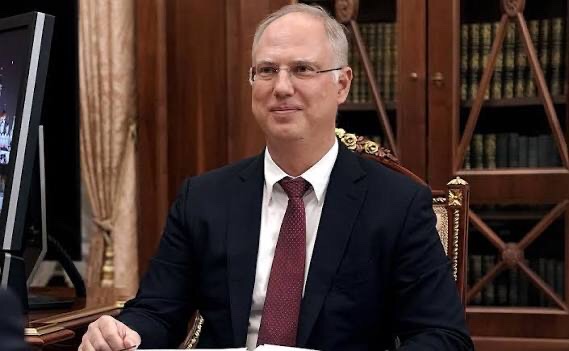
Kremlin envoy Kirill Dmitriev, CEO of Russia’s sovereign wealth fund and one of the principal members of the Russian team negotiating peace terms with Ukraine, happily posted on X this weekend:
“$100+ oil per barrel soon.” [Eva Hartog, Politico, March 1, 2026.]
Kirill Dmitriev
And Kremlin propagandist Vladimir Solovyov broadcast:
“For our budget [the attack on Iran] is a big plus. If Trump strikes Iranian oil fields, then, as unfortunate as it sounds, we would become one of the few remaining [oil] producing countries. So we are gaining a trump card in this complex game.” [Id.]
I don’t know whether he was aware of his double entendre, which is obvious in the English-language version . . . but a “trump card” is precisely what they are holding.
Of course, Vladimir Putin personally expressed outrage over the attack. Ignoring the irony of his words vis-a-vis his own standing as an accused war criminal, he denounced the killing of Khamenei as “murder . . . committed in cynical violation of all norms of human morality and international law.” [Id.]
Most likely, his concern was less for the death of a single human being, and more for the significance of a nation’s leader being successfully targeted. Already known for his extreme paranoia, he may be sleeping a little less soundly these days.
But, always mindful of the political implications, Putin also saw the sudden economic windfall as an opportunity to solidify his bargaining position in the talks with Ukraine and its allies. On Saturday, Bloomberg News had reported that, according to people familiar with the matter, Russian officials were still expressing little interest in continuing the U.S.-led peace talks unless Kyiv was prepared to give up the disputed territory.
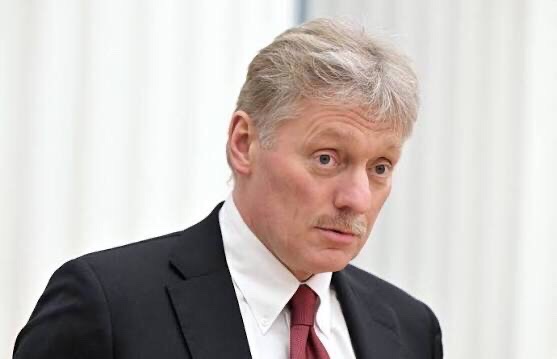
Then on Monday, Kremlin spokesman Dmitry Peskov had this to say:
“We have our own interests that we must protect, and it is in our interests to continue these negotiations. We certainly remain open to these negotiations” . . . adding that “a political and diplomatic resolution” was Moscow’s preferred means of ending the war. [Dmitry Antonov, Felix Light and Lucy Papachristou, Reuters, March 2, 2026.]
Asked specifically whether the strikes on Iran would affect the Ukraine peace process, Peskov said that, while they valued the U.S. efforts, Moscow trusted itself “first and foremost,” and would protect its own interests. [Id.]
Kremlin Spokesman Dmitry Peskov
So there we have it: yet another indirect gift from Trump to Putin, this time by way of Iran. With money in the bank, Russia can continue to “negotiate” — or stall — as long as it takes to wear Ukraine down. And with their big new pile of chips, they’re suddenly ready and willing to return to the table.
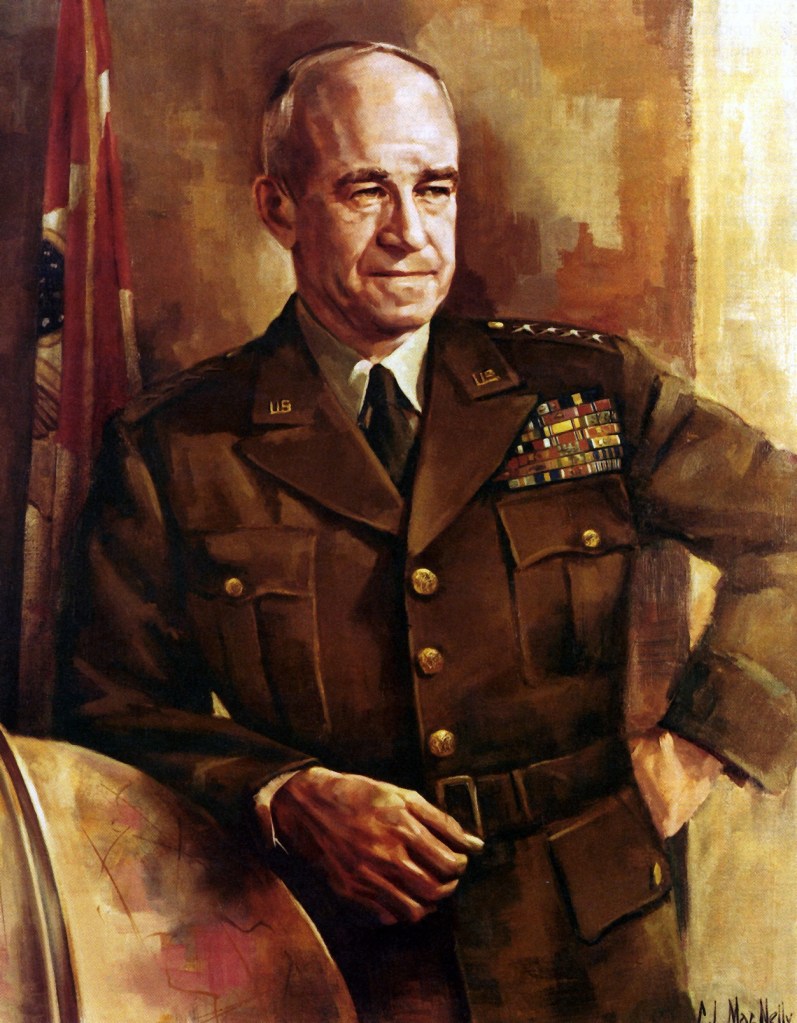
This is not about Lev Tolstoy’s epic Russian novel. It is, rather, about the views of a 20th-century American five-star general who knew as much about war as anyone, and who — after giving most of his life to the service of the U.S. military — had this to say about it:
“Ours is a world of nuclear giants and ethical infants. We know more about war than we know about peace, more about killing than we know about living. We have grasped the mystery of the atom and rejected the Sermon on the Mount.”
– Omar N. Bradley
General of the Army Omar N. Bradley (1893-1981)
That is, sadly, the nature of mankind. I can’t help wondering whether a matriarchal society would have evolved differently.
On May 8, 2025, I wrote that “The World Is Not Underwear” . . . but that Donald Trump’s rampage to alter the world map had him choosing new targets as frequently as most of us change our skivvies.
In less than a year since then, his mad march has expanded, causing increasing alarm throughout the world. Here as a reminder is that earlier article again, with updates at the end to include Trump’s most recent forays into Soviet-style expansionism. If you think this is intended to scare you, you’re right . . . because it is something that cannot be ignored.
*. *. *
“5/8/25: THE WORLD IS NOT UNDERWEAR
There are some things we change daily. Underwear comes immediately to mind.
And, while perhaps not daily, it’s a good idea — and sometimes just fun — to make small changes to our routines . . . maybe a different breakfast cereal, a more scenic route to work in the morning, or a new hair style.
But the world map is not underwear. It’s not cereal, or a haircut. Yet Donald Trump keeps trying to remake it as though it were his own plaything.
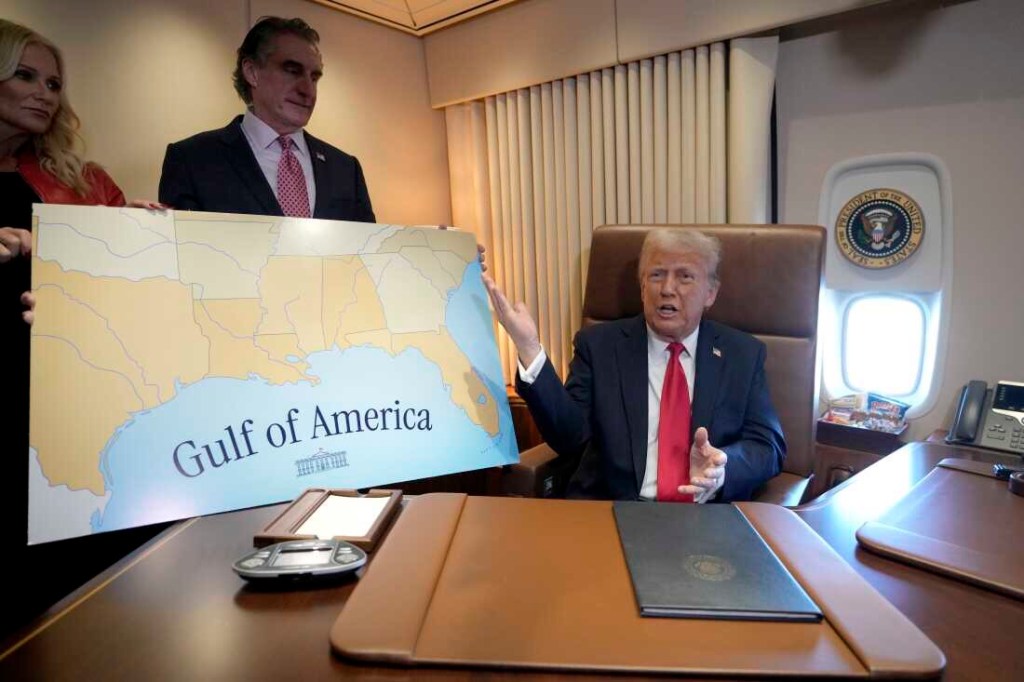
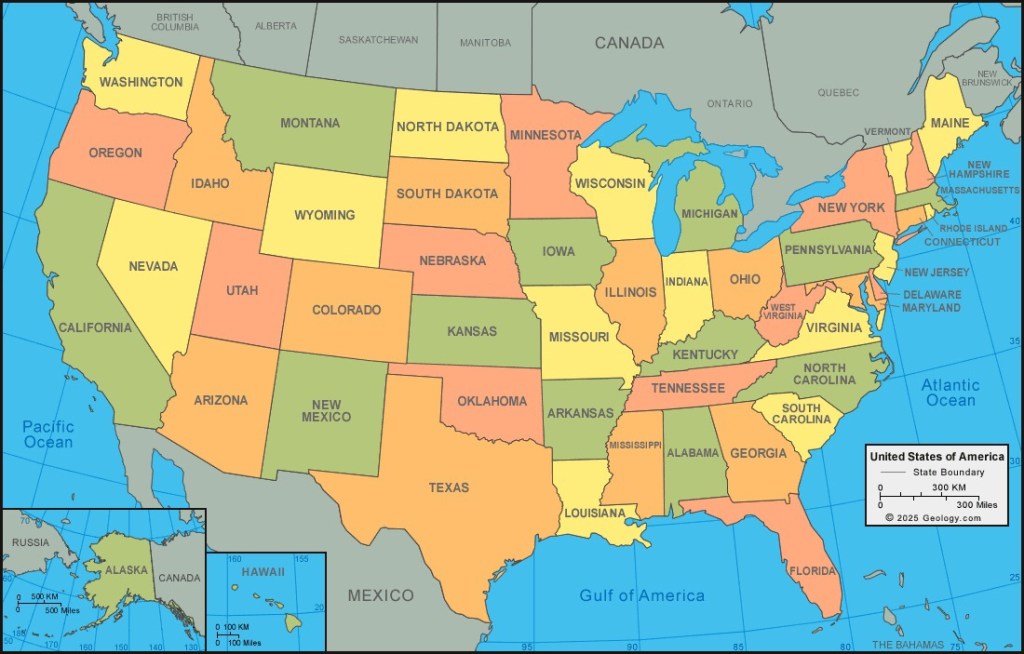
First it was renaming the Gulf of Mexico, calling it — for whatever reason (ego? a power trip?) — the Gulf of America. As though Mexico doesn’t matter.
*. *. *
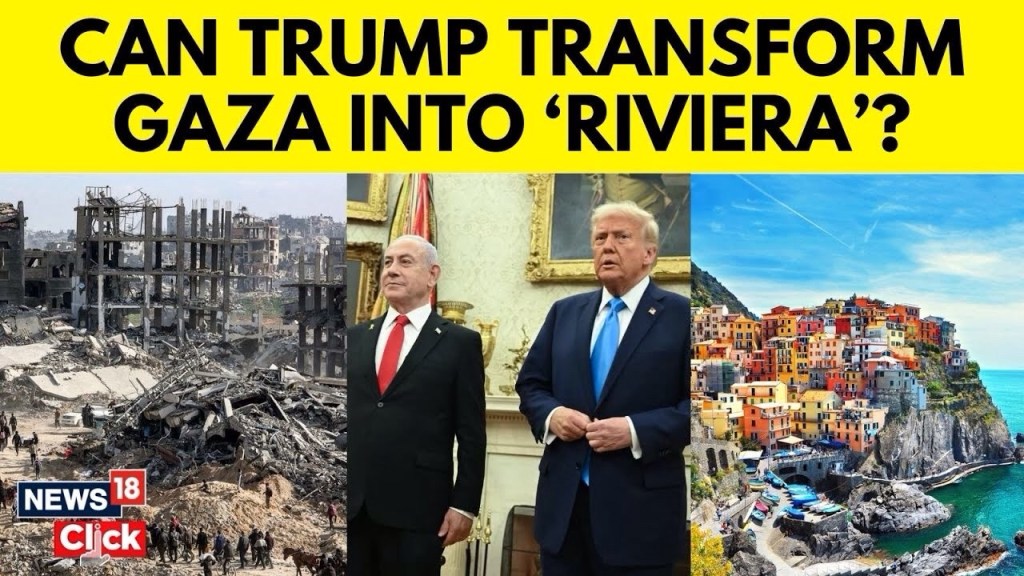
Then he said the U.S. should simply take over Gaza and turn it into another Trump-themed playground for the world’s rich and famous. As though the Palestinians don’t matter.
*. *. *
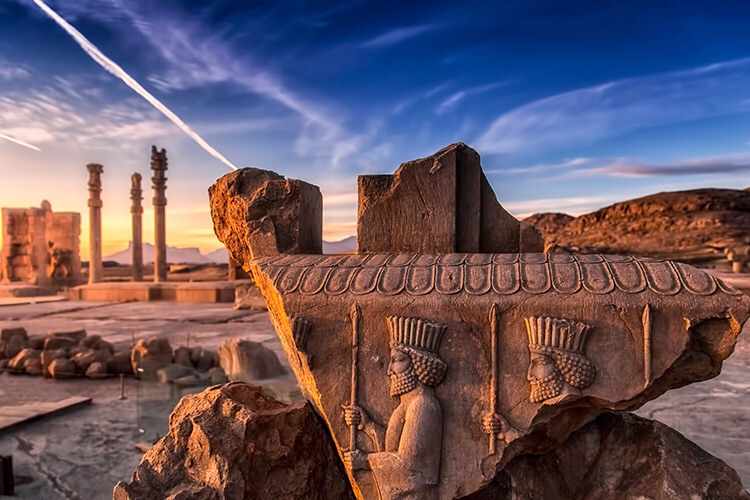
He’s also in favor of renaming the Persian Gulf, instead calling it the Arabian Gulf, or Gulf of Arabia. As though the entire history of the Achaemenid (Persian) Empire never mattered.
*. *. *
He’s threatening to steal Greenland from Denmark. Clearly, the lives of the Greenlanders don’t matter . . . to him.
*. *. *
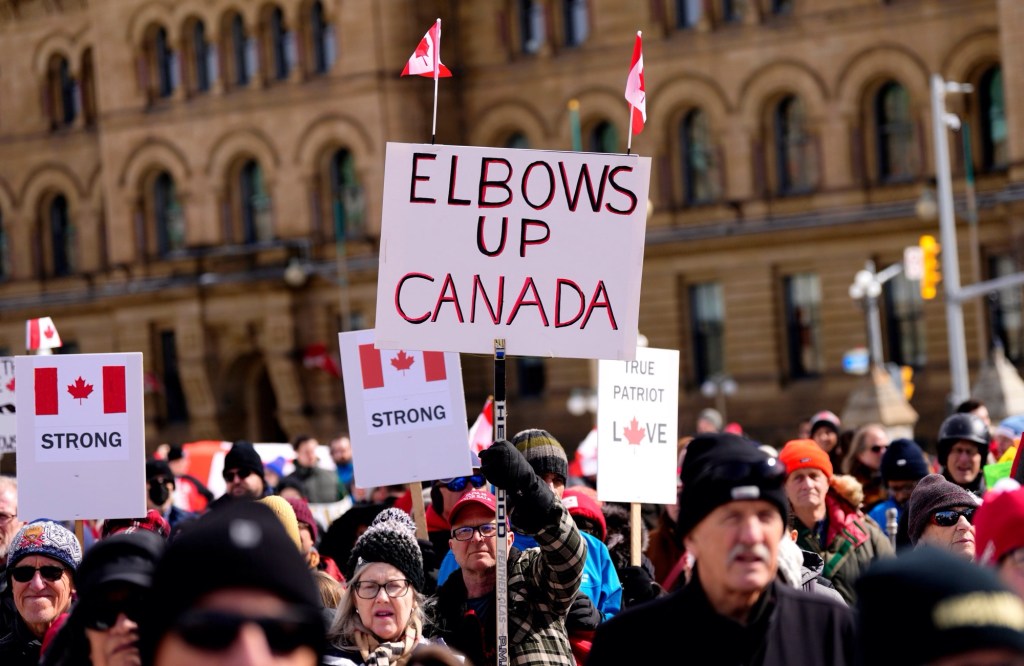
He keeps trying to persuade Canadians that they’d be better off as part of the United States. Fat chance there!
*. *. *
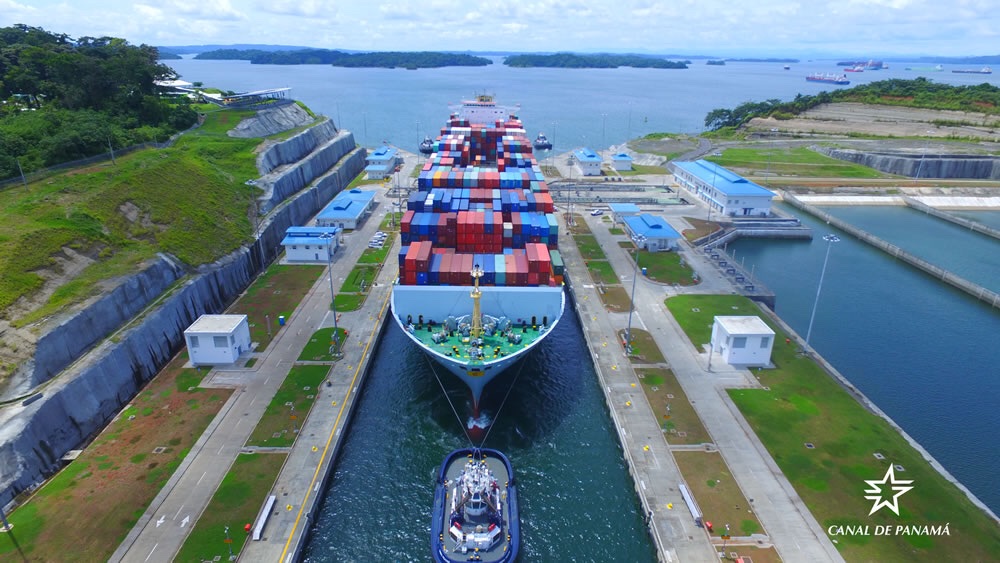
He wants to reclaim the Panama Canal Zone on the spurious ground that he’d be protecting it from a takeover by China. Excuse me?
*. *. *
And with all of that, I have to wonder . . . could this be next:
The United States of Trumplandia?”
*. *. *
UPDATE
That was last May. In light of events since then, I have added the following to the list of Trump’s proposed alterations to the world’s geopolitical status quo:
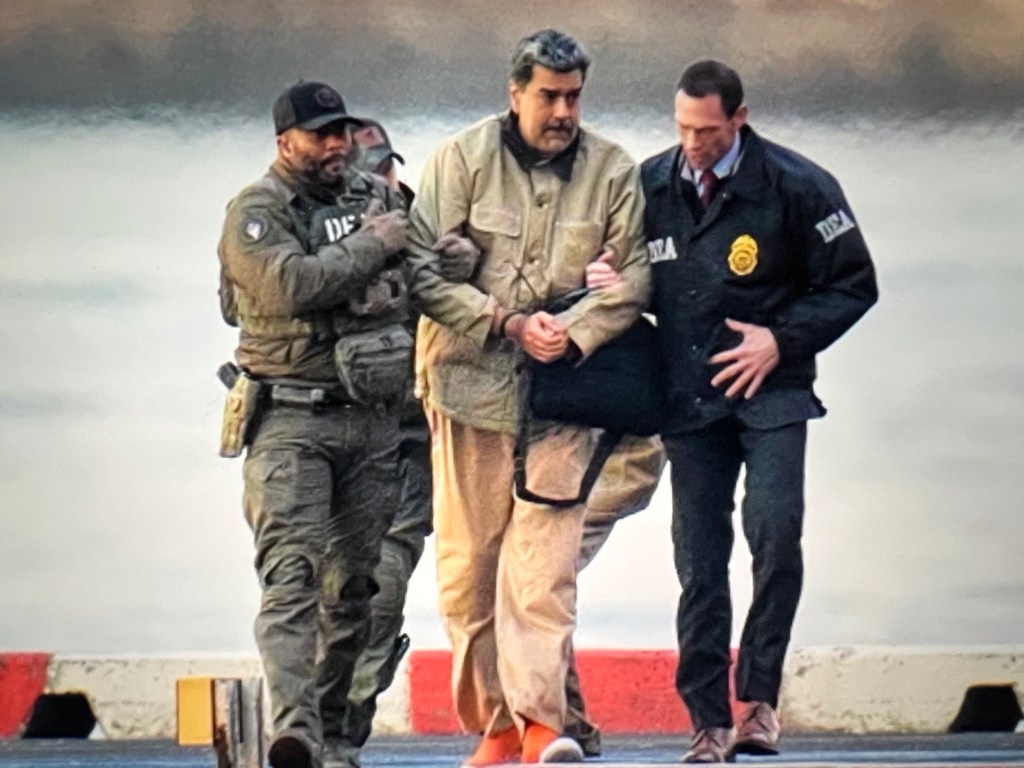
> The invasion of Venezuela, kidnapping of its president and first lady, confiscation of its oil reserves, and assumption of control over the country’s regime change.
Venezuelan President Nicolas Maduro – Under Arrest
> Threatening Cuba with military intervention, while strangling the island nation’s already desperate economy.
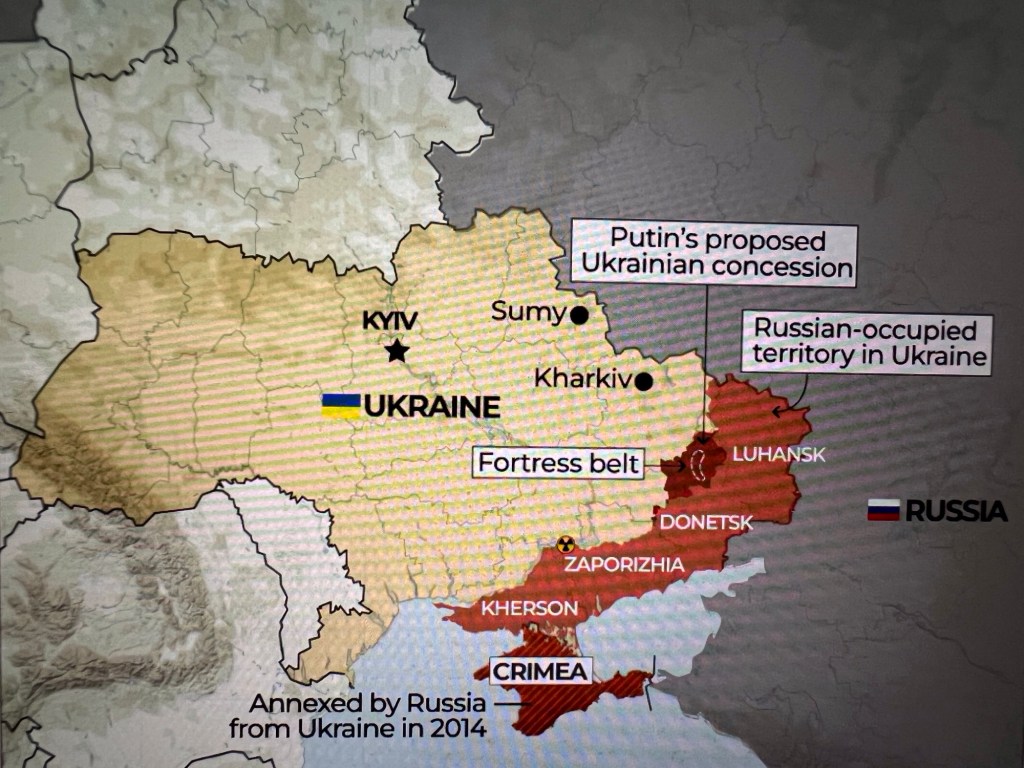
> Continuing pressure on Volodymyr Zelensky to give away 20% of his country’s territory to Russia in order (if Putin keeps his word) to end the war, now in its fifth year . . . thus literally redrawing the borders of Russia and Ukraine.
Beheading Ukraine
> Domestically, he has been changing the landscape by gerrymandering — literally moving boundaries — in traditionally “blue” (heavily Democratic) states to favor Republican candidates; renaming or attempting to rename landmarks — the John F. Kennedy Center for the Performing Arts, Washington’s Dulles International Airport and New York’s Penn Station — after himself; and demolishing the East Wing of the White House itself to make room for an atrocious ballroom . . . also to bear his name, of course..
> And — most alarmingly — teaming up with Israel to wage all-out war on Iran, kill its leader, and . . .
. . . well, we don’t yet know where that’s going to lead, though it’s not looking good.
Tehran, Iran – March 1, 2026
And he’s only 13 months into his term of office.
He is more treacherous than a loose cannon, or a runaway train with no engineer. He is . . . well, let’s face it: he is Genghis Khan, Attila the Hun and Vladimir Putin, rolled into one . . . but without the benefit of a functioning brain.
And he is in charge of the U.S. military and the nuclear codes.
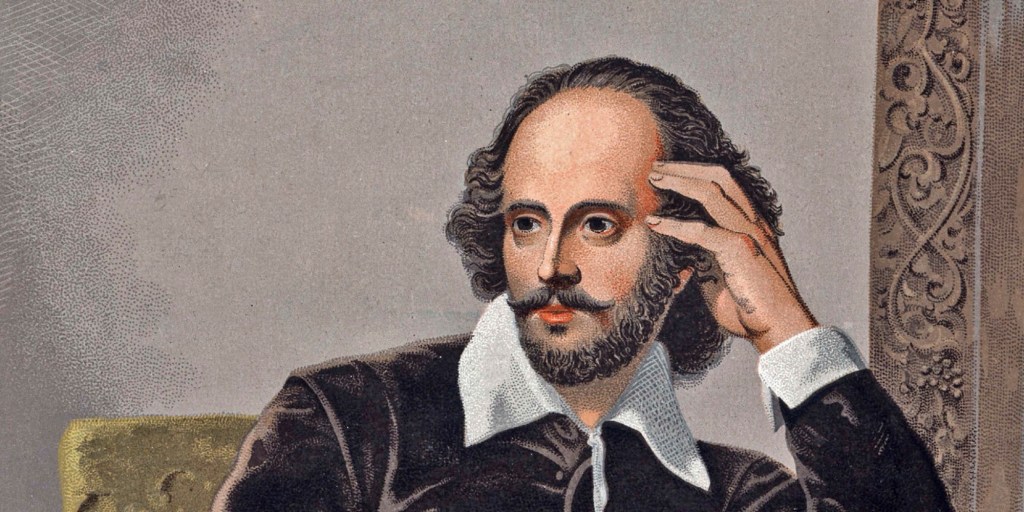
I try not to repeat myself too often; but as the daily news grows worse and worse, and the world’s situation more dire by the hour, my mind keeps returning to the words of Macbeth:
“Tomorrow, and tomorrow, and tomorrow, / Creeps in this petty pace from day to day, / To the last syllable of recorded time; / And all our yesterdays have lighted fools / The way to dusty death. Out, out, brief candle! / Life’s but a walking shadow, a poor player, / That struts and frets his hour upon the stage, / And then is heard no more. It is a tale / Told by an idiot, full of sound and fury, / Signifying nothing.”
– William Shakespeare, Macbeth, Act V, Scene 5
William Shakespeare (1564-1616)
I keep thinking that this life, governed as it is by idiots, must have some significance . . . but at this point, I’m damned if I can figure out what it is.
Of the estimated 1,500 to 2,000 political prisoners being held in Russian prisons and penal colonies, I have the names of a very few. Yesterday I learned of two more — sadly, too late for one of them.
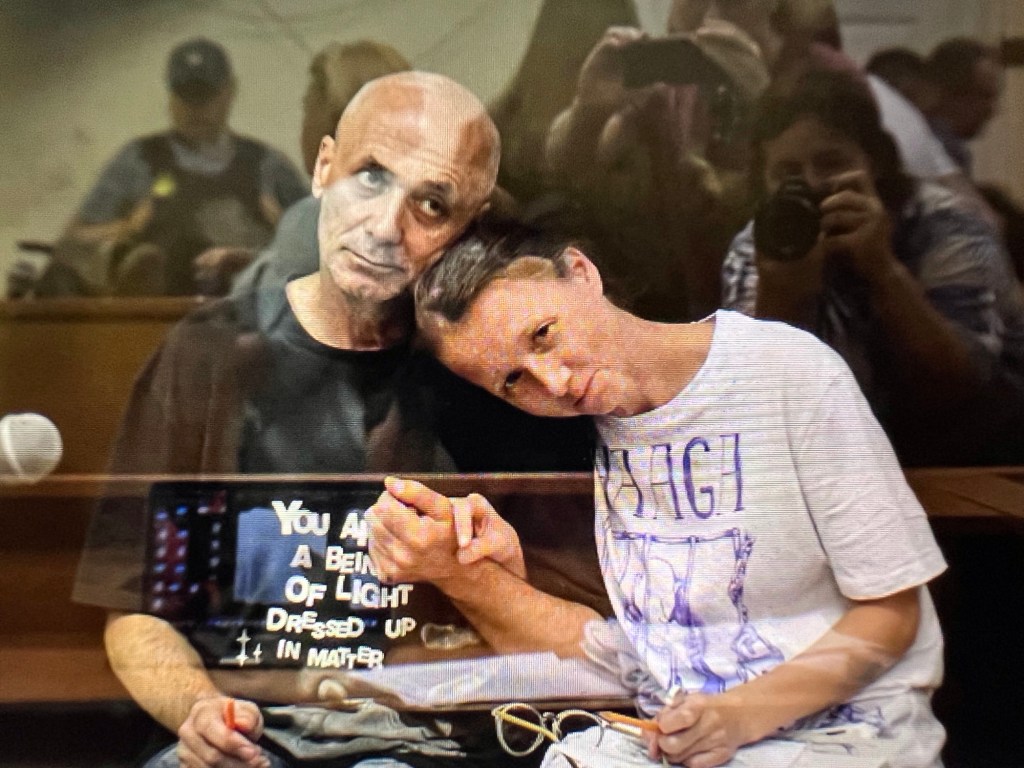
Aleksandr Dotsenko, 65, and his wife Anastasia Dyudyeva, 46, were arrested in May of 2023 during a raid on a gathering at their home in the village of Taytsy, a suburb of St. Petersburg. They were charged with “justifying terrorism” — specifically, allegedly distributing in a supermarket paper napkins bearing an anti-Putin slogan that roughly translates to “Hang Putin from a branch.” [Mediazona, February 26, 2026.]
Aleksandr Dotsenko and Anastasia Dyudyeva
Though there was no concrete evidence against them, they were nonetheless convicted in July of 2024. Dotsenko was sentenced to three years in a low-security prison camp; Dyudyaeva received a three-and-a-half-year sentence in a similar facility.
On February 12, 2026, Dotsenko suffered a massive heart attack in prison. He was hospitalized in critical condition, briefly regained consciousness on February 17th, but immediately suffered acute cardiac arrhythmia. He was placed in a medically-induced coma, but died on February 19th.
Dotsenko’s funeral was held in his home village of Taytsy, near St. Petersburg, attended by about 30 friends and supporters. But his wife, still serving her sentence in prison — though far from a dangerous criminal — was denied a temporary release to attend her husband’s funeral.
There is no room for compassion in Russia’s judicial system. But today we offer our condolences to Anastasia Dyudyeva and to the family and friends of Aleksandr Dotsenko, as we also remember the other victims of Putin’s repressive regime:
*. *. *
Victims of Greed:
The President, First Lady, and citizens of Venezuela
Europeans Under Threat:
The Nation and the People of Greenland The people of NATO and EU member states
Prisoners of War:
The 19,500 Kidnapped Ukrainian Children The People of Ukraine
Immigrant Detainees in Russia:
Migrants from the Central Asian nations of Kazakhstan, Kyrgyzstan, Tajikistan, Turkmenistan and Uzbekistan
Endangered Exiles:
Mikita Losik Yulia Navalnaya Countless Journalists and Other Dissidents
Andrei Chapiuk Uladzimir Labkovich Andrzej Poczobut Marfa Rabkova Valiantsin Stafanovic Yuras Zyankovich
In Georgia:
Mzia Amaglobeli
In Russia:
The “Crimea 8”: — Oleg Antipov — Artyom Azatyan — Georgy Azatyan — Aleksandr Bylin — Roman Solomko — Artur Terchanyan — Dmitry Tyazhelykh — Vladimir Zloba
James Scott Rhys Anderson (British) David Barnes (American) Gordon Black (American) Hayden Davies (British) Aleksandr Dotsenko Anastasia Dyudyaeva Antonina Favorskaya Konstantin Gabov Robert Gilman (American) Stephen James Hubbard (American) Sergey Karelin Timur Kishukov Vadim Kobzev Darya Kozyreva Artyom Kriger Michael Travis Leake (American) Aleksei Liptser Grigory Melkonyants Nika Novak Leonid Pshenychnov (in Russian-occupied Crimea) Nadezhda Rossinskaya (a.k.a. Nadin Geisler) Sofiane Sehili (French) Igor Sergunin Dmitry Shatresov Robert Shonov Grigory Skvortsov Eugene Spector (American) Joseph Tater (American, disappeared) Laurent Vinatier Robert Romanov Woodland (American)
I quoted from it just six weeks ago in conjunction with the U.S. strikes against suspected Venezuelan drug boats: the 1997 film titled “Wag the Dog” — a political satire in which a Hollywood producer (played by Dustin Hoffman) and a spin doctor (Robert De Niro) are hired by the U.S. government to fabricate a war with Albania in order to distract the public from a presidential sex scandal expected to break just weeks before an election.
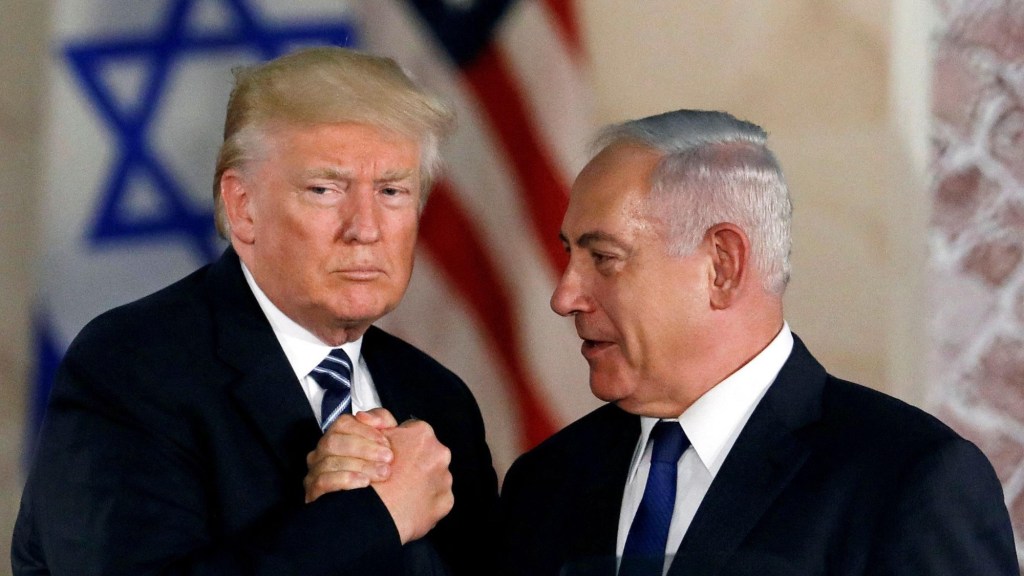
Donnie and Bibi: BFFs, in Peace or War
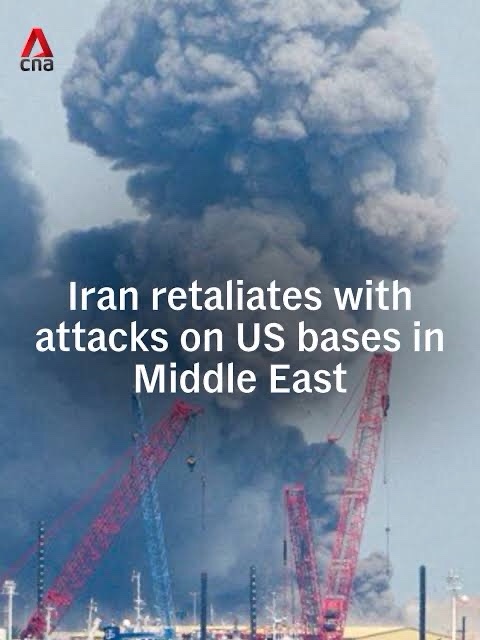
And now they’ve gone and done it. Only this time, it’s not a fabrication, and it’s not a country unlikely to strike back. This time it’s real, and it could set the entire Middle East on fire, with repercussions to be felt throughout the world.
This morning, Israel launched a “preemptive” attack on Iran, followed by the start of “major combat operations” by the United States — necessitated, according to Donald Trump, in order to”to defend the American people by eliminating imminent threats from the Iranian regime.” [RFE/RL, February 28, 2026.]
Calling the operation “Epic Fury,” Trump said in a video:
“I do not make this statement lightly. The Iranian regime seeks to kill. The lives of courageous American heroes may be lost and we may have casualties that often happens in war, but we’re doing this not for now. We’re doing this for the future, and it is a noble mission.” [Id.]
Personally, I’ve never seen anything “noble” about war. And I believe the people of Bahrain, Abu Dhabi, Dubai, Qatar and Saudi Arabia — where retaliatory missile strikes have already been felt — would agree with me.
February 28 2026
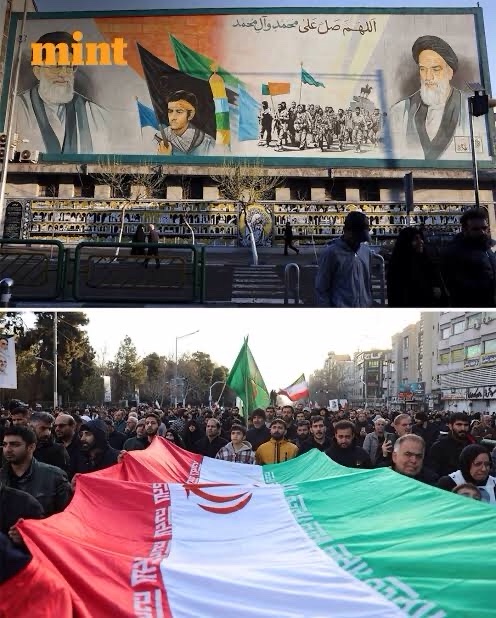
On February 21st, I wrote that “Iran is not Venezuela” . . . that they would not sit idly by while a foreign invader attempted to overthrow their regime. I’m not an expert on Middle East affairs; but it doesn’t take an expert to look at the unique history of that part of the world and realize the dangers inherent in fomenting yet another conflict.
But Trump doesn’t bother with history. Nor, apparently, do the few people to whom he actually listens: his cadre of self-serving yes-men, rather than those with actual historical, diplomatic, and military experience.
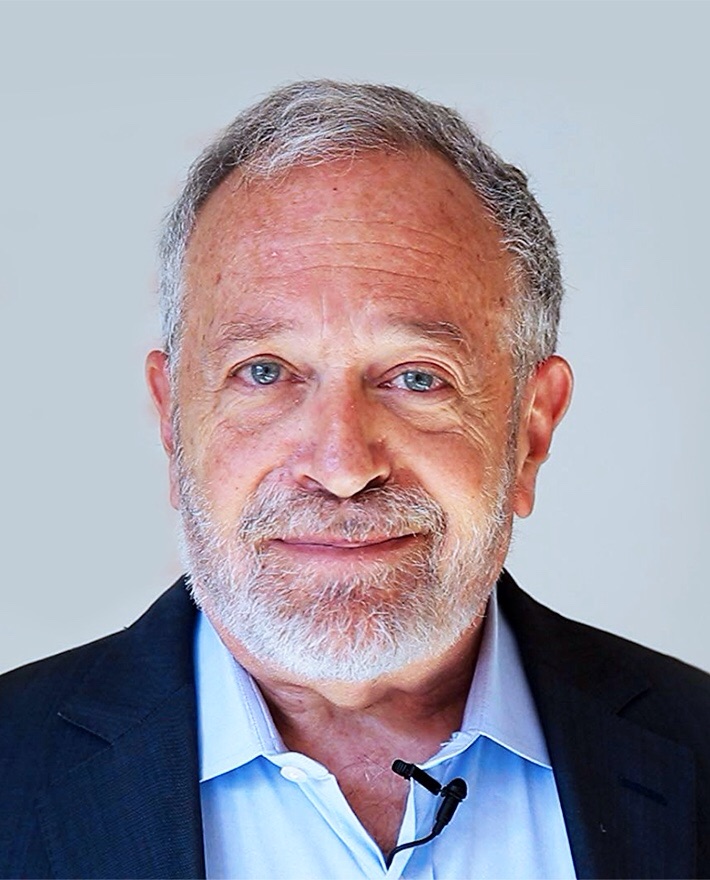
As former Secretary of Labor Robert Reich wrote today:
“Even if our president was a wise and judicious man, surrounded by thoughtful advisers with impeccable integrity and wisdom, this would be a highly dangerous move.” [Robert Reich, substack.com, February 28, 2026.]
Professor Robert Reich
Donald Trump, and the like-minded lunatics propping him up in the White House, will not be satisfied until they have destroyed us all. Are we — and in “we” I include the U.S. Congress and Supreme Court — going to allow that to happen?
My maternal grandmother, better known as “Bubbe,” was not an educated woman . . . but she was wise. And she had a repertoire of advice-laden sayings that covered any subject you could think of. Some she had brought with her from the old country (Russia/Ukraine); others she collected through the years as she honed her English-language skills.
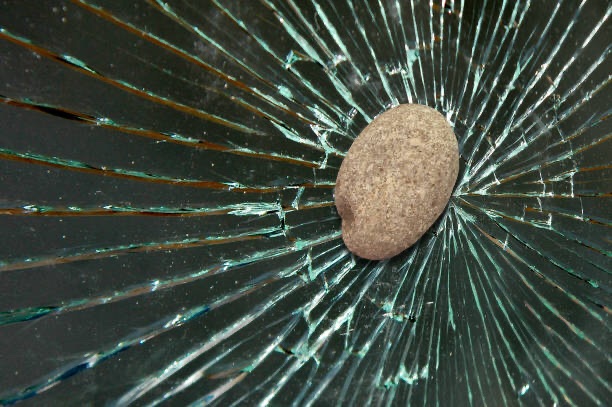
One of those was the well-known, “People who live in glass houses shouldn’t throw stones.”
And that is the one that came to mind yesterday, when I read that the Trump administration had formally designated Iran as “a state sponsor of wrongful detention” in accordance with an earlier executive order intended to deter countries from illegally detaining U.S. citizens and to urge them to release wrongful detainees already in custody.
In a statement issued by the U.S. Department of State, Secretary of State Marco Rubio said:
“For decades, Iran has continued to cruelly detain innocent Americans, as well as citizens of other nations, to use as political leverage against other states. This abhorrent practice must end.”
He added that, if Iran does not stop detaining Americans, “we will be forced to consider additional measures, including a potential geographic travel restriction on the use of U.S. passports to, through, or from Iran.” [Jennifer Hansler, CNN, February 27, 2026.]
“Well, what’s wrong with that?” . . . I hear you ask.
Absolutely nothing. We need to take a stand, not only against Iran, but against all countries that arrest innocent Americans and others to be used as political hostages. But . . .
But what about all of the Central Americans, Mexicans, Venezuelans, Asians and Africans being rounded up in the thousands by ICE’s storm troopers? Supposedly, they are the “worst of the worst” illegal immigrants — allegedly violent criminals with past convictions or outstanding charges registered against them. In reality, only about one-fourth of them — according to Department of Homeland Security’s own figures — fall into that category. Many are guilty of nothing more than a traffic violation.
Yet they are being herded into detention hellholes like Florida’s notorious “Alligator Alcatraz,” or being deported to third-world nations other than their native countries, all without due process of law . . . simply because of their nationality or ethnicity.
So who are we to preach to others about “wrongful detention,” when we are as guilty as the worst of them? We may offer different reasons — no, excuses — for our actions. But in truth, this administration has sunk to lows that just a few years ago would have been laughable even to contemplate.











 The Blog About Everything … and Sometimes Nothing