Having a wonderful time reminiscing about all my past travel (and other) adventures. Hope you’ll share them with me in my blog, “All Roads Led to Russia.”
To all of our beloved fur babies who have crossed over that beautiful Rainbow Bridge, we will never forget or stop loving you. You made our lives infinitely better, and asked so little in return. We wish you endless belly rubs, games of fetch, long walks, and all the people food you can eat.
Love and hugs and kisses from your forever families.
Just as we in the U.S. are facing a contentious election in November, our immediate neighbors to the south have recently been through one, with the inauguration of their new president, Claudia Sheinbaum, scheduled for October 1st.
But Mexico’s outgoing president, Andres Manuel Lopez Obrador, is still in charge for another month, and he doesn’t seem inclined to rest on his laurels during that time. He has been busily working on a package of constitutional changes that he hopes to push through the Congress, some of which — specifically major changes to the judiciary and some regulatory agencies — have both the U.S. and Canada concerned.
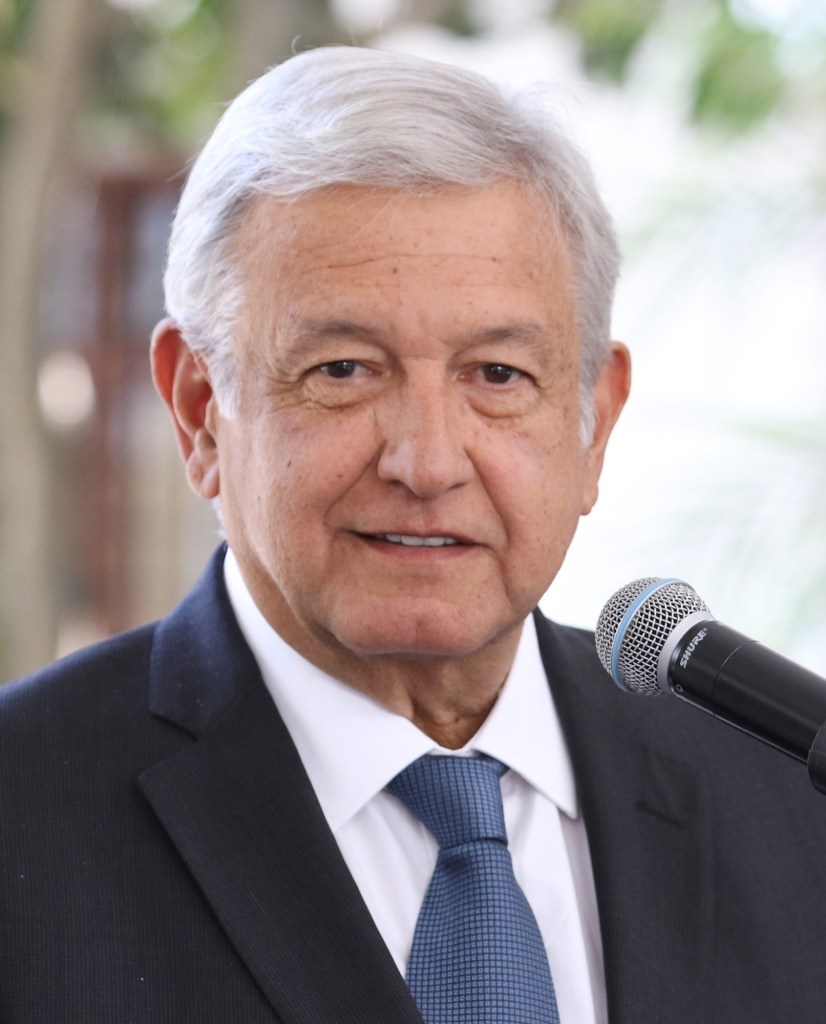
President Lopez Obrador
And President Lopez Obrador has not taken kindly to the criticisms lodged by the ambassadors from his northern neighbors. But rather than sitting down for a friendly chat, he has chosen to halt diplomatic relations with the U.S. and Canadian embassies.
“Sorry . . . what was that again?“
You read me correctly. At his daily press conference on Monday, he said the “pause” is with the embassies, and not the countries, and that relations would be reestablished once the U.S. and Canadian ambassadors are “respectful of the independence of Mexico, of the sovereignty of our country.” [Abel Alvarado, CNN, August 27, 2024.]
Now, ordinarily this would have seemed like just another little diplomatic kerfuffle that would no doubt be straightened out in a matter of days. But in light of President-Elect Sheinbaum’s inclusion of Vladimir Putin on her inaugural invitation list, and the fact that Mexico has not severed ties with Russia since the start of the war in Ukraine, the last thing we need is for our historically friendly neighbor . . .
Oh-oh . . .
Wait just a moment here. Those words — “historically friendly” — brought something back to my mind. They reminded me of Putin’s statement, when he congratulated Sheinbaum on her election, to the effect that Mexico is Russia’s “historically friendly partner in Latin America.” [See my post on 8/8/24: “What’s Going On In Mexico?”]
Now, in a perfect world, it is possible to have more than one friend at a time. But when you’re talking about Russia and the U.S. — or Russia and just about any Western country — that’s not necessarily the case.
And the very last thing the world needs at present is a diplomatic tug-of-war. We’re juggling enough explosive issues right now, thank you. So could we all — Mexico, Canada and the U.S. — please just sit down and talk this over like grownups, somebody apologize, somebody else accept the apology, and let’s get back to the business of keeping the world from imploding.
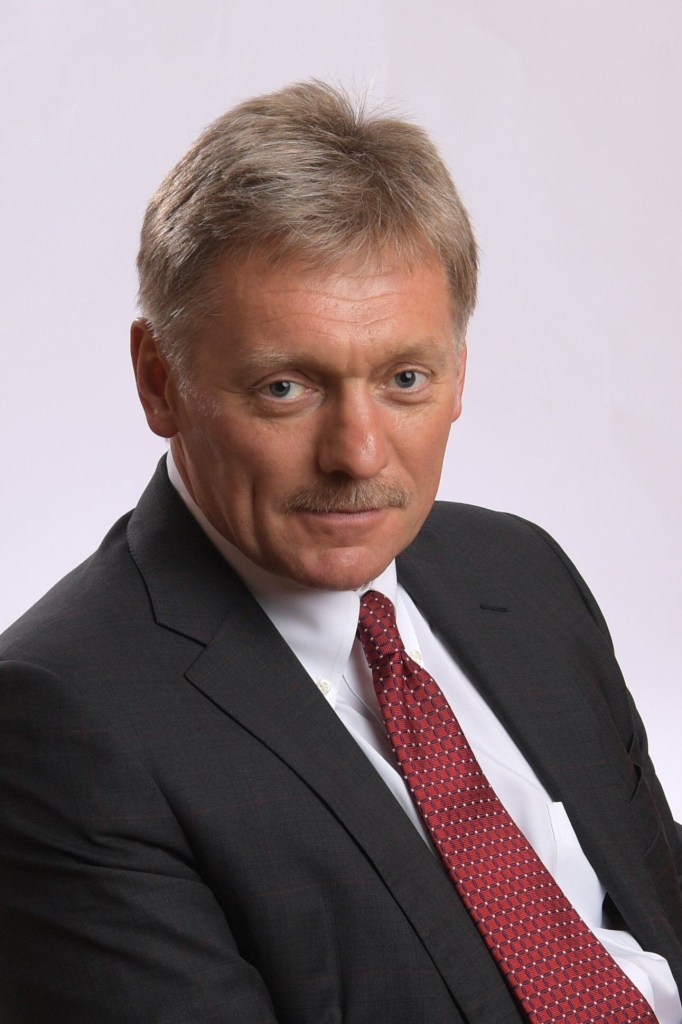
Or may I address you as Dima? I’ve written so much about you in recent months, I feel we are old friends.
Of course, not everything I’ve written has been complimentary, inasmuch as it has all been in the context of your position as Press Secretary for Vladimir Putin — who, it is safe to say, is not one of my favorite people. But you are not Putin. You have always appeared so much more agreeable, so approachable, so . . . well . . . cute, actually. As spokesman, you of course have something to say about nearly everything; and you deliver your comments with such ease and such sincerity, that I have often wondered whether you actually believe the bullshit that . . .
Oh, sorry — I didn’t mean to let that slip. But it’s out there, so let it lie.
In any event, I recently became curious as to how you came to hold the position of Kremlin spokesman. So I did the obvious thing: I Googled you. And I learned quite a bit!
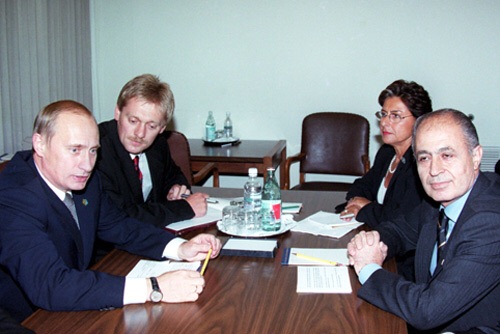
I didn’t realize how long you have worked at Putin’s side — since he first became President of Russia, if not longer. And I’m afraid that in all those years, some of his less admirable traits may have rubbed off on you: lying with a straight face, for example.
At Putin’s side – 2000
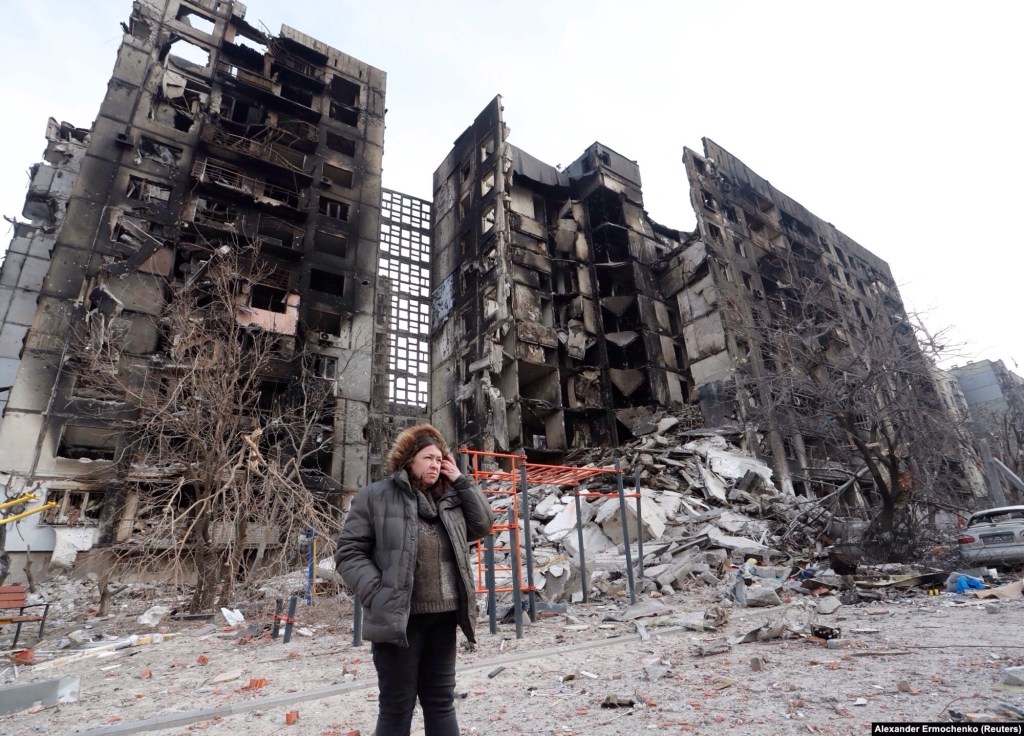
What’s that? You say you don’t lie? Oh, Dima . . . that in itself is not exactly true. What about the very beginning of the “special military operation” in Ukraine? Even before it actually started — in January of 2022, to be specific — when you accused the United States of “fomenting tensions” concerning Ukraine, while it was your country’s troops amassing on the border . . . not ours. And on March 1st — less than a week after . . . oh, let’s be honest and call it what it is . . . after the invasion, you told reporters you didn’t want to comment on Russian military casualties, but insisted that “the Russian troops don’t conduct any strikes against civilian infrastructure and residential areas.”
Not wanting to comment is one thing; but that last part . . . if you don’t call that a lie, I can show you pictures of Mariupol, and Bakhmut, and Bucha. Like these:
Okay, that’s enough.
*. *. *
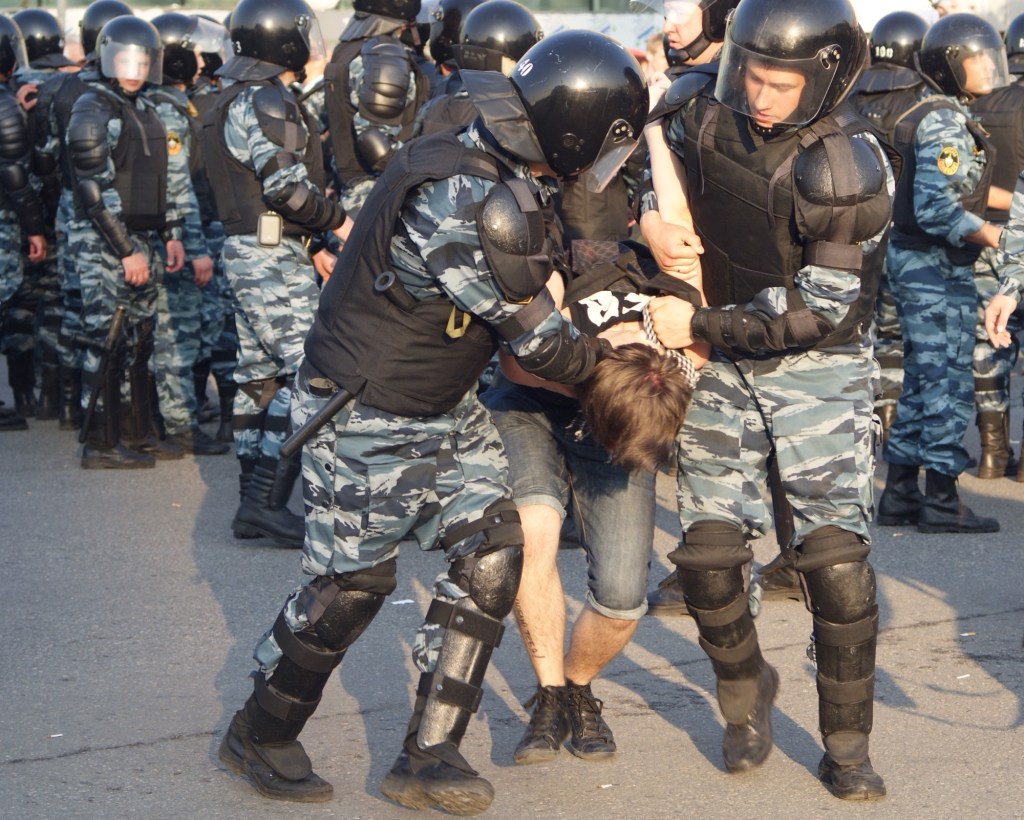
And during the 2011-2013 protests in Russia, when riot police were clubbing protestors, you were quoted as saying that “protesters who hurt riot police should have their livers smeared on the asphalt.” Really, Dima? Is that true? People who defend themselves against big scary guys in black riot gear, armed with clubs and Kalashnikovs, should be mashed into sidewalk pate? That actually sounds like something Medvedev would say, but surely not you!
How many OMON troops does it take . . . ?
*. *. *
Well, I suppose that’s all in the nature of your job — and a lucrative one it is, according to all reports. Not just your salary, but from other sources. They do say it’s all about whom you know . . . and you definitely know the right people. You’ve earned your place in the Kremlin hierarchy; you’ve obviously said and done all the right things along the way: sucked up when appropriate, and shut up when necessary. Well done.
So I thought I’d offer you this little tribute to let you know that someone out here in the West is paying attention when you speak. And on that subject, I’d really like to know . . .
When the hell are you coming back to work? I miss being able to quote you in my articles. By my count, it’s taken no fewer than four people to do your job for just one week.
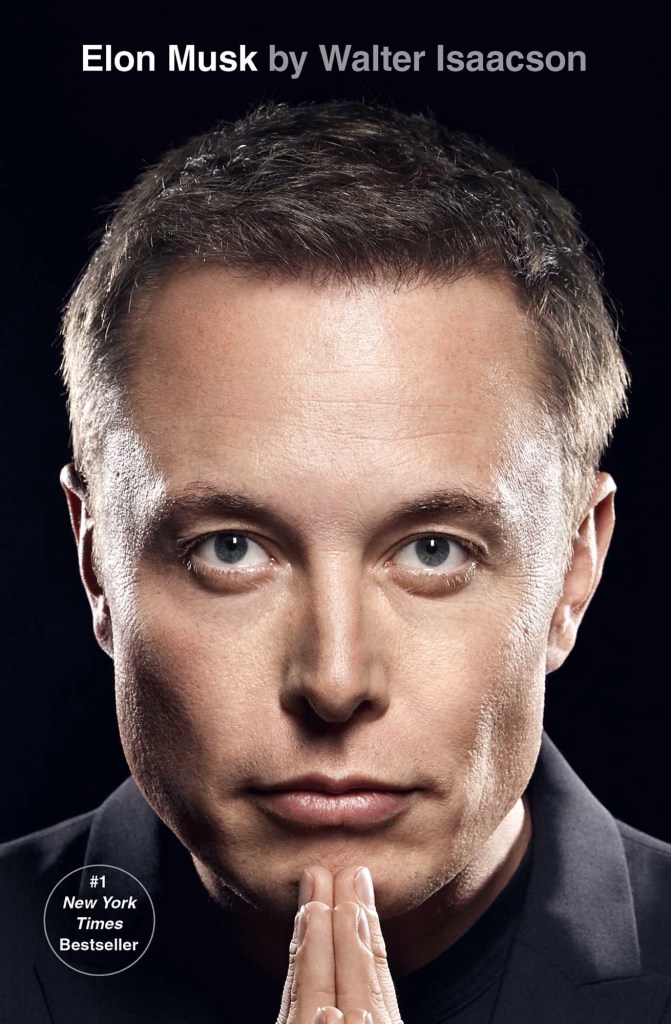
Or is it “Elons Musk”? You know — like attorneys general.
Either way, the thought of pluralizing someone who is already bigger than life is overwhelming. Yet, it seems already to have happened.
In case you haven’t been following this week’s news closely enough, I’d like you to meet . . .
Pavel Durov, referred to by one source as “A Russian Elon Musk.” [Joshua Berlinger and Anna Chernova, CNN, August 26, 2024.]
Holy crap! Another Musk isn’t enough . . . he has to be Russian to boot??!!!
A brief bio: At age 39, he is the multi-billionaire CEO of Telegram — the controversial, ultra-secure, encrypted messaging service so popular with today’s terrorists, criminal gangs, governments, and others with the deepest and darkest of secrets to be kept. Born in St. Petersburg, Russia, he is a mathematical and programming genius who first developed VKontakte, Russia’s answer to Facebook; then went on to create Telegram. Like so many others, he ran afoul of the Putin regime when he refused to cooperate after they “requested” he disclose the very information his program was designed to protect . . . and then he left Russia.
Probably not exactly like that . . .
Durov now holds both French and Emerati (UAE) citizenship, plus one or two others. He lives in Dubai, and spends much of his time jetting around the world. When he landed in France earlier this week, he was arrested by French authorities for much the same reason that he left Russia: his firm belief in people’s absolute right to privacy.
And suddenly his name has become a household word: “Have you heard what happened to Pavel Durov?” “Oh, my God, they’ve arrested Durov!” “How can they possibly charge Pavel for protecting his clients?” “Who the hell is Pavel Durov?”
Okay, I snuck that last one in because there are probably a few people out there who still don’t know who he is. But they will.
Of course, celebrity inevitably brings with it a loss of your own privacy. People want to know more about you — everything, in fact. And this man has made a practice of being, if not secretive, at least enigmatic. But bits and pieces are becoming known, such as . . .
. . . his claim to have fathered at least 100 children.
Ordinarily, that would have sent the real Elon Musk into a frenzy of jealousy and formulating a plan to catch up — a Herculean task, since he “only” has 12 of his own, leaving 88 to go. But Durov cheated; he admits to having provided sperm donations over some 15 years, which in itself is . . . no, never mind . . . whereas Musk . . . uh, forget it. Just thinking about those two. . . you know . . . is exhausting — and more than a little embarrassing.
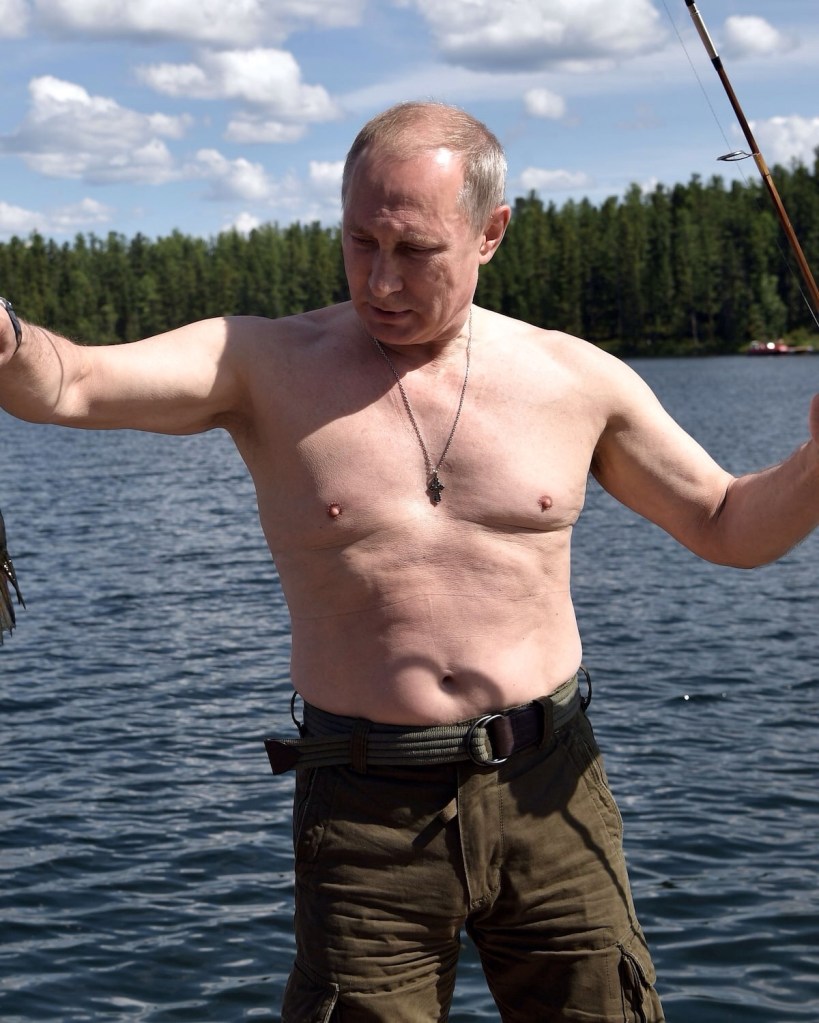
It has been said that Durov “cuts the figure of a mysterious, globe-trotting tech bro with Mark Zuckerberg’s prodigiousness, Jack Dorsey’s bizarre lifestyle habits and Elon Musk’s libertarian streak.” [Id.] He is also sometimes found shirtless . . .
. . . which oddly reminds me of his old nemesis, this guy:
Sorry, Vlad . . . no contest. Although there is the age difference to consider.
Now, these three men, and a few others of their ilk, share a number of characteristics: intelligence, drive, focus, ruthless ambition . . . and ego. Because to be so sure that you have that “it” factor that will lead you to success, you have to have an over-abundance of self-confidence, a conceit that will not allow you to fail.
And there you have what I think is the perfect brief description of the not-so-mysterious Pavel Durov: an ego on legs . . . with killer abs.
And from all accounts, she’s just as rambunctious as ever.
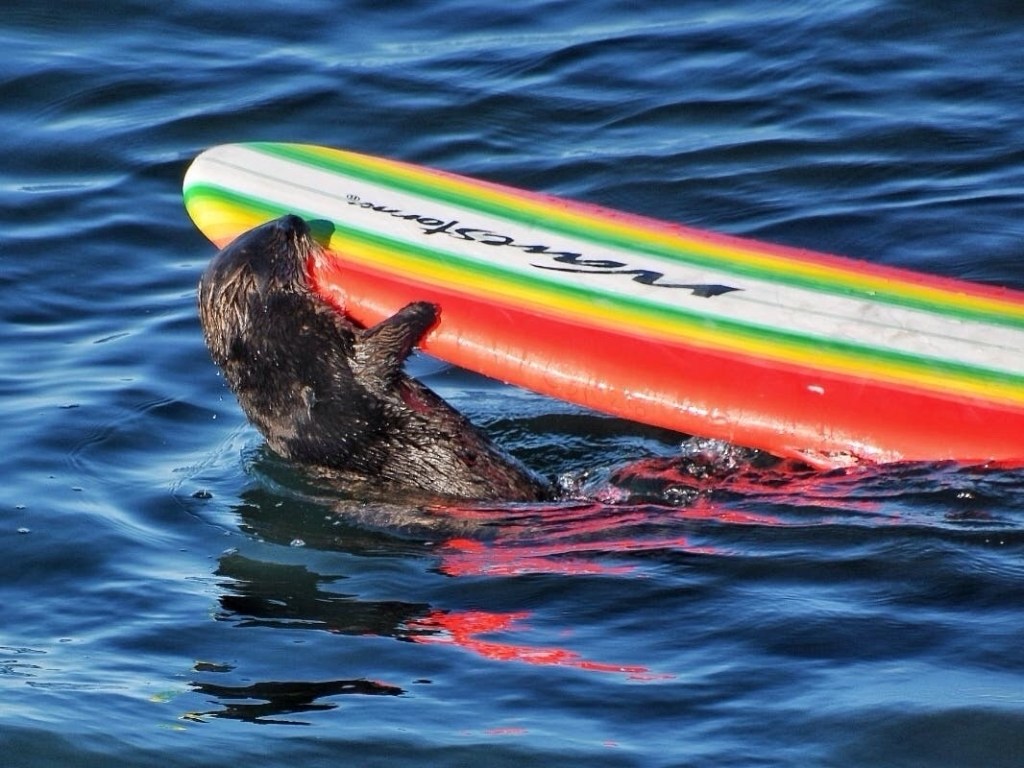
Her surfboard-stealing rampage in Monterey Bay during the summer of 2023, which caused her to be hunted down (but never caught) with the intention of re-homing her, was finally discovered to have been caused by — of all things — pregnancy hormones.
Well, she had her pup, and then apparently went off to winter somewhere else, as has been her habit. But this summer, she’s back at the Santa Cruz (California) surfing site known as Steamer Lane. And she seems to be up to her old tricks.
One observer — who couldn’t see her blue ID tag but was quite sure it was Laverna, as he had photographed her earlier — at one point viewed her “calmly cleaning herself atop a board she’d hijacked, which she shared peacefully with a gobsmacked surfer.” [Susanne Rust, Los Angeles Times, May 29, 2024.]
I’ll just bet that surfer was gobsmacked; I would be too. But I’d be glad to share my board with Laverna — I fell in love with her last year, and I’m thrilled to know that she made it through the winter and still wanted to return to her summer home.
Have a good rest-of-the-summer, ‘Verna, and come back any time. You may be pesky, but I’m sure that Santa Cruz still loves you.
And for all those surfer friends of yours, here’s a thought: How about taking up a collection and buying her a board of her own? I can imagine her excitement . . .
* [From History.com, This Day In History, August 26, 2024, with the exception of the first item.]
1912:The world’s oldest living man was born on this date in Liverpool, England. He turns 112 today . . . and he has no idea how he’s lived this long.
John Tinniswood – 112 years young
He says he has no “special secrets,” no special diet — “no idea at all” how he’s made it this far. [Gemma Sherlock & PA Media, BBC News, August 26, 2024.]
And maybe that’s the secret: not trying. Just living your life, enjoying whatever comes your way, and taking things in stride. He was “quite active as a youngster” and did “a lot of walking,” but that’s about it. He added this bit of wisdom: “You either live long or you live short and you can’t do much about it.” [Id.]
In other words, life’s a crapshoot. But we already knew that.
Anyway, happy birthday, John . . . and as many more as you would wish for.
* . * . *
1920: 19th Amendment adopted. Congratulations, women of America: you now have the right to vote — if you can get out of the kitchen long enough to cast your ballot.
A Woman’s Place . . .
*. *. *
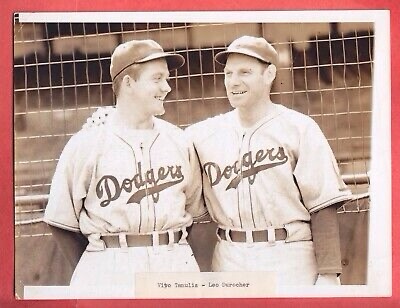
1939: The first televised Major League baseball game was broadcastfrom Brooklyn, New York, announced by Red Barber over Station W2XBS (later WNBC-TV). The game between the Brooklyn Dodgers and the Cincinnati Reds ended in a 6-1 win for the “Bums” (as the Dodgers were fondly called). Unfortunately, not many people other than the fans in the stadium got to see it happen; few homes had TV sets, and there was no regular programming in any event.
“Dem Bums”
*. . *. *
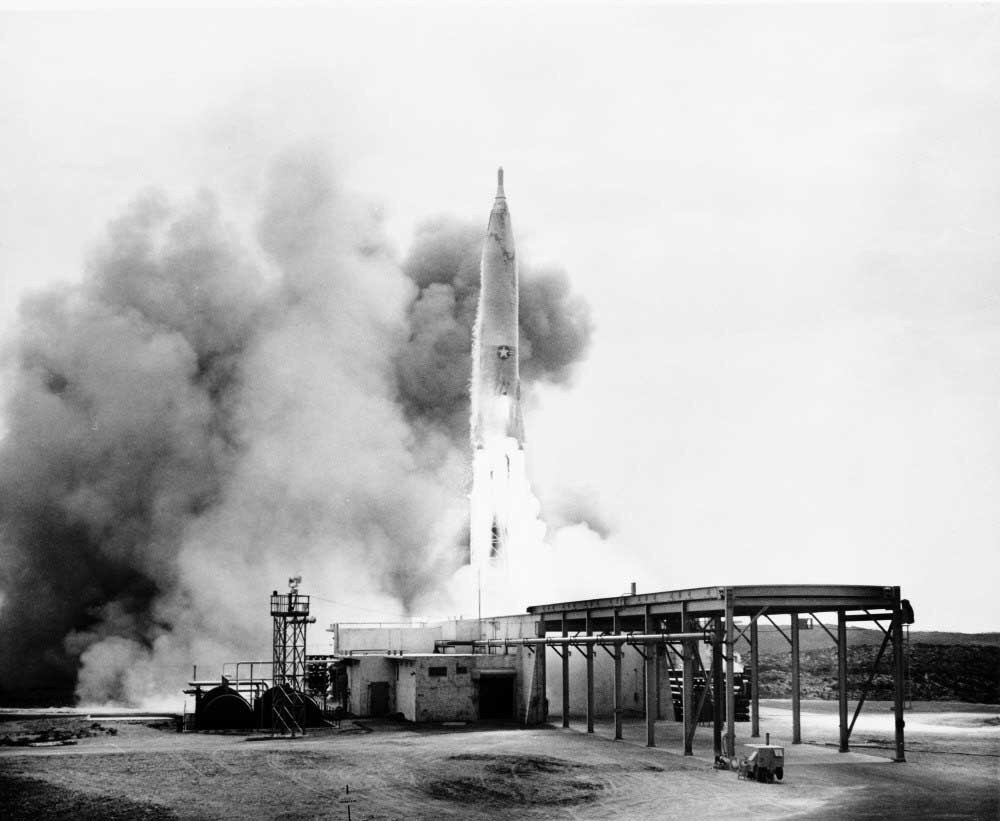
1957: The Soviet Union announces successful test of ICBM.
Oh, crap!
“Thar she blows!”
*. . *. *
1968: Democratic convention besieged by protesters.
I remember that one, and it took a nasty turn when thousands of anti-Vietnam-War protesters took to the Chicago streets to voice their anger at Democratic presidential candidate Hubert Humphrey’s support of the war. Police and National Guardsmen clashed with the protesters, both outside and inside the convention hall. Delegates and members of the press, including Mike Wallace, were roughed up. Chicago Mayor Richard Daley was later blamed by a federal investigative committee for inciting his police to riot.
Wait . . . this is beginning to sound strangely familiar. January 6th . . .
Chicago 1968
*. *. *
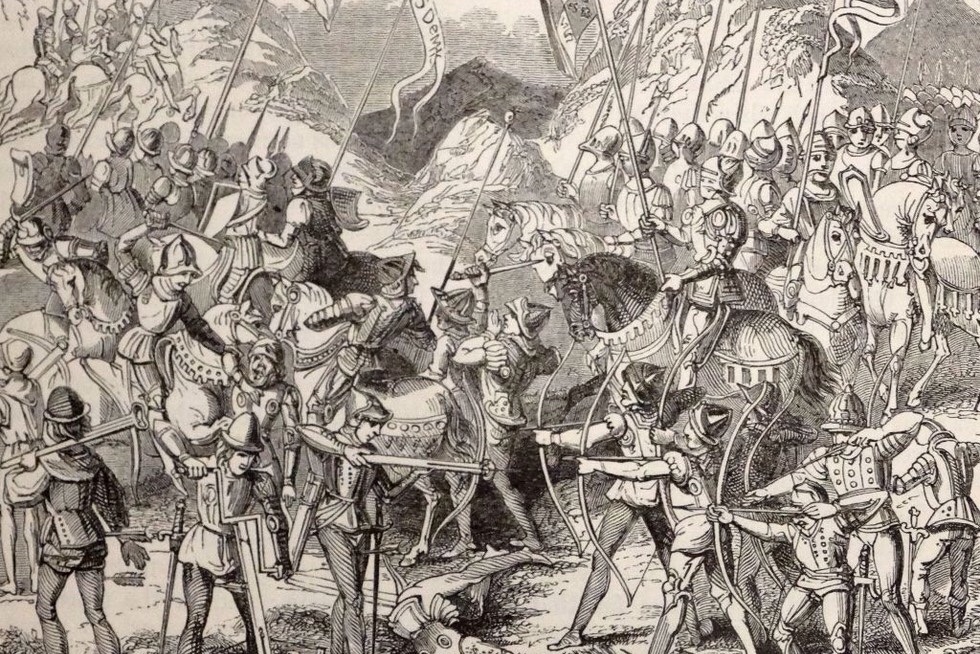
1346: Battle of Crecy.
Hundred Years War . . . British invasion at Normandy, France . . . very complicated, as are the reasons for all wars. So if you’re interested in 14th Century history, you know where to find the answers. Just thought I’d mention it in closing because I rather like the name (pronounced “Cressy,” if I’m not mistaken).
And it wasn’t the only famous battle fought at Normandy. There was the Battle of Hastings (England again) in 1066. And let us not forget D-Day: the allied landings at Normandy Beach, code-named “Operation Overlord,” on June 6, 1944, that turned the tide of World War II.
I’m imagining lots of ghosts still searching for their souls (and possibly their heads) at that strategic spot.
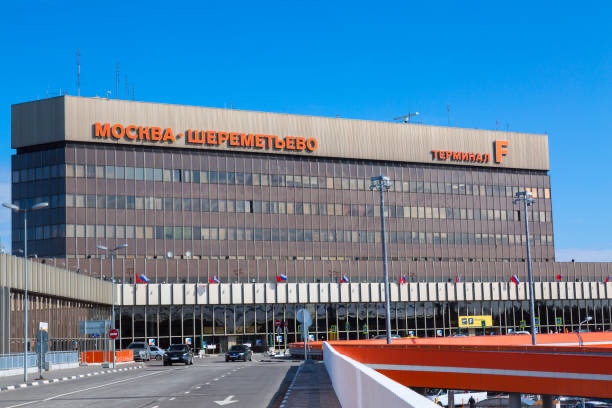
May 11, 1993 – Sheremetyevo Airport, again. But at least this time, it wasn’t a snowy February. It was springtime, and I had someone waiting for me at the baggage claim area: good old Vitold. He had thoughtfully brought a friend with him, one who owned a truck. Vitold was a little crazy, but he wasn’t stupid — he knew his Lada automobile would never be able to hold a woman’s six-months-worth of luggage and office supplies.
Sheremetyevo International Airport, Moscow
That ride — from the airport far to the north of central Moscow, to the Foundation’s apartment at the far opposite end of the city — has to go down in the record books as one of the most miserably uncomfortable rides in history. In my history, at least. This truck wasn’t a Ford pickup, or anything even close. It was a nameless rattletrap, a junkyard reject, a pitiful conglomeration of spare parts seemingly held together with Scotch tape and baling wire. Its creator had obviously never heard of shock absorbers — or, for that matter, padding in the seats. Welcome home, Brenda; your limousine awaits.
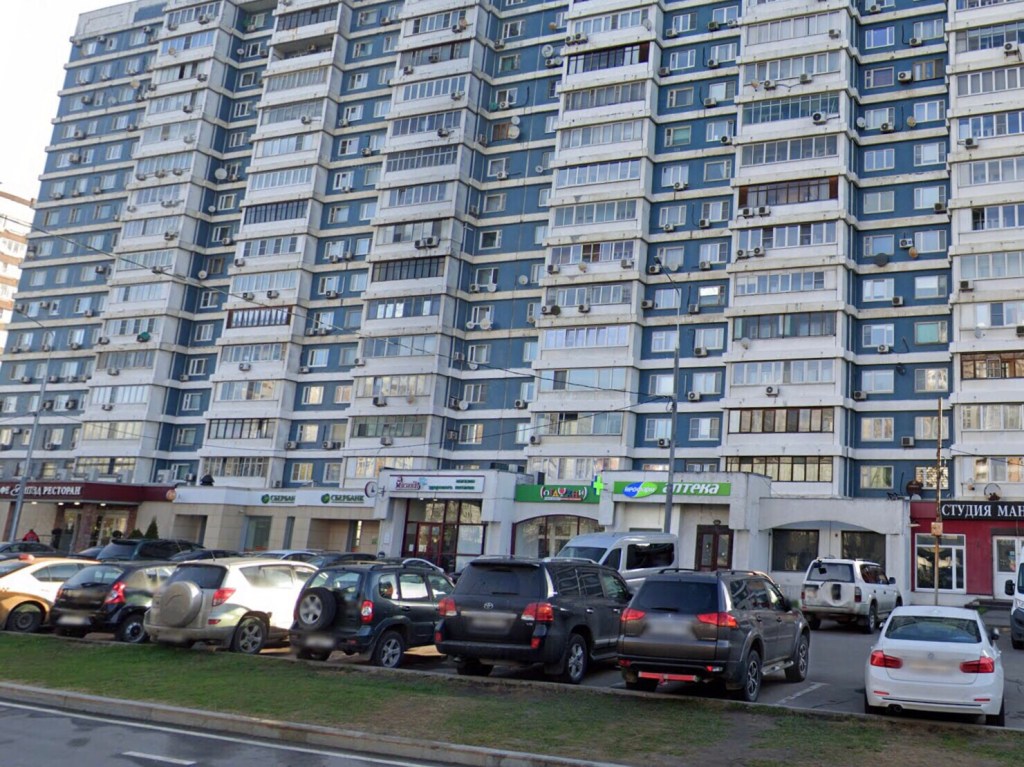
Add to that, the driver from hell and the notoriously rutted Russian roads (pardon the alliteration), and it’s no wonder I was ready to kiss the ground when we finally arrived at No. 16 Rublevskoye Shosse: a 16-story, blue and white Soviet monstrosity, ground-floor commercial space in the front, parking and entrance in the rear, springtime mud everywhere. And in the dismal little entryway, a small desk at which was seated the ubiquitous dezhurnaya: the lady concierge cum watchdog whose responsibility it was to report — to whomever her bosses were — on the comings and goings of all residents and visitors. Innately suspicious of the newly-arrived American on the sixth floor, she eventually decided that I wasn’t there to kill her or to steal anything, and by the time I left Moscow, she had almost come to accept me. I considered that one of the major accomplishments of my time in Russia.
Home Sweet Home – Moscow
The building was owned by the Ministry of Defense; but the apartment belonged to an army officer who had been sent, along with his family, on indefinite assignment to Tajikistan. I’m sure they were thrilled. But they were allowed to rent out their apartment, and were delighted to find American tenants willing to pay in dollars. They had hired one of their neighbor families on the same floor to look after the place and collect the rent, and we in turn hired the lady of that household, Tamara, to do a bit of cleaning and cooking. I do not know what I would have done without her. She was a great cook, and she knew where to shop for the best meats, produce and bread. In return, I would bring items for her from the hard currency stores that weren’t otherwise available to her. She also volunteered to do my laundry for me. I would have adopted her and brought her home with me when I left Moscow, but her husband and daughters objected rather strenuously for some reason.
Happily, the interior living spaces were far superior to the building’s exterior. My apartment was unusually large for Moscow, clearly indicating that it belonged to a somewhat privileged family. It had a spacious living-dining room, three big bedrooms, two well-appointed bathrooms, and a very nice eat-in kitchen that had been upgraded with German-made appliances and cabinetry. The furniture wasn’t beautiful, but it was comfortable and clean, and I immediately felt right at home. There was also a large enclosed balcony, which became a very handy storage room. Part of the main living area had been portioned out as office space, with a desk, file cabinet, computer, satellite phone, and a Xerox printer/copier (one of the 16 pieces I had brought with me).
My favorite feature of the place, though, was the apartment door. It was made of steel, roughly three inches thick, and had a three-fingered steel deadbolt, each finger, or rod, measuring a good inch or so in diameter and about six inches in length. Nobody was going to break through that sucker — not without a bomb, anyway.
And more people came with the office as well. Olga and Lena had been hired by Gil, and were soon my new best friends. They were delightful women, both fluent in English, who acted as interpreters and office assistants. Olga was outgoing, Lena more on the shy side, but we all got along beautifully, and I soon was referring to them as my Russian sisters. Many an evening I would invite them to stay after work for zakusky (hors d’oeuvres), vodka and a movie. With Vitold’s help — I nicknamed him “the Scrounger” — I discovered kiosks where I could buy the best caviar at the equivalent of about $3.00 for a two-ounce container, decadently rich ice cream to stock the freezer, and vodka that wasn’t rotgut. With all that good food and a VCR player, my popularity was pretty much assured, even though they did suspect I was a CIA agent because why else would an American learn to speak Russian? It had been less than two years since the breakup of the Soviet Union, and paranoia still ran deep.
Queuing Up For Ice Cream
The final two members of our little family were Vitaly and Maya. Vitaly was a quiet sort, and acted as a back-up driver and gofer. Maya was a strikingly beautiful young woman, married without children, and the spoiled daughter of an army general. She was also intelligent and an excellent interpreter, but was obviously more interested in her social life and eventually visiting America than in actually doing any work.
So this was my home, and these were my people, for the next several months. How on earth had this come to be? What twists of fate had led me from my prosaic childhood in New England to this strange and forbidding place? As I thought about it, the answer became obvious: it was all Walter Surrey’s fault. (Sure, blame the guy who’s not here to defend himself.) When I walked into the offices of Surrey, Karasik & Morse for the first time in April of 1979, I was taking the initial, unsuspecting step toward this moment. Every path, every byway, every road from that point on led me directly — do not pass “Go,” do not collect $200 — to my lifelong obsession with all things Russian . . . and now, to Russia itself.
As I write about these people who were such a big part of my life that summer, I have a hard time picturing them as they would be now, thirty years later, and I can’t help wondering how their lives have turned out. It broke my heart when, less than a year after leaving, the roads to Russia were suddenly closed off to me, and I had to lose touch with them — but that’s a whole other story for another chapter (or two).
*. *. *
There was little time to get acquainted that first day — I was off to Kiev just 24 hours later, compliments of Gil, who had arranged for me to meet with our Ukrainian partner. Olga had made my train reservations, I had brought a small bag already packed for a two-nighter, and Vitold drove me to the Kievskiy Vokzal — the Kiev Train Station — which, coincidentally, is located around the corner from my old standby, the Radisson Hotel.
I had a sleeping compartment on the train, and headed off — alone once more — into the unknown. The train left Moscow around 5:00 p.m., and arrived in Kiev in the morning. I had brought along food and bottled water, and had been warned to use the bathroom early in the voyage, as it was unisex and would be too disgusting to use later. They were right. It’s hard to aim on a moving train.
Somewhere Between Moscow and Kiev
Somewhere in Ukraine, we made a fairly lengthy stop at a village where we were able to leave the train and mill around the station for a few minutes. There were vendors, of course, and I bought a couple of pieces of fruit and bottles of mineral water. I even had a chance to talk with a very sweet lady, who was tickled to learn that I was an American whose grandparents had emigrated from her region around the time of the first, failed Revolution of 1905.
Around 9:00 p.m., I left my compartment to stretch my legs in the corridor, and was looking out the window at the passing scenery (it was not quite dark), when we made a brief stop at a small station. As I glanced at the people on the platform, I suddenly noticed a familiar face: a woman who appeared to be the identical twin of my mother’s older sister — or, rather, as she had looked many years before. Unfortunately, there was no time to disembark, and I have always regretted that I was unable to talk with her. She may have been a distant relative; I will never know, but I like to think so.
We arrived without incident in Kiev in the morning, and as I stepped down onto the platform, a woman approached me and introduced herself as Irina Shakhova. Irina was a little younger than I, spoke fluent English, and looked enough like my mother’s side of the family to have been my cousin. It was obvious that we felt an immediate affinity for one another; we talked as though we’d known each other all our lives, and soon became fast friends. Later, when she and her husband Yuri moved to the Washington area with their two children and Irina’s mother, we remained close.
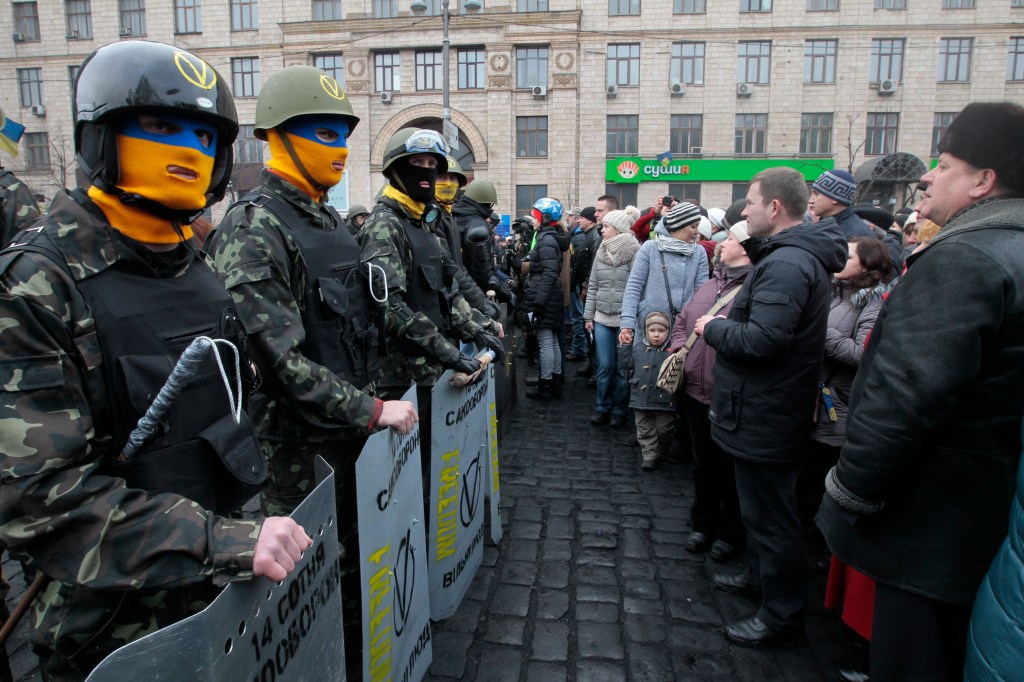
In addition to meetings at the Ukrainian Ministry of Health and the storage facility that housed our shipments of food, Irina did manage to give me a driving tour of the beautiful, historic city of Kiev, and a couple of exquisite restaurant experiences where the food was reminiscent of my grandmother’s cooking when I was a little girl. But the most amusing incident involved a small demonstration of coal miners from the Donbas region — an area so tragically in the news this past year — in front of a government building across the street from my hotel. I had some free time, and wandered over to see what I could learn, and to take a few pictures.
The crowd was peaceful; they had no choice, really, as the militia seemed to outnumber the demonstrators. As I was wandering about among the two hundred or so miners, a man — obviously spotting me as a foreigner — approached and began speaking to me in Russian. He asked where I was from, and when I said “Washington,” he became very excited and asked me to take a message back to my President. Okay, sure, glad to; I’m from Washington so obviously I know the President, right? And what was his message? Quite simply, that a dentist had implanted a radio transmitter in his mother’s teeth through which the government was spying on their family. [Cue Twilight Zone theme.] Never mind the other coal miners’ legitimate complaints about poor wages and working conditions; let’s first take care of Mama’s listening device. The poor man must have inhaled one too many liters of coal dust. I didn’t want to upset him, or invite trouble for him by enlisting the help of a Militsionaire, so I assured him I would do my best and hightailed it out of there, back to the safety and quiet of my hotel room.
But the most memorable — and saddest — event of that trip to Kiev was my visit with Irina to a treatment center for child victims of the Chernobyl nuclear disaster some seven years earlier. These were some of the children who were receiving our Veggieburger. If you can recall how the poor orphans were portrayed in the movie versions of Charles Dickens’ “A Christmas Carol,” you’ll have an idea of how these children looked: pale, emaciated, eyes dark-ringed and sunken, and faces sad beyond description. There was not a spoken word or a hint of a smile from any of them, as though they had never known a moment when they weren’t ill, and they realized the future wasn’t going to be any better. Their faces haunt me to this day. And these were just some of the less-afflicted children — the ones who were mobile and not visibly deformed. I was not given access to an inpatient hospital or an orphanage, undoubtedly for good reason. And of course, I was not allowed to touch the children, though I wanted desperately to give each one a huge hug. But the danger of radiation contamination was still too great.
What the government said . . . vs. what I saw.
Yet their condition, as greatly as it affected me, in no way surprised me. For those three days in Kiev, I had a sore throat that felt for all the world like tonsillitis, only it couldn’t be, because I’d had my tonsils removed decades earlier. But I had breathed the Chernobyl-polluted air and eaten locally-grown food, and that was enough. As soon as I left Kiev, I felt fine again; my sore throat disappeared, and to my knowledge I have suffered no lasting ill effects from that brief exposure to nuclear contamination. But those children had been breathing that foul air for all or most of their young lives. An entire generation had been sacrificed to the ravages of mankind’s insatiable lust for advancement.
Then it was back “home” to Moscow on another overnight train, and onward to a summer of fun and games in the ancient land of the Tsars, the Commissars, and the Oligarchs. Near the top of my to-do list: discreetly reestablishing contact with Valentin Aksilenko.
*. *. *
Today, I can’t remember what I had for dinner last night; but the details of those months in 1993 remain etched in my mind as though I had just lived them. Please join me again next time, when I revisit my first encounter with the Moscow Militia and the local KGB, on their turf, at a place known only by its address: Petrovka 38.
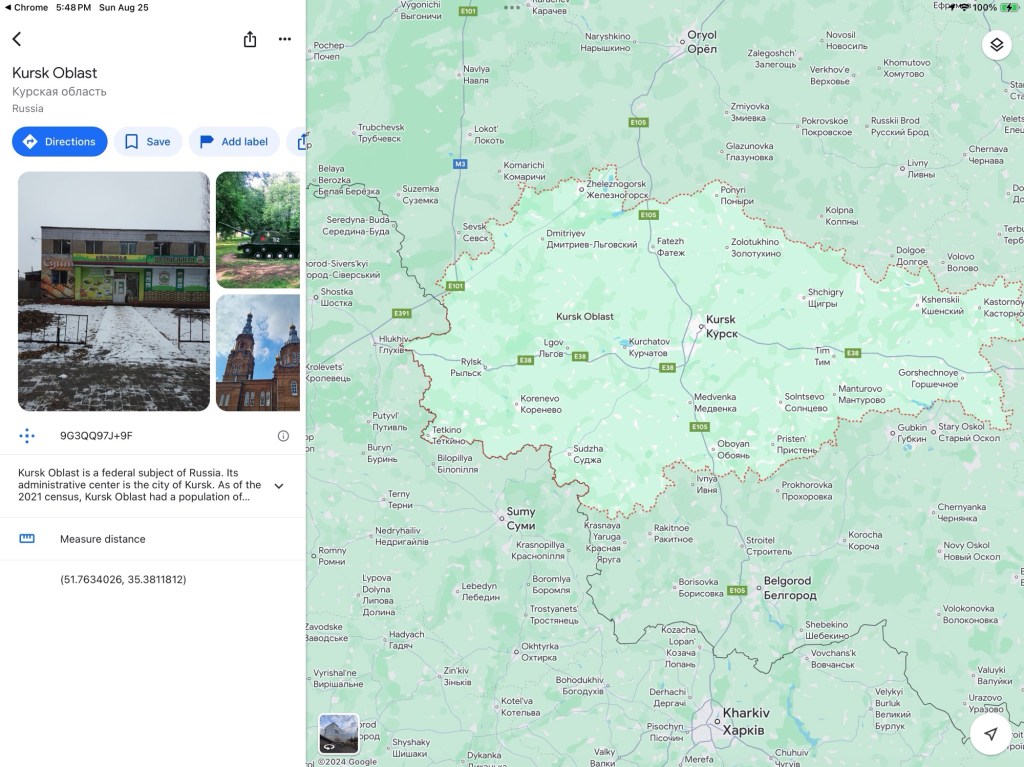
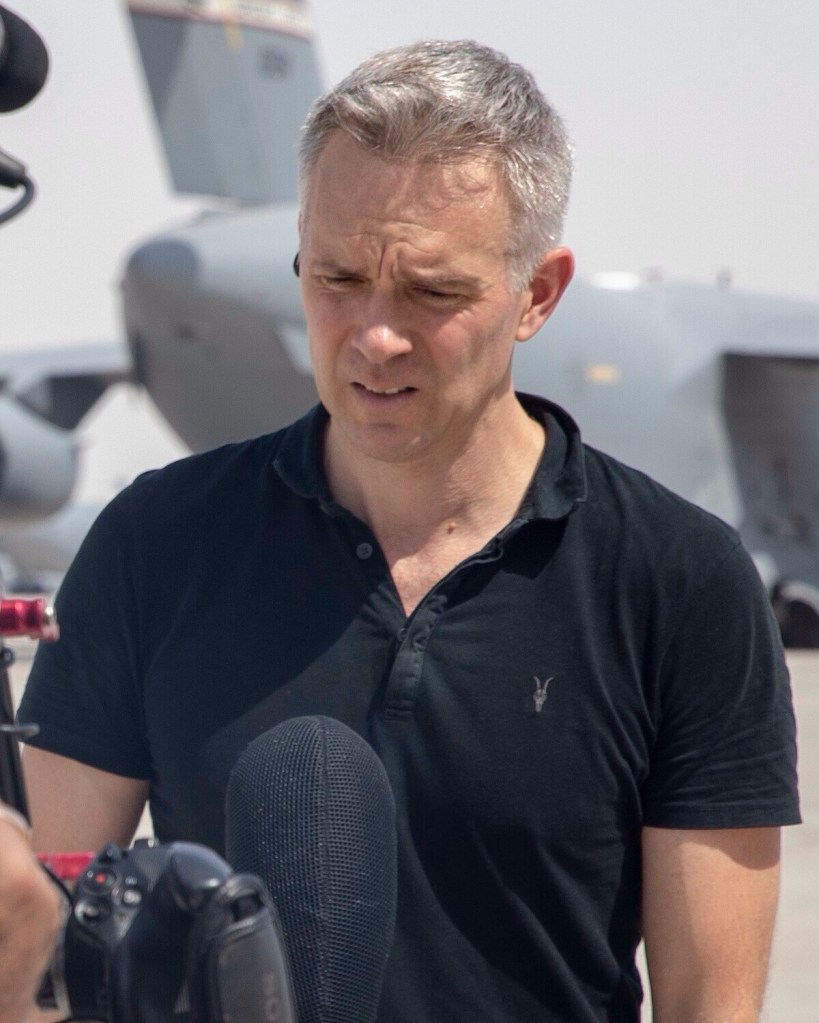
CNN’s Nick Paton Walsh, a British national — and two Ukrainian journalists, Diana Butsko and Olesya Borovik — have been reporting from Ukraine for some time since the Russian invasion. Recently they were invited as part of a team to view territory now occupied by Ukraine. They were embedded with a Ukrainian military convoy and traveled to the Ukrainian-occupied town of Sudzha in the Kursk region.
Map of Kursk Region
“Our team was invited by the Ukrainian government along with other international journalists, and escorted by the Ukrainian miitary to view territory it had recently occupied,” according to a statement from CNN. The statement continued: “This is protected activity in accordance with the rights afforded to journalists under the Geneva Convention and international law.” [RadioFreeEurope/RadioLiberty, August 22, 2024.]
Now Russia’s FSB — successor to the KGB — says it has opened a criminal case against the three journalists, alleging they “illegally crossed into the country to film reports on Ukraine’s incursion into Russian territory.” [Id.]
The August 22 statement continued: “In the near future, they will be put on the international wanted list,” and added that they would each face up to five years in prison.
Nick Paton Walsh, CNN
The Russian Foreign Ministry in Moscow also summoned the U.S. Embassy’s Deputy Chief of Mission, Stephanie Holmes, “to protest what it called ‘provocative’ reports by U.S. journalists from the Kyiv-controlled part of Russia’s Kursk region who ‘illegally’ crossed the Russian border.” [Id.]
And a case was launched last week against two Italian journalists who reported on the Ukrainian “offensive” into Kursk, also accusing them of illegally crossing the border.
So what we have here is the big Russian bear saying to the West, “I can come into your yard and destroy your house, take your toys, and kill your family and your dog . . . but you had better stay out of my yard or I’ll get you too.”
But that’s not new; it’s typical Russian bullying. It’s really about much more than that: it’s about harassment of journalists — specifically those from Western countries — setting them up for arrest, conviction and imprisonment on purely made-up charges. And why? Well, for one thing, to shut them up (as though there won’t be others to follow in their wake). But, even more importantly, to hold them — as they did Evan Gershkovich, Alsu Kurmasheva and the others — hostage for future use when it’s time to barter once again.
And they don’t give a damn about world opinion, or sanctions, or human rights, or the Geneva Convention. It’s Putin’s way, or the proverbial highway.
Of course, I think you’ll love it no matter what language you speak. But then, I’m a bit biased: I was born here.
One of the great things about America is its diversity . . . of scenery, of cultures, of climates, of food, and — something I didn’t fully realize until a few days ago — of languages. Oh, of course I know we are considered the world’s “melting pot”; we are, after all a nation that was built by peoples from many lands. My own grandparents emigrated from Ukraine (which was then still part of the Russian Empire) in 1905. But I had no idea how many languages are spoken here.
Bienvenue en Amerique. Willkommen in Amerika. Amerika’ya hos geldiniz. Witamy w Ameryce. Добро пожаловать в Америку.
That’s just five ways of saying “Welcome to America” (French, German, Turkish, Polish and Russian — and thanks to Google Translate for the first four). But according to WordFinderX, there are as many as 350 to 430 different languages being used throughout the U.S. today. Nearly 80% of people reported in the last national census that they speak only English at home; yet this country has no de facto official language. Not surprisingly, Spanish is the second most-widely spoken language here.
But what about the other 348 to 428 languages? Where will you find someone to converse with in, say, Tagalog, Korean, Arabic, or Hmong? (No, that is not a typo; Hmong is a dialect found in parts of China, Vietnam, Thailand and Laos. I just learned that.)
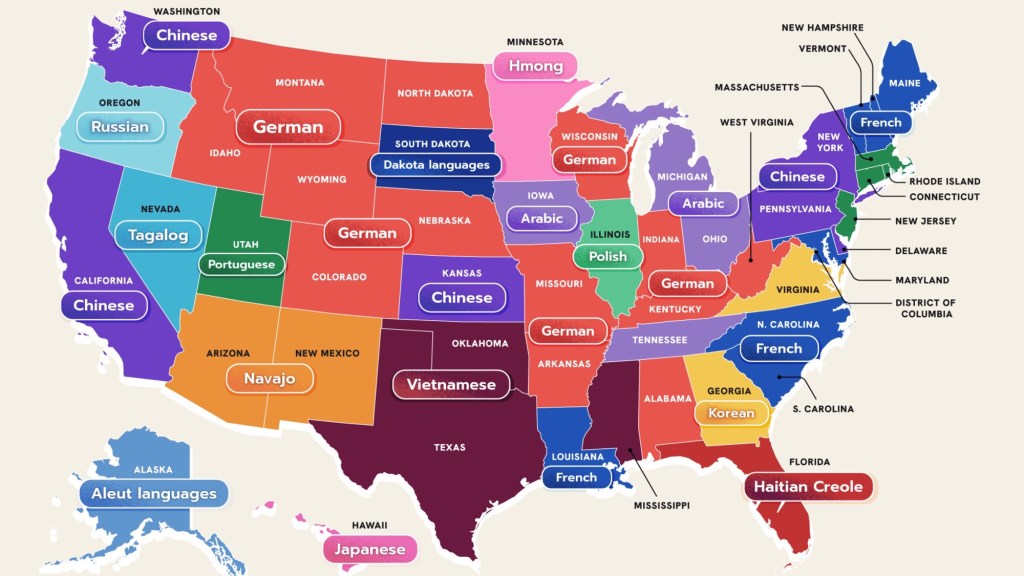
Luckily, someone has taken the time to figure it out for us. They took household population data to determine the most spoken language — exclusive of English and Spanish — across the country. They then broke it down by regions, states, major cities, and even individual districts and neighborhoods. [Paul Anthony Jones, Mental Floss, August 21, 2024.]
And they made a color-coded map for us:
And boy! were there some surprises there! For example, who would have thought to look for a substantial Portuguese population in Utah? Or Philippine (Tagalog) in Nevada? Vietnamese in Texas? Korean in Georgia? Arabic in Iowa?
And there were some interesting tidbits in the regional breakdowns as well. For example, Virginia shows a large Korean-speaking population; but in its capital city, Richmond, the breakout language is Russian.
Keep in mind that in every case, these are third, after English and Spanish. And nationwide, the language that comes in overall third is . . . German. All those terra-cotta-red areas on the map are heavy with Deutsch speakers, largely where German immigration was once high, but in a couple of other places as well, including — oddly enough — Alabama. So if you’re ever in Montgomery or Tuscaloosa, and you find yourself tempted to argue with someone, I’d think twice before calling them a dummkopf — because they might just understand.
Not a good idea
Most countries don’t have that problem . . . or is it a privilege? . . . to contend with. For example, when I lived in Prague in 1991, I didn’t speak Czech. But my second language is Russian, and I knew that most of the people there had had to learn some Russian during the recent Soviet occupation. Plus, they’re both Slavic languages and there are some similarities. So I would start out with a cab driver, or a store clerk, or a waiter like this:
Me (in English): “Hello. Do you speak English?”
Them (in Czech): “No. Do you speak German?”
Me (in Russian): “No, sorry. Do you speak Russian?”
Them (in Czech, and offended because they really didn’t like the Russians, though they had forgiven the Germans for World War II): “No!”
Me (again in Russian): “Sorry. I’m American, and I only speak English and a little Russian. I think you understand me, yes?”
Them (nicer now, but still in Czech): “Oh, American! Okay. I understand.”
And thus we would continue — me in my not-so-good Russian and them in Czech. And somehow, with a lot of hand gestures and funny facial expressions, we would understand each other. I did eventually learn some essential phrases in Czech, such as “Bottom of the hill on the left” for the cab drivers taking me home at night, and “Not two oranges — two kilos of oranges” for the lady in the produce shop who never did catch on that I wanted to make my own orange juice.
Languages are tremendous fun, and I wish I had a greater facility for them. I used to work with a brilliant woman (American) who was fluent in Russian, Chinese, and Classical Greek. What she ever did with that last one is beyond me, but I was so jealous of her ability!
I spent most of my life in the Washington, D.C. area, where you can walk down the street and hear any number of languages being spoken in the space of a city block. One day, while waiting for the light to change so I could cross the street, I overheard a young couple arguing in Russian, thinking no one could understand them. I said nothing, until the light changed. As I stepped off the curb, I turned, looked at the man and said — in Russian — “She’s right, you know.” Great fun, indeed.























 The Blog About Everything … and Sometimes Nothing