Early yesterday afternoon, as I sat with my iPad in my lap, perusing Monday’s news and deciding what I would write about for today’s post, my screen suddenly froze. I was able to navigate between apps, but none of them functioned.

So I checked my settings, and learned that my internet was not available.
Well, I already knew that, didn’t I? I just didn’t know why. But then a text arrived on my phone (which, thank goodness, has 5G and was still alive) from my service provider, saying that there was a problem at my address and they were working on it.
The bottom line is that it was fixed, but not for a couple of hours. It seems the landscapers for our apartment complex were working just outside my windows and . . . well, you can guess.
It was during those hours — cut off from the world, or so it seemed — as I finally decided to get up out of my easy chair and do a few chores because what else is there to do when your internet is down — that I thought about the people who actually are in Moscow right now.
If you haven’t heard, Ukraine has finally, after nearly five years of devastation and death at the hands of Vladimir Putin’s bloodthirsty military, been giving Russia a taste of its own medicine. They’re not hitting schools, hospitals, apartment buildings, or other civilian facilities, but going straight for the industries that directly support Russia’s war: oil refineries and supply terminals, fuel tankers and other delivery systems, military installations . . . and now also the data centers belonging to Yandex.
Yandex is the “Russian technology company often described as the ‘Google of Russia’ because it operates the country’s most popular internet search engine and a vast ecosystem of digital services.” [Source: Google AI Overview.]

Oh, but it is so much more than just a repository of information. It is the nervous system that controls virtually all automated business transactions that people in Russia rely on every day: banking, ordering a taxi or food, online shopping, digital file storage . . . even the digital house keys used by some people. [Yuliya Talmazan, NBC News, October 19, 2026.]
In a city of approximately 13 million people, imagine how many have been unable to access their money, pay their rent, buy groceries, and even get into their own homes. As one woman who was interviewed said:
“The uncertainty was scary. We realized just how much hangs on Yandex. We did not quite appreciate it before.” [Id.]
And the outages are not restricted to the Moscow area; they have been reported across the nation.
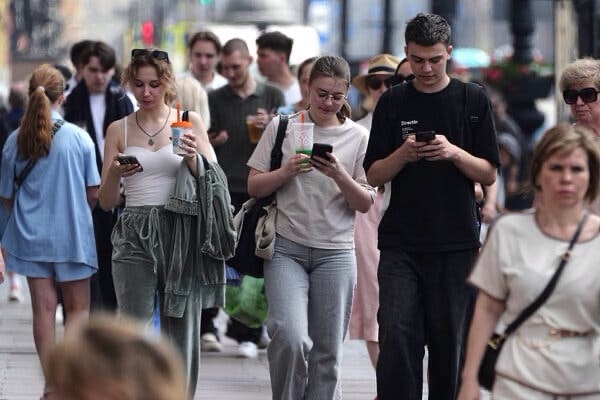
When I lived in Moscow in 1993, nearly everything was still done manually and in person. There were no cell phones, no home computers, no internet, no digital anything. Many people didn’t even have cars or home phones; the waiting lists were years long. “Service industry” was an unknown concept.
In just 30 years, Russian society has made the leap from an absence of nearly everything to a wealth of 21st-century technology, and embraced it with the fervor of a child visiting his first toy store. And now, just as they’ve become dependent on the conveniences, their lifestyle is being threatened.
But before you reproach Ukraine for attacking civilian infrastructure, consider what else Yandex does . . . and the reason it’s been targeted.
Data centers are increasingly being utilized for their military value. Both sides — Russia and Ukraine — use battlefield data to improve operations and commanders’ situational awareness, potentially with AI-assisted planning. [Id.]
And Russia has for some time been targeting Ukraine’s data centers. So it should come as no surprise that Ukraine would strike back. It is an efficient means of disrupting Russia’s technical capabilities, but without the human casualties that Russia has been inflicting on Ukraine since 2022.
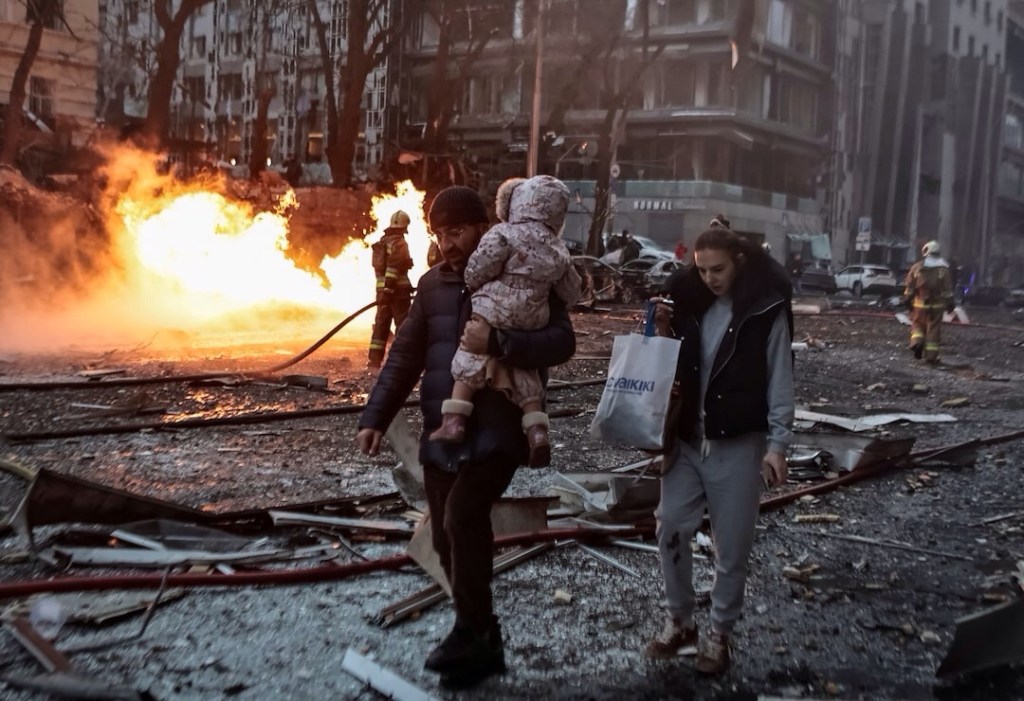
So don’t feel too sorry for the Russian people who are being temporarily inconvenienced. Historically, they have lived through much worse, and have been adept at finding work-arounds to their problems.
At least they’re alive and in one piece . . . unlike the thousands of Ukrainian civilians who have so far become casualties of Putin’s war.
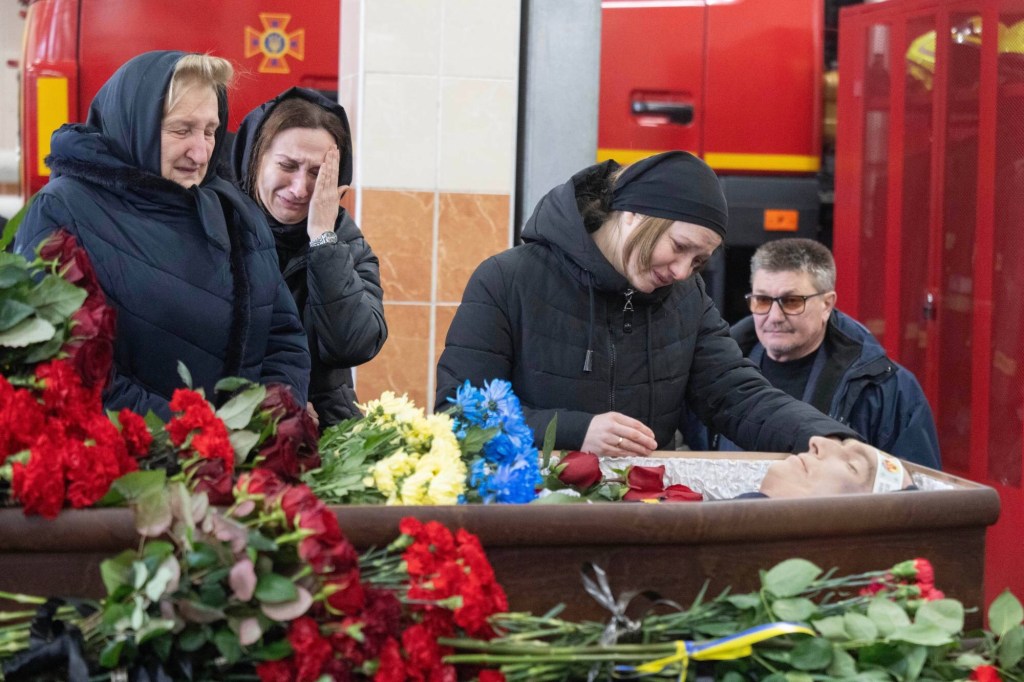
Just sayin’ . . .
Brendochka
10/20/26

