I first mentioned it on August 4, 2023 — almost exactly three years ago — when I mused that the then-missing head of the Russian paramilitary Wagner Group, Yevgeny Prigozhin, might be headed through Belarus toward the Russian enclave of Kaliningrad by way of the Suwalki Gap. And everyone, myself included, said:

“Where??!!!”
At the time, hardly anyone outside of Poland and Lithuania had ever heard of that small strip of land in the middle of nowhere. But a little over two years later, on September 15, 2025, its strategic significance had become obvious, and I posted an article devoted to it, titled “The Suwalki Gap: The Most Important Strip of Land You’ve Probably Never Heard Of.”
It was the only accessible land route between Russia’s ally Belarus and the Russian territory of Kaliningrad on the Baltic Sea, where a substantial portion of Russia’s Baltic Fleet is located — all other borders with NATO members Poland, Lithuania and Latvia being severely restricted or closed completely. And it seemed to me that it wasn’t receiving enough public attention.
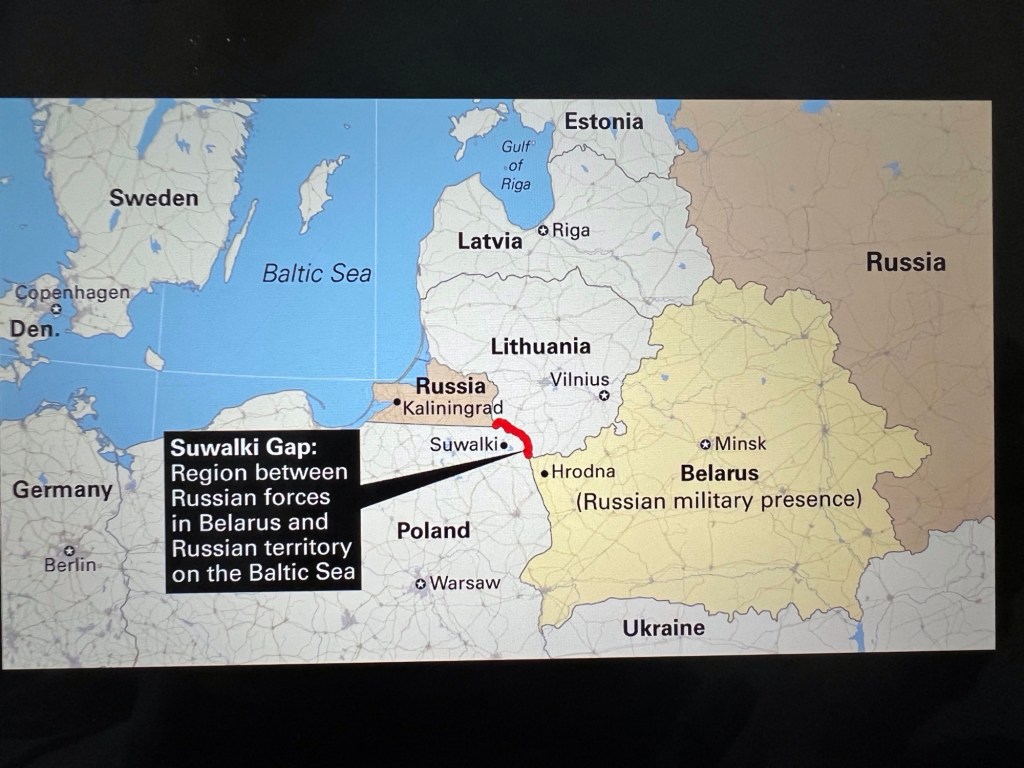
Still, Suwalki has not been much in the news in the interim . . . until last week, when it was announced that Germany had deployed soldiers to Poland to assist in reinforcing defenses on its eastern flank, with a specific focus on . . . you guessed it . . . the Suwalki Gap.
In an historic move — given the past contentious nature of the relationship between Poland and Germany — the two nations signed a bilateral security agreement increasing cooperation in military mobility, logistics infrastructure, maritime security in the Baltic, and cybersecurity. [Notes From Poland, July 22, 2026.]
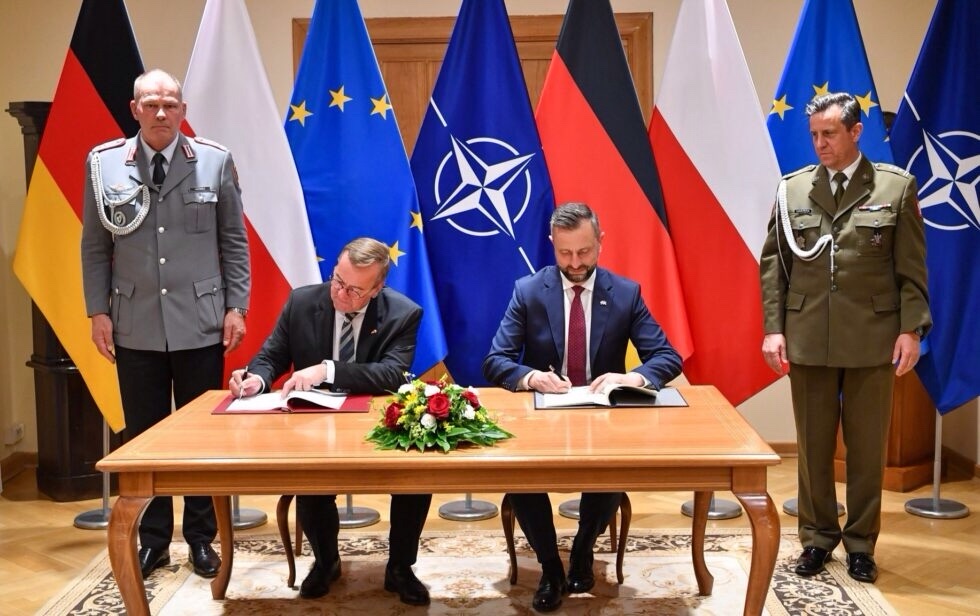
In its announcement of the agreement, the General Staff of the Polish Armed Forces said:
“This is what allied cooperation looks like in practice, which translates into greater military readiness and strengthens NATO’s defensive potential.” [Id.]
Such is the nature of political pragmatism. Throughout recorded history, alliances have been forged, and past differences forgiven (if not forgotten) in the interest of present and future necessity. World War II ended 81 years ago; Hitler’s Nazi regime is long gone, and Russia — once Europe’s ally in its defense against the Third Reich — is today’s aggressor as it continues its campaign to swallow Ukraine and beyond.
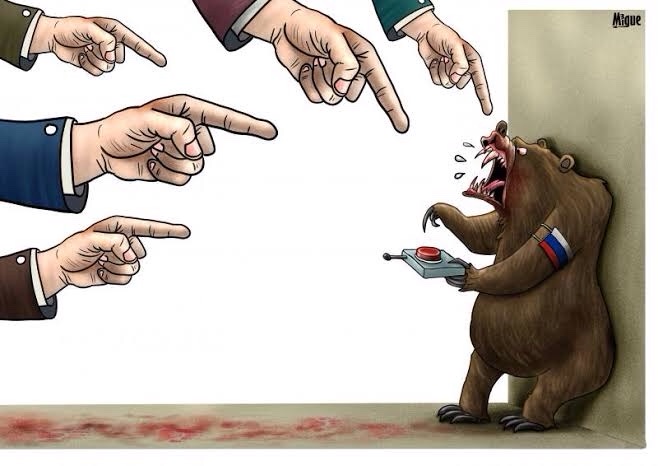
Vladimir Putin has already launched a “hybrid war” throughout Europe, in the form of aircraft and drone incursions into NATO air space, localized acts of terrorism, cyber-attacks, and old-fashioned spying activity. And the sovereign nations of Europe are taking his threats of expansionism seriously . . . as they should.
This defense agreement between Poland and Germany is an important step in the right direction, particularly given the uncertainty of the current U.S. administration’s foreign policy (such as it is). It’s time to bury the old hatchets, and look to the future.
Just sayin’ . . .
Brendochka
7/30/26

