They were all the stuff of science fiction at one time or another: electricity, “horseless carriages,” plastics, TV, the airplane, the telephone, frozen foods, the atom bomb, knee replacements, ball point pens, computers . . . all the manmade wonders of the 19th, 20th and 21st Centuries . . . all those things that once, if even dreamt of, were off-handedly dismissed as impossible. Yet, here they all are, now everyday items so seamlessly woven into our lives that we can’t imagine life ever having existed without them.
But there’s still some stuff that is so mind-boggling, so totally creepy that I don’t even want to think about it. Like AI — artificial intelligence. It seems as though a year ago it was just this vague concept, the way we once believed computers could never be taught to “think.” And now, suddenly, it’s become nearly impossible to distinguish a real photograph from an AI-created picture. And those baby dolls that look and feel and act so lifelike, you want to get them Social Security numbers. You can’t tell me that’s not creepy!

And of course, all the scientific uses I’ll never comprehend because I’m scientifically and technologically challenged. Those are the concepts that really bother me because I don’t understand how they work, but I can imagine how easily they might one day be coopted by some psycho wannabee Dr. Strangelove intent on taking over the world.

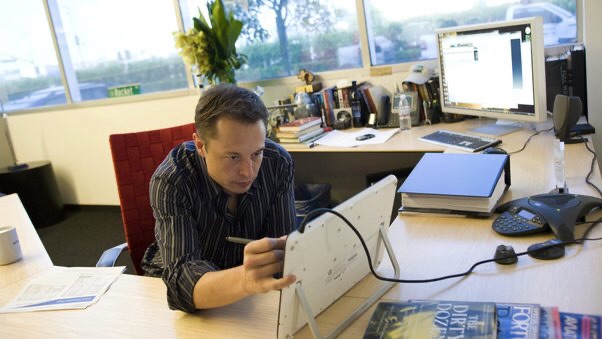
If you’re wondering what set me off on this little journey into the wild world of paranoia, it was a very brief article in CNN’s “5 things” column on Wednesday (January 31st), titled “Brain chips.” Now, being a lifelong snacker, my first thought was “Yuck . . . they’re making chips out of brains?!! What are they . . . some kind of health food?” Then I came to my senses and realized that it was yet another article about one of my favorite people to pick on: Elon Musk.
I had read a while ago that his Neuralink company was developing a chip to be implanted in the brains of people with certain specific disabilities that would enable them to regain control and use of one or more damaged limbs, basically by willing them to work. But despite its apparently noble intent, I had more or less dismissed it as . . . well . . . science fiction. It was just too eerily Frankensteinish.

And then Wednesday’s article blew my skepticism right out of the water. It said that Neuralink, having first received the necessary approvals, had actually completed its first implant in a living person’s brain, and that the patient was recovering well. Naturally, that individual has not been identified, and it’s too soon to tell what the eventual results of the experimental operation will be. But by God! Elon has gone and done it again — he has delivered on what initially seemed an idle, crazy boast. Honor is due.
*. *. *
That night, I lay awake listening to the jumble of random thoughts coursing through my mind as frequently happens at 3:00 a.m., and my brain zoomed in on Mr. Musk’s Marvelous Manmade Miracle. “What,” I wondered, “was next in store for his little super-chip? And the next generation of super-duper chips?” Perhaps it would be possible to program a chip to act as a next-generation Alexa . . . not to manage your household, but to operate you personally — subliminally massaging a sore muscle, calming an overactive bladder, or banishing those pesky monthly cramps. Or my personal favorite — adjusting my metabolism so that I could eat whatever, whenever, and never gain an ounce. Reflux? Gone! Allergies? No more. Migraines? A distant memory. The possibilities are endless.
Yes, there’s a whole universe of wondrous imaginings out there, just waiting to be made reality. So get busy, Elon . . . we’re counting on you.
Just sayin’ . . .
Brendochka
2/2/24
 The Blog About Everything … and Sometimes Nothing