There are a lot of pages of history between the end of yesterday’s “Introduction” and today’s “Chapter 25.” But talking about my own experiences isn’t the purpose of this exercise. The point of sharing my long-ago thoughts with you is that the tired old adage — “The more things change, the more they stay the same” — like all adages, has stood the test of time because it is true.
As things were in the Soviet Union during the Stalinist years and throughout the decades of the Cold War, so they remain today . . . only with bigger, “badder” weaponry.
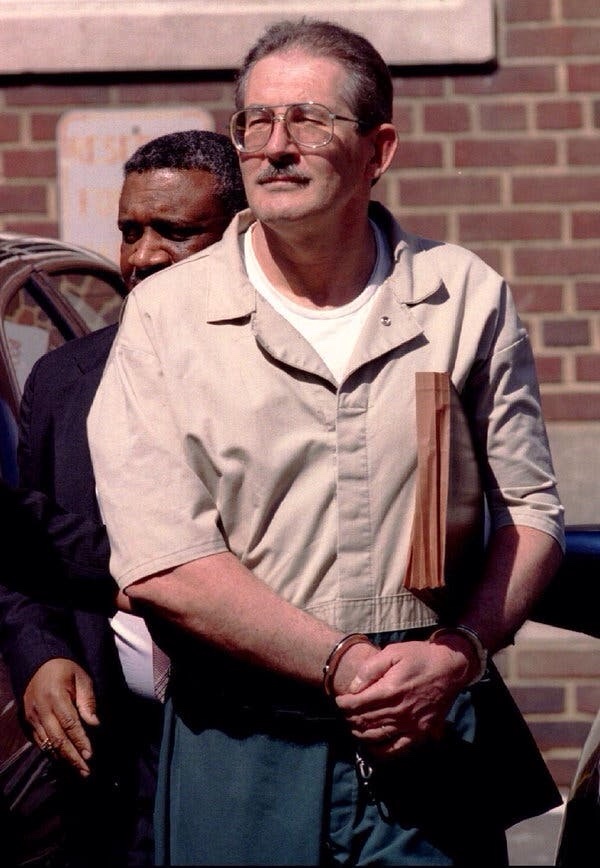
So here is the final chapter, offered up as a cautionary tale for today and all of our tomorrows. Please keep in mind that it was written three years ago; Aldrich Ames is no longer in prison, having passed away in January.
And thanks for coming back for Part II.
*. *. *
CHAPTER 25
What’s Next?
Now, after decades spent trying to determine who really helped to put the most destructive American traitor of the 20th Century out of business and behind bars, I have at last come to the conclusion that it no longer matters — not to me, in any event. Was it someone I knew, someone I brought to the United States and delivered into the hands of the FBI? Perhaps. But what if it was? Knowing the truth might be a source of personal satisfaction, but it’s irrelevant in the context of today’s geopolitical turmoil. If someone else deserves the credit, let them have it. Our — mankind’s — overriding concern now is the future of our world, and how to help secure it by heeding the lessons of the past. Do we continue repeating our disastrous mistakes again, and again, and yet again, until it is indeed too late and Armageddon becomes the final reality? Or do we finally open our eyes and our minds and begin to pay attention to the ongoing insidious machinations of the Kremlin and its inner circle of miscreants?
“But what are these lessons of the past?” you may ask. Let me cite just a few:
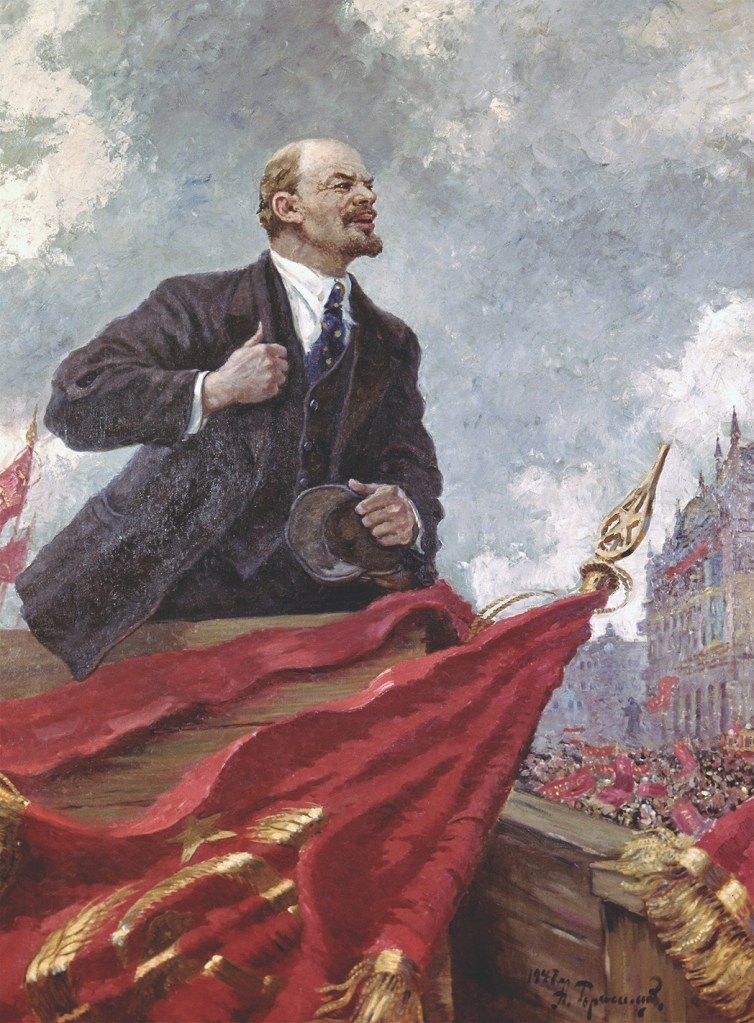
> In 1917, Vladimir Ilyich Ulyanov (renamed Lenin) promised the Russian people a future of “Peace, Land and Bread,” and relief from the yoke of Tsarist hegemony. What did he and his successors deliver instead? Seven years of brutal totalitarianism, complete with a “Big Brother” society and an archipelago of GULAGs stretching across eleven time zones from the Urals to the Pacific.
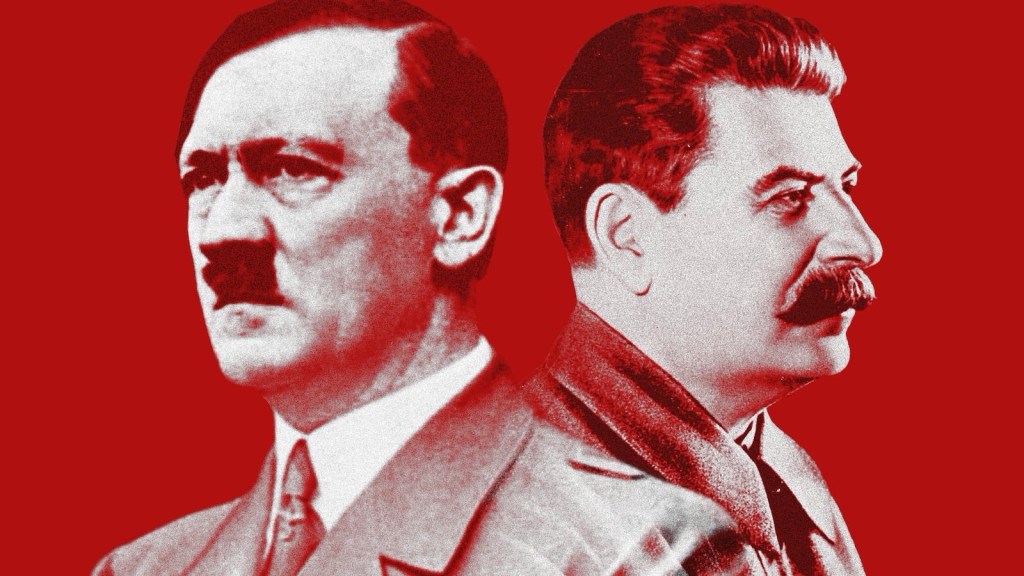
> In August of 1939, the eponymous Molotov-Ribbentrop Pact — a treaty of non-aggression guaranteeing, among other things, that the Soviet Union and Germany would remain allies and would never invade one another’s territories — was negotiated and signed by the respective emissaries of Joseph Stalin and Adolph Hitler. As the dogs of war snapped at the heels of Europe, Stalin chose to place his trust in his friend Hitler, and turned his attention to annexing parts of Finland and Romania, and all of Estonia, Latvia and Lithuania. Hitler, meanwhile, was busy invading Poland and beyond; yet he managed to find time to plan what would become Operation Barbarossa: the invasion of his professed ally, the Soviet Union, on June 22, 1941. So much for friendship and trust.
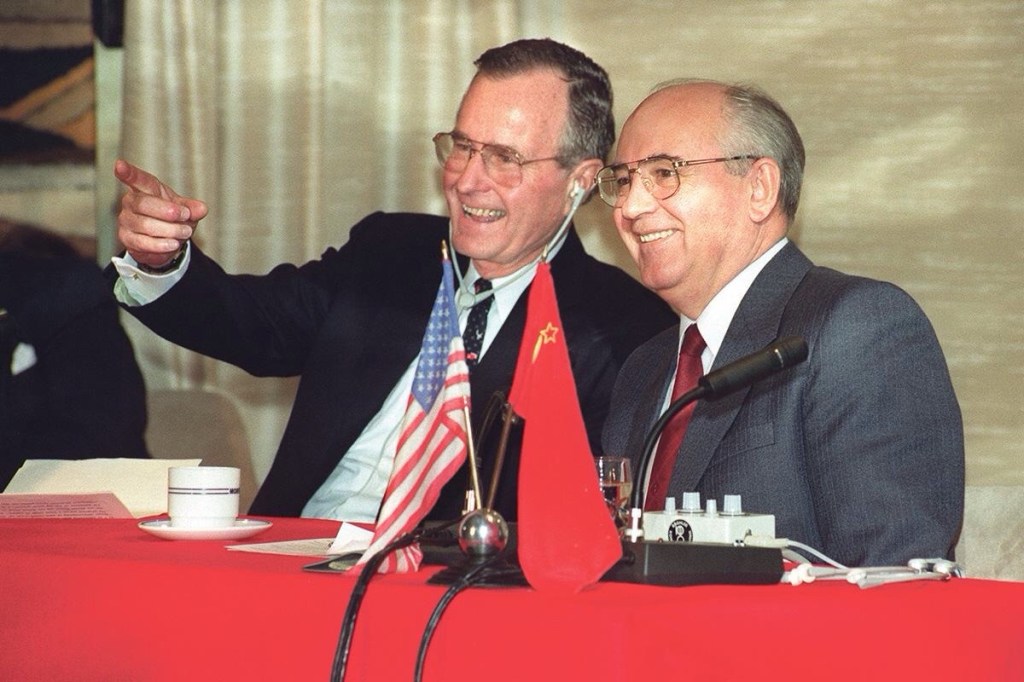
> On November 9, 1989, the Berlin Wall was breached, and three weeks later, at the Malta Summit meeting between Presidents George H.W. Bush and Mikhail Gorbachev, the Cold War was declared kaput. Two years after that, on December 26, 1991, the fifteen Soviet republics gained their respective sovereignties, and the Union of Soviet Socialist Republics ceased to exist as a political entity. Russia, we were assured, was now our friend. The march toward democracy and capitalism had begun; we could take a deep breath and relax.
So why, in the face of all of this more recent peace, good will, and back-slapping brotherhood, have we continued — throughout the remainder of the 20th Century and now well into the 21st — to spy on, undermine, and threaten one another as though all of our earlier peace initiatives had never occurred? Why have the Aldrich Ames, Bob Hanssens, and countless others been ignored until their irreparable damage has been done? Why do we still need the American CIA, FBI, NSA, and the rest of the Washington alphabet soup, to counter Russia’s still-threatening FSB, SVR, GRU, et al.?
Because, after thirty years of relative peace and quiet, we find ourselves confronted by the uncomfortable fact that we are now in a new Cold War — or, more accurately, that the old one never really ended, but has merely risen again from its own ashes.
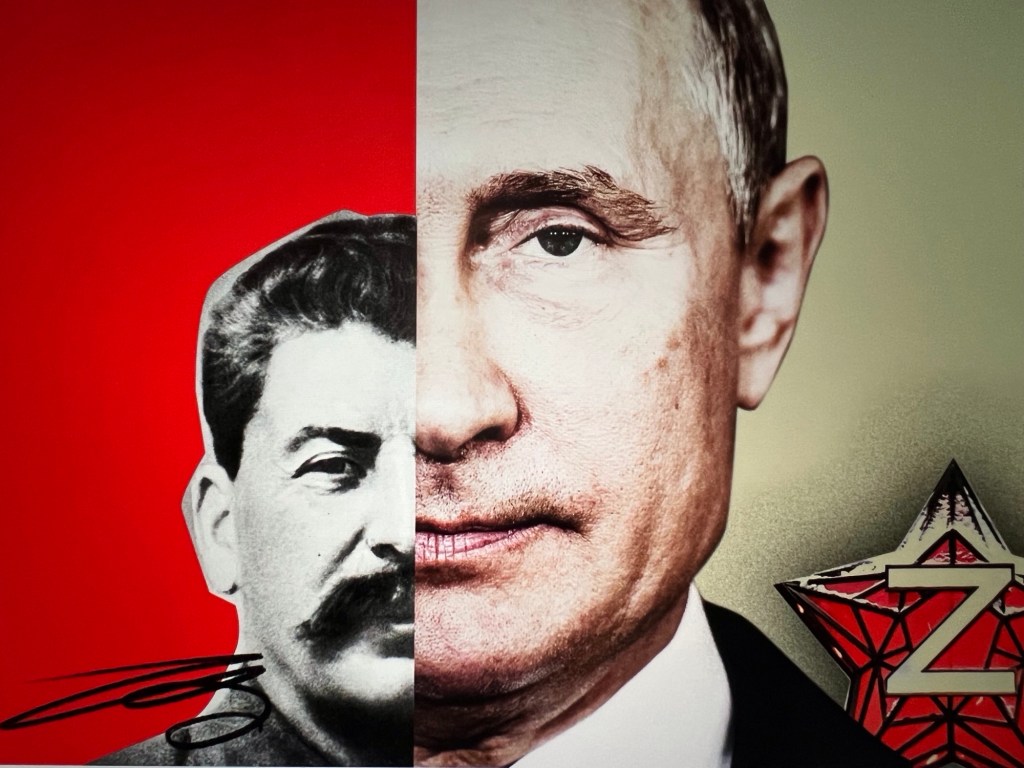
Russia rode out the 1990s under the more-or-less benign presidency of Boris Yeltsin in an atmosphere of hope and increasing prosperity. And then, while the rest of the world was focused on the burgeoning problems in the Far East and Middle East, along came Vladimir Putin, slithering his way into Yeltsin’s chair before anyone in the West even knew who he was.
Well, we know who he is now, don’t we? He is the individual who has rolled back the Russian calendar to the Stalinist era: banning dissent, shutting down all independent media outlets; imprisoning or simply assassinating those who do not comply with his new, ever-more-draconian laws; and — to ensure that the world gets his message — invading Ukraine in a blatantly obvious war of attrition that he stubbornly insists on labelling a “special military operation.”
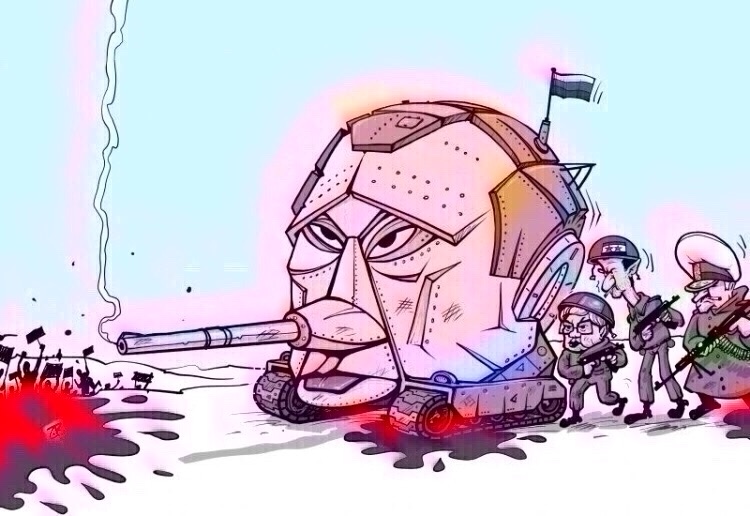
And for those who would wish Vladimir Putin gone with the wave of a magic wand or the twitch of a genie’s nose, a word of warning: Be careful what you wish for. Because standing behind him is a bevy of sycophants ready to vie for the job, each more treacherous than the last. An internecine battle in the halls of the Kremlin would truly be an historic event of apocalyptic proportions.
How have we let it come to this? I shudder as I recall those months of living in Moscow, in what were supposed to be times of peace and freedom, and slowly coming to realize then that nothing had changed in the government but the names on the doors. And the longer period of two years when I lived and worked amongst the FBI, CIA, KGB, a pair of Russian defectors, and several ancillary players who may or may not have been who or what they professed to be.
I shudder . . . not from any remembrance of long-ago events, but from the realization that, however much things may seem to progress, in reality we continue to allow them to stay the same.”
*. *. *
Just sayin’ . . .
Brendochka
2/5/26














 The Blog About Everything … and Sometimes Nothing