I count myself among the fortunate people who have never been a victim of crime . . . although a Russian street thug did once try to get his fingers into my cross-body bag on a crowded plaza in St. Petersburg, Russia, in broad daylight. I began yelling at him in Russian, threatened to call for the police, and he ran off. He thought I’d be an easy mark; he hadn’t counted on the one “helpless little lady” tourist who actually knew what she was doing.
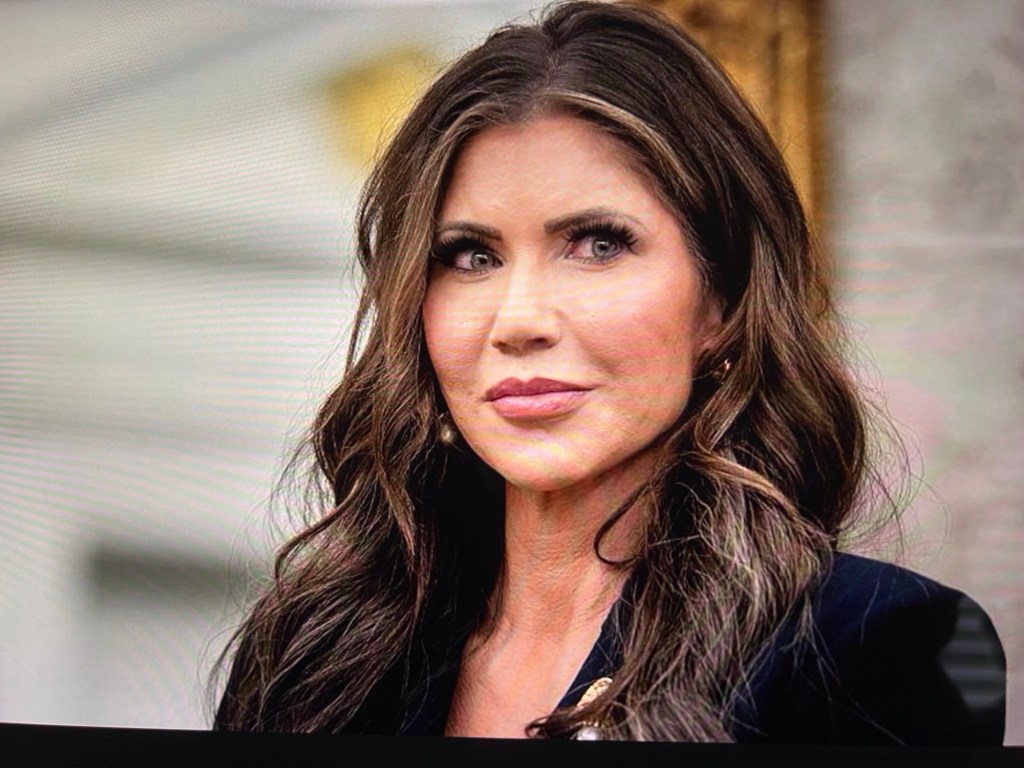
Kristi Noem
But I’m quite certain that if I had ever been unfortunate enough to lose, say, a purse to a thief — whether here or in another country — I would never see that bag, or its contents, again. My complaint to the police would be added to a mountain of similar cases, and I would be left with a promise that they would do their best, and a patronizing lecture on being more careful in the future.
However, things are different if you’re the Secretary of the Department of Homeland Security, and you’ve been careless enough to leave your bag on the floor below your table in a crowded Washington, D.C., restaurant while you’re busily engaged in conversation with your family.
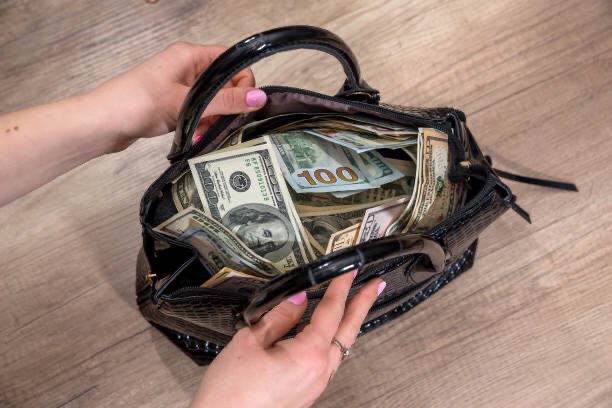
To begin with, that was no ordinary handbag. It was a “high-end Gucci bag,” containing a “Louis Vuitton Clemence wallet, . . . driver’s license, medication, apartment keys, passport, DHS access badge, makeup bag, blank checks, and about $3,000 in cash.” [Josh Campbell and John Miller, CNN, April 27, 2025.]
Surely not this obvious?!!
With that number of contents, the bag must have been fairly sizable. And even medium-size Gucci bags sell for — not hundreds — but thousands of dollars. So that thief knew what he was doing. And when he opened it, he must immediately have thought he was the luckiest petty thief in town . . . because the Louis Vuitton wallet alone could run upwards of $600, not to mention the $3,000 inside.
So this was no longer petty theft; it was theft on a grand scale. And what the thief probably did not know — at least, until he looked at the remaining contents of the bag — was that he had chosen as his victim du jour a high-level federal government official.
Forget the police; this was a case for the U.S. Secret Service. And since they already had egg on their faces for having allowed the theft to occur under their very noses, they had, shall we say, added incentive to solve the crime. Which is what they reportedly have done, within just a week’s time.
Today’s report does not mention whether the bag and any or all of its contents were recovered; but there is a fair amount of detail concerning the thief and his modus operandi. Though he is not identified by name, he is obviously not a novice at his trade.
Security footage at the restaurant showed him “purposefully moving closer to Noem as he zeroed in on her Gucci bag near her feet . . . dressed in dark clothing, [he] sat down at an empty table next to Noem with his back facing her and used his left foot to slide the bag away . . . He surveyed the restaurant before eventually picking up the bag, covering it with his jacket and leaving.” [Id.]
So, my earlier fantasies of his possibly having cartwheeled through the restaurant, or rappelled down from the ceiling, were way off the mark. He is just a very practiced sneak thief, unnoticeable in a crowd, who happened to choose his Easter Sunday victim very well. Not everyone walks around with $3,000 in cash.
As for a description of the perpetrator, Noem posted on X that he is a “career criminal who has been in our country illegally for years. Unfortunately, so many families in this country have been made victims by crime, and that’s why President Trump is working every single day to make America safe and get these criminal aliens off of our streets.” [Id.]
What the hell . . . ??!!!
Did this unnamed suspect just hand the Trump administration a huge gift of propaganda material to support their ongoing purge of immigrants? Is this suspect the actual thief . . . or was he simply arrested in a roundup of the “usual suspects” — i.e., one of Noem’s “criminal aliens”?
The report states that, aside from the one person in custody, “multiple additional arrests are expected in a theft ring recently targeting Washington, DC’s, Penn Quarter area.” And a Secret Service representative has said that “the defendant is a serial offender.” [Id.]
So . . . stay with me here . . . if he has been in the country illegally for a number of years; and if he is indeed a serial offender; and if he is possibly part of a theft ring operating in D.C.; and if neither he nor any of the other members of the purported “ring” have been apprehended until now; then how is it that he was so easily identified and taken into custody this week?
Could it be because the victim — Homeland Security head Kristi Noem — was a person of substance . . . a government official . . . a Trump ally? Because the incident was an embarrassment to the Secret Service, and had to be rectified? Or because the Secret Service acted more quickly and efficiently than the D.C. Police Department might have done if the stolen goods had belonged to you or me?
Whatever the case, the truth is that — despite the promise of the Constitution that we are all considered equal under the law — we are not.
There was a soap opera that ran on CBS-TV for an incredible 54 years, from 1956 to 2010, called “As the World Turns.”
I’ve never been a fan of soap operas in general; but it appears that the entire world, myself included, is living one now, in real time. It’s only been running since January 20th of this year . . . but it seems an eternity. And it could aptly be named, “As the World Comes to a Screeching Halt.”
But this is no tale of all-American families coping with the vagaries of daily life. This is disaster after disaster . . . day after day . . . never letting up long enough for us to catch our collective breath. And if that’s not enough, the people calling the plays keep moving the damned goalposts.
Like Donald Trump. (You knew that was coming, didn’t you?) Well, he did it again yesterday.
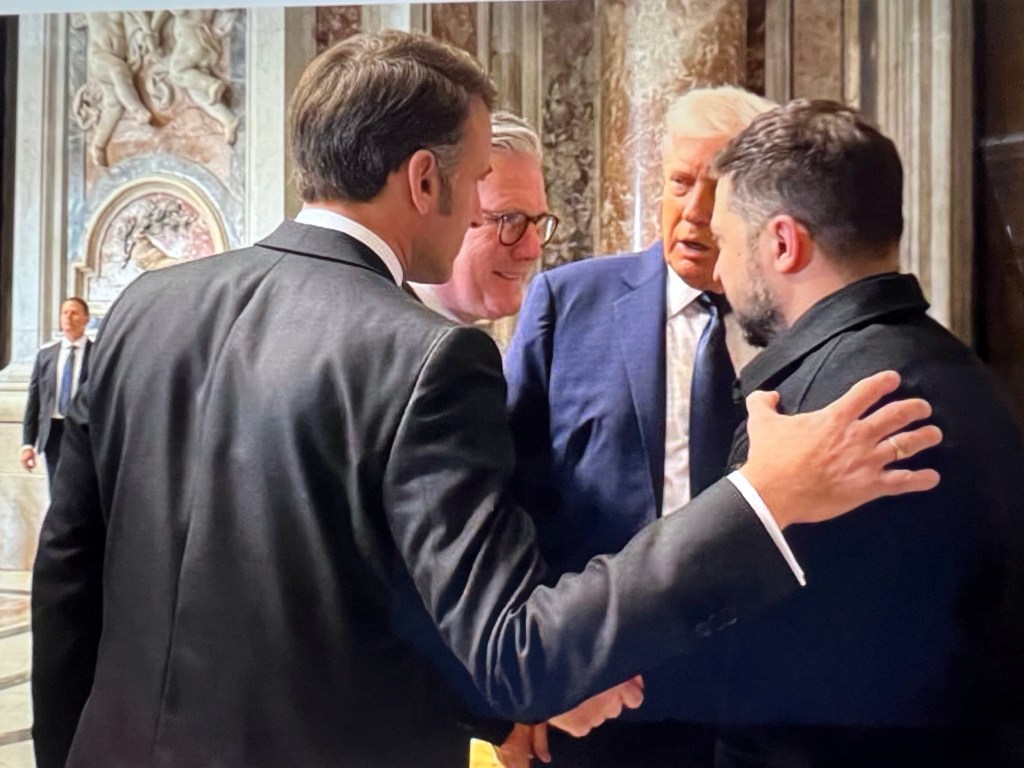
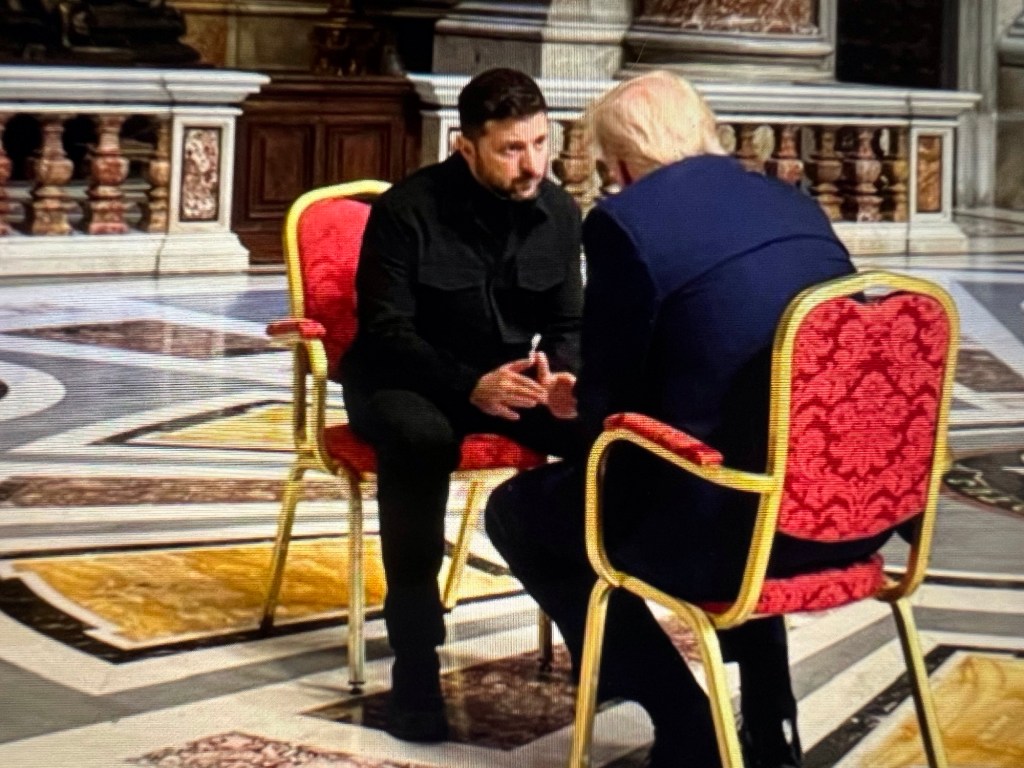
After weeks of stomping on Ukrainian President Zelensky, while double-jointedly kissing the backside of Russian President Putin, he suddenly came up with the following mind-blowing comments following meetings with Zelensky and with French President Macron and British Prime Minister Starmer . . . while in the Vatican for the funeral of Pope Francis, no less:
“They [Russia and Ukraine] are very close to a deal, and the two sides should now meet, at very high levels, to ‘finish it off.’ Most of the major points are agreed to. Stop the bloodshed, NOW. We will be wherever is necessary to help facilitate the END to this cruel and senseless war!” [Molly Nagle, Alex Ederson and Hanna Demissie, GMA, April 26, 2025.]
In the Vatican: President Macron, P.M. Starmer, Donald Trump, President ZelenskyOne-on-One in the Vatican
But the real shocker came when Trump posted on his social media platform Truth Social: “There was “no reason for Putin to be shooting missiles into civilian areas, cities and towns, over the last few days. It makes me think that maybe he doesn’t want to stop the war, he’s just tapping me along, and has to be dealt with differently, through ‘Banking’ or ‘Secondary Sanctions?’ Too many people are dying!!!” [Tim Lister, Catherine Nicholls and Sophie Tanno, CNN, April 26, 2025.]
“Just tapping you along”? Really?!! You’re just now figuring that out??!!!
And Zelensky, thanking Trump for the “good meeting,” posted on social media:
“We discussed a lot one on one. Hoping for results on everything we covered. Protecting lives of our people. Full and unconditional ceasefire. Reliable and lasting peacethat will prevent another war from breaking out. Very symbolic meeting that has potential to become historic, if we achieve joint results.” [Id.]
Well, if that isn’t a complete 180 from what he’s been told until now . . .
Suddenly, Trump is talking tough to Putin, and holding out hope to Zelensky . . . the man he recently demolished with a shameful verbal attack in the White House. And in view of all of this, I’d like to request:
“Will the real Donald Trump please stand up.”
Because there is never any way of knowing what he means, or what he might say next. For that matter, we don’t know what’s being discussed in his phone calls with Putin, or in the meetings between Putin and real-estate-investor-turned-negotiator-without-portfolio Steve Witkoff. What surprises might they have in store for Zelensky?
*. *. *
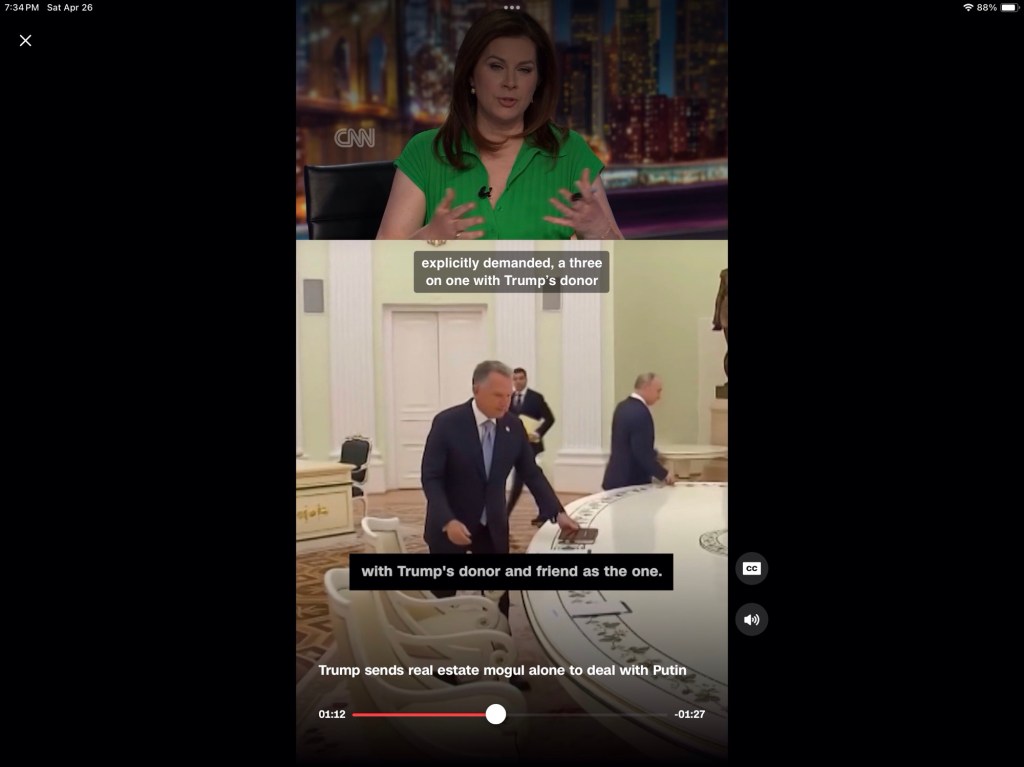
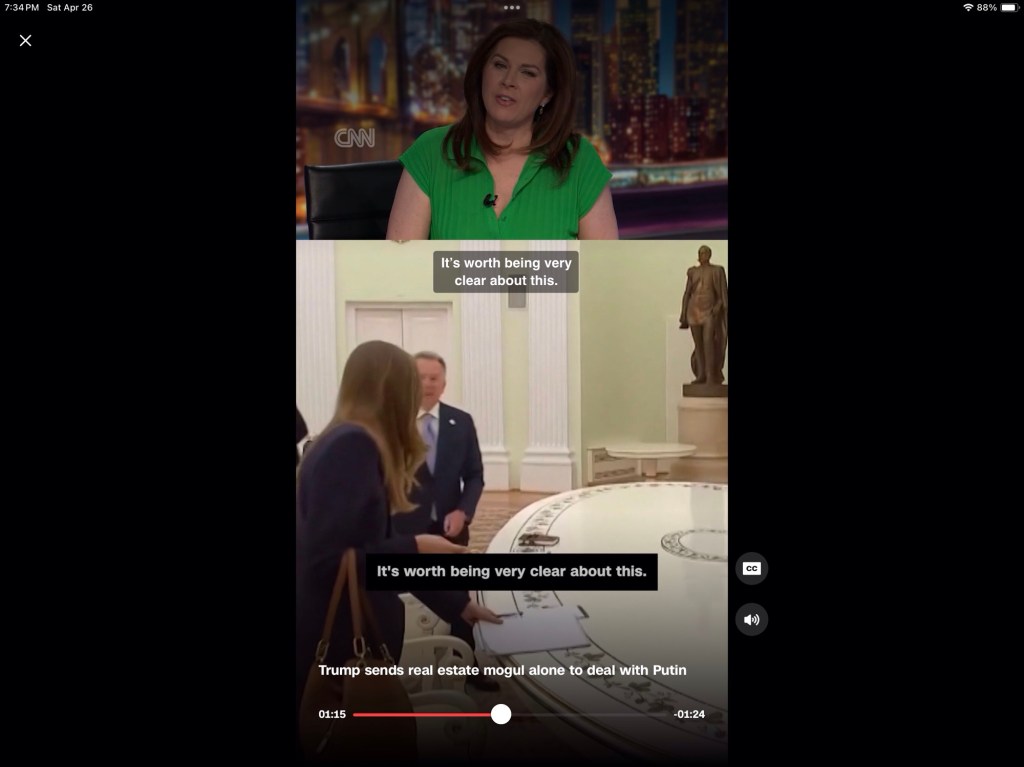
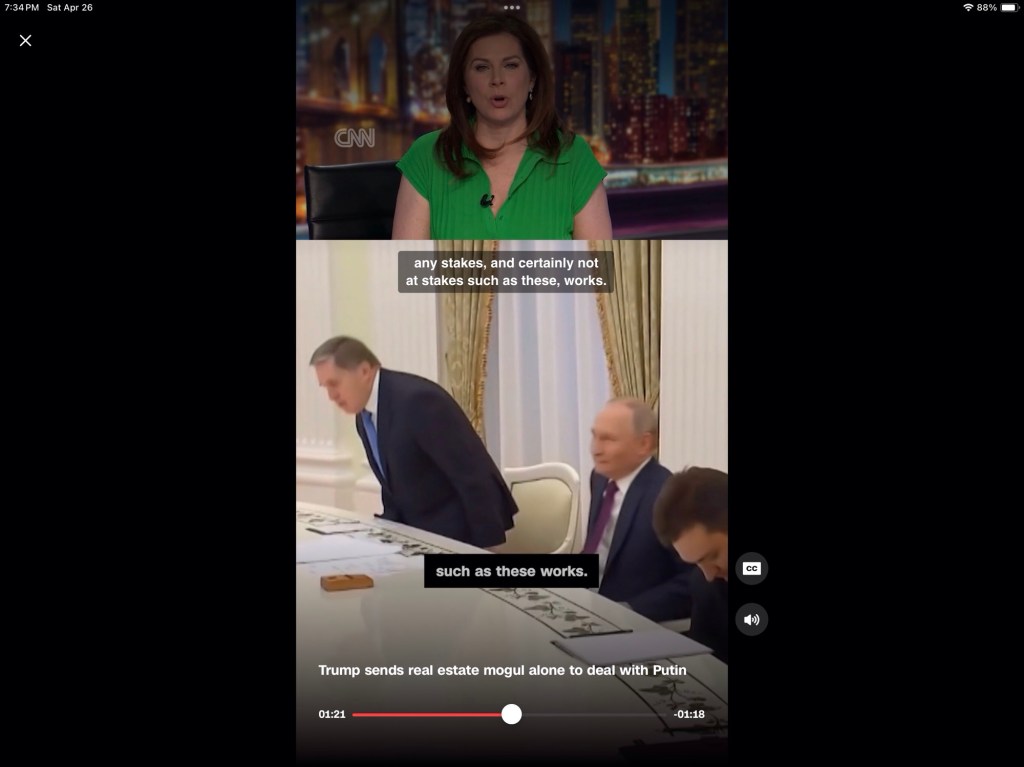
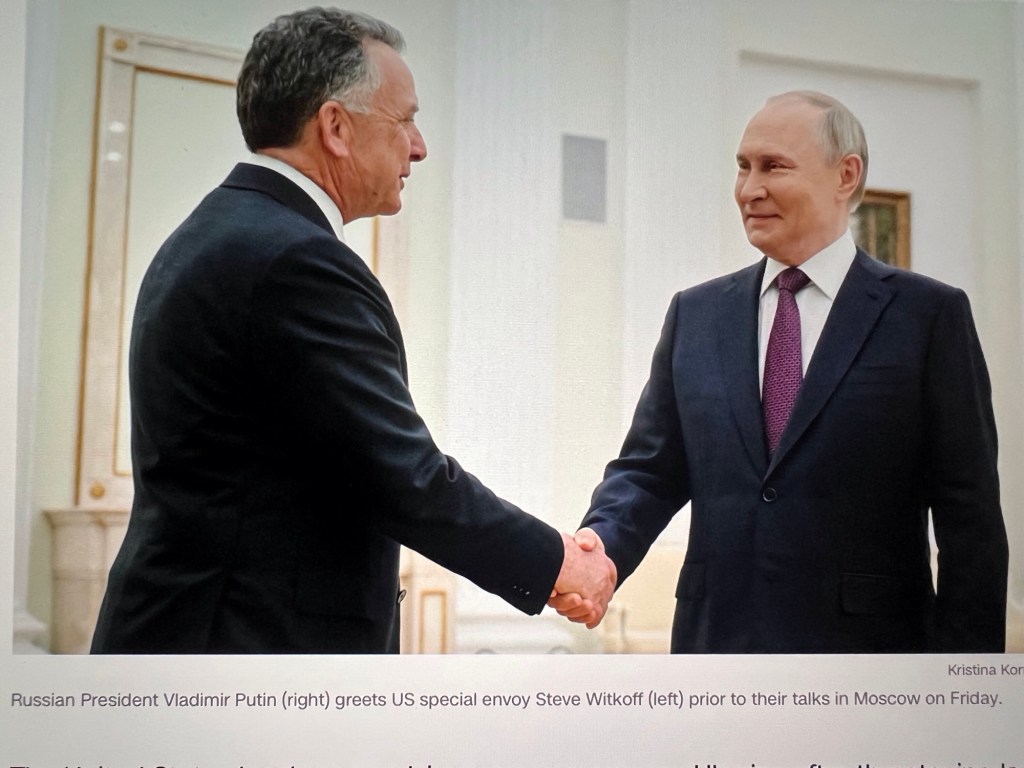
And speaking of that last Putin-Witkoff meeting in Moscow, how does the U.S. negotiator walk alone . . . by himself . . . unaccompanied . . . into a meeting with the Russian president and two of his top advisers — Yuri Ushakov and Kirill Dmitriev — with only a Russian interpreter, and none from the U.S., present?
[The following photos are screen shots from a CNN broadcast.]
Witkoff Entering AloneMeeting the Russian InterpreterThe Russian Side of the Table
That’s three experienced, diabolically savvy politicians against one businessman with zero background in politics or diplomacy who, like his boss, takes whatever Putin tells him as gospel.
Can you say “set-up”?
All we can do is tune in tomorrow for the next episode in the continuing drama of:
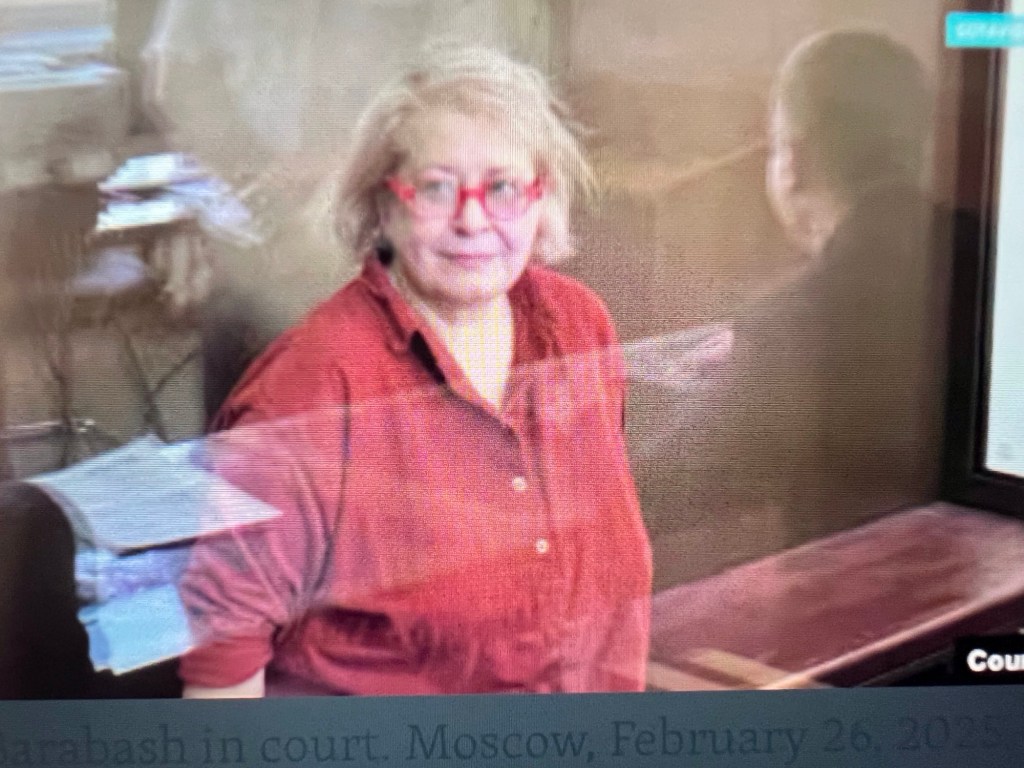
Earlier this month, Russian film critic Yekaterina Barabash appeared in a Moscow court, where she was sentenced to two months of house arrest for allegedly spreading lies about Russia’s war against Ukraine.
Yekaterina Barabash – In a Moscow Court
Upon leaving the courtroom, she said that her arrest had been a surprise:
“The doorbell rings and [you expect] a kind person, you open the door and there are men in masks.” But she added, “at least I’ll have two months of freedom.” [Ray Furlog, RFE/RL’s Russian Service, April 22, 2025.]
What she meant by the second comment was not entirely clear; she may have been anticipating that further charges would be forthcoming, or she might have been thinking of making a run for it. At some point earlier this month, she was designated a “foreign agent” by the Russian Justice Ministry — a commonly-used moniker for those who speak out against official government policy.
My Image of a “Foreign Agent”
When authorities went to her home on April 13th to carry out a routine check, they found that she was not at home . . . a clear violation of her two-month sentence. On April 21st, the Russian prison agency issued a statement to that effect, after which a Moscow court changed her sentence, making her subject to a term of up to ten years in prison. A warrant has now been issued for her arrest.
*. *. *
But what had she really done?
When Russia invaded Ukraine in 2022, Barabash condemned the action, saying that Russian forces had “bombed the country, levelled [sic] whole cities to the ground.” [Id.] As Russian authorities maintained that no state of “war” existed, and that the action was merely a “special military operation,” not targeting civilians, such comments were deemed illegal . . . and grounds for prosecution. But she continued to speak out, even appearing on RFE/RL’s Russian Service programs and criticizing the Kremlin’s authoritarian rule.
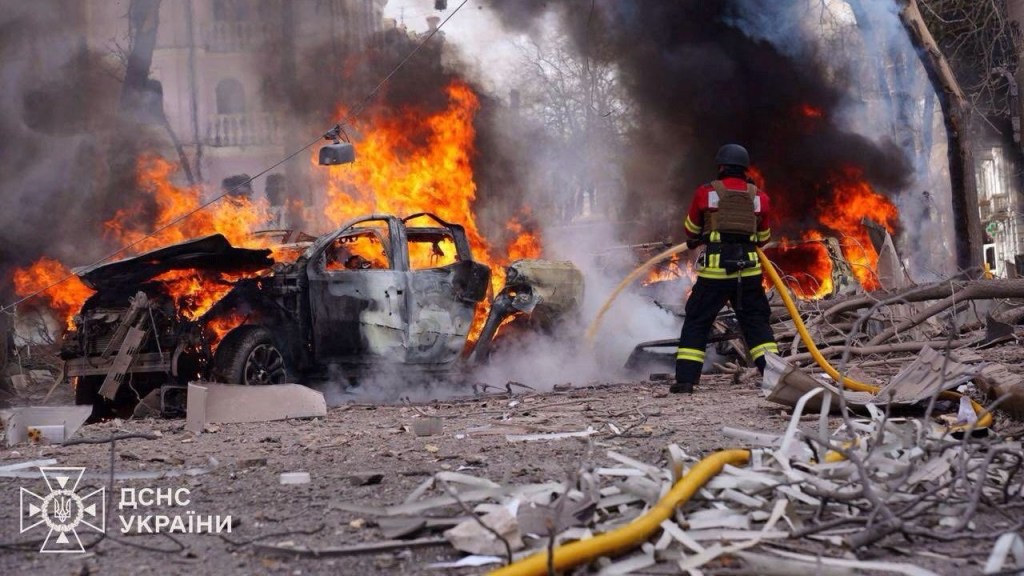
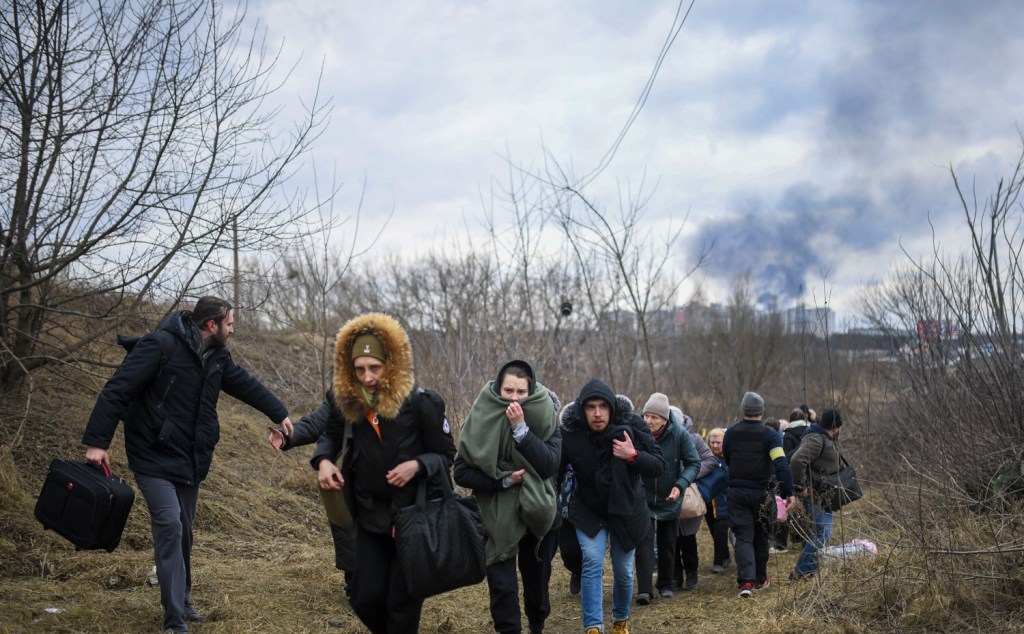
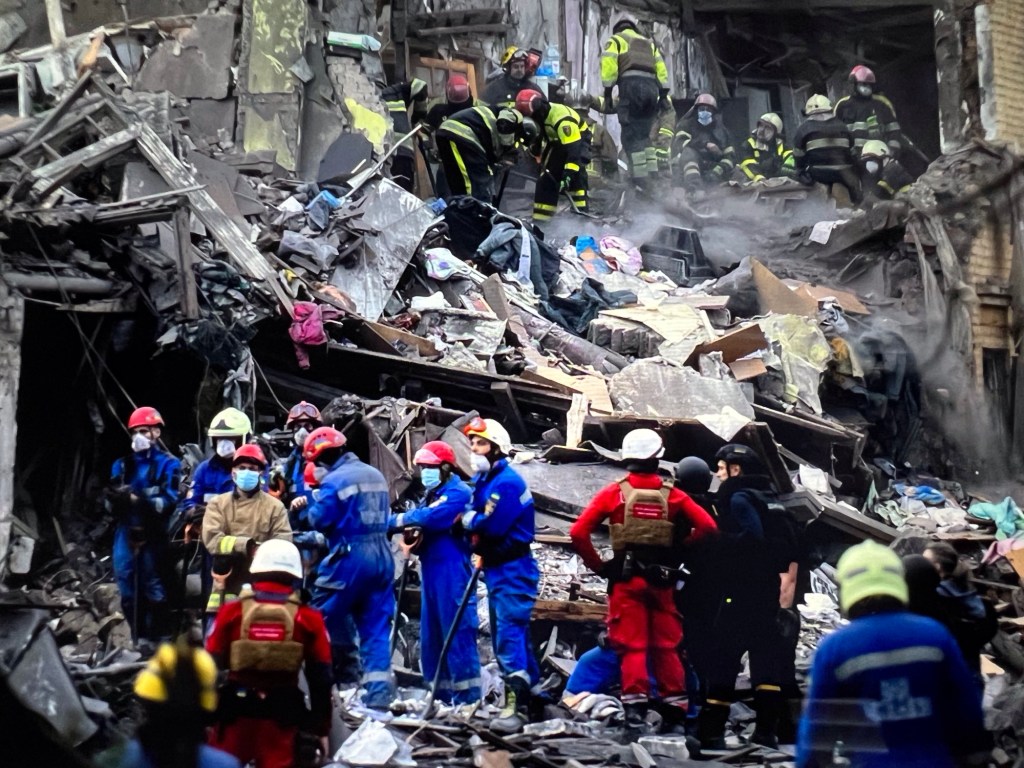
Russia’s Idea of a “Special Military Operation” – Kyiv, April 2025
*. *. *
Bravely, Barabash’s friends and other supporters stand behind her. Author Anna Berseneva wrote that “millions of decent people think the same as Yekaterina Barabash.” And critic Andrei Plakhov has said that she is “an honorable, principled person — a serious risk factor right now.” [Id.]
And Plakhov could not be more correct. You only have to consider the growing list of journalists and others now in prison for similar “offenses” . . . and the many who have already fled the country.
For her sake, I hope that Yekaterina Barabash has been able to do the same.
Just sayin’ . . .
*. *. *
While Yekaterina Barabash remains missing, she (happily) does not qualify to be added to our list of hostages. But we continue to remember and support those who still languish in Russian prisons and penal colonies on spurious charges:
The Azov 12 David Barnes Ales Bialiatski (in Belarus) Gordon Black Andrei Chapiuk (in Belarus) Antonina Favorskaya Konstantin Gabov Robert Gilman Stephen James Hubbard Sergey Karelin Ihar Karney (in Belarus) Vadim Kobzev Darya Kozyreva Artyom Kriger Uladzimir Labkovich (in Belarus) Michael Travis Leake Aleksei Liptser Ihar Losik (in Belarus) Daniel Martindale Farid Mehralizada (in Azerbaijan) Nika Novak Marfa Rabkova (in Belarus) Igor Sergunin Dmitry Shatresov Robert Shonov Eugene Spector Valiantsin Stafanovic (in Belarus) Siarhei Tsikhanouski (in Belarus) Laurent Vinatier Robert Romanov Woodland Vladislav Yesypenko (in Crimea) Yuras Zyankovich (in Belarus)
. . . and any others I may have missed.
We haven’t stopped pressing for the safe return of each and every one.
Was there ever any doubt the Russians would blame Ukraine for yesterday’s car-bomb killing of General Yaroslav Moskalik? In fact, on the very day of the bombing, the Kremlin had already said that “[Kyiv] continues its involvement in terrorist activities inside our country.” [Frances Mao, BBC News, April 26, 2025.]
No surprise there . . . not really. But it is mind-boggling to note how quickly they managed to apprehend someone they identify as “Ukrainian special services agent Ignat Kuzi [for]plant[ing] explosives in a Volkswagen Golf” . . . which were then allegedly detonated remotely from Ukraine. [Id.]
According to the FSB (Federal Security Service), Kuzi was a spy who had been recruited by Ukraine in 2023, and had arrived in Moscow by car in September of that year. He has supposedly been in Moscow, spying for Ukraine, for nearly two years without detection; but within 24 hours of allegedly committing this crime, he has been identified, apprehended, and given a full confession.
That’s some amazing police work!
Russian media say that the FSB has released a video of Kuzi giving a confession, along with footage of his arrest and of the bomb’s components [id.] . . . though I haven’t seen any photographs of the suspect in the news reports as yet. And thus far, there has been no comment on the matter from Ukrainian authorities.
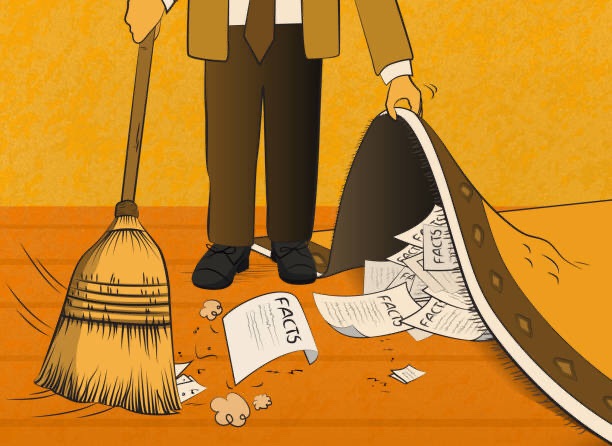
It’s still early days, though, so we will have to wait and see how it plays out . . . or whether it simply gets swept under the proverbial rug.
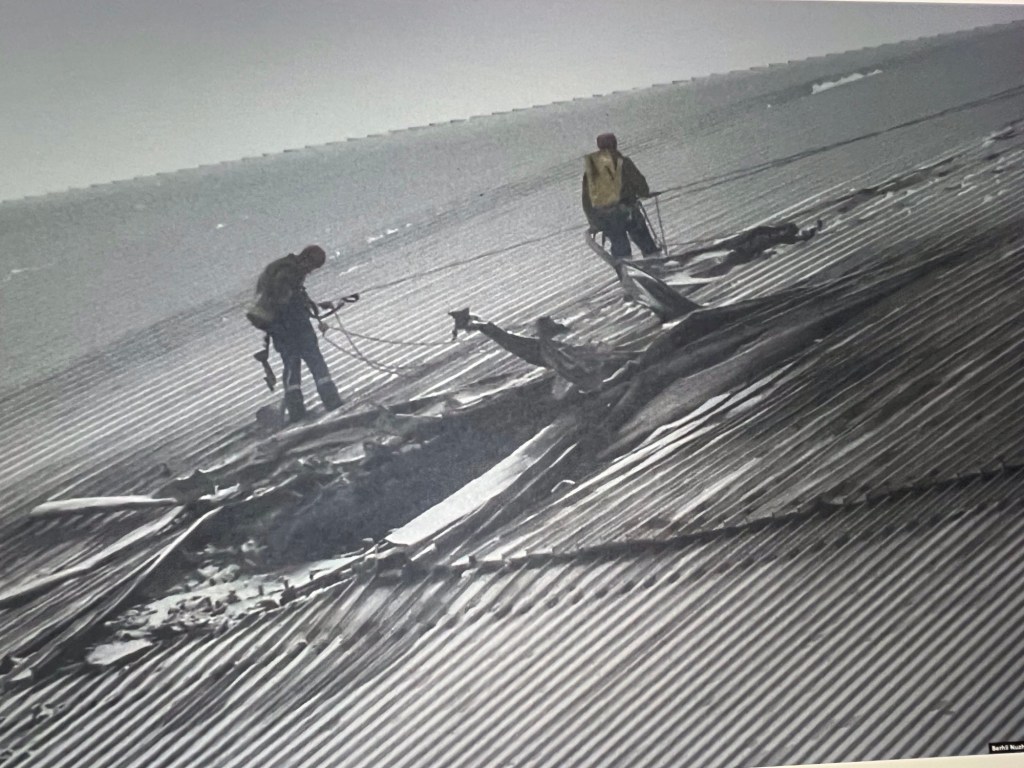
It isn’t as though the people of Ukraine haven’t enough to worry about. Now — 39 years after the disastrous explosion at the Chernobyl nuclear power plant — they’re grappling with the question of how to repair the massive hole created by a Russian drone attack on the top of the confinement shelter . . . the structure that is the only thing preventing further deadly contamination from escaping into the environment.
Ukrainian Workers Inspecting Russia’s Handiwork
Thus far, there has been no increase detected in radiation levels outside the shield since the drone strike on February 14th of this year. But beneath the shield, the original sarcophagus that was built to encase the debris following the explosion is crumbling. And, according to Shaun Burnie, a nuclear expert with Greenpeace, radiation levels are “ . . . so high next to the actual sarcophagus, the reactor unit, that you can’t work above it. It’s a very, very serious, enormous challenge for Ukraine at a time when it’s faced with so many other challenges, and so the international community really needs to step in and support.” [Stuart Greer and Oleh Haliv, RFE/RL’s Ukrainian Service, April 26, 2025.]
The confinement structure was completed in 2019 by a 45-nation cooperative project costing $2.2 billion. It was predicted by the United Nations to “make the reactor complex stable and environmentally safe for the next 100 years.” [Id.]
But the U.N. hadn’t counted on Vladimir Putin’s invasion of Ukraine just three years later, or his indiscriminate firing of missiles and drones in all directions.
I’ve written of my experiences in Kyiv in 1993 — seven years after the Chernobyl disaster — when simply breathing the air caused a severe sore throat that persisted until I left Ukraine. I shudder to think of what might happen — not only to the people of Ukraine, but to the entirety of Europe and beyond — if this damage isn’t repaired and the older sarcophagus begins to leak.
Greenpeace’s Burnie points out that repairs will be costly, and Ukraine will need funding from the international community. The damage is currently being assessed, but Burnie says:
“They have to come up with a longer-term plan, which will be very extensive, very complicated, and potentially horrendously expensive.” [Id.]
Since this massive problem is just one more “gift” from Vladimir Putin to the people of Ukraine, I have a suggestion for him:
“You broke it; you fix it.”
And don’t try to whine that Russia can’t afford it. All you have to do is end the war that you started.
Imagine that you own a nice home, long since paid for. It belonged to your parents before you, and your grandparents before them. You grew up in it, then inherited it; you love it; you’ve cared for it; and you are now raising your own children in it.
But your neighbor covets your house and land, even though he has property of his own. He tries to force you to give it to him, threatening the well-being and the very lives of your loved ones. But you take a stand and refuse to move, reminding him that this is your property . . . not his. It has never been his.
Still, he persists, and his threats elevate. So a third party — supposedly neutral — is brought in as an arbitrator. But instead of reaching a conclusion based on the facts and legal documents, he realizes that the bullying neighbor is in a position to do favors for him, while you are not; so he sides with the neighbor, and tells you that if you will simply hand over your property, perhaps you and your family will be allowed to continue living . . . just not in your own home.
Ukrainian War Victims
And neither the neighbor nor the arbitrator seems to understand why you think this is unfair.
*. *. *
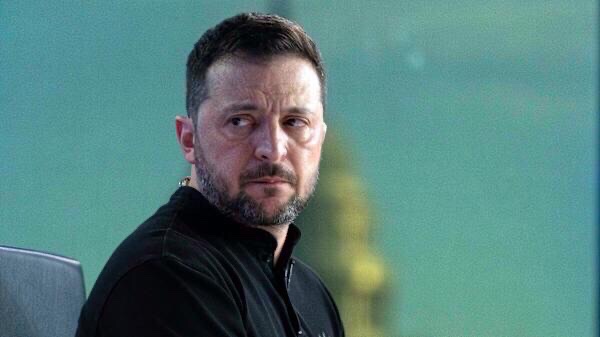
And that is precisely the ultimatum that has been presented to Volodymyr Zelensky, President of Ukraine, by Donald Trump and his special envoy, Steve Witkoff.
Following a fourth meeting yesterday between Witkoff and Vladimir Putin in Moscow — also attended by Russian presidential aide Yuri Ushakov and negotiator Kirill Dmitriev — Ushakov told reporters that the three-hour talk had been “constructive and very useful,” adding:
“This conversation allowed the Russian and US positions to be further brought closer together, not only on Ukraine, but also on a number of other international issues.“ [Darya Tarasova, Ivana Kottasova, Nick Paton Walsh and Sophie Tanno, CNN, April 25, 2025.]
Deciding the Future of a Nation
Thus far, Trump’s proposal would entail Kyiv’s ceding large swaths of territory to Russia, including the recognition by the United States of Crimea as Russian territory — an option considered by Zelensky to be a constitutional impossibility — as well as giving up Ukraine’s ambition to become part of NATO.
Another of Putin’s conditions — in which Trump has also expressed an interest — would be the lifting of sanctions against Russia . . . a move clearly, and understandably, not favored by European allies.
In yesterday’s meeting, Ushakov said that there had been a discussion of the issue of direct talks in the near future between Moscow and Kyiv as to a cessation of hostilities:
“As for the Ukrainian crisis itself, the discussion was, in particular, about the possibility of resuming negotiations between representatives of the Russian Federation and Ukraine.” [Id.]
The Homeowner and the Neighbor
*. *. *
Meanwhile, in Rome for the funeral of Pope Francis, Trump wrote on social media that Russia and Ukraine are “very close to a deal” to end the war:
“A good day in talks and meetings with Russia and Ukraine. They are very close to a deal, and the two sides should now meet, at very high levels, to ‘finish it off.’” [Id.]
I don’t know what Donald Trump considers “very close to a deal,” or how he thinks they’re going to “finish it off.” But it seems painfully obvious that someone — in this case, an entire country — is on the verge of losing their home . . . and to hell with facts, fairness, or legalities.
The bully will get his way.
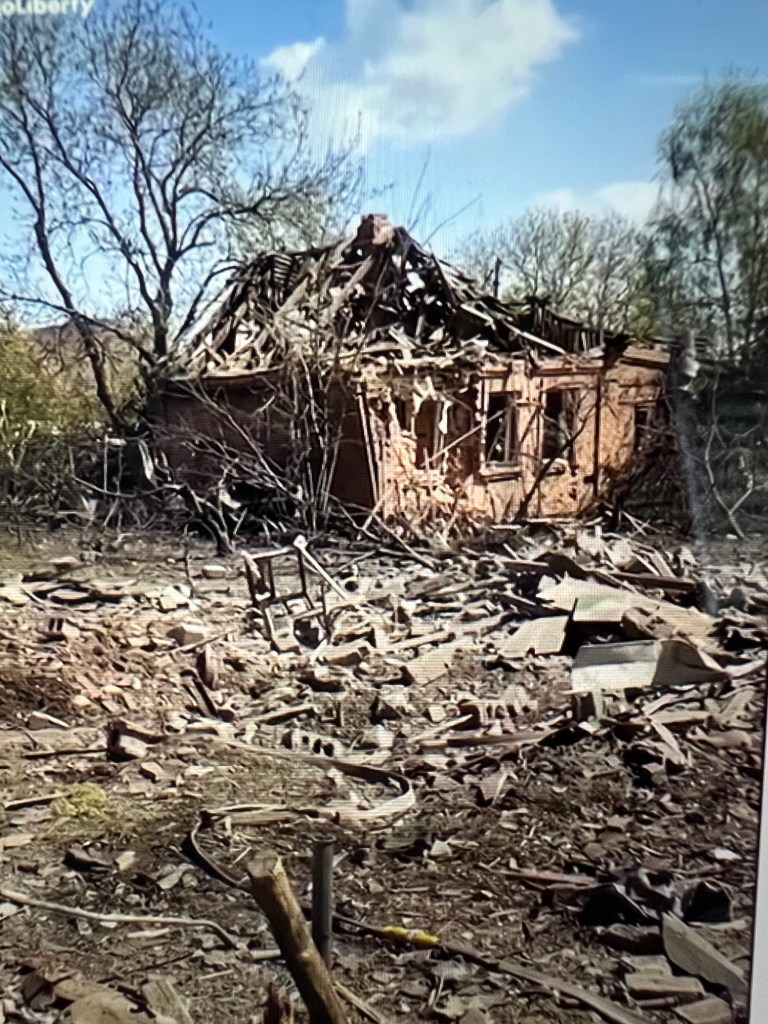
A Family Home in Dnipropetrovsk After a Russian Attack
After three weeks in Canada with her family, Anneesa and son Wesley said a tearful goodbye once more, and made the long flight from Toronto back to Russia, changing planes somewhere in Turkiye.
Saying Goodbye Again
While in Saskatchewan, they obviously did a boatload of shopping, because they had four times the amount of their original luggage on the return trip. She also left her parents in the midst of selling and packing up the house they’ve lived in since she was three years old, which meant saying goodbye to her childhood home as well.
Memories of the Old Homestead
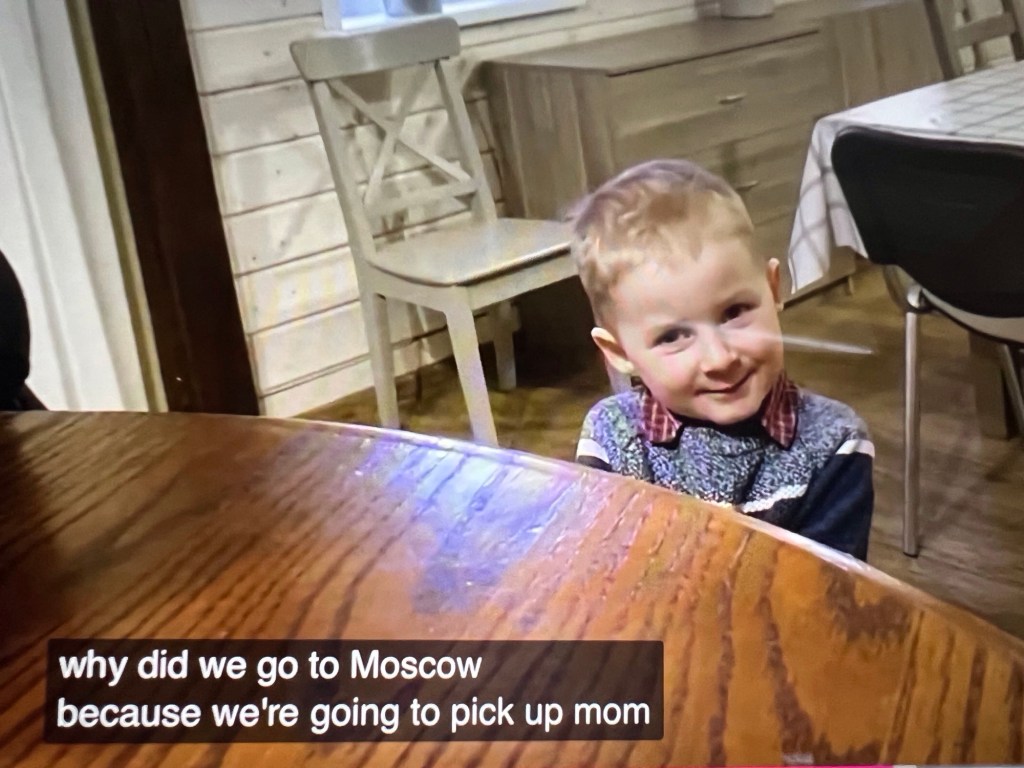
Meanwhile, back at the farm in Nizhny Novgorod, Arend and little Finley had made preparations to drive to Moscow to reunite with the two missing family members. Because of the late hour of the arriving flight, they rented the same house they had stayed in once before, but just for an overnight stay this time, before facing the long drive back to the farm the next day.
Mom’s Coming Home
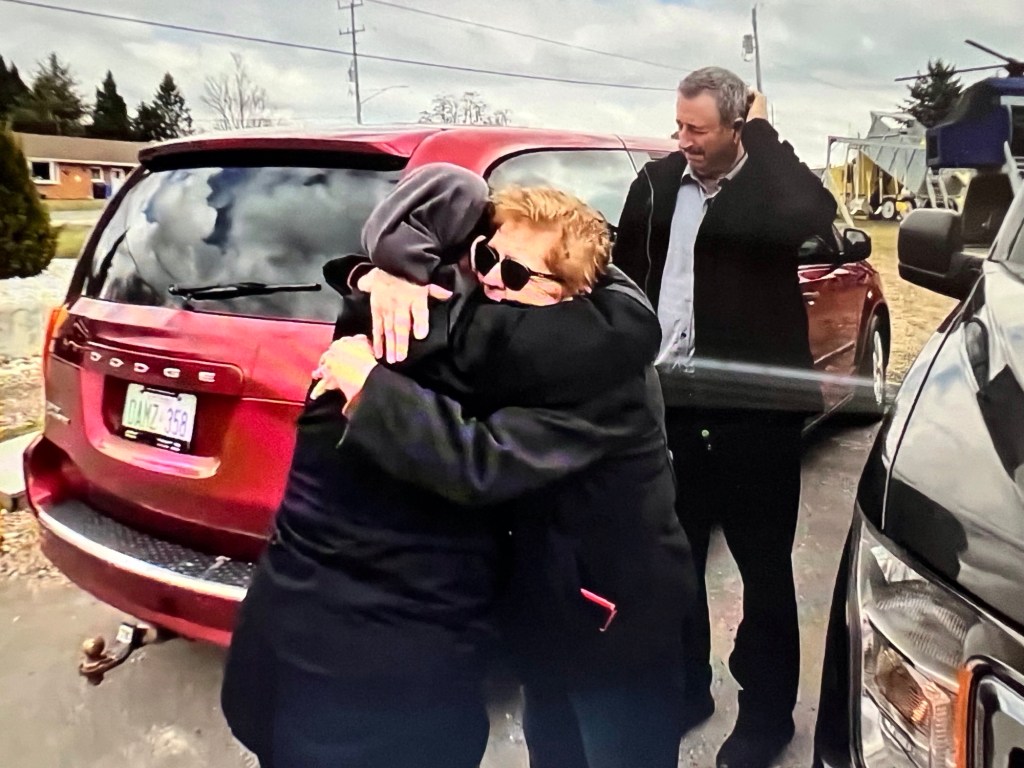
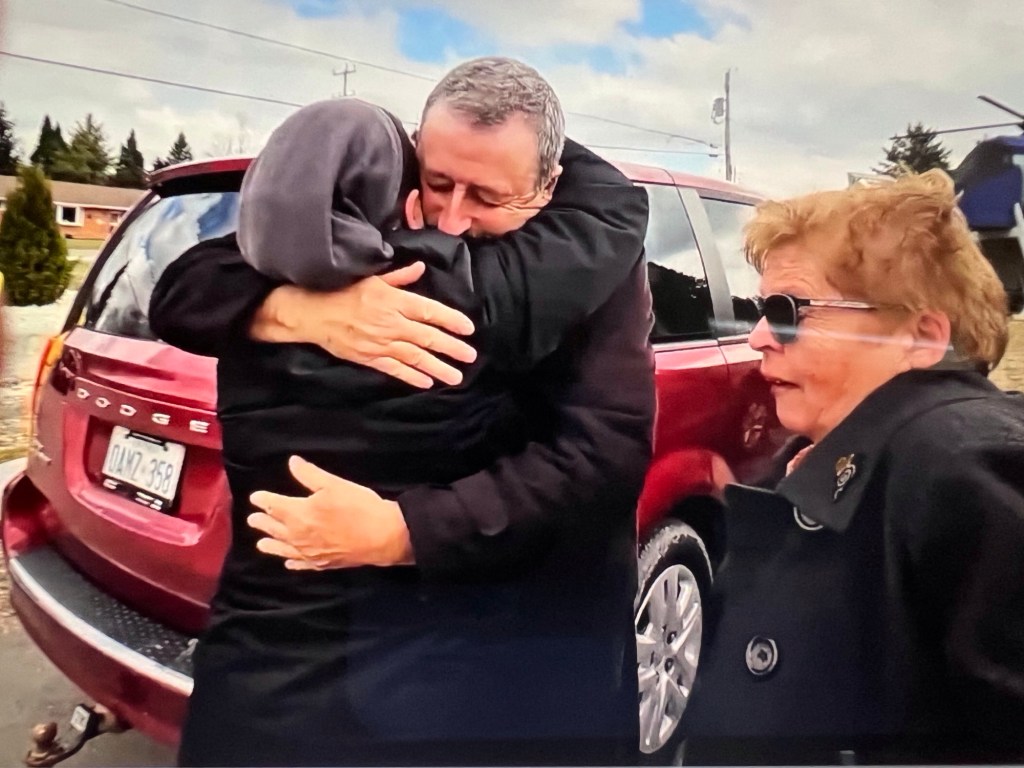
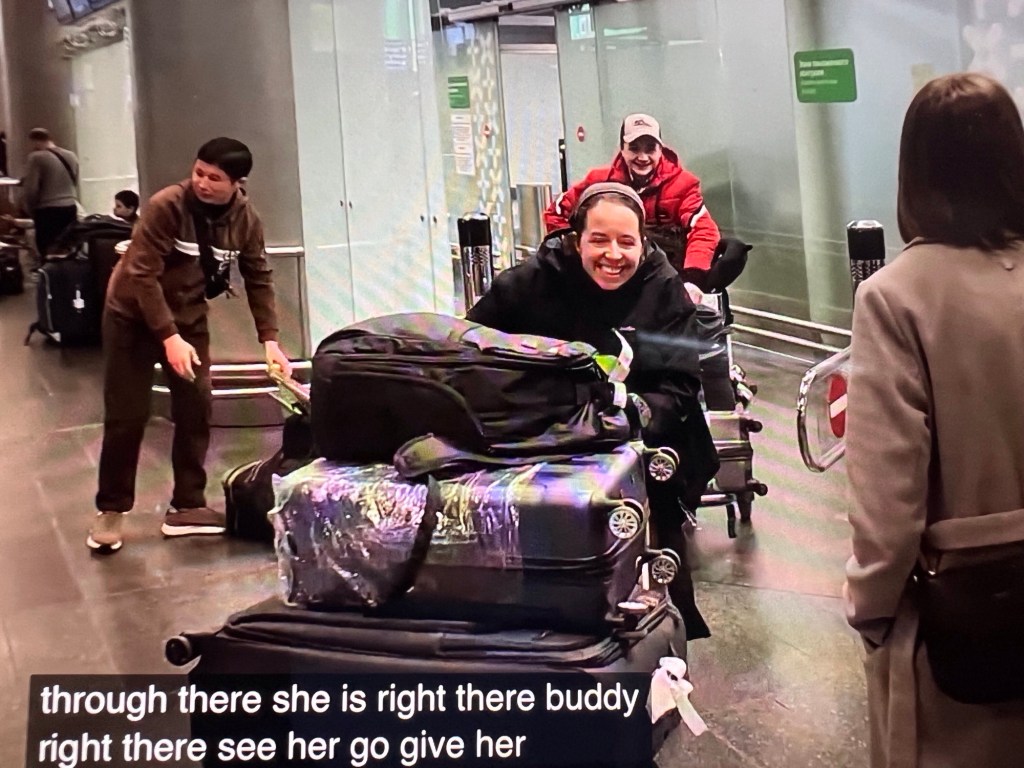
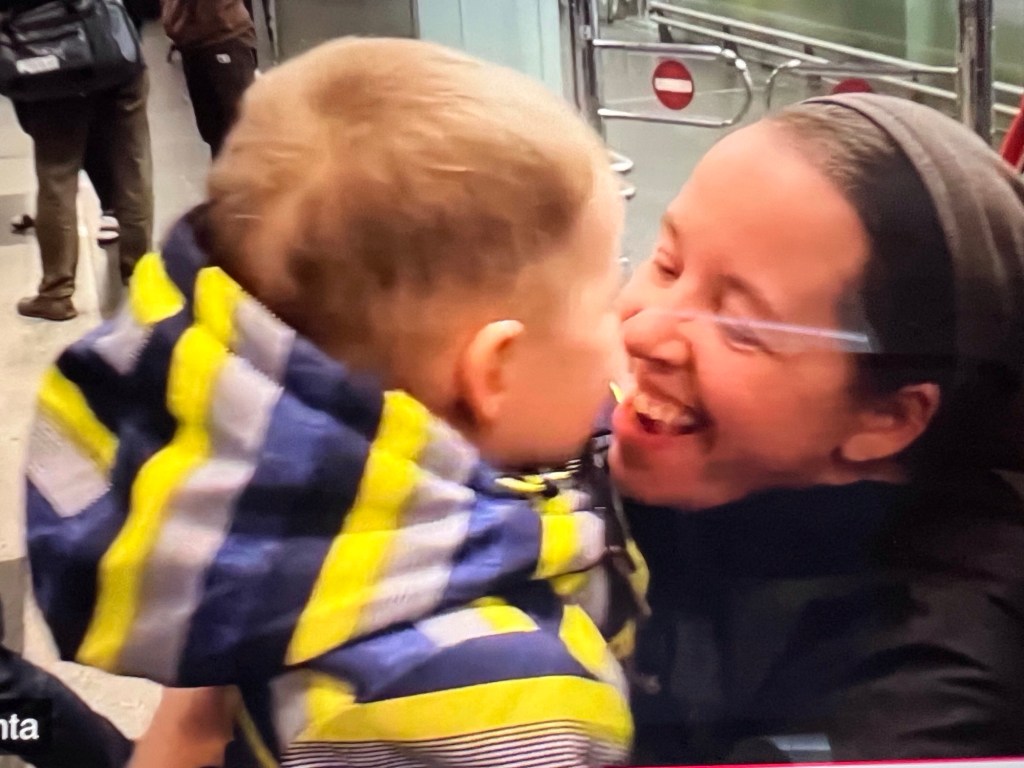
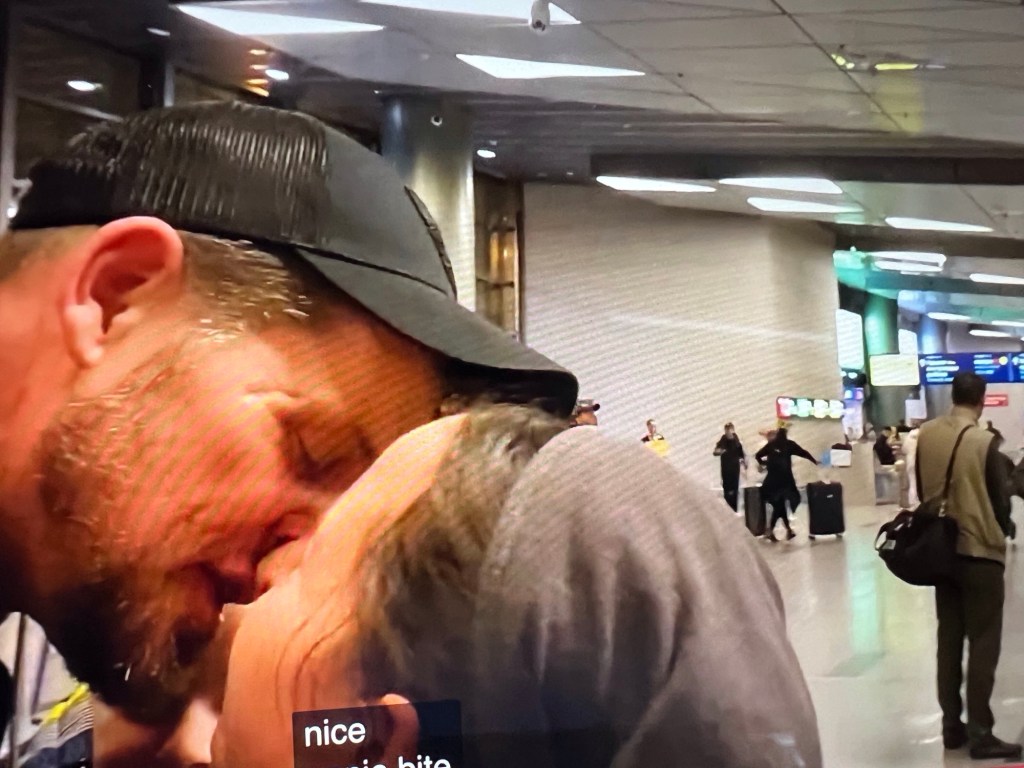
And after the usual delays involved in getting through security and customs, they were back together — Arend saying that three weeks was the longest they had ever been apart, and that it had felt like losing a part of himself.
Here They Come!Yay! She’s back!Welcome Home
So all of the Feenstras are now back on Russian soil, where they apparently feel they belong. Though I still can’t comprehend their rationale in choosing Russia over Canada, I will say that I have never seen such a close-knit, devoted family.
Hopefully, that will continue to sustain them through the years ahead.
In December, Ukrainian intelligence claimed responsibility for the assassination of Russian Lieutenant General Igor Kirillov by a bomb planted in a scooter outside his apartment building in Moscow.
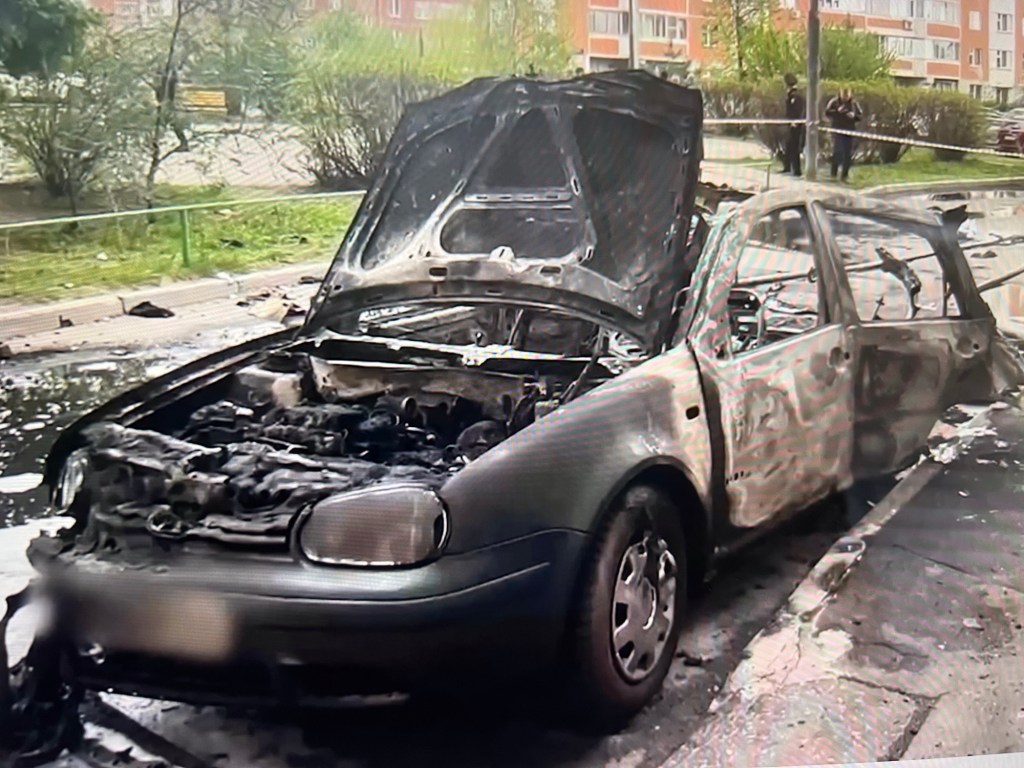
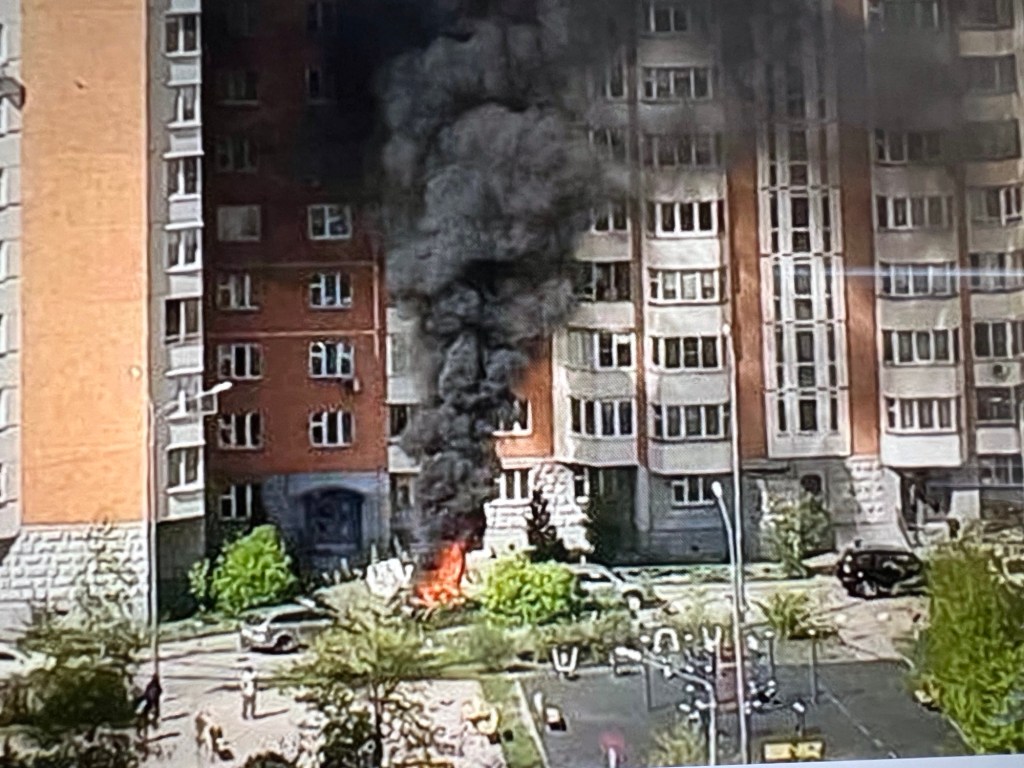
Thus far, there has been no comment from Ukraine regarding today’s car-bomb killing of yet another senior Russian military officer outside of his apartment building in the Moscow suburb of Balashikha.
The Murder Weapon
As in the earlier incident, today’s bombing was activated by remote control as Lieutenant General Yaroslav Moskalik approached the vehicle. The bomb has been described by investigators as “a homemade explosive device filled with shrapnel.” [RFE/RL, April 25, 2025.]
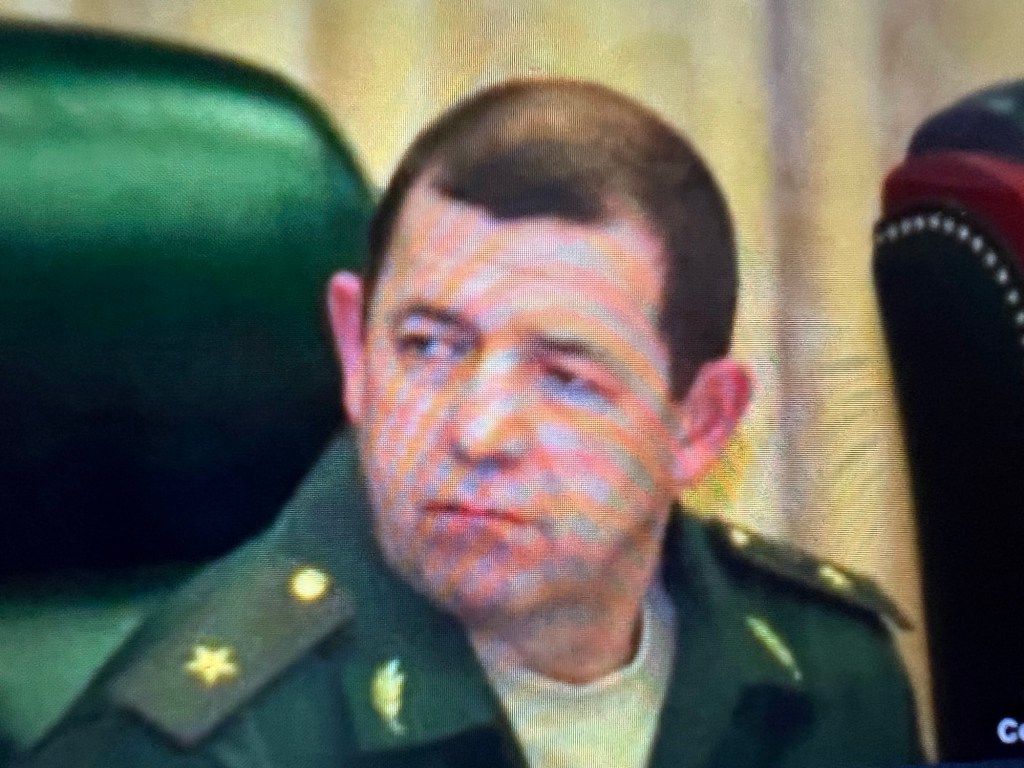
The Victim: Lieutenant General Yaroslav Moskalik
Moskalik was a key figure involved in the Normandy Format negotiations on Ukraine in 2015 and 2019, and was included in the Russian delegation in 2018 talks with Syria. There has been no public statement as yet concerning his possible role in the current war in Ukraine. [Id.]
The Scene of the Killing
It is too early to tell whether anyone will step forward to claim “credit” for this latest killing, though it is likely that Russian authorities will blame Ukraine in any event.
But these incidents are eerily reminiscent of the car bombing that killed Darya Dugina, the daughter of close Putin ally Aleksandr Dugin, in August of 2022, which was thought to have been intended for her father.
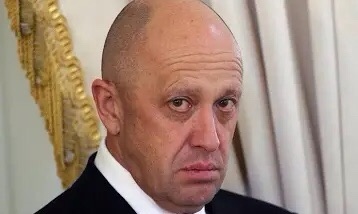
And the plane crash that conveniently rid Putin of the troublesome Yevgeny Prigozhin in 2023.
Yevgeny Prigozhin
Not to mention the suspicious fates of two Russian colonels, reported to have fallen out of windows in the space of two days in February of this year (one died, the other survived). And they are just a small percentage of the total number of individuals — oligarchs, as well as military and other government officials — who have met suspicious ends in recent years . . . a number of whom are said to have “fallen” out of windows.
In the 25 years of Vladimir Putin’s reign, there have been far too many instances of major attacks — a theater hostage situation, a shopping center bombing, the Beslan school massacre, to name just three — that have been officially blamed on various factions, but are suspected of possibly having been instigated by the Russian government itself for purely political reasons.
The individual deaths may or may not be related to the mass murders. There may not be one simple answer; but surely they cannot all be written off as “accidents,” or blamed on outside forces, as the Russian government invariably does.
Unfortunately, we will probably never have all of the facts . . . just a growing list of the dead.
Just a bit more pleasant reminiscing before I dive back into the deep end of the news pool.
Trying to cut back these past few days has proven one thing to me: It’s not that I can’t break my news addiction; it’s that I don’t really want to. I don’t like being disconnected, pretending that the real world — even with all of its angst — doesn’t exist for me. And I derive some diabolical pleasure from writing about it, working myself into a frenzy of righteous indignation, and indulging in a little well-deserved name-calling now and then.
So I’m back. I’ll just have to find another way of dealing with it.
This could work . . .
For the moment, though — while I scan the headlines and choose my next target — here’s a little more of my childhood for those of you too young to have had the privilege of being part of what Tom Brokaw labeled “The Greatest Generation.”
*. *. *
Reflections #2: “On Growing Up in the ‘40s”
Yes, younger readers, there are still people alive who remember the 1940s and are lucid enough to write about them. I was an infant/toddler in the earliest years of that decade, but I do remember the later half, and even parts of World War II, referred to simply as “The War.” There was no other war then, as far as I knew — or at least none that mattered because no one talked about them.
Keep in mind, as I flash back to those times, that my viewpoint was that of a little kid, so everything seemed so much bigger. Our street, for example, was considered a main thoroughfare. Returning for a visit years later as an adult, I was shocked to see that it’s just a two-lane street. And our huge front and back yards are merely little patches of green. Different perspective, now. And through the miracle of Google Maps, there it is, pictured below:
280 Rathbun St., Woonsocket, R.I. – My actual childhood home
Looking at it today, it actually seems to be in better shape than it was then, and appears to have had all of the old asbestos siding shingles removed. I’m also glad to see they’ve added fire escapes, because the one narrow inside stairway made this place a death trap in case of fire. Gone are the shrubs along the front, and the lilac bushes I loved for their fragrance in the spring. My grandparents owned it, and raised their five children in the big apartment on the first floor. Later, we — my parents, older sister and I — occupied the second floor front, with an aunt and uncle in each of the rear r man who was quiet, respectful, and who we hardly knew was there most of the time. He paid his rent on time every week, minded his own business, and didn’t burn the place down; and that was all that mattered.
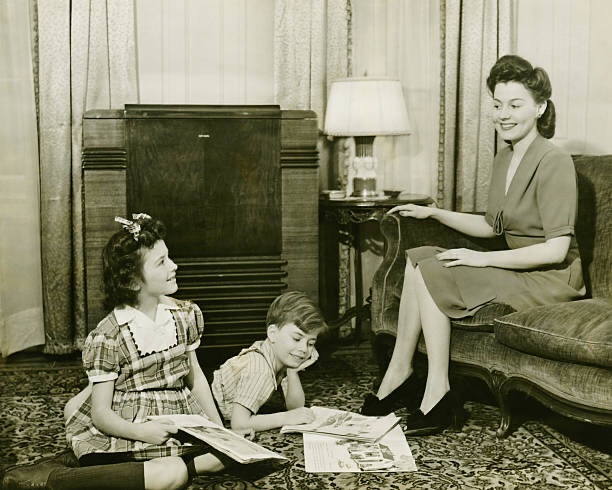
I remember the bedroom I shared with my sister Merna: twin beds, a night stand between them, one closet, one dresser, and flowered curtains on the window. There was one tiny bathroom for the four of us. We mostly hung out in the big kitchen with its ice box and oil stove and the table where we ate all our meals. The parlor (not grand enough to be called a living room) was for “company,” or for evenings spent around the radio listening to Jack Benny, Fibber McGee and Molly, Duffy’s Tavern, or President Roosevelt’s fireside chats. And of course, in the summer, the Boston Red Sox baseball games from Fenway Park.
Family Time
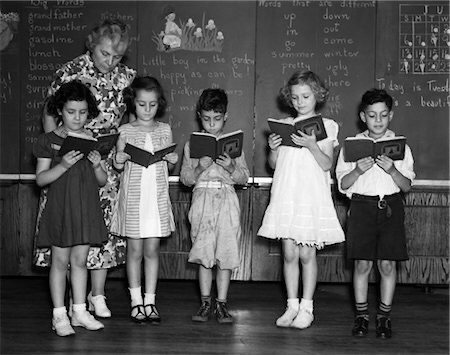
My sister and I sometimes played on the floor of the parlor, which was the only room with a carpet — but only on rainy days or after dark; the rest of the time we were outside, even in the coldest of New England winters, where we were sent to “get some fresh air,” but more likely just to get us out of the way. Indoor play included Checkers, Tiddly Winks, and paper dolls, or reading our Superman or Archie comic books. I remember Merna teaching me to read, write and do simple arithmetic at a time when I was considered by the adults to be too young to learn those things. Thanks to my big sister, I was reading newspapers by the time I was three. My parents used to make me read for all of their friends, like some sort of carnival act, and everyone thought I was a genius. I’m not. I just had a big sister who didn’t know she was doing the “impossible.”
And I remember some things about The War: the flag with three stars in my grandparents’ front window, for their two sons and one son-in-law fighting overseas; the ration coupons for certain scarce food items like sugar and butter; the blackout curtains on the windows to be drawn shut during air raid drills; and the scary war newsreels in the movie theater every Saturday. And my father, rejected for military service as “4-F” because of his flat feet, doing his part for the War effort by working in the shipyard in Providence, actually helping to build the warships like the ones that landed at Normandy on D-Day. And everybody saving things— scrap metal, rubber, even newspapers — to contribute to the War Drive.
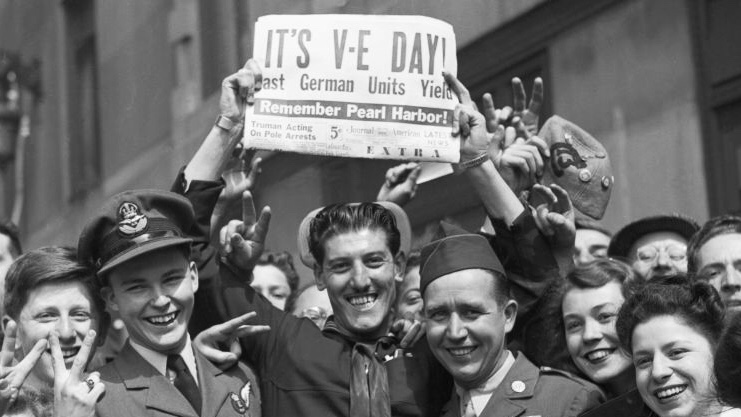
And who could forget the day The War ended in Europe? My sister and I were outside in the front yard as usual, when my mother hollered out the window, “The War is over!” I didn’t fully comprehend, but Merna did, and she let out a “Yippee!” and began dancing around the apple tree, chanting “The War is over! The War is over!” So of course I had to join in, because . . . well, because she was my big sister and if she was happy, then so was I. And the whole family was happy because all the uncles were coming home, alive. No one knew about PTSD in those days; the veterans and their families simply reunited and re-adapted, some better than others. We were lucky.
It’s Over, Over There
*. *. *
I remember digging a round hole in the dirt with the heel of my shoe to play marbles in the back yard. And sitting on the grass, searching for four-leaf clovers. Or playing “Red Rover, Red Rover” and “Simon Says” with our neighborhood friends. Roller skating down the sidewalk and knowing where every crack in the concrete was that we had to avoid. And sending away for our favorite movie stars’ autographed pictures, then waiting breathlessly for the mail to arrive every day. And in the winter, sledding down the same little hill where we roller-skated in the summer. Happy times indeed.
I also remember nearly every adult smoking, we kids living in a perpetual blue-gray haze of second-hand smoke, and ashtrays everywhere filled to the brim with stale cigarette butts. And being given a quarter to run to the store for a pack of Camels or Chesterfields or Lucky Strikes for one member of the family or another. There was no legal age requirement for buying carcinogens in those days, because no one knew what a carcinogen was.
*. *. *
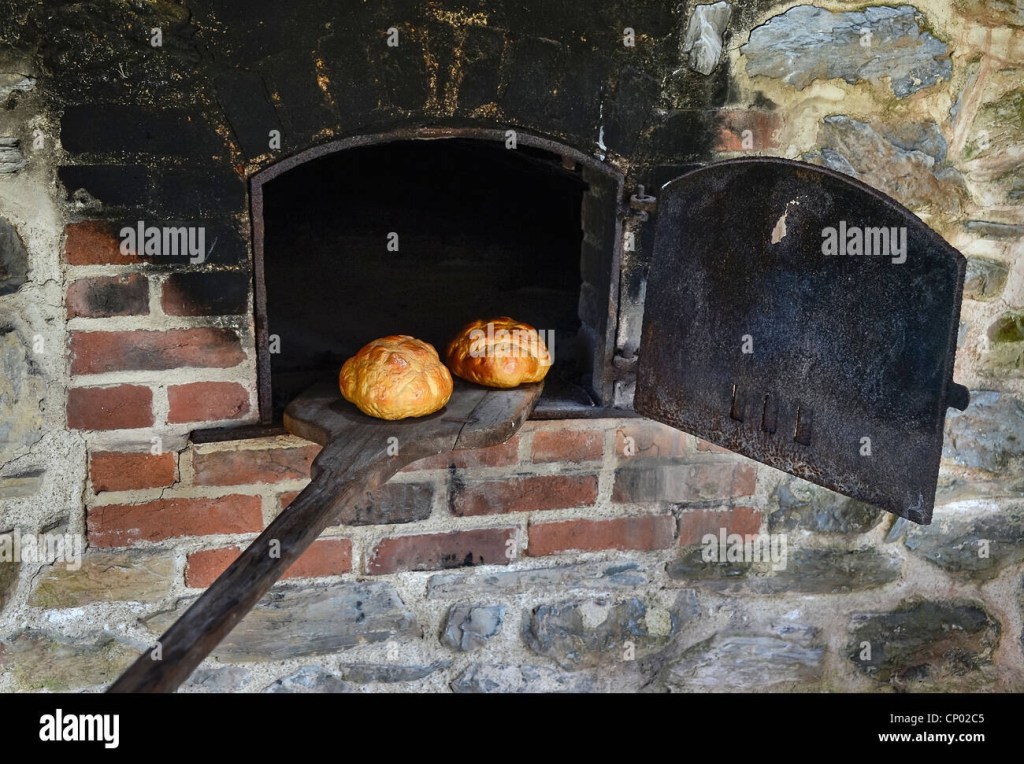
My grandfather was a baker, with his own bakery just down the street; rye bread, challah, yeast rolls and bagels were his specialties, and Bubbe contributed her incredible “babka” coffee cakes redolent with cinnamon and raisins. Saturday was the only day Zayde didn’t work — it was the Sabbath, when he would walk to the Synagogue and spend the day in prayer. After sundown he would walk back, with a stop at the neighborhood bar to knock down a couple of whiskeys with his friends before coming home to a late supper with the entire family at the big dining room table. Sometimes he would lose track of time and linger at the bar; then my sister would be sent to fetch him and they would stroll home together, hand-in-hand. No one worried about a 12-year-old girl walking into a saloon full of men; not one of them would have dreamt of saying or doing anything improper — they were our neighbors and friends. Then, after dinner, Zayde would go back to the bakery to prepare the dough and heat the big brick oven for the next day.
Sunday was his biggest work day. Every Sunday, after he had made his usual customer deliveries in his old, beat-up truck, he would come home with two miniature, hot-from-the-oven, round rye breads — one for my sister and one for me. He would stop his truck at the front of the driveway where she and I would be waiting for him. We would jump onto the running boards on each side, hold on tight, and ride with him to the garage in the back of the house; then we would grab our very own loaves of bread and head to our grandparents’ kitchen. There, with real butter for the warm bread, and a bowl of my Bubbe’s homemade vegetable soup, we ate our Sunday lunch. When I close my eyes, I can still smell it and almost taste it. Nothing since has ever been that good. And after lunch, we would sit with him at the kitchen table and help him sort the coins he had been paid by his customers that day.
Sunday’s Lunch
We were far from rich, but we always ate well. I remember our un-homogenized milk being delivered to the back door in glass bottles, with the cream floating at the top; my mother used to spoon it out into a glass jar to be sparingly added to her coffee. And — carrying the most practical traditions with them from the old country — my grandparents had built a chicken coop in the back yard, with one very happy rooster and a bunch of hens that kept us supplied with eggs and were destined eventually to become Sunday dinners. I even remember Baba (my great-grandmother), on some of her better days, out there gathering eggs, or scattering chicken feed on the ground.
But one day, that rooster was gone, soon to be replaced by another from a nearby farm. When I was a little older, my mother finally told me why: It seems that pompous piece of poultry hated my Baba (the feeling was apparently mutual); and one day when she happened to trip and fall while feeding the chickens, he took advantage of the opportunity, attacked her mercilessly, and was pecking away at her face and arms until my grandfather rescued her. Exacting revenge without benefit of due process, he wrung that damned rooster’s neck, right there on the spot. Apparently, Zayde had also brought with him from the old country an unequivocally Russian sense of justice!
We also had Bubbe’s vegetable garden — labeled a “victory garden” during the War years — with everything from tomatoes and cucumbers to potatoes, carrots, corn, and of course the beets for her homemade borshch. She even grew fresh dill and pickling spices for the cucumbers and green tomatoes she would put up in canning jars and stow away in the cellar until they turned so sour it hurt to bite into them.
Who Needed Store-Bought?
*. *. *
When we were sick — and we did get all the childhood diseases, like mumps, measles, chicken pox, and the annual case of the “grippe,” now known as the flu — our family doctor came to the house. Everyone knew you didn’t take a sick child out to the doctor’s office to infect other kids and get sicker themselves! “What are you . . . crazy??!!!” Depending on the ailment, we were given doses of Milk of Magnesia, cough syrup, or a regular aspirin crushed and mixed with a spoonful of orange juice to try to disguise the horrible taste; and — for practically everything — Bubbe’s homemade chicken soup, otherwise known as Jewish penicillin. And there was the dreaded thermometer that didn’t go under your tongue, but got dipped in Vaseline and inserted . . . well, you know where. Oh, the indignity of it all!
You may have noticed all the references to homemade soups — vegetable, chicken, and borshch. (And by the way, that is the correctly transliterated spelling; there is no “t” at the end, and don’t ask me why we English speakers insist on adding it — possibly because we don’t have a letter pronounced “shch” in our alphabet. Spellcheck hates it, by the way, but that’s too bad.) Anyway, soup is another wonderful old-world tradition they brought with them, served at the start of every meal except breakfast, and often as a meal on its own. It’s a delicious, nutritious, filling, and economical way of feeding a crowd, and I learned to appreciate it all over again, decades later, when I spent those months living and working in Russia. (Seriously, folks — just read the first 28 chapters, okay?)
Borshch
*. *. *
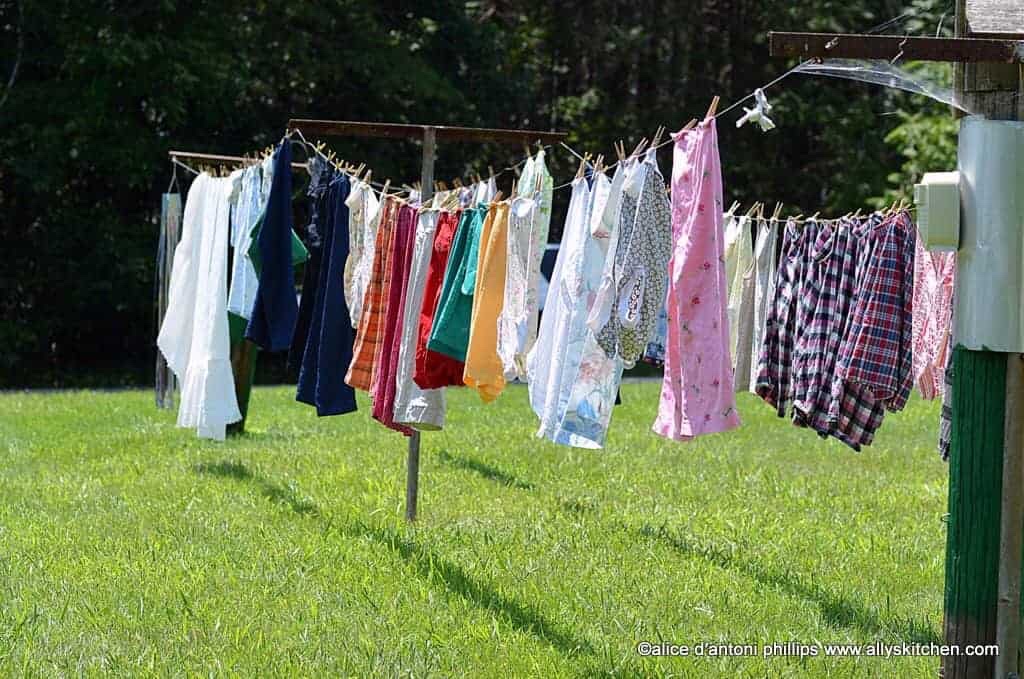
There are also things I don’t remember about those days, because we didn’t have them. We didn’t have central heating; the only warmth was provided by that oil stove in the kitchen, so the parlor door was kept shut in the winter, and the bedrooms were always freezing cold at night when the stove was turned way down to conserve the oil. We didn’t have a second bathroom, a second car, a second phone, or a guest bedroom. We also didn’t have a washer or dryer. I clearly recall my 98-pound mother every Monday, down on her knees, leaning over the bathtub and scrubbing our clothes, towels, sheets, everything, on a washboard; then rinsing and rinsing, and wringing it all out by hand — she had some strong hands! — then finally hanging it all on an outside clothesline to dry. In the winter, everything would freeze to the texture of cardboard, and the sheets stood up by themselves and smelled so clean and fresh. And then, of course, it all had to be ironed.
Laundry Day
We didn’t have TV yet — not until 1950 — and the home computer was decades in the future, still the stuff of science fiction. So where did we get our information? At the library, of course — that wondrous repository of thousands of old, well-worn, musty-smelling volumes filled with knowledge and inspiration. And our news was broadcast every hour on the hour over the radio, and delivered to our little neighborhood store every morning printed on cheap paper with ink that rubbed off on our fingers. But what more could you expect for three cents?
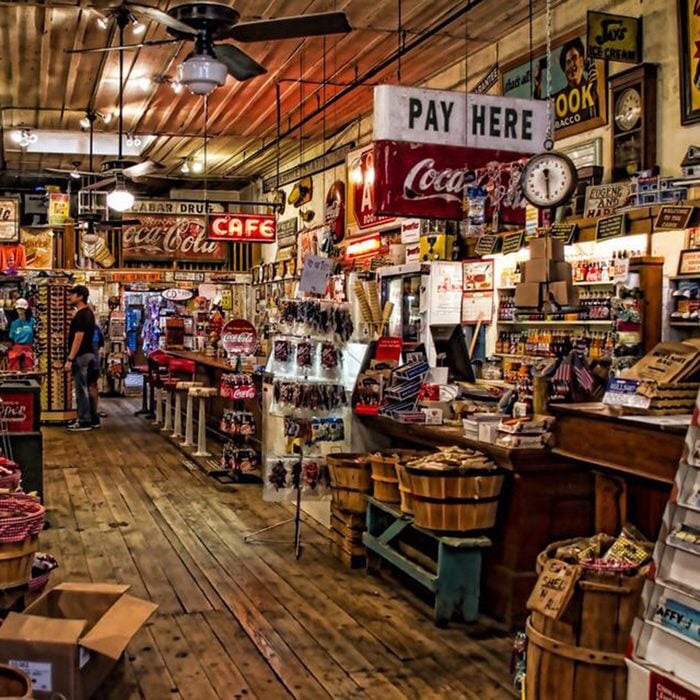
And where did we shop? Well, there was no Amazon — no “online” at all. But we did have the neighborhood grocery, the neighborhood pharmacy, the neighborhood ice cream shop, the neighborhood hardware store, bakery, butcher shop . . . you get the picture. Stores where the proprietors greeted us by our first names, and kept us up-to-date on all the neighborhood gossip. And for those special purchases, like clothes and shoes . . . well, that required an excursion downtown to the department store; but luckily that wasn’t necessary too often because clothes got mended by Bubbe on her treadle sewing machine and handed down from generation to generation, or recycled to the younger siblings and cousins.
Neighborhood Grocery
We also didn’t have a problem with boredom — there wasn’t time, what with all the laundry, cooking, cleaning and egg-gathering to help with, and homework to be done. And you didn’t “sass” your parents, teachers, or other adults, because if you even tried, you got smacked — hard — by all of them! And no parents went into debt to be sure their children had the latest and greatest electronic gadgets, because those things didn’t exist yet so we didn’t miss them. We learned early on to think for ourselves; there was no Siri to do it for us. We kids didn’t have house keys either, because we didn’t need them; there was always a grownup there when we got home from school. The “latchkey kid” hadn’t been conceived of yet, so there was little opportunity for us to get into serious trouble.
What we did have, though, were things like respect — for others, and for ourselves — and quality family time, and fun. And most of all, we had hope. Even during the War years, there was a certainty that it would one day end, that the good guys would win (we did), and that all would be well again (it was). Sure, there were problems — every age has its share of those. But we didn’t whine or angrily “tweet” about them; we dealt with them and worked together to solve them.
When there are millions of lives — indeed, the very existence of an entire nation — at stake, then threatening to take your toys and go home is not a solution to the problem.
Nor is a big kid holding a smaller kid at the top of the seesaw, suddenly letting him drop to the ground with a thud, only to bring him back up to hang in the air again, going to solve anything.
But Donald Trump’s desperate attempts to negotiate an end to the war in Ukraine — thus earning himself bragging rights and perhaps a Nobel Peace Prize — are looking more and more like a seesaw tactic every day. Consider:
April 22nd: U.S. Secretary of State Marco Rubio backs out of attending peace talks in London aimed at finding a solution to the ongoing conflict in Ukraine, as evidence of Trump’s displeasure at the failure of Russia and Ukraine to submit to his peace plan.
April 23rd: Trump berates Ukrainian President Zelensky, accusing him of derailing negotiations when a peace deal was allegedly “very close.” He says Zelensky’s rejection of Russia’s takeover of Crimea is “very harmful” to the attempts to negotiation a peace treaty, specifically charging that “It’s inflammatory statements like Zelenskyy’s [sic] that makes it so difficult to settle this War.” [Astha Rajvanshi, NBC News, April 23, 2025.]
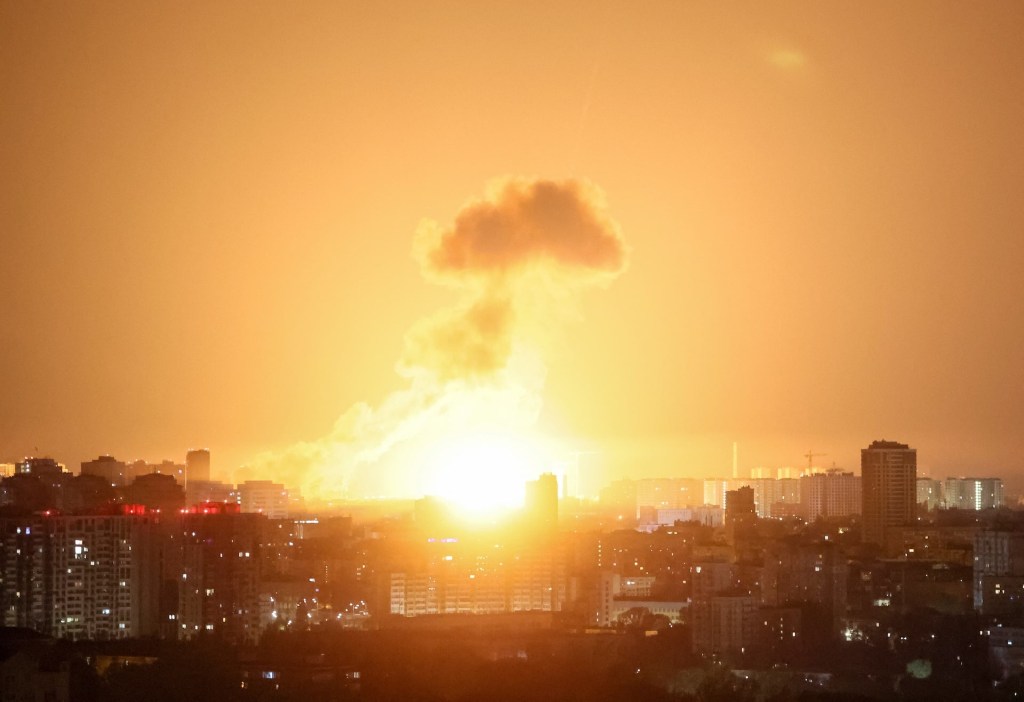
April 24th (Ukraine time): An overnight missile and drone attack on the Ukrainian capital of Kyiv kills at least eight people and injures more than 80 others, including children. Additional attacks were reported in the city of Kharkiv, where at least two people were injured. [Jaroslav Lukiv and Jon Donnison, BBC News, April 24, 2025.]
Attack on Kyiv – April 24, 2025
April 24th (U.S. Eastern time): Donald Trump issues what he considers to be a strong criticism of Vladimir Putin, writing on his social media platform Truth Social:
“I am not happy with the Russian strikes on KYIV. Not necessary, and very bad timing. Vladimir, STOP! 5000 soldiers a week are dying. Lets [sic] get the Peace Deal DONE!” [Aamer Madhani and Samuel Petrequin, Associated Press, April 24, 2025.]
Wow! He’s “not happy”! It’s “not necessary . . . bad timing”! That’s telling him, all right. It’s really going to make old Vlad “STOP,” isn’t it?
I’m not sure about the number of soldiers Trump claims are dying each week . . . he regularly tends to pull statistics out of thin air . . . but I note there’s no mention at all of the number of civilians being killed and injured. I suppose that’s because he actually believes Putin’s claims that civilians aren’t being targeted.
And Trump’s idea of a fair peace deal? That would be Ukraine’s giving up a sizable piece — I believe the estimate is around 20% — of its sovereign territory to an invader that has no legal right to it. When asked by the press today (still April 24th) during an Oval Office meeting with Norway’s Prime Minister, what concessions Putin would be expected to make, Trump responded:
“ . . . stopping taking the whole country, pretty big concession.” [Id.]
Spoken like a true fascist.
I wonder what the Prime Minister was thinking at that moment.


















 The Blog About Everything … and Sometimes Nothing