Category Archives: History, Travel, Memoirs

Reflections #3: “On Sisters and Memories”

I am compelled today to interrupt my recent meanderings through the years of my youth in order to reflect upon something that’s been occupying my mind for the past several days: death.

No, this is not going to be a doleful declaration of depression. But I have recently received bad news about several old friends, friends of friends, and spouses of friends, and I’m reminded that this is one of the downsides of living long — you start losing people. And when I think of the people I’ve lost, I always think about my sister Merna, who — despite a lot of years of sibling rivalry and arguments — for the last quarter century of her life became my closest confidante, travel buddy, and all-around best friend. So it’s really a tribute to her that I offer you today.

“The R-r-r-ribit Pact: Together ‘til we croak”

We were exactly 5-1/2 years apart in age (she was older), so in the beginning we didn’t have much in common. But once I was able to walk and talk, she decided it was her job to be — not my babysitter — but my teacher. I’ve mentioned before how she taught me to read, write and do simple arithmetic by the time I was three. From that point on, I guess she considered me more of an equal, and we spent a lot of time together . . . much of it fighting and driving our parents crazy. But, that’s sisters for you.

Merna was always the more serious sister: well-behaved at home and in school, focused on her studies and becoming a grownup as quickly as possible. (Except for that sitting-on-the-cat episode . . . but maybe I should finally let that go.) I, on the other hand, was always the mischief-maker, determined to make Merna’s life as miserable as I could without actually causing physical damage.

But there were times we worked together. I remember when she was in 8th or 9th grade, maybe 12 or 13 years old (I would have been 7 or 8), and her class was reading Shakespeare’s Julius Caesar, of all things. She had to learn Mark Antony’s soliloquy at Caesar’s funeral — a long, complicated piece of work. I was enlisted to hold the script and prompt her as she tried to memorize and recite it — over, and over, and over again. And by the time she finally had it down pat . . . so did I. And I would gleefully get on her last nerve by reciting it from memory along with her, until one day she finally threw down the script and stormed out of the room. We didn’t speak for a couple of days; but she aced that speech when the time came, just to prove to me that she could.

By the way, I still remember the first half of it: “Friends, Romans, countrymen, lend me your ears . . .” Okay, that’s enough.

“Et tu, Brute?”

Skipping over the rest of our school years, it’s the adult years I remember best. As young, single women in the ‘50s, we dutifully lived at home with our parents (in our case, just our mother) until we married, or until we became “fallen women,” whichever came first. Those were the days! And because our mother — who, I assure you, did have many fine qualities, was also controlling, prying, jealous, and about as puritanical as anyone I’ve ever known — Merna and I had at some point in our development decided that we needed to band together in order to remain even marginally sane. So we went shopping together, restaurant-hopping together, partying together, and exchanging typical sister-secrets behind the closed door of our shared bedroom.

Fast forward about 30 years. Merna has embarked on a successful career in human resources, while I have gone into the legal field, gotten married, had one baby, moved to California, had a second baby, awakened to the fact that the marriage was a mistake, and moved back east and — out of financial necessity — into the old homestead. Which is when Merna got smart and became that “fallen” — a.k.a. independent — woman our mother always talked about. She moved out. And over all those years, even long distance, we fought, made up, fought, made up . . . And today, I can’t for the life of me remember what we found important enough to fight about — but I do know who was to blame.

“Did so!” “Did not!” “Did so!” “Did not!”

One more fast forward, this time to 1991. We’ve matured, and are now well settled. We’ve had great jobs, my son and daughter are grown, and we’ve each traveled to different parts of the world. And on September 18th — Merna’s birthday, by the way — our mother passes away after a brief illness. And as we begin to make the necessary funeral preparations, we also begin — as people in these situations often do — to reminisce. And it suddenly dawns on both of us . . . AHA! She was the cause of it all. Our own mother, wanting and needing to be the center of attention, had caused most of the rifts between us by planting the seeds of discord. And the fog lifted; we became BFFs.

Both being single, we thought about moving in together — and quickly came to our senses. You see, as much as we had in common, in so many ways we were total opposites, as is the case with many siblings. Besides the basic serious-vs.-mischievous personality difference, there were other things — each small on its own, but cumulatively deadly to potential roommates. I’m a night person; she was an early bird. I love classical music; she preferred the “golden oldies.” I’m obsessed with all things Russian; her preferences were the histories of the U.S. Civil War and the kings and queens of England. I adore ballet and opera; she was hooked on Sinatra and Streisand. I lived for a while in Prague and Moscow; she lived in Bangkok and Saigon. So we wisely continued to live separately, but just a block apart, and there was peace. We dined out together, and found common ground in the joys of the musical theater (six times to Les Miz alone). And then, we began to travel together.

Now, I’ve mentioned that I liked to yank her chain every now and then, and I saw no reason to stop doing that as we got older. Because our birthdays were exactly six months — well, five years and six months — apart, we always took each other out to dinner on our respective birthdays, celebrating both the birthday and the half-birthday. There was the year I had had a bit too much of the bubbly on an empty stomach and proceeded to pass out on my way to the ladies’ room in our favorite five-star restaurant, coming to as a waiter lifted me off the floor and onto a chair . . . at a table with two men who had been enjoying a quiet business dinner. You can imagine Merna’s reaction to that one!

And the shopping excursion to one of our favorite clothing stores, when we squeezed onto the packed elevator (there was only one), and I was the last person on, with no room to turn around. As the door slowly closed behind me, I found myself facing a squished crowd of people, all completely silent. I looked around at the uncomfortable faces, took a deep breath, and said, “You’re probably wondering why I’ve called you all here today.” As the silence dissolved into surprised laughter, Merna tried — unsuccessfully, because there was no room — to sink to the floor in embarrassment. Heh, heh, heh. Gotcha!

But the travels were the best. It all started on the first anniversary of our mother’s funeral. She was laid to rest near her family members in a cemetery in Rhode Island, so as long as we were traveling up there for that memorial, we decided also to spend a little relaxing time at “the Cape” — Cape Cod, Massachusetts — or, as I think of it, Heaven on Earth.

A Little Slice of Heaven

Rather surprisingly for two people who really didn’t care for the beach, we both immediately fell in love with this perfect peninsula of surf and sand, picturesque towns with their sea-washed shingled cottages, delightful specialty shops, incredible seafood, and super-friendly people. We found our favorite inn and returned year after year, with some interruptions for other, business-related travel and the occasional surgery for one or the other of us. And then we discovered cruising.

Wanting something different, in 2005 Merna suggested a cruise. I was hesitant because I thought I’d be bored just lounging around on the ship’s deck, but I agreed to try a one-week excursion along the Canadian east coast. And we found one more thing we had in common — a love of life at sea aboard Holland America’s “Dam” ships: the Maasdam, the Zeuderdam, and the Eurodam. Each cruise was longer and more wonderful than the last. I even managed to get up early each morning for the day’s shore excursion, and Merna stayed up late for the after-dinner shows and a bit of gambling in the ship’s casino. It’s called compromise, and we had finally figured out how to do it. Our mother would have been so pissed!

We chose our excursions in advance, agreeing on each one; shopped ‘til we dropped (another mutual passion); and ate until we could eat no more. We signed up for the spa delights (massages, beauty treatments, and foot reflexology), and played — and won — musical trivia games in the piano bar. And we toured the Canadian east coast (from Boston to Montreal, via Bar Harbor, Nova Scotia, Prince Edward Island, and down the St. Lawrence Seaway to Quebec City). In one of our stops ashore, we ate lunch at a seaside seafood restaurant, where I gave lessons to a family from the U.S. midwest on how to disassemble and eat a boiled Maine lobster, as melted butter and lobster juice ran from my wrists to my elbows, and Merna silently thought, “Oh, my God, there she goes again.” And in Montreal, following a ride through the streets of that lovely city in a horse-drawn carriage, she cringed as I fed apples (provided by our hotel doorman) to the horse named Nagano, who showed his appreciation by slobbering all over me. And when we got home after that cruise, we agreed that it had been too short and immediately began searching for the next one.

Those “Dam” Ships

That turned out to be Alaska, the very next year — cold, rainy, outdoorsy, and absolutely wonderful. And in 2009, the final — and easily the best — cruise was along the Baltic Sea coast, from Copenhagen, Denmark to Tallinn, Estonia; Helsinki, Finland; St. Petersburg, Russia; Warnemunde (and a long train ride to Berlin), Germany; Stockholm, Sweden; and back to Copenhagen. The details don’t really matter; just suffice it to say, it too was fabulous. And then, as we were trying to decide how we would ever find something to top it, Merna began a downhill slide that took her through a series of surgeries and a final, devastating, two-year battle for her life that she ultimately lost in October of 2017. And I had lost my best friend.

That was nearly six years ago. Whenever something interesting happens — good or not so good — I still reach for the phone to call her. We used to call each other a dozen times a day, until one of us would finally declare a halt; and that’s a tough habit to break. When I can’t think of a name or other detail from the dim, distant past, I know she’ll be able to remember . . . but she’s not there to ask. And when I want to share a bit of trivia, a peeve, or a recipe, she’s the first one I think to call. But her number has been disconnected.

Sister relationships are hard to define, and impossible to replace. So I try to stay focused on the happy memories, the funny incidents, and the old family photos. Like this one, taken 20+ years ago, with my two beautiful grandbabies:

Merna, with Emily and Nate

And they always make me smile.

‘Til next time,
Brendochka
6/10/23

Reflections #2: “On Growing Up in the ‘40s”

Yes, younger readers, there are still people alive who remember the 1940s and are lucid enough to write about them. I was an infant/toddler in the earliest years of that decade, but I do remember the later half, and even parts of World War II, referred to simply as “The War.” There was no other war then, as far as I knew — or at least none that mattered because no one talked about them.

Keep in mind, as I flash back to those times, that my viewpoint was that of a little kid, so everything seemed so much bigger. Our street, for example, was considered a main thoroughfare. Returning for a visit years later as an adult, I was shocked to see that it’s just a two-lane street. And our huge front and back yards are merely little patches of green. Different perspective, now. And through the miracle of Google Maps, there it is, pictured below:

280 Rathbun St., Woonsocket, R.I. – My actual childhood home

Looking at it today, it actually seems to be in better shape than it was then, and appears to have had all of the old asbestos siding shingles removed. I’m also glad to see they’ve added fire escapes, because the one narrow inside stairway made this place a death trap in case of fire. Gone are the shrubs along the front, and the lilac bushes I loved for their fragrance in the spring. My grandparents owned it, and raised their five children in the big apartment on the first floor. Later, we — my parents, older sister and I — occupied the second floor front, with an aunt and uncle in each of the rear r man who was quiet, respectful, and who we hardly knew was there most of the time. He paid his rent on time every week, minded his own business, and didn’t burn the place down; and that was all that mattered.

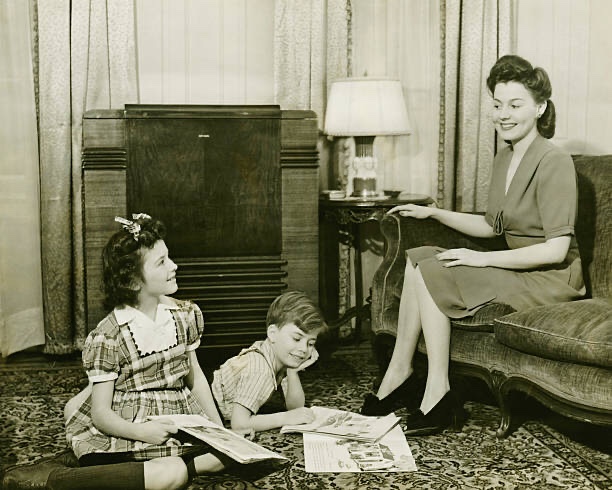
I remember the bedroom I shared with my sister Merna: twin beds, a night stand between them, one closet, one dresser, and flowered curtains on the window. There was one tiny bathroom for the four of us. We mostly hung out in the big kitchen with its ice box and oil stove and the table where we ate all our meals. The parlor (not grand enough to be called a living room) was for “company,” or for evenings spent around the radio listening to Jack Benny, Fibber McGee and Molly, Duffy’s Tavern, or President Roosevelt’s fireside chats. And of course, in the summer, the Boston Red Sox baseball games from Fenway Park.

Family Time

My sister and I sometimes played on the floor of the parlor, which was the only room with a carpet — but only on rainy days or after dark; the rest of the time we were outside, even in the coldest of New England winters, where we were sent to “get some fresh air,” but more likely just to get us out of the way. Indoor play included Checkers, Tiddly Winks, and paper dolls, or reading our Superman or Archie comic books. I remember Merna teaching me to read, write and do simple arithmetic at a time when I was considered by the adults to be too young to learn those things. Thanks to my big sister, I was reading newspapers by the time I was three. My parents used to make me read for all of their friends, like some sort of carnival act, and everyone thought I was a genius. I’m not. I just had a big sister who didn’t know she was doing the “impossible.”

And I remember some things about The War: the flag with three stars in my grandparents’ front window, for their two sons and one son-in-law fighting overseas; the ration coupons for certain scarce food items like sugar and butter; the blackout curtains on the windows to be drawn shut during air raid drills; and the scary war newsreels in the movie theater every Saturday. And my father, rejected for military service as “4-F” because of his flat feet, doing his part for the War effort by working in the shipyard in Providence, actually helping to build the warships like the ones that landed at Normandy on D-Day. And everybody saving things— scrap metal, rubber, even newspapers — to contribute to the War Drive.

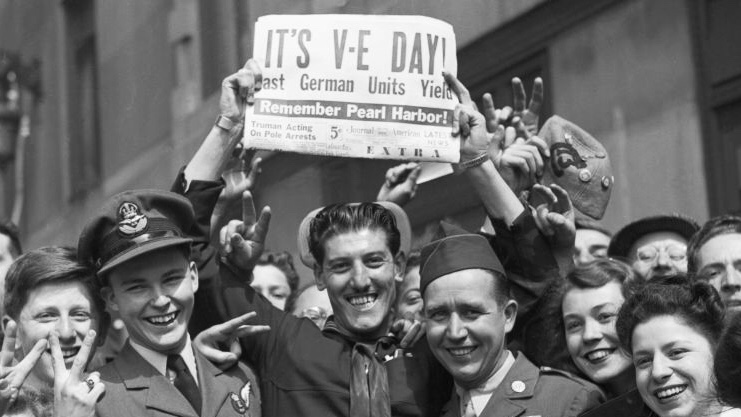
And who could forget the day The War ended in Europe? My sister and I were outside in the front yard as usual, when my mother hollered out the window, “The War is over!” I didn’t fully comprehend, but Merna did, and she let out a “Yippee!” and began dancing around the apple tree, chanting “The War is over! The War is over!” So of course I had to join in, because . . . well, because she was my big sister and if she was happy, then so was I. And the whole family was happy because all the uncles were coming home, alive. No one knew about PTSD in those days; the veterans and their families simply reunited and re-adapted, some better than others. We were lucky.

It’s Over, Over There

*. *. *

I remember digging a round hole in the dirt with the heel of my shoe to play marbles in the back yard. And sitting on the grass, searching for four-leaf clovers. Or playing “Red Rover, Red Rover” and “Simon Says” with our neighborhood friends. Roller skating down the sidewalk and knowing where every crack in the concrete was that we had to avoid. And sending away for our favorite movie stars’ autographed pictures, then waiting breathlessly for the mail to arrive every day. And in the winter, sledding down the same little hill where we roller-skated in the summer. Happy times indeed.

I also remember nearly every adult smoking, we kids living in a perpetual blue-gray haze of second-hand smoke, and ashtrays everywhere filled to the brim with stale cigarette butts. And being given a quarter to run to the store for a pack of Camels or Chesterfields or Lucky Strikes for one member of the family or another. There was no legal age requirement for buying carcinogens in those days, because no one knew what a carcinogen was.

*. *. *

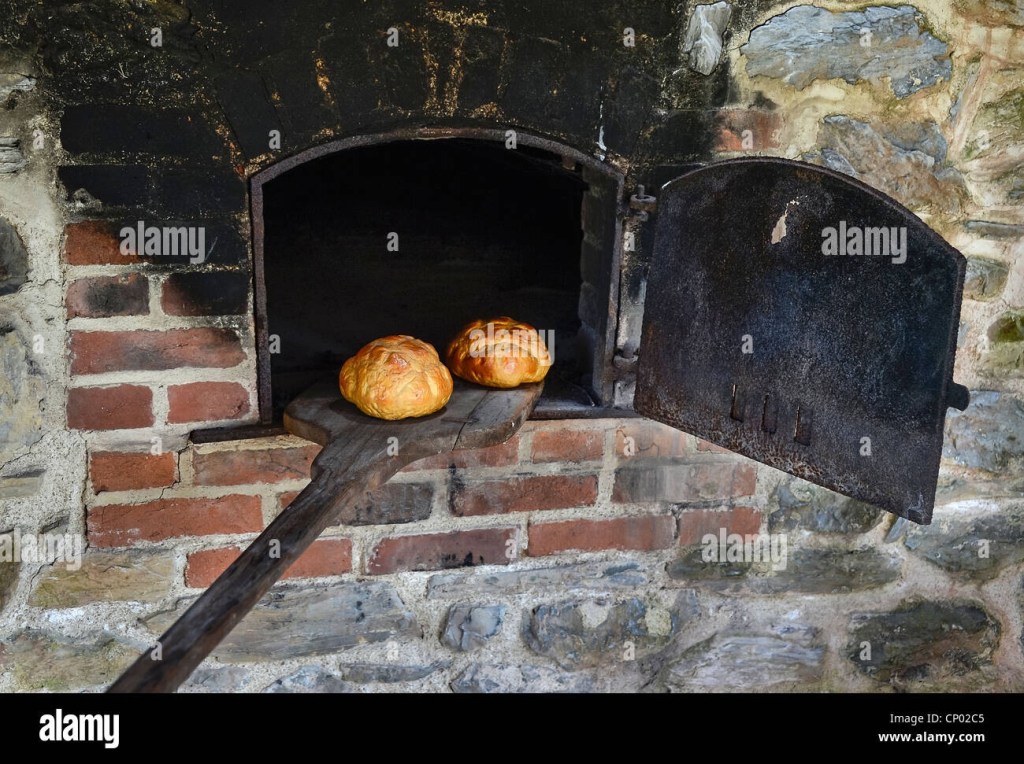
My grandfather was a baker, with his own bakery just down the street; rye bread, challah, yeast rolls and bagels were his specialties, and Bubbe contributed her incredible “babka” coffee cakes redolent with cinnamon and raisins. Saturday was the only day Zayde didn’t work — it was the Sabbath, when he would walk to the Synagogue and spend the day in prayer. After sundown he would walk back, with a stop at the neighborhood bar to knock down a couple of whiskeys with his friends before coming home to a late supper with the entire family at the big dining room table. Sometimes he would lose track of time and linger at the bar; then my sister would be sent to fetch him and they would stroll home together, hand-in-hand. No one worried about a 12-year-old girl walking into a saloon full of men; not one of them would have dreamt of saying or doing anything improper — they were our neighbors and friends. Then, after dinner, Zayde would go back to the bakery to prepare the dough and heat the big brick oven for the next day.

Sunday was his biggest work day. Every Sunday, after he had made his usual customer deliveries in his old, beat-up truck, he would come home with two miniature, hot-from-the-oven, round rye breads — one for my sister and one for me. He would stop his truck at the front of the driveway where she and I would be waiting for him. We would jump onto the running boards on each side, hold on tight, and ride with him to the garage in the back of the house; then we would grab our very own loaves of bread and head to our grandparents’ kitchen. There, with real butter for the warm bread, and a bowl of my Bubbe’s homemade vegetable soup, we ate our Sunday lunch. When I close my eyes, I can still smell it and almost taste it. Nothing since has ever been that good. And after lunch, we would sit with him at the kitchen table and help him sort the coins he had been paid by his customers that day.

Sunday’s Lunch

We were far from rich, but we always ate well. I remember our un-homogenized milk being delivered to the back door in glass bottles, with the cream floating at the top; my mother used to spoon it out into a glass jar to be sparingly added to her coffee. And — carrying the most practical traditions with them from the old country — my grandparents had built a chicken coop in the back yard, with one very happy rooster and a bunch of hens that kept us supplied with eggs and were destined eventually to become Sunday dinners. I even remember Baba (my great-grandmother), on some of her better days, out there gathering eggs, or scattering chicken feed on the ground.

But one day, that rooster was gone, soon to be replaced by another from a nearby farm. When I was a little older, my mother finally told me why: It seems that pompous piece of poultry hated my Baba (the feeling was apparently mutual); and one day when she happened to trip and fall while feeding the chickens, he took advantage of the opportunity, attacked her mercilessly, and was pecking away at her face and arms until my grandfather rescued her. Exacting revenge without benefit of due process, he wrung that damned rooster’s neck, right there on the spot. Apparently, Zayde had also brought with him from the old country an unequivocally Russian sense of justice!

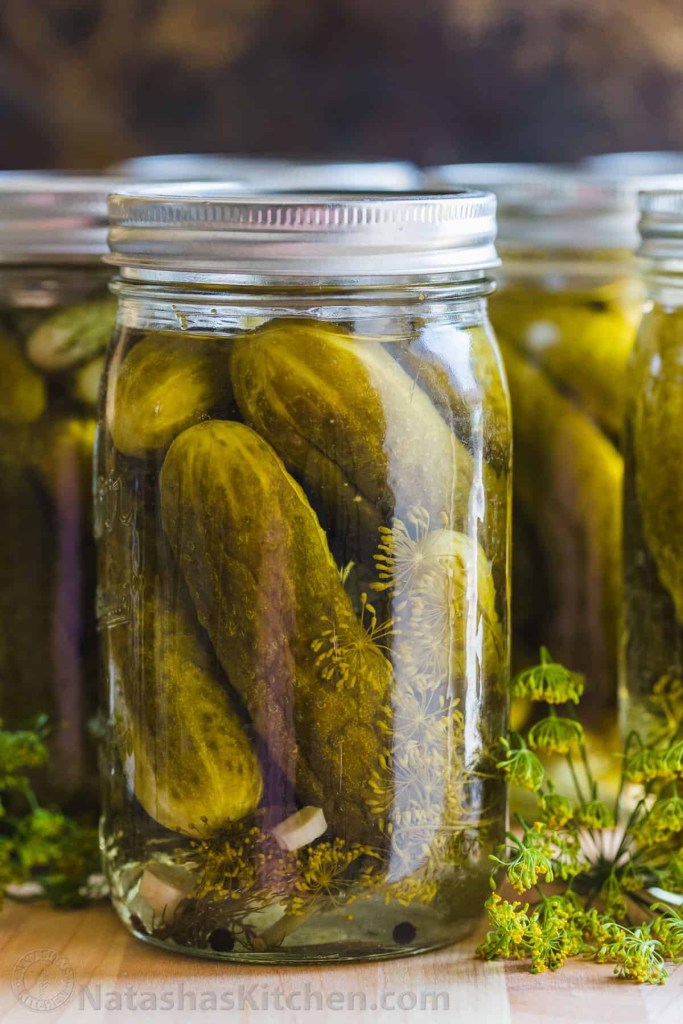
We also had Bubbe’s vegetable garden — labeled a “victory garden” during the War years — with everything from tomatoes and cucumbers to potatoes, carrots, corn, and of course the beets for her homemade borshch. She even grew fresh dill and pickling spices for the cucumbers and green tomatoes she would put up in canning jars and stow away in the cellar until they turned so sour it hurt to bite into them.

Who Needed Store-Bought?

*. *. *

When we were sick — and we did get all the childhood diseases, like mumps, measles, chicken pox, and the annual case of the “grippe,” now known as the flu — our family doctor came to the house. Everyone knew you didn’t take a sick child out to the doctor’s office to infect other kids and get sicker themselves! “What are you . . . crazy??!!!” Depending on the ailment, we were given doses of Milk of Magnesia, cough syrup, or a regular aspirin crushed and mixed with a spoonful of orange juice to try to disguise the horrible taste; and — for practically everything — Bubbe’s homemade chicken soup, otherwise known as Jewish penicillin. And there was the dreaded thermometer that didn’t go under your tongue, but got dipped in Vaseline and inserted . . . well, you know where. Oh, the indignity of it all!

You may have noticed all the references to homemade soups — vegetable, chicken, and borshch. (And by the way, that is the correctly transliterated spelling; there is no “t” at the end, and don’t ask me why we English speakers insist on adding it — possibly because we don’t have a letter pronounced “shch” in our alphabet. Spellcheck hates it, by the way, but that’s too bad.) Anyway, soup is another wonderful old-world tradition they brought with them, served at the start of every meal except breakfast, and often as a meal on its own. It’s a delicious, nutritious, filling, and economical way of feeding a crowd, and I learned to appreciate it all over again, decades later, when I spent those months living and working in Russia. (Seriously, folks — just read the first 28 chapters, okay?)

Borshch

*. *. *

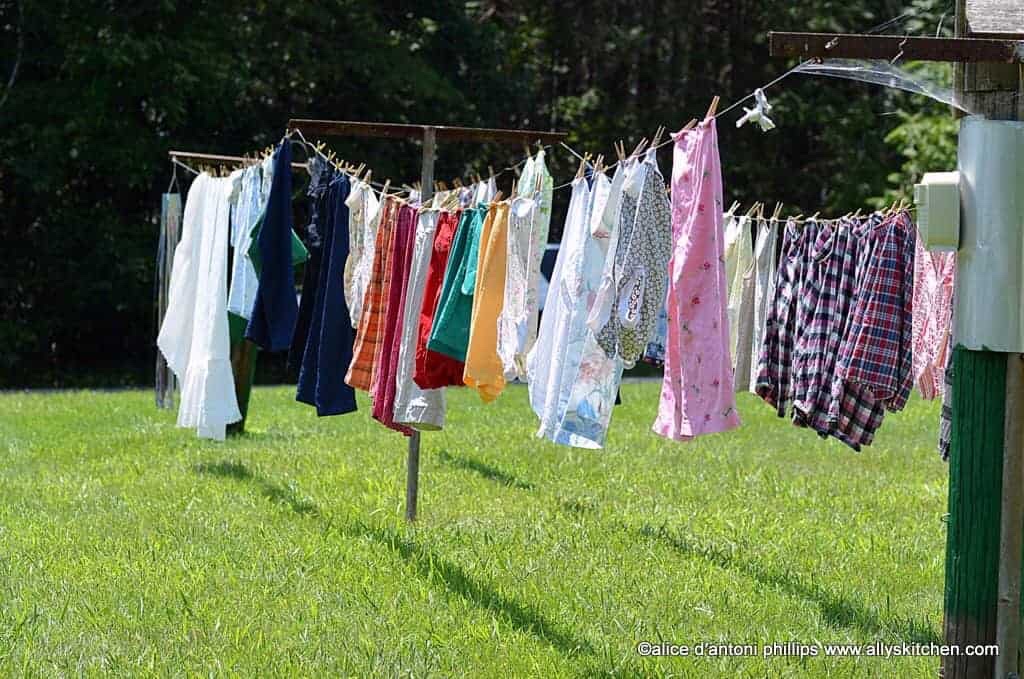
There are also things I don’t remember about those days, because we didn’t have them. We didn’t have central heating; the only warmth was provided by that oil stove in the kitchen, so the parlor door was kept shut in the winter, and the bedrooms were always freezing cold at night when the stove was turned way down to conserve the oil. We didn’t have a second bathroom, a second car, a second phone, or a guest bedroom. We also didn’t have a washer or dryer. I clearly recall my 98-pound mother every Monday, down on her knees, leaning over the bathtub and scrubbing our clothes, towels, sheets, everything, on a washboard; then rinsing and rinsing, and wringing it all out by hand — she had some strong hands! — then finally hanging it all on an outside clothesline to dry. In the winter, everything would freeze to the texture of cardboard, and the sheets stood up by themselves and smelled so clean and fresh. And then, of course, it all had to be ironed.

Laundry Day

We didn’t have TV yet — not until 1950 — and the home computer was decades in the future, still the stuff of science fiction. So where did we get our information? At the library, of course — that wondrous repository of thousands of old, well-worn, musty-smelling volumes filled with knowledge and inspiration. And our news was broadcast every hour on the hour over the radio, and delivered to our little neighborhood store every morning printed on cheap paper with ink that rubbed off on our fingers. But what more could you expect for three cents?

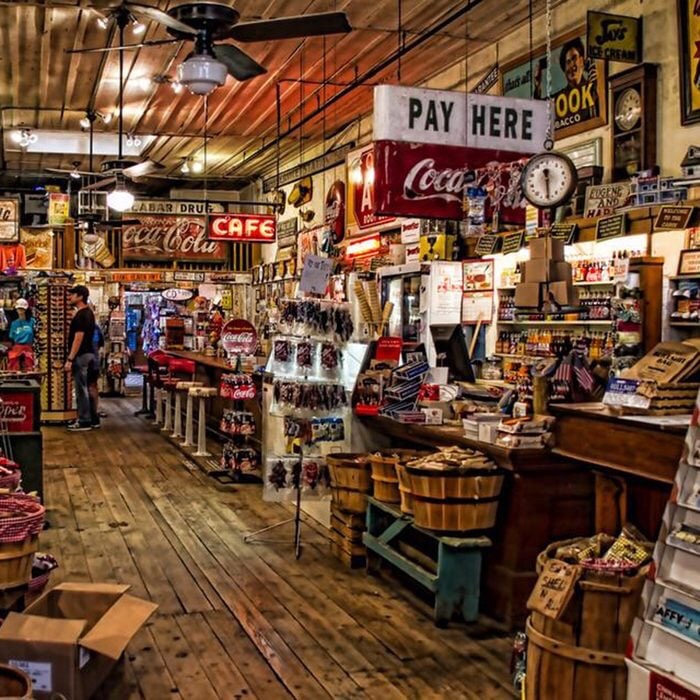
And where did we shop? Well, there was no Amazon — no “online” at all. But we did have the neighborhood grocery, the neighborhood pharmacy, the neighborhood ice cream shop, the neighborhood hardware store, bakery, butcher shop . . . you get the picture. Stores where the proprietors greeted us by our first names, and kept us up-to-date on all the neighborhood gossip. And for those special purchases, like clothes and shoes . . . well, that required an excursion downtown to the department store; but luckily that wasn’t necessary too often because clothes got mended by Bubbe on her treadle sewing machine and handed down from generation to generation, or recycled to the younger siblings and cousins.

Neighborhood Grocery

We also didn’t have a problem with boredom — there wasn’t time, what with all the laundry, cooking, cleaning and egg-gathering to help with, and homework to be done. And you didn’t “sass” your parents, teachers, or other adults, because if you even tried, you got smacked — hard — by all of them! And no parents went into debt to be sure their children had the latest and greatest electronic gadgets, because those things didn’t exist yet so we didn’t miss them. We learned early on to think for ourselves; there was no Siri to do it for us. We kids didn’t have house keys either, because we didn’t need them; there was always a grownup there when we got home from school. The “latchkey kid” hadn’t been conceived of yet, so there was little opportunity for us to get into serious trouble.

What we did have, though, were things like respect — for others, and for ourselves — and quality family time, and fun. And most of all, we had hope. Even during the War years, there was a certainty that it would one day end, that the good guys would win (we did), and that all would be well again (it was). Sure, there were problems — every age has its share of those. But we didn’t whine or angrily “tweet” about them; we dealt with them and worked together to solve them.

And we grew up good.

Just sayin’ . . .

Brendochka
6/8/23

Reflections #1: “It’s In Your Blood”

Welcome back. For those of you who have been following me for the past six months through my long-ago travels around the western hemisphere, and especially my Russian adventures, this new series will prove quite a departure. And for those who are brand new to my blog: welcome to my wonderfully weird world of wit, wisdom and winsomeness — or at least, that’s what I’m aiming for as we start out along this new road.

But as I sat down at my keyboard to begin this chapter, I realized that I was showing clear signs of withdrawal, and that I’m one of those people who probably needs to taper off gradually, like when I tried to give up sugar. So, rather than attempting to make too clean a break from all that Russian stuff at once, I thought I’d start things rolling with a little bit of Russian-related nostalgia. Just a touch — you know, so I don’t crash and burn. And here we go . . .

*. *. *

Ekaterina Alekseyevna (Katya, for short) was a delightful little lady from Moscow, who was teaching Russian at Northern Virginia Community College in 1985, when I decided that studying an impossible language might be a relaxing way to spend my evenings and weekends after working 40-plus hours a week at a super-stressful job in a high-powered Washington law firm. So now you know something about me: I am a glutton for punishment.

Roomful of Hopefuls

Our Russian 101 class started off with, as I recall, 27 students, only one of whom had ever studied the language before but needed a refresher course because he had met a Russian woman on one of his trips there and wanted to marry her. (Talk about gluttons for punishment? Sad to say, that did not work out well for him.) The rest of us were total neophytes; I, for example, knew how to say exactly three words in Russian: “yes,” “no,” and “goodbye,” which actually placed me well ahead of the rest of the class. As for the Cyrillic alphabet . . . well, judge that for yourselves:

Clear as mud . . . right?

But I am as stubborn as I am masochistic, so I dug right in, and at the end of the first semester, I was one of the 12 remaining students in our class. The high attrition rate was no surprise — just look at the freakin’ alphabet! And don’t even get me started on the grammar, or how to pronounce a word that begins with four consecutive consonants. As it turned out, though, I had something of a knack for the language, even though other, simpler languages had always eluded me. In fact, after one of our evening classes, as several of us were walking together toward the parking lot, Katya asked me if I had ever studied Russian before. I said I had not, and she asked, “Well, why do you suppose you’re so good at it?” I told her I thought it might be genetic, because all four of my grandparents had come from Russia — the part that is now Ukraine. She stopped in her tracks, pointed a finger at me (no, not that finger, silly!) and declared, “Aha! It’s in your blood.” And thus, I swear, she put a curse on me. I’ve had this Russian obsession ever since — the language, the history, the culture, even (God help me) the politics — and that was almost 40 years ago. Let me tell you, that’s a long time to be obsessed with anything!

Oy!

*. *. *

Relax . . . I don’t really believe in curses. But the part about the Russian grandparents was real, and particularly my maternal grandmother, to whom I was most attached. My Bubbe was an amazing lady: sweet, warm, loving, hard-working, nurturing . . . and tough as nails when she needed to be. She came here in 1905 from the old country — a town called Zhitomir, not far from Kyiv — as a young wife with one baby. She and my Zayde (grandfather) spoke no English when they arrived in America; but they were multi-lingual, speaking Russian, Polish and Yiddish, and quickly learned to speak English without ever being able to read or write it.

They settled in Woonsocket, Rhode Island — God knows why! — and had four more children, all five finishing high school with top grades, which was quite an accomplishment in those days. By the time their first grandchildren — my sister and I — came along, my grandfather had a thriving bakery business; they owned a multi-unit house, fully paid-for, where we and two of my aunts and uncles lived and paid rent; and they were the darlings of the surrounding, predominantly French-Canadian-Catholic neighborhood.

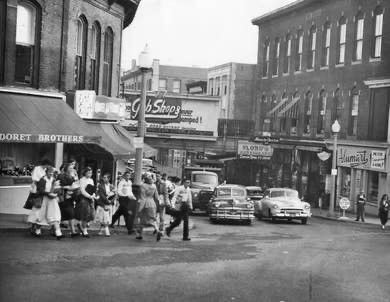
Downtown Woonsocket, R.I. – c.1940s

But back then I wasn’t really interested in my heritage, though now I wish I had been. They were just my loving grandparents, and were as much of an influence on my childhood as my own parents were. So what was it like, growing up with an ever-present Russian-Ukrainian-Jewish grandmother hanging over you — watching, listening, feeding, touching, hovering, feeding, scrubbing, scolding, feeding, hugging, fussing, and — did I mention? — feeding you every hour of every day for the first nine years of your life? Sound awful? Well, you’re wrong. It was wonderful, and not only because of the food. We were cared for, looked after, taught right from wrong (and almost everything was wrong . . . right?). We were loved, and we were safe.

And we grew up good.

And God help us when we misbehaved! If a grandparent or an aunt or uncle caught us doing something we shouldn’t, they didn’t conspire with us to hide it from our parents — they ratted us out, big time. And, depending on the severity of the crime, either we were sent to our room without supper, or . . . for the worst offenses, like lying, or killing the neighbor’s cat by sitting on it (my sister actually did that)* . . . we were spanked. Bare-bottom spanked. Usually with a strap. Did anybody report our parents to Social Services? Ha! What Social Services? — they didn’t exist. Did we hate our parents? Well, yeah . . . at the moment, we did. But not for long, because then we’d get supper in bed and a big hug along with the inevitable lecture, which usually ended with the best lesson of all . . .

“Because I said so, that’s why!”

And we grew up good.

* Note: I was too little to remember the dead cat episode, but I’ve been told she didn’t mean to kill it; she just wanted to go for a ride. You know: “Gidyap, Kitty!” I guess it was a really big cat. I’m thinking maybe Maine Coon size.

There were dozens of pearls of wisdom that my Bubbe had brought with her from the old country, mostly cautionary, like “Stay away from that girl; she’s a kurva.” (You can probably figure that one out.) Or, “Don’t sit on the stone steps; you’ll get piles.” (I think that meant hemorrhoids). Or, “Don’t touch that frog! You’ll get warts.” And my personal favorite: “If you keep frowning, your face will freeze like that.” Well, between the “piles” and the warts, how could I not be frowning?!!

But there were no warnings about playing in the dirt; or about stuffing ourselves with huge meals made with solid Crisco or schmaltz (chicken fat) and unlimited amounts of salt; drinking from each other’s soda bottles; climbing trees; roller skating without a helmet (who had helmets?); or reading comic books filled with bad guys blasting the good guys with their deadly ray guns.

“Blam!” “Zap!” “Gotcha!”

And still we grew up good.

There was one other member of my grandparents’ household: my great-grandmother (Bubbe’s mother), who was called “Baba.” She was ancient — probably not much older than I am now, though I’m not a great-grand yet. She must not have been well, because I remember her spending most of her time in her room. Or maybe it was because we were all speaking English and she had never learned how and felt left out. But there were times when she was up and about, shuffling around in a housedress, an apron, and floppy bed slippers. She always had hard candies in her apron pockets along with — for whatever reason — mothballs. (Don’t ask me why; I really don’t know.) The candies weren’t individually wrapped in those days, so when she would sneak some to my sister and me, they tasted a little like . . . what else? . . . mothballs. There was also usually a little pocket lint stuck to the candy, but we didn’t care; candy was candy. Unless it was a mothball.

And we grew up good — though sometimes I wonder how we grew up at all.

It was a household crawling with relatives — parents, aunts, uncles, cousins, second and third cousins from out of town, and of course, the ever-present old folks — all talking at once, arguing (they called it “discussing”) about anything and everything, and sharing each and every minuscule detail of their lives. It would probably drive me crazy today, but at the time it was normal, and I loved each and every one of those people — my people — with all my heart.

“So you think you know everything?”

My Zayde and Baba both passed away when I was just eight, and my Bubbe lived another thirteen years after that. I miss them still, and when I finally get to that great shtetl in the sky, they’re the first people I want to see. Because of them, I got sucked into what my sister later dubbed “that whole Russian thing.”

And because of them, I think I grew up pretty good.

Just sayin’ . . .

Brendochka
6/5/23

Ch. 28 – Starting Over

It was done. I had chosen my own way, and that path had led me to places I never dreamt I would be. Now that it was over, there were decisions to be made, a new course to be plotted. And I was totally unprepared.

I had always known, of course, that once Yuri Shvets’ book was published, that part of my life would be behind me. What I hadn’t foreseen was the resultant unraveling of my long relationship with Russia: my business, my travels, and — most painful of all — my Russian friendships.

The KGB had kicked me to the curb; the FBI no longer needed my help; and my friends in Moscow were afraid to talk to me. My business plan was defunct, and my bank account was in desperate need of an infusion of cash. It was as though it had all been a long, weird dream, and I had awakened still groggy and not quite sure of what was real and what wasn’t.

So what do you do when you reach the dead end of a road? As I see it, you have two choices: you can fall apart, or you can look for a new road. I momentarily considered the first option; but then I gave myself a good lecture, pulled myself together, updated my resume, and went searching for a job. It wasn’t that difficult in Washington in those days; we used to say D.C. was recession-proof. In a matter of days I found my place — a good one — and I stayed for 21 years.

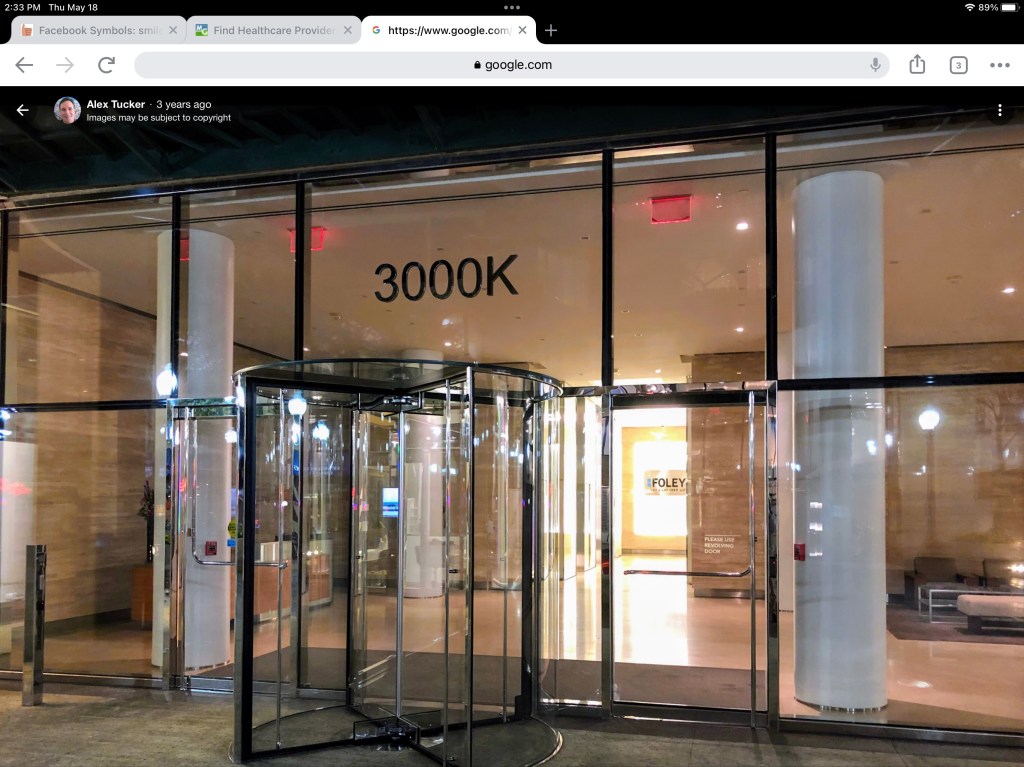
The law firm was Foley & Lardner LLP; I was assistant to one of the firm’s top corporate partners, Steve Chameides, whose extensive background included work for Russian and Ukrainian shipping and cruise lines. I was hired in part for my Russian language skills and knowledge of the country, so there was still some attachment. On the downside, there was no opportunity for travel, and I was no longer my own boss; but the work was interesting, the people were great, the location on the Potomac Riverfront in D.C.’s Georgetown neighborhood was ideal, and the pay was good. Was it exciting? For the most part, no. But it had its moments . . .

Foley & Lardner Offices, Washington, D.C.

I had only been with the firm for a couple of weeks, and was still finding my solid footing, when Steve was asked by another partner to join a meeting with some potential new clients, one of whom was from Russia. At one point, Steve rang and asked me if I could get someone from our copy center to pick up some documents to be duplicated right away. Rather than waste time delegating, I decided it would be quicker to take care of it myself and went directly to the nearby conference room. Looking only at Steve, I took the documents, left the room, and headed for the copy center. On the way, I happened to glance down at the top page of the sheaf of papers in my hand, and saw a familiar name: the name of Valentin Aksilenko’s brother-in-law from Riga, Latvia, who had been the conduit for the exchange of messages between myself and Aksilenko for a while in 1993.

“Holy Shit!”

I stopped walking and began leafing through the papers. And there was the other name I was looking for: Valentin Aksilenko himself. By one of the most bizarre of coincidences, he and his brother-in-law were partnering with a former client of Steve’s, an American man, in some sort of commercial transaction. Aksilenko had to have been in that room! Of all the law firms, in all the cities, in all the world, he walks into mine . . . (Oh, sorry — just couldn’t resist channeling Casablanca.)

So now what should I do? First I took the papers to be copied, and instead of leaving them for someone else to bring back to Steve, I decided to wait for them and return them to the conference room myself. I just had to know. And when I walked back into that room, there was Aksilenko — seated across the table, facing me as I entered, and looking as though he wanted to slide under the table and disappear. His face was flushed, and he clearly did not know what to expect. Was this too much of a coincidence to actually be one? Was I going to say something? He was in as great a state of disbelief as I was.

But I had had time to compose myself. I handed the documents back to Steve and left the room as I had entered: without a word — but not before looking directly at Aksilenko to let him know I had seen him. I went back to my office, sat down, and waited for the shaking to stop — it seemed I wasn’t quite as composed as I’d thought. And then I called Eric at the FBI. But he was strangely unconcerned, and simply asked me to keep him advised of the outcome of the meeting. I was clearly an outsider now, and this encounter was no more than a little glitch to him. But to me, it was a disturbing indication of how small a world this really is. What’s that old saying? — “You can run, but you cannot hide.” Believe it.

Later, when the meeting broke up, I did what I had to do: I told Steve the story of my history with Aksilenko, and assured him that I would recuse myself from all work on any projects the firm might undertake for him and his colleagues in order to avoid even an appearance of any conflict of interest. As it turned out, though, that wasn’t necessary; it had already been decided that their proposal was not of interest to the firm and they were not going to be taken on as clients. But Steve was fascinated by my story, and we developed a great working relationship over the next two decades, and a friendship that continues to this day.

*. *. *

That was early in 1995. I have not seen, spoken to, heard from, or in any way communicated with either Valentin Aksilenko or Yuri Shvets in the ensuing 28 years. But they have never been far from my mind, and a little over two years ago — by then in retirement, with plenty of time on my hands — I decided to give voice to my memories. I began writing: not this blog, but a book. I have a nearly completed draft manuscript and a book proposal now, and I’m on a search for a publisher or literary agent. My magnum opus may never see the light of day, but writing it has been truly healing. If nothing else, it will be a legacy for my children.

And from that book was born this blog. It’s been a great way of sharing parts of my story with friends and others around the world who may be interested. And I’ve found writing a blog to be much more relaxing than writing a book: no research, no pressure, no need for grammatical perfection. No money either, but that’s beside the point.

As for all of that research, I had to do a lot of reading before I could even begin writing. And in the course of that reading, my name popped up in some unexpected places, the most fascinating being a book titled “One Nation Under Blackmail – Vol. 2,” by one Whitney Webb. It is largely about the late (and not so great) Jeffrey Epstein. In Chapter 20, the author writes about Epstein’s connection with the Edge Group, “an exclusive organization of intellectuals . . . created by John Brockman.” Yes, the same literary agent John Brockman who sold Shvets’ book to Simon & Schuster all those years ago.

Ms. Webb goes on to write more about him, including his involvement with Shvets and Aksilenko in 1993-94 . . . which is where my name shows up, mostly in quotes from that old New York Times article. Nothing negative about me, but who would ever have thought I’d be mentioned, even marginally, in a book about a notorious, convicted, and now dead sex trafficker? My name is even included in the Index! My grandmother would have been horrified — she used to preach that you’re judged by the company you keep. She was right, of course; but at my age, I figure any publicity is good publicity and can only enhance what’s left of my reputation. So, all in all, I’m fine with it.

*. *. *

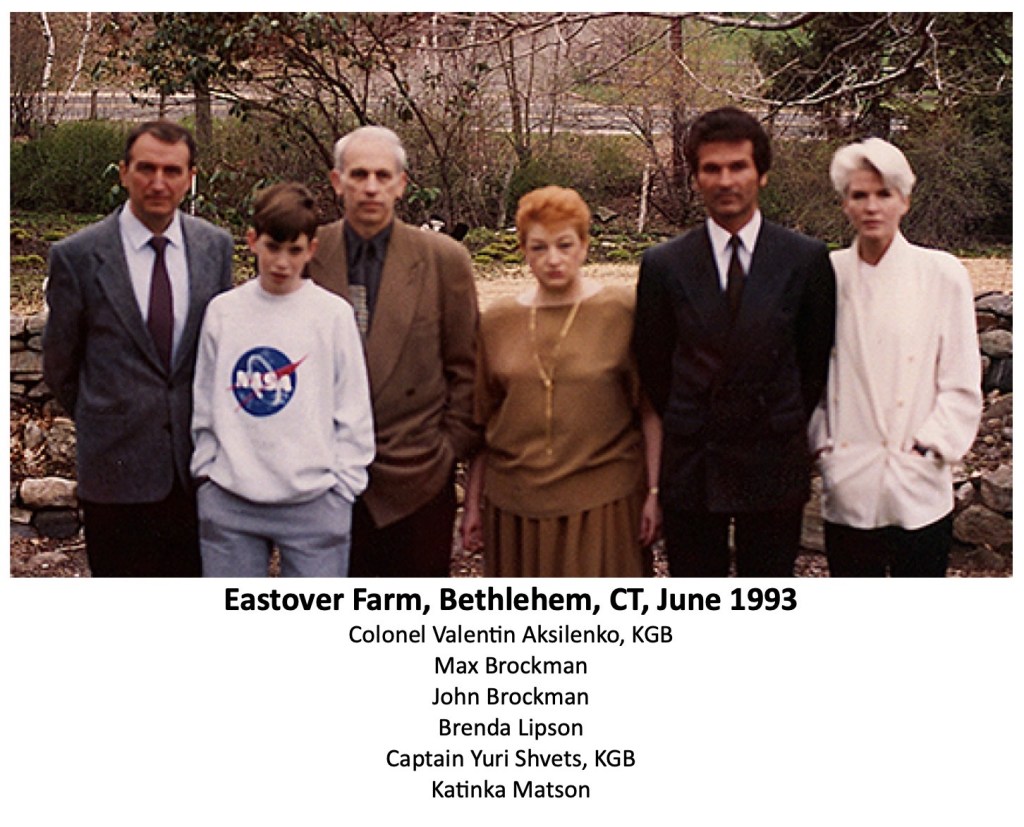
And there we are (pictured above) at the beginning: Valentin Aksilenko, far left; Yuri Shvets, second from right; John Brockman; his wife and business partner Katinka Matson, far right; their son Max; and — in the middle of things as usual — yours truly, with the red hair and an inexplicably odd facial expression. The red hair was an accident of birth; I can’t explain the expression except to say that it was early in the morning, just prior to leaving for the city to meet with publishers, and I hadn’t slept well the night before. And judging from everyone else’s somber expressions, neither had they. Or perhaps the photographer just forgot to say “Smile.”

[NOTE: The photo is from John Brockman’s archives. Two corrections: the date was April, not June, 1993; and Yuri Shvets was a Major in the KGB, not a Captain, at the time of his retirement.]

And here I am today, retired and living in the great state of Georgia, navigating a quieter path, and still missing the excitement of Washington, Moscow, and all the other world capitals I’ve been privileged to visit . . . but grateful to be able to write about them. In my view, a life devoid of tales worth telling would be a life only half-lived.

A Quieter Road

And what about the other characters in this story? Where are they now? Also in the course of my research, I inevitably ran across articles on Aksilenko and Shvets. It appears they’ve long since become U.S. citizens, enjoying the benefits of living here rather than in Vladimir Putin’s Russia. Aksilenko, true to his nature, has kept a lower profile, reportedly running a business, writing a book of his own, and speaking from time to time before various private and governmental organizations.

Shvets, on the other hand — always the more flamboyant of the two — has maintained a somewhat more public persona. Despite his allegations that he continues to live in fear of retribution from certain forces in Russia and thus must keep his exact whereabouts secret, he has appeared frequently in print and on TV. He also has his own YouTube channel, wherein he expounds on matters of international political importance — in Russian, without English subtitles. I wonder: to whom is he speaking?

In any event, they both seem to have enjoyed the rewards of living in the land of the free. Good for them.

As for the self-proclaimed superspy Aldrich Ames, now 82, he continues to live out his life sentence, without possibility of parole, in Federal prison. Has the identity of the person or persons who blew the whistle on him ever been made public? Not to my knowledge. There were those, nearly three decades ago, who suggested it was none other than Valentin Aksilenko; but others said no, and offered a few different possibilities. I doubt we’ll ever know for sure. But, if it should happen that Aksilenko — or even Yuri Shvets — was that person, then I would take great pleasure and pride in knowing that, in some very small and indirect way, I helped to make it happen. And if not, then at least it was . . . well, not fun, exactly . . . but undeniably interesting. Not everyone can say they spent two years hanging out with the FBI, the KGB, the CIA, the Russian Mafia, the Moscow Militia, two Russian defectors, and an extraordinary assortment of bit players. But I can.

And if I could turn the clock back to that cold February day in 1993, would I choose the same road again?

Would you?

FINIS

Inspiration . . . or regret?

*. *. *

And thus concludes this series of blog chapters. But I am not saying goodbye; blogging is too much fun. I initially dreaded reaching the end of this saga, once more unsure of what direction I should take next. I have finally decided on a series of random “Reflections: A Life Before and After Russia,” focusing on the more humorous, sometimes reminiscent, sometimes bizarre aspects of this amazing world of ours and the many years I have lived in it. I hope you’ll join me, and bring your friends, as I walk along this new road.

So, until next week, I am still . . .
Brendochka
6/1/23

Ch. 27 – Aftermath – Part II

Storm Warning

Washington, first week of March 1994: Things were not going well. With word out that Shvets’ book was about to be released, the press was expected to engage in one of its usual feeding frenzies, and I knew I had to take preemptive action; I couldn’t let my Russian contacts find out from a news release about my involvement. So I went to see Natalya at the Embassy. She was expecting to hear about the conference in Malta; what she heard instead appeared to send her into shock.

Natalya Semenikhina was an exceptional woman: smart, efficient, attractive, with a natural charm and warmth that made her perfect for her position in the Cultural Section of the Embassy. And she had been extremely helpful to me in working toward the creation of my U.S. training program and establishment of a business school in Moscow. I genuinely liked and respected her, and had enjoyed working with her. And now I had to try to salvage our relationship — and all of my hard work and dreams — without betraying the two people to whom I owed a professional responsibility . . . whether they deserved it or not.

She and I sat facing one another over tea in one of the Embassy’s formal meeting rooms, talking first about Malta, the people I had met there, the business opportunities, etc. Then I said I had something else to discuss with her . . . something quite serious. And as I related the story of my meeting the year before with Aksilenko in Moscow, his revelation as to his friend’s tell-all book, their subsequent “relocation” to the United States, and the imminent publication of the book, her face paled and her expression turned to one of total horror. Although I stressed the strictly commercial nature of my relationship with them, I could see clearly that she knew exactly who they were and what was at stake. And, for the first time in all the months I had known her, she was speechless.

Finally composing herself, she said that this was completely outside her purview, and that she would have to discuss it with someone else. At that point, I’m not sure she even knew whom to go to, but she did know she couldn’t deal with it alone. She said she would call me to set up another meeting, and I left the Embassy with a sinking feeling that my work in Russia was about to come to an end. My one hope might be to cut short my working relationship with Aksilenko and Shvets, and perhaps even to forfeit my financial interest in the book. I would have to give that some thought while I waited to hear from her, but I wasn’t optimistic — you can’t unring a bell.

She called the very next day and asked me to come to the Embassy on the day after that. Her voice left no doubt that she was under serious stress. As concerned as I was for my own situation, I also felt regret that it had become necessary for her to be involved — she had had nothing to do with any of it.

The next morning I arrived at the Embassy to be greeted by a very somber Natalya. There was no tea service in the meeting room that day — a bad sign from the normally hospitable Russians. Her speech was hesitant, and had obviously been carefully rehearsed. All of the public rooms in the Embassy were assumed to be bugged, probably even wired with cameras; so I was sure she was being careful to say everything she’d been instructed to say, and nothing more. I, on the other hand, had no idea of what to expect. For me, this was going to be like amateur night at the Improv.

Natalya told me she would normally have arranged for me to meet with a Mr. Lysenko — the name was unfamiliar to me — but that he had returned to Moscow just a few days earlier. So she had talked with someone else in his department, and that person had suggested that I should prepare and submit to them — now check this out — a written statement detailing the history of my relationship with Aksilenko and Shvets, from beginning to end, leaving nothing out: everything I knew about them, everything they had ever told me, everything about the contents of the book, my business arrangement with them, and presumably where they were and what they were doing now. Then, and only then, could my own situation be reevaluated and given careful consideration.

Momentary silence . . . deep breath . . . then . . .

“You’re kidding . . . right??!!!”

Okay, so I didn’t actually laugh. But oh, how I wanted to! Did they really believe for one moment that I would even consider delivering to the government of any country — let alone an adversarial one — any information that could conceivably be used against American interests? Did they think I was personally low enough to sell out another human being (or two)? Or that I was stupid enough not to realize that anything I might give them would go directly to the Russian Foreign Ministry as well as KGB Headquarters, and could potentially reach all the way to the Kremlin itself? And did they also believe I was weak enough or greedy enough to simply break down and submit to their transparent attempt at coercion?

Yes, I suppose that is what they thought. Well, then . . . they clearly had no idea what kind of person they were dealing with!

Of course, I kept all those thoughts to myself, and somehow managed to remain calm. I briefly considered keeping them hanging for a couple of days by telling Natalya I’d think it over and get back to her. But no . . . there was nothing to think over, and I wanted them to know that. So what I did say was that — for better or worse — Aksilenko and Shvets were my clients in a publishing venture, and that it would be professionally unethical and personally reprehensible (my exact words) for me to betray them in the manner her people were suggesting. Bottom line: a flat-out “Nyet!” Or, in today’s parlance: “Sorry; not sorry.”

As I spoke, Natalya almost seemed physically to deflate. She had failed, and she looked worried, even frightened. Then she stood up, whispered something that sounded vaguely apologetic . . . and I was politely shown the door.

Walking down 16th Street away from the Embassy, I knew that I, too, had failed in my efforts to guide some of Russia’s middle class into the approaching 21st Century. But they would manage without me; the Russian people always did, somehow. In a different sense, though, I knew I had succeeded. I had stood my ground, refused to be intimidated, and had not sacrificed my ingrained principles of honor and decency. I was, in human terms, the clear winner.

“Ta-da!!”

When I reported all of this to Eric later that day, he told me that the man I was supposed to have met — Aleksandr Lysenko — was well known to the FBI: he had been the rezident, or chief of station, at the Russian Embassy for several months. In other words, the top KGB guy in Washington. He had been expelled from the U.S. just days earlier for his role in running the CIA turncoat Aldrich Ames. The fact that I was intended to have met with a person of Lysenko’s rank clearly indicated how seriously the Russians were treating this whole situation. On the one hand, I was obviously relieved that a meeting with him had been averted; but on the other hand, I thought it might have been an interesting experience . . . in a rather perverse way. But that’s one more thing I’ll never know.

Aldrich Ames and Aleksandr Lysenko — two men I didn’t know, and had never even heard of before they made the news just a few days earlier — had somehow, indirectly, invaded my life and changed it forever. Unbelievable!

*. *. *

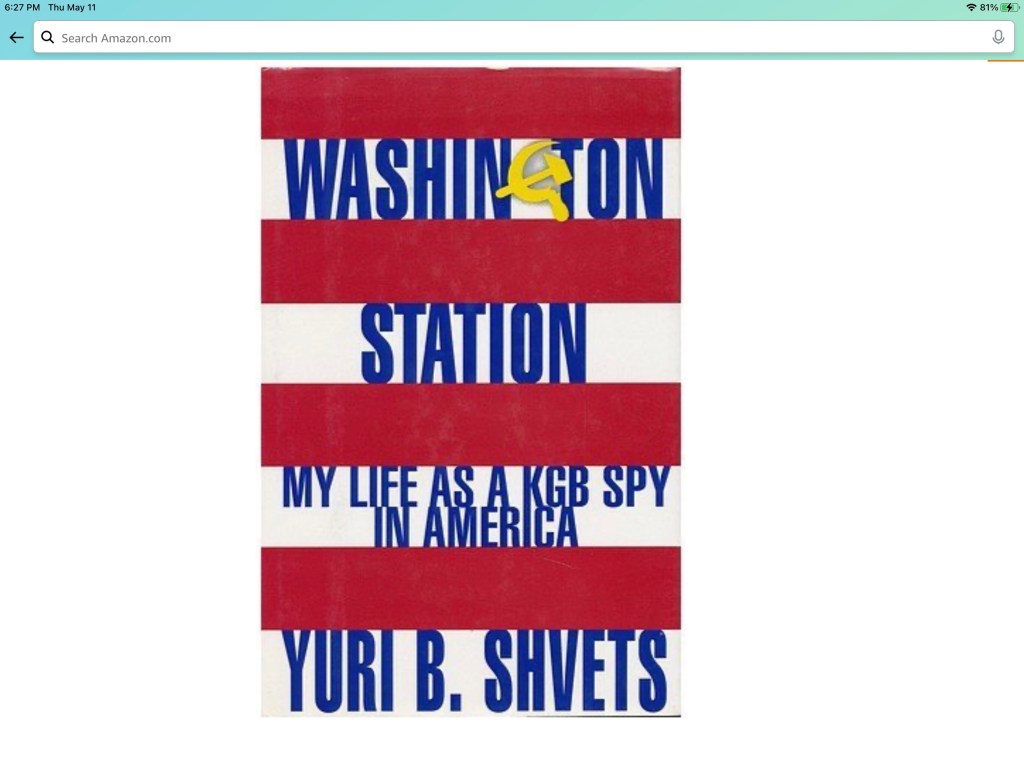
In April of 1994, Shvets’ book, Washington Station, was finally released.

The Root of the Trouble

On April 9th, an article by John Markoff and David Johnston appeared in the New York Times about the book, about Yuri Shvets himself, and about my role — not entirely accurately presented — in having brought Shvets and his colleague, Valentin Aksilenko, to the United States the previous year. But the article didn’t stop there. It went on to suggest a possible connection between the arrival of the two men in the U.S. for ten days in April-May of 1993 and the opening of the FBI’s official case against Aldrich Ames just one week after their departure.

And as I read that article, a comic-strip lightbulb lit up over my head. It all began to make sense, in a totally convoluted, nonsensical way. All of the attention from the FBI at home and the KGB and Militia in Moscow; the “watchers” and “Good Samaritans” repeatedly showing up during my travels; the ease with which the two former KGB spies had gotten back into the U.S. — it hadn’t been my imagination at all.

No . . . I was just a person who had been in the right place at the wrong time — not really involved, but ultimately the one who had been used to tie the various strings together. Metaphorically speaking, I had become a pawn in someone else’s political chess game, and now, at the end of that game . . . well, now I was simply collateral damage.

You just can’t make this stuff up!

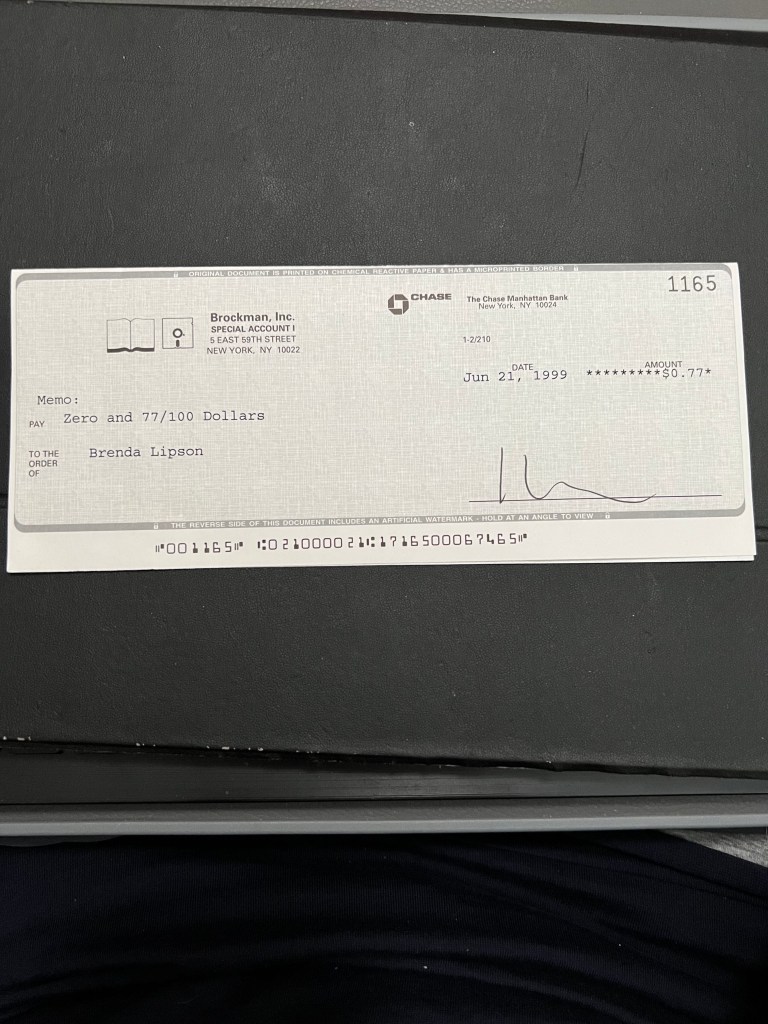
There’s more — lots more — that I really don’t need to go into here. But there is an interesting footnote. Because of the brouhaha surrounding Aldrich Ames’ arrest and eventual conviction and sentencing on charges of espionage, Yuri Shvets’ book could not have hit the stands at a worse time. It was totally overshadowed by the bigger story. The first — and only — printing was smaller than originally planned, and didn’t do well. It was gone before most of the world even knew it was there. Other than my small percentage of their advance payment, my only royalty check arrived in the mail a full five years later, in June of 1999, in the amount of . . . drumroll, please. . . seventy-seven cents ($0.77). As I stood by the wall of mailboxes in the lobby of my apartment building and opened the unexpected envelope from Brockman, Inc., I burst out laughing — so hard, and so loudly, that several passing neighbors thought I’d lost my marbles. I managed to choke out “I’m okay,” and continued laughing all the way to the elevator, up to the third floor, and down the long hallway to my apartment.

I still have that check, and it still tickles me to look at it.

Don’t spend it all at once!

*. *. *

So how does it all end? Am I going to leave you hanging after dragging you around Europe with me for half a year, wondering why I’ve bothered writing all of this stuff? No . . . of course I wouldn’t do that to my loyal readers. So, see you Thursday for the grand finale.

Brendochka
5/29/23

Ch. 26 – Aftermath – Part I

February 25, 1994: Homeward bound once more, and happily not on Aeroflot this time. But because my original booking had been through Rome, returning the same way turned out to be the least expensive route, even though there was no connecting flight and it meant an overnight stay in Rome. I had reserved a room at a small hotel near the airport and arrived around 11:00 p.m., well after the hotel’s dining room had shut down for the night. But one of the benefits of a boutique hotel is the personal attention they are able to pay to their guests, and this one was no exception. The concierge found a person still in the kitchen who was able to prepare some of the food that hadn’t been served at dinner, and delivered my light meal to me personally. It was delicious, and with a glass of Chianti to wash it down, I was able to sleep like a baby.

Italian Snack

I awoke early the next morning — Saturday the 26th — in order to catch the hotel’s shuttle bus to the airport. As I was dressing, I again tuned in to CNN, this time to learn that there had been yet another shooting incident in Hebron, a Palestinian city in the West Bank of Israel. Would they never stop?!! I wondered. It was an ongoing tragedy; but as an American who lived geographically far removed from the problems of the Middle East, and this being years before acts of foreign terrorism reached our shores, I never thought of the effect it might have here in Italy. That is, until I got to the airport . . .

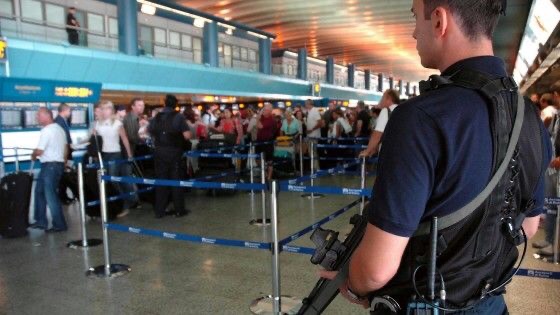
The lines in the terminal appeared endless. They snaked around the inside of the building to every airline counter, including mine. The police and military presences were heavy and heavily armed, many accompanied by their canine partners. This was Europe, where they had suffered their fair share of terrorist attacks; and I had forgotten that when things heated up in the Middle East, the response here was immediate . . . and impressive. So I found my line and waited as the security officer worked her way toward me.

Airport Security – Rome, Italy

When she finally reached me, she began by asking the usual questions: “What was the purpose of your visit to Rome, and how long were you here?”

Answer: “Overnight, just transiting.”

Logical next question: “Transiting from where to where?”

Oh-oh. My answer — “Moscow to Washington” — was clearly going to set off some alarms. And did it ever! Her next questions concerned the purpose of my visit to Moscow, where I had stayed and for how long, whether my luggage had ever been out of my sight, whether anyone else might have had access to it . . . And when I answered truthfully that I had stayed in an apartment and that yes, others had been alone with my bags for a while, she very apologetically said she would have to perform a search of my luggage. I responded that it was no problem, as long as I didn’t miss my flight, which she assured me would not happen.

And I said a silent prayer of thanks that I had had the good sense not to take Shvets’ $3,000, and even more so his son’s passport, from his mother. This was exactly the sort of thing I had been afraid of, although I certainly could not have known there would be an overnight Middle East problem. But there are many possible reasons for a baggage search — even a simple random check — and it was almost as though Mama Shvets had been hoping for that when she loudly insisted that I could hide the passport under my clothing. The things I thought about her and her precious son in those moments do not bear repeating, but I’m sure they’re not difficult to imagine.

Not My Finest Moment

In any event, the search was quick and respectful. Security officers are trained to read people’s reactions and body language, and I suppose she could sense that I wasn’t hiding anything. When she finished, she even took me up to the head of the line to be checked in, as a sort of apology for the inconvenience. The plane was boarded on time, and off we went.

I had a seat mate this time: an American woman, 40-ish, well-dressed, professional-appearing — someone I thought I might enjoy chatting with. But she was as silent as the American man on last summer’s Aeroflot flight. My usual get-acquainted questions — was this your first visit to Italy? business or vacation? what line of work are you in? — met with non-responsive, monosyllabic answers. She clearly did not feel like talking. I didn’t want to be intrusive, so I resigned myself to a long, quiet flight ahead and settled in with the book I had brought, thinking she might be more willing to talk a bit later. She wasn’t. We landed at Dulles on time, and she walked away without a word. So much for the friendly skies.

The next day, all hell broke loose.

First, there was Yuri Shvets to deal with. He was anxious to receive whatever his mother had sent back for him. The FedEx envelope with the passport was already en route (and actually arrived a couple of days later); but when he saw that I had brought only a letter and no money, and that most of his gifts for her had not made it into my luggage in the first place, he was livid . . . which was nothing compared to what I was feeling. I told him in minute detail of his mother’s performance and how irresponsibly, and even recklessly, she had behaved. His excuse was, again, that she was just a “simple Russian woman,” to which I replied, “Bull shit! She’s the mother of a KGB Major. Don’t tell me she doesn’t know how to behave in public.” I also let him know what had happened at the Rome airport. The conversation deteriorated from there, and I stopped just short of accusing him of trying to set me up — only because I had no proof. And because I was alone in my apartment with a very angry man. He finally took the bag and the letter and left, slamming the door behind him. I never saw or spoke to him again.

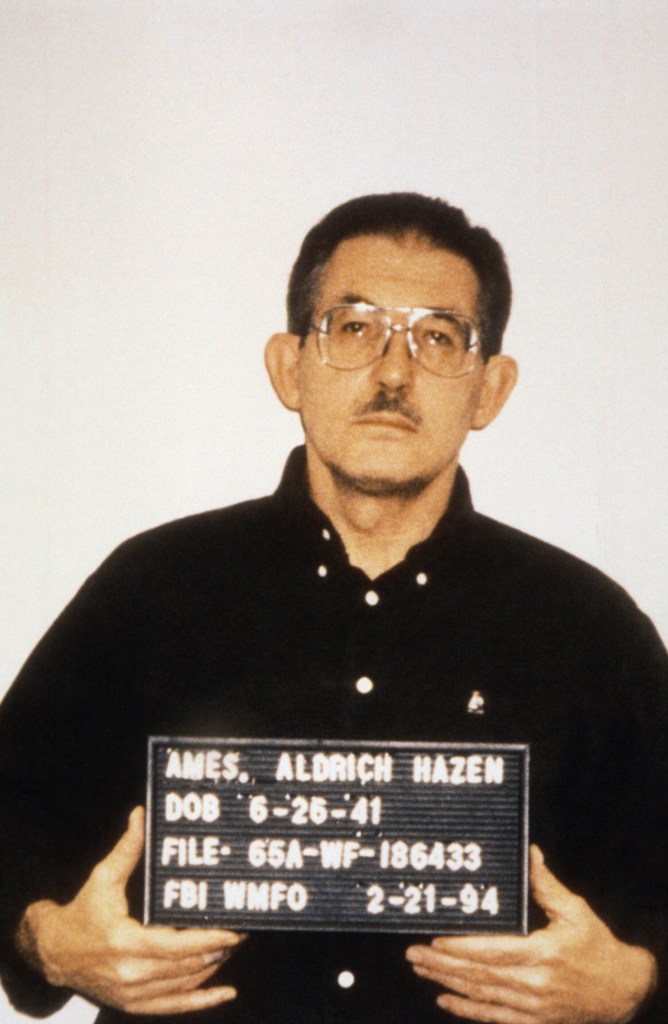
I called Eric on Monday to let him know I was safely back, and we made plans to get together in a day or so. In the meantime, I had caught up on the national and local news, which turned out to be full of the story of the CIA agent who had been caught spying for the KGB: Aldrich Ames, the man I had first heard of on CNN in Moscow. Folks there had shrugged it off as just another remnant of the Cold War; but here at home it was a big deal. Still, it had nothing to do with me.

Well, at least not directly, it didn’t. But as I read the details of his arrest, and the FBI’s actions in the days leading up to it, I realized that the coincidence in timing between that activity and my pending travel to Moscow was more than a little interesting. It was reported that Ames had been part of a CIA team scheduled for an official visit to Moscow, due to leave Washington on February 22nd — the very middle of the time I was also to be in Moscow — and that his arrest had been set for the 21st in order to forestall his leaving the country. But again I wondered: so what? I hadn’t even known the man existed.

Aldrich Ames

And I had my own problems. Shvets’ book was soon to be released, and John Brockman was talking about pre-release publicity. My name was tied to both Shvets and Aksilenko, and I knew it was time to do damage control with Natalya at the Russian Embassy. This was not going to be pleasant . . .

Brendochka
5/25/23

Ch. 22 – Reflections on Obsolescence

I’ve been doing a little midweek mental meandering as I finish polishing this coming Thursday’s chapter on leaving Moscow; and for some reason, I’ve been focused on the subject of obsolescence. Not the obsolescence of things — we all know what science and technology have wrought . . . and discarded. Just think of the gas lamp, dial phones, manual typewriters, clotheslines, gigantic boomboxes, the Blackberry, and the icebox. No, I’m talking about the obsolescence of people.

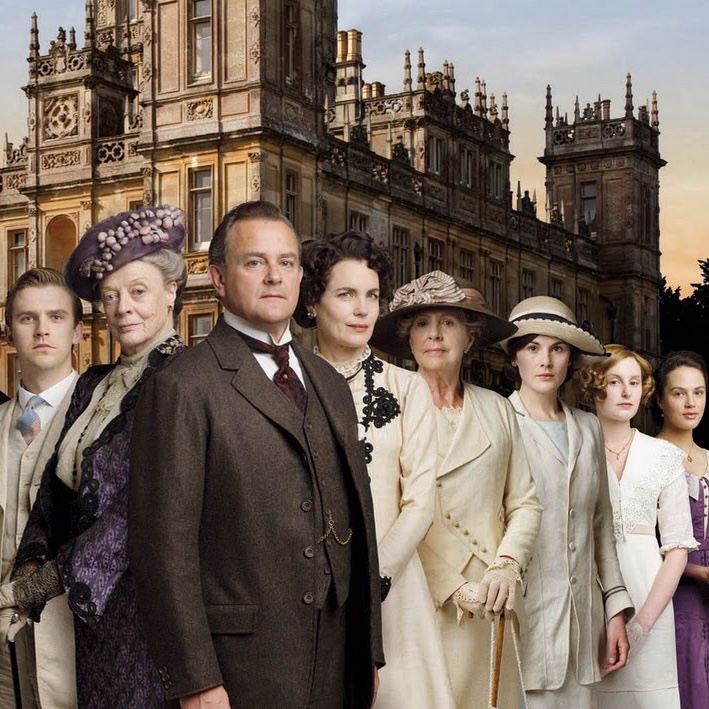
I always planned to age gracefully and beautifully, gradually becoming the matriarch of my little family — revered for my wisdom and accomplishments, feared for my authoritative nature, and loved for . . . well, just for being me. Or are matriarchs limited to wealthy, aristocratic English families, like the Crawleys of Downton Abbey? That’s certainly not my life.

The Crawleys

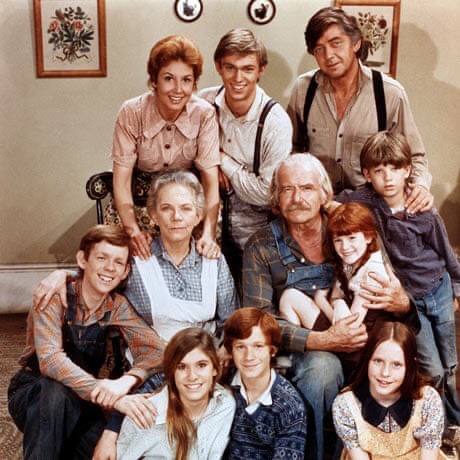
Or maybe the other end of the economic spectrum: the Depression-era Waltons of the Blue Ridge Mountains? Enormous, wonderful family; dirt poor. Nope, not me either.

The Waltons

So, no matriarchy for me.

The Japanese revere their elderly. So do the Chinese, Koreans, Native Americans, and many others. So maybe I should move to Japan and get myself adopted by a lovely family there. Not practical, but worth considering.

Yet what about the rest of us here in the United States? When did we become a nation that values the foolishness of youth above the knowledge and wisdom of experience? Why do we push people into retirement at 65, when they still have so much to contribute? When did those beautiful grandparents become an annoyance to be shuffled off to an old folks’ home where they live out their days thinking about the past because they have no future, and no present worth living?

American Gothic
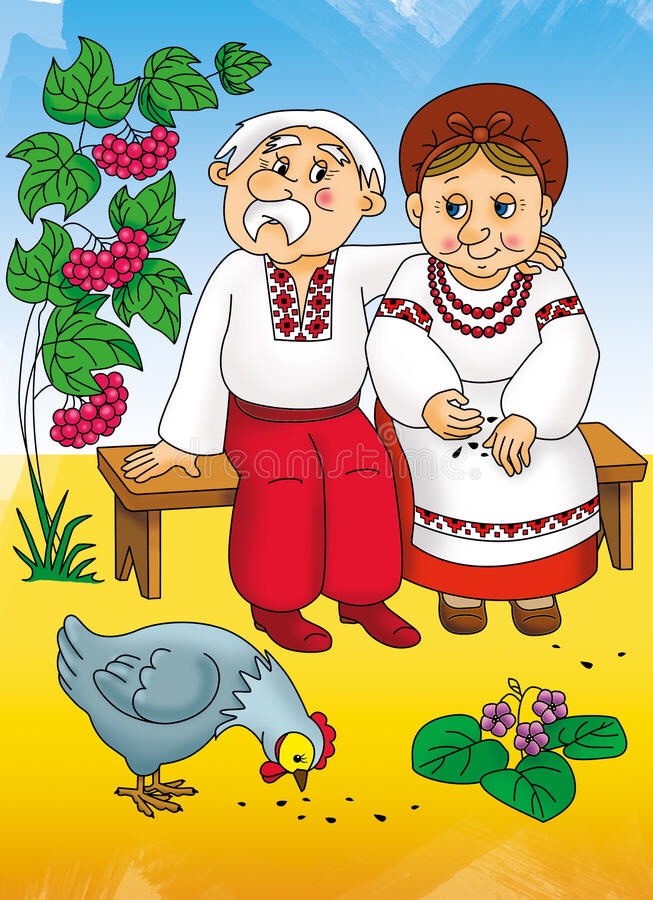
Ukrainian Ideal

Whether your “grands” are the stern-faced couple from the American heartland, or the sweet, rosy-cheeked Babushka and Dyedushka from the old country . . . treasure them. They’ve spent their lives caring for their children (your parents, aunts and uncles), and spoiling you, your siblings and cousins. Give them back the love and respect they deserve while they’re still here. They’ll be gone all too soon.

Just saying . . .

Brendochka
5/8/23