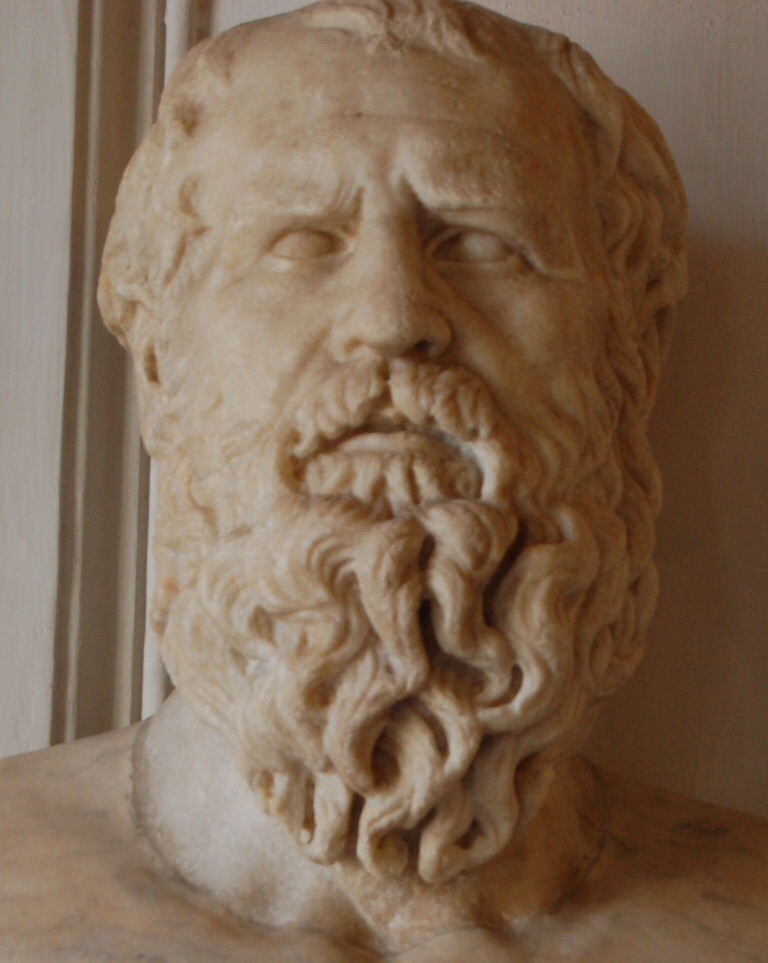
So, of course, I immediately began a search for something incredibly wise to say on the subject, and found this by the pre-Socratic Greek philosopher Heraclitus. It explains, in one brief sentence, the inability of a certain current occupant of the Oval Office to accept, not only criticism, but any sort of sound advice:
“Stupidity is doomed, therefore, to cringe at every syllable of wisdom.”
Everyone knows the old adage: “You can’t fix stupid.” But when you put the stupidity on display for the whole world to witness and to make fun of . . . well, you’re just compounding the problem, aren’t you?
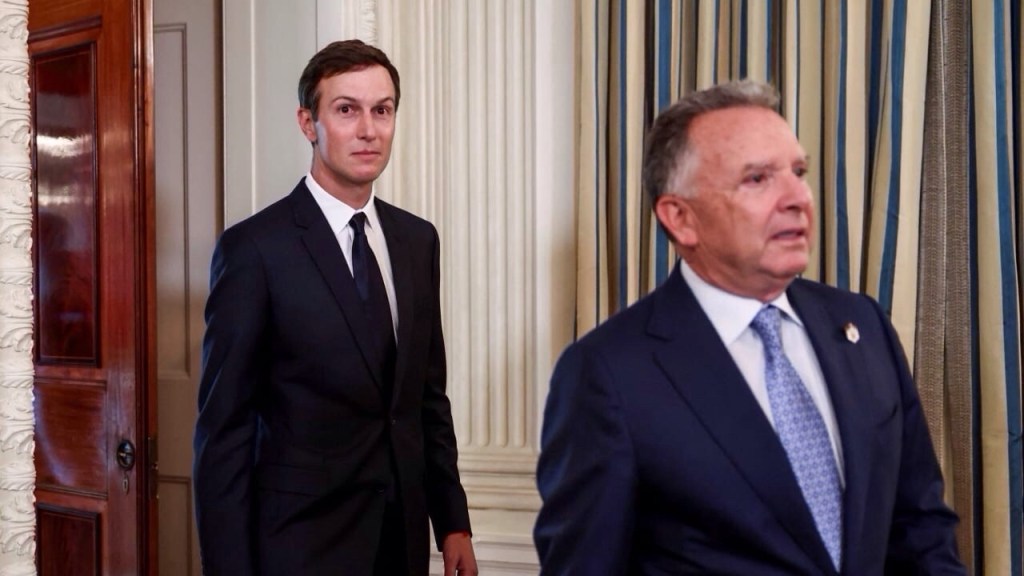
I am referring, of course, to the vaudeville team of White House special envoys Steve Witkoff and Jared Kushner, who were so recently given the “hook” removing them from the theater of international relations after their humiliating flop as negotiators for a cessation of Russia’s war against Ukraine.
Frick and Frack? Nope … just Kushner and Witkoff
On January 28th, U.S. Secretary of State Marco Rubio announced that the Witkoff-Kushner Show has been cancelled. Unfortunately, there is no way to refund the investors’ money.
What is worse, the perpetrators of this debacle now have to endure the ridicule of their principal antagonist, Vladimir Putin, as he sits back to enjoy the comments revealing the extent of America’s blunder.
For example, one source reports that an unnamed “senior envoy” made several comments during trilateral meetings with Kremlin and Ukrainian officials in Abu Dhabi that “exposed a basic lack of knowledge about the war between Ukraine and Russia,” including incorrect statements as to how long the war had been going on, when it started, and whether Ukraine has a vice-president (it doesn’t).[Maria Butt, The Independent, January 30, 2026.]
Asked whether he hoped to agree on a peace deal before the four-year anniversary of the conflict, the unnamed official reportedly replied:
“I wasn’t aware of what that anniversary date was. I don’t think we feel pressure to because we have a four-year anniversary.” [Id.]
He is also reported to have said:
“I think it’s the longest war now. It was longer than World War II. At this point, it’s been going on.” [Id.]
(Just to be clear, World War II lasted for six years, from 1939 to 1945. The current war in Ukraine, at the four-year mark, is now the longest European war since — not longer than — WWII.)
“Holy crap!”
The head of the Ukrainian Parliament’s Foreign Affairs Committee, Oleksandr Merezhko, has said that those comments pose a “serious problem,” and that the situation is troubling, adding:
“[The envoy] has already made several big mistakes — both technical and, in essence, serious diplomatic ones. For example, [they] view territorial issues as real estate. That is completely wrong. They do not know the basics of — the fundamentals of politics, history, international law.” [Id.]
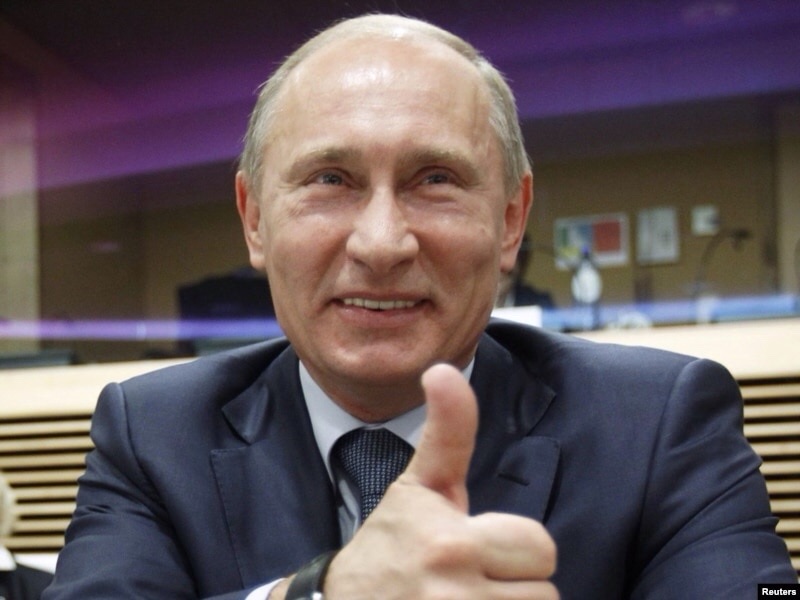
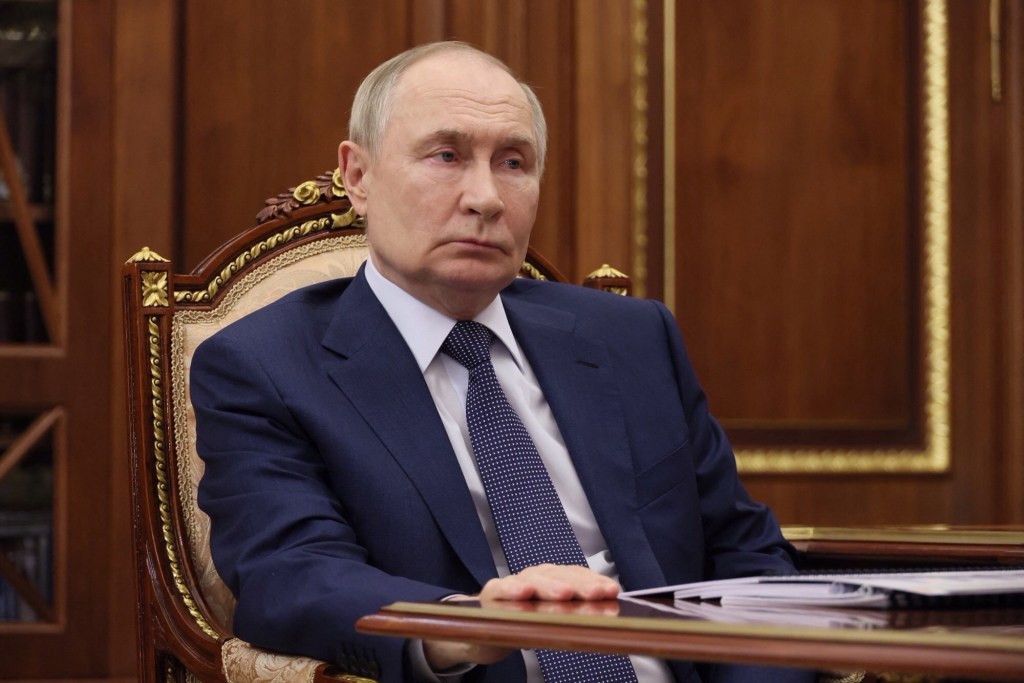
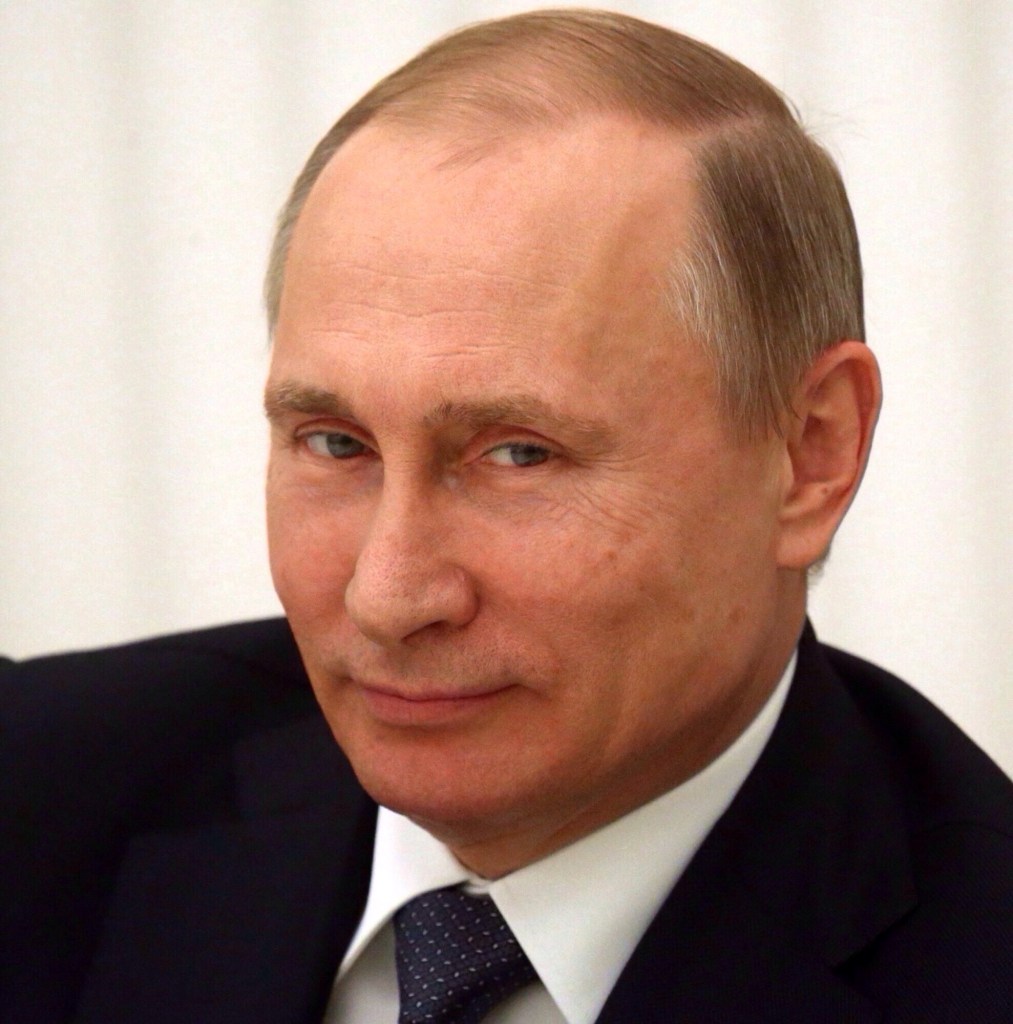
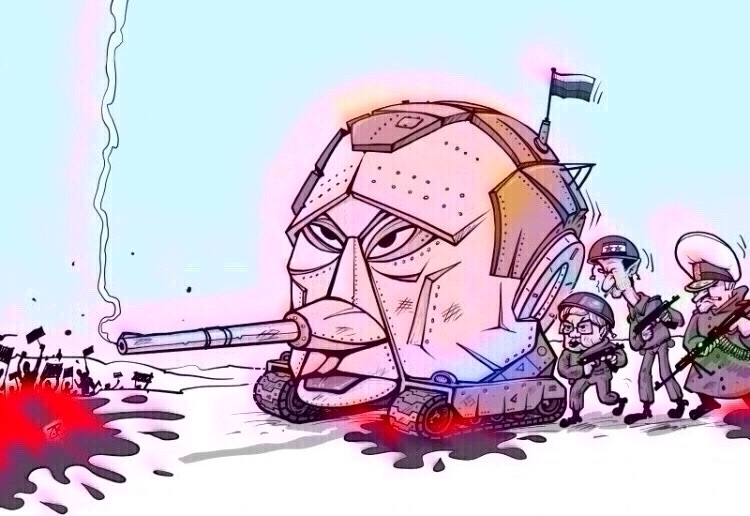
Real estate? Well, that figures. It could be either Witkoff or Kushner . . . or both. It really doesn’t matter; the damage has been done. And this guy in Moscow must be reveling in our humiliation, and the knowledge of how he has been parlaying our ignorance to his own advantage for the past year:
It’s beginning to look as though nothing short of a miracle will end this war in the foreseeable future. Considering the state of the world today, I’d say we’re long overdue for one . . . but considering that the mess is of our own doing, I wonder whether we really deserve it.
The New START Treaty — the last remaining nuclear arms pact between Russia and the United States — is due to expire on Thursday, February 5, 2026. That’s six days from now.
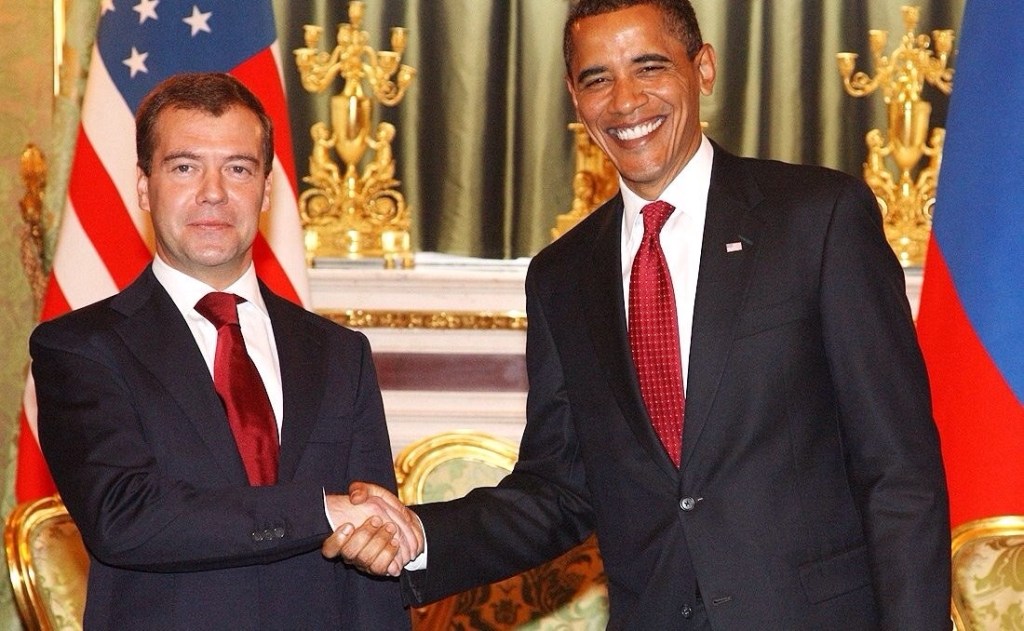
The treaty, signed during the Obama administration in 2010, sets limits on the strategic weapons that each side would be allowed to use to target one another other’s critical political and military centers in the event of a nuclear war. It also caps the number of deployed strategic warheads at 1,550 on each side, with no more than 700 deployed ground- or submarine-launched missiles and bomber planes to deliver them. [Dmitry Antonov and Andrew Osborn, Reuters, January 29, 2026.]
Then-Presidents Dmitry Medvedev and Barack Obama
Russian President Vladimir Putin has proposed extending the provisions of the treaty for another year. But he is still waiting for a response from the U.S. side. And Kremlin spokesman Dmitry Peskov has told reporters that allowing the treaty to expire “could lead to a serious gap in the legal framework regulating nuclear arms.” [Id.]
So why has Donald Trump not responded to this crucial issue? It seems simple enough. Is he unaware of the deadline? Is he too busy with his ballroom and his Mar-a-Lago bacchanalias to bother? Or is he thinking of using this as some sort of strategic leverage in other negotiations?
Nuclear power is not a carrot on a stick. It is not a tariff that can be invoked and revoked at will. Both sides have more than enough nuclear weapons and delivery systems to destroy the world; we don’t need proliferation, nor would it serve any purpose. Extend the damned treaty already!
In 1999, people flocked to theaters to see “The Matrix,” then laughed at the concept of robots taking control of us, the very people who had created them.
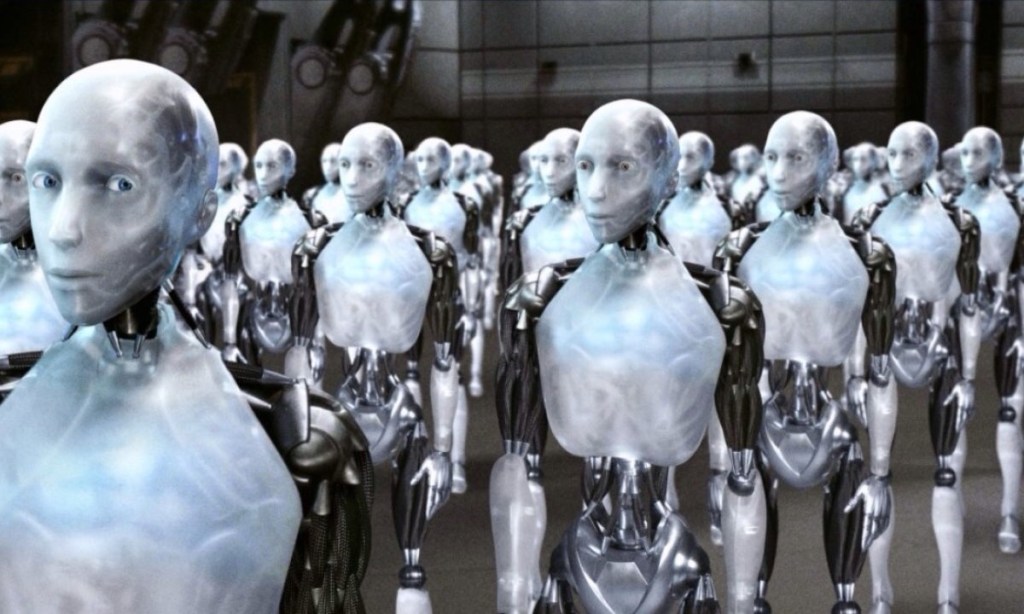
And in 2004, as we watched “I, Robot,” we pooh-poohed the possibility of a robot conspiracy.
I, Robot
Imagine what our reaction would have been if someone had told us then that, in less than 20 years, those humanoid gearboxes would already be obsolete, replaced by something called Artificial Intelligence, and that every aspect of our lives would be indelibly recorded and remotely accessible to nearly everyone and anyone with the right equipment and computer skills.
But that is precisely what has happened.
We could go all the way back to 1950 and blame Alan Turing for starting the whole thing. But realistically, the trouble didn’t begin until a couple of years ago, when AI-generative tools became widely available . . . and wildly popular with young techies who would rather lose an arm or a leg than be separated from their phones and laptops.
And what better environment for the reproduction and dissemination of AI “cells” than the internet?
I’ve said it before, and I’ll shout it to the world again: it scares the bejeezus out of me.
The other evening, I watched a full ten minutes of a YouTube video before I realized that the speaker had not once changed position, facial expression, or vocal intonation, and that his hands didn’t look quite right. AI still has trouble with hands. I could have figured it out sooner, if I’d been looking for clues; I just wasn’t expecting it. But I will be from now on.
There is no question that the internet has made life easier in so many ways: keeping in touch with distant family and friends; working from home; shopping and banking for people who find it difficult to get out of the house; studying and doing research for students and scholars; and keeping up with the daily news. I would certainly miss those conveniences.
But most of us are also well aware of the frauds perpetrated via the internet by the legions of faceless, unscrupulous scammers out there. And AI has made it so much easier for them to operate, because it all looks so absolutely, completely real.
AI-Generated Broadcaster
And it goes far beyond the pushing of products that turn out to be junk when — or if — we receive them. Far more insidious are the “news” items about things that never really happened, and the political propaganda from all sides designed to make us believe what the perpetrators want us to believe, until we no longer trust our own senses.
Taken to the nth degree, it is nothing short of mind control, and it is terrifying. It has the capability — if we allow it to happen — of turning us all into blithering idiots. But before that happens, perhaps the day will come when the internet will simply die of its own internal rot.
Or maybe — as Dick the Butcher said about the lawyers * — we could just kill all the robots.
Just sayin’ . . .
Brendochka 1/30/26
* William Shakespeare, King Henry VI, Part II (Act IV, Scene 2).
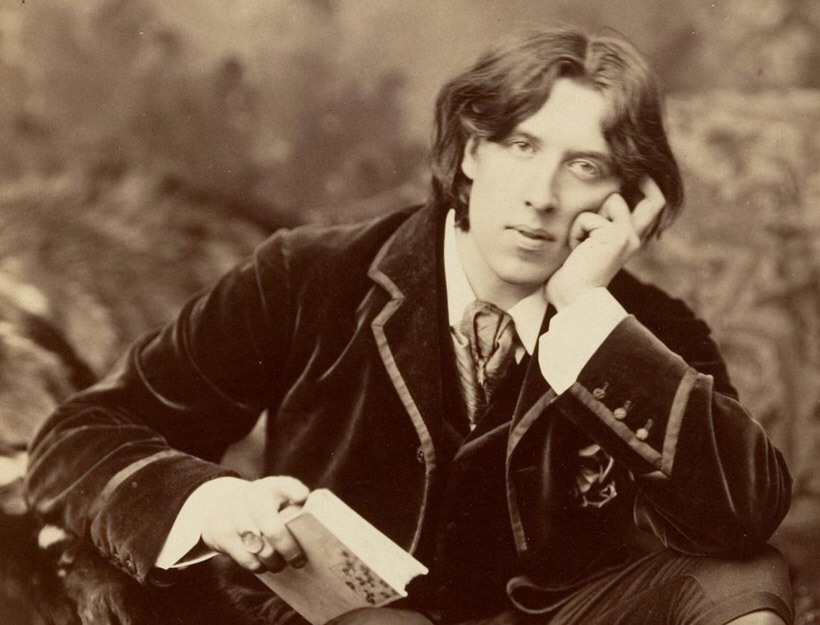
Oscar Wilde was a man who did not live long enough. An Irish poet, playwright and novelist who challenged the rigid mores of the Victorian era through the use of wit and satire, he died of meningitis at the age of just 46 years.
But he left behind a legacy of great works, notably including a play still being performed today — “The Importance of Being Earnest” — and the Gothic novel, “The Picture of Dorian Gray.”
Oscar Wilde (1854-1900)
He also — obviously unknowingly — provided a bit of self-deprecating humor that would fit perfectly into any rambling speech given by a certain “stable genius” today:
“I am so clever that sometimes I don’t understand a single word of what I am saying.”
– Oscar Wilde, “The Happy Prince and Other Stories”
That’s okay, Donnie . . . neither does anyone else.
Yesterday, Donald Trump said that he had asked Vladimir Putinto call a week-long ceasefire in Ukraine because of the bitterly frigid weather this winter has brought to a country already suffering from Russia’s bombardments. He told his cabinet members:
“They’ve never experienced cold like that. And I personally asked President Putin not to fire into Kyiv and the various towns for a week. And he agreed to do that. A lot of people said, ‘Don’t waste the call, you’re not going to get that.’ And he did it.” [RFE/RL, January 29, 2026.]
Thinking about it . . .
Has Donald Trump suddenly grown a heart? Maybe . . . or we can at least hope so. But there has been no confirmation as yet from the Kremlin, while multiple attacks continued yesterday against the cities of Kherson and Kryvyi Rih.
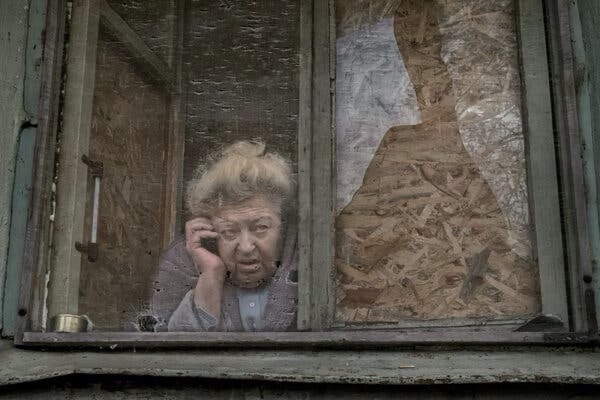
And meanwhile, temperatures across Ukraine dropped to minus 20 degrees Celsius, with over 400 residential buildings in Kyiv alone remaining without heat. Similar power outages have also been reported in the regions of Dnipropetrovsk, Donetsk and Zaporizhzhya.
In the Donetsk region — one of the areas partially occupied by Russian forces — a gas service worker was killed by a Russian drone while on his way to work, trying to help restore gas facilities.
Life in Kherson, Ukraine – January 2026
And authorities in other regions have warned that attacks might continue despite ongoing negotiations. Andriy Sadoviy, Mayor of the city of Lviv, wrote on Telegram:
“Our enemy is such that it could take advantage of this and try to strike at the critical infrastructure of our cities.” [Id.]
So, even if Trump has sincerely made a humanitarian appeal to ease the suffering of the Ukrainian people, the burden is now on Putin to grant the request.
That is the opening line from a children’s poem written in 1828 by Mary Howitt. Little did Ms. Howitt imagine at the time that her words would become a meme that would live for the next two centuries.
Nor, I suspect, would she have imagined “spiders” the likes of which have come to lead so many of the world’s nations today.
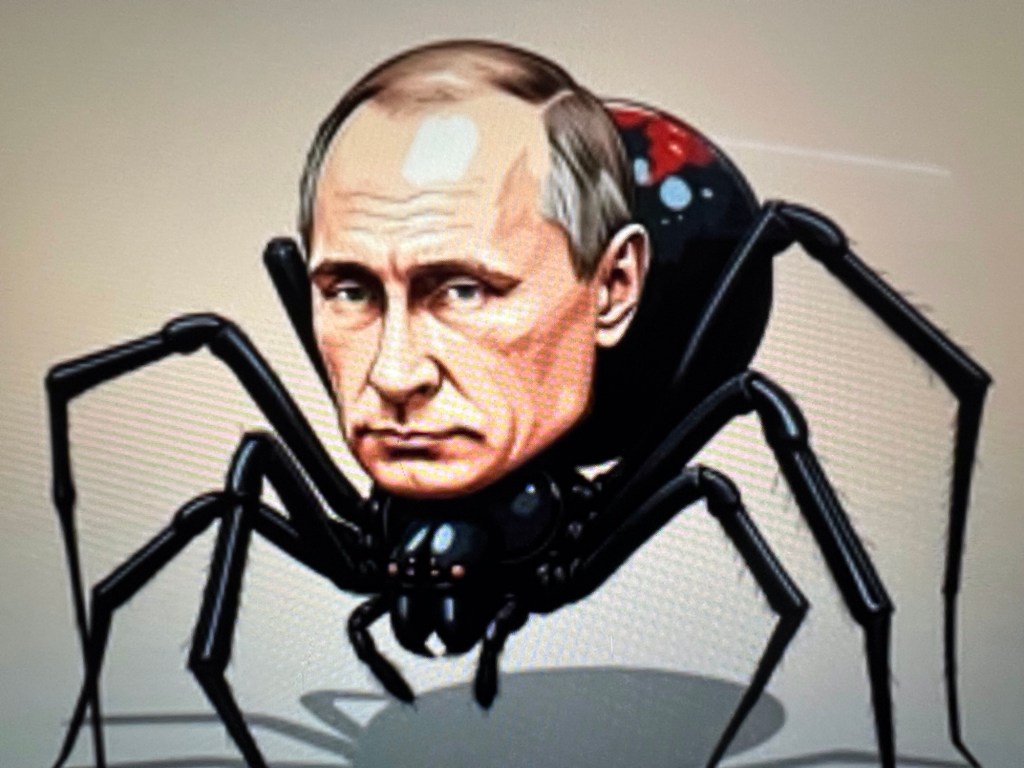
Like this guy:
“Arachnid Vlad”
We all know what an evil creature he is. But why do I now compare him to Mary Howitt’s eight-legged enticer? Simply because of his latest tactic in delaying negotiations toward bringing his war of attrition against Ukraine to a peaceful end.
After years of refusing Ukrainian President Volodymyr Zelensky’s offers to meet face-to-face, or simply not showing up at scheduled meetings and instead sending a lower-level delegation, Putin has now come up with an offer of his own. As a condition to a personal meeting, he has invited Zelensky to come into the ultimate spider web: the Kremlin.
“You cannot be serious!”
Not neutral territory. Not the UAE, or any of the several countries where Putin — subject to an arrest warrant by the International Criminal Court for war crimes — is still welcome. But his turf.
Does Putin really think Zelensky is that stupid . . . that he won’t see this for what it is: another attempt to posture himself as the peacemaker and blame Zelensky for sabotaging negotiations?
Following recent remarks by Ukrainian Foreign Minister Andrii Sybiha reiterating Zelensky’s readiness to meet with Putin, Kremlin foreign policy aide Yuri Ushakov said yesterday:
“We have never refused and do not refuse this kind of contact” . . . but then added that Zelensky should travel to Moscow if he wants to talk to Putin. And as an added “incentive,” he said that Moscow is prepared to ensure Zelensky’s security and working conditions there. [Tim Zadorozhyy, The Kyiv Independent, January 28, 2026.]
I can’t explain why, but somehow I don’t find that terribly reassuring.
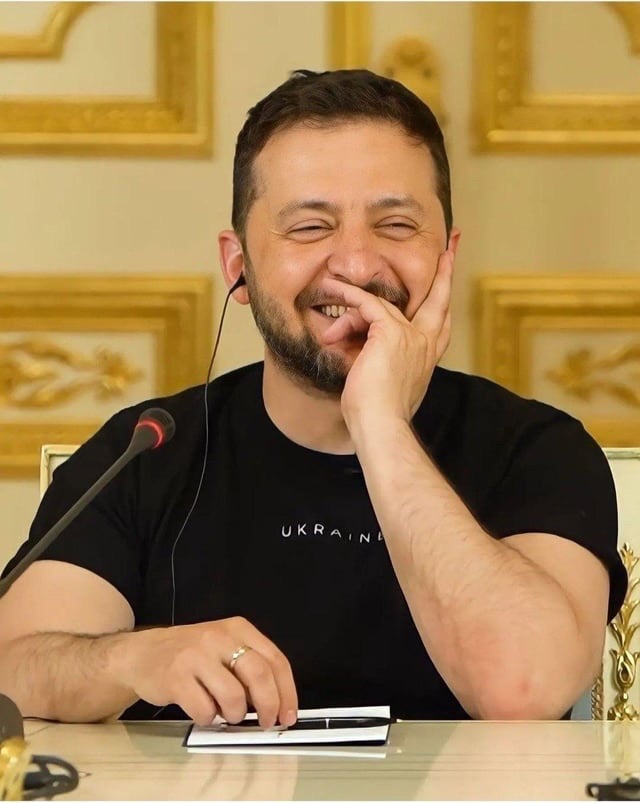
As a final touch, our old friend, Kremlin spokesman Dmitry Peskov, said today that they had not yet received a response from Zelensky. And I can hazard a guess as to why:
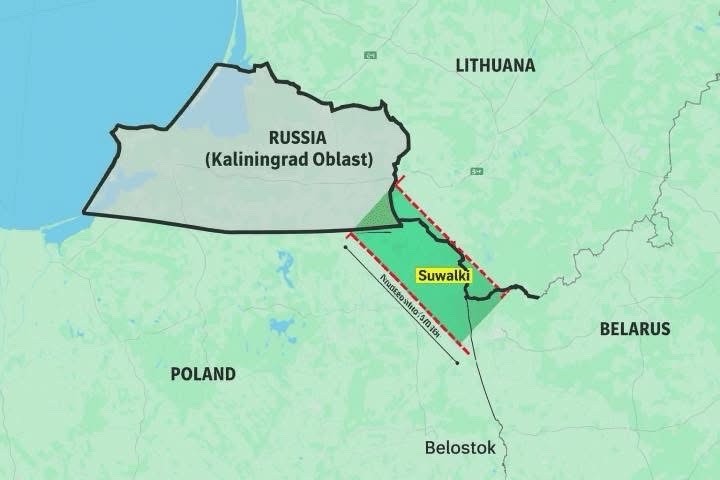
On September 15, 2025, I posted an article titled “The Suwalki Gap: The Most Important Strip of Land You’ve Probably Never Heard Of.” In it, I pointed out the strategic importance of a small swath of land that forms the border between NATO members Lithuania and Poland, and also separates Russia’s Kaliningrad territory from its staunch ally, Belarus.
The shortest land route between two points
That small piece of land is the home of the bulk of Russia’s Baltic Fleet — a year-round ice-free haven for its naval vessels, submarines and landing craft. But at present, its only open supply route from the Russian mainland is by sea; passage through the Suwalki Gap would provide an enormous time- and money-saving land access.
In that September post I wrote that “I believe Suwalki is a name that will become much more familiar in the not-too-distant future.” And it didn’t take long for that prediction to be validated.
It has now been announced that Lithuania has invited Poland to join with it in establishing a military training ground spanning both of their countries in the Suwalki Corridor. Lithuania already has such a training ground under construction near its borders with Poland and Belarus, and proposes to expand the facility into Polish territory, thus creating a permanent, joint military training complex. [Ukraine News, January 28, 2026.]
According to Lithuanian President Gitanas Nauseda, such a facility would significantly strengthen operational coordination between Lithuanian and Polish forces — and, critically, reinforce the defense of the Suwalki Corridor itself. [Id.]
Clearly, this is one more strategy in Europe’s recent ramping-up of its defenses against any future efforts by Russia to undertake aggressive action against the Baltic states of Lithuania, Latvia and Estonia, or any of the surrounding Eastern and Central European NATO allies.
The people of Europe have survived two world wars; they know too well the danger signs, and are determined not to let it happen a third time.
The rest of the world really needs to listen to their voices of experience . . . because the greatest danger in these politically volatile times is complacency.
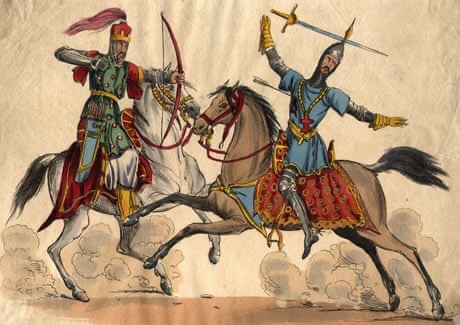
Throughout recorded history there have been holy wars in which people have slain each other in the name of some deity who allegedly told them it was all right to kill.
The Crusades
And there have been countless wars fought over territorial rights by leaders lusting for unlimited power.
A Thirst for Territory
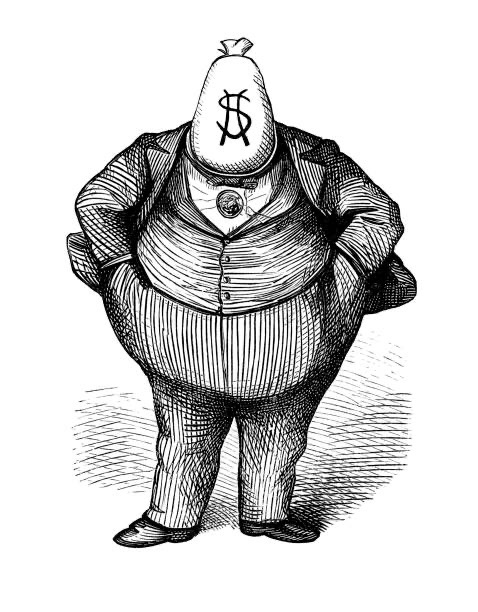
But the most depraved excuse for a war is the one that has become so openly prevalent today: the almighty dollar. Whether it takes the form of oil, or rare earth minerals, or land that can first be decimated and later redeveloped to produce unlimited income for the invaders, it all boils down to simple greed.
Never Enough
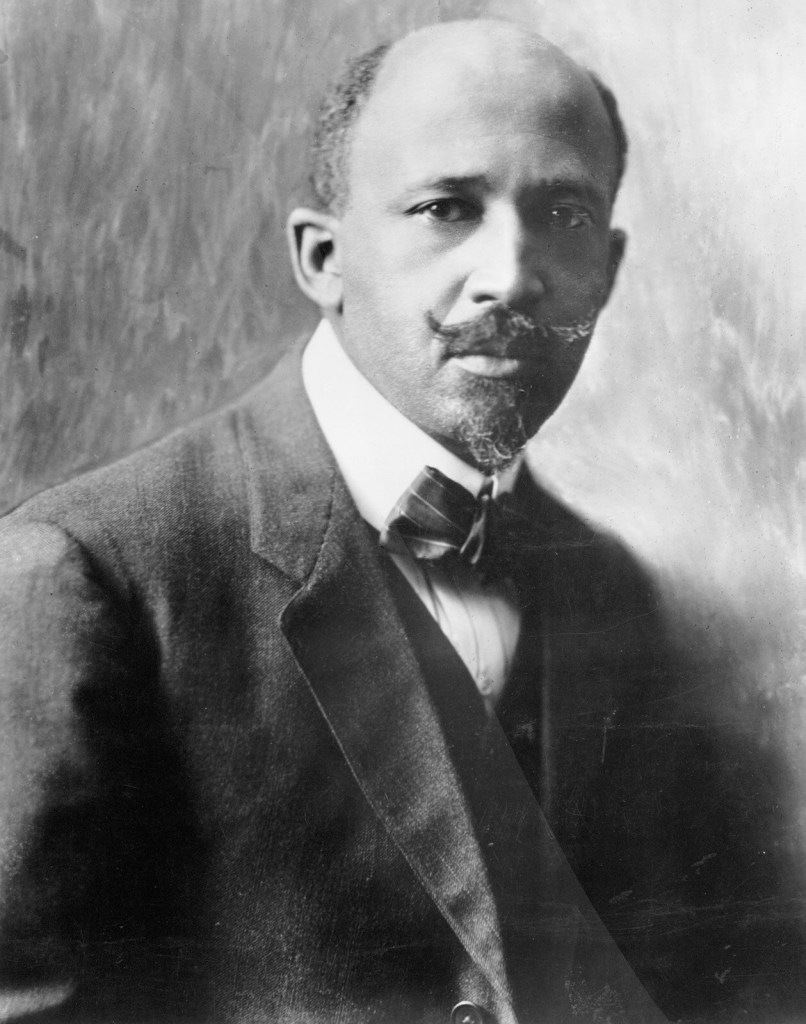
American sociologist, historian, writer, and civil rights activist W.E.B. DuBois had this to offer on the subject:
“What do nations care about the cost of war, if by spending a few hundred millions in steel and gunpowder they can gain a thousand millions in diamonds and cocoa?”
– W.E.B. DuBois
W.E.B. DuBois (1868-1963)
Sadly, that is where the world stood in his day, and where it remains today.
What a great feeling! No, I didn’t win the lottery, and I didn’t glance in the mirror this morning to find myself looking ten years younger. But what I did get may be even better.
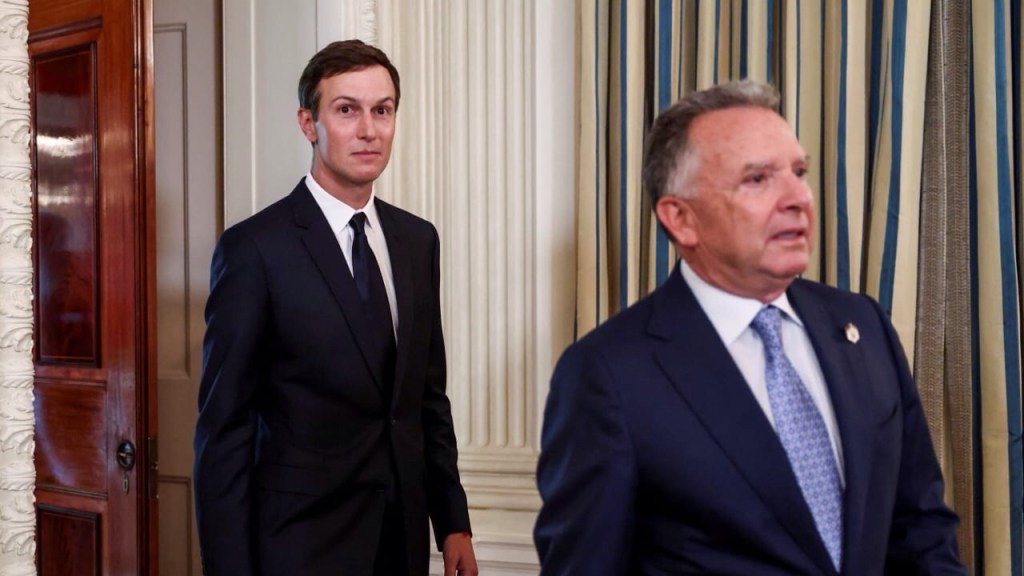
I have offered my unsolicited opinion numerous times as to the woeful inadequacy of Steve Witkoff and Jared Kushner as negotiators between two countries — Russia and Ukraine — about which they know virtually nothing. It’s not their fault; the ancient and complex history and politics of Russia and Eastern Europe simply are not within their areas of expertise. They’re businessmen. Yet they were appointed — and accepted the appointments — as special White House envoys to try to settle the most contentious, sensitive, and urgent of issues as though they were simply closing a deal on a hotel in New York.
Jared Kushner and Steve Witkoff: Out of their comfort zone
On January 24th, in an article bemoaning the lack of progress in negotiations for a solution to the conflict in Ukraine, I wrote:
“Thus far, all we’ve seen is a lot of people burning up untold amounts of jet fuel as they hop around the globe in search of a resolution. And I’m beginning to think we (the U.S.) may need to send in a whole new team of negotiators, with an entirely new modus operandi.”
And — lo and behold! — last evening I read the following post from Ukraine:
“Talks on Ukraine will continue this week — but notably without Steve Witkoff or Jared Kushner.
“U.S. Secretary of State Marco Rubio confirmed that negotiations will proceed in a bilateral format [between Ukraine and Russia]. A U.S. presence remains possible, but neither Witkoff nor Kushner will be involved. Rubio also acknowledged a central reality: for Ukraine, even the discussion of changing borders is politically and morally untenable.
“That admission quietly exposes a deeper problem with how some outside figures have approached this war.
“Witkoff, like Kushner, arrived with access but without grounding. Neither has demonstrated a serious grasp of why this war began, how it is being fought, or what conditions make peace possible — beyond the abstract language of ‘deals’ and ‘movement.’ In a conflict defined by occupation, mass displacement, and daily strikes on civilians, that gap matters.
“And it shows. . . .
“Removing figures who lack expertise does not stall diplomacy — it strengthens it.
“Without Witkoff and Kushner in the room, there is finally space for people who understand security gurantees, deterrence, escalation control, and the realities on the ground. Peace talks require more than access or confidence; they require competence.
“Ukraine does not need intermediaries who treat war like a transaction. It needs partners who understand that peace without accountability is just a pause before the next invasion.
“If progress is to be realized — not cosmetic — then the table must be occupied by those who know what is at stake.
“And for the first time in a while, that may actually be possible.” [Ukraine:News, January 28, 2026.]
*. *. *
So thank you to the folks at Ukraine News for stating the truth so openly and eloquently. And a huge thank you to the person or persons in Washington who finally saw the light and made that tough decision. I don’t know what prompted it, and I don’t need to know. I just feel certain that it was the very best decision anyone has made concerning these negotiations in a long, long while.
Now we need to follow through with the right people at the table. Perhaps some elder statesmen with relevant experience and no political axe to grind . . . ?









 The Blog About Everything … and Sometimes Nothing