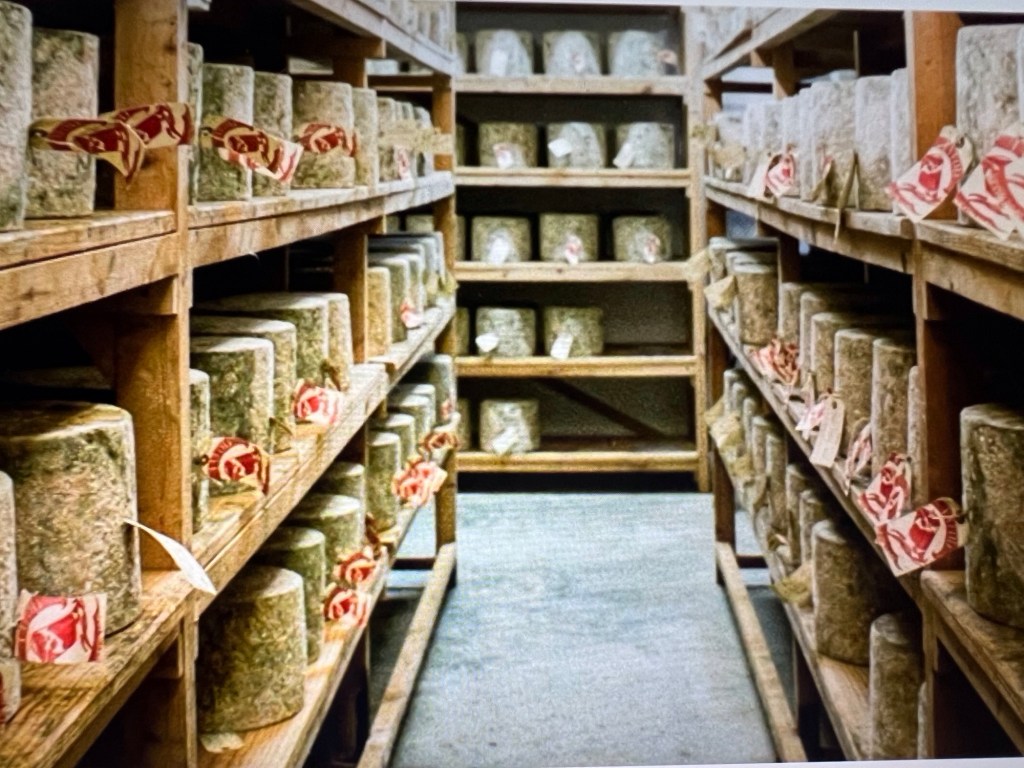
How on earth do you go about stealing 48,000 pounds of . . . well, anything, really? But in this case, it was cheese. Top-quality, rather pricey, artisanal Cheddar cheese. All 24 tons of it.
Neal’s Yard Dairy
The reason is simple enough: it’s worth, at wholesale, around $390,000. But how do you pull off a heist of this magnitude? You clearly don’t just break into the dairy and carry out a 24-ton chunk o’ cheese — not even broken down into smaller chunks.
No . . . if you’re in England, you have it delivered.
Now, that is a twist worthy of an episode of Midsomer Murders — but happily without the murder part. The perps (that’s perpetrators, to non-mystery fans) posed as legitimate wholesale distributors for a major French retailer, and presumably arranged the transaction in the usual manner.
The victim — Neal’s Yard Dairy, which sells top-quality British and Irish cheeses to stores and restaurants worldwide — only realized it had been scammed when the delivery had already been made. The company posted the following statement:
“Over 950 wheels of Hafod, Westcombe, and Pitchfork Cheddar were delivered before the fraud was discovered. Despite the significant financial blow, we have honoured our commitment to our small-scale suppliers and paid all three artisan cheesemakers in full.” [Lianne Kolirin, CNN, October 28, 2024.]
Now, that’s British class for you!
I should think the cheese police would have a fairly easy time in tracing the thieves. After all, there had to be a delivery address. Surely you can’t squeeze 950 wheels of Cheddar into a post office box!
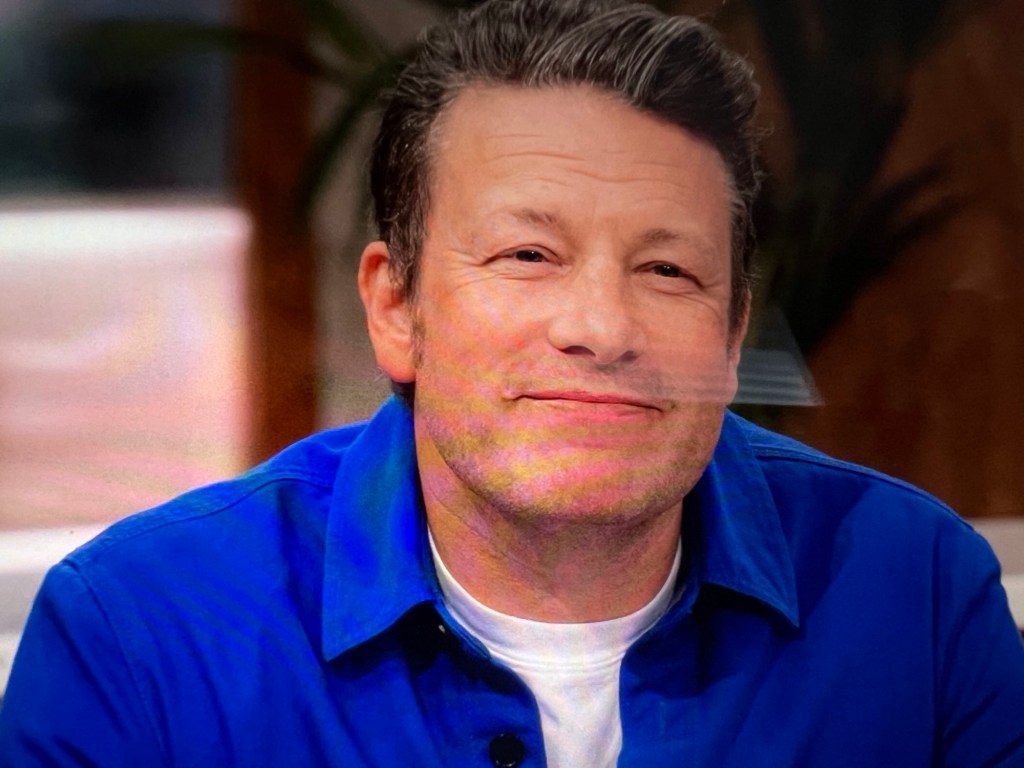
And they have had additional help from celebrity chef Jamie Oliver, who has sent out an appeal to his Instagram followers:
“You’re going to think I’m joking but I’m not — there’s been a great cheese robbery. Some of the best cheddar cheese in the world has been stolen. . . . If anyone hears anything about posh cheese going for cheap, it is probably some wrong’uns.” [Id.]
Oliver went on to wonder what the thieves would do with “lorryloads of posh cheese. Are they going to unpeel it from the cloth, and cut it and grate it and get rid of it in the fast food industry, in the commercial industry? I don’t know — it seems like a really weird thing to nick.” [Id.]
Chef Jamie Oliver
You said it, Jamie — it is indeed a weird one: “The Great Posh Cheese Robbery.” It’s a sad thing for Neal’s Yard Dairy; but it’s tailor-made for one of those great British comedies.
As long as Colin Firth is in it, I’ll be in the front row.
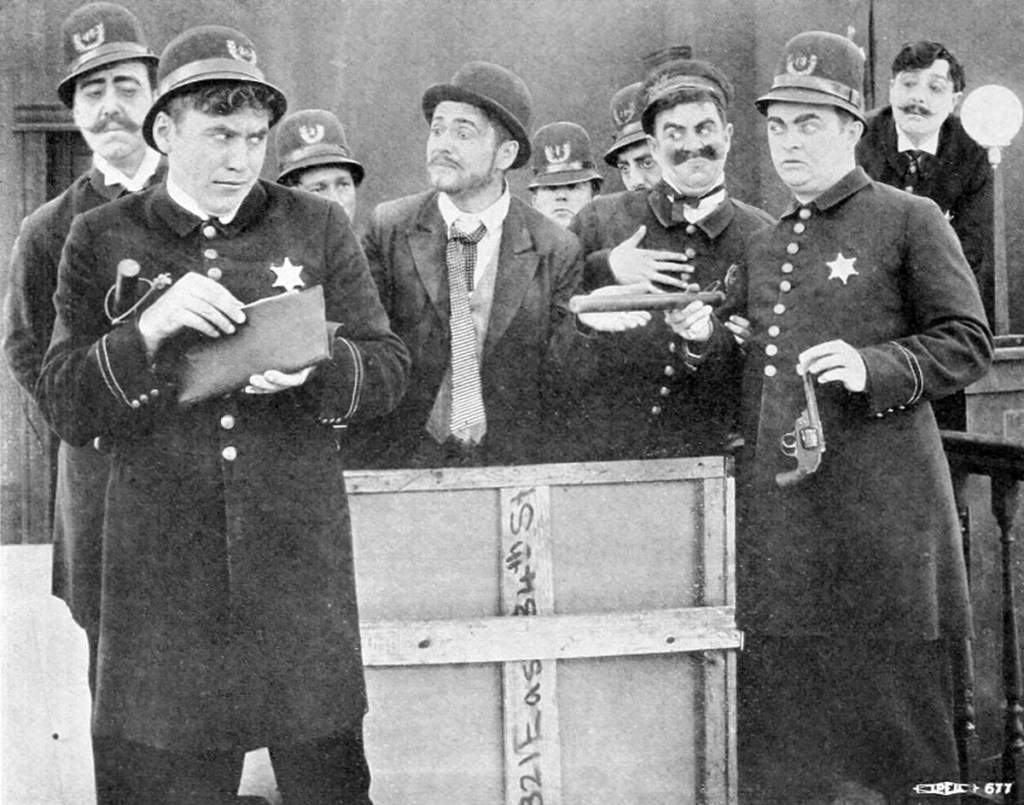
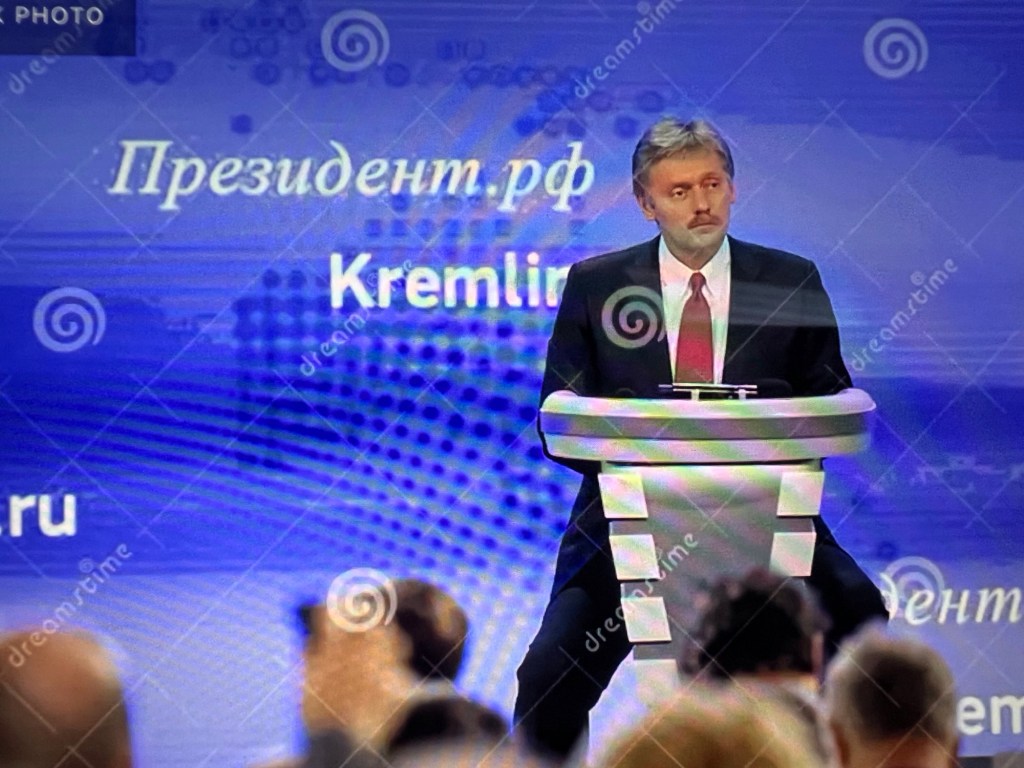
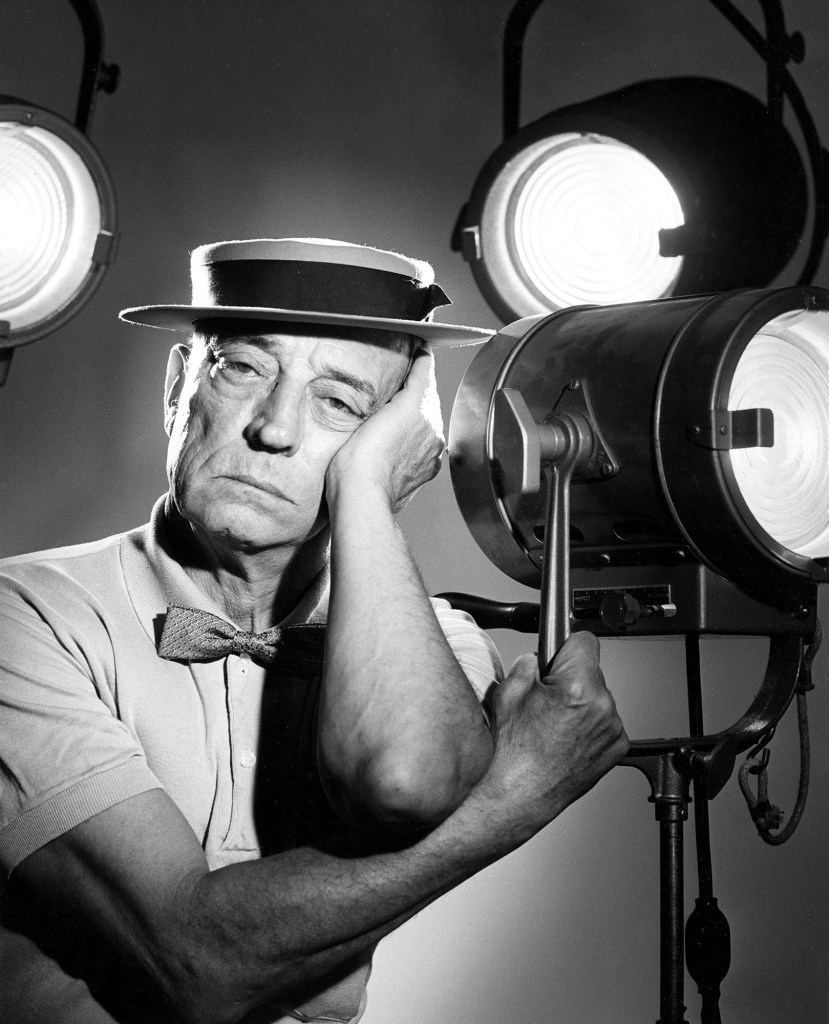
Congratulations — you did it again, Dima, with your brief but brilliant performance as “Sincere Guy” claiming to be promoting peace in the Middle East. Your straight-faced presentation put even that master of the genre, Buster Keaton, in the shade.
Buster Keaton
You almost had us believing you this week when you did that shtick about Israel’s recent strikes on Iran. Allow me to quote your own words back at you:
“Russia is maintaining contacts with all parties to this conflict. We have contacts with Tehran, and we have contacts with the Israelis and the Palestinians.
“Russia is constantly doing everything possible to call on the parties to show restraint and to facilitate any attempts to de-escalate tensions.
“… There is still an extremely tense situation in the region and, of course, it is very important now to promote restraint in this regard.” [Reuters, October 28, 2024. Bold emphasis is mine.]
I have emphasized the funny bits, in case you don’t realize just how amusing you are. That part about the need to “show restraint” and “de-escalate tensions” — well, that’s just classic! Do you even know what a talent you have for irony?
And in case you still don’t get it, I have five little words that should help:
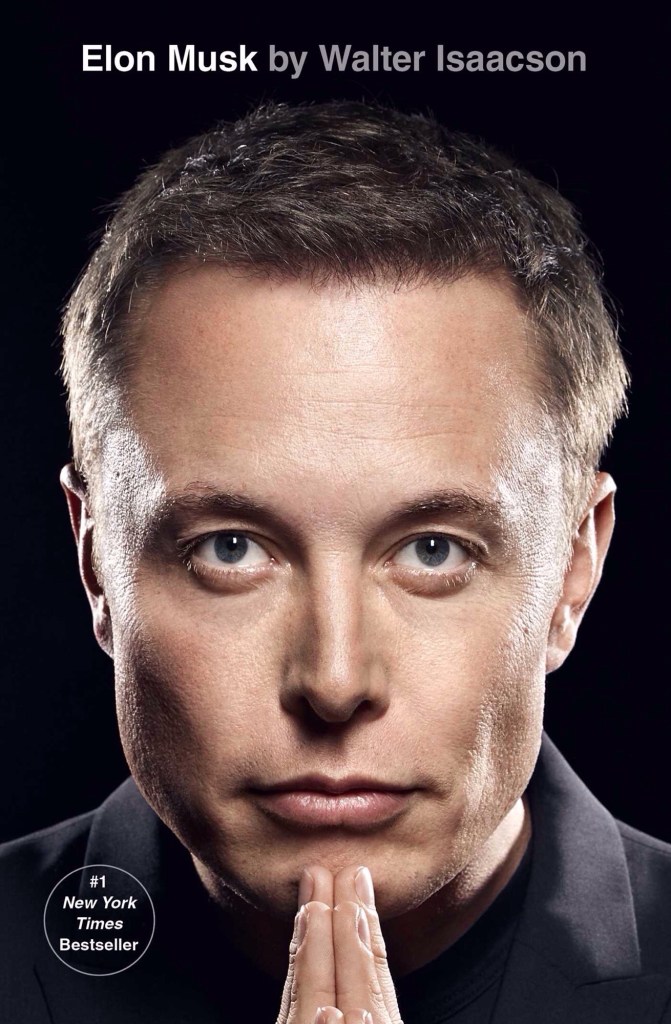
Elon Musk: Visionary, industrial and entrepreneurial genius, risk-taker, and now . . . political activist.
But, as in everything else he undertakes, lower-level politics could never satisfy him; he has to be at the top. He is not only Donald Trump’s new best friend; it seems he is also edging closer and closer to Vladimir Putin. If it’s true, then he has managed to plant himself smack in the middle of the political ménage a trois of the century.
Triple Threat
During the past three years, Musk has reportedly met with dozens of political figures, including presidents and prime ministers. There was, for example, a well-publicized visit to Prime Minister Benjamin Netanyahu to smooth out an antisemitic post on Musk’s “X” platform; and a quieter visit with Argentine President Javier Milei, reportedly concerning a variety of matters. According to “a review of Musk’s meetings, calls and conversations with political figures around the world since August 2021 . . . Musk has gone from being one of the world’s wealthiest and most influential businessmen to an increasingly powerful player in global affairs.” [Clare Duffy and Way Mullery, CNN, October 25, 2024.]
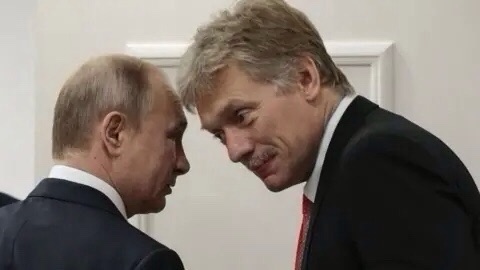
And now there are the unconfirmed reports of regular communications with Russian President Vladimir Putin. According to the Wall Street Journal, since late 2022 Musk has been in regular contact with Putin and other Russian officials about Starlink and other matters. Of course, the irrepressible Kremlin spokesman, Dmitry Peskov, has called this report “absolutely false,” and said that Musk and Putin have only ever spoken once — before 2022, and over the phone. There was no comment on this from Musk’s attorney. [Id.]
Putin and Peskov: Of One Mind
Regardless of the precise number or nature of his contacts with world leaders, there is no doubt that Musk has become a major player in international political and economic affairs — not to mention his very outspoken support of Donald Trump in the U.S. presidential race. So why would he do something so completely, outrageously, insanely stupid . . . ?
No . . . that’s definitely not it. He may be a little — well, a little more than a little — strange, but he is definitely not a dummkopf. Still, to do this really weird thing . . .
I am, of course, talking about his million-dollar payoffs to registered voters in certain specific swing states just a couple of weeks before the most hotly-contested, contentious, and closest presidential election in recent memory? The payoffs for which Philadelphia’s District Attorney, Larry Krasner, is now pursuing a civil lawsuit against Musk and his political action group, America PAC, charging them with carrying out an “illegal lottery scheme” in Pennsylvania. The suit alleges:
“America PAC and Musk are lulling Philadelphia citizens — and others in the Commonwealth (and other swing states in the upcoming election) — to give up their personal identifying information and make a political pledge in exchange for the chance to win $1 million. That is a lottery. And it is indisputably an unlawful lottery.”[Id.]
Surely, Musk or his lawyers or someone in his cadre of advisers must have said at some point, “Hey, is that even legal?” So why did he go ahead with it?
Enigmatic Enough For You?
But who knows why Elon Musk does anything? His thought processes are often a complete mystery to those of us not on his astral plane. What is clear is that — as the world’s wealthiest individual, and a risk-taker with an ego the size of Black Hole TON 618 — he is a force to be reckoned with.
In true Facebook parlance, today I am feeling . . . Lucky!
Because my good and true friend from Georgia (again — the country, not the state) has sent me what I asked for . . . no, actually much more than I had even hoped for . . . about his country’s political situation. And I have designated today a Learning Day, to be dedicated to reading and — yes — learning.
And when I’ve absorbed as much of that subject as my humble brain will handle at one sitting, I will take a walk in the lovely October sunshine, come back to my easy chair, and open the cover and flyleaf of the newest book in my collection: Patriot. It’s the just-released, posthumous autobiography of Alexei Navalny, started in a hospital in Germany while recuperating from an attempt on his life by means of poisoning, and completed during his incarceration in a Russian penal colony.
I have a feeling it’s going to be one of those page-turning, no-time-to-eat, “go-away-dog-get-someone-else-to-scratch-you” days. I’m not even sure about that walk now.
So, see you tomorrow . . . assuming I’ve been able to put the book down tonight. It’s nearly 500 pages, so it may take a while.
Yesterday I wrote that there hadn’t been any word this past week of new political arrests in Russia — no new hostages for our list. That was the good news.
And then I read about the addition of five names — four individuals and one media outlet — that have just been added to the growing register of “foreign agents” under Russia’s oppressive and intentionally misapplied foreign agents registration laws.
The List Keepers
One of the four men has already left Russia. Renowned literary critic and professor Oleg Lekmanov chose self-imposed exile as a means of continuing to voice his opposition to his country’s invasion of Ukraine in 2022. But even in absentia, one can become a target of Russia’s campaign against any sort of political dissent, and he has been declared a “foreign agent.”
Oleg Lekmanov
Professor Lekmanov has joined the faculty at Princeton University as a research scholar in its Department of Slavic Languages and Literatures. [humanities.princeton.edu, September 5, 2023.] He is one of the lucky ones.
Still in Russia, under the watchful eye of Putin’s enforcers, is Nikolai Kavkazsky, a member of the Yabloko opposition party and a human rights and LGBTQ activist. He has previously been arrested and held for six days for participating in an anti-war action, and is now officially a “foreign agent.” [RadioFreeEurope/RadioLiberty, October 26, 2024.]
Artyom Medvedev is “guilty” of advocating for the independence of the Russian autonomous region of Udmurtia — or the Udmurt Republic — some 835 miles from Moscow. He has taken part in events of the Forum of Free States of Post-Russia, which has been classified as an “undesirable organization,” for which he was fined. [Id.]
Anton Hardin, a popular blogger with over 127,000 subscribers to his Telegram channel, is an outspoken opponent of the war in Ukraine, and has advocated against political repression in Russia. [Id.]
And last on this list is Astra, an independent Telegram channel that publishes news not carried by the official Russian media. [Id.] Some of its income must come from foreign sources, which is all it takes to be labeled a “foreign agent.”
*. *. *
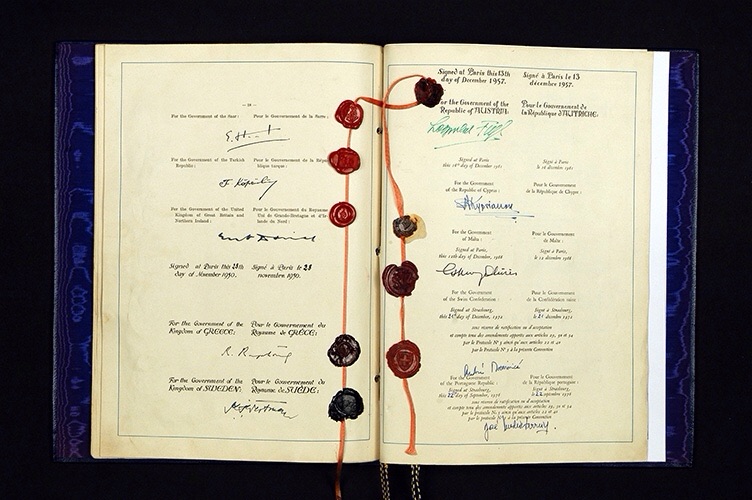
The targeting of individuals and organizations deemed to be “foreign agents” or “undesirable” continues unabated in Russia despite international condemnation — and despite last week’s ruling by the European Court of Human Rights (ECtHR) declaring the law as being in violation of the European Convention on Human Rights, and labeling it as “arbitrary” and used in an “overly broad and unpredictable way.” [Id.]
Some Signatories To the European Convention on Human Rights
That case was brought before the Court by 107 plaintiffs, including the Russian human rights group Memorial, and major media outlets and human rights organizations. The Court ruled that the law imposed severe restrictions on the plaintiffs’ activities and that labeling them as foreign agentsamounted to intimidation. [Id.]
That’s all well and good. But how can that ruling be enforced when Russia’s membership in the ECtHR ceased as of September 16, 2022? That Court has no real enforcement power.
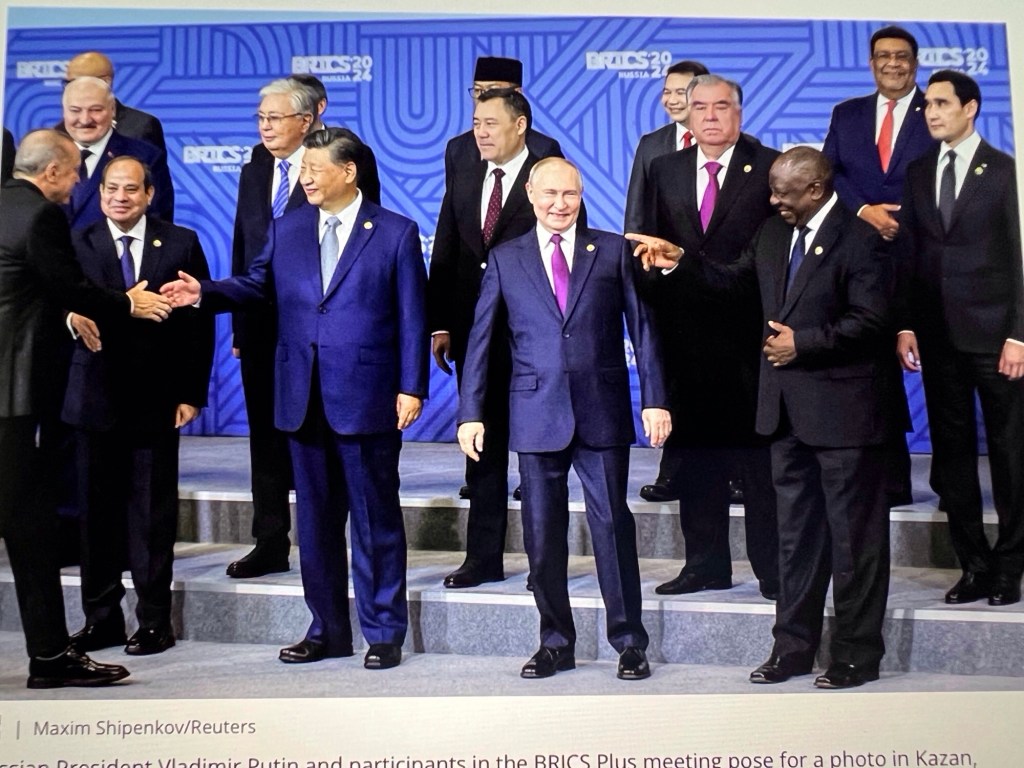
And Vladimir Putin refuses in any event to pay attention to that which he does not care to see. He ignores — or finds means to circumvent — sanctions against himself and his country’s industries and financial institutions. When the International Criminal Court (ICC) issued an enforceable warrant last year for his arrest on charges of war crimes, he simply stopped traveling to those countries that might have been obligated, as members of the ICC, to obey the warrant . . . and instead brought their leaders to him, as he did for last week’s BRICS summit.
BRICS-Plus Summit – Kazan, Russia – October 24, 2024
So the “foreign agents” register continues to expand exponentially, and the good people of Russia who dare to express an unpopular opinion or criticize a government policy continue to live in fear . . . the very sort of fear that their older family members recall all too well from the Cold War and pre-War days.
And that is what happened to me today. Luckily, it wasn’t an earth-shaking, life-changing, disastrous event. But it shouldn’t have happened at all, because it could so easily have been avoided if I had followed my oft-repeated advice, namely:
“Don’t believe everything you read, especially on the internet and social media.”
I’m happy to say I did not fall so far as to take some so-called influencer’s word as gospel on any subject. But I did assume that the reportage in the legitimate press on the elections in Georgia (the country, not the U.S. state) would be accurate and objective.
Apparently, I was wrong.
What I should have done was check first with my own source — an unimpeachable source, with first-hand knowledge. But I didn’t, because I didn’t want to bother him. I had all the information I needed from the good men and women of the fourth estate — or so I thought.
I just overlooked one important fact: that journalism today isn’t what it used to be, which was — in the days of Walter Cronkite and Edward R. Murrow — the search for truth and the unbiased reporting of facts. Period. Not analysis and opinion based on personal viewpoints and prejudices. Those were reserved for the op.ed. pieces, and clearly presented as such.
And as a result, I am guilty of having formed a conclusion based on insufficient, or even incorrect, information in writing my earlier piece on the Georgia election. I am now attempting to re-educate myself, and until I have done so, my only further words on the subject will be:
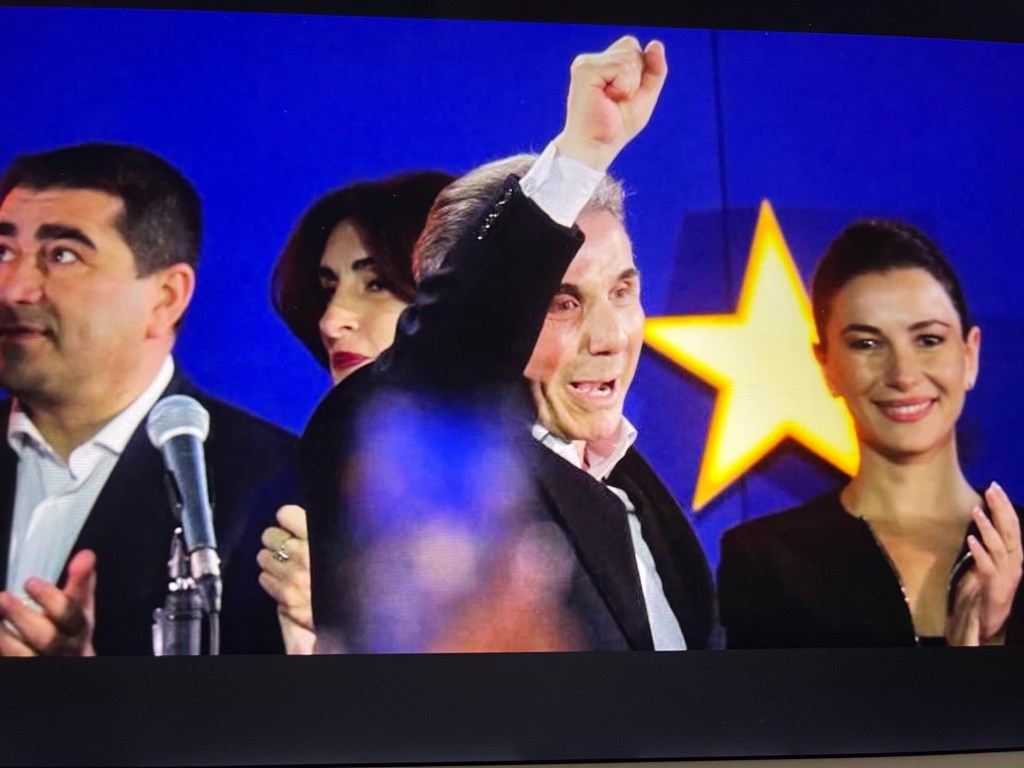
What do you, the opposition party, do when your exit poll and the incumbent’s exit poll are miles apart, and the incumbent is already claiming victory?
Bidzina Ivanishvili – Claiming Victory in Georgia
And that incumbent has been leading his country in a pro-Russian, anti-Western direction, with promises (or threats) of more of the same to come?
Well, you do the only thing you can do: you protest the “stolen” election.
And that is what is happening in the Republic of Georgia today. The election, held yesterday, is nowhere near decided . . . nor is the future of Georgia itself.
I have a dear friend from that “other” Georgia, and I know he is far from happy today. From this distance (in the U.S. state of Georgia), all I can do is follow the news and hope for the best. Not really surprised, but so very sorry, my friend.
Happily, I haven’t seen any reports this week of further arrests or trials of Americans (or others) in Russia. Not so happily, our list of those already being held in penal colonies throughout Russia’s vast prison system hasn’t shrunk, either — they’re all still there.
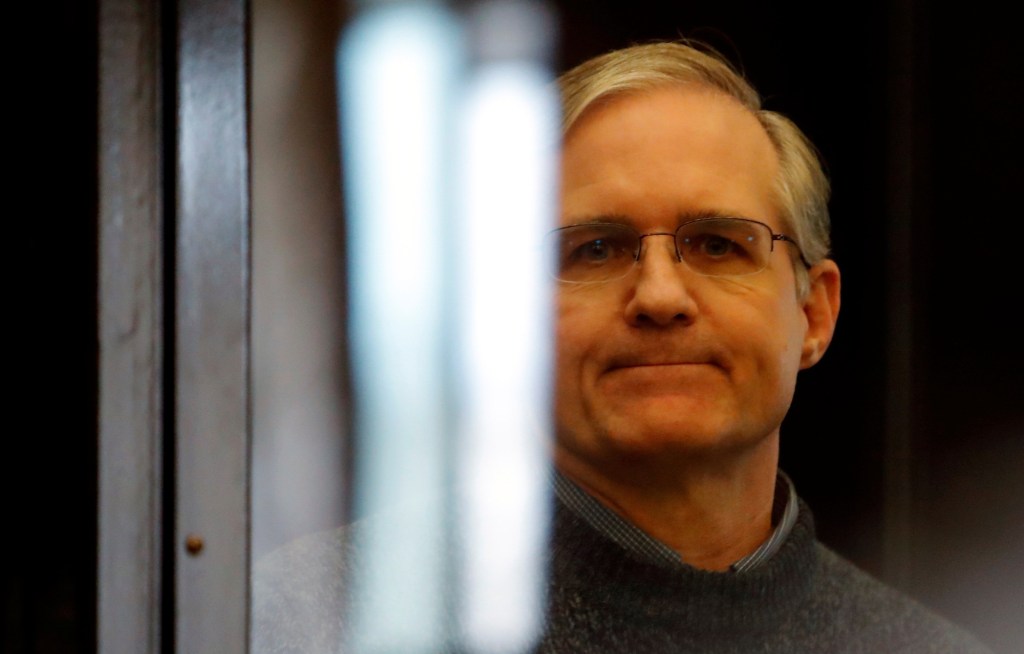
But there has been word from one of the former hostages released in the historic swap of August 1st: former U.S. Marine Paul Whelan.
Paul Whelan in Prison
Whelan spoke with NBC News last week about his five years in prison on charges of spying, and his disappointment each time he was passed over while other Americans were released in exchange for Russians being held in the U.S. — a situation that he called “devastating.” [Andrea Mitchell and Julie Cerullo, NBC News, October 21, 2024.]
It must indeed have been difficult when another former Marine, Trevor Reed, was swapped in 2022 for Konstantin Yaroshenko, a Russian pilot convicted of drug smuggling in the U.S. Reed had been imprisoned in a Russian labor camp for three years.
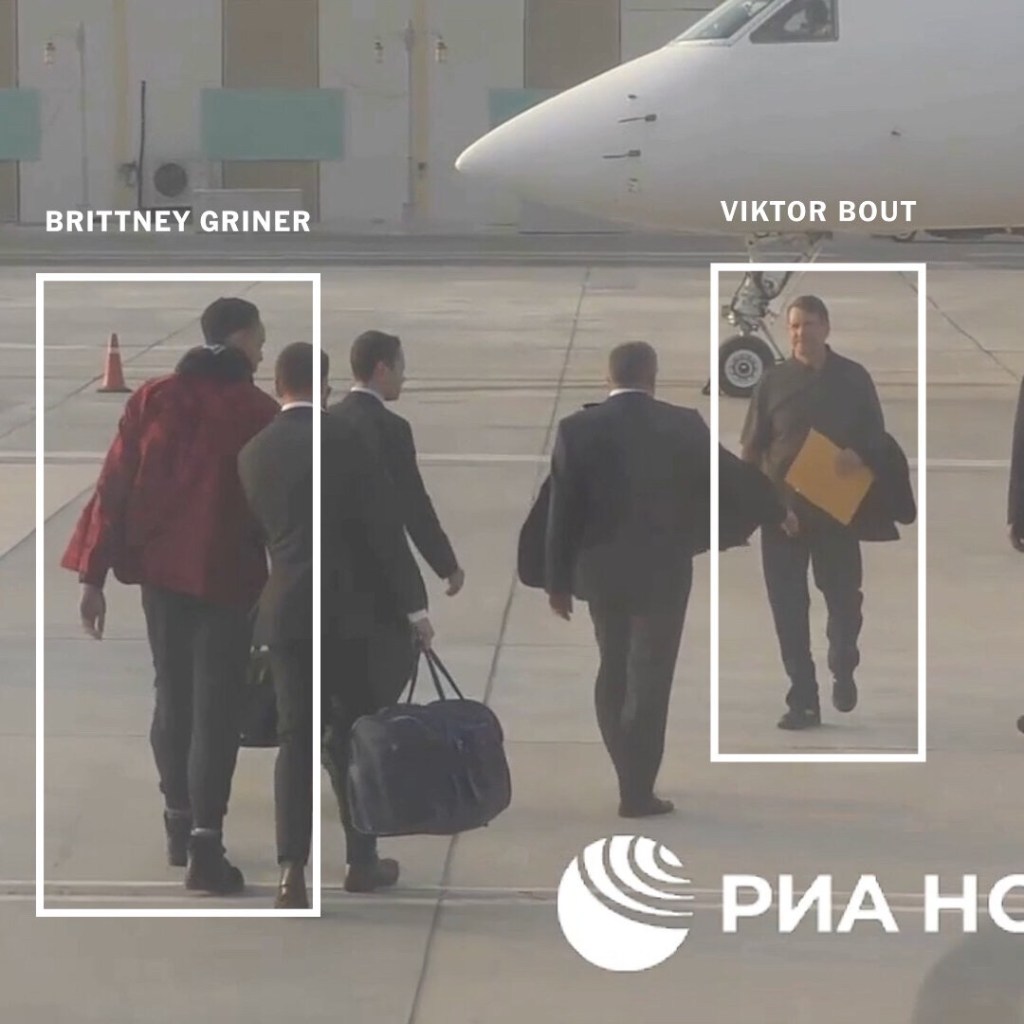
And it was more than a little strange — and surely frustrating to Whelan — to learn of his country’s giving up the so-called “Merchant of Death,” notorious arms dealer Viktor Bout, who had been refused release numerous times, in exchange for American basketball star Brittney Griner, when she had spent just nine months in detention in Russia. But it appears that it was the Russians — not the Americans — who refused to release a “spy” (Whelan) in return for a mere “criminal” (Bout) — an obvious ruse to disguise the importance they really placed on Bout’s return. [Id.]
Spy Swap: Brittney Griner (far left) for Viktor Bout
There was a great deal about Whelan that seemed strange from the very beginning. In fact, his entire history is pockmarked with apparent anomalies, exaggerations and falsehoods, as for example:
— Born in Canada in 1970 to parents of British and Irish heritage, he held passports from the U.S., the U.K. and Ireland, in addition to Canada. He, his twin brother David, and two other siblings were partly raised in Michigan; and David Whelan has said he believes Paul’s collection of passports was inspired by his genetic background. [Wikipedia biography.]
— He claimed to hold a bachelor’s degree in criminal justice and an MBA degree. In reality, while he had taken courses at Northern Michigan University from 1988 to 1990, he never earned a degree. [Id.]
— He said he had been a police officer in Chelsea, Michigan, and a sheriff’s deputy in Washtenaw County, Michigan. However, the Chelsea Police Department said he had only worked there in lesser roles and as a part-time officer, and the Washtenaw County Sheriff’s Office had no record of his employment there at all. [Id.]
— He worked in IT for Kelly Services on two occasions, from 2001-2003 and from 2008-2010. Taking leave from Kelly between 2003 and 2008, he did serve in the U.S. Marine Corps Reserve as a staff sergeant with Marine Air Control Group 38, working as an administrative clerk and administrative chief, and took part in Operation Iraqi Freedom. [Id.] However . . .
— In 2008, he was convicted at a court-martial proceeding on multiple counts “related to larceny,” sentenced to 60 days’ restriction, reduction in pay grade, and a bad conduct discharge. The charges against him included “attempted larceny, three specifications of dereliction of duty, making a false official statement, wrongfully using another’s social security number, and ten specifications of making and uttering checks without having sufficient funds in his account for payment.” [Id.]
— Beginning in 2006, he made several trips to Russia, and established a presence on the Russian-language social media website VKontakte (VK), where he had around 70 contacts. He is said to have studied Russian, but used Google Translate to communicate on VK. [Id.]
— And now Whelan claims that, while imprisoned in Russia, he befriended some fellow inmates who later accepted a deal to serve with the Wagner Group of mercenaries in Ukraine, and passed information to him from the front lines by means of “secret burner phones.” He then allegedly passed that information on to the governments of the U.S., Canada, Ireland and England through “the ambassadors and consular teams from the four countries . . . [who] visited him regularly, sometimes bringing him mail from home.” [Cybele Mayes-Osterman, USA Today, October 22, 2024.]
All right, about that last one . . . He further claims that guards in the prison camps “looked the other way. A Russian prison guard gets $300 to $400 a month. You give them a carton of cigarettes and you can do just about anything you want.” [Id.]
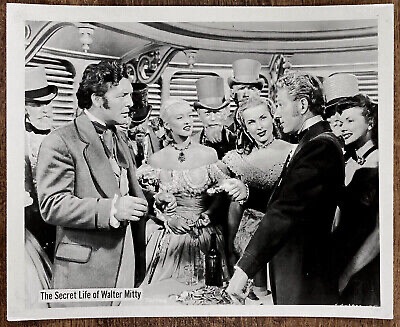
Who is this guy . . . Walter Mitty??!!! **
** The eponymous fictional character created by author James Thurber in 1939’s The Secret Life of Walter Mitty.
Danny Kaye in “The Secret Life of Walter Mitty”
From the descriptions of life in Russia’s penal colonies given by other returned prisoners, Whelan’s claims raise far too many questions, and in some cases, simply defy belief.
But whoever — and whatever — the real Paul Whelan may be, he is free at last. And that, of course, is a very good thing.
*. *. *
As for the hostages remaining in Putin’s prisons, we continue to remember them and to fight for their return. They are:
David Barnes Staff Sergeant Gordon Black Marc Fogel Robert Gilman Stephen James Hubbard Ksenia Karelina Michael Travis Leake Eugene Spector Laurent Vinatier Robert Romanov Woodland
And all of the others whose identities are not known to me. They are not merely prisoners; they are HOSTAGES, who must be brought home as quickly as possible.
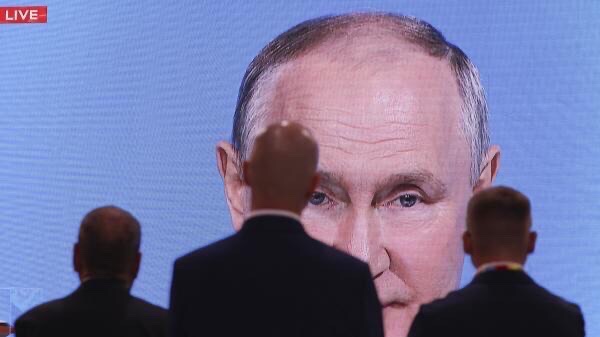
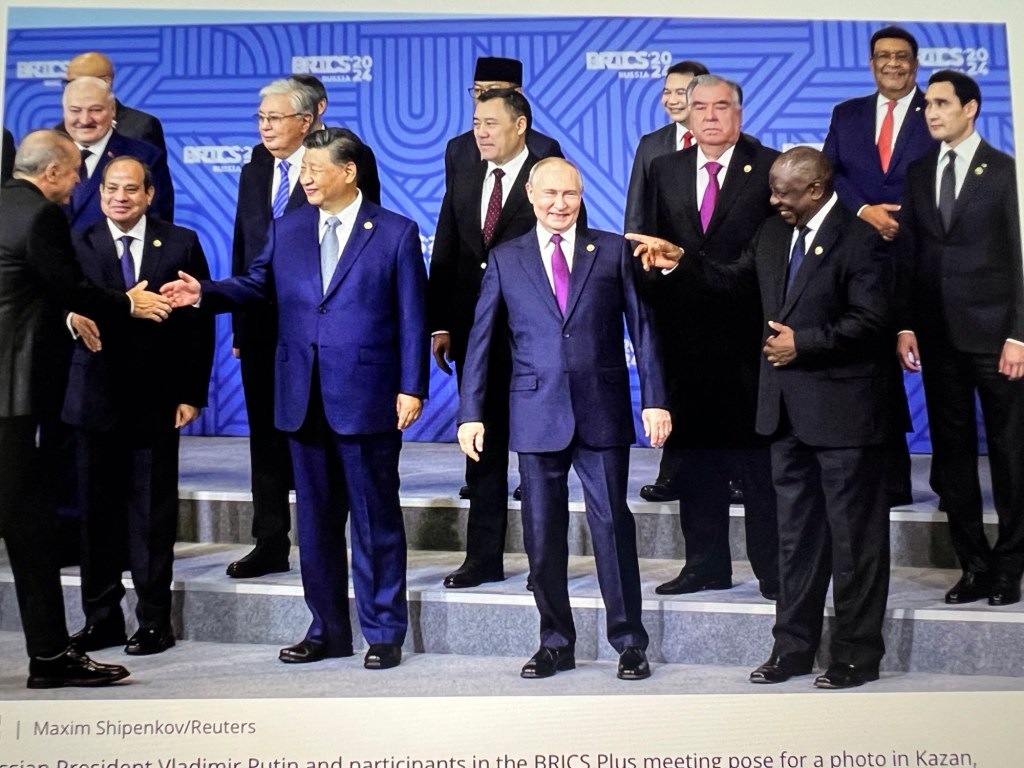
And there he is: a very non-isolated Vladimir Putin, looking quite dapper after three days of hosting what is now called the BRICS-Plus summit, and obviously in a jovial mood as he shares a laugh with South Africa’s President Cyril Ramaphosa.
BRICS-Plus Summit – October 24, 2024
How best to categorize the accomplishments of the anti-Western bloc over the 72 hours of this year’s gathering? Perhaps it’s simplest just to repeat Putin’s own summary: that “a new multipolar world order is taking shape before our eyes.” [Fred Weir, The Christian Science Monitor, October 24, 2024.]
Russia believes BRICS, in the short term, is its way out of the economic and political difficulties created by Western sanctions imposed since its invasion of Ukraine in February of 2022. And in the long term, Putin’s goal is to quash and replace Western — and specifically U.S. — dominance. In other words, to become the sort of authoritarian world leader that he already is in Russia.
But it seems that a majority of the BRICS members, as well as the leaders of the rest of the 36 countries who attended the summit, would not go so far as to join in Putin’s condemnation of the West or his efforts toward creating an alternative global system, despite wide-spread dissatisfaction with the current U.S.-led system.
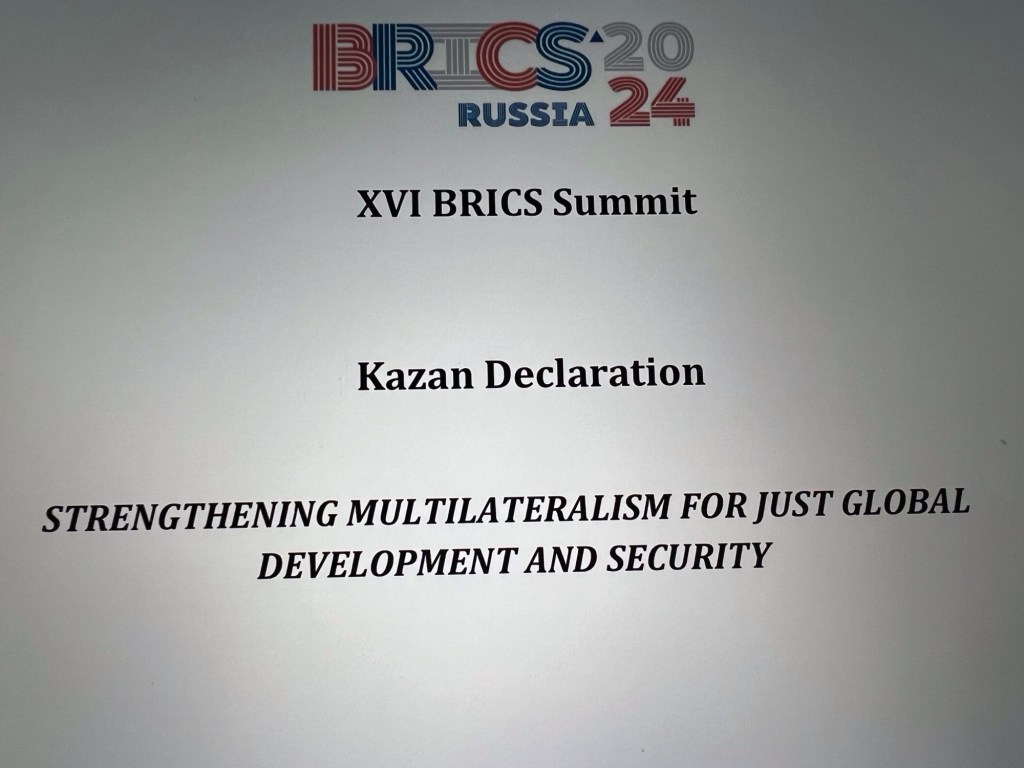
BRICS currently has nine members (or ten, depending on whether Saudi Arabia is actually a full member as yet, which seems to be debatable). The nine members of the bloc issued a lengthy, 134-point statement titled the Kazan Declaration, which spells out demands for the reform of such global institutions as the U.N. Security Council, the International Monetary Fund, and the Group of 20.
It also — and here is where many of the attendees had serious concerns — denounces the “disruptive effects . . . [of] illegal sanctions” on the world economy, and sets forth the beginnings of an alternative finance and trade system that would circumvent the use of the U.S. dollar. [Id.]
And Dmitry Suslov, an international relations expert at Moscow’s Higher School of Economics, had this to offer:
“What is driving the growth of the BRICS Plus is, first, the dissatisfaction of many countries with the U.S.-dominated world order. People are tired of the weaponization of the U.S. dollar, and there is a general sense that the U.S. order is rigged to benefit mainly Western interests.” [Id.]
BRICS, Suslov added, is intended to enable change toward a system offering “multipolarity without hegemony.” [Id.]
“Without hegemony”?!! Are we supposed to believe this is what Vladimir Putin has in mind?
*. *. *
In any event, it would appear that Putin’s brave new world is still a future dream . . . though one that he is determined to pursue. Even Alexander Ignatov of the Russian Presidential Academy of National Economy and Public Administration acknowledges that BRICS is essentially a “discussion club” where major issues are concerned, such as the creation of an alternative global currency. [Id.]
But in the meantime, one of Putin’s goals this week has been reached: that of demonstrating to the world that, despite all of the sanctions, and the arrest warrant issued against him by the International Criminal Court, he is still very much alive and in charge.
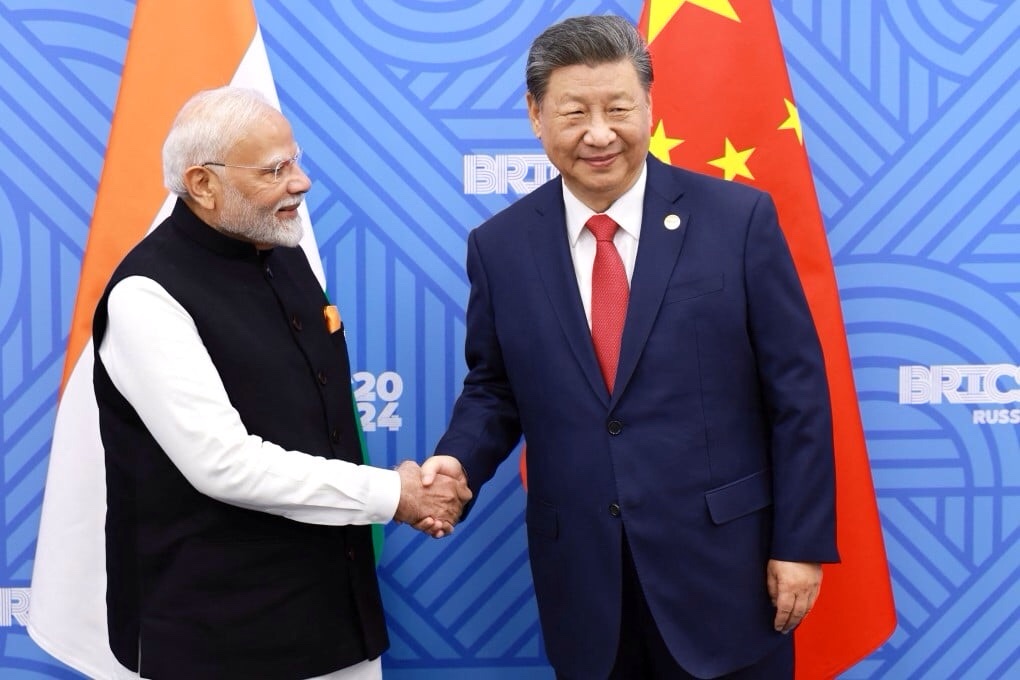
In addition, during the course of the three-day meeting, China’s President Xi Jinping and India’s Prime Minister Narendra Modi finalized — with a handshake — a deal to normalize relations along their disputed border.
Indian Prime Minister Narendra Modi and Chinese President Xi Jinping
And there was cause to hope for progress toward another peace treaty when Armenian Prime Minister Nikol Pashinyan and Azerbaijani President Ilham Aliyev held a sideline meeting.
*. *. *
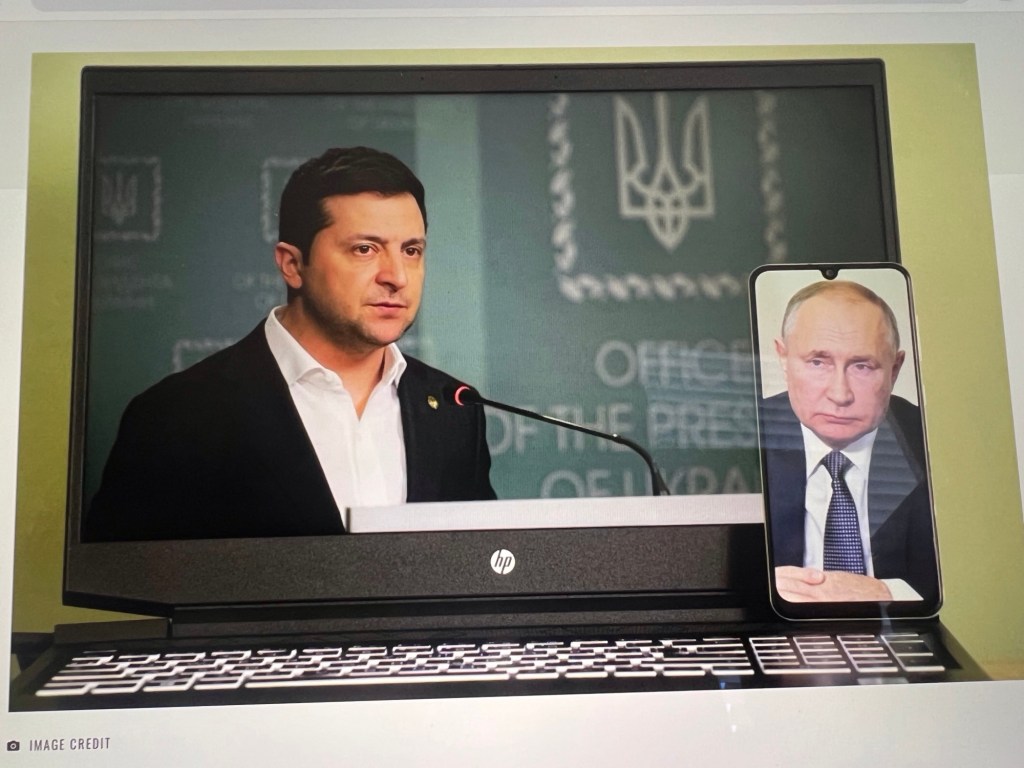
But still hanging over Putin’s head is his “special military operation” — his war — in Ukraine. Language was included in the Kazan Declaration providing that this must be resolved by diplomatic means, and in accordance with the principles of the United Nations Charter.
Presidents Zelensky and Putin (Wilson Center Photo)
Dmitry Suslov of Moscow’s Higher School of Economics had this to say on the subject:
“All the BRICS Plus countries feel that the war should be ended as soon as possible. But while they don’t want to see Russia suffer a strategic defeat, they are not necessarily in favor of Russian victory. The point they all agree on is that the fundamental reasons for the war should be addressed, including issues like NATO enlargement.” [Id.]
Well, that’s just lovely. What wasn’t said was precisely how such an ideal conclusion could be reached.
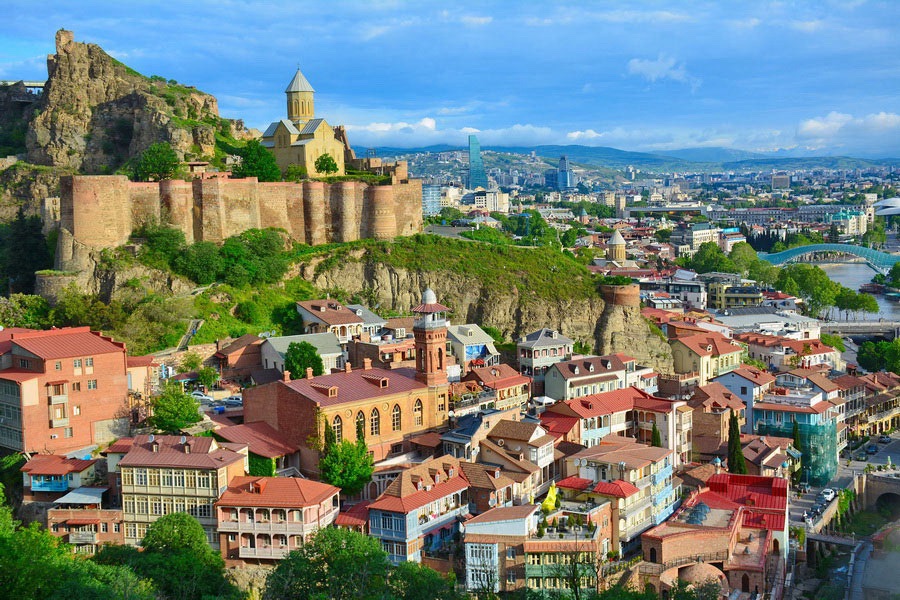
That’s the other Georgia this time — the beautifully wild, ancient country in the Caucasus Mountains that is holding its crucial presidential election today.
Tbilisi, Georgia
At stake is the political future of Georgia’s people. Will the currently-ruling party — the authoritarian Georgian Dream Party — retain its power; or will a coalition of Western-leaning parties win the day, bringing the country closer to EU membership?
I’ll be anxiously awaiting the results later today, so stay tuned. Hopefully there won’t be any delays with the new electronic ballot system. Good luck, Georgia!