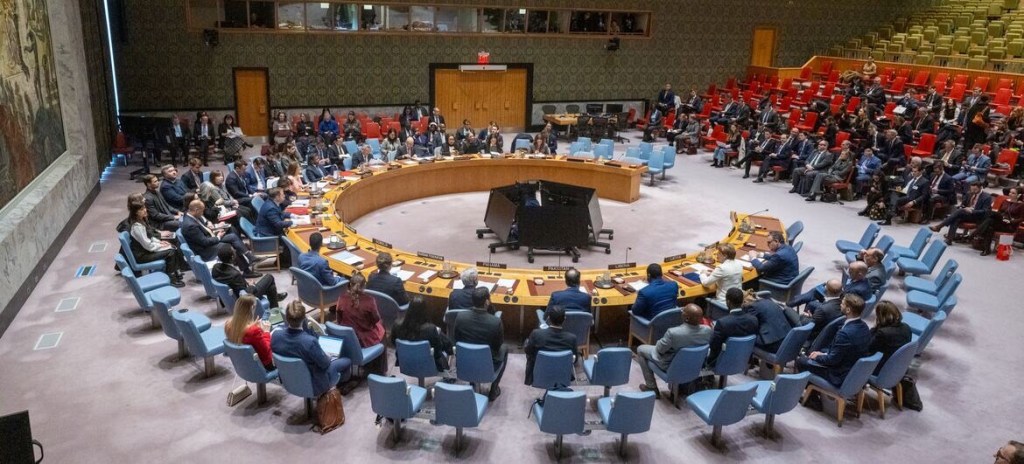
How is it possible . . . how is it even conceivable . . . that the United States would — just 15 minutes before a vote on a U.N. General Assembly resolution calling for “a just and lasting peace” in Ukraine — advise the Ukrainian representative that the U.S. was presenting a proposal to delete two crucial paragraphs from the draft resolution: text that contained references to Ukraine’s “sovereignty” and “territorial integrity”?
U.N. General Assembly – February 24, 2026
It sounds impossible. But that is precisely what happened earlier this week, when U.S. deputy permanent representative Tammy Bruce told the member states:
“The United States welcomes, of course, the call for an immediate ceasefire. As we’ve said, this resolution also includes language that is likely to distract from ongoing negotiations, rather than support discussion of the full range of diplomatic avenues that may pave the way to that durable peace.” [Damilola Banjo, PassBlue, February 24, 2026.]
The “full range of diplomatic avenues” to which Bruce alluded no doubt referred to Vladimir Putin’s unwavering demands that Ukraine cede approximately 20 percent of its territory, consisting of the four regions of Donetsk, Luhansk, Kherson and Zaporizhzhia; and placing untenable restrictions on the sovereignty of Ukraine’s remaining territory — demands that have thus far been the principal sticking point in the ongoing negotiations.
Fortunately, the so-called “motion for division” was voted down after receiving only 11 votes in favor, 69 against, and 62 abstentions. It is important to note that among those countries voting in favor were Russia, Belarus and Hungary.
Most outspoken against it, not surprisingly, were the U.K., France and Latvia. And Ukraine’s Deputy Foreign Minister, Mariana Betsa, said that the proposed deletions were “deeply concerning and cannot be accepted,” and that they would send “a very dangerous signal that these fundamental principles are negotiable.” [Id.]
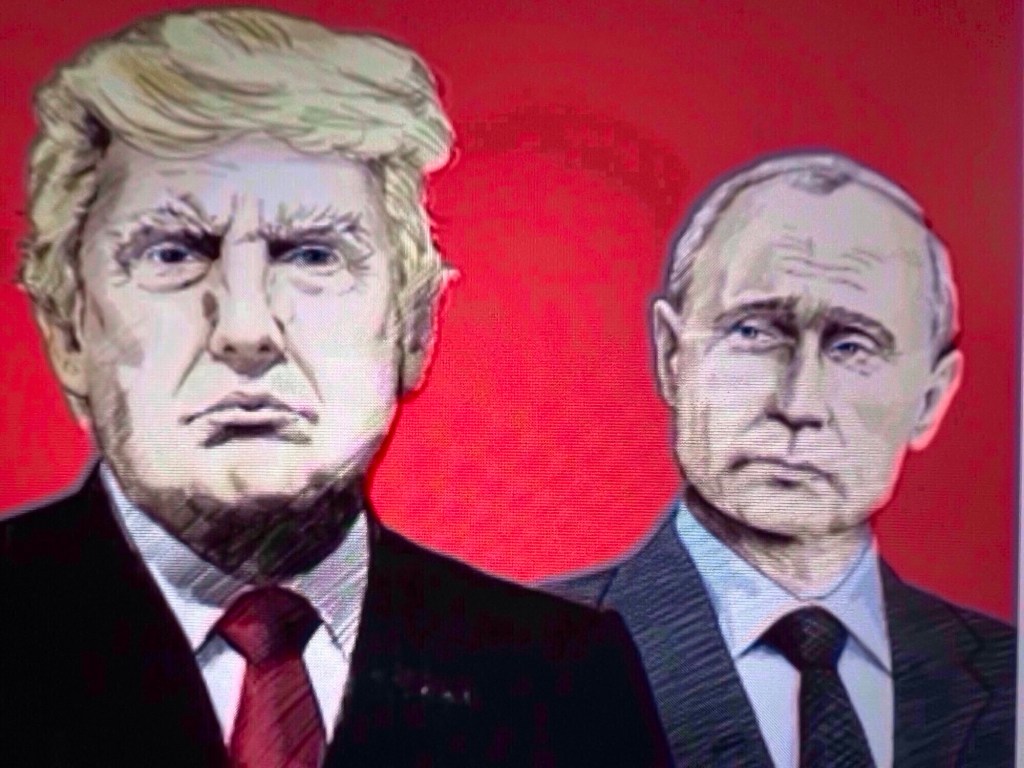
Well, isn’t that exactly what would best serve Vladimir Putin’s interests? In fact, the failed proposal could not have better echoed the Kremlin’s demands if Putin had written it himself.
Later, in a meeting of the Security Council, Bruce took a somewhat modified stance, conceding that the U.S.-led resolution of a year ago had not come to fruition. But, rather than blame Russia directly, she singled out Belarus, China, Iran, Cuba and North Korea for enabling Russia’s continuation of the war through its financial support, saying:
“We call on all countries to join us in our efforts to encourage a negotiated, durable peace that will restore prosperity, security and a bright future for everyone around the globe.” [Id.]
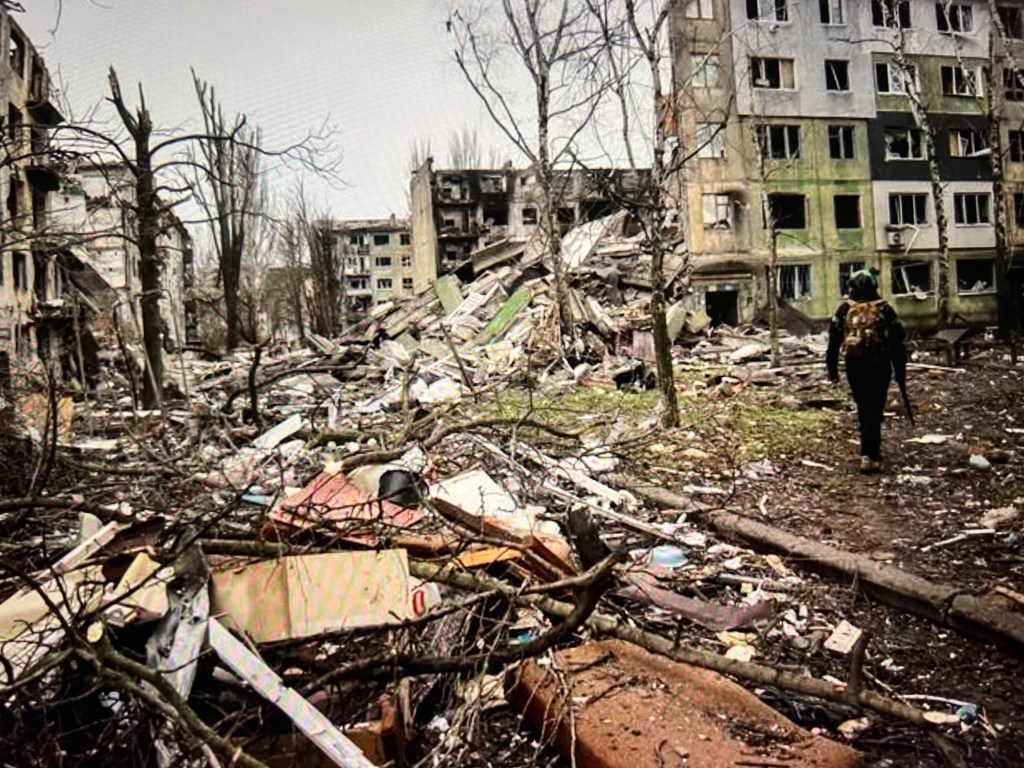
Which is nothing more than diplomatic double-talk. What speaks more loudly is the deleted language of that back-stabbing, double-dealing, self-serving proposal that would have given Russia exactly what it has been demanding all along . . . thus leaving Ukraine a devastated, permanently weakened, semi-autonomous nation; opening the door to Russia’s further westward expansion; and, not incidentally, giving Donald Trump a path to the success he is so desperate to achieve.
“King Me”
The attempt failed. But the fact that it was made at all is an unspeakable, unforgivable betrayal of all that this country has represented for 250 years.
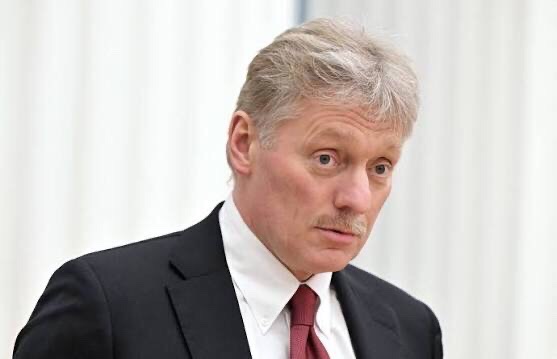
Contrary to my earlier impression that Moscow was maintaining silence on the subject of Russia-Ukraine peace talks, a brief statement from Kremlin spokesman Dmitry Peskov was issued on February 24th, the fourth anniversary of Russia’s all-out attack on Ukraine. It merited only a brief news report, quoting Peskov as follows:
“Following the direct intervention in this conflict by Western European countries and the United States, the special military operation de facto turned into a much larger confrontation between Russia and Western countries, which had and continue to harbour the goal of destroying our country.
“We are continuing our efforts to achieve peace, our position is very clear and consistent. Now everything depends on the actions of the Kyiv regime.” [Gleb Stolyarov, Reuters, February 24, 2026.]
Kremlin Spokesman Dmitry Peskov
Frankly, that tidbit of non-information didn’t merit more than the brief reportage it received. Peskov said nothing that hasn’t been said a thousand times: that Russia continues to insist that the West is to blame for the entire four-year disaster, and that it can only be resolved on Moscow’s terms.
Ukraine understands. European leaders get it. But Donald Trump lives in a parallel universe where perceived trade and business deals with a murderous tyrant supersede the stability, security, and possibly the very survival of the free world.
And until Trump wakes up, or is somehow forced to do the right thing, Putin’s war against democracy will continue and Ukraine will be the first to fall . . . but it won’t be the last.
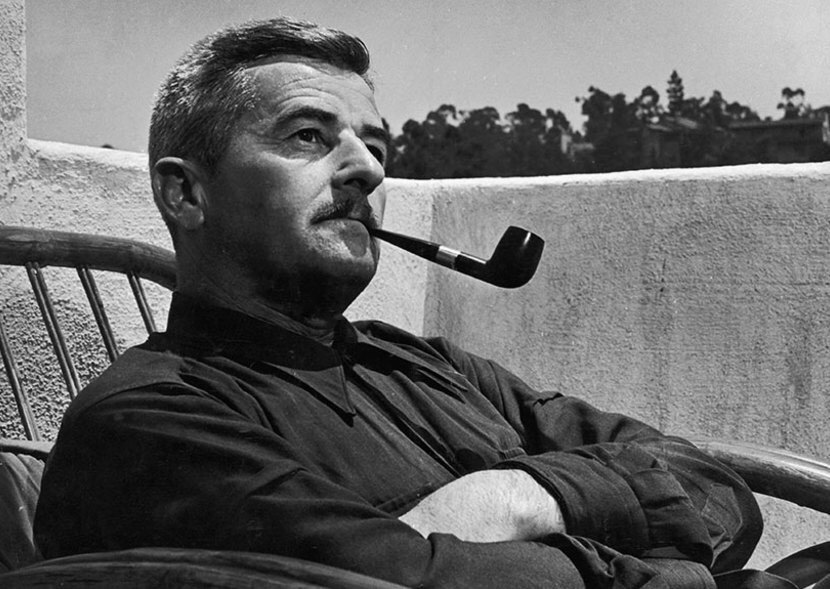
Much has already been said about the exhausting length and disturbing content of this week’s State of the Union speech. But I think it can all be summed up in one brief sentence from the writing of a man who, though he passed away when Donald Trump was just 16 years old, might seem to have been in the U.S. Capitol on Tuesday, listening to that history-making rant:
“Talk, talk, talk: the utter and heartbreaking stupidity of words.”
It has become painfully obvious that the Epstein Files affair is far worse than the Watergate scandal of 1972-74, which was serious enough to take down the Nixon administration. But this one goes so far beyond mere politics. It involves children, pedophiles, and massive world-wide involvement and cover-ups by people at the top of every imaginable segment of society. It is obvious to everyone (except the guilty parties themselves) — in the United States and elsewhere — that they must be rooted out and brought to justice . . . no matter who they are.
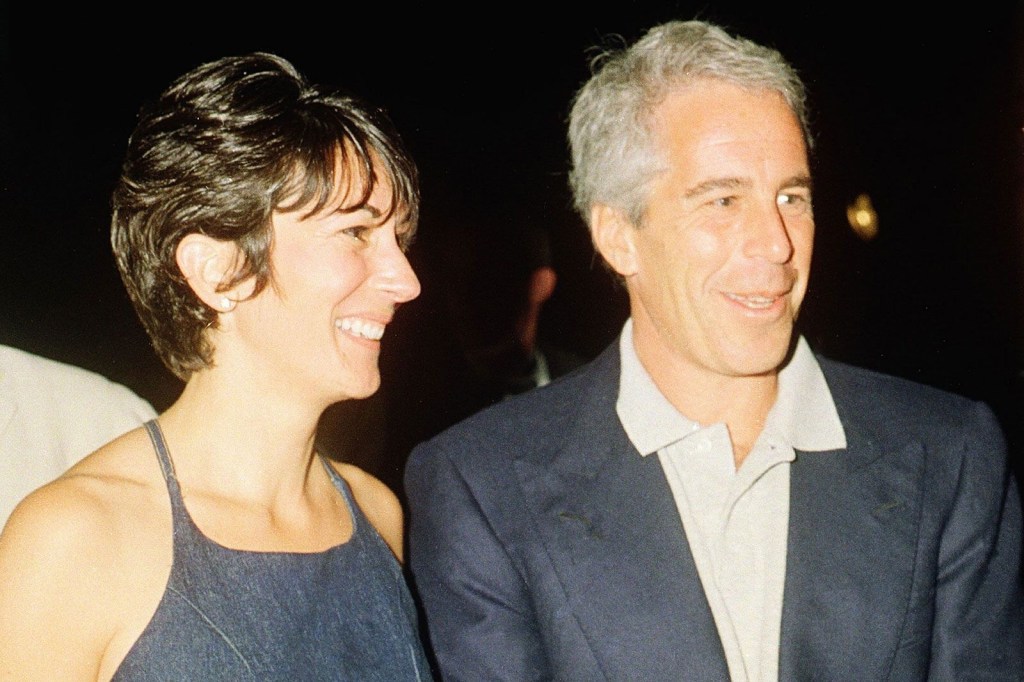
The Criminal Masterminds
I don’t believe that can be emphasized too strongly. But at the same time, it occurs to me (and I’m sure, to others as well) that the amount of attention being given by the media to the Epstein matter has been appropriating precious space in the news that needs to be allocated to other, equally vital issues.
While Donald Trump has been frantically trying to deflect attention away from Epstein by pursuing other controversial goals — filching Greenland from Denmark, threatening war against Iran, and depriving the people of Cuba of basic human necessities, to name just a few — Vladimir Putin has been doing just the reverse. He has been reveling in the opportunity and taking full advantage of the distraction to buy as much time as possible for his own nefarious pursuits.
Think about it. Other than the daily reports of Russia’s brutal attacks on Ukraine and Ukraine’s counter-offensives, how much news has there been from or about the Kremlin lately? Ukrainian President Volodymyr Zelensky speaks urgently of the need to continue peace talks . . . but nothing happens. Trump goads Zelensky to make wholly unacceptable concessions, and Zelensky responds . . . but still, nothing happens. And why? Because Vladimir Putin does nothing.
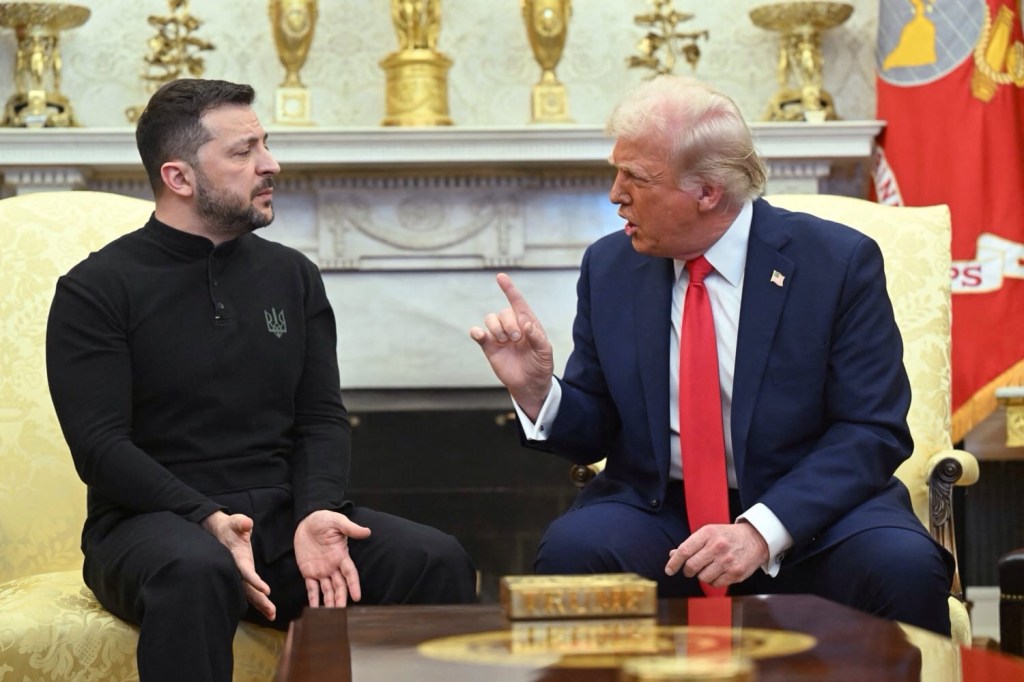
A White House Dressing-Down
And when Putin’s voice finally is heard, there is no mention of peace talks. He merely continues to take a ludicrous defensive position, blaming Ukraine and the West for attacking Russia. And his words receive one mention, concerning a speech given on Tuesday — the fourth anniversary of Russia’s invasion of Ukraine — to an audience of FSB (Federal Security Service) officers. In the context of ordering them to increase protection of Russia’s energy and transport infrastructure against Ukrainian attacks that he claimed were enabled by Western intelligence services, he said:
“They did not manage to inflict a strategic defeat on Russia on the battlefield, so the enemy is relying on individual and mass terror: this includes shelling cities, sabotaging infrastructure, and assassination attempts on government and military officials.
“There is an absolute need to defeat Russia. They are looking for any way anything at all. They will push themselves to some extreme point, and then they will regret it.” [Dmitry Antonov, Mark Trevelyan and Andrew Osborn, Reuters, February 24, 2026.] [Bold emphasis is mine.]
Is that to be taken as a serious threat? Does he have something up his sleeve that we don’t know about? Or is it merely bravado — big talk designed to hide the truth of his country’s dismal military and economic condition? There is, of course, no way to tell for sure.
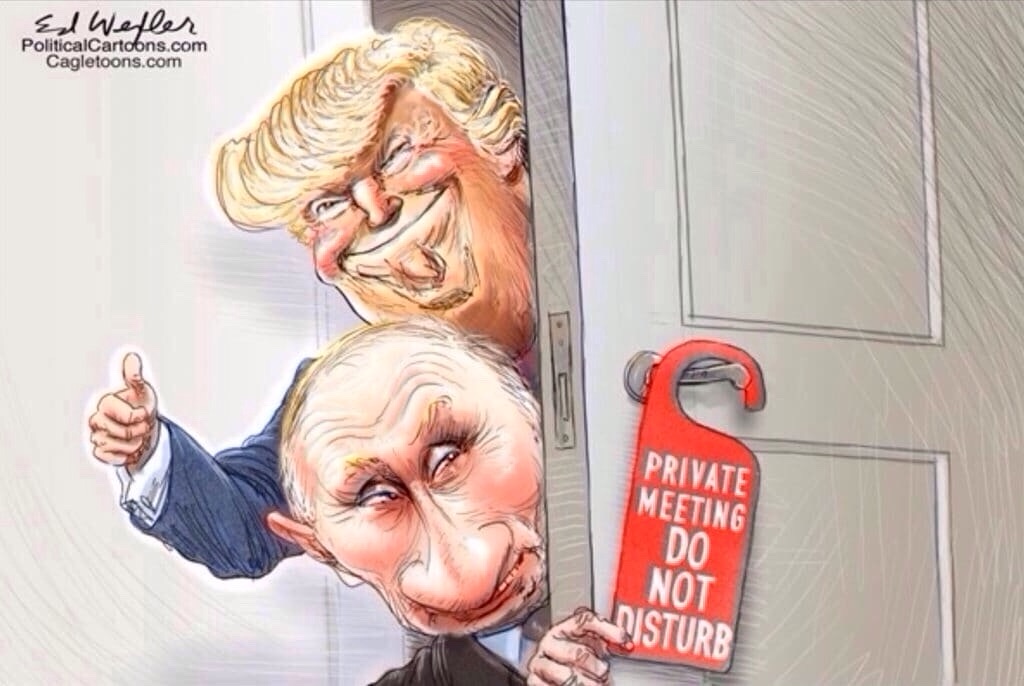
But much of Europe is taking no chances; they’ve been down this road before. EU members are stepping up their own security measures, speaking in terms of “when” — not “if” — Putin will choose his next victim for invasion. Yet there is only so much they can do without the full backing of the U.S. government . . . and they’re not receiving it, because Donald Trump remains blind to the sorry truth: that Putin prevaricates with the same ease that the rest of us breathe; that he has no intention of ending this war on any terms but his own; and that he has been playing Trump for a fool from day one.
Which one has the brain?
British intelligence officials have shared with the U.S. the contents of intercepted calls and texts among ranking Kremlin officials in which they have laughed and ridiculed Trump’s continued acceptance of Putin’s word. According to a senior UK security official, speaking to The Spectator yesterday:
“We have continually shown them [the U.S.] intelligence that shows the Russians are lying. The Russians are privately mocking Trump over his naivety about Putin’s intentions. Putin doesn’t want to end the war.” [Will Neal, Daily Beast, February 26, 2026.]
So where is the follow-up on this? Why isn’t Trump being told by his so-called staff and intelligence advisers to wake up and start seriously pushing Putin against the wall? I’m afraid we know the answer to that. It’s because his “advisers” are a bunch of Trump clones: a cabal of dim-witted, self-serving sycophants who tell him only what he wants to hear. That is, after all, how they got their jobs in the first place.
But why isn’t the media pushing the administration with more in-depth coverage? There could be any number of reasons; but one of them — the one that stands out before all others — is the overriding focus on the Epstein Files: a huge, if unintended, gift to Vladimir Putin, all wrapped up and tied with one of Donald Trump’s ridiculous red neckties.
Trump is so embroiled in the Epstein affair that it’s all he can think of. And to offset it — to win himself and the Republican party some Brownie points with the voters before November’s mid-term elections — he needs a victory. Pushing Zelensky to concede to Putin’s demands in order to end the war would give Trump the bragging rights he so desperately seeks. To hell with the people of Ukraine, or the ensuing domino effect in Europe.
In a Hell of His Own Making
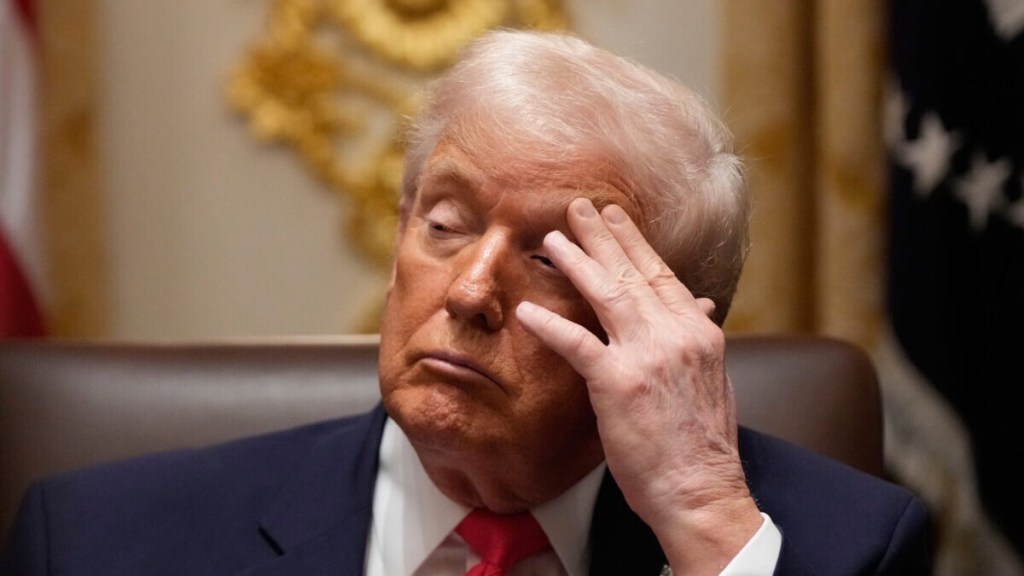
Now, I’m obviously not suggesting we cut back on coverage of the Epstein investigation; that would be disastrous. But we can’t allow it to become the “red herring” that distracts us from the multitude of other issues hanging over our heads: Russia, China, North Korea, Iran, Israel/Gaza, Cuba, Venezuela, Greenland, the environment, the U.S. economy, Trump’s mental and physical health . . .
Well, yes . . . I suppose it is, really. But it’s intentional, and it means that I am constitutionally (not Constitutionally) unable to sit around doing nothing for very long.
But that’s what I’ve been doing this week in an attempt to wean myself away from my obsessive immersion in the daily news. And the problem is that it has given me too much time to think about myself.
Is anyone else seeing that cup and saucer levitating?
I’ve never been particularly introspective, and I really don’t see any point in changing at this late stage of my life. I’ve always just accepted myself for who I am — a reasonably intelligent, mostly decent, honest, empathetic individual, grateful that I was born in one of the world’s most desirable locations.
And I’ve had a lot of good times along the way: family times, wonderful friendships, great jobs, travel, and a little intrigue to spice things up. But tempus fugit, and change is inevitable. I am blessed to have remained more-or-less compos mentis (though with a really annoying affinity for tossing around Latin and other foreign-language phrases and quotations, as you may have noticed). However, the flesh hasn’t kept pace with the spirit, and I now find myself with a lot of great memories, and plenty of hours in the present day to occupy with less strenuous pursuits.
Which is how I fell into the routine of writing my daily blog . . . not just to fill the quiet hours, but also as a means of communication with the “outside world.” And I really love doing it. But now and then, when it once again dawns on me that that outside world is nothing but a pile of:
. . . I tell myself it’s time to withdraw for a while, give the world one of these:
. . . and wait for the moment to pass.
And eventually I realize, yet again, that all of that poop can’t be ignored, or it will simply pile up and bury us all . . . which is precisely what the producers of the poop — the politicians, the oligarchs, and the run-of-the-mill nut jobs — want us to do.
Besides which, it seems that I actually thrive when I’m mired in the bullshit; fighting against it gives me a sense of purpose that I just don’t get from watching TV or rearranging my underwear drawer.
So I’m back at my iPad, with thanks for your patience, and apologies if I had anyone worried for my sanity. Next time it happens — and it probably will — just ignore it, and give me a couple of days to recoup. I’ll be fine.
Well, I made it through Monday and Tuesday without obsessing about the news — surprisingly, with a little help from Donald Trump, of all people — because, while the media were focused heavily on his abysmal State of the Union marathon, I was able to ignore it for the worthless piece of made-up, babbling, self-aggrandizing bullshit it was, and instead used the time to get a few heretofore-neglected chores done around the house.
But Wednesday presented a new, though not unexpected, difficulty: boredom. I finished reading one novel and wasn’t quite ready to start the next. Clearing the junk mail from my inbox took about five minutes; a couple of crossword puzzles occupied another hour; and the laundry, once I put the clothes into the machine and turned it on, washed itself.
Being largely housebound clearly has its limitations in the excitement department. Even a stroll around the neighborhood only offers a view of the same houses, the same cracks in the sidewalks, and an occasional friendly wave at a passing driver. There isn’t even a neighborhood store within walking distance. Boring, boring, boring.
And while I thought about cleaning out a closet and filling another bag for Goodwill, there was still one important element missing: mental stimulation. So I confess . . . I took a peek at the headlines, and my eyes landed first on this one:
“Four shot dead on US-registered speedboat by border guards, Cuba says.” [Bernd Debusmann, Jr. and Max Matza, BBC, February 25, 2026.]
“Uh-oh!”
It was breaking news, so the article was short on details other than the following:
According to the Cuban government, a US-registered speedboat entered Cuban waters with ten people aboard. When a Cuban boat carrying five members of the Interior Ministry approached the vehicle in order to identify the passengers, “the crew of the violating speedboat opened fire,” allegedly wounding the Cuban commander. “As a consequence of the confrontation, as of the time of this report, four aggressors on the foreign vessel were killed and six injured.” [Id.]
U.S. Secretary of State Marco Rubio, who (coincidentally?) was on the island of Saint Kitts and Nevis to meet with Caribbean leaders concerning Cuba and other regional issues, said initially that the nationalities of the boat’s passengers had not been determined, and that:
“It is highly unusual to see shootouts on the open sea like that. It’s not something that happens everyday.* We’re going to find out exactly what happened, who was involved, and we’ll make a determination on the basis of what we find out.” [Id.]
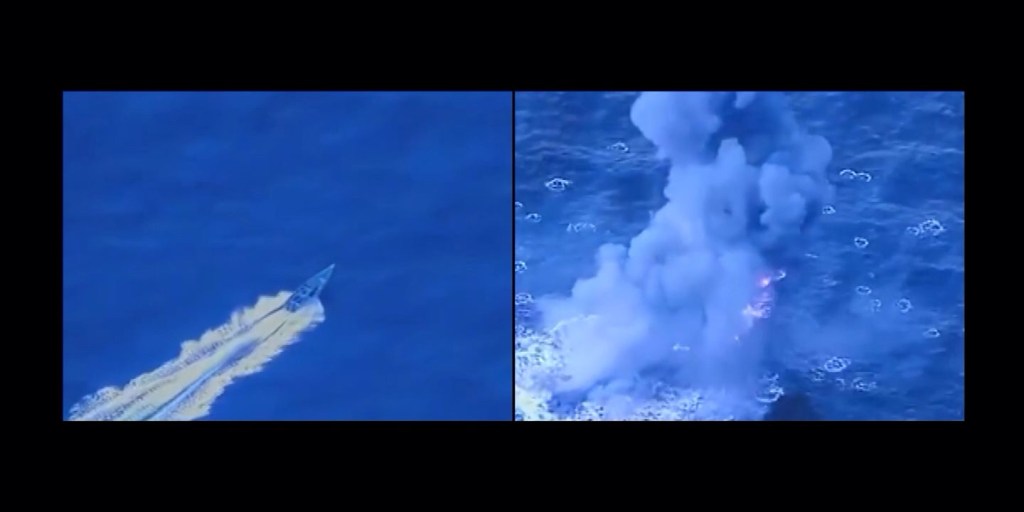
* Ed.Note: Unlike the U.S. attacks on all of those suspected Venezuelan drug-runners’ boats. But I digress.
Venezuelan Target Destroyed
Stating that the U.S. Coast Guard had already traveled to the vicinity of the attack, Rubio added:
“I don’t know who has possession of the vessel. This is the first thing we want to have. We obviously want to have access to these people, if they are American citizens or US residents.” [Id.]
He also said that, rather than rely on information provided by the Cuban government, Washington would independently verify the facts of the case . . . certainly a proper procedure under the circumstances. But there will likely be two very different sides to the story as it unfolds, depending largely on the identities of the speedboat’s passengers.
Any attempt at analysis would be purely speculative at this point. But the fact that it occurred on the heels of Donald Trump’s threats against the island nation, and within the time frame of Rubio’s discussions in the region, is enough to raise serious concerns.
And certainly enough to have aroused me from my recent lethargy for the moment.
I’m happy to report that I made it through Monday and most of Tuesday without obsessing about the news. And then, just as I was beginning to feel proud of myself, a reminder popped up on my phone that — OH, CRAP! — the State of the Union message was about to be delivered.
Well, that in itself was not a problem, because I had no intention of watching it in any event. But just knowing that the news would be inundated with follow-up analyses was enough to send me into a serious episode of delirium tremens, complete with a primal scream and a roomful of pink elephants.
It is now just after midnight, and I’ve calmed down. I assume the speech is over, and I have thus far avoided the TV and online news reports. But the very thought of what’s waiting for me out there, and how I will react when eventually I do read some of it, almost has me wishing I were Catholic so I could run out to the nearest church in search of a priest who would hear my confession.
But I’m not Catholic . . . and rabbis don’t do the confession thing (though most of them are very good listeners because, well . . . you know . . . the Jewish mothers and wives).
So instead, I went in search of a little comic relief therapy, and came up with this:
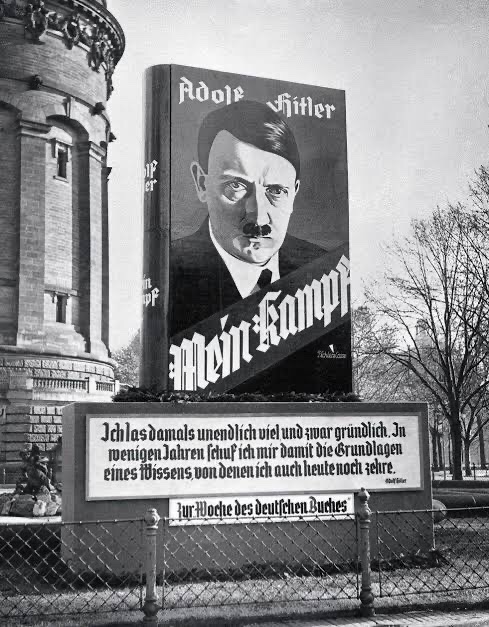
Germany – 1934
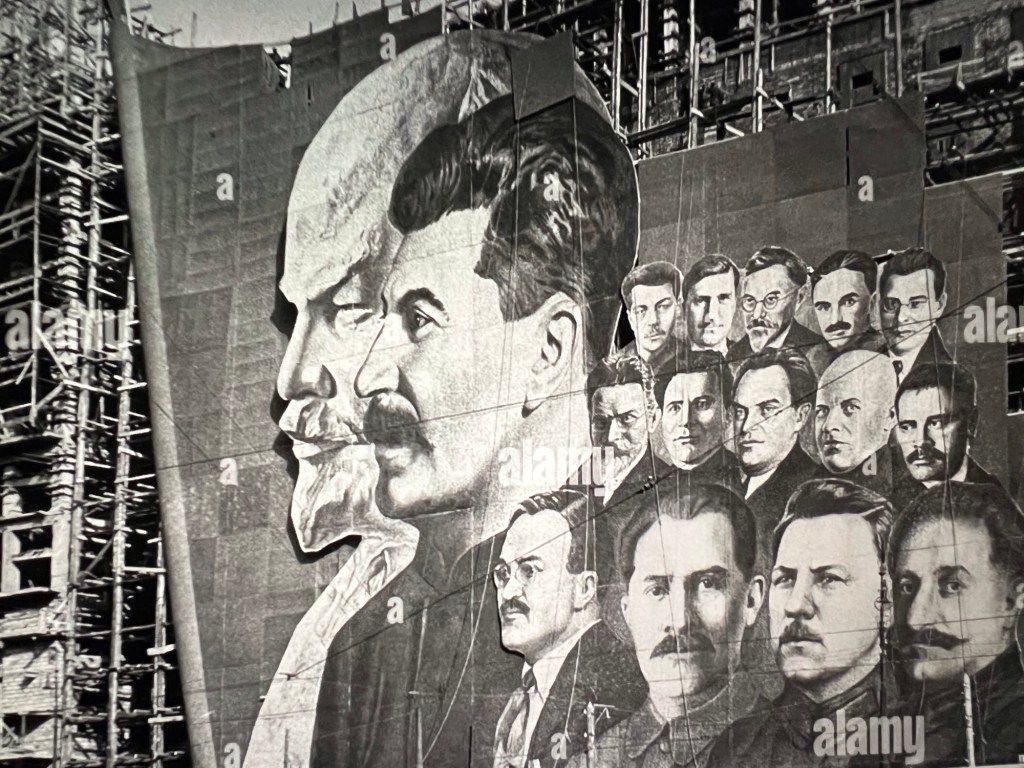
Soviet Union – 1936
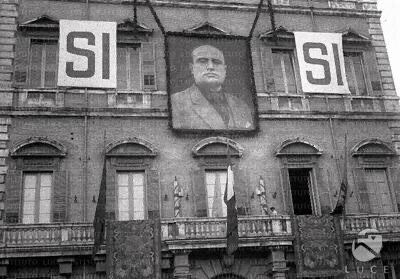
Italy – C. 1940s
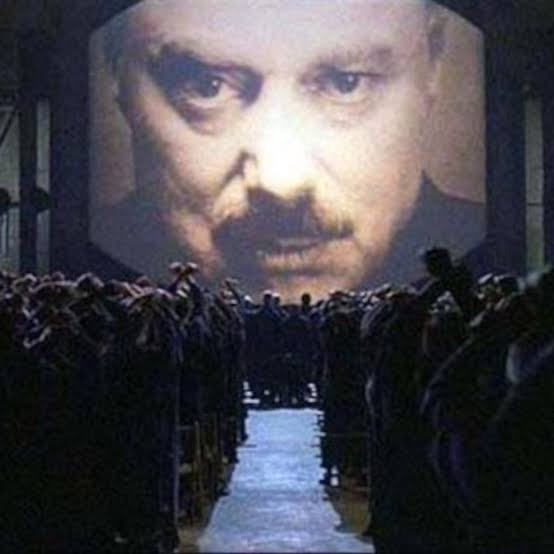
Big Brother – “1984”
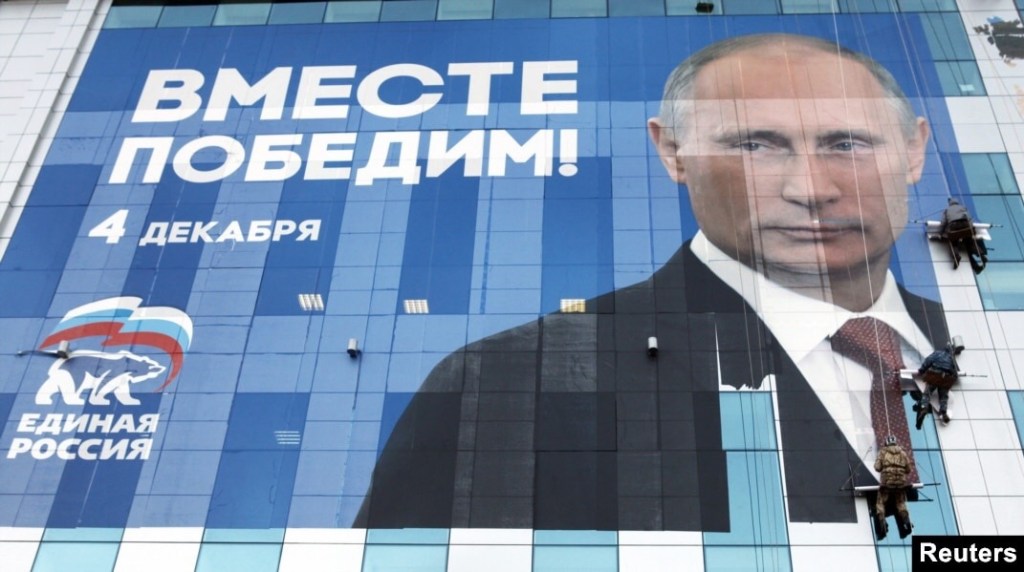
Moscow – 2025 (“Together We Will Win”)
Washington, D.C. – 2026
*. *. *
I was hoping to find some humor in there somewhere, but the only thing that came to mind was:
“CAN’T YOU SEE IT? THEY’RE INTERCHANGEABLE!”
And that was decidedly not funny.
Still, it’s early days in my search for inner peace. Maybe I’ll do better tomorrow.














 The Blog About Everything … and Sometimes Nothing