Having a wonderful time reminiscing about all my past travel (and other) adventures. Hope you’ll share them with me in my blog, “All Roads Led to Russia.”
Two days ago, following a meeting with Ukrainian President Volodymyr Zelensky on the sidelines of the U.N. General Assembly session in New York, Donald Trump posted a shocking 180-degree turn-around of his assessment of Ukraine’s position vis-a-vis Vladimir Putin’s ongoing invasion.
After months of telling Zelensky that he didn’t “have the cards” to prevail against Putin, he now seems to think that Ukraine “is in a position to fight and WIN all of Ukraine back in its original form.” [Zeeshan Aleem, MSNBC Daily, September 25, 2025.]
He even called Russia a “paper tiger.” [Id.]
A Harmless Paper Pussycat
After presumably seething for a couple of days, Putin has now — through his spokesman Dmitry Peskov — responded:
“Russia is more compared with a bear. There are no paper bears.” [Id.]
Not So Harmless
Vladimir Putin does not tolerate criticism of himself or his country . . . anymore than Trump does. He will not slink off into a corner and lick his wounds. He will back up his words with action, most likely directed at the already beleaguered citizens of Ukraine.
While I applaud Trump’s support of Ukraine (and hope it lasts), I doubt that name-calling was the best way to get through to Putin. But that’s what Trump does when diplomacy fails . . . he resorts to insults and bullying.
Only his intended victim in this case is no pushover.
So said the ostrich, as he buried his head in the sand.
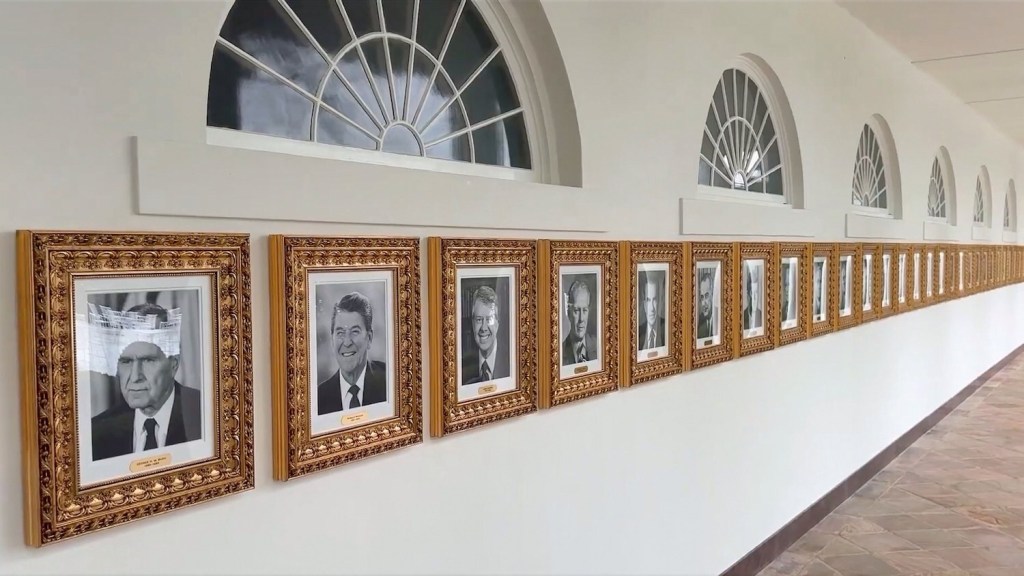
And so said Donald Trump, as he omitted a portrait of President Joe Biden from his new “Presidential Walk of Fame” along the West Wing Colonnade.
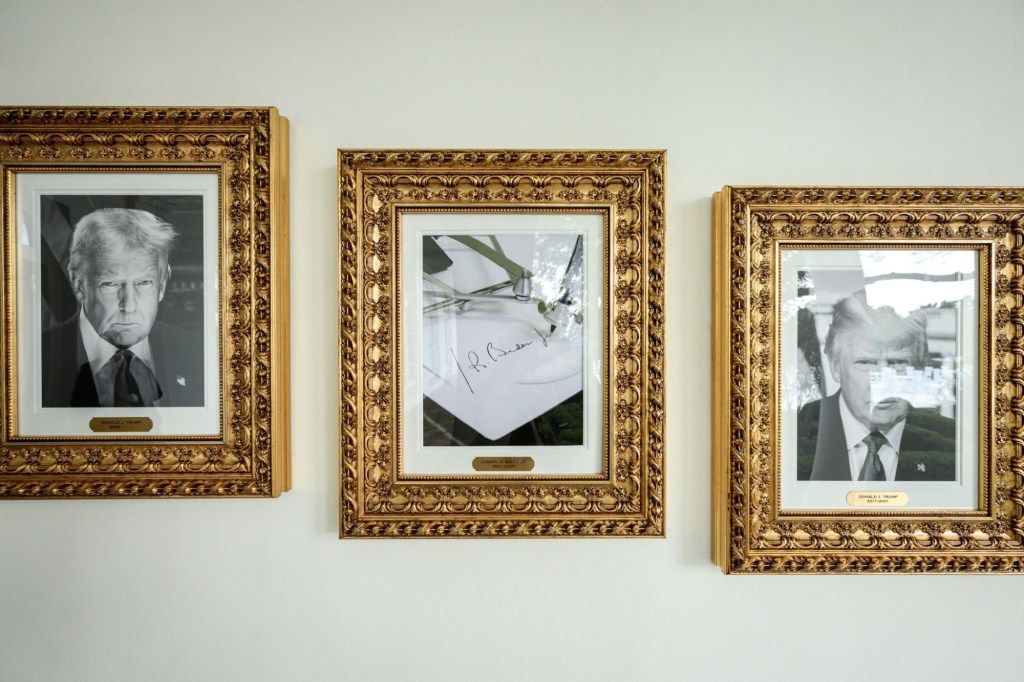
They’re all there, from George Washington to the present. But in a petty, childish, vengeful, and revoltingly unstatesmanlike move, Trump substituted for Biden’s photograph — in a gilt frame to match all of the others — a picture of an autopen.
While many modern-day presidents and other officials have resorted to using the autopen on occasion, Trump has accused Biden of relying on it to hide his alleged (alleged by Trump) cognitive decline while in office.
And therein lies the real reason for this shameful display of hatred and meanness: In trying to “prove” that Biden was, for at least part of his presidency, mentally diminished, Trump hopes to be able to negate any of Biden’s executive orders and other actions that may not be to his (Trump’s) liking. In omitting his portrait, Trump symbolically erases Biden’s presidency . . . and as an added bonus, he doesn’t have to look at the face of a man who, for whatever reason, infuriates him beyond belief.
So there they are: A missing president, represented by a piece of mechanical equipment, stuck between two angry, scowling images of a tyrant whose vengeance knows no bounds.
And here he is, admiring his handiwork. I wonder what that young aide was thinking.
It was only a matter of time, really. It’s just a shame that it took so long; but the folks in the White House have been busy with more urgent matters, like breaking up immigrant families, building a new $200 million ballroom, alienating our staunchest allies, and retrofitting that Qatari jet.
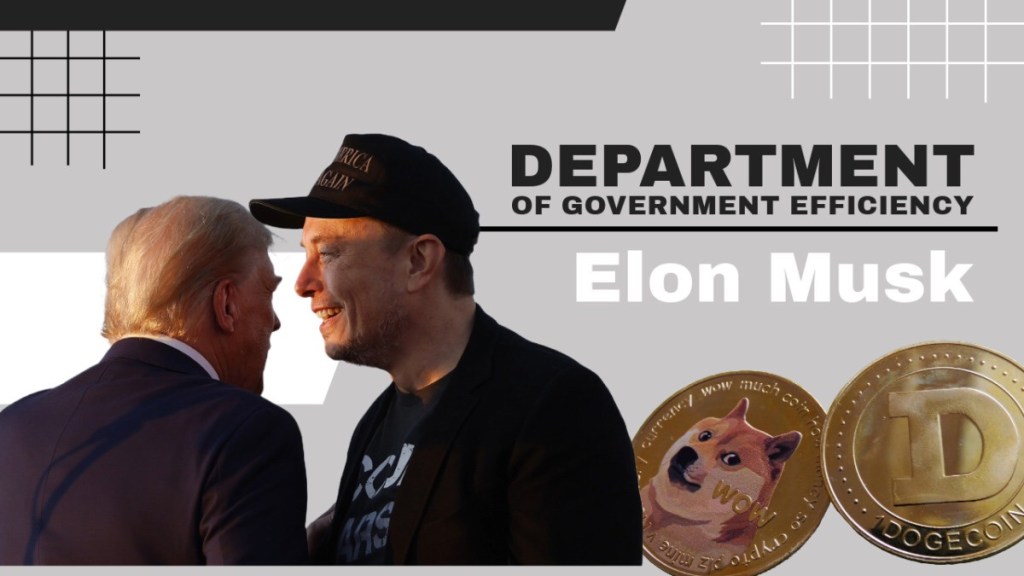
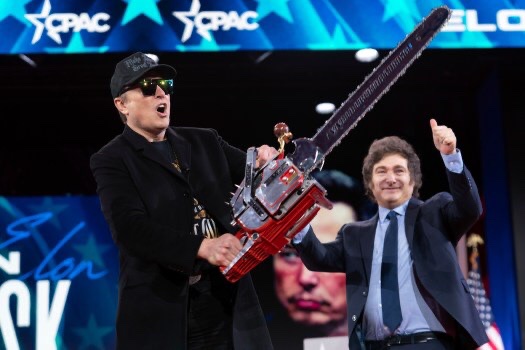
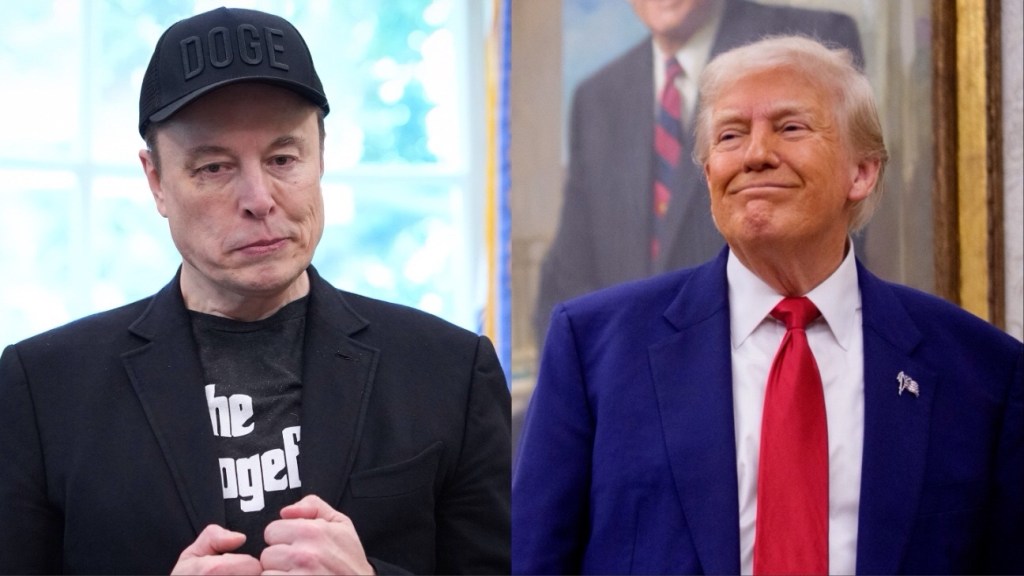
But the party seems to be winding down for all those pre-pubescent, chainsaw-wielding, power-crazed idiots brought to Washington by Elon Musk to carry out his extermination of the U.S. government’s operating workforce. In fact, I haven’t heard anything about the DOGE gang since Musk himself stormed out of the White House following the bromance breakup of the century.
“DOGE: The Department of God-awful Extremism”
Now word has leaked out — rather more quietly than the initial DOGE invasion — that hundreds of those federal employees who were given the axe by DOGE are being asked to return to work. [The Associated Press, September 24, 2025.]
The General Services Administration (GSA) was established in the 1940s for the purpose of centralizing the acquisition and management of thousands of federal workplaces. According to Chad Becker, a former GSA real estate official, since DOGE’s slashing of GSA’s staff, “the agency was left broken and understaffed. They didn’t have the people they needed to carry out basic functions.” Describing the agency as having been in “triage mode” for months, he said the downsizing is a clear indication of how Musk and DOGE had gone too far, too fast. {Id.]
Now, there’s a fine example of understatement!
But the GSA has now given the employees who have been invited back until the end of the week to accept or decline reinstatement, and until October 6th to return to work. In essence, those who had accepted buyouts would now become the beneficiaries of a seven-month paid vacation. The IRS, Labor Department and National Park Service have reportedly already reinstated a number of terminated employees.
The GSA has also been incurring huge costs for the continued leasing of properties that have remained unused for the past several months. [Id.]
While the agency has declined to provide information about the return-to-work notice, staffing decisions or potential cost overruns, a GSA spokesman said in an email:
“GSA’s leadership team has reviewed workforce actions and is making adjustments in the best interest of the customer agencies we serve and the American taxpayers.” [Id.]
In the best interest of American taxpayers? Really?
Meanwhile, Congressman Greg Stanton, the top Democrat on the subcommittee that oversees the GSA, said there is no evidence that DOGE’s initial reductions “delivered any savings. . . . It’s created costly confusion while undermining the very services taxpayers depend on.” [Id.]
In the aftermath of the hugely-publicized unleashing of DOGE’s forces in January, this partial retreat is being handled in an uncharacteristically low-key manner. But it’s not surprising that the Trump administration would choose to downplay one of its most ludicrous, destructive, and expensive mistakes. Eating crow isn’t easy.
The term “government efficiency” has long been considered an oxymoron; it took a couple of real-life morons to finally prove the point.
The Brains Behind DOGE
They’re both supposed to be businessmen, right? Did they ever ask themselves how they would operate a restaurant without a chef and cooks, an auto repair shop without qualified mechanics, or a hospital without doctors and nurses? Or that a government was no different . . . just bigger?
Did it ever occur to either of them that cost-cutting can be accomplished without demolishing the very underpinnings of an organization? Or that it might be a good idea to do an in-depth study of an agency’s operations before decimating it?
I wonder if there’s a Nobel Prize for stupidity.
But here’s an idea. If I went into a shop and clumsily broke a merchandise display, I would be expected to pay for it — and I would do so without question. So why shouldn’t Elon Musk . . . ?
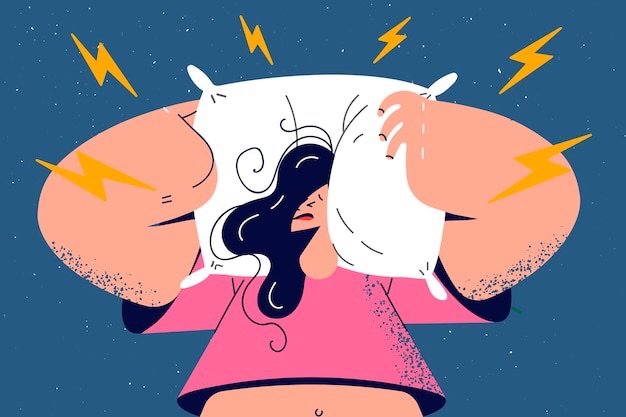
I’m beginning to wonder whether there is some sort of gremlin in the White House who sneaks into Donald Trump’s bedroom at night and whispers subliminal messages into his ear while he sleeps, telling him what specific load of bullshit he is going to dump on the world the next day.
Because I honestly can’t think of any other explanation for his turn-on-a-dime changes of thought, opinion and policy concerning every conceivable subject, from his personal relationships to U.S. assistance for Ukraine.
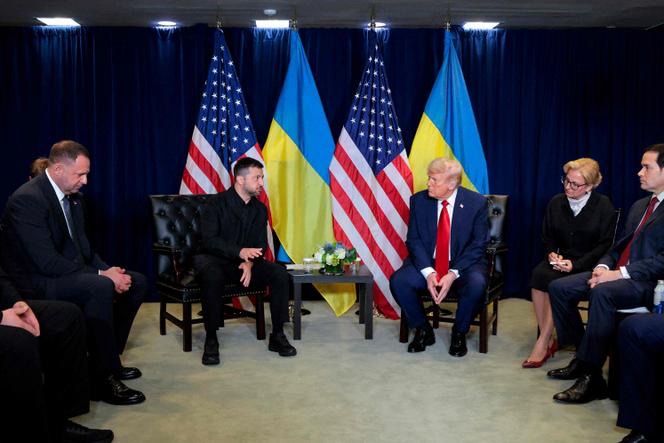
Meeting with Volodymyr Zelensky at U.N. – September 23, 2025
And that latter topic is the one on which he did a complete about-face following the U.N. General Assembly session in New York yesterday.
As Trump and Ukrainian President Volodymyr Zelensky were heading into a face-to-face meeting, reporters asked Trump whether he would support shooting down Russian aircraft if they violated NATO airspace. His answer was short and simple:
“Yes I do.”
(Ed. Note: Those are fighting words from the “peace president.” From ICE raids to Venezuelan drug dealers to Russian aircraft, he’s looking less and less peaceable by the minute.)
And after sitting down with Zelensky, Trump suddenly turned his ire on his long-time “friend” and would-be trade partner Vladimir Putin, posting on Truth Social:
“Russia has been fighting aimlessly for three and a half years, a War that should have taken a Real Military Power less than a week to win. This is not distinguishing Russia. In fact, it is very much making them look like ‘a paper tiger.’ Putin and Russia are in BIG Economic trouble, and this is the time for Ukraine to act . . . [to] take back their Country in its original form and, who knows, maybe even go further than that!” [Farrah Tomazin, The Daily Beast, September 23, 2025.]
(Ed. Note: “Paper tiger”? “Go further than that”? Uh-oh! Has the gauntlet been thrown?)
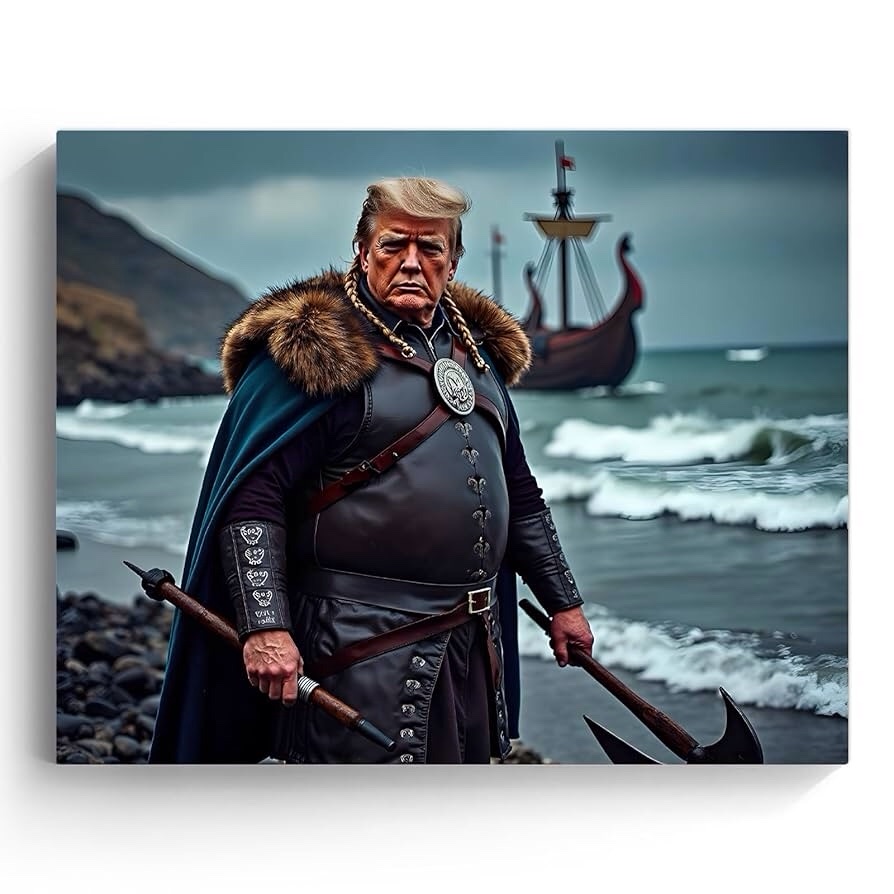
Warrior Trump
Then he added that, “After getting to know and fully understand the Ukraine/Russia Military and Economic situation and, after seeing the Economic trouble it is causing Russia, I think Ukraine, with the support of the European Union, is in a position to fight and WIN all of Ukraine back in its original form.” [RFE/RL, September 23, 2025.]
It only took him three and a half years to “fully understand” the situation — not to mention the entire length of his presidential campaign during which he said he would be able to end the war within 24 hours of being elected. And he seems to have forgotten that, having failed to produce that little miracle, he has spent months urging Zelensky to cede some 20 percent of Ukraine’s territory to Russia in order to put a stop to the slaughter . . . which, by the way, he implied Ukraine had brought upon itself.
“No way!”
Later, in a solo news conference, Zelensky talked about the “big shift” in Trump’s position, and the fact that his understanding of the situation in Ukraine is now much clearer:
“Trump had a relationship with Putin and he trusted him. Putin was telling Trump fairytales…. I told Trump that Putin will not wait for the end of his war in Ukraine — he will try to find a weak spot in NATO and this is already happening … Putin will want to ‘exchange’ one war for another.” [Id.]
Aha! So, about those recent Russian incursions into NATO airspace . . .
“Oh . . . now I get it!
So, for today at least, the U.S. is officially pro-Ukraine and anti-Russia. I can hardly wait to see what tomorrow has in store for us.
I wish I knew how to contact that White House gremlin.
It might have been seen as an omen when the escalator got stuck — a portent that things were going to get worse. Then, when the teleprompter failed, the attendees should have taken the hint — and taken a powder.
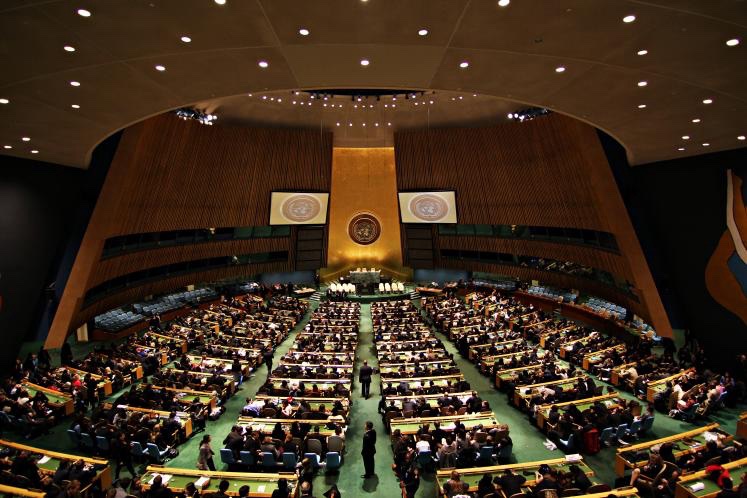
Because what happened at yesterday’s session of the U.N. General Assembly was nothing short of a disaster, and a total humiliation for the United States.
United Nations General Assembly
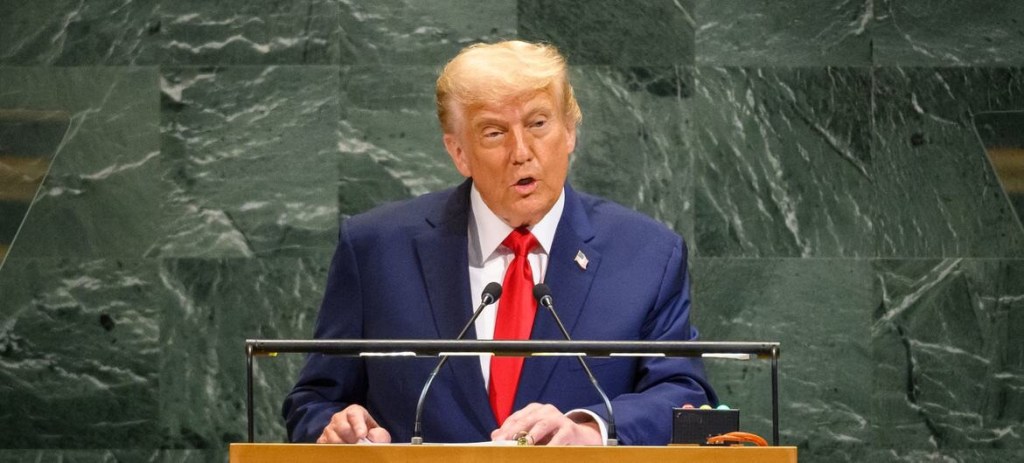
On the other hand, perhaps it was fortuitous. What Donald Trump accomplished with his rambling, disjointed, fact-twisting, self-promoting diatribe was to provide inescapable evidence of his true character and his mental, emotional and moral disconnect from reality.
Aside from attacking what he called the ineffectiveness of the United Nations itself, he lit into our European allies for allegedly continuing to purchase Russian oil, when in fact only Hungary and Slovakia have failed to cut back on their purchases. And he saved a sizable portion of his venom to attack Europe’s immigration problems, presenting his own methods as the gold standard and saying:
“If you don’t stop people that you’ve never seen before, that you have nothing in common with, your country is going to fail. Once we started detaining and deporting everyone who crossed the border — and removing illegal aliens from the United States — they simply stopped coming.” [Kevin Liptak, CNN, September 23, 2025.]
As the granddaughter of Russian-Ukrainian immigrants, I can’t begin to tell you how glad I am that Trump wasn’t in charge in 1905 when they fled the pogroms of the Tsar and arrived seeking refuge on these shores.
Trump then segued from immigration to climate change:
“Europe is in serious trouble. They have been invaded by a force of illegal aliens like nobody has ever seen before … Both the immigration and suicidal energy ideas will be the death of Western Europe.” [James Landale, BBC, September 23, 2025.]
To audible gasps from the attendees, he called climate change “the greatest con job ever perpetrated on the world. If you don’t get away from the green energy scam, your country is going to fail. I love Europe. I love the people of Europe. And I hate to see it being devastated by energy and immigration. This double-tailed monster destroys everything in its wake … you want to be politically correct and you are destroying your heritage.” [Id.]
And for good measure, he added this:
“All of these predictions [of the effects of climate change] made by the United Nations and many others, often for bad reasons, were wrong. They were made by stupid people.”
Stable Genius, at the U.N.
Most puzzling were the gratuitous, totally irrelevant remarks he tossed out, apparently just for the hell of it, such as:
(In bragging about the “seven wars” he claims to have ended): “Everyone says that I should get the Nobel Peace Prize.” [Fareed Zakaria, CNN, September 23, 2025.]
. . . and on the environment:
“We don’t want cows anymore. I guess they want to kill all the cows.” [Kevin Liptak, CNN, op.cit.]
. . . and . . .
“In Asia, they dump much of their garbage right into the ocean.” [Id.]
. . . and, from the deep, dark recesses of his imagination:
“Let us protect religious liberty, including for the most persecuted religion on the planet today — it’s called Christianity.” [Id.]
At some point during his immigration screed, he also included this gem, which pretty much sums it all up:
“I am really good at this stuff. Your countries are going to hell.” [Id.]
“Wait . . . WHAT??!!!”
For once, I have no further comment. Seriously . . . what is there to add?
This evening marks the beginning of Rosh Hashanah, the Jewish New Year . . . a time to wish all of my family, friends, and the entire world a year of peace, health and prosperity.
In recognition of this, one of the highest holidays of the Jewish year, I will take a brief respite from writing about the world’s ills and give my mind some time to reboot, hopefully to return refreshed. Until then . . .
You weren’t able to save the world, but you made it a better place simply by being in it.
Teenaged Emily
Your brilliance, your humor, your compassion shone like the brightest star in the firmament for a too-brief 26 years. When that star was extinguished, a huge piece of my heart darkened with it.
But the memories will never fade. I miss you every day, and often fall asleep at night thinking about the years of watching you grow and learn, as you fought through the pain with unimaginable courage and perseverance. And each victory — the “ordinary” things like learning to eat and to walk, and the extraordinary things, like the flood of college acceptances and scholarship offers and awards — joys that you shared with me . . . those are moments I cherish to this day.
Rest well, my angel. No, you could not save the world; but you gave it your best shot.
Now he knows more than all of the physicians and researchers in the world about an extremely complex and varied neurodevelopmental condition known as Autism Spectrum Disorder (ASD).
Of course, he once also told the world that COVID-19 could be prevented by ingesting Lysol.
Today’s mind-altering pronouncement from the White House said that the U.S. Food and Drug Administration — an agency under the auspices and control of the Department of Health and Human Services, which is headed by noted whack-job Bobby Kennedy, Jr. — has been charged with notifying physicians that the use of acetaminophen by pregnant women “can be associated with a very increased risk of autism.” [Jen Christensen, Katherine Dillinger and Meg Tirrell, CNN, September 22, 2025.]
Of course, if you dug far enough into the annals of modern medicine, you’d probably also find a case or two in which a pregnant woman took Tylenol and later gave birth to a child with flat feet. But I digress . . .
Trump added, “They [the FDA] are strongly recommending that women limit Tylenol use during pregnancy unless medically necessary” — for example, to treat fever — “if you can’t tough it out.” [Id.]
Right. When was the last time Trump tried dealing with the hormonal changes, night sweats, and bladder issues of pregnancy, and tried to “tough out” anything additional? We’re not talking about heel spurs here.
Completely ignoring expert opinion that Tylenol has, after years of study, been considered the only safe over-the-counter choice for pain or fever for pregnant women, and that other options, such as ibuprofen or aspirin, are known to increase the risk of serious complications to both the mother and the fetus during pregnancy, Trump then launched into a discussion of other child health issues.
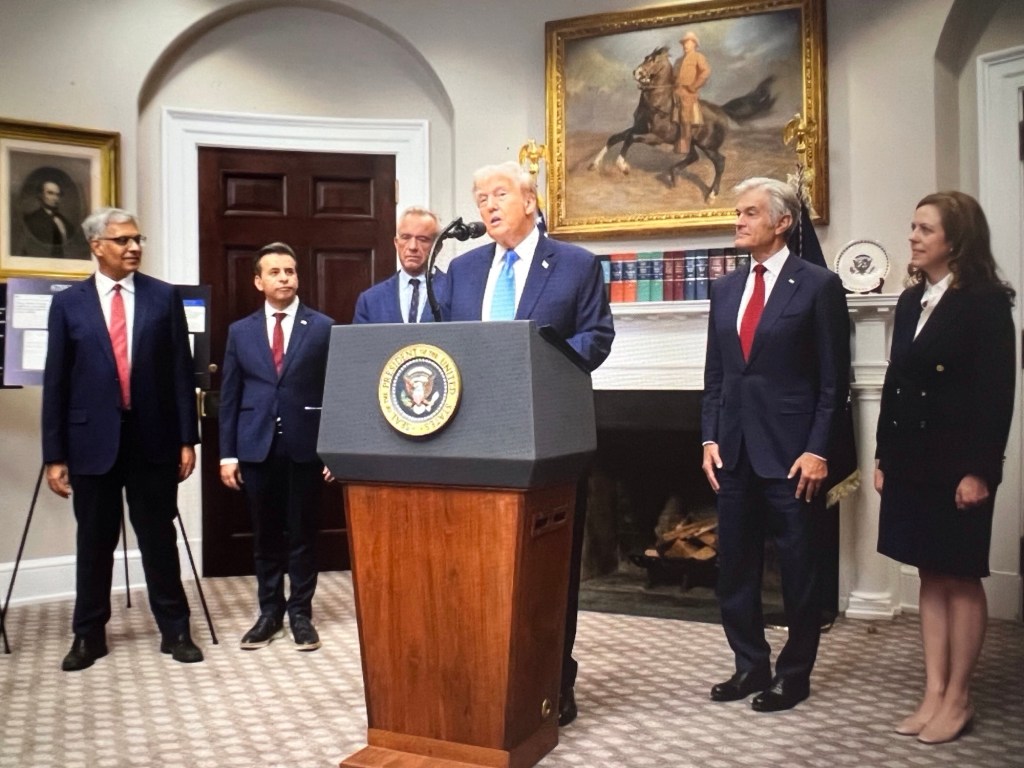
Backed by the aforementioned “Lets-Bring-Back-Measles-and-Polio” Bobby Kennedy, FDA Commissioner Dr. Marty Makary (an actual physician), and TV reality star Dr. Mehmet Oz (a physician-turned-promoter of unproven alternative medicines and treatment methods), Trump went on to advocate breaking up childhood vaccinations and delaying the vital hepatitis B shot for newborns, saying, without offering any evidence:
“[It’s] too much liquid, too many different things are going into that baby.” [Id.]
“Too much liquid”? Really?!!
The Big Announcement
Of course, no speech by Donald Trump would be complete without a little self-aggrandizement. Magnanimously thanking Kennedy (and himself) for helping to bring autism to the “forefront of American politics, along with me,” he felt compelled to add:
“We understood a lot more than a lot of people who studied it.” [Id.]
I’m pretty sure he was talking about people — such as qualified experts — who had actually studied it.
Sorry … sometimes stupid is just plain funny.
*. *. *
In mitigation, the FDA letter to physicians did say that “a causal relationship [between Tylenol and autism] has not been established [and that] there are contrary studies in the scientific literature.” And Kennedy added that the public service campaign to be launched by HHS to inform families and protect public health would “encourage clinicians to exercise their best judgment” as to the use of acetaminophen during pregnancy.
That, dear reader, is what is called a disclaimer . . . also known as covering one’s ass.
*. *. *
So if you or a loved one should begin to show symptoms of autism (or anything else), who are you gonna call . . . Germbusters?
Or your family physician for a referral to an experienced specialist?
I hope you don’t have to think twice about that one.
For more than a year, Donald Trump’s Republican-majority, rubber-stamp Congress has threatened to ban the TikTok app in the United States unless its Chinese parent company, ByteDance, sold its U.S. operations to American investors.
And since that law was passed in April 2024, Trump has granted extensions each time the deadline neared without a sale having been finalized. Because that’s what he does when he doesn’t get his way: he refuses to give up on what he wants. And what he wants in this case is not to ban TikTok’s U.S. operation, but to own it.
His justification for these actions is a not-irrational concern that Beijing might access the personal data of the app’s 170 million American users. And if anyone is going to have access to that information, it’s going to be Donald Trump, not Xi Jinping.
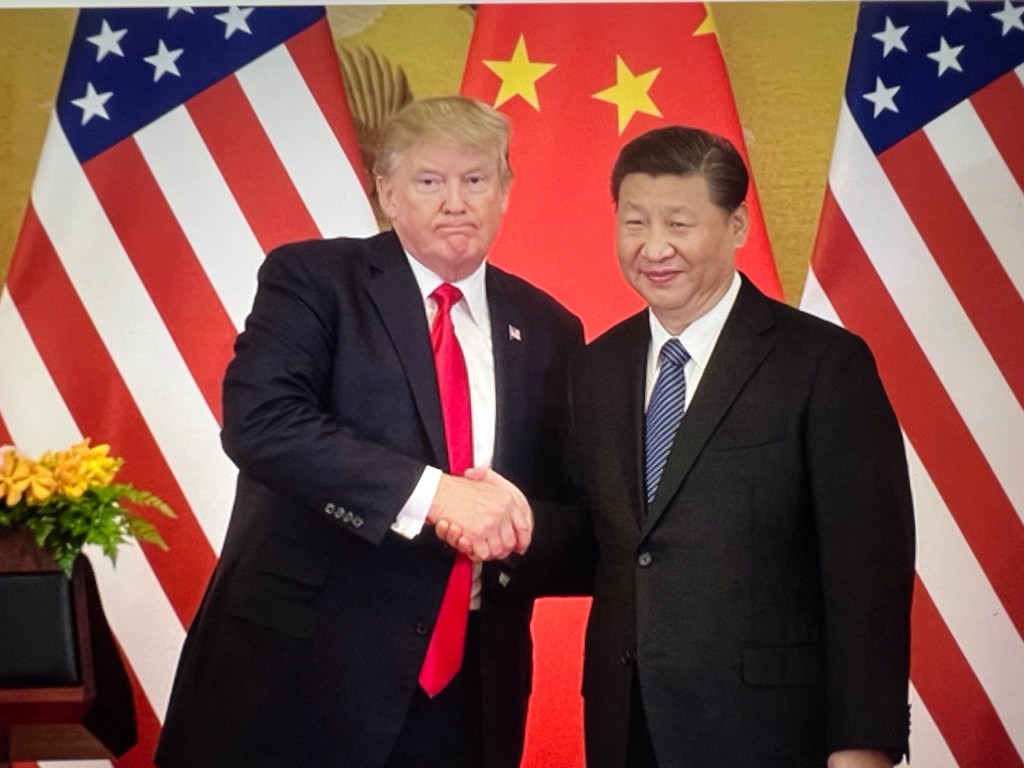
So, when Trump said in a Fox News interview yesterday that he had spoken to Xi earlier in the week and that they were making good progress on a deal, it was not big news. But when he revealed the names of the probable investors involved, there were a couple of major surprises.
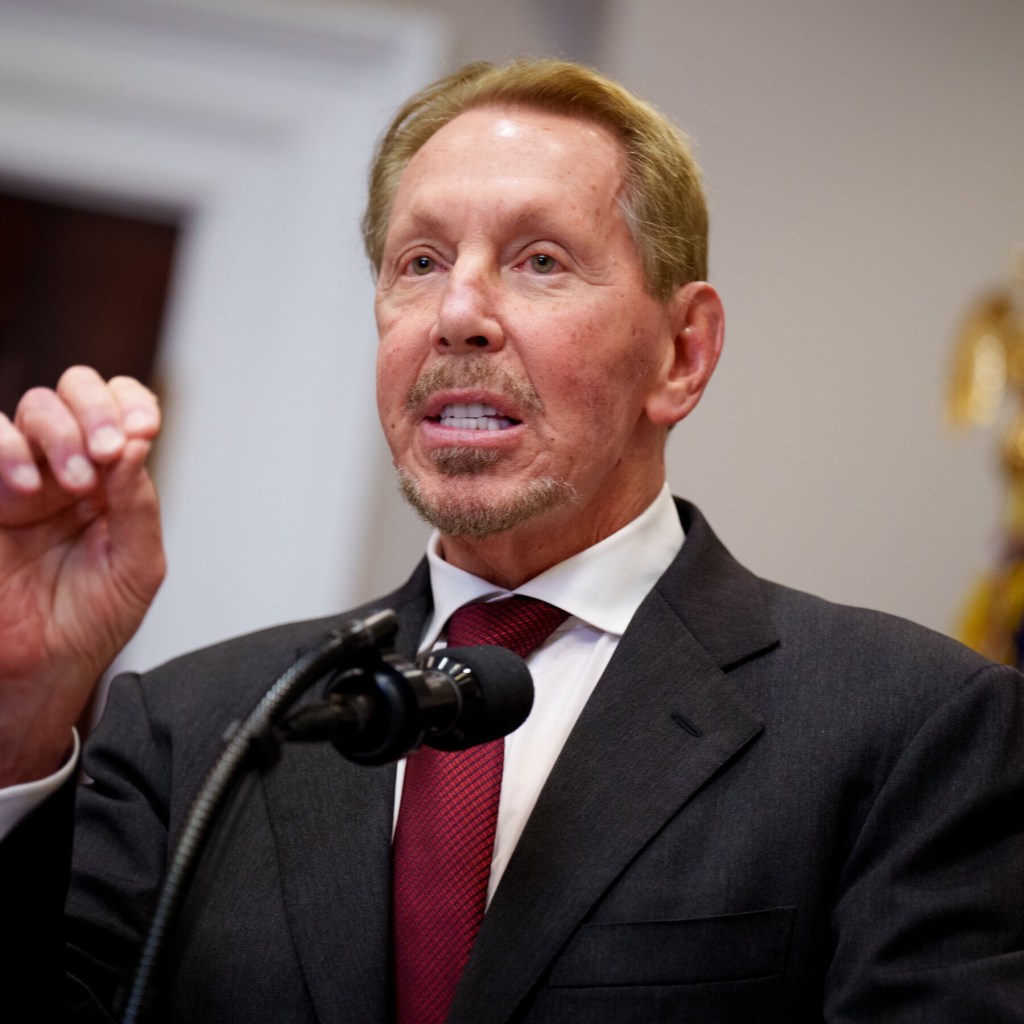
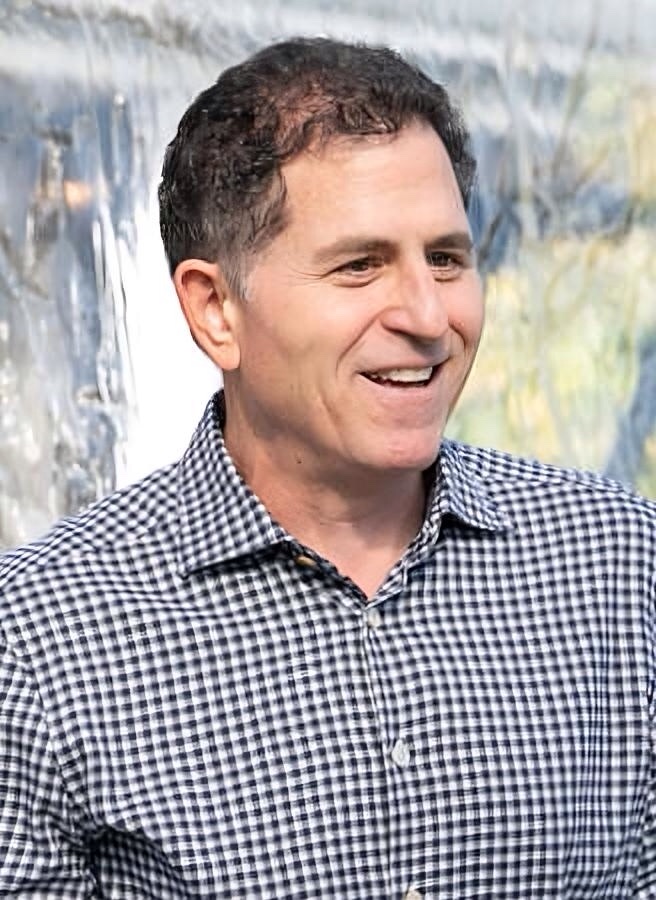
He told Fox’s The Sunday Briefing that “they’re very well-known people” who would be able to raise a “tremendous amount” of money. Then he named Oracle head Larry Ellison — currently the world’s richest or second-richest man, depending on how his and Elon Musk’s respective fortunes are doing at any given moment. And there was also Michael Dell, CEO of Dell Technologies (whose net worth is estimated at a meager $140 billion). [Ben Hatton, BBC, September 21, 2025.]
So yes, they certainly could be expected to raise a significant amount of money.
Larry Ellison
Michael Dell
But the surprise came when Trump added:
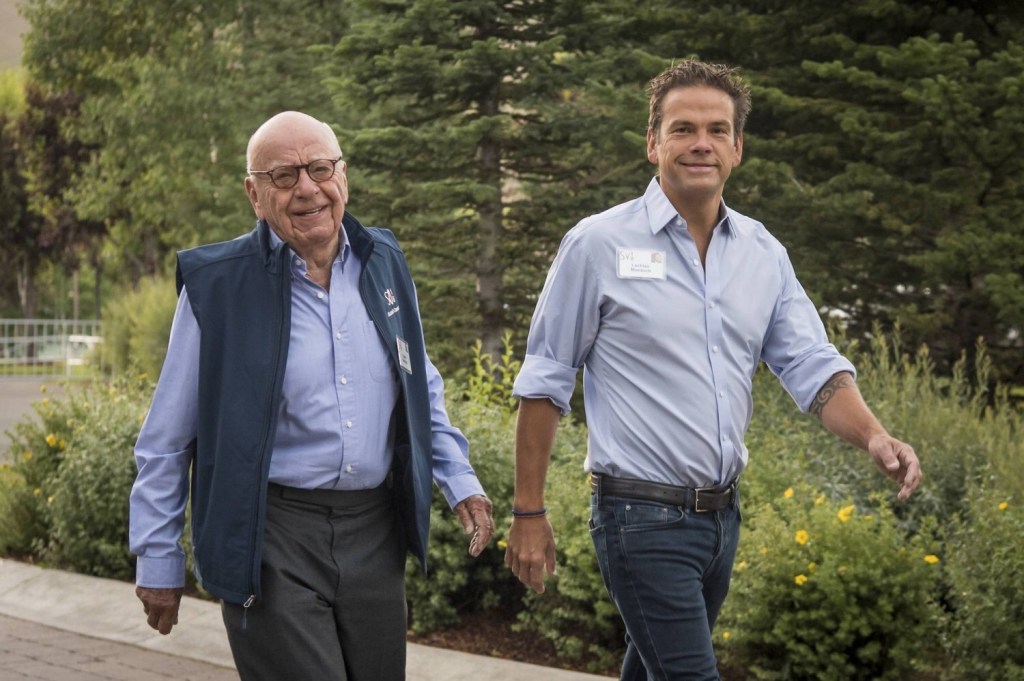
“I hate to tell you this, but a man named Lachlan is involved. Do you know who Lachlan is? And Rupert is probably going to be in the group.” [Id.]
So, do you know who Lachlan and Rupert are? I do. They’re the Murdochs — son and father, respectively — who collectively own Fox Corp. and News Corp.: a media empire that includes, in addition to the Fox conglomerate, the likes of The Wall Street Journal, the New York Post, The Times (UK), HarperCollins Publishing, and Dow Jones & Company digital media.
(L-$) Rupert and Lachlan Murdoch
And now — despite the fact that Trump is suing The Wall Street Journal over articles published about the Jeffrey Epstein scandal that shine an unflattering light on Trump’s past association with Epstein — the Murdochs’ Fox Corp. might add to their holdings a part ownership in TikTok.
All of these potential investors are, of course, right-wing Republicans and close associates of Donald Trump. So, while neither Trump nor (presumably) any member of his family would actually be involved in the deal, consummation of the transaction would be one more giant step along Trump’s march toward control of the country’s media.
And what does the Chinese side have to say about it? According to official state news agency Xinhua, President Xi has said that Beijing “welcomes negotiations.” And the Chinese Commerce Ministry issued the following statement:
“China’s position on TikTok is clear: The Chinese government respects the wishes of the enterprise, and welcomes it to carry out commercial negotiations in accordance with market rules to reach a solution compliant with China’s laws and regulations, and strikes a balance of interests.” [Id.]
In other words, all of the recent talks between Trump and Xi seem to have led to some sort of tit-for-tat arrangement. It’s not yet known what may have been promised to China; but it is apparent that TikTok — or at least its U.S. operation — is about to be passed from one repressive master to another.
And once again, the billionaires win, while the American public loses.
How did that happen? I thought I’d left those days in my rear-view mirror long ago.
But generations breed new generations, and now there’s another one in the family. This beautiful little girl is Anneliese, a ten-month-old bundle of crawling, snooping, poking, prodding, red-headed curiosity . . . who has decided she hates me.
She lives at the other end of the state and hasn’t seen me in several months, so she doesn’t remember me. And for some reason, she finds me scary. But her mom says she’s shy of all strangers, so I’m trying not to take it personally when she stares at me for a full five minutes, then screws up her little face and wails like a banshee.
In my younger days, I sometimes elicited that kind of reaction from the men I dated; but for the most part, babies and animals have always loved me. Her mom tells me Anneliese is wary of all strangers, though; so again, I’m not going to take offense.
However, my patience is finite, so I’m putting her on notice:
“You’re here for the next four days, kid . . . and that’s exactly how much time you have to get used to me. Don’t make me have to report you to Santa.”





















 The Blog About Everything … and Sometimes Nothing