How long have I been writing about the strategic importance of a narrow, 40-mile-long strip of land that forms the border between Lithuania and Poland, known as the Suwalki Gap?
A year ago, on May 24, 2025, in an article titled “It Isn’t Just About Ukraine,” I pointed out the increased security measures being instituted by the Baltic States of Latvia, Lithuania and Estonia — as well as neighboring NATO ally Poland — and the importance to Russia of being able to access that single, small land passage between Russia’s ally Belarus and the Russian military enclave of Kaliningrad.
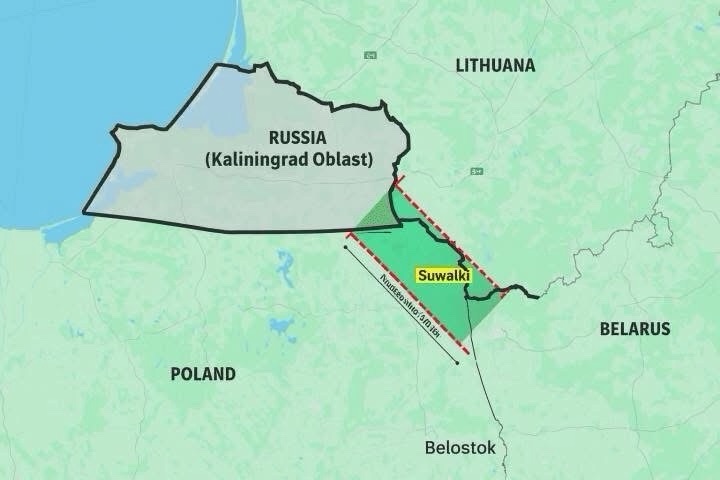
I followed up on September 15, 2025, with a bit of a geography lesson, and on January 29, 2026, with reports from those regions on new security developments amid growing concern over the increasing number of drone incursions and other hybrid attacks in NATO countries, as well as the threat of future full-scale invasions by Russia.
A number of U.S. Senators and Representatives have expressed grave concerns over the Trump administration’s waning support of Ukraine in the wake of Donald Trump’s new war in Iran; of his worsening relations with European allies due in part to his accusations that they are not carrying their fair share of the load; his tiptoeing around Vladimir Putin; and, most recently, his withdrawal of troops from Germany and the Pentagon’s sudden cancellation of a promised troop deployment to Poland.
And now, at long last, the State Department appears to be waking up to the reality of the situation.
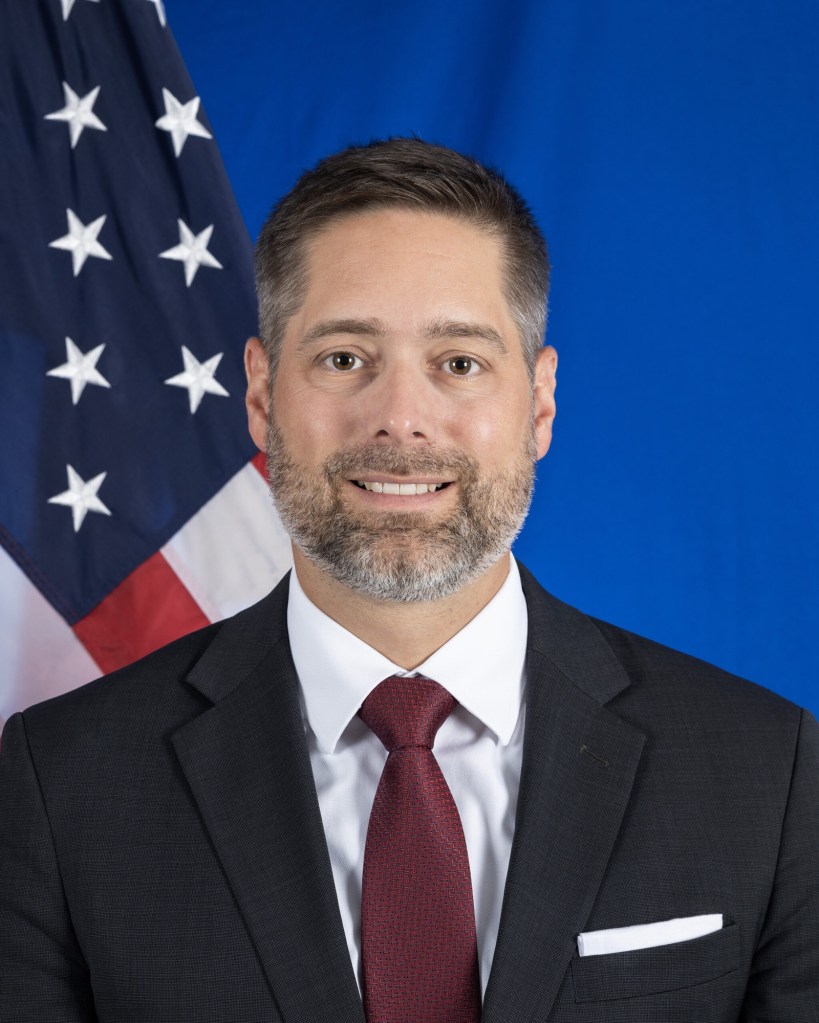
Christopher Smith, Deputy Assistant Secretary of State for European and Eurasian Affairs, told a House Foreign Affairs subcommittee on May 14th that, while Russia currently has committed “about 90 percent of its combat power” to Ukraine, Moscow is likely eventually to “rebalance its forces and look for opportunities to project power and also create dilemmas for NATO. This is particularly acute in the Baltic region.” [Alex Raufoglu, RFE/RL, May 15, 2026.]
Which is a diplomatic way of saying that Vladimir Putin is as determined as ever to expand Russia’s borders westward.
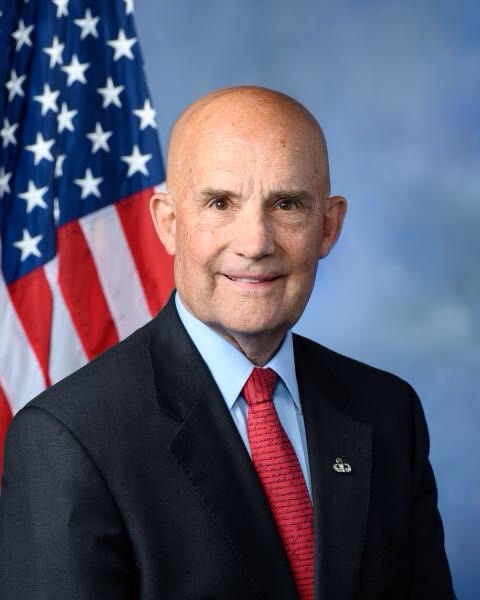
While that was hardly news to anyone, there is now concern being expressed that an end to the conflict in Ukraine might actually accelerate that movement on Russia’s part. The chairman of the subcommittee, Republican Representative Keith Self of Texas, said at the hearing that Russia is already rebuilding its military, even as it continues to pursue its “special military operation” in Ukraine:
“When this war is over, there is a real risk that Russia may position its battle-hardened troops on the borders of the Baltic republics. History suggests the cessation of the conflict in Ukraine will not reduce the Russian threat. It may instead simply redirect it.” [Id.]
Smith then referenced the recent Russian cyberattacks, sabotage operations, and hybrid tactics being directed at the Baltic region, adding:
“We should expect Russia to rebalance its forces . . . [as they are already using] . . . hybrid operations against the Baltic states.” [Id.]
It’s good to know that someone in the U.S. is finally paying attention to a serious threat that should long since have been apparent to everyone, and has been shouted about by Ukrainian President Volodymyr Zelensky for years. But now, what are these newly-conscious American officials going to do about it? What will it take to get through to the people — Trump, Rubio, Hegseth, and the others — who have been ignoring the obvious and making these disastrous decisions?
And will they do it before it’s too late?

Just sayin’ . . .
Brendochka
5/16/26

