Shakespeare, through the words of his ill-fated protagonist Macbeth, said it best:
“ . . . it is a tale
Told by an idiot, full of sound and fury,
Signifying nothing.“
The “It” of which Macbeth spoke was Life itself. But recently we have come to realize its significance to acts of War . . . and to the leaders who start them.
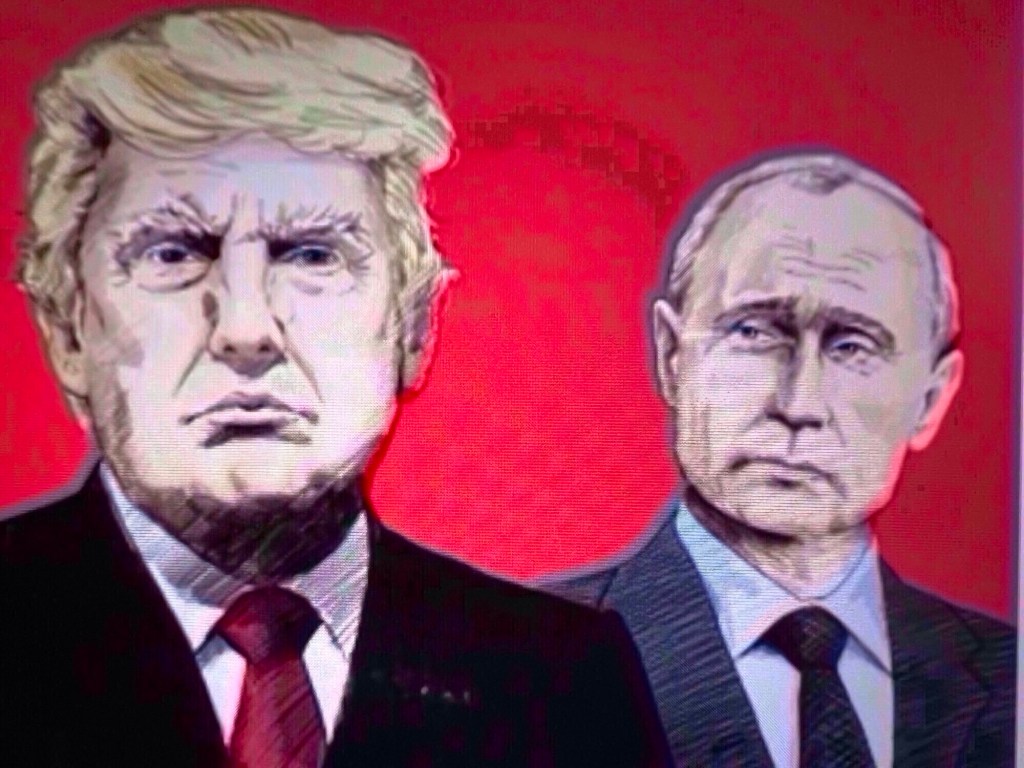
The parallel between Vladimir Putin’s seemingly endless war against Ukraine and Donald Trump’s much newer incursion into Iran is strikingly similar insofar as the effect on the standing of the two presidents in their respective countries is concerned.
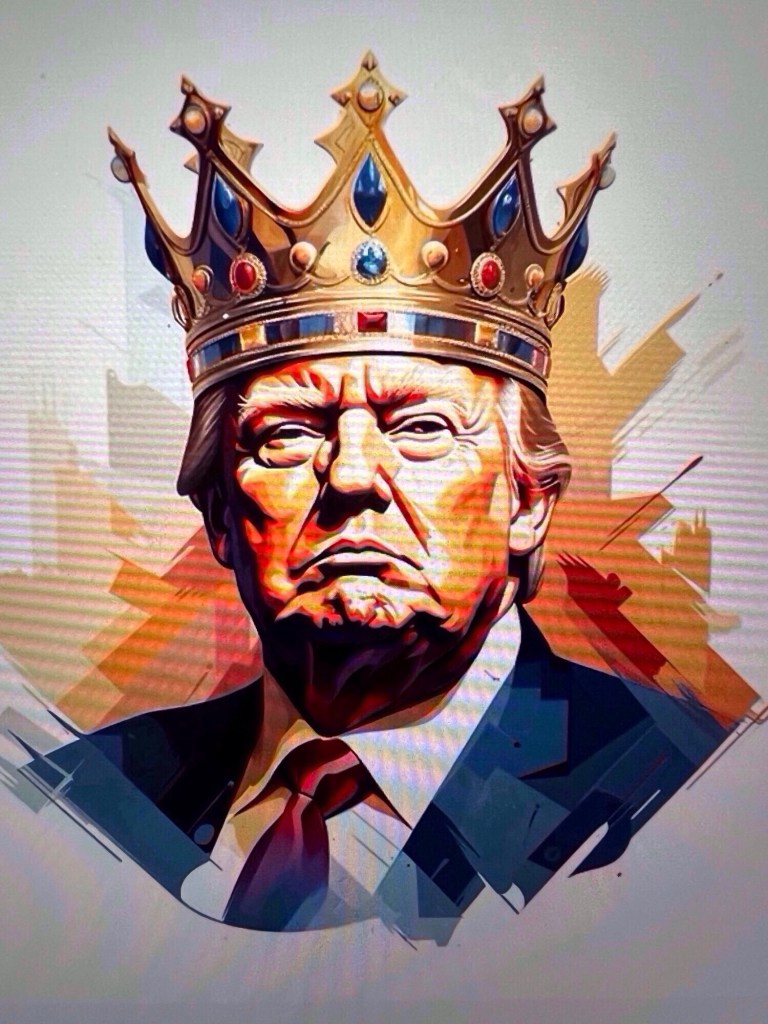
Regardless of his denials, Trump’s polling numbers continue to sink lower and lower, as though being sucked into quicksand. In an effort to distract from his other woes — inflation, rampant corruption, the Epstein files, etc. — he broke yet another campaign promise: the one in which he vowed that this country would never, under his leadership, become mired in another foreign war.
And now he is facing a surge of calls for impeachment, or for his removal by imposition of the 25th Amendment of the Constitution. There is even suspicion that some of his own administration members may be plotting his removal for their own nefarious purposes. It is beginning to sound more like a Russian-style palace intrigue than the workings of a 250-year-old democracy.
And speaking of Russian palace intrigues . . .
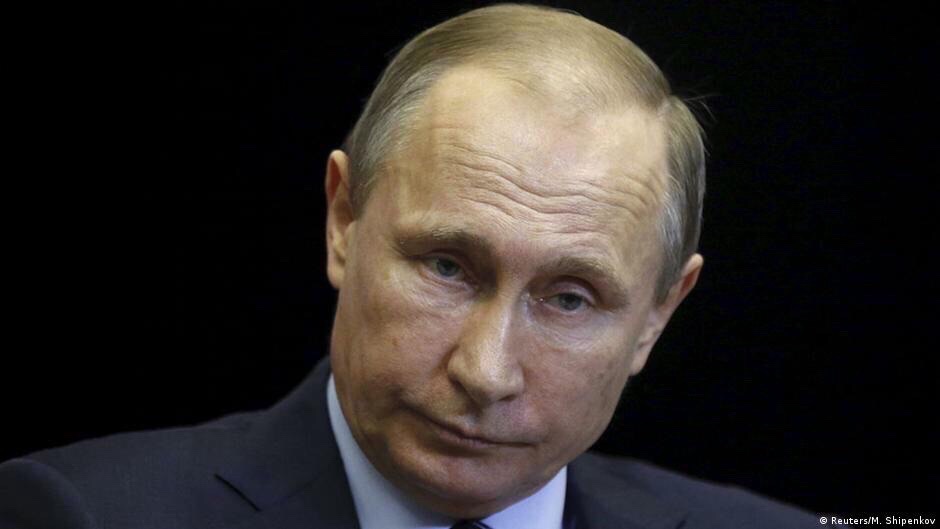
In Moscow, Vladimir Putin has been uncharacteristically absent from public view, rumored to be hidden away in a secret bunker — fearing, not only drone strikes from Ukraine, but also a possible internal uprising. Russian history is rife with cabals and coups, and its leaders are notorious for their paranoia. But is it paranoia if the threat is real?
In addition to scaling down this year’s Victory Day celebration in honor of the defeat of Nazi Germany in 1945, Putin has been facing increased outspoken opposition from both the elite and ordinary citizens. Like Trump, he is also experiencing a sharp drop in his approval ratings, for several reasons: rampant inflation, mounting attacks on the independent media, interruptions in Internet service . . . and an increasingly unpopular war.
There are even signs of dissension among the various factions of his government, including his administration, the military, and the security services. According to Tatyana Stanovaya, founder of the analysis firm R. Politik:
“For the first time in years of war, there may be a shift. . . . Until recently, many assumed that Putin had a plan, even if it was simply to keep the war going. Now there are growing doubts as to whether such a plan exists. There are growing sentiments in Russia that the current system of governance is becoming too damaging and increasingly self-defeating. Tolerance for the status quo is eroding, while Putin appears either unable or unwilling to rethink his policy.” [Steve Gutterman, RFE/RL, May 7, 2026.]
And Aleksandr Baunov of the Berlin-based Carnegie Research Russia Eurasia Center wrote:
“The entire state apparatus, the media, the government, parliament, the church, and the intelligence agencies are still trying to solve the same problem: hide Putin’s mistake of 2022, but it’s getting worse. Putin is losing his magic. Power remains undivided in his hands, but the magic of power is fading.” [Id.]
In addition, author and analyst Mark Galeotti wrote in iPaper last month:
“None of this can be taken to herald the imminent end of Putin’s rule. Instead, it demonstrates how greater and greater effort needs to be spent on maintaining the status quo, and one of its greatest assets — Putin’s own personal authority — is in decline.”
*. *. *
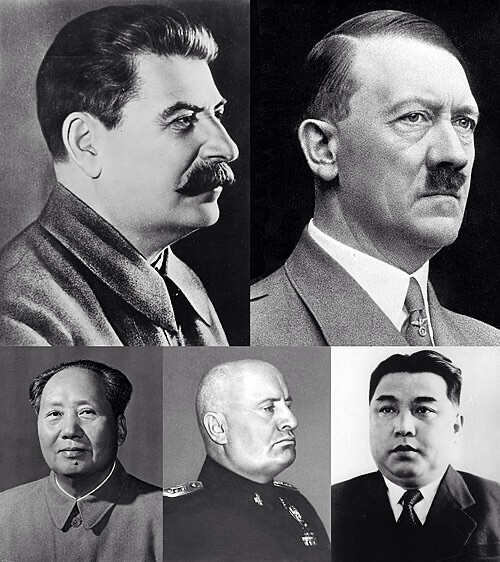
Two autocrats — Vladimir Putin and Donald Trump — on opposite sides of the world, but of such similar purpose and methods, now facing nearly identical crises. It’s not coincidence; it’s simply what happens to all tyrants sooner or later.
Just sayin’ . . .
Brendochka
5/8/26

