For years, I’ve thought I was just too old to relate.
I am old enough to remember when TV was a modern miracle, and dial telephones replaced the ubiquitous operators (except for emergencies and information). I loved the new VCRs, and welcomed the advent of the cell phone — my first one weighed a ton, was as solid as a Sherman tank, and had a retractable antenna. Even the first desktop computers were great fun, and tremendous time-savers. I mastered them all.
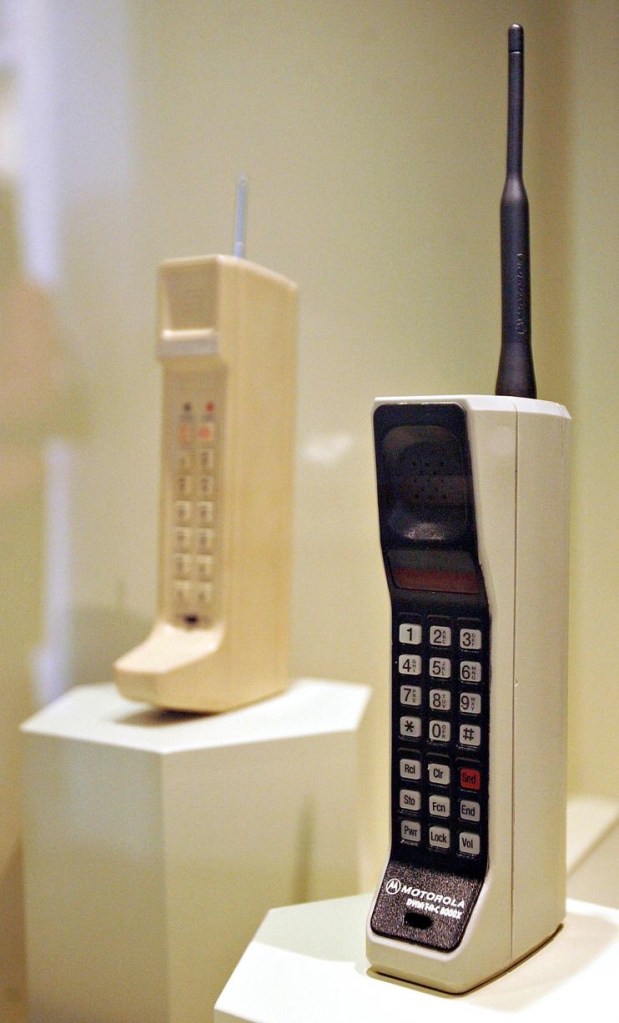
But somewhere along the way, things seemed to get out of hand. Technology was no longer just about speed and convenience; the arrival of “smart” devices brought with them a loss of privacy, a feeling that too many people suddenly knew too much about us, and the knowledge that, once entered into a computer, your information could never be erased. The devices were getting smarter than we were.
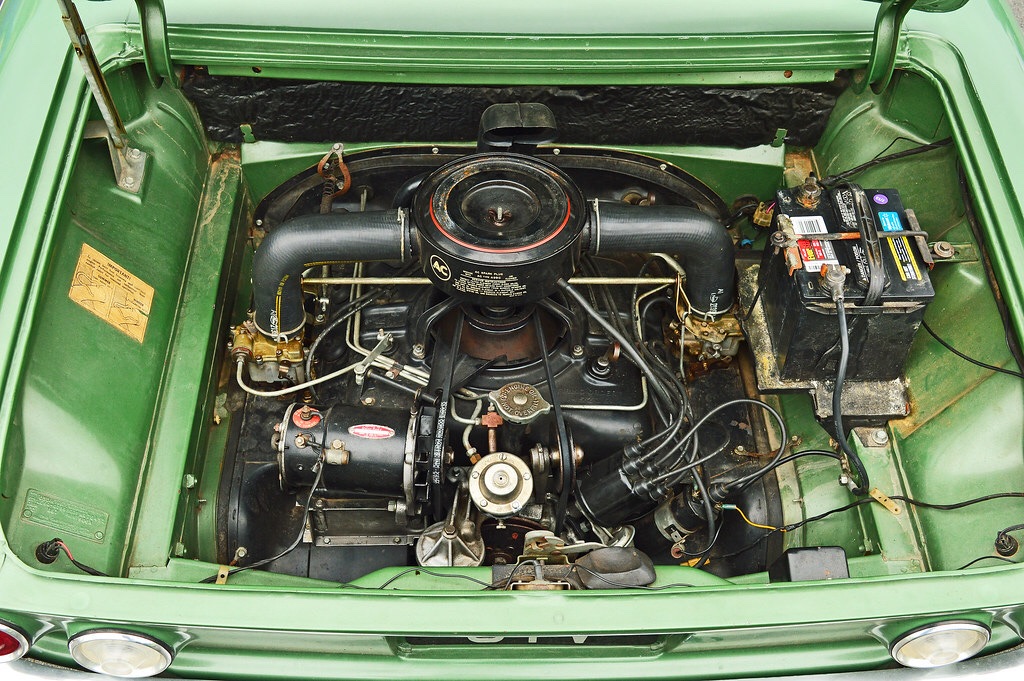
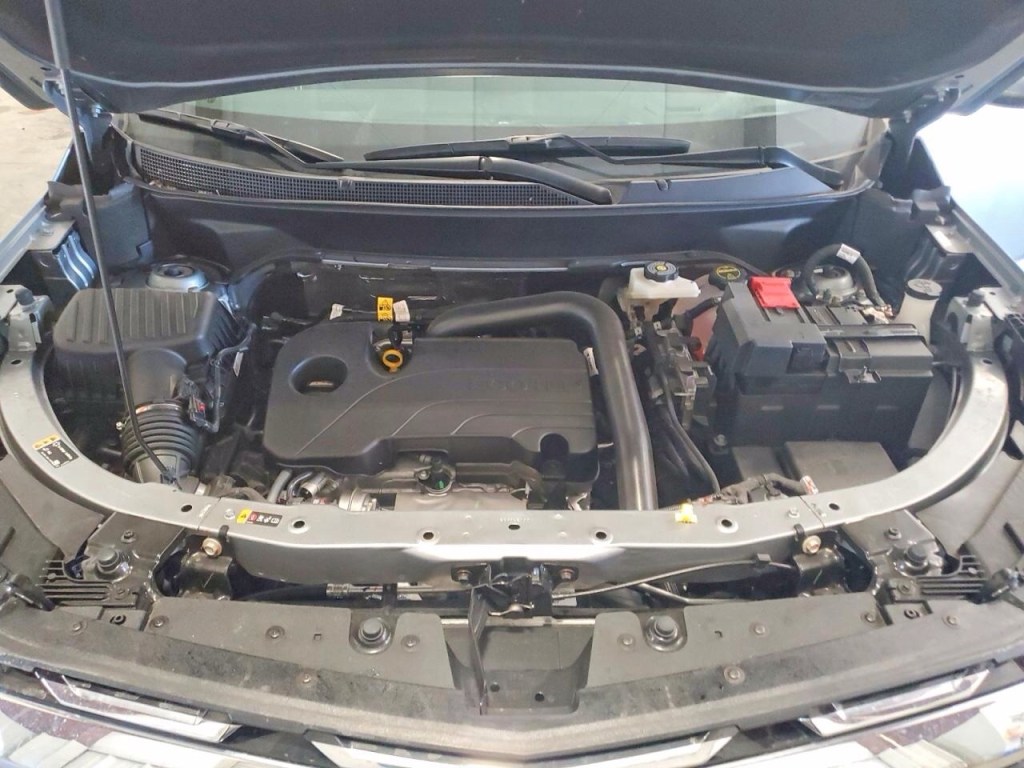
And, like cars, the “smarter” the devices became, the more complicated the technology was. I used to be able to fix problems with my first IBM Model B electric typewriter, or check and add oil or water to my early automobiles. Today, I live in dread of touching the wrong icon on my phone; and I couldn’t find a dipstick under the hood of a new Chevy if you gave me a schematic of the engine. If they even have dipsticks anymore.
Then came something terrifyingly called “Artificial Intelligence.” And I knew immediately that the enemy had arrived. On the upside, I finally realized that I wasn’t too old to get it; the truth was that I had been smart enough to foresee it.
And my problem with AI isn’t just that it’s smarter and quicker than I am; I’m reasonably intelligent, but certainly not Mensa material. There’s always going to be someone smarter, and I’m okay with that. No, the real issue is the potential for misuse of AI by evil people . . . much like the invention of gunpowder some 12 centuries ago.
Then, as if I needed further proof, along came a story in yesterday’s media about the use of the latest technology by U.S. federal agents to track — not only criminals and illegal aliens — but everyday, law-abiding American citizens.
In January of this year, when ICE agents arrived in the State of Maine in search of illegals, a woman named Liz McLellan was one of many local residents who watched the events unfold. She took pictures of an arrest being made, then did something foolish: she followed a federal officer driving an unmarked vehicle to see where he was headed next. To her surprise, he led her directly to her own house, blocked her driveway, and — with other federal officers who arrived in separate vehicles — boxed her car in. One agent then ominously told her:
“This is a warning. We know you live right here.” [Shane Shifflett and Hannah Critchfield, Wall Street Journal, April 30, 2026.]
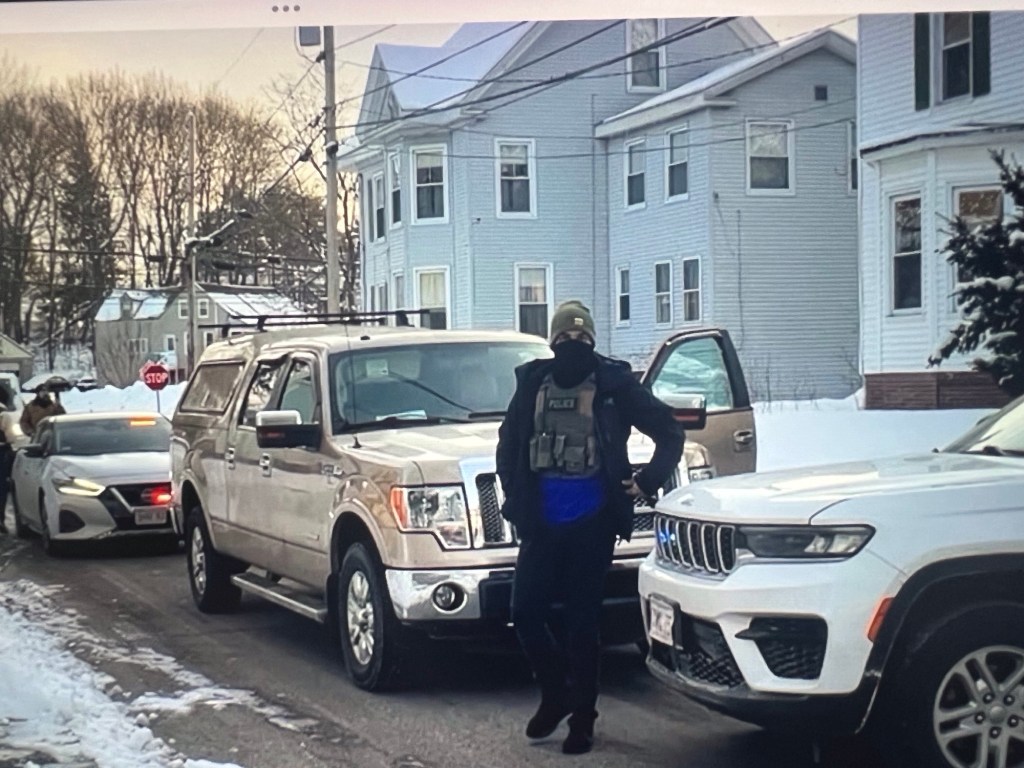
How did the agent know who she was and where she lived? Simple. According to the Wall Street Journal’s findings, the U.S. government is currently spending hundreds of millions of dollars on technology that gives agents access to home and workplace addresses of American citizens, their social media accounts, vehicle information, flight history, law-enforcement records, and data to track their daily movements. [Id.]
Let that sink in.
When I first visited the Soviet Union as a tourist in 1988, it was assumed that our group — and all foreigners — would be under surveillance. Even later, when I was in Russia on business in the 1990s after the collapse of the Soviet Union, the KGB made no secret of the fact that they knew who and where I was. I was never threatened, but they made their presence felt.
I never expected that I might one day be subjected to the same sort of potential scrutiny by my own government in my own home.
According to the WSJ report, “The government’s tracking system relies on an amalgam of public and private information sifted, sorted and packaged by contractors that include Palantir Technologies, Deloitte, Japanese conglomerate NEC and smaller spyware specialists.
“The Department of Homeland Security has put these surveillance tools — facial-recognition software, location tracking and social-media scrapers once aimed largely at suspected terrorists and drug-traffickers — in the hands of federal immigration agents, who can identify, research and track virtually anyone by entering a name, license plate or by s imply taking a person’s photo.
“The government surveillance system has advanced since the 9/11 terrorist attacks with the aid of artificial intelligence and the linking of government records with far-reaching commercial databases. It has been used against people whom the government alleged opposed or obstructed the immigration crackdown.” [Id.]
*. *. *
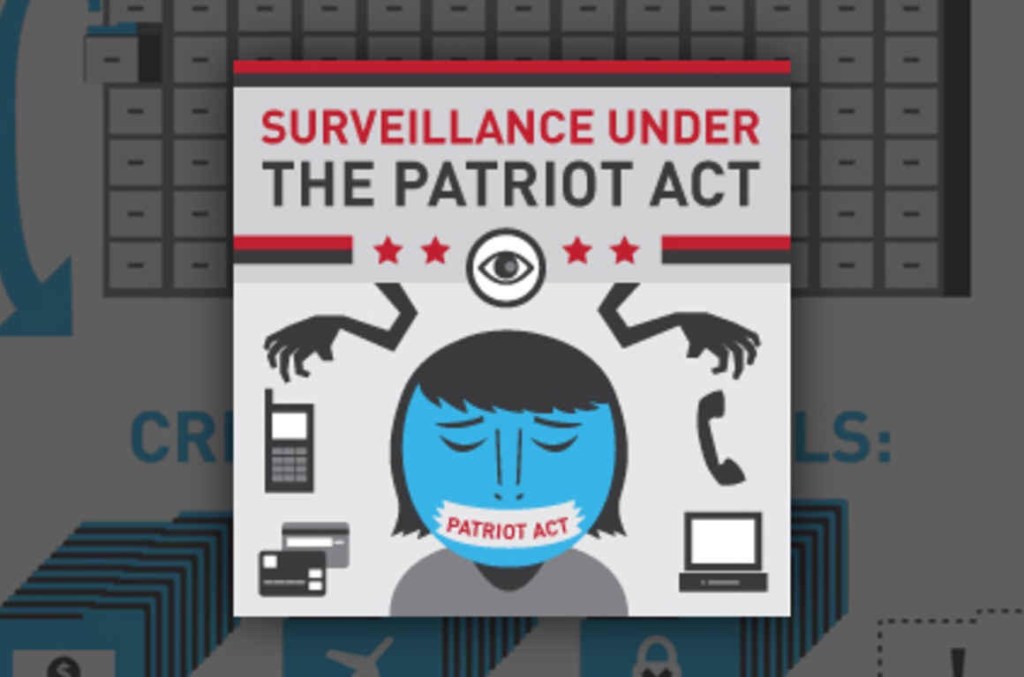
The obvious first question is whether this is legal. There are pending law suits by individuals and civil liberties groups, attempting to establish that, indeed, it is not. (For further details, I highly recommend reading the entire WSJ article.) The government, of course, claims entitlement under the USA PATRIOT Act of 2001 and the Foreign Intelligence Surveillance Act (FISA) of 1978.
But FISA only authorizes warrants for monitoring “agents of foreign powers” . . . although Section 702, which has just expired and is under Congressional consideration for reauthorization, does allow for warrantless collection of Americans’ communications when they interact with foreign targets. Luckily, that does not describe most of us.
The PATRIOT Act was signed into law in October of 2001 by then President George W. Bush following the 9/11 attacks, in order to strengthen national security and enhance information-sharing among law enforcement agencies to prevent terrorism. Unfortunately, some key provisions include expanding “roving wiretaps” and “sneak-and-peek” search warrants, raising concerns about citizens’ civil liberties.
So, while the courts try to untangle this very tangled web, the government continues on its merry search through our personal lives, using whatever information they may glean to root out and punish perceived “enemies” in our midst.
And no one — unless you live in a cave and have no electronic footprint whatsoever — is exempt.

Just sayin’ . . .
Brendochka
5/1/26

