To the people of Pripyat and the surrounding regions of Ukraine, April 26, 1986, was the end of life as they had always known it. The rest of the world continued to exist; but for them, it was Armageddon . . . the Apocalypse . . . the End of Days.
For four decades, the surviving victims of the explosion at Reactor No. 4 of the Chernobyl Nuclear Power Plant have been suffering the effects of the long-term neglect and failures of the Soviet/Russian regime.
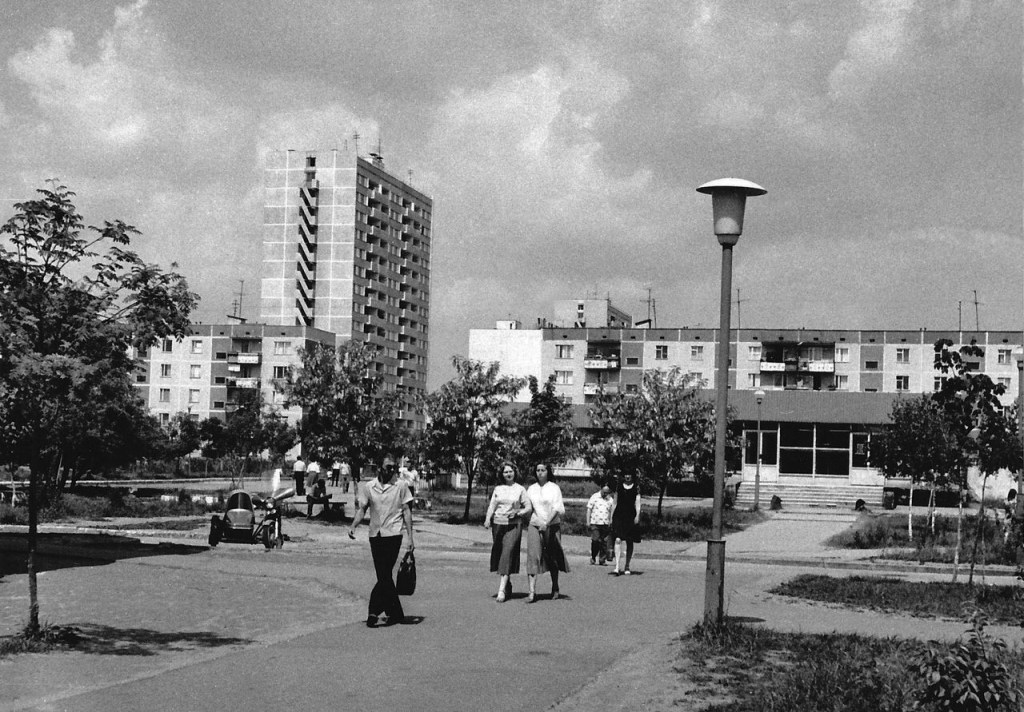
Some — a few desperate, mostly elderly residents with nowhere else to go or simply too attached to their homes to leave — defied the authorities and either refused to leave or returned to live out their remaining years in the highly radioactive area they had once loved; the majority were relocated to begin life over elsewhere. How the handful of returnees have managed to survive is beyond my comprehension.
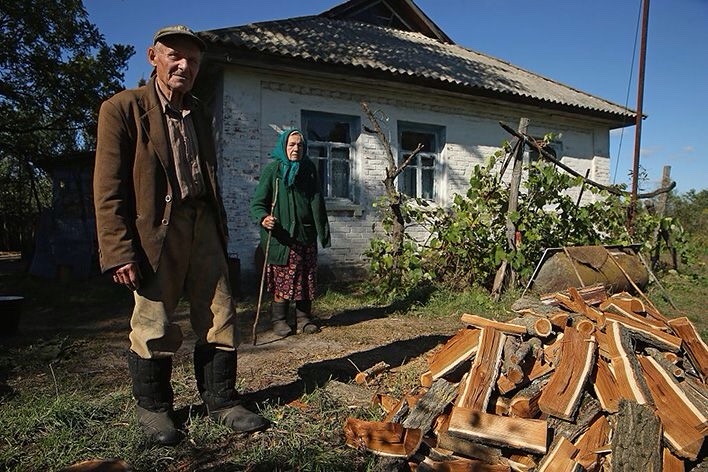
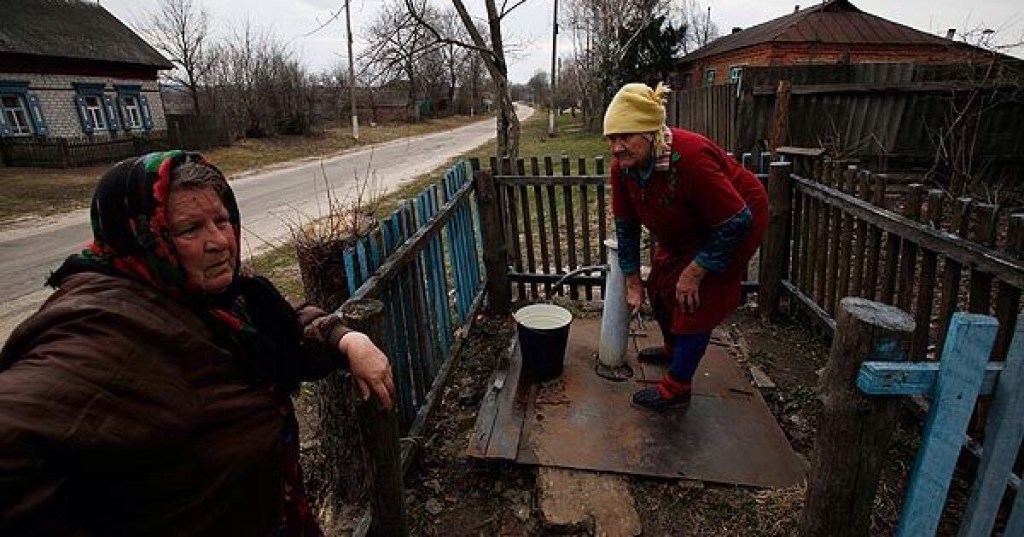
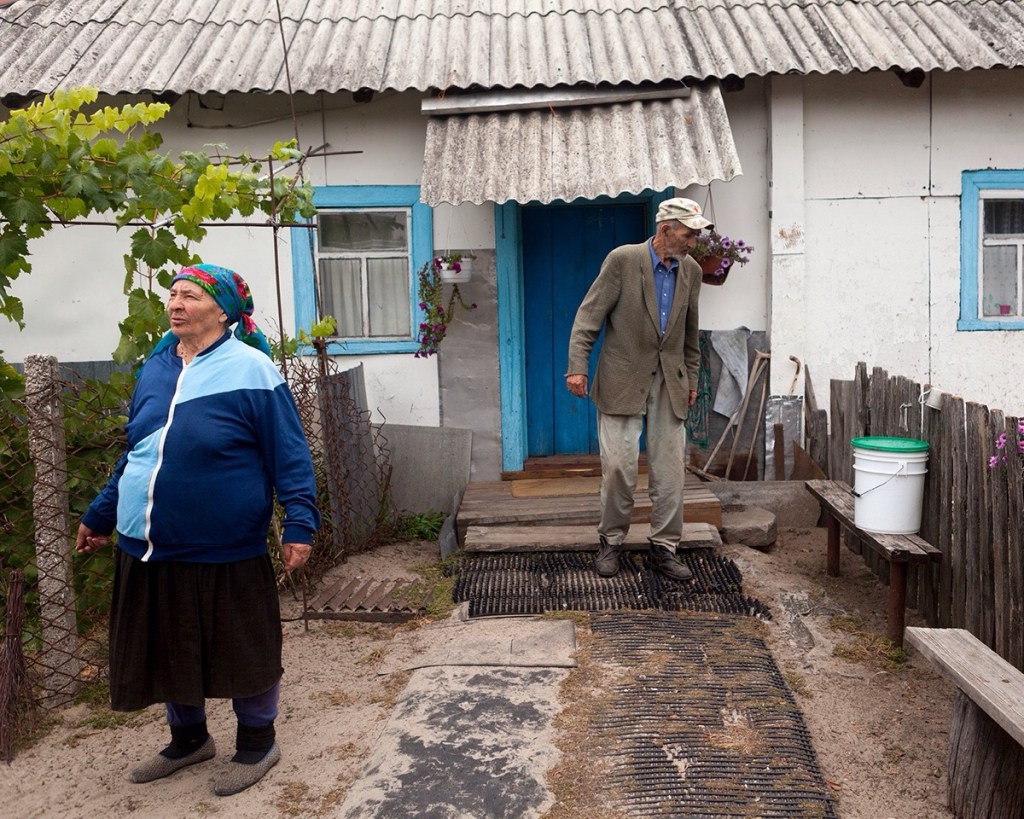
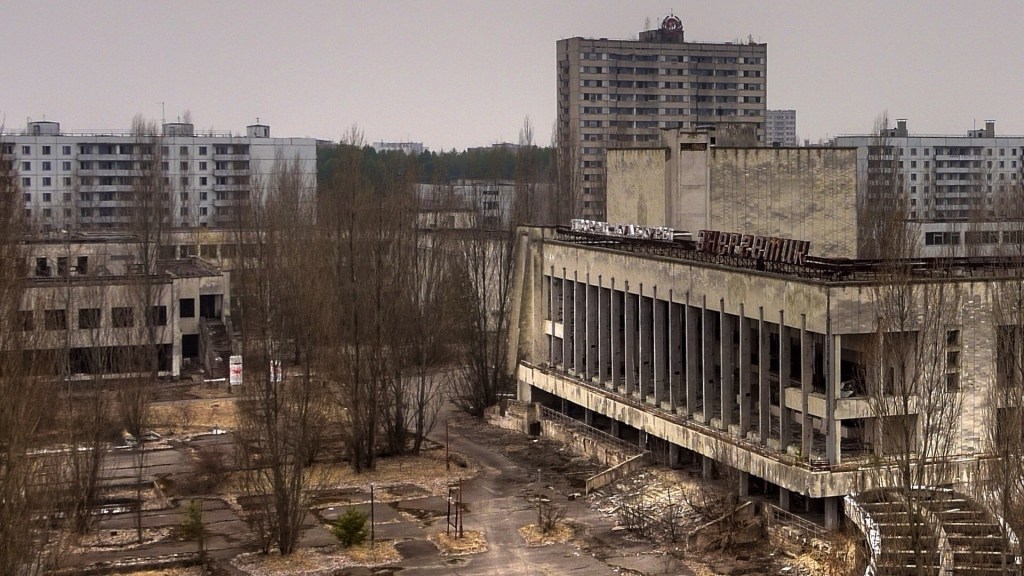
For the most part, the area around Chernobyl is a wasteland, expected to remain dangerously radioactive for thousands of years: a visual reminder to the next 100 or more generations — if the Earth survives that long — of mankind’s failure to care for the only planet we have.
*. *. *
I have previously written about my 1993 visit to a hospital for child victims of Chernobyl in Kyiv — seven years after the explosion — and the short-term effect on my health of breathing that air for just a few days. The children I met then — those who survived — would be approaching middle age by now, likely having spent their entire lives battling various disabling illnesses. To them, I wish better days. And to those who didn’t make it to adulthood, know that your little faces are permanently etched in my memory, and that I wish you eternal peace.
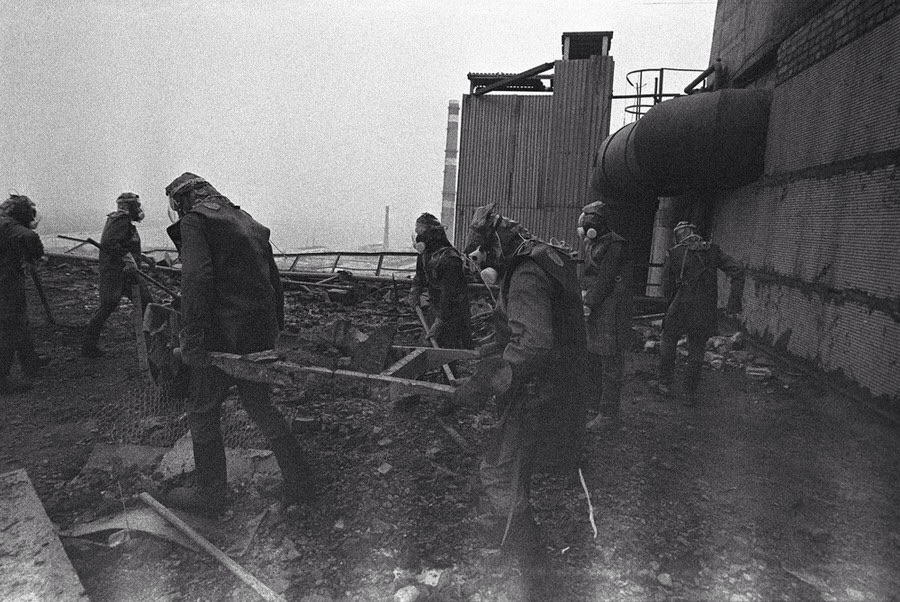
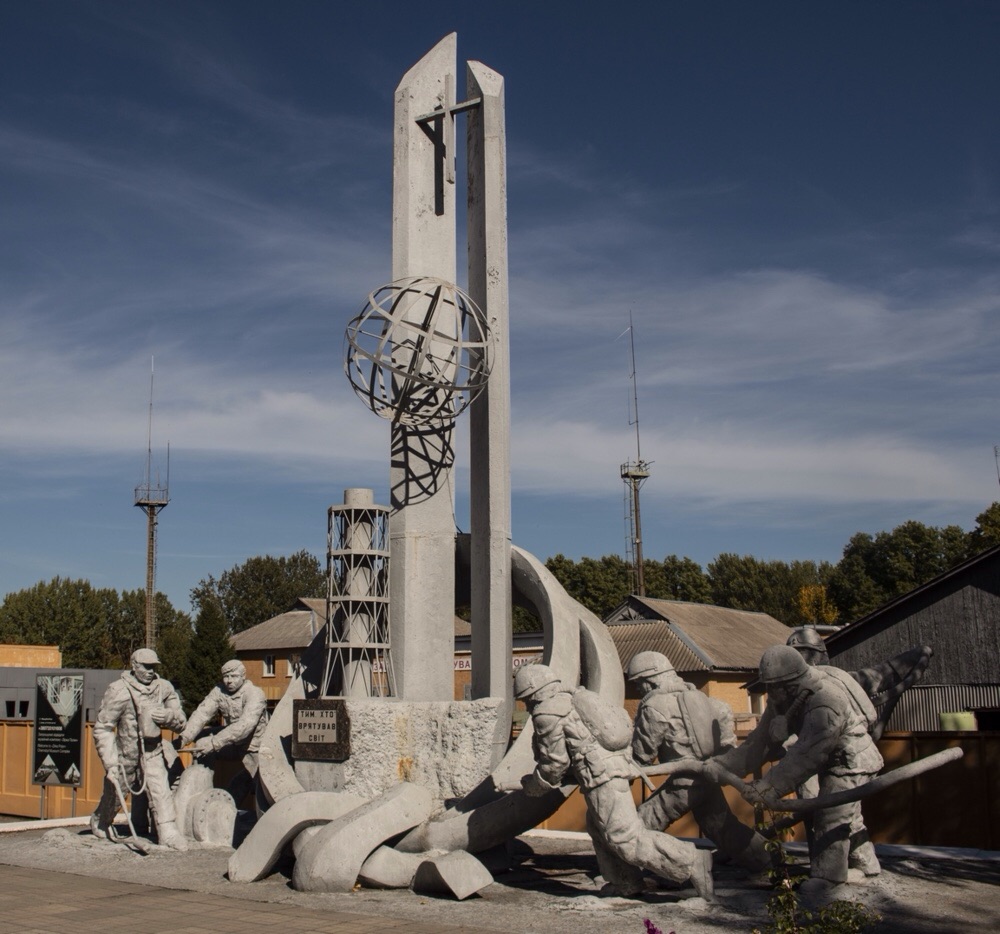
To the others — the rescue workers and clean-up crews who lost their lives as a result of the event known to the world simply as “Chernobyl” — I commend you for your bravery and your sacrifice.
Requiescat in pace.
Just sayin’ . . .
Brendochka
4/26/26

