To mention just a few:
> The war in Ukraine that was supposed to have been stopped within 24 hours of his taking office.
> The Epstein Files.
> Greenland’s refusal to be bought.
> Humiliation at Davos.
> The Epstein Files.
> The plunging poll numbers.
> The elusiveness of “affordability.”
> The Epstein Files.
> The Kennedy Center fiasco.
> The horror, and forced retreat, at Minneapolis.
> Members of his own party finally saying “Enough!”
> And, of course, the endless — “Why-won’t-they-go-away?!!” — Epstein Files.

It’s been a bad start to the new year for the supposed leader of the free world. And even his back-up plan to rescue his reputation and legacy — his so-called “Board of Peace” — is in question. It was supposed to be the glorious alternative to the United Nations; but so far, it is turning out to be a gathering of authoritarians seeking a place at the table in some sort of new world order.
Originally touted as a means of settling the crisis in Gaza, it quickly expanded to include conflict resolution throughout the world. And then details of its proposed mandate emerged:
- A permanent seat on the Board could be bought for a measly billion dollars.
- The Chairman of the Board would be Donald Trump . . . no election required.
- The Chairman would have veto power over the Board’s decisions, including membership.
- The Chairman would have the power to choose his successor.
From the very start, Trump’s “Board of Peace” is presenting itself as his own little fiefdom.
These conditions seemed to be fine with a number of autocratic nations, such as Argentina, Hungary, Saudi Arabia, Qatar, Egypt, Turkey, Belarus, Kosovo, Uzbekistan, and several others who quickly signed up. Even Vladimir Putin is said to be considering membership for Russia — though he is slyly attempting to negotiate the unfreezing of some of Russia’s foreign assets to cover the billion-dollar permanent membership fee.
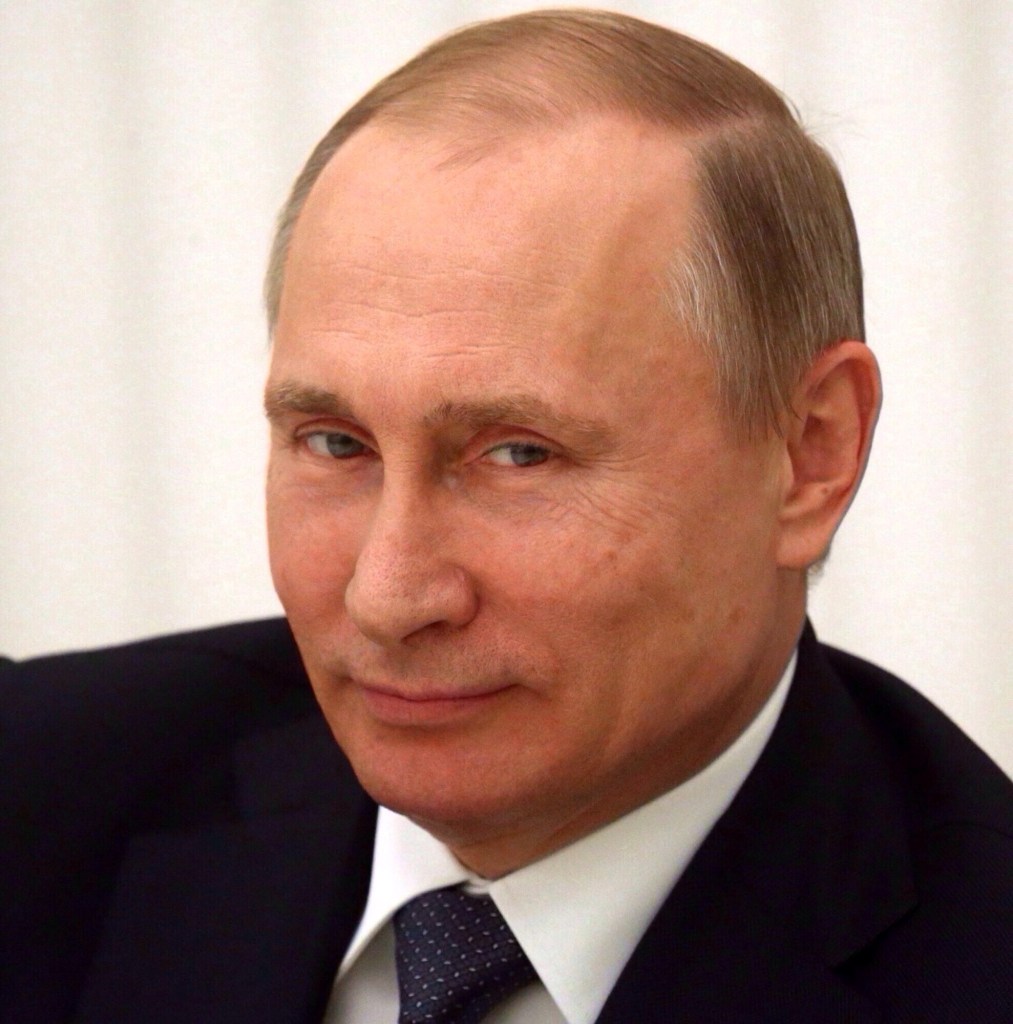
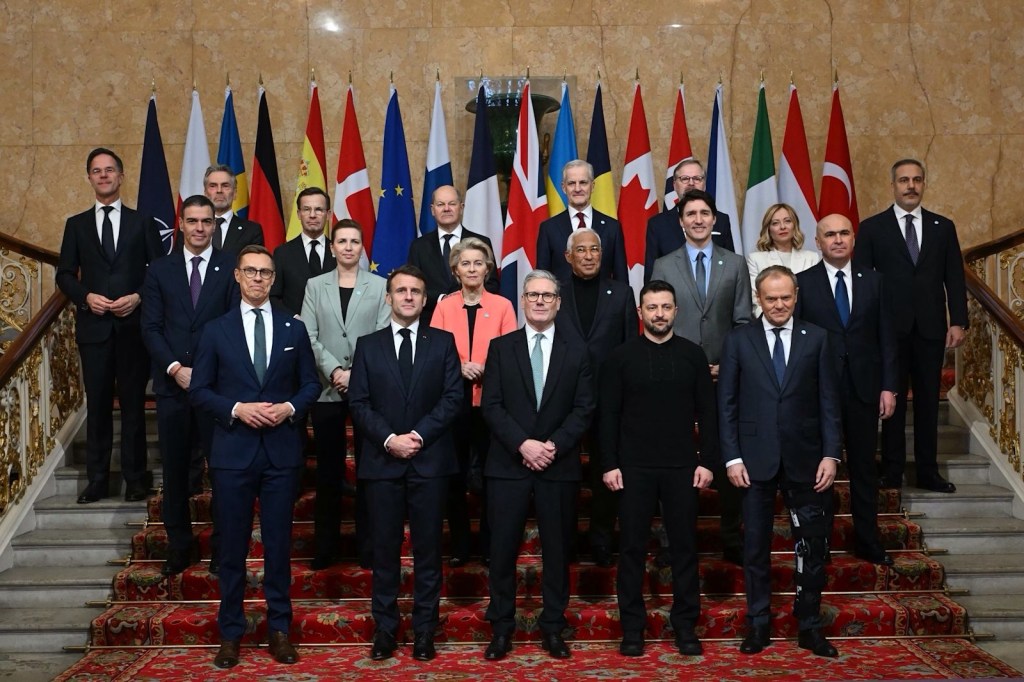
But how have the democratic leaders reacted to their invitations? Well, let’s see . . .
Canada. Following Prime Minister Mark Carney’s contentious discussion of tariffs with Trump at Davos, he was spared the necessity of declining when Canada’s invitation was petulantly withdrawn by Trump.
Denmark. It’s hardly a surprise that Greenland’s mother country has similarly been snubbed by Trump. There is no real question as to what their response would have been in any event; and this way, Trump can claim that it was his choice, not Denmark’s.
France. Declined. Foreign Minister Jean-Noel Barrot said that Trump’s “very extensive powers” as chair were concerning, adding that “This is very, very far from the Charter of the United Nations.” [Ryan Mancini, The Hill, January 31, 2026.]
Germany. Declined. Chancellor Friedrich Merz said Germany could not accept a place on the Board in its current form on “constitutional grounds. We are, of course, ready to explore other forms, new forms of cooperation with the United States of America.” [Id.]
Greece. Declined. Prime Minister Kyriakos Mitsotakis said that the Board “goes way beyond” the U.N. Security Council mandate, and, “I think we have to recognize that moving forward what has been established is something in which most European countries can’t join.” He added that the U.S. involvement in the redevelopment of Gaza should be “only for a limited amount of time.” [Id.]
Italy. Declined. Prime Minister Giorgia Meloni told Italian state television: “Some elements are incompatible with our constitution, and this prevents us from signing tomorrow. My position is still one of openness.” [Id.]
New Zealand. Declined. The word from Minister of Foreign Affairs Winston Peters was: “As a leading founder and longstanding supporter of the United Nations, it is important that the Board’s work is complementary to and consistent with the UN Charter. It [the Board of Peace] is a new body, and we need clarity on this, and on other questions relating to its scope, now and in the future. New Zealand will not be joining the Board in its curent form but will continue to monitor developments.” [Id.]
Norway. Declined. While confirming that Norway shares Trump’s stated “goal of lasting peace in Ukraine, Gaza and in other situations,” Norwegian State Secretary Kristoffer Thoner said, “The American proposal raises a number of questions [requiring] further dialogue with the United States. Norway will therefore not join the proposed arrangements for the Board of Peace, and will therefore not attend a signing ceremony in Davos. [Id.]
Slovenia. Declined. Robert Golob, the Prime Minister of Melania Trump’s native country, stated: “The main concern is that the committee’s mandate is too broad and that it could dangerously undermine the international order based on the United Nations Charter. Although we find any initiative that can calm the situation in the Middle East to be commendable, this invitation dangerously encroaches on the broader international order and not just on pacification in Gaza.” [Id.]
Sweden. Declined. Prime Minister Ulf Kristersson said simply: “As the text stands right now, Sweden will not sign.” [Id.]
United Kingdom. Declined. Expressing concern over Russia’s likely involvement, Foreign Secretary Yvette Cooper told the BBC: “There’s a huge amount of work to do. We won’t be one of the signatories today. Because this is about a legal treaty that raises much broader issues, and we do also have concerns about President Putin being part of something which is talking about peace, when we have still not seen any signs from Putin that there will be a commitment to peace in Ukraine. And to be honest, that is also what we should be talking about.” [Id.]
Ukraine. Declined. Not surprisingly, President Volodymyr Zelensky rejected the idea out of hand. His Foreign Affairs Chairman, Oleksandr Merezhko, told The Kyiv Independent: “The very idea of inviting to this board of ‘peace’ the biggest violator of peace and international law, Russia and Belarus, complicit in the crime of aggression, is absurd.” [Id.]
*. *. *
So, with approximately half of the countries originally invited already having declined or still analyzing the pros and cons, it is likely that Trump is considering alternative methods of swaying the holdouts. There is always the threat of tariffs, of course . . . although those have recently proven less effective than he had hoped. He could — if he had any sense at all — determine that his organization’s charter needs serious revision as to the issues of control, succession, and the Board’s overall mandate.
Or, more up his alley, he might actually start reviewing those damnable Epstein files to see whether they include the names of any high-level officials from the uncommitted countries. A little blackmail always does seem to cheer him up.

Just sayin’ . . .
Brendochka
2/2/26

