Never heard of it? Don’t feel foolish; there are probably few people outside of Ukraine, Poland and the Baltics who have. And, while I recall learning about it in a long-ago class on Russian History, I had frankly forgotten the details until today, when I read that this is the 107th anniversary of its signing, and I was reminded of its significance to the present-day conflict between Russia and Ukraine.
Because — irrespective of anything Vladimir Putin may claim — Ukraine does not belong to Russia.
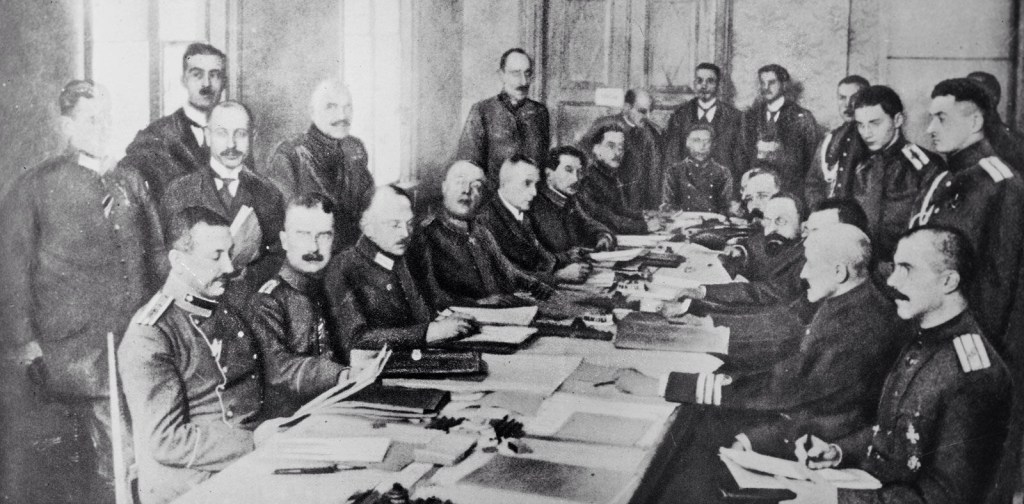
Over the course of centuries, wars have been fought and treaties entered into that have altered the borders between nations, and often the hegemony of one country over another. And — as with an individual’s last will and testament — the most recent treaty has always been the operative one.
With the advent of the Russian Revolution of February 1917, the Russian Empire under Tsarist rule ceased to exist. A provisional government was formed by then Minister of War Aleksandr Kerensky, which was subsequently overthrown by Vladimir Lenin’s Bolshevik party in November of the same year. One of Lenin’s first acts was to withdraw Russia from participation in World War I, with a formal cease-fire being declared by Russia on December 15th.
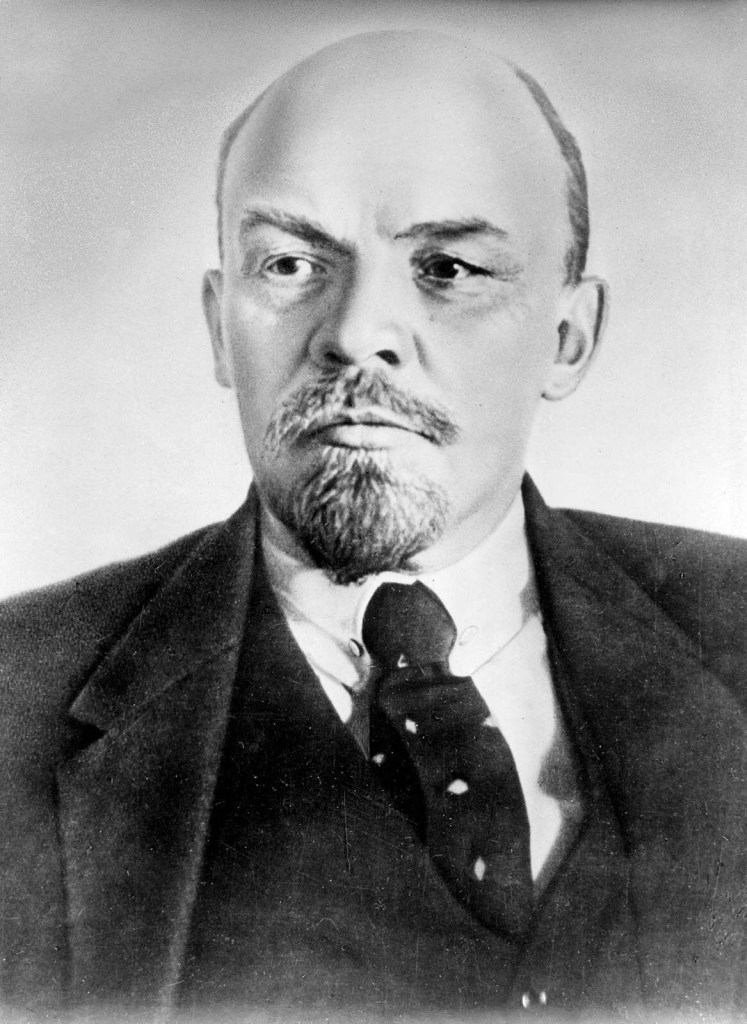
But terms of the peace treaty between Russia and the Central Powers (Germany and its allies) were complex, and the final agreement was not reached until March 3, 1918, at Brest-Litovsk, in what was then part of Poland.
“Under the terms of that treaty, Russia recognized the independence of Ukraine, Georgia and Finland; gave up Poland and the Baltic states of Lithuania, Latvia and Estonia to Germany and Austria-Hungary . . .”; and ceded other regions to Turkey. [“This Day In History,” History.com, March 3, 2025.]
Lenin was humiliated by what he called “that abyss of defeat, dismemberment, enslavement and humiliation” [id.], and always hoped “that the spread of world revolution — his greatest dream — would eventually right the wrongs done at Brest-Litovsk.” [Id.]
Without going into excruciating detail, there followed several years of conflict among the Soviet Union (“Russia” having ceased to exist as a political entity), Poland and Ukraine, culminating in Ukraine becoming — not by its own consent, but by force — the UkSSR: the Ukrainian Soviet Socialist Republic. Until 1991, that is, when the Soviet Union finally splintered into 15 independent nations, not the least of which is Ukraine.
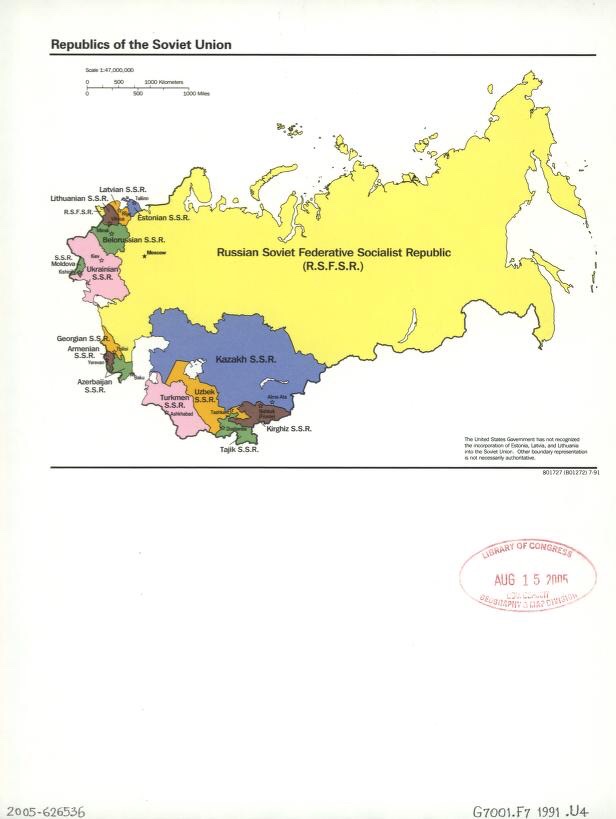
Thus — while it was forcibly under the rule of the Soviet Union for some 69 years — it was never again, after 1918, part of Russia. And it still isn’t . . . nor should it be.
*. *. *
And if you’re one of those who appreciate ancient history and its continuing relevance to modern times, then I suggest you read up on Kievan Rus — the true ancestor of today’s Ukraine, and the cradle of both Ukrainian and Russian history. If you can get through all of the names of the principals — the Vsevelods, the Sviatopolks, and the Yaroslavs — you’ll be in for a fascinating read.
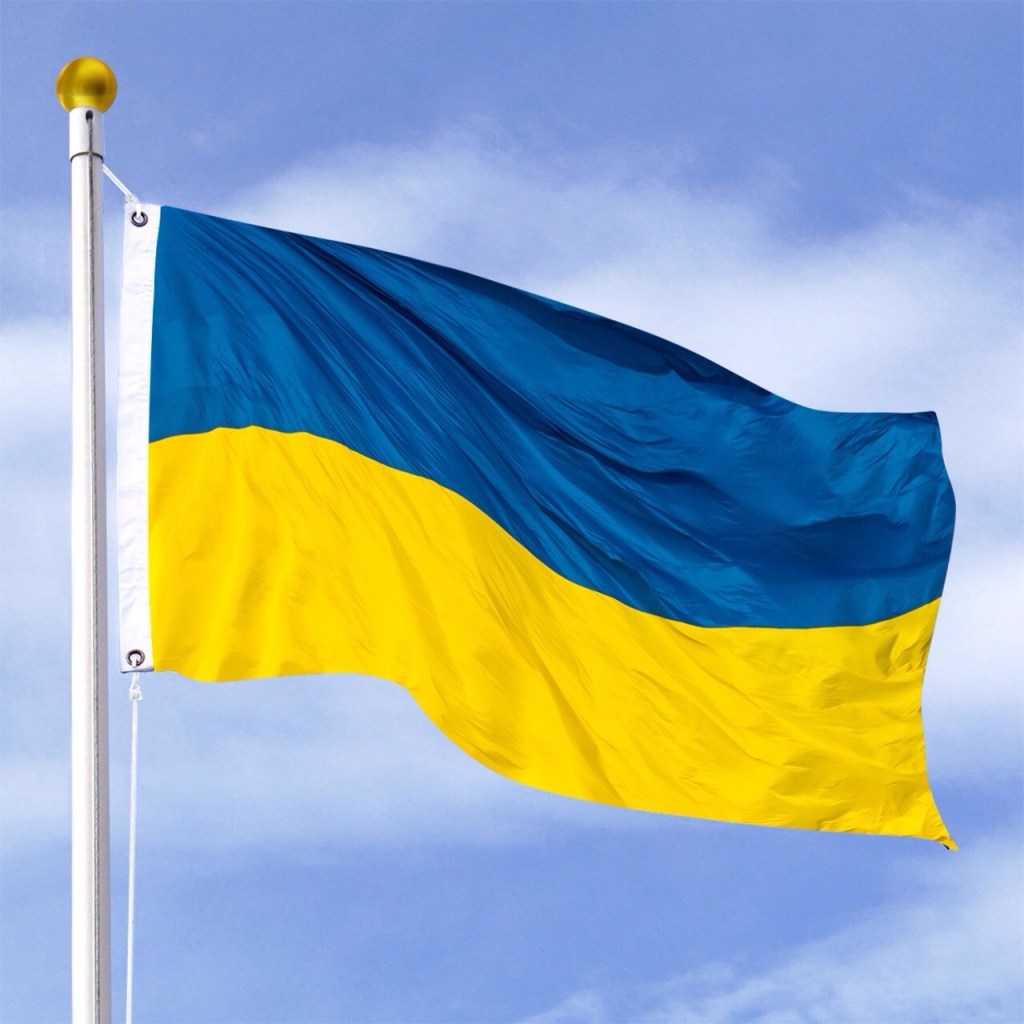
And in the meantime . . . Slava Ukraine!
Just sayin’ . . .
Brendochka
3/3/25

