Language is a beautiful thing. It is incorporated in your genetic makeup, almost as though it were a part of your DNA. It defines who your parents and grandparents were, where you were born and raised, and how you view the world.
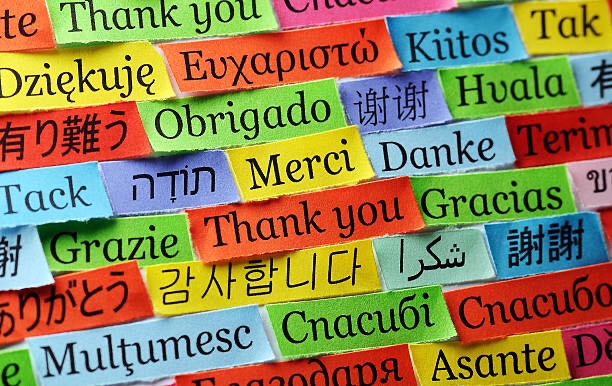
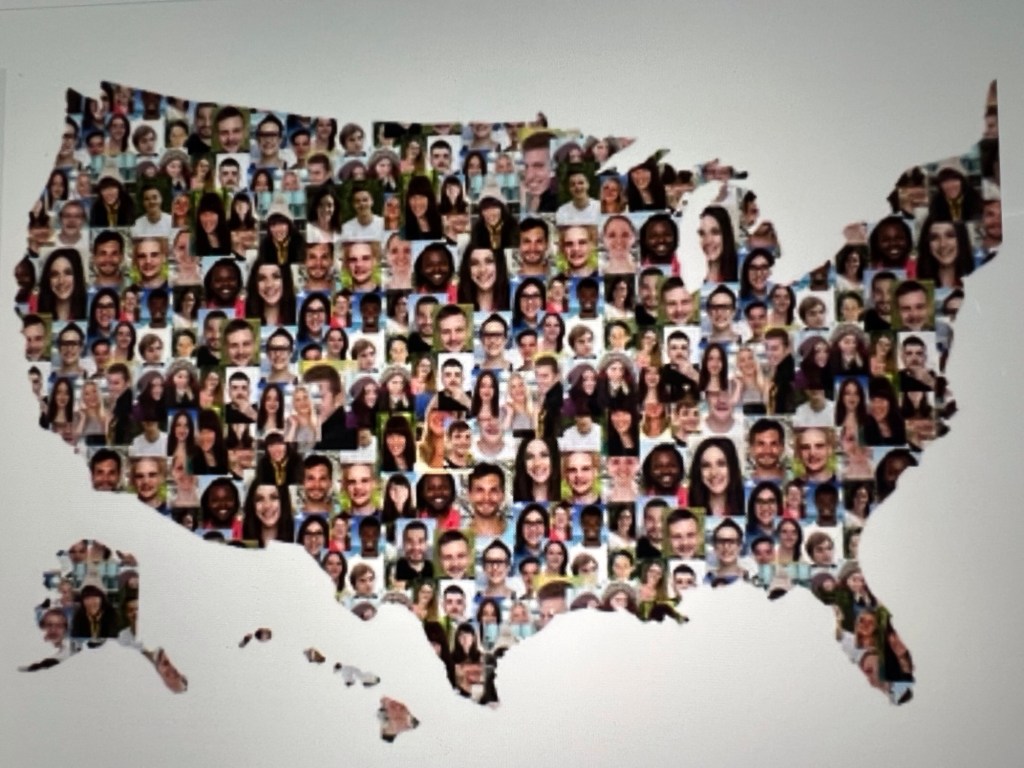
Most countries — all but a handful — have an official language. But not the United States, likely because of our multi-ethnic makeup. Around 75-80% of Americans speak only English at home; the other 20-25% speak their native language amongst people of their own original nationality.
And we’ve gotten by just fine for the past 250 years. ESL classes — English as a Second Language — are taught in public schools and community colleges throughout the country to make it easier for recent arrivals to acclimate to their new home.
There needs to be a prevalent language in any country in order for people to be able to communicate. And — with Americans coming from countries where as many as 350 different languages are spoken — it is essential that there be one common language to bring us together. That language is English. And I am frankly surprised to learn that it has never been designated as “official” — though it really hasn’t been an issue in the past.
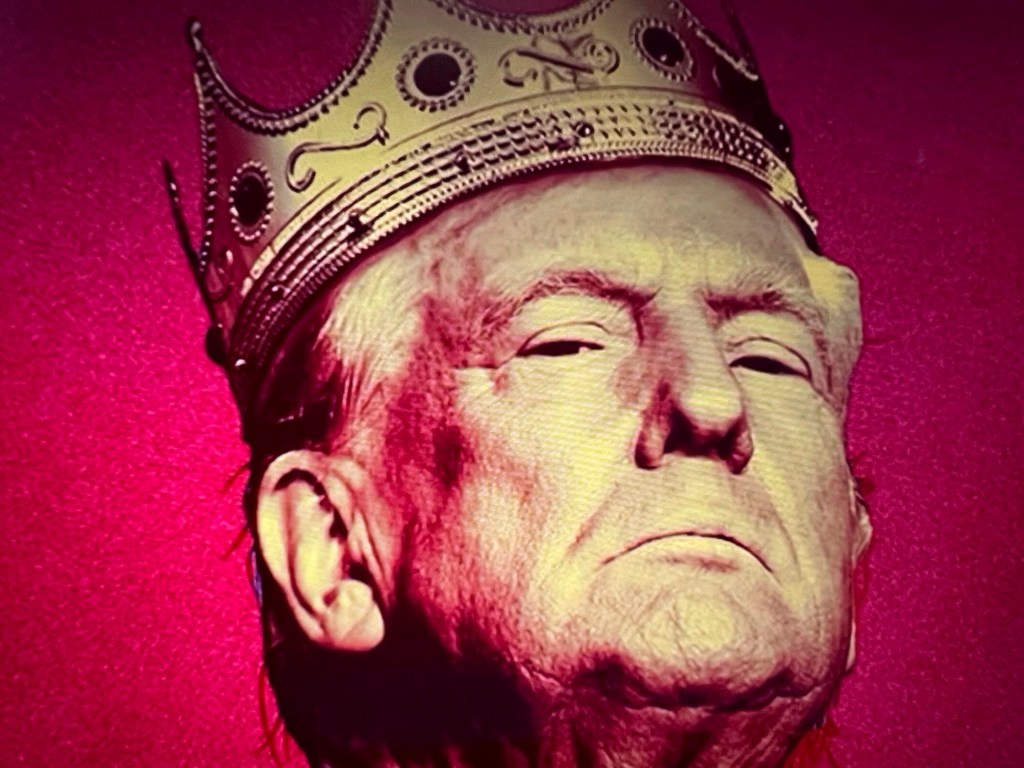
Yesterday, Donald Trump signed an executive order addressing that very subject, and designating — for the first time ever — English as the official language of the United States. The order reads:
“From the founding of our Republic, English has been used as our national language. It is therefore long past time that English is declared as the official language of the United States.” [Gabe Gutierrez and Rebecca Shabad, NBC News, March 1, 2025.]
Okay, fine. There is absolutely nothing inherently wrong with that. Except for the timing.
Why — with all of the major issues and imminent crises currently facing our country and the entire world — would it even have occurred to a sitting president of the United States to worry about the fact that, for a quarter of a millennium, we have gotten by without an “official” language designation?
Quite simply, because it is another piece of his obsessively nationalistic, ethnocentric, xenophobic outlook — a moral defect that has led to his recent, outrageously excessive attacks on immigrants. It is ethnic profiling under the clever guise of patriotism.
In Nazi Germany, if you were not of Hitler’s imaginary “Arian” race, you were inferior, not quite human, and therefore disposable. He managed to dispose of more than six million so-called sub-humans. But how would that work here in the U.S., where everyone who isn’t 100% descended from Native American tribes would fail Hitler’s “Arian” test?
We Americans are all, to a greater or lesser degree, of some “foreign” ethnicity. If our ancestors hadn’t come here on a ship from somewhere else, there wouldn’t be a United States of America. We “foreigners” — or our forebears — built this country.
Donald Trump’s father was the son of German immigrants from Bavaria. His mother was a Scottish immigrant. If we allow him to eliminate the birther right that was granted to their children, perhaps he would also have to “go back where he came from” . . . to Germany or Scotland . . . if they’d even have him.
I wonder: Has he ever thought of that?

Just sayin’ . . .
Brendochka
3/2/25


I would ask why it is necessary for English to be an official language? Here in Aotearoa where English is is spoken by more than 95% of the population, English doesn’t have special status under the law. However we do have 2 official languages: Te reo Māori and NZ Sign Language. The official status gives speakers/signers of those languages the right to use them when communicating with officials and the onus is on the officials to be able to understand them – either directly or via a interpreter. It’s not a requirement for the speaker/signer to provide the interpreter. For speakers of other languages, it’s necessary for the speaker to provide the interpreter if the official doesn’t understand it.
LikeLiked by 1 person
You’re right: there is no real need . . . though there’s no harm either. And th
LikeLiked by 1 person