When I recall my trip to Budapest in 1990 for a conference on doing business in Eastern Europe and the Soviet Union, I am able to conjure up so many lovely images: a private tour of the magnificent Parliament building; a boat ride along the Duna (Danube) River to a beautiful artists’ village called Szentendre; dining on the most delectable Hungarian goulash at a neighborhood restaurant outside the tourist area; riding the funicular railway up to Fisherman’s Bastion; and watching the lights go out on the Lanchid (Chain Bridge) from my hotel room window at midnight each night.
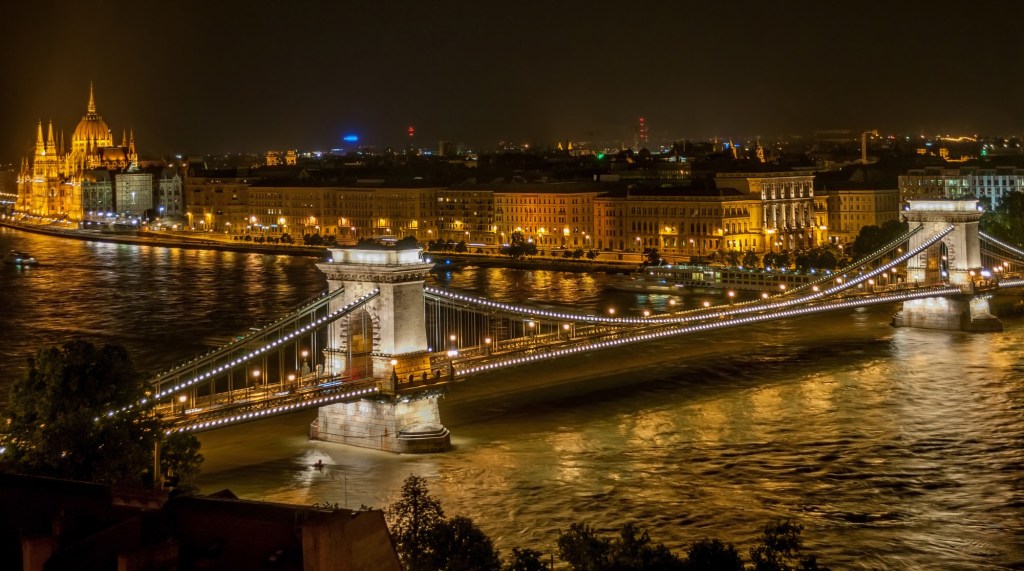
And most clearly I remember the overall atmosphere of hope for the future and sheer joy that permeated all of Eastern Europe at that time when the Soviet occupation had finally come to an end.
I’ve also written extensively of my summer in Prague in 1991, working in the new Czech office of an American law firm and soaking up the glorious history, architecture, culture, and food of that amazing country. I never did have a chance to visit Bratislava, the capital of what is now independent Slovakia but was then the eastern half of Czechoslovakia. But at the time, it was all one big, happy, forward-looking nation, finally free of the communist yoke.
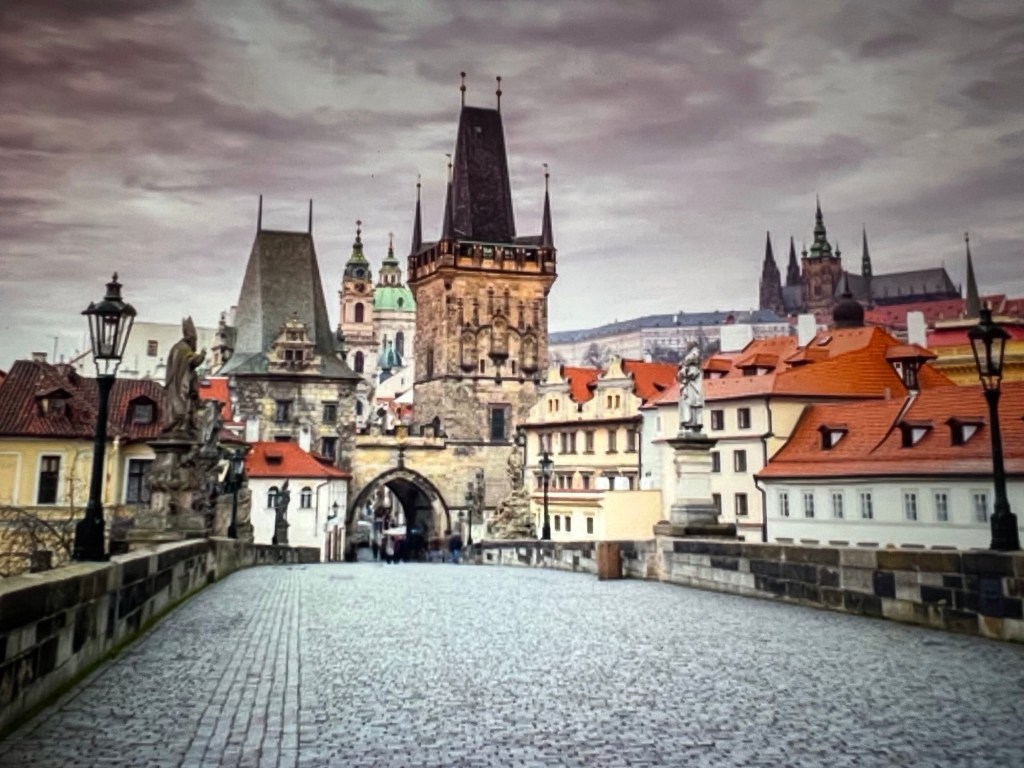
It’s been barely three decades since the Soviet Union was relieved of its forceful hegemony over most of Eastern Europe, and itself splintered into fifteen separate, sovereign nations. And during that time, enormous political, economic and social strides have been made toward providing the citizens of those countries with a freer, more prosperous, and generally better life.
But . . .
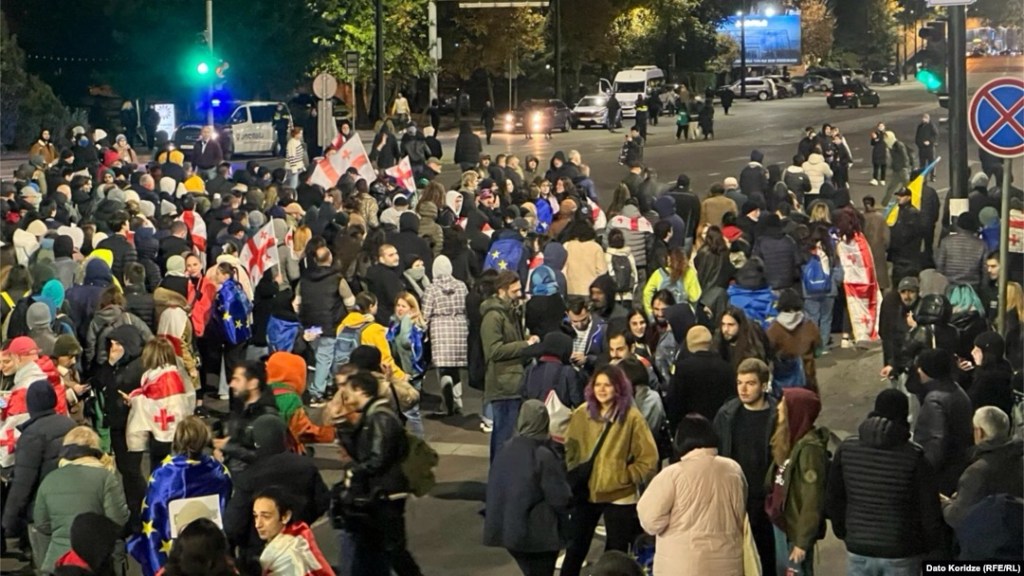
Lately, there have been rumblings of discontent and disruption coming from leaders of some of the very nations — both former Soviet republics and Eastern Bloc countries — that fought so hard and so courageously to break the chains of Soviet/Russian bondage. Belarus, as is well known, has already become a puppet of Vladimir Putin, thanks to its presumptive president, Aleksandr Lukashenko. Moldova’s West-leaning president barely squeaked through their recent election with a narrow win. And Georgia is being torn between East and West, with massive demonstrations becoming a regular occurrence.
And now we have Hungary’s Prime Minister Viktor Orban and Slovakia’s Prime Minister Robert Fico making no secret of their preference for Putin-style authoritarian rule, opposing continued aid to Ukraine in its defense against the Russian invasion, and ignoring the obligations of their memberships in both NATO and the European Union (EU).
And Vladimir Putin is making them feel all too welcome.
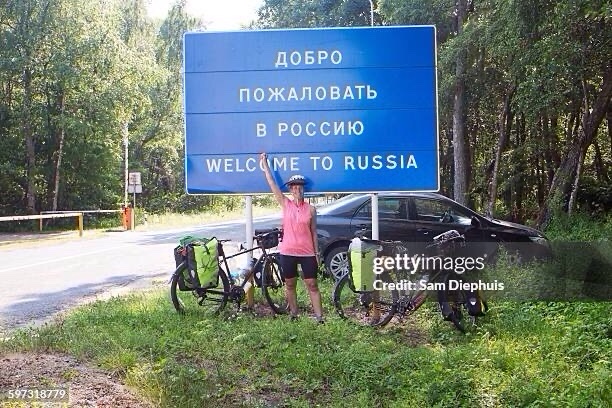
My fear is that, with so much emphasis — essential as it is — being given to the more obvious hot spots in the Middle East and Asia, we may be in danger of repeating one of history’s biggest mistakes: ignoring Russia’s plans for Eastern Europe until it is once again too late.
I pray we don’t.
Just sayin’ . . .

Brendochka
11/5/24

