According to Google Translate, it’s this:
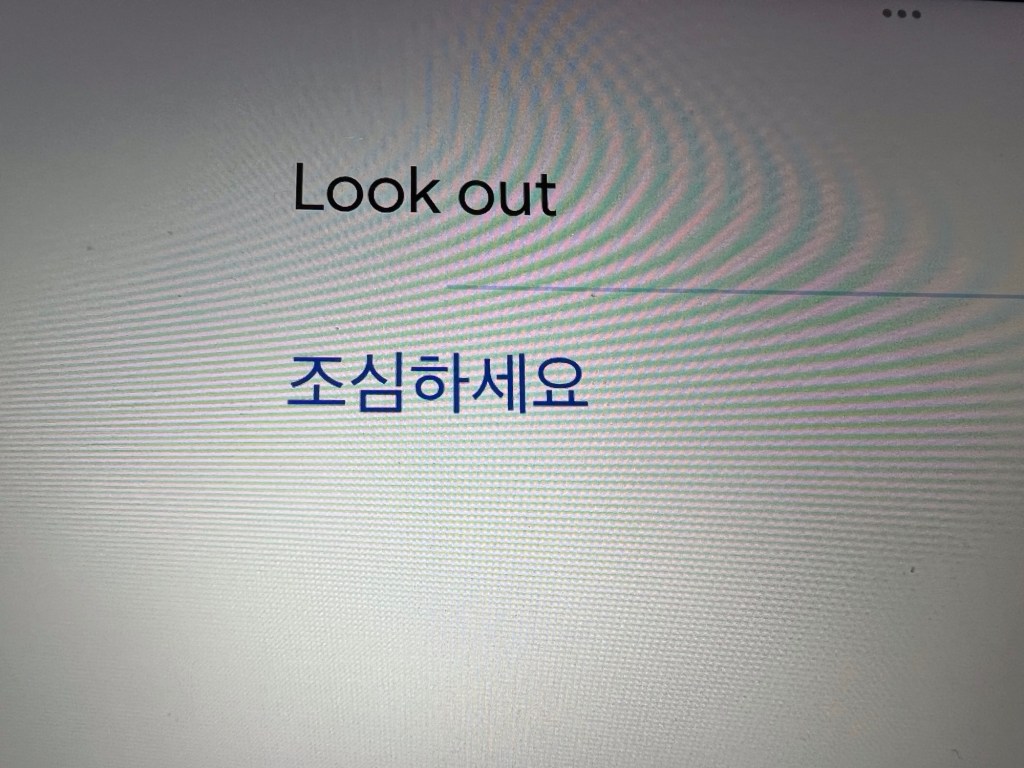
Great. Now . . . how do you pronounce that? (Okay, all you Korean speakers, please put your hands down.)
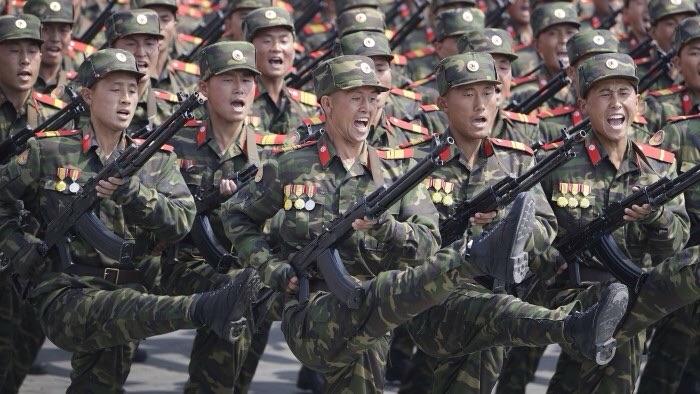
I do have a reason for asking — and it’s a good one. It’s because of the rumor that’s been circulating for a week or more to the effect that North Korea has agreed (or offered) to send about 3,000 troops to Russia to be trained for possible deployment in Ukraine.
And I was immediately mentally transported back to a classroom in New Hampshire in 1950, and a teacher’s explanation of America’s involvement in something called the Korean War. And how scared we all were, because the North Koreans were Communists, and they were being backed by the Chinese Communists, and maybe even the terrifying Communist Soviet Union.
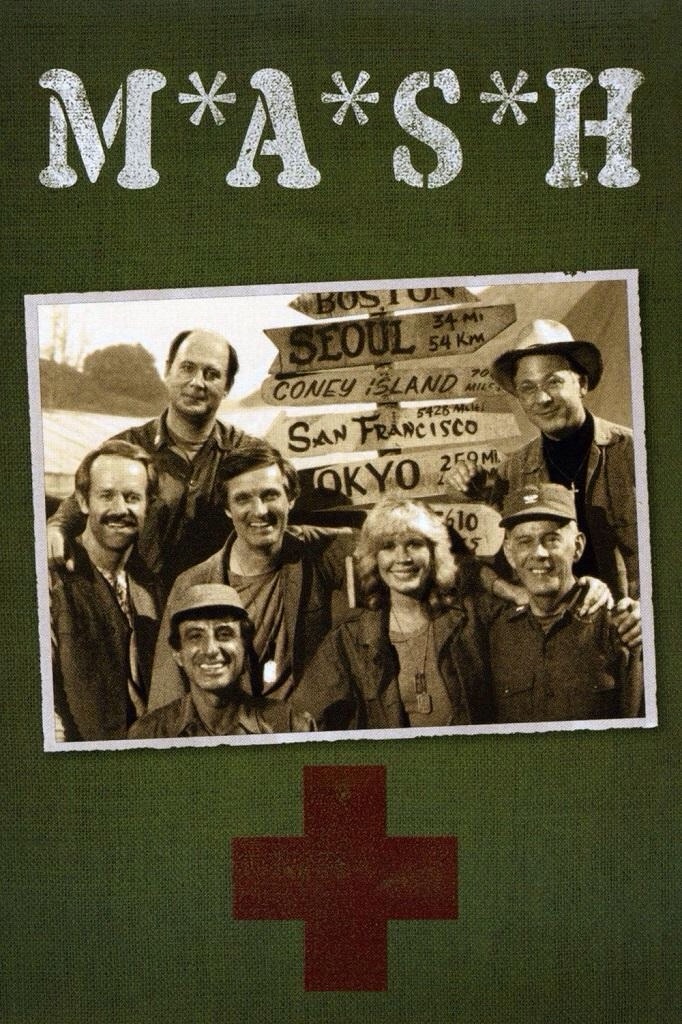
And it wasn’t at all the way it was depicted years later in M*A*S*H. It was real.
And it’s real today. Only this time the situation is reversed, and the North Koreans are sending help to the Russian forces, which are daily being reduced by the large numbers of casualties they’re suffering at the hands of the very same Ukrainian people they were supposed to have conquered more than two years ago. Life is strange.
Russian President Vladimir Putin, of course, had no difficulty in justifying his use of foreign military personnel; he merely pointed out NATO’s support of Ukraine . . . though conveniently ignoring the fact that no NATO country has troops on the ground in Ukrainian territory. But he rationalized:
“When we have to decide something, we will decide … but it is our sovereign decision whether we will apply it, whether we will not, whether we need it. This is our business.”
And:
“The sooner they realise the futility of such an approach in relations with Russia, the better it will be for everyone, and perhaps, above all, for themselves.” [Anastasia Teterevleva, Reuters, October 25, 2024.]
End of discussion.
And now NATO has confirmed that more than 3,000 North Korean troops have indeed been sent to Russia, with more than 12,000 expected by December. According to South Korean intelligence, included among those troops are fighter pilots. [RadioFreeEurope/RadioLiberty, October 28, 2024.]
*. *. *
But what do the Russian soldiers think of the “help” they’re receiving from their Asian friends? Well, it seems they have some concerns, such as how to communicate with them, how commands will be given, how ammunition and military kits are to be issued and explained, and how you warn them to duck when they’re about to be taken apart by a Ukrainian drone. [Victoria Butenko, Maria Kostenko and Lauren Kent, CNN, October 25, 2024.]
In an audio intercept from an encrypted Russian transmission channel, Ukraine’s Defense Intelligence reported one Russian soldier describing another, the latter having been tasked to “meet people” — presumably as a sort of official “welcome wagon” representative. Clearly, that Russian greeter was displaying some uncertainty as described by his buddy:
“And he’s like standing there with his eyes out, like … f**k. He came here and says what the f**k to do with them.” [Id.]

What to do with them, indeed? How many of those soldiers — the Russians and the Koreans — are likely to speak each other’s language? What if the “help” turns out to be a hindrance? Did Putin give that any thought before making his deal with Kim Jong Un?
Just sayin’ . . .

Brendochka
10/30/24

