Yesterday I wrote that there hadn’t been any word this past week of new political arrests in Russia — no new hostages for our list. That was the good news.
And then I read about the addition of five names — four individuals and one media outlet — that have just been added to the growing register of “foreign agents” under Russia’s oppressive and intentionally misapplied foreign agents registration laws.
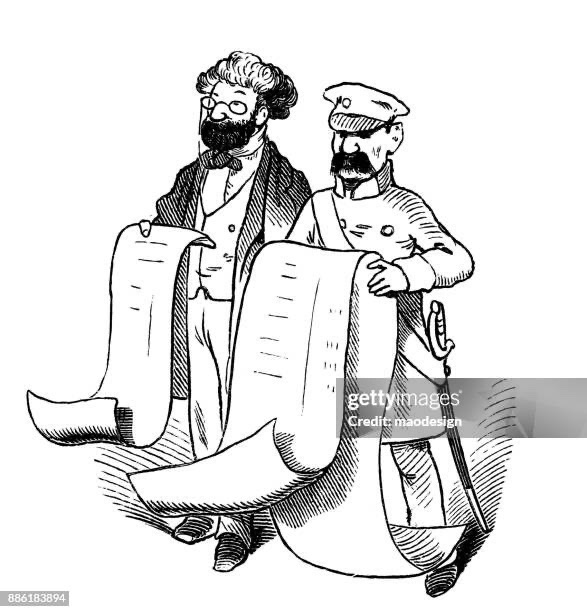
One of the four men has already left Russia. Renowned literary critic and professor Oleg Lekmanov chose self-imposed exile as a means of continuing to voice his opposition to his country’s invasion of Ukraine in 2022. But even in absentia, one can become a target of Russia’s campaign against any sort of political dissent, and he has been declared a “foreign agent.”
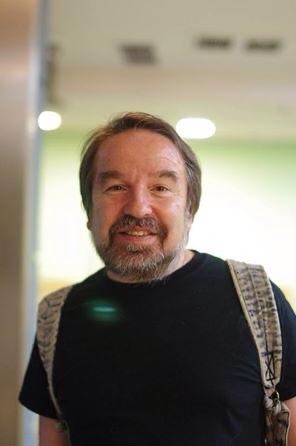
Professor Lekmanov has joined the faculty at Princeton University as a research scholar in its Department of Slavic Languages and Literatures. [humanities.princeton.edu, September 5, 2023.] He is one of the lucky ones.
Still in Russia, under the watchful eye of Putin’s enforcers, is Nikolai Kavkazsky, a member of the Yabloko opposition party and a human rights and LGBTQ activist. He has previously been arrested and held for six days for participating in an anti-war action, and is now officially a “foreign agent.” [RadioFreeEurope/RadioLiberty, October 26, 2024.]
Artyom Medvedev is “guilty” of advocating for the independence of the Russian autonomous region of Udmurtia — or the Udmurt Republic — some 835 miles from Moscow. He has taken part in events of the Forum of Free States of Post-Russia, which has been classified as an “undesirable organization,” for which he was fined. [Id.]
Anton Hardin, a popular blogger with over 127,000 subscribers to his Telegram channel, is an outspoken opponent of the war in Ukraine, and has advocated against political repression in Russia. [Id.]
And last on this list is Astra, an independent Telegram channel that publishes news not carried by the official Russian media. [Id.] Some of its income must come from foreign sources, which is all it takes to be labeled a “foreign agent.”
*. *. *
The targeting of individuals and organizations deemed to be “foreign agents” or “undesirable” continues unabated in Russia despite international condemnation — and despite last week’s ruling by the European Court of Human Rights (ECtHR) declaring the law as being in violation of the European Convention on Human Rights, and labeling it as “arbitrary” and used in an “overly broad and unpredictable way.” [Id.]
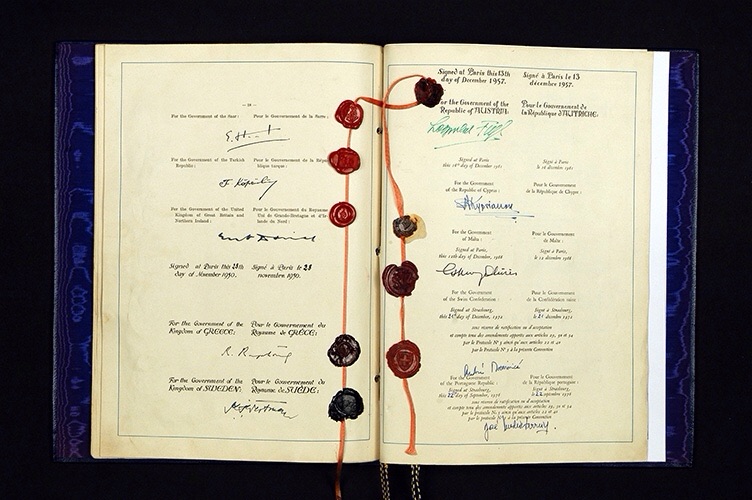
That case was brought before the Court by 107 plaintiffs, including the Russian human rights group Memorial, and major media outlets and human rights organizations. The Court ruled that the law imposed severe restrictions on the plaintiffs’ activities and that labeling them as foreign agents amounted to intimidation. [Id.]
That’s all well and good. But how can that ruling be enforced when Russia’s membership in the ECtHR ceased as of September 16, 2022? That Court has no real enforcement power.
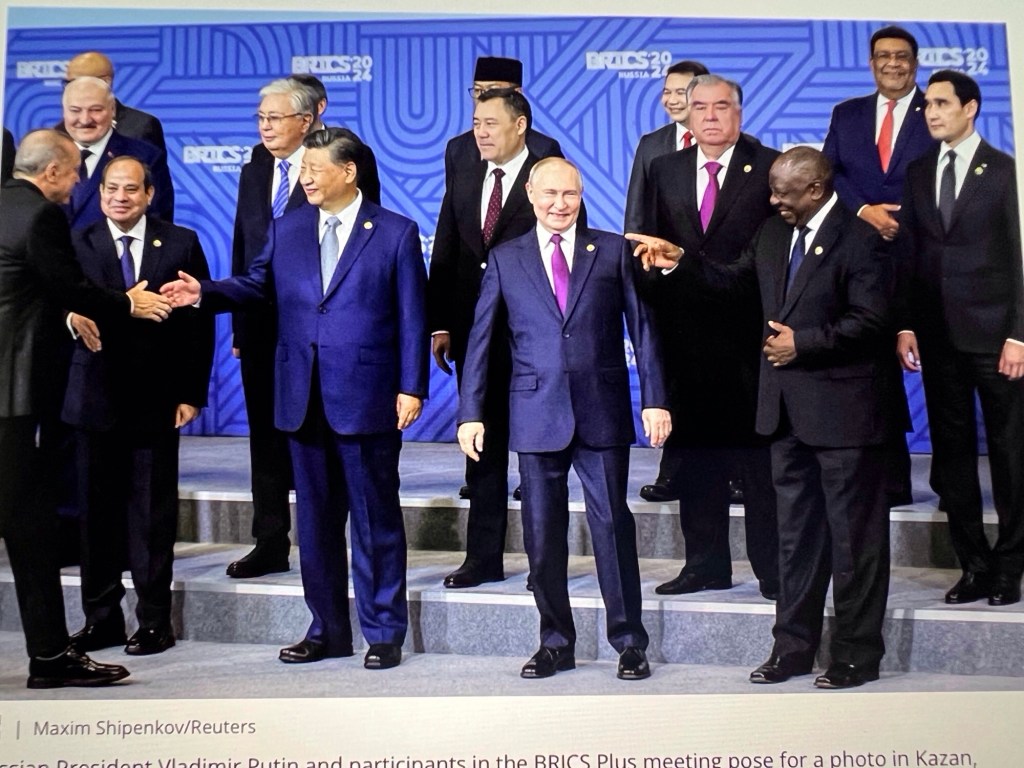
And Vladimir Putin refuses in any event to pay attention to that which he does not care to see. He ignores — or finds means to circumvent — sanctions against himself and his country’s industries and financial institutions. When the International Criminal Court (ICC) issued an enforceable warrant last year for his arrest on charges of war crimes, he simply stopped traveling to those countries that might have been obligated, as members of the ICC, to obey the warrant . . . and instead brought their leaders to him, as he did for last week’s BRICS summit.
So the “foreign agents” register continues to expand exponentially, and the good people of Russia who dare to express an unpopular opinion or criticize a government policy continue to live in fear . . . the very sort of fear that their older family members recall all too well from the Cold War and pre-War days.
The fear of Big Brother.
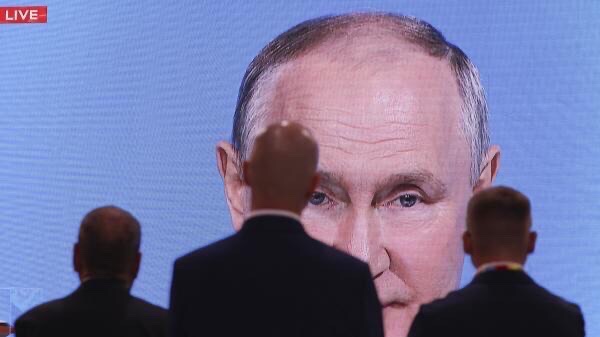
Just sayin’ . . .

Brendochka
10/28/24

