Unfortunately, that in-between place really exists . . . if you’re a Russian who has been accused of a crime.

The “rock” is a guaranteed conviction (whether you are guilty or innocent) and consignment to the hell of a Russian prison; the “hard place” is a trip to Ukraine to fight in a war for which you have not been trained, and which you may even oppose. Either way, you can kiss your life — or life as you know it — goodbye.
And that in-between place is where former Olympian Andrey Perlov has found himself.
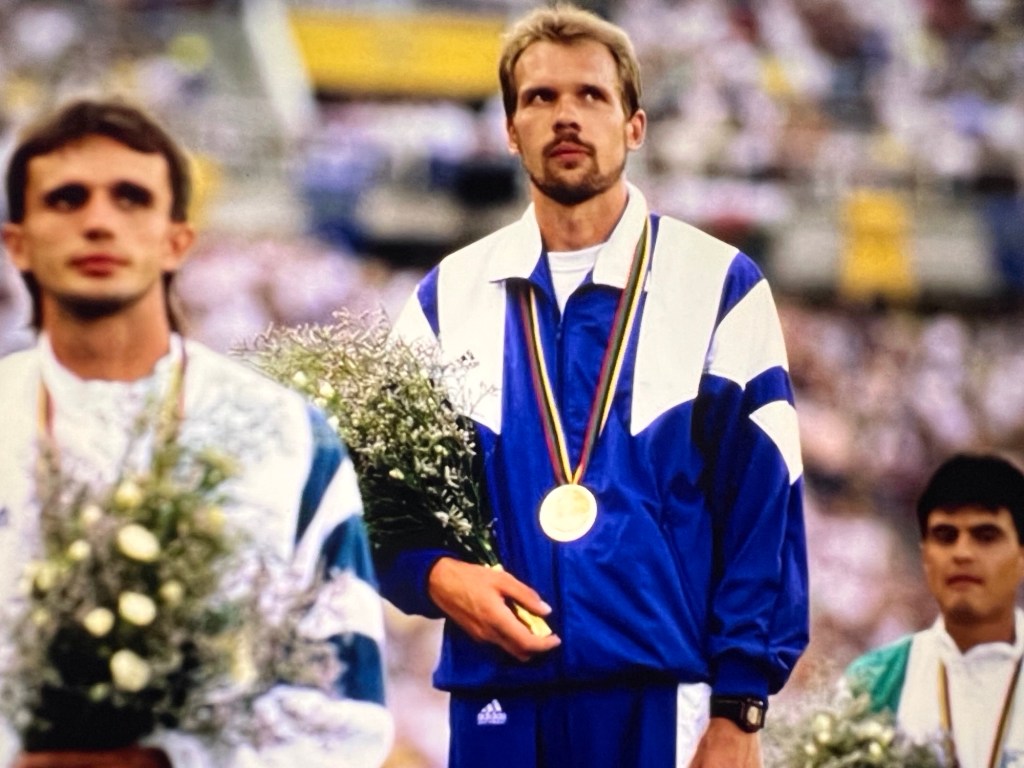
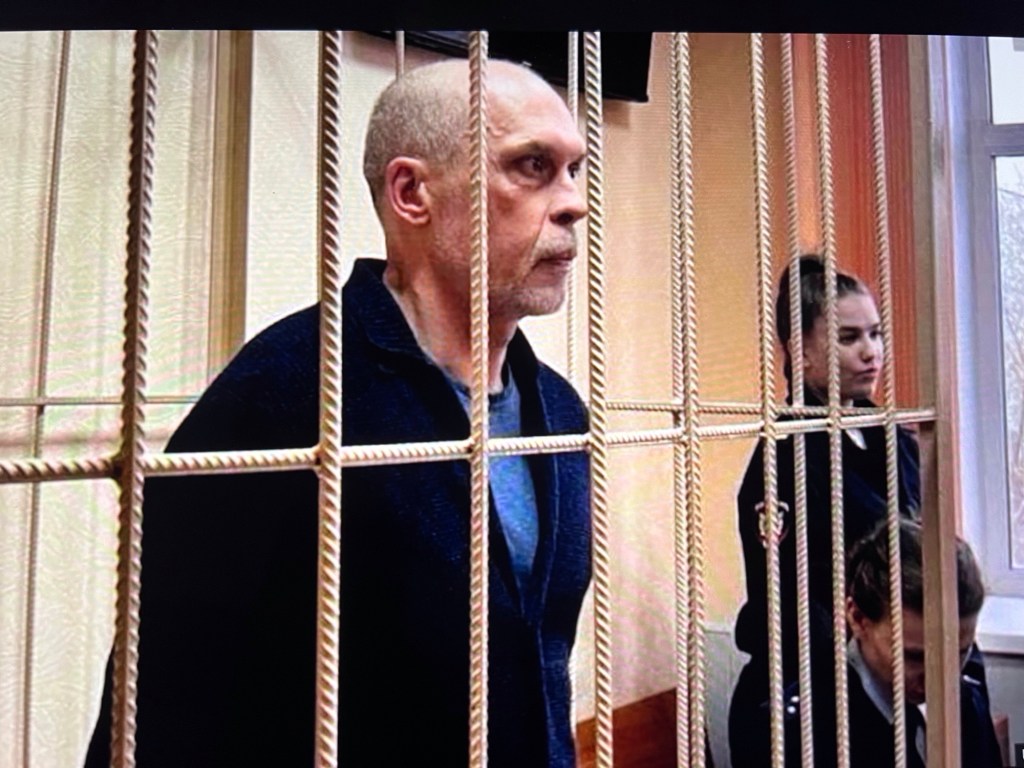
Perlov, now 62, was living quietly in Siberia’s Novosibirsk, working as managing director of the local football club, when police showed up at his home in the early morning hours of March 28th. He was taken into custody, accused of stealing some three million rubles ($32,000) from the club, which he and his family have vehemently denied. He has been detained ever since.
But he has been offered a deal . . . of sorts. Although not a young man, he has been told that he has the option of agreeing to join the Russian military fighting in Ukraine, in return for which the embezzlement charges against him would be “frozen” and potentially dropped when the war ends — if he survives, of course.
It’s that one word — “potentially” — that bothers me. The Russian government is not best known for keeping its promises.
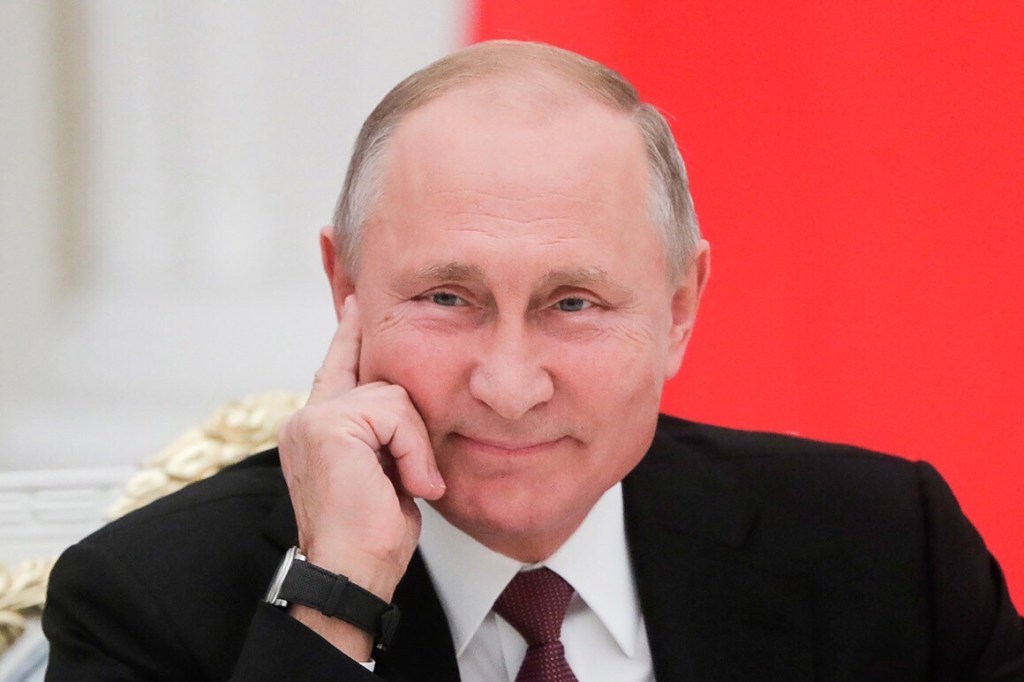
Aside from that, though, is this new Kremlin tactic for rounding up live bodies to throw into their war as fodder for the Ukrainian defensive troops. It goes beyond the recruiting of convicted criminals. Under new legislation, passed in March of this year, both prosecution and defense attorneys are legally obligated to inform people charged with most crimes of their option to go to war instead of to trial and prison. [Olga Ivshina, BBC, October 22, 2024.]
The individuals do — technically, at least — have the right to refuse to go and to take their chances with the courts instead. But they are being pressured to choose the military option, even seeing their families approached and urged to convince them. And if the accused does sign, then the criminal case is suspended within a few days and he leaves almost immediately for the front lines. [Id.]
A rock and a hard place . . .
*. *. *
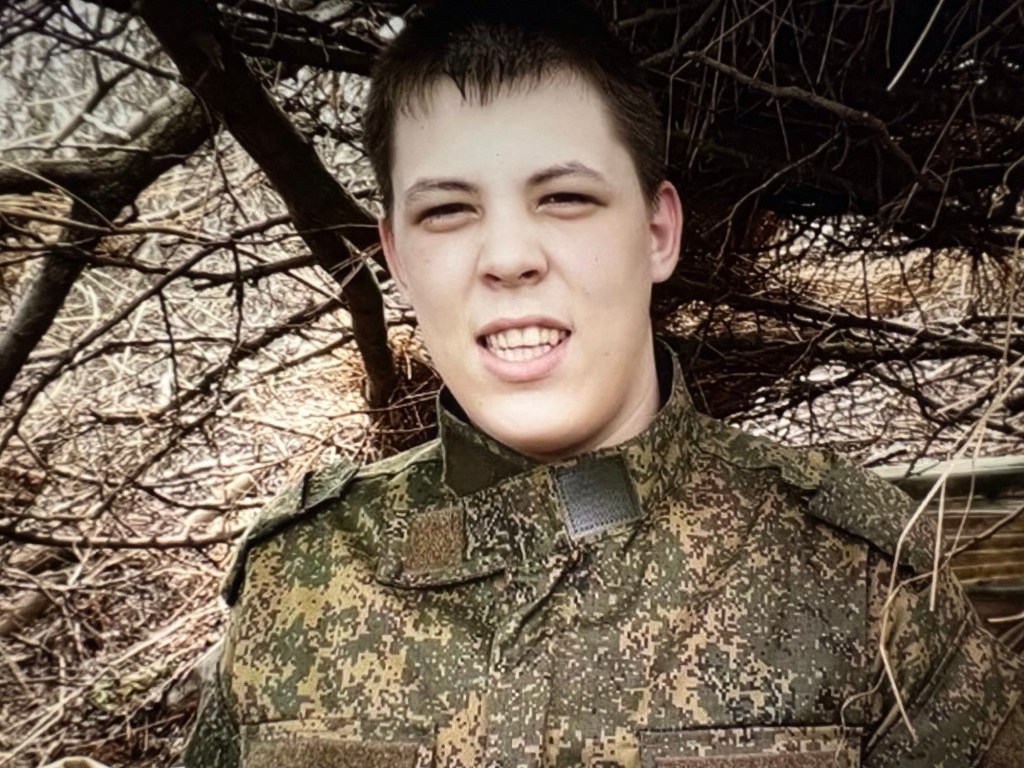
. . . As a much younger man, Yaroslav Lipavsky, and his family soon learned. At the tender age of 17, he was accused of intentionally inflicting “serious harm to health by a group of persons by prior agreement.” In order to avoid prosecution, he chose the option of signing up with the military as soon as he reached his 18th birthday.
He was sent to Ukraine, and was dead just a week later. [Id.]
*. *. *
But what of those who choose prison over war, as in Andrey Perlov’s case. His daughter Alina told their family’s story:
“He refused and we made quite a big noise in the local media so he was sent to the strict punishment cell, where they brought him the contract again.” [Id.]
She said that when he refused a second time, he was prohibited from seeing or calling his family. When the family did finally see him in court in July, he had lost a lot of weight.
“He tries to keep himself cheerful, but if this goes on, they will break him,” Alina said. [Id.]
When BBC journalists asked Russian authorities about Perlov’s case, and about the pressuring of detainees to join the army, they received no response. [Id.]
Typical.

*. *. *
So — using the old Soviet methods of “convincing” the people to submit to the government’s will — the Putin regime has found a new way of replacing lost troops without depleting the size of its military force: by sacrificing what they consider to be the dregs of society.
Or, as Ebenezer Scrooge so charmingly put it: “If they would rather die, they had better do it and decrease the surplus population.” [Charles Dickens, A Christmas Carol, 1843.]
Nice.

Just sayin’ . . .

Brendochka
10/24/24

