No, they’re not being stalked — not by me, at any rate. (What surveillance they’re subject to in Russia is a whole other question.) But I’ve been following, from time to time, Arend Feenstra’s YouTube channel, both out of concern for the welfare of those eight children, and because it’s fascinating to be able to observe life on the farm in Nizhny Novgorod for a bunch of non-Russian-speaking emigres from Canada.
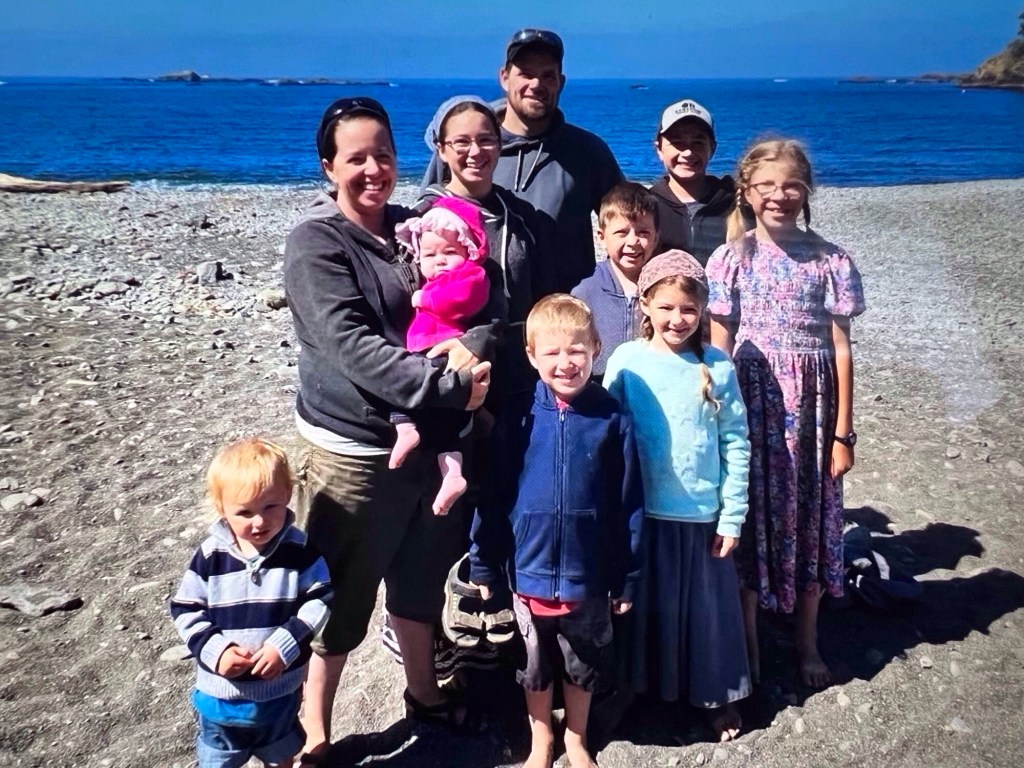
From all outward appearances, they’re doing as well as — actually, better than — I had expected after a very rocky start some nine months ago. Arend says they “bought” this land, on which they’ve been building a large house to accommodate their large family (though he never mentions where they’ve been living in the meantime). In the most recent episode, the electrical team was on the property, installing power lines and poles that didn’t even exist there before now. In Russia, when they say “rural,” they mean “Rural” — with a capital “R.” How he managed to get the local officials moving so quickly remains a mystery.
As usual, he went into a great deal of detail about the various stages of construction, which I’m sure some people found interesting but I could have done without. What did interest me were the nuances of some of the things he said . . . and the things he didn’t say. For example:
There was a bit of the requisite praise for the family’s new Russian home: the beautiful scenery (which actually appeared quite flat and barren); the abundance of churches “everywhere you look,” whereas churches in Canada and the U.S. are being turned into houses and restaurants because no one is going to church; the advantages of raising children on a farm; the family values in Russia (in accordance with Putin’s current “Year of the Family”); the wonderful people of Nizhny Novgorod who have made their settling-in so much easier than other immigrants he has spoken to, etc.
At least he didn’t actually mention “our wonderful President Vladimir Putin” this time.
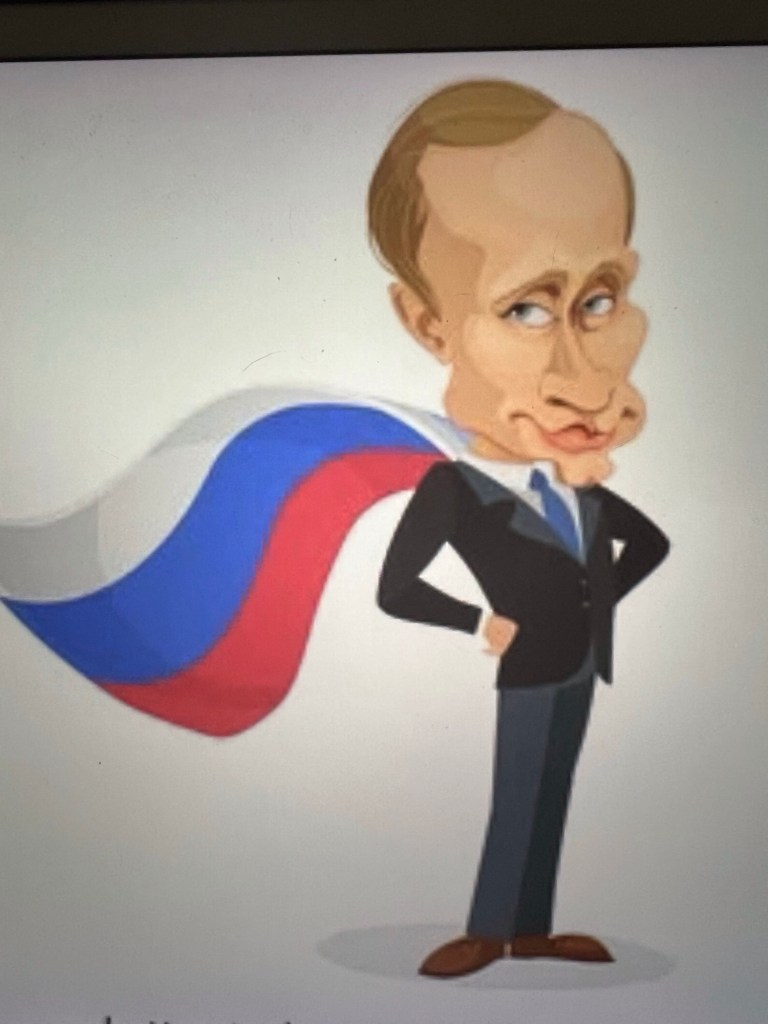
But it’s difficult to expunge a lifetime of history from one’s mind and soul. In comparing how certain phases of construction are done in Russia vs. Canada, he repeatedly referred to Canada as “we” and Russia as “they.”
And, rather oddly, at one point when talking about his family’s progress and their future plans, he said, “Of course, we don’t tell you everything.” Then he quickly tried to recover with a stumbling, “We’d have to be here 24 hours a day,” or words to that effect. A Freudian slip? Or am I just reading too much into it?

As to those future plans, he talked about adding a barn and a workshop to the property within the next year or so. And he’s even thinking of starting a construction business once his own building phase is completed, since he already has a good bit of equipment. But he pointed out that, with winter coming on and the days getting shorter, the work will probably go a bit more slowly for a while.
The rest of the family was absent from this episode, except for a few shots of some of the older children planting a line of trees. Everyone digs in (literally) on the farm.
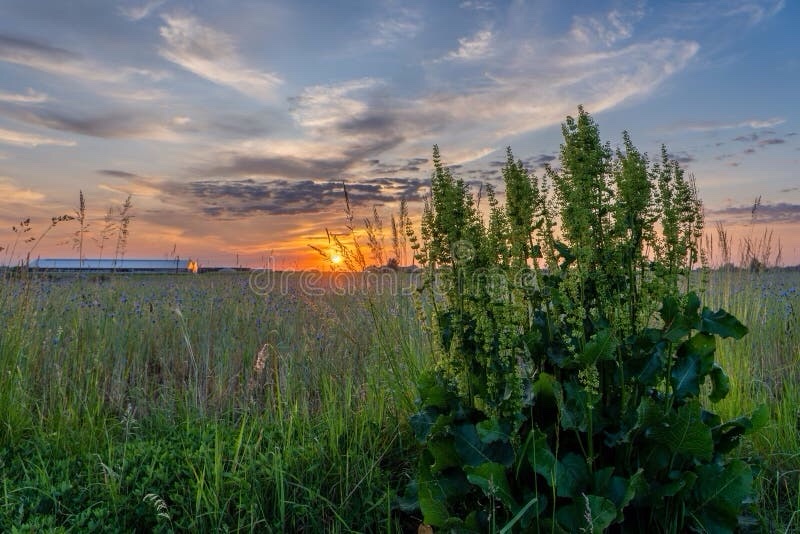
And as the sun sets — earlier and earlier — on idyllic Countryside Acres in historic Nizhny Novgorod, Russia, we bid farewell for now to the hard-working, forward-looking, close-knit, and always optimistic Feenstra family. Keep up the good work.
Do svidaniye, tovarishchi.
*. *. *
And then I found, also on YouTube but on the Real Reporter channel, an interview with Arend Feenstra and the family, which delved more deeply into their reasons for choosing Russia, the economic planning that went into their decision, and more. And I have to say, I was taken aback by a good bit of what I heard . . . but that’s not to say I agreed with all of it. I will watch it again, and you’ll probably be subjected later to my comments. For now, I’ve saved the video under “Propaganda.”
Just sayin’ . . .

Brendochka
10/17/24
 The Blog About Everything … and Sometimes Nothing
Please keep us updated. Thanks.
LikeLike
Will do. Thanks for reading.
LikeLike