It’s actually yesterday, October 8th, that is the subject of today’s meandering through years past. And we begin our constitutional with the legends and truths of a tragic event that has somehow caught people’s imaginations for 153 years:
1871 – The Great Chicago Fire. Let’s start by blowing a big hole in the commonly-held belief that poor Mrs. O’Leary’s cow kicked over a lantern, thus starting the whole thing. There have been other theories over the years, one of which is that a comet may have fallen to earth at that precise spot and landed in the hay. Or it may simply — and more likely — have been human clumsiness. For some reason . . . and on what evidence, I have no idea . . . the Chicago City Council decided in 1997 to exonerate Mrs. O’Leary and her bovine friend. It was, of course, too late for either of them to appreciate; Mrs. O’Leary, who had become a recluse following the fire, passed away in 1895.
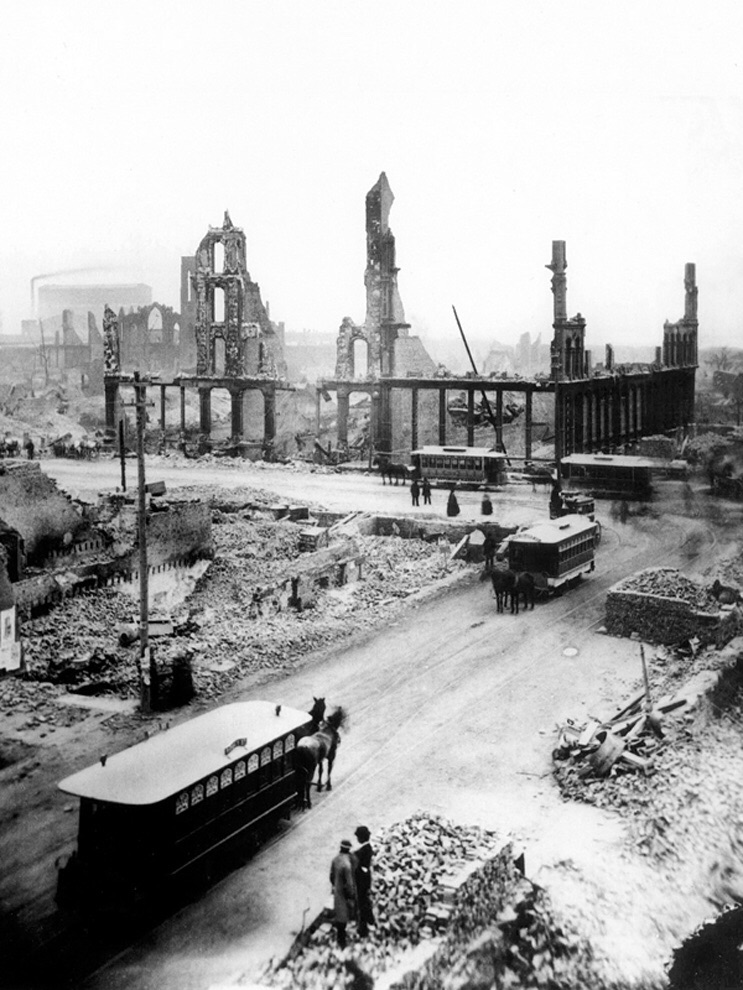
But the fire had done its damage. Between 200 and 300 people were killed, and another 100,000 left homeless; 17,450 buildings were destroyed; and total damage was estimated at $200 million — more than $4 billion in today’s money.
But it’s an ill wind — or comet, or cow — that blows nobody good, as the old saying goes. Out of the ashes of that fire rose the metaphorical Phoenix that we know as the Windy City, the Second City, or just plain Chicago. And we’re glad she’s there.
*. *. *
1871 – The Peshtigo Fire. Wait a minute . . . is that a typo? Two newsworthy fires on the same day?
Nope, not a typo. And this one, just 250 miles north of Chicago, is to this day considered the most devastating fire in U.S. history. Some 1,200 lives were lost, and two billion trees were consumed by the wildfire. But it was overshadowed by the Great Chicago Fire, which started later that night.
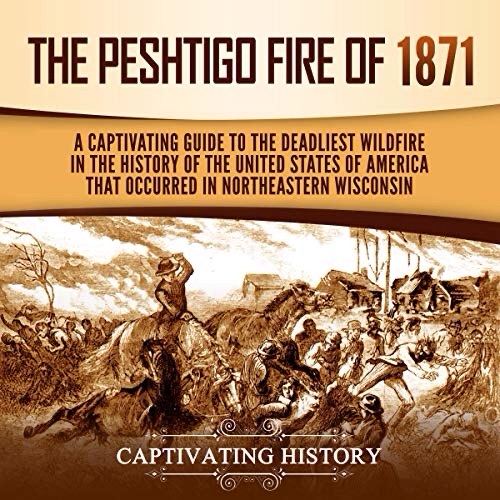
The details of the results of the conflagration are too grisly to go into here. But the scope of the disaster, and the coincidence in timing, make it a piece of history too fascinating to overlook.
*. *. *
1956. New York Yankees’ Don Larsen pitches only World Series perfect game. I remember that. I was just a kid, and baseball was a big deal in our household. It’s a record that has not yet been broken by a single pitcher.

*. *. *
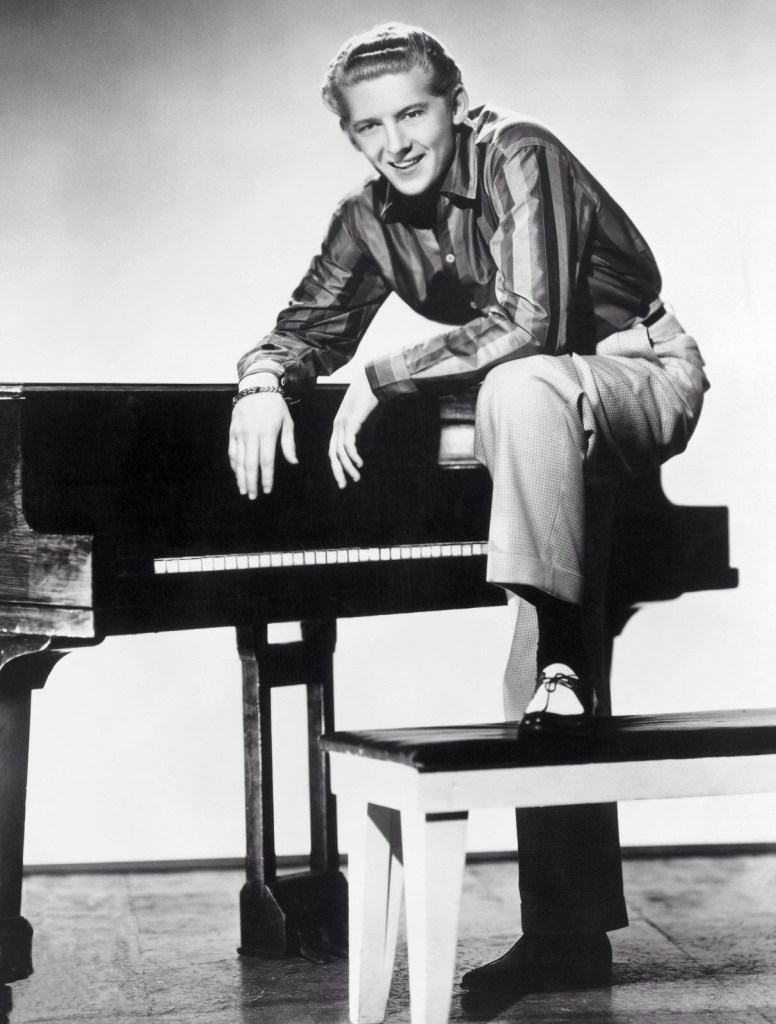
1957. Jerry Lee Lewis records “Great Balls Of Fire” in Memphis, Tennessee. Not sure why this is considered big news, but it was included in the list. Take it for what it’s worth.
*. *. *
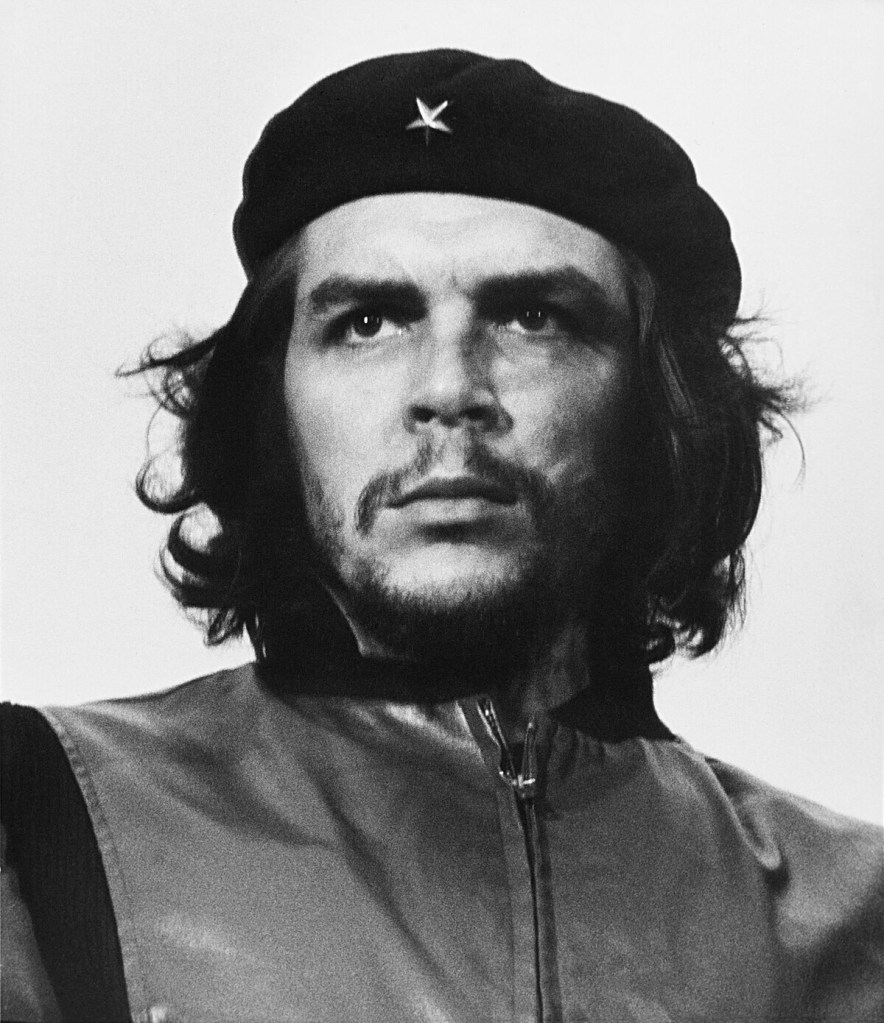
1967. Che Guevara captured by Bolivian army. Probably best remembered for his role in the Cuban Revolution of 1956-59, he was responsible for encouraging Fidel Castro to pursue his communist agenda. Thanks a lot, Che.
*. *. *
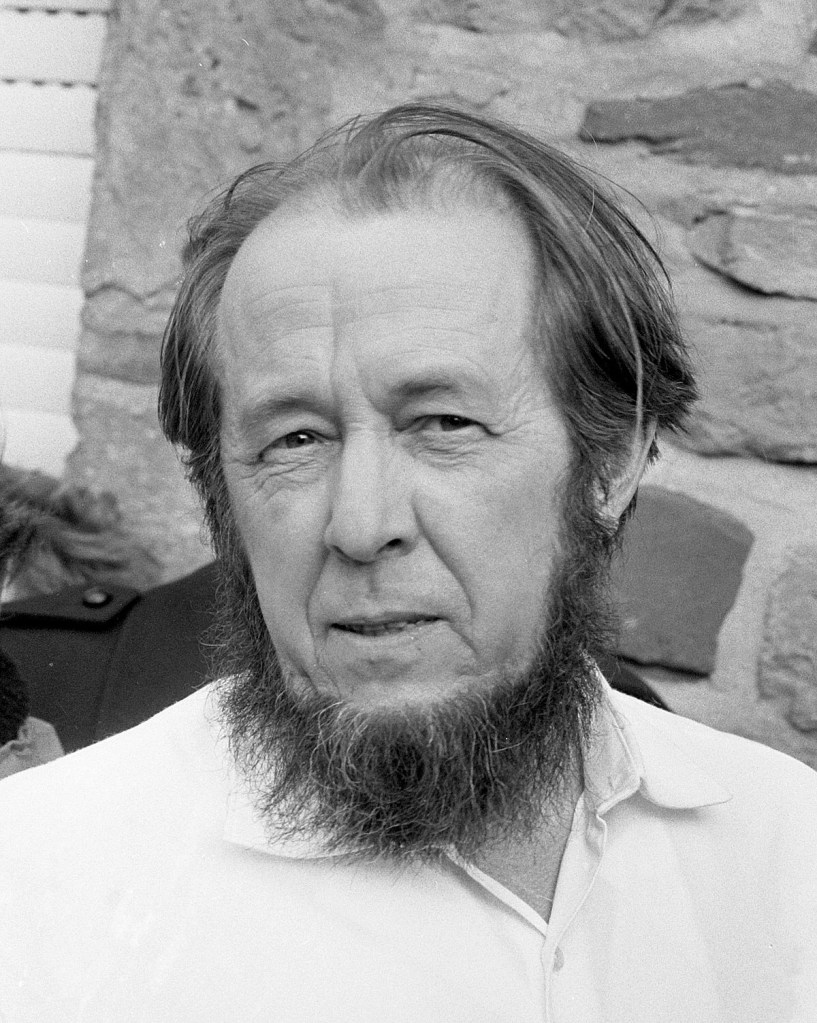
1970. Aleksandr Solzhenitsyn wins the Nobel Prize in Literature. It was awarded “for the ethical force with which he has pursued the indispensable traditions of Russian literature.”
Probably his best-known work was the epic Gulag Archipelago. For his criticism of the Stalin regime, he was arrested in 1945 at the age of 27, served eight years in Russian prisons and labor camps, and — upon his release in 1953 — was sent into “internal exile” in Asiatic Russia. He began writing secretly during that period; after Stalin’s death in 1953, he was released from exile and began writing openly.
But his work had to be secreted out of Russia for publication, and he was not allowed to personally accept his Nobel Prize in 1970. Finally, in 1974, he was expelled from the Soviet Union for treason, and moved to the United States. He returned to Russia in 1994, where he remained until his death in 2008 at the age of 89.
*. *. *
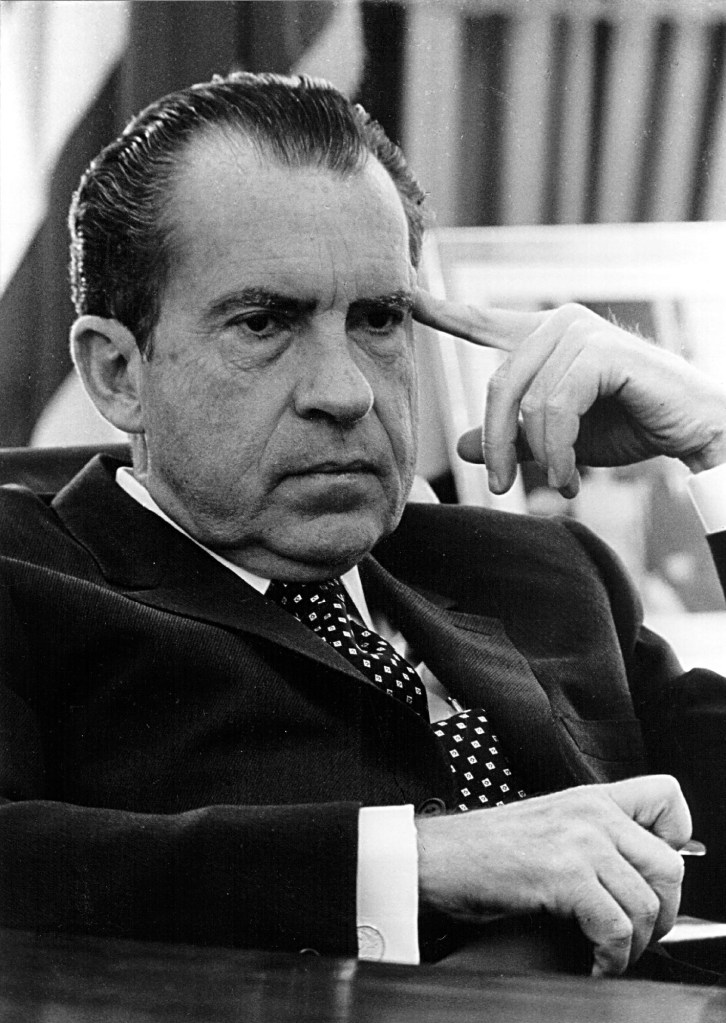
1970. Communists reject Nixon’s peace proposal. On the very day that Solzhenitsyn received his great honor from the Nobel Committee, Richard Nixon received a slap in the face from the North Vietnamese when they rejected his proposal to end the war in Vietnam, calling it “a maneuver to deceive world opinion.”
To the people of Vietnam, it seemed as though the fighting would never end. And when it finally did, it didn’t end well.
*. *. *
2001. The Office of Homeland Security is founded. This happened on October 8th, less than a month after the September 11th terrorist attacks in New York, Washington and Pennsylvania. Talk about being a little late closing that barn door . . . But to continue with yet another axiom, I suppose late is better than never.

*. *. *
Looking ahead in the list, I’m seeing nothing but bad news on this date: the first person in the U.S. to die of Ebola, in 2014; and something about a sweat lodge ceremony turned deadly in 2009. I’m not sure I even want to look into that one, so let’s end on the one remaining high note:
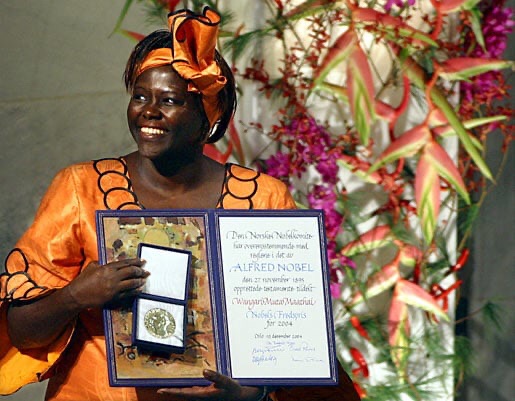
2004. Kenyan environmentalist and human rights campaigner Wangari Maathai wins Nobel Peace Prize. Ms. Maathai was born in 1940 to peasant farmers, and grew up in a rural community in Kenya. She was able to study in the United States, where she received bachelor’s and master’s degrees. In 1966, she returned home to Kenya to become the first woman in east and central Africa to earn a doctorate degree. She founded the Green Belt Movement in 1977, focused on reducing poverty and preserving the natural environment.
Accepting the Nobel Peace Prize in 2004, she addressed her people:
“My fellow Africans, let us as we embrace this recognition, let us use it to intensify our commitment to our people, to reduce conflicts and poverty and thereby improve their quality of life. Let us embrace democratic governance, protect human rights and protect our environment. I am confident that we shall rise to the occasion. I have always believed that solutions to most of our problems must come from us.”
Ms. Maathai died in 2011, at the age of 71, of complications from ovarian cancer. It’s unfortunate that she wasn’t given more years. That beautiful lady certainly left this world — or at least her corner of it — a better place than she found it.
Wouldn’t we all like to have that written about us.
Just sayin’ . . .
Brendochka
10/9/24

