On October 4th, I wrote about the recent election in Slovakia, and the unsettling political prospects for the country if the leftist Robert Fico is able to pull together a coalition party to lead the Parliament . . . the prospects, not only for Slovakia, but also for neighboring Ukraine, as well as the already disturbing political situations in the former Soviet Bloc countries of Hungary and Poland. I haven’t slept well since I began writing that piece.
And apparently, my concern has been similarly felt by a reader in Slovakia’s former “Siamese twin,” the Czech Republic. (Please note that I can’t bring myself to call it by its other name, Czechia, because of the similarity in pronunciation to Chechnya, a Russian republic in the Caucasus Mountains region headed by a brutal warlord, Ramzan Kadyrov. Any other alleged similarity between the two is completely ridiculous.)
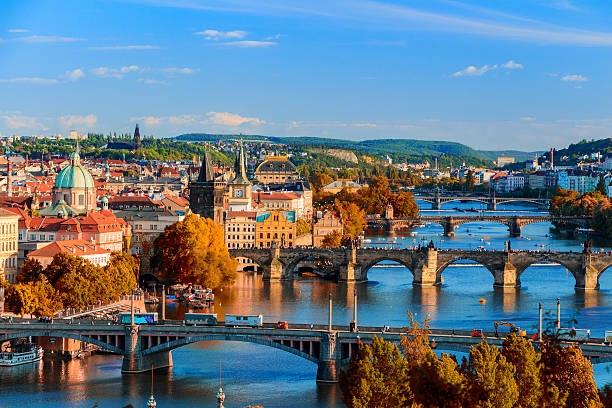
Anyway, that reader is from Prague: the beautiful city in which I spent an idyllic three months in the perfect summer of 1991. He was kind enough to comment on my post, but with information that I found truly disturbing:
“The Czech Republic is heading down the same path to hell. It was just a coincidence that the last elections turned out well. In two years, it won’t happen again, and the Czech Republic, led by the Slovak StB agent Babis, will follow the surrounding countries.”
He was referring, pessimistically, to Andrej Babis, a man with a fascinating — well, that’s one word for it — past.
Anyone who may have been following my blog from its early days may also recall that I devoted two long chapters (Nos. 11 and 12, dated 2/3/23 and 3/2/23) to “Golden Prague” – Parts I and II. That was Czechoslovakia as I fondly remember it, and as I expected it would still be now, some 32 years later. But if my reader from Prague is correct, there may be dark clouds on the Czech Republic’s political horizon. I’m not sure of the basis for his gloomy forecast as to Mr. Babis’ political future, but I did a little research into his background. (You didn’t expect anything less, did you?)
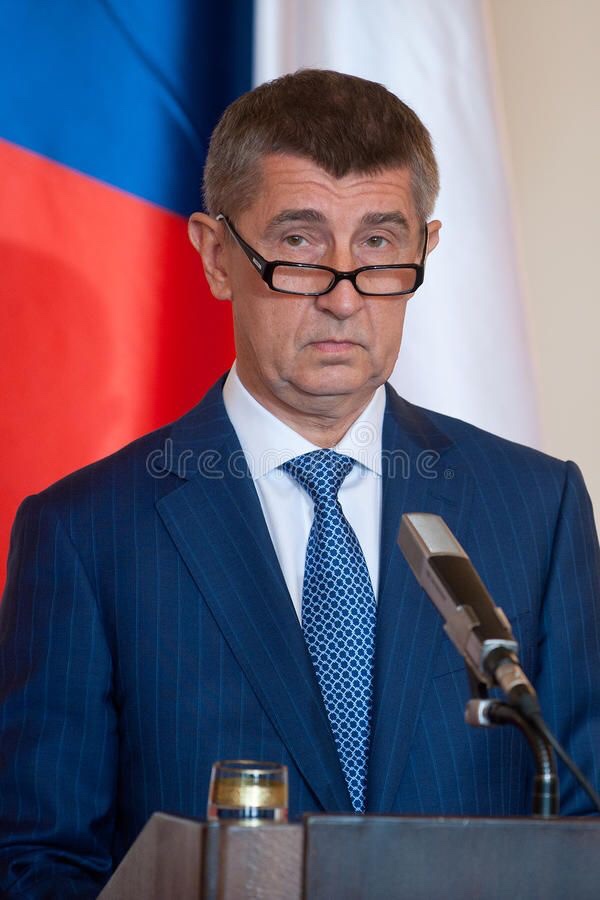
Now 69 years old, Mr. Babis was born in Bratislava, the current capital of Slovakia. However, until 1992, it was all part of the larger nation of Czechoslovakia, and so his nationality is Czech. Thus, he is entitled to hold office in the present Czech Republic — which he has already done. From 2014-17, he served as Minister of Finance and Deputy Prime Minister; and from 2017-21, he was the Czech Prime Minister, appointed by then President Milos Zeman.
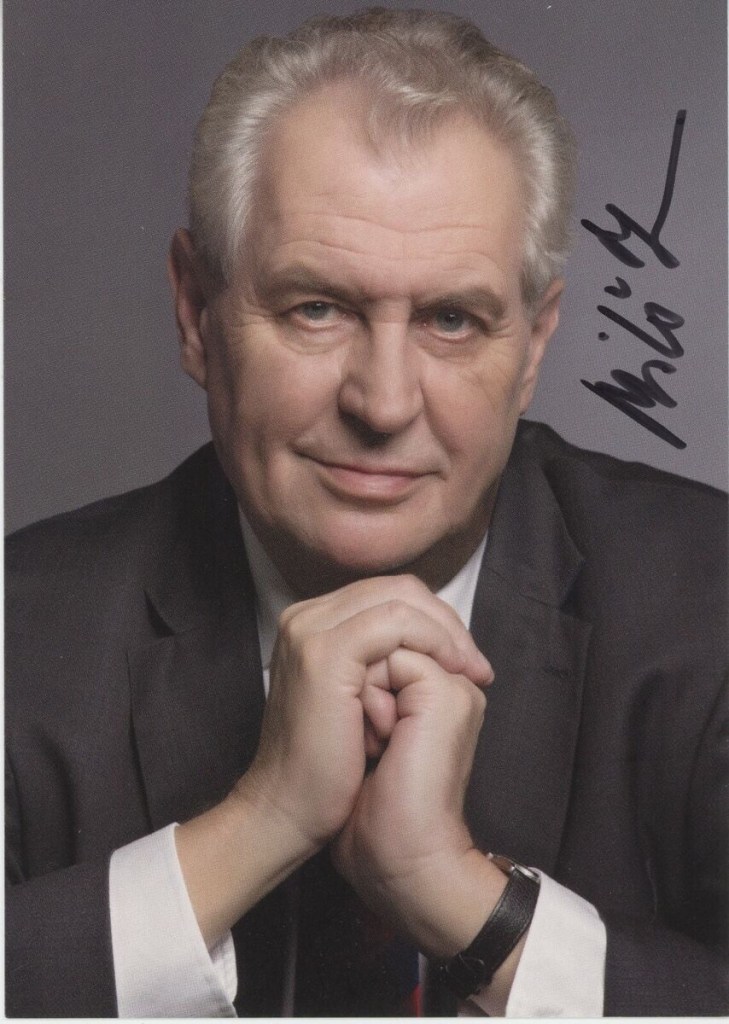
Prior to his government service, Babis had amassed a fortune (currently estimated at $3.7 Billion) as the owner of Agrofest, a huge holding company and one of the largest businesses in Slovakia. While in office, he was accused of being part of an informal power alliance with President Zeman and the Communist Party, perhaps because of his earlier history. Babis joined the Communist Party of Czechoslovakia in 1980. During the ‘80s, he is said to have been an agent of the StB: the Czechoslovak Secret State Security Service. He denies having knowingly been an StB agent, though it’s difficult to imagine how anyone could possibly be that unaware and still function. In any event, his legal challenges on that subject were unsuccessful. He was also said to have been “in contact with” the Soviet KGB, which, as an StB agent, would not have been unusual.
During the years of Communist rule in the Eastern European countries that had been forcibly drawn into the Soviet Bloc, only a small minority of citizens became members of the Communist Party. These were mostly the individuals who held high party offices and enjoyed special privileges such as better housing and access to Western consumer goods. As a party member and an StB agent, Babis certainly would have fit this profile.
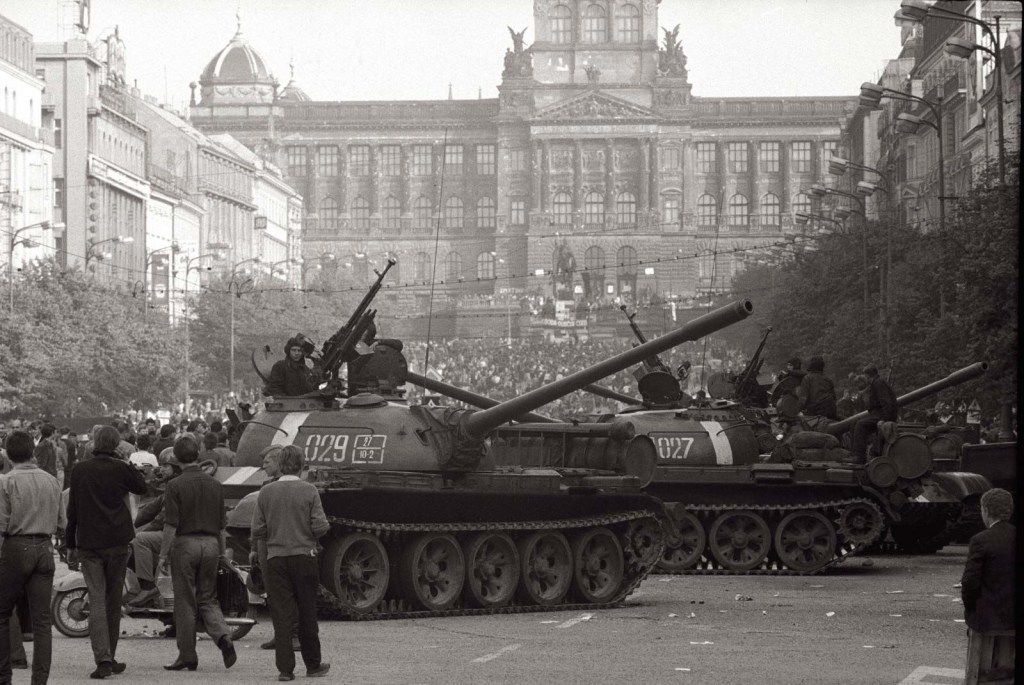
So it is likely on the basis of all of this information, and probably more, that my reader has become so concerned about Babis’ again running for high office in the Czech Republic . . . and understandably so. Another left-leaning Prime Minister in the Central/Eastern European region is more than a little worrisome; but much would also depend on whether there is a more moderate candidate who could defeat him. My reader would obviously know more about that than I do.
Caution is always warranted, of course, and Babis’ political moves need to be watched. And in the meantime, we also need to keep a close eye on those surrounding countries. The bad stuff in life seems to have a way of spreading; and if Babis, or someone like him, should win the office in the next election, the door to Prague would be wide open.
Just sayin’ . . .
Brendochka
10/10/23
 The Blog About Everything … and Sometimes Nothing