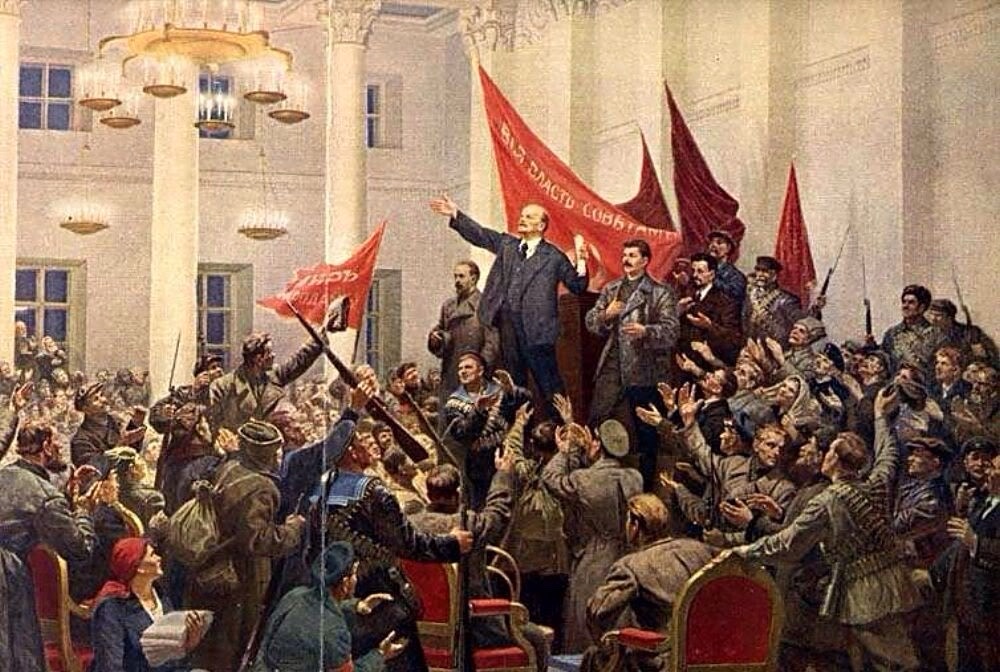
Most of us know about the 1917 Bolshevik Revolution that overthrew the centuries of Tsarist rule in Russia and ushered in 74 years of communist control and the creation of the Soviet Union.
Depiction of Vladimir Lenin and the 1917 Revolution
But how many have heard of an earlier revolt that became known as the Blood Sunday Massacre?
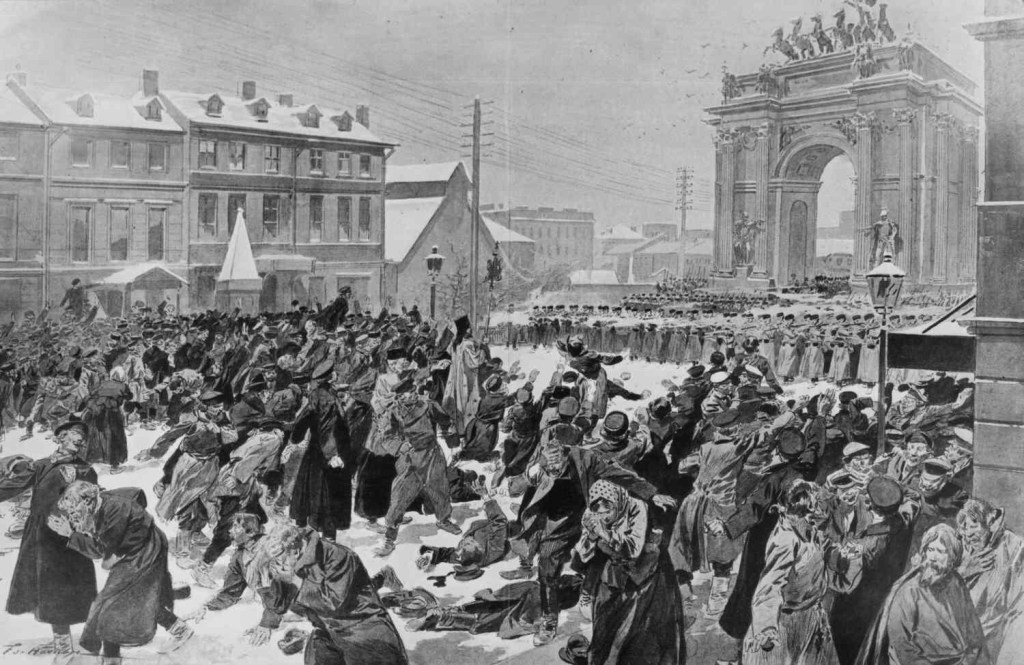
On January 22, 1905 — with Russia in the midst of a losing war against Japan, and general unrest among the populace due to poor living conditions, government corruption and authoritarian rule — a group of workers led by a radical priest, Georgy Apollonovich Gapon, marched to the Winter Palace in St. Petersburg with a list of demands. Instead of the negotiation they were seeking, they were met with gunfire from the Imperial forces.
Hundreds were killed and wounded. In response, strikes and riots broke out throughout the country, forcing Tsar Nicholas II to promise the creation of a series of representative assemblies known as Dumas, to work toward reform. [“This Day in History, History.com, January 22, 2026.]
Bloody Sunday – January 22, 1905
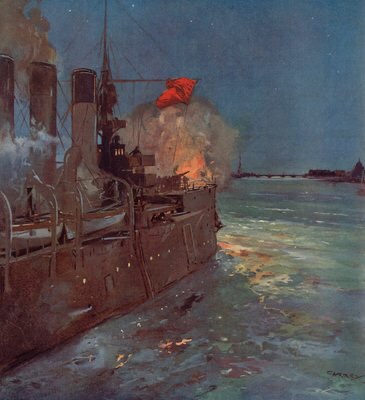
But the promised changes failed to materialize. And during the next decade, revolutionary groups began to form, including Vladimir Lenin’s Bolsheviks, until — on October 25, 1917 (old calendar) — that first blank shot was fired from the AURORA in St. Petersburg, signaling the start of the revolution that changed the world forever.
The Opening Volley from the AURORA – 1917
“Bloody Sunday” was a sort of rehearsal for the real thing, and while it didn’t seem at the time to have accomplished anything, it was the first step in the Russian people’s march toward what they hoped would be a better life. But there are two, antithetical lessons to be learned from that day:
First, you gain nothing if you don’t try; and even though the desired result may not be immediate, any effort is better than doing nothing; and
Second, be careful what you wish for. As it turned out for the Russians, the next 74 years were just a different kind of hell.
A Different Kind of Despot
But that doesn’t mean we shouldn’t keep trying. We just need to be sure, before destroying what we have, that there is something better waiting to take its place.
The short answer is: It didn’t. It hasn’t. And it probably won’t . . . unless ICE marauders begin inciting trouble and breaking the law as they have everywhere else they’ve shown up.
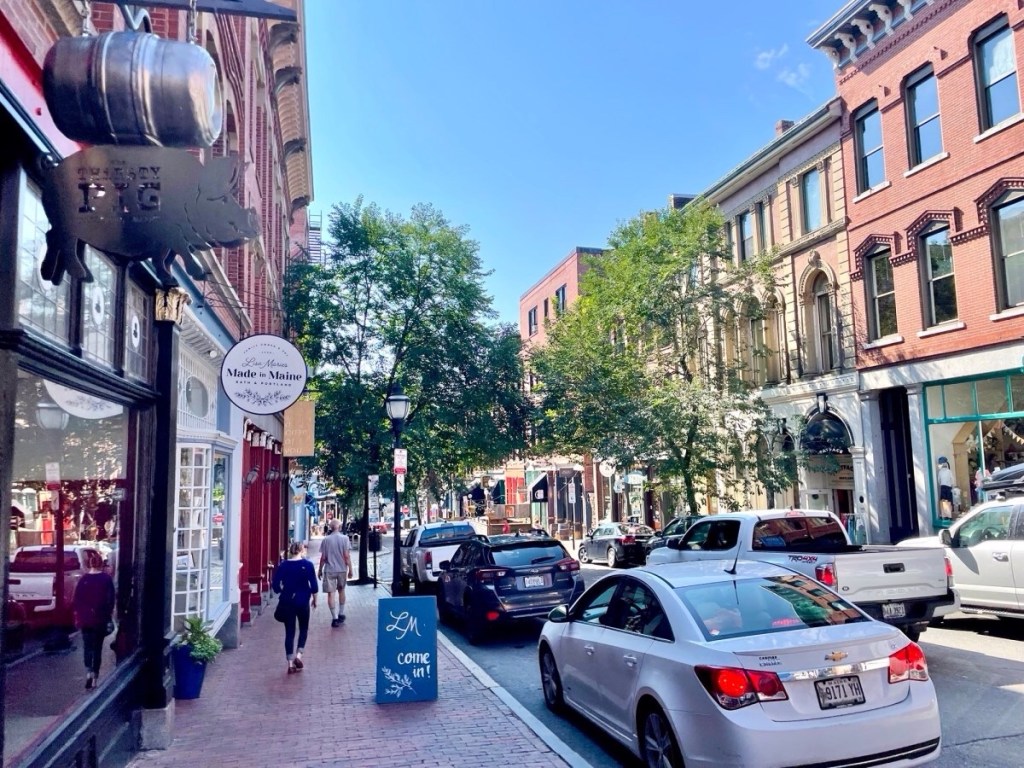
“Crime-ridden” Portland, Maine
In fact, Maine is considered the fourth safest states in the nation, with a crime rate that has fallen steadily over the last four years.
Some 56,000 to 66,000 of the state’s residents — fewer than 5% of the total population — are foreign-born, with the largest share of those being from Canada. It is one of the loveliest corners of the world, and a wonderful place to raise a family and live in peace (if you like snow and lobster . . . and even if you don’t).
But it’s a “blue” — meaning primarily Democratic — state, which makes it a target of Trump’s goon squad. And now he has launched “Operation Catch of the Day” — apparently a snide reference to the local fishing/lobstering industry — turning his federal agents loose on the innocent population in their search for the “worst of the worst criminal illegal aliens.” [Morgan Womack, Portland Press Herald, January 21, 2026.]
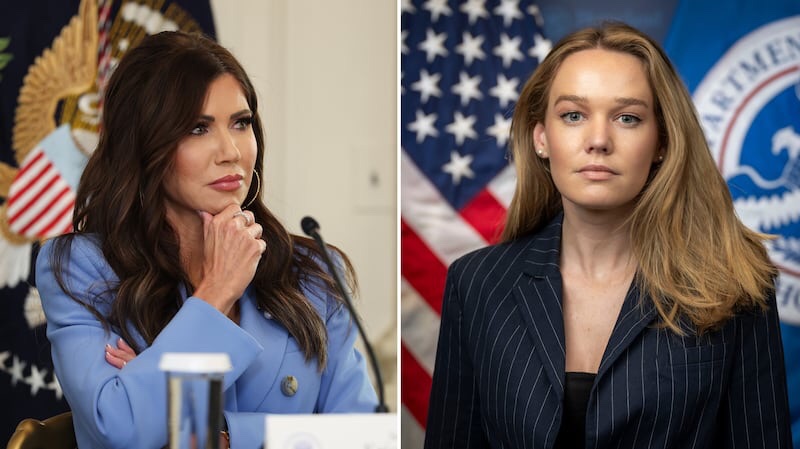
DHS Assistant Secretary Tricia McLaughlin issued a statement, saying:
“Governor Mills and her fellow sanctuary politicians in Maine have made it abundantly clear that they would rather stand with criminal illegal aliens than protect law-abiding American citizens.” [Id.]
Two Faces of MAGA: Kristi Noem and Tricia McLaughlin
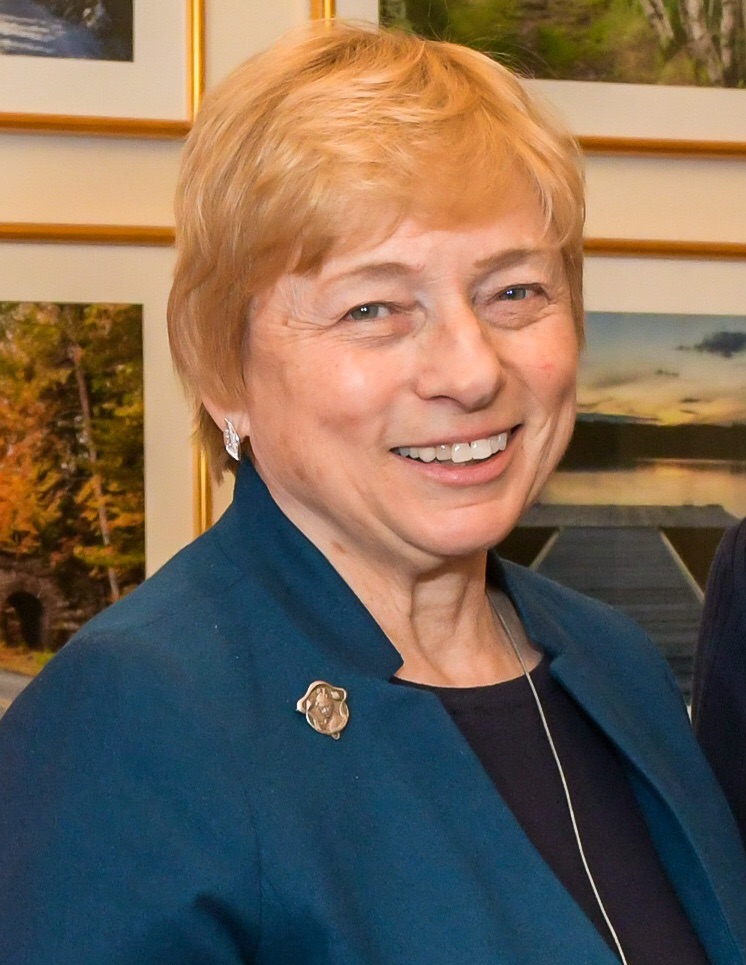
What Governor Mills actually did was encourage the people of Maine to know their rights, and — if they planned to exercise their constitutional right to protest — to do so peacefully.
Governor Janet Mills
And incidentally, Maine is not considered a “sanctuary” state, according to the Justice Department’s own list of sanctuary jurisdictions. [Justice.gov, as of August 5, 2025.] So, it’s just more bullshit from Kristi Noem’s DHS to cover their own backsides and justify their brutal, illegal rampages.
Since the first day of “Operation Catch of the Day,” people in places such as Portland and Lewiston have reported seeing masked agents, unmarked cars, and immigration detentions. Attendance at Portland schools is down; business owners are preparing for possible invasions by immigration officers; and neighbors are alerting one another if they see any ICE activity.
According to McLaughlin’s statement, ICE agents have arrested four people in Maine, accused of committing such heinous crimes as aggravated assault and driving under the influence of alcohol — not federal offenses to begin with, and clearly not the “worst of the worst.”
But, whether it’s Portland, Oregon to the west, or Portland, Maine on the east coast, if it’s not in one of Trump’s “red” Republican states, then it’s fair game . . . unlike Texas, for example, which is crawling with immigrants and criminals (not necessarily one and the same).
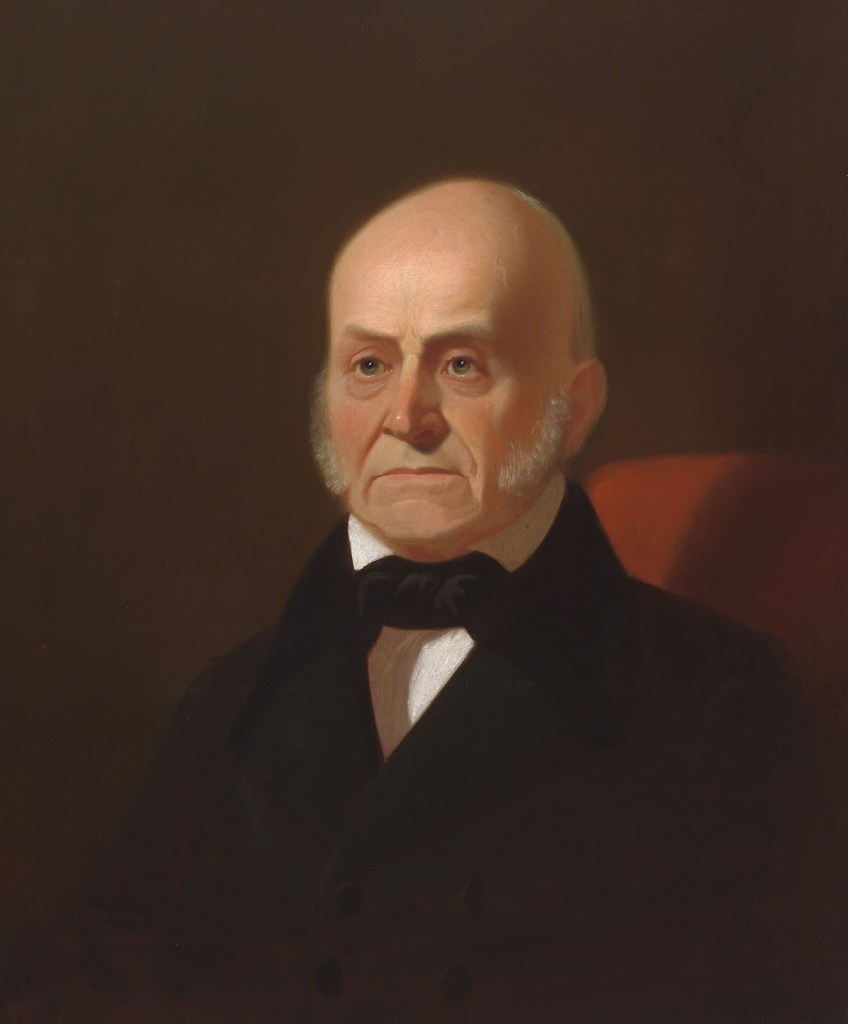
I’ve been around for quite a few decades, and I remember with longing a kinder, gentler America: one based on principles such as this one, expounded by the nation’s sixth president, John Quincy Adams:
“America . . . goes not abroad, in search of monsters to destroy. She is the well-wisher to the freedom and independence of all.”
John Quincy Adams (1767-1848)
As we approach our 250th anniversary, we have a great many accomplishments to be proud of . . . and, especially lately, much to be ashamed of.
Wouldn’t this be a good time to honor our past as a means to preserving our future?
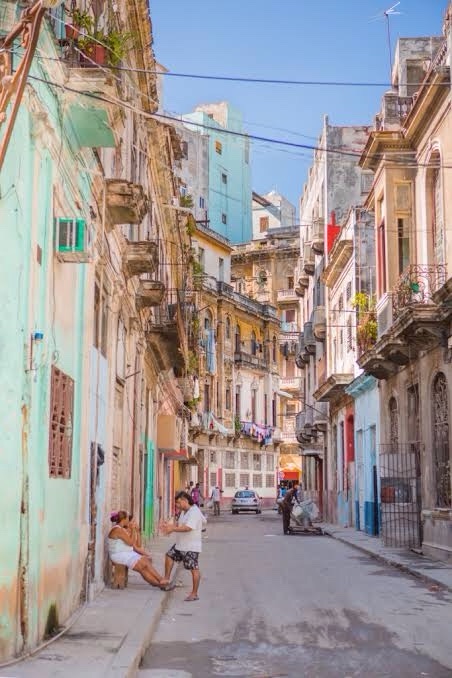
Now that he’s cut off oil and other imports from Venezuela, thus sending Cuba’s economy into further free-fall, Donald Trump is ready to step in and take over.
The Back Streets of Havana
Under the guise of wanting to help the island nation rid itself of its disastrous communist rule, he sees another piece of property to add to the empire of his dreams . . . this one just 90 miles from the Florida coast. On January 11th, he posted on social media:
“I strongly suggest they [Cuba] make a deal. BEFORE IT IS TOO LATE. . . . NO MORE OIL OR MONEY.” [Jose de Cordoba, Vera Bergengruen and Deborah Acosta, Wall Street Journal, January 21, 2026.]
And an unnamed White House official has said:
“Cuba’s rulers are incompetent Marxists who have destroyed their country, and they have had a major setback with the Maduro regime that they are responsible for propping up.” [Id.[
The U.S. State Department has also chimed in with a statement that it is in America’s national security interests for Cuba “to be competently run by a democratic government and to refuse to host our adversaries’ military and intelligence services.” [Id.]
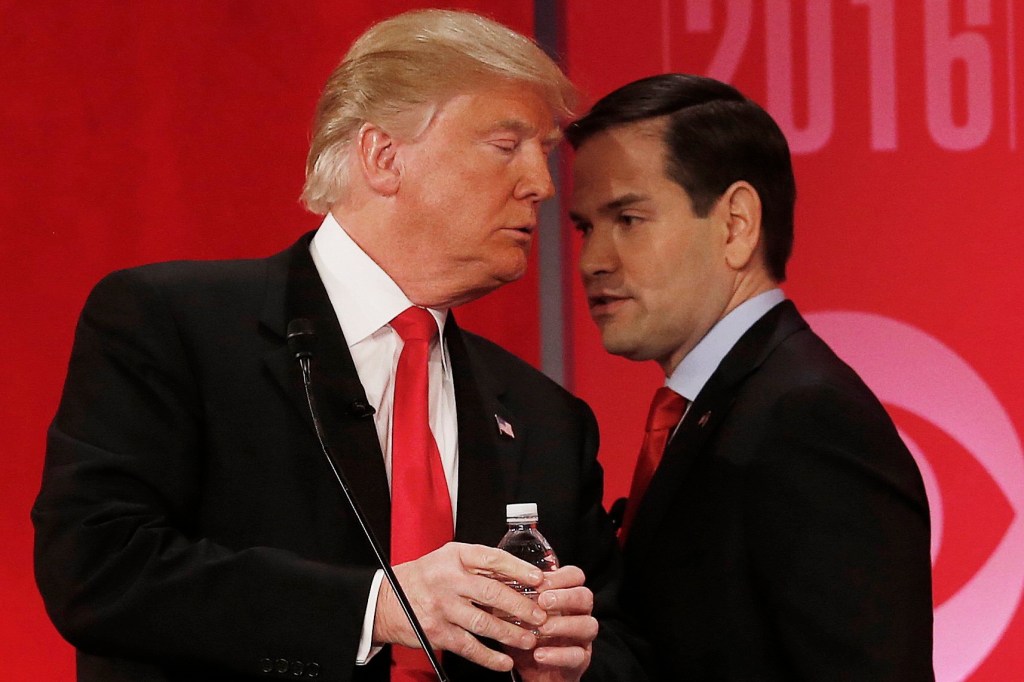
Donald Trump and Marco Rubio
But what, you may ask, would Trump want with 42,000 square miles of ruin that would cost untold amounts of money to rebuild?
Well, first there is its strategic location. Having control of Cuba would prevent another missile crisis like the one in 1962, when Nikita Khrushchev nearly started World War III. A U.S. military presence there would be a legitimate defensive advantage, as well as a deterrent to those drug runners Trump is so hell-bent on wiping out of existence.
There is also potential for the revitalization of Cuba’s agricultural and industrial production, including petroleum, nickel, cobalt, tobacco and sugar. And its tropical climate makes it an ideal tourist attraction, as it was prior to the revolution of 1959.
Havana Night Life, Pre-1959
Just imagine what a brand new Trump Resort and Golf Club would do for the economy!
So there is much to be said for the idea of “encouraging” regime change in Cuba. But there is also a major political problem: Russia remains Cuba’s leading creditor, and the two countries maintain close economic and political ties. There is still a Russian military presence on the island. Russia has an embassy in Havana and a consulate-general in Santiago de Cuba; Cuba has an embassy in Moscow and an honorary consulate in St. Petersburg. Following Russia’s illegal annexation of Ukraine’s Crimean Peninsula in 2014, Cuba recognized it as part of Russia. Cuba has also blamed the United States for the current crisis in Ukraine, and supports Russia’s right to “self-defense” against NATO expansion, stopping just short of actually endorsing the 2022 invasion.
Furthermore, around 55,000 people of Russian descent presently live in Cuba. And, like the (coincidentally) 55,000 people who comprise the total population of Greenland, they may take exception to the idea of becoming citizens of the United States, though for a different reason.
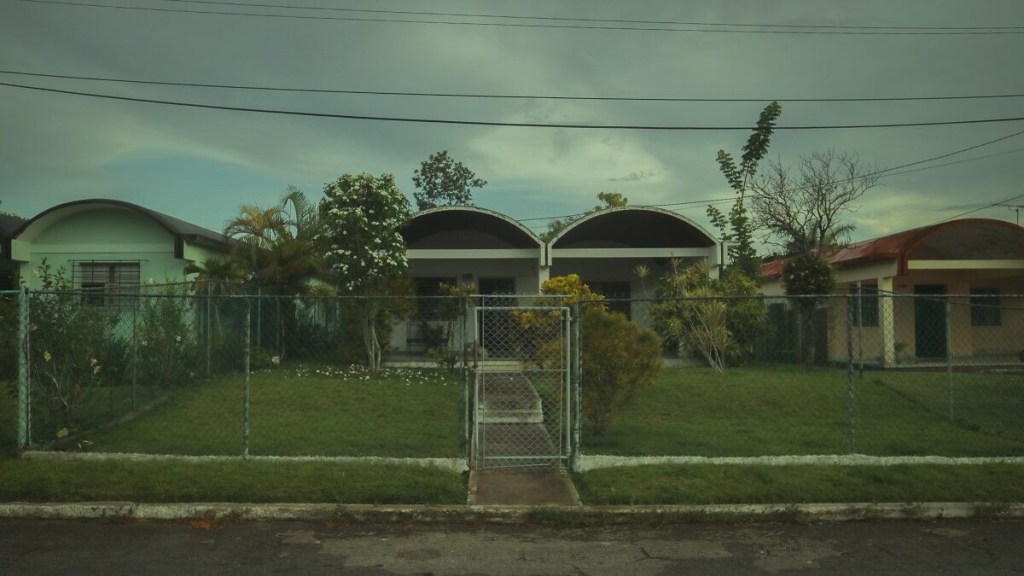
Russian Enclave in Havana, Cuba
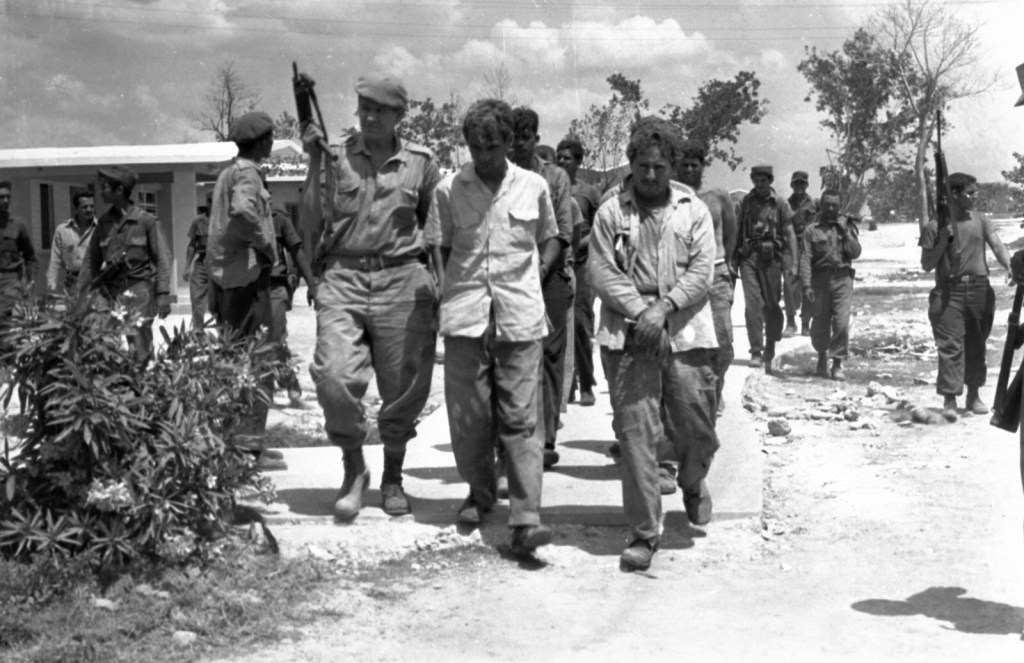
So, if Trump decides to attempt an overthrow of the Cuban regime, he will be running head-first into Vladimir Putin. And he might do well to find someone with an actual knowledge of history to educate him on that little dust-up in 1961 known as the “Bay of Pigs” fiasco.
Well, well, well . . . it appears that both sides blinked. It’s just hard to tell who blinked first.
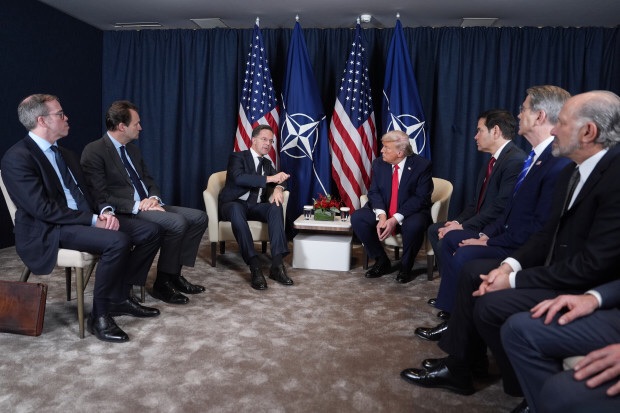
Meeting at Davos – January 21, 2026
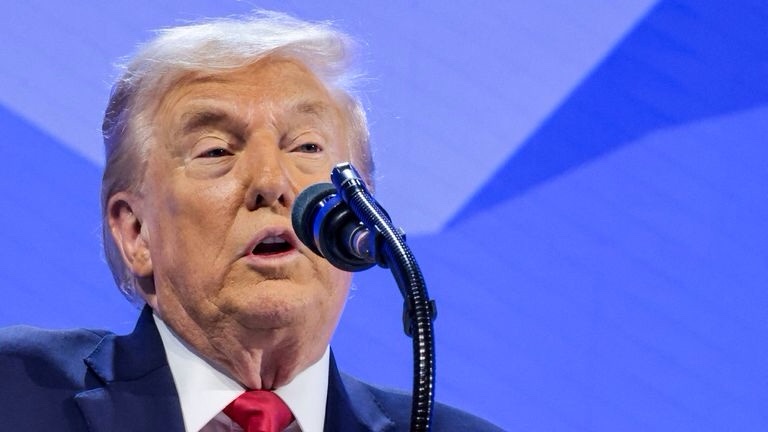
Speaking to a packed house of billionaires and world leaders for over an hour — during which he referred to Greenland as “Iceland,” not once, but four times * — Donald Trump had very little to say about housing affordability (which was supposed to have been his principal focus), but a lot about his expansionist ambitions for the United States (which is what he had intended all along). He regaled his audience with grandiose, sometimes threatening, and often confusing comments such as:
“We probably won’t get anything [referring to Greenland] unless I decide to use excessive strength and force where we would be, frankly, unstoppable. But I won’t do that. Now everyone’s saying, ‘Oh, good.’ That’s probably the biggest statement I made, because people thought I would use force. I don’t have to use force. I don’t want to use force. I won’t use force.” [Alexandra Hutzler, Hannah Demissie and Isabella Murray, ABC News, January 21, 2026.]
Question: Then why have you been threatening an invasion, causing havoc throughout Europe and the entire world? Answer: To scare them into submission, which is what bullies always do.
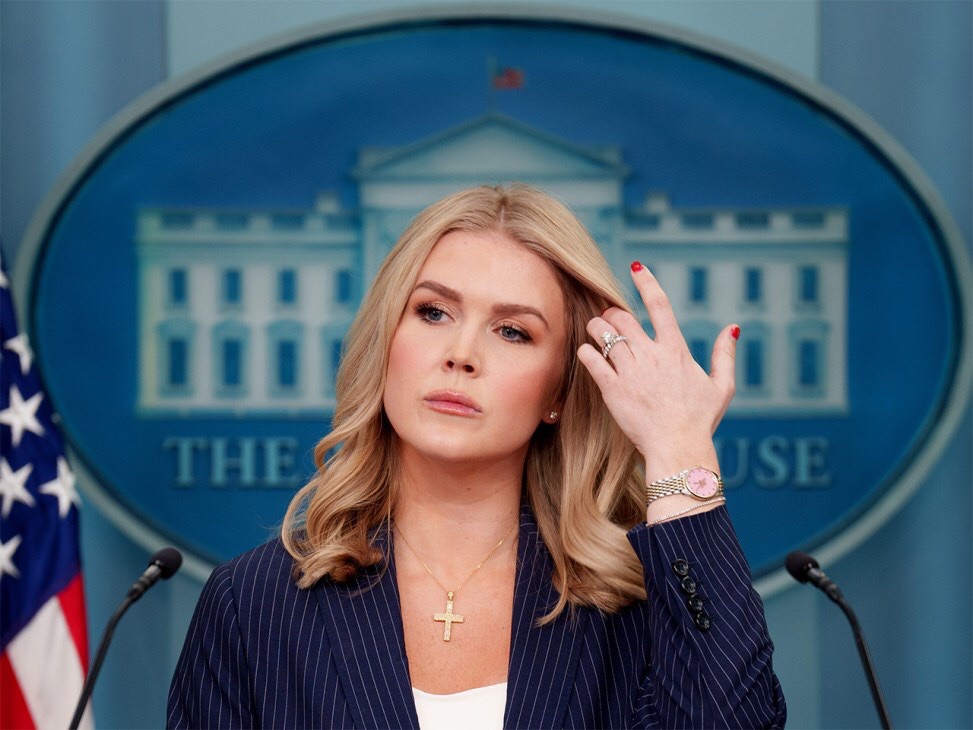
* Always good for a laugh, White House Press Secretary Karoline Leavitt later denied — despite everyone in the room having heard it — that Trump had confused Greenland with Iceland, saying, “No, he didn’t,” but claiming that he had simply referred to Greenland as “a piece of ice.”

Leavitt truly gives new meaning to the term “dumb blonde.”
Karoline Leavitt
And Trump continued:
“I have tremendous respect for both the people of Greenland and the people of Denmark, tremendous respect. But every NATO ally has an obligation to be able to defend their own territory, and the fact is, no nation or group of nations is in any position to be able to secure Greenland other than the United States. We’re a great power.” [Id.]
Following Trump’s speech, Danish Foreign Minister Lars Lokke Rasmussen said that, while retracting the threat of military force was a “positive” step, it still “does not make the problem go away. What was quite clear after his speech is that the president’s ambition is intact.” [Id.]
And Trump had already confirmed that point when he said:
“We want a piece of ice for world protection, and they won’t give it. We’ve never asked for anything else . . . So, they have a choice. You can say yes and we will be very appreciative, or you can say no and we will remember.” [Id.]
The Speech at Davos – January 21, 2026
*. *. *
Then he sat down with NATO Secretary General Mark Rutte, whose job of keeping peace with the Trump administration has not been an easy one. And following that meeting, Trump posted on Truth Social that it had been a “very productive meeting,” and that they “have formed the framework of a future deal with respect to Greenland.” [BBC, January 21, 2026.]
He added: “This solution, if consummated, will be a great one for the United States of America, and all Nato [sic] Nations.
“Based upon this understanding, I will not be imposing the Tariffs that were scheduled to go into effect on February 1st. Additional discussions are being held concerning The Golden Dome as it pertains to Greenland.
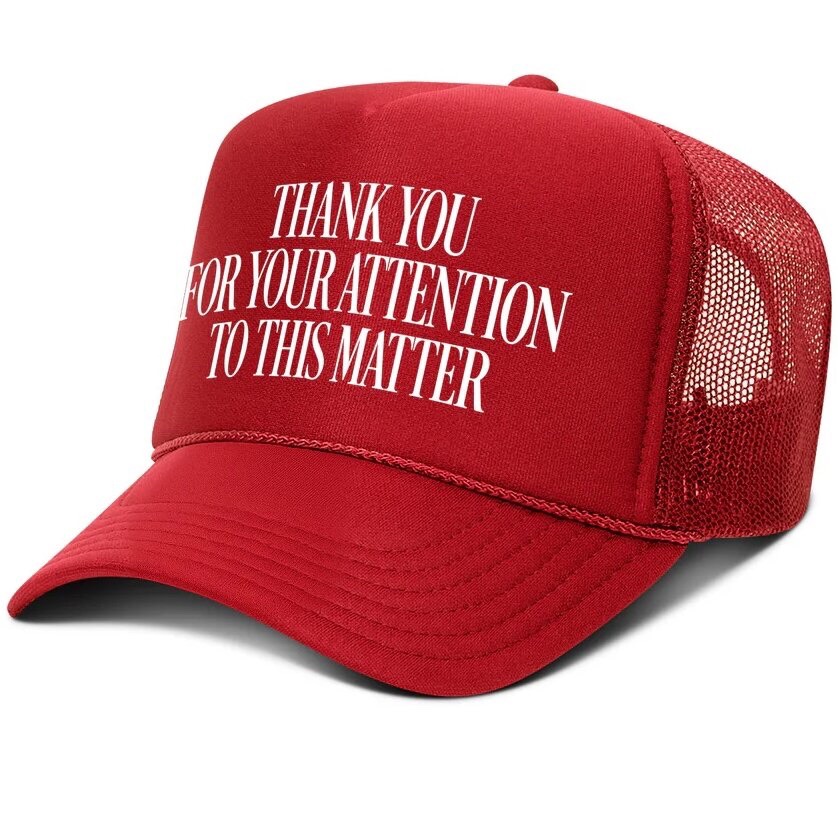
“Further information will be made available as discussions progress. Vice President JD Vance, Secretary of State Marco Rubio, Special Envoy Steve Witkoff, and various others, as needed, will be responsible for the negotiations — They will report directly to me. Thank you for your attention to this matter!” [Id.]
*. *. *
Along the way, Trump also claimed that he only wants Greenland for reasons of security, and not for its wealth of minerals. Of course, he also said his attack on Venezuela was about drugs, not oil . . .
But we don’t yet know what the “framework of a future deal” included, or what will come of the ongoing discussions. Meanwhile, Greenlanders continue to await word of their fate.
And Donald Trump will crow about his great victory at Davos, and how he has made the world more secure and saved millions more lives by not invading a nation of 55,000 people.
And brought another $18 trillion dollars in investments into the U.S. Treasury.
Many (if not most) of us have been thinking recently, more than we ever expected to, about the nature of tyranny, authoritarianism, and imperialism. And it seems to me that, in the simplest of terms, they most often derive from a combination of greed, narcissism driven by a deep-seated insecurity, and a resultant need to prove oneself superior.
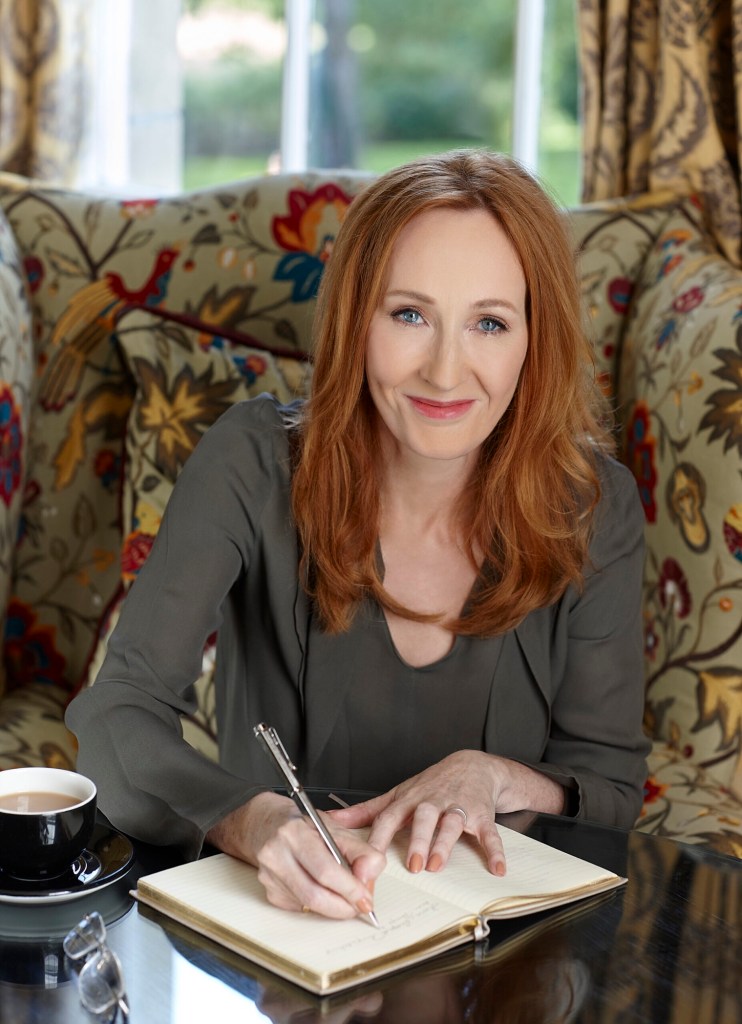
And it is that insecurity that will get them in the end. As British author J.K. Rowling wrote:
“Voldemort himself created his worst enemy, just as tyrants everywhere do! Have you any idea how much tyrants fear the people they oppress? All of them realize that, one day, amongst their many victims, there is sure to be one who rises against them and strikes back!”
– J.K. Rowling, “Harry Potter and the Half-Blood Prince”
J. K. Rowling
And that realization, in turn, impels them to continue along the path to what they see as their only means of self-preservation, but is in reality the seed of their ultimate destruction.
All that is needed now is that one — or the many — with the courage to rise up and strike back.
In 1965, Tony Bennett recorded an album that included a song titled “If I Ruled the World,” the second verse of which went like this:
“If I ruled the world, Every man would be as free as a bird, Every voice would be a voice to be heard, Take my word we would treasure each day that occurred.”
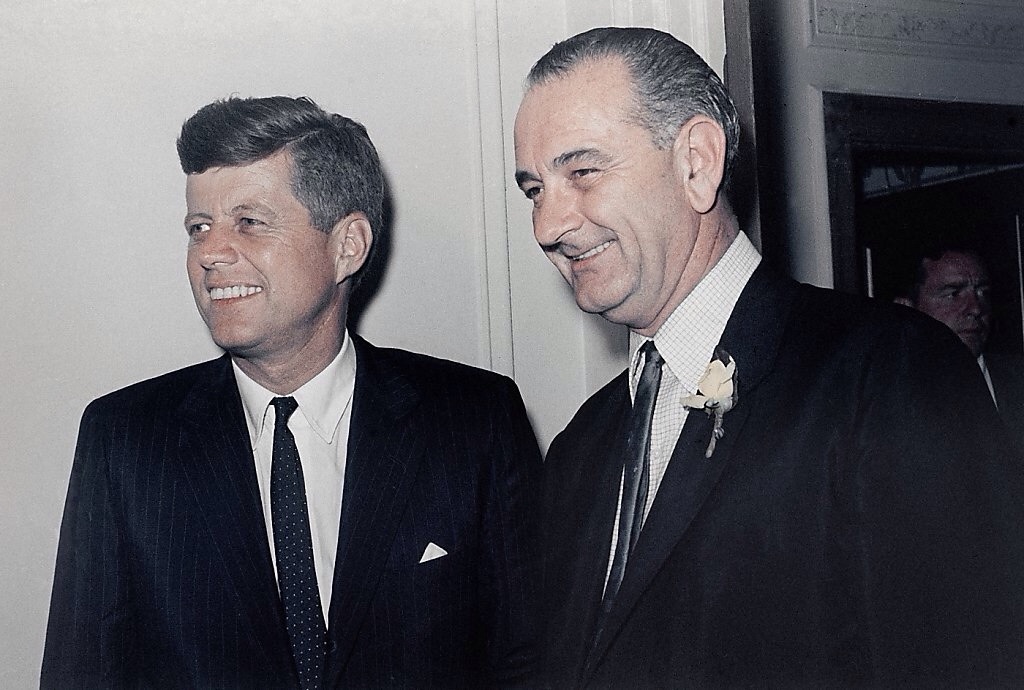
The ‘60s were a decade of youthful exuberance and hope for the future . . . a time when authors, lyricists, poets and singers wrote and sang of freedom, peace, love and brotherhood . . . a time when John F. Kennedy spoke of Camelot and a “New Frontier”, and Lyndon Johnson carried forward JFK’s ideals with his “Great Society,” focused on economic equality, civil rights, improved education, and healthcare for everyone.
JFK and LBJ: An era of hope for the future
Perhaps we were a little naive, a bit unrealistic in our idealism. Camelot wasn’t real; but democracy was, and respect was, and love of country was. We weren’t perfect; but we were united in a fight against totalitarianism, against the evils of autocracy, against those who would destroy the greatest form of government yet devised by mankind.
And we were joined with our allies in protecting freedom throughout the world by means of an organization known as the United Nations. In 1965, it was just 20 years old; today, it has served to keep the world a safer place for 80 years. But now, there is one who would destroy it.
Not satisfied with his horrific invasion of Venezuela, or his mania to “own” Greenland and absorb Canada, Donald Trump has now formed a “Board of Peace,” whose charter would seek to “solidify peace in the Middle East,” and also to “embark on a bold new approach to resolving global conflict.” [Julian Borger, The Guardian, January 19, 2026.]
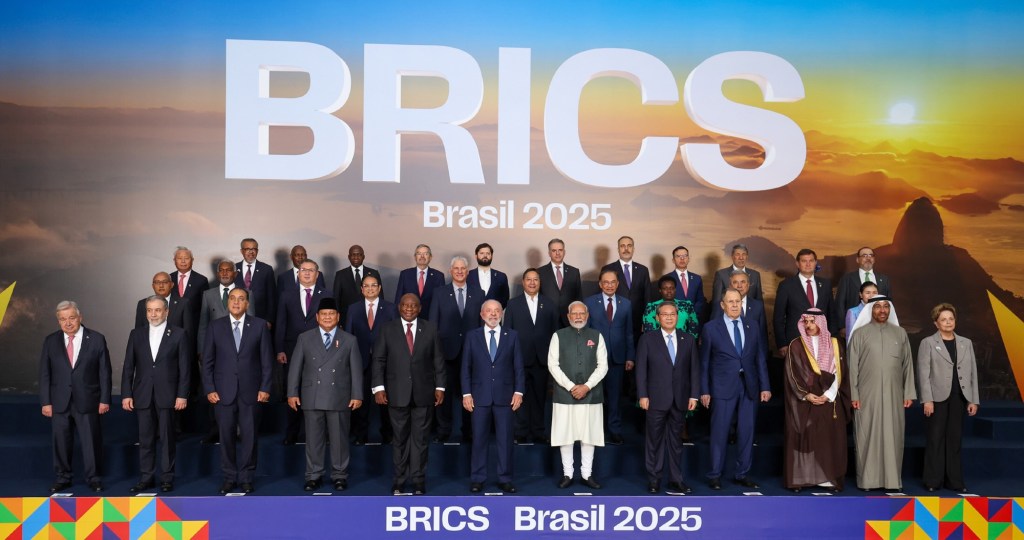
Initially comprised primarily of American government officials and private industry leaders, with Trump himself serving as the inaugural chairman and having authority over membership decisions, invitations have also gone out to the heads of a number of governments around the globe — many of them being authoritarian regimes that have no more interest in peace than Trump himself does. Indeed, several are already members of, or applicants for membership in, Vladimir Putin’s brainchild, BRICS.
On Monday, in a personal exchange with a friend after reading about this so-called “Board of Peace,” I mused: “Is he [Trump] trying to form an alternative UN? Or is he just living in an alternate universe?” And my friend wrote back: “Both?”
Invitations have, of course, also gone out to America’s traditional allies. And now European sources have said that the mandate of the Board is expanding, and — echoing the concerns expressed between my friend and me — that “Trump appears to see it as a vehicle to resolve other conflicts and shape international events, according to several European officials.” [Ania Nussbaum, Josh Wingrove and Samy Adghirni, Bloomberg, January 20, 2026.]
A United Nations of Autocrats.
No one can yet predict whether this latest vainglorious notion of Trump’s will actually materialize. Despite his assertions that he has made the U.S. the “most respected” nation in the world, the opposite is true. I can’t imagine our traditional allies being taken in by anything he proposes at this point . . . and least of all if Russia, China, Belarus, or any of the other authoritarian regimes decide to accept their invitations.
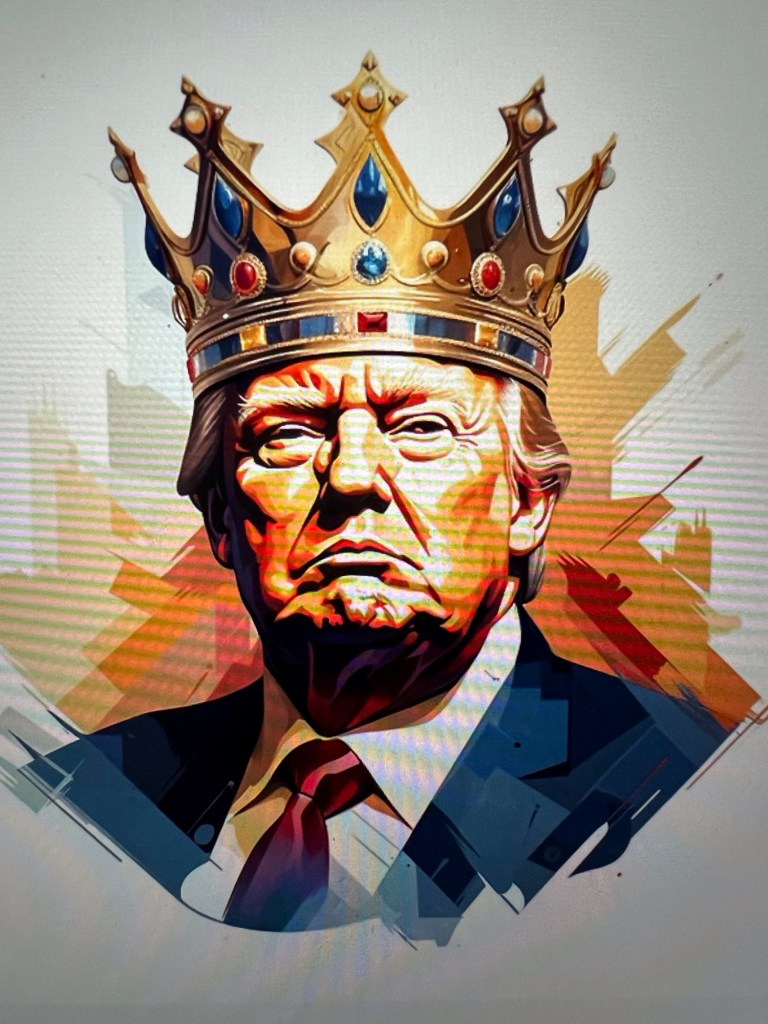
But what is becoming apparent is that, in his drive to undermine — and possibly destroy — NATO and the UN itself, Trump is seeking to offer the world an alternative “peace-keeping” body, with himself at the helm. He knows his current term as president is finite. But why settle for being “king” of just one country for a few years, when he could conceivably rule the world for the rest of his life?
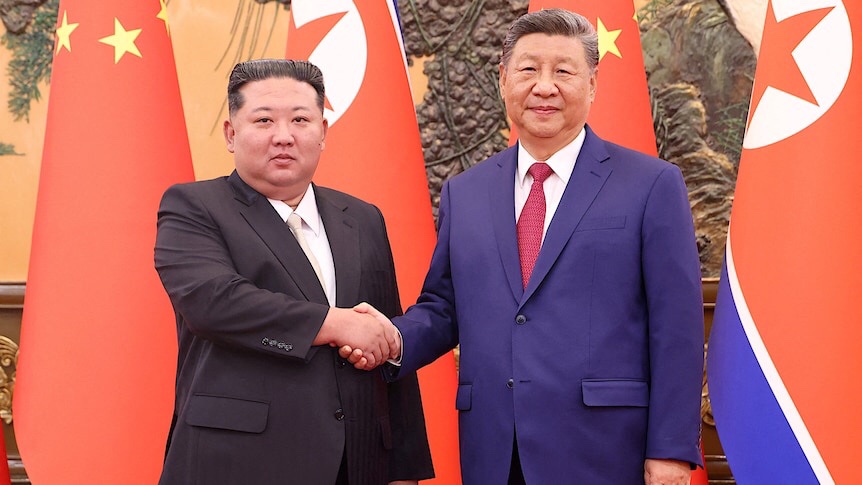
In my earlier post today — “Starting From Scratch: What Does the Future Hold for Gaza?” — I expressed my surprise that Donald Trump had not invited China’s Xi Jinping or North Korea’s Kim Jong Un to join his proposed “Board of Peace.”
Kim Jong Un and Xi Jinping: Birds of a Feather
As it turns out, Xi has indeed been invited. So, add another name to the list of authoritarians whom Trump would like to include in his new-world-order substitute for the United Nations.
On this one-year anniversary of you-know-who moving back into the White House, I’ve decided to take a break from politics for a few hours and look instead at what’s going on in the rest of the world: specifically, with my two favorite Russian-emigre families, the Canadian Feenstras (currently in Ontario) and the Australian Pulleys (holding down the fort in Nizhny Novgorod).
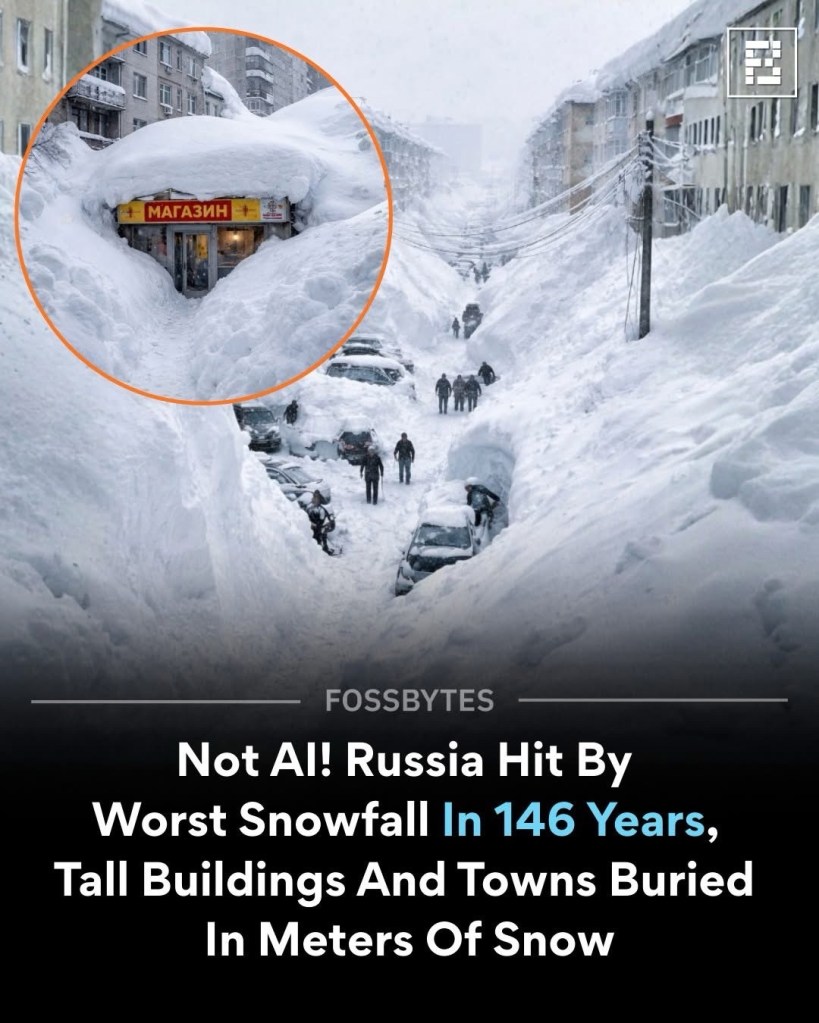
Not surprisingly, since it is January and the two locations are situated at nearly the same northern parallel, the common denominator is snow . . . and lots of it. But their lives couldn’t be any more different at the moment.
Let It Snow . . .
While the Feenstras celebrate son Eli’s eighth birthday with a day at the bowling alley, followed by a party at home featuring a figure-8-shaped cake baked by Nana and gifts of Legos, trucks and books:
. . . the Pulleys — with the farm buried in two feet of new-fallen snow and temperatures falling to -20 C. — dig their way out in order for Jason to be able to help a friend who lives at some (unspecified) distance, who is having to deal with the local police authorities. As he explains, she is not in trouble with the law; but her house, which had previously been shot at by a person or persons unknown, has now also been set afire while she was at home.
He didn’t go into further detail as to the extent of the damage, though fortunately no one was injured. But a police investigation in Russia has to be a scary thing, and the victim is lucky to have a friend like Jason to help her through it.
I do hope he follows up on this story, and that it turns out to be an isolated incident and not a local crime wave. I would hate to think of the Feenstras having moved to Russia to raise their children in their idea of a safe place, only to find that there are bad people everywhere.
But enough sarcasm.
Anita Pulley also commented, on a separate YouTube video, that there was a possibility of their “disappearing” from that channel, and that they can now also be found on the state-operated VK network — Russia’s answer to Facebook. So we have further verification of the current Kremlin crackdown on communications, which, while not surprising, is a disturbing reminder of the progressive “Sovietization” of the Putin regime.
And I find myself wondering again whether there is more behind this lengthy sojourn of the Feenstras than we are being told. With eldest daughter Cora having taken a job in Ontario for three months while the rest of the family plans to be on a road trip through the United States, and the Pulleys amping up their broadcasts from the farm in Nizhny Novgorod, this is looking much less like a vacation and more like a transition.
Of course, I could be reading too much into it. But we’ll see.








 The Blog About Everything … and Sometimes Nothing