That is the opening line from a children’s poem written in 1828 by Mary Howitt. Little did Ms. Howitt imagine at the time that her words would become a meme that would live for the next two centuries.
Nor, I suspect, would she have imagined “spiders” the likes of which have come to lead so many of the world’s nations today.
Like this guy:
“Arachnid Vlad”
We all know what an evil creature he is. But why do I now compare him to Mary Howitt’s eight-legged enticer? Simply because of his latest tactic in delaying negotiations toward bringing his war of attrition against Ukraine to a peaceful end.
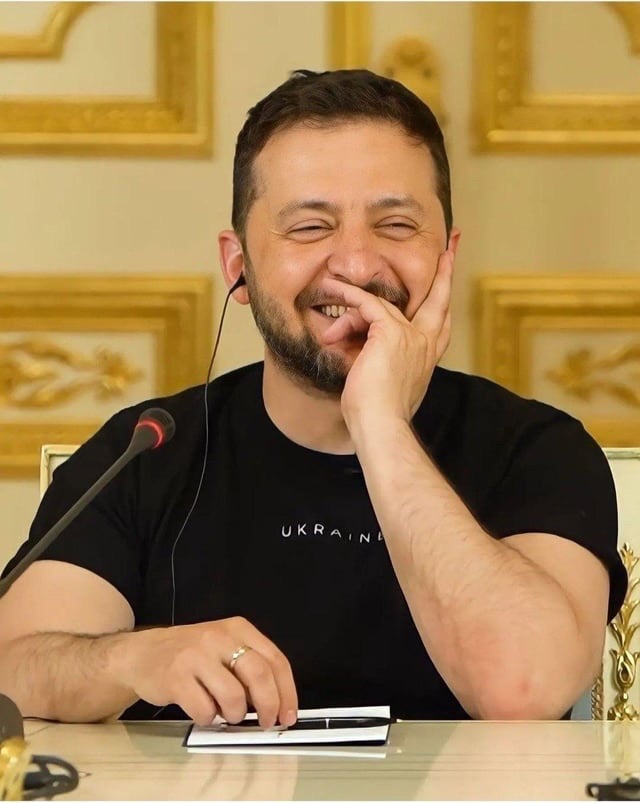
After years of refusing Ukrainian President Volodymyr Zelensky’s offers to meet face-to-face, or simply not showing up at scheduled meetings and instead sending a lower-level delegation, Putin has now come up with an offer of his own. As a condition to a personal meeting, he has invited Zelensky to come into the ultimate spider web: the Kremlin.
“You cannot be serious!”
Not neutral territory. Not the UAE, or any of the several countries where Putin — subject to an arrest warrant by the International Criminal Court for war crimes — is still welcome. But his turf.
Does Putin really think Zelensky is that stupid . . . that he won’t see this for what it is: another attempt to posture himself as the peacemaker and blame Zelensky for sabotaging negotiations?
Following recent remarks by Ukrainian Foreign Minister Andrii Sybiha reiterating Zelensky’s readiness to meet with Putin, Kremlin foreign policy aide Yuri Ushakov said yesterday:
“We have never refused and do not refuse this kind of contact” . . . but then added that Zelensky should travel to Moscow if he wants to talk to Putin. And as an added “incentive,” he said that Moscow is prepared to ensure Zelensky’s security and working conditions there. [Tim Zadorozhyy, The Kyiv Independent, January 28, 2026.]
I can’t explain why, but somehow I don’t find that terribly reassuring.
As a final touch, our old friend, Kremlin spokesman Dmitry Peskov, said today that they had not yet received a response from Zelensky. And I can hazard a guess as to why:
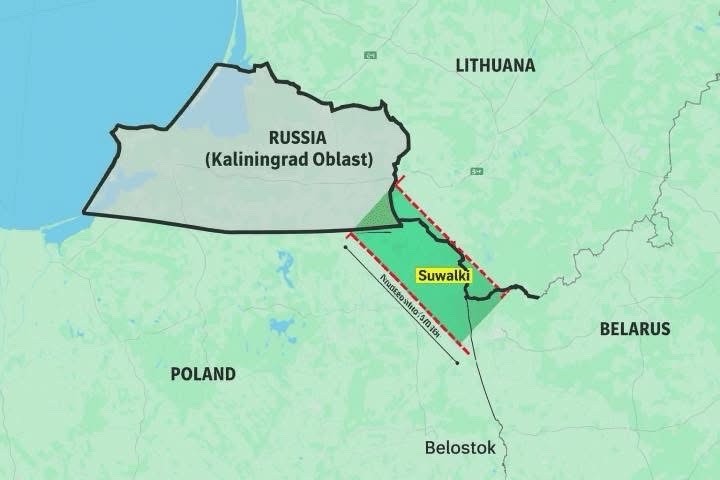
On September 15, 2025, I posted an article titled “The Suwalki Gap: The Most Important Strip of Land You’ve Probably Never Heard Of.” In it, I pointed out the strategic importance of a small swath of land that forms the border between NATO members Lithuania and Poland, and also separates Russia’s Kaliningrad territory from its staunch ally, Belarus.
The shortest land route between two points
That small piece of land is the home of the bulk of Russia’s Baltic Fleet — a year-round ice-free haven for its naval vessels, submarines and landing craft. But at present, its only open supply route from the Russian mainland is by sea; passage through the Suwalki Gap would provide an enormous time- and money-saving land access.
In that September post I wrote that “I believe Suwalki is a name that will become much more familiar in the not-too-distant future.” And it didn’t take long for that prediction to be validated.
It has now been announced that Lithuania has invited Poland to join with it in establishing a military training ground spanning both of their countries in the Suwalki Corridor. Lithuania already has such a training ground under construction near its borders with Poland and Belarus, and proposes to expand the facility into Polish territory, thus creating a permanent, joint military training complex. [Ukraine News, January 28, 2026.]
According to Lithuanian President Gitanas Nauseda, such a facility would significantly strengthen operational coordination between Lithuanian and Polish forces — and, critically, reinforce the defense of the Suwalki Corridor itself. [Id.]
Clearly, this is one more strategy in Europe’s recent ramping-up of its defenses against any future efforts by Russia to undertake aggressive action against the Baltic states of Lithuania, Latvia and Estonia, or any of the surrounding Eastern and Central European NATO allies.
The people of Europe have survived two world wars; they know too well the danger signs, and are determined not to let it happen a third time.
The rest of the world really needs to listen to their voices of experience . . . because the greatest danger in these politically volatile times is complacency.
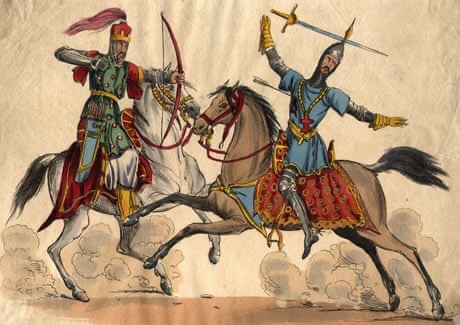
Throughout recorded history there have been holy wars in which people have slain each other in the name of some deity who allegedly told them it was all right to kill.
The Crusades
And there have been countless wars fought over territorial rights by leaders lusting for unlimited power.
A Thirst for Territory
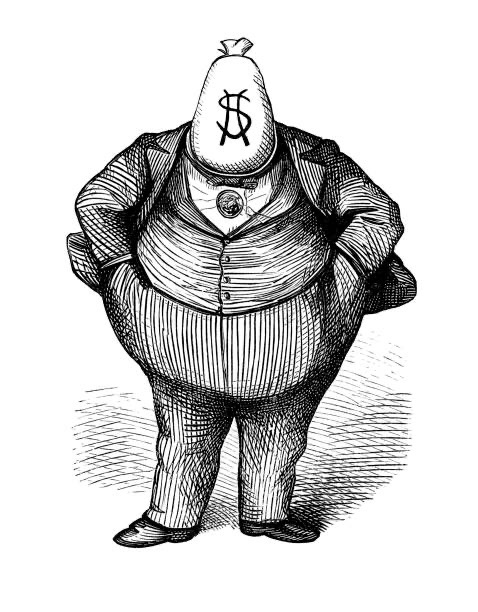
But the most depraved excuse for a war is the one that has become so openly prevalent today: the almighty dollar. Whether it takes the form of oil, or rare earth minerals, or land that can first be decimated and later redeveloped to produce unlimited income for the invaders, it all boils down to simple greed.
Never Enough
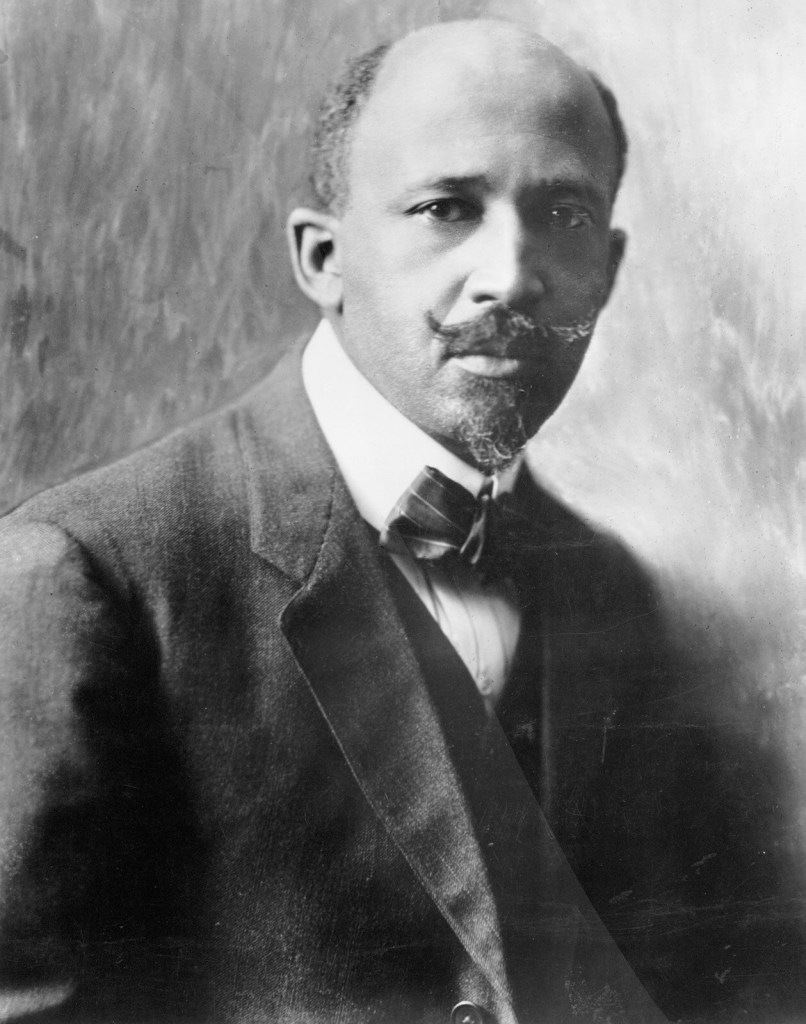
American sociologist, historian, writer, and civil rights activist W.E.B. DuBois had this to offer on the subject:
“What do nations care about the cost of war, if by spending a few hundred millions in steel and gunpowder they can gain a thousand millions in diamonds and cocoa?”
– W.E.B. DuBois
W.E.B. DuBois (1868-1963)
Sadly, that is where the world stood in his day, and where it remains today.
What a great feeling! No, I didn’t win the lottery, and I didn’t glance in the mirror this morning to find myself looking ten years younger. But what I did get may be even better.
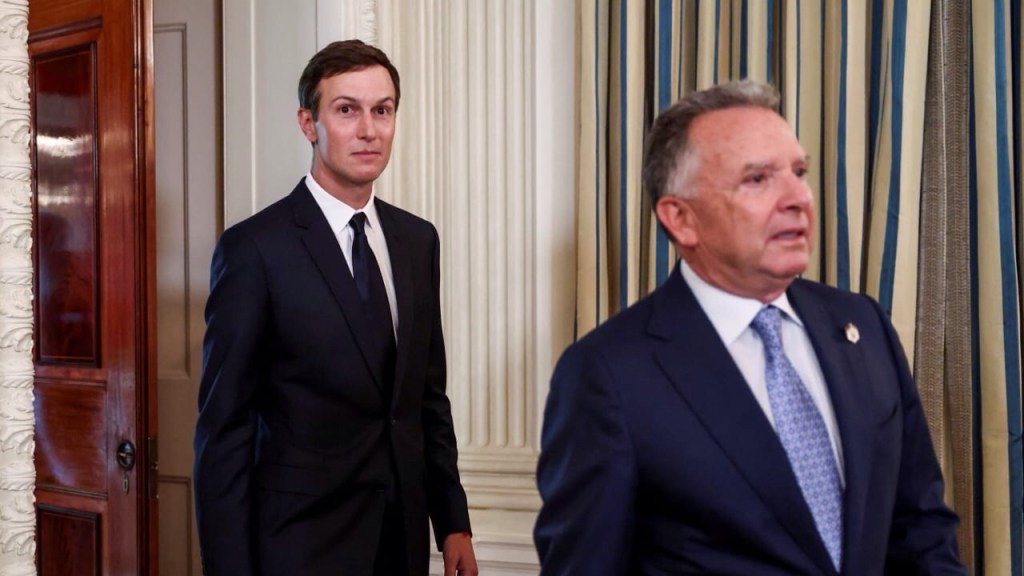
I have offered my unsolicited opinion numerous times as to the woeful inadequacy of Steve Witkoff and Jared Kushner as negotiators between two countries — Russia and Ukraine — about which they know virtually nothing. It’s not their fault; the ancient and complex history and politics of Russia and Eastern Europe simply are not within their areas of expertise. They’re businessmen. Yet they were appointed — and accepted the appointments — as special White House envoys to try to settle the most contentious, sensitive, and urgent of issues as though they were simply closing a deal on a hotel in New York.
Jared Kushner and Steve Witkoff: Out of their comfort zone
On January 24th, in an article bemoaning the lack of progress in negotiations for a solution to the conflict in Ukraine, I wrote:
“Thus far, all we’ve seen is a lot of people burning up untold amounts of jet fuel as they hop around the globe in search of a resolution. And I’m beginning to think we (the U.S.) may need to send in a whole new team of negotiators, with an entirely new modus operandi.”
And — lo and behold! — last evening I read the following post from Ukraine:
“Talks on Ukraine will continue this week — but notably without Steve Witkoff or Jared Kushner.
“U.S. Secretary of State Marco Rubio confirmed that negotiations will proceed in a bilateral format [between Ukraine and Russia]. A U.S. presence remains possible, but neither Witkoff nor Kushner will be involved. Rubio also acknowledged a central reality: for Ukraine, even the discussion of changing borders is politically and morally untenable.
“That admission quietly exposes a deeper problem with how some outside figures have approached this war.
“Witkoff, like Kushner, arrived with access but without grounding. Neither has demonstrated a serious grasp of why this war began, how it is being fought, or what conditions make peace possible — beyond the abstract language of ‘deals’ and ‘movement.’ In a conflict defined by occupation, mass displacement, and daily strikes on civilians, that gap matters.
“And it shows. . . .
“Removing figures who lack expertise does not stall diplomacy — it strengthens it.
“Without Witkoff and Kushner in the room, there is finally space for people who understand security gurantees, deterrence, escalation control, and the realities on the ground. Peace talks require more than access or confidence; they require competence.
“Ukraine does not need intermediaries who treat war like a transaction. It needs partners who understand that peace without accountability is just a pause before the next invasion.
“If progress is to be realized — not cosmetic — then the table must be occupied by those who know what is at stake.
“And for the first time in a while, that may actually be possible.” [Ukraine:News, January 28, 2026.]
*. *. *
So thank you to the folks at Ukraine News for stating the truth so openly and eloquently. And a huge thank you to the person or persons in Washington who finally saw the light and made that tough decision. I don’t know what prompted it, and I don’t need to know. I just feel certain that it was the very best decision anyone has made concerning these negotiations in a long, long while.
Now we need to follow through with the right people at the table. Perhaps some elder statesmen with relevant experience and no political axe to grind . . . ?
Most likely because it is a recent invention being sprung on the world from the deepest, darkest recesses of Vladimir Putin’s mind: a smoke-and-mirrors device intended to save his political backside from a complete loss of credence with his own people, and his country from total economic collapse.
And with a little help from his American friend, he might just be able to pull it off.
The not-so-public meeting in Alaska
We all remember the high hopes we had for the face-to-face meeting between Putin and Donald Trump in Anchorage, Alaska, on August 15th of last year. That was when a trio from each side — Putin, Foreign Minister Sergey Lavrov, and foreign policy adviser Yuri Ushakov — sat down behind closed doors with Trump, Secretary of State Marco Rubio, and foreign policy newbie Steve Witkoff, and . . .
Well, we don’t know what happened, exactly. All we heard from Trump after the conclusion of the much-touted summit at Anchorage was that he would be meeting the following Monday with Ukrainian President Volodymyr Zelensky in Washington. He also told European leaders that Putin still wanted all of Ukraine’s eastern Donbas region in exchange for a freeze of the current front lines.
And from Moscow, Putin had this to offer:
“Russian-American business and investment partnership has huge potential.” [Anne Applebaum, The Atlantic, August 16, 2025.]
But nothing about a peace treaty, or even a ceasefire.
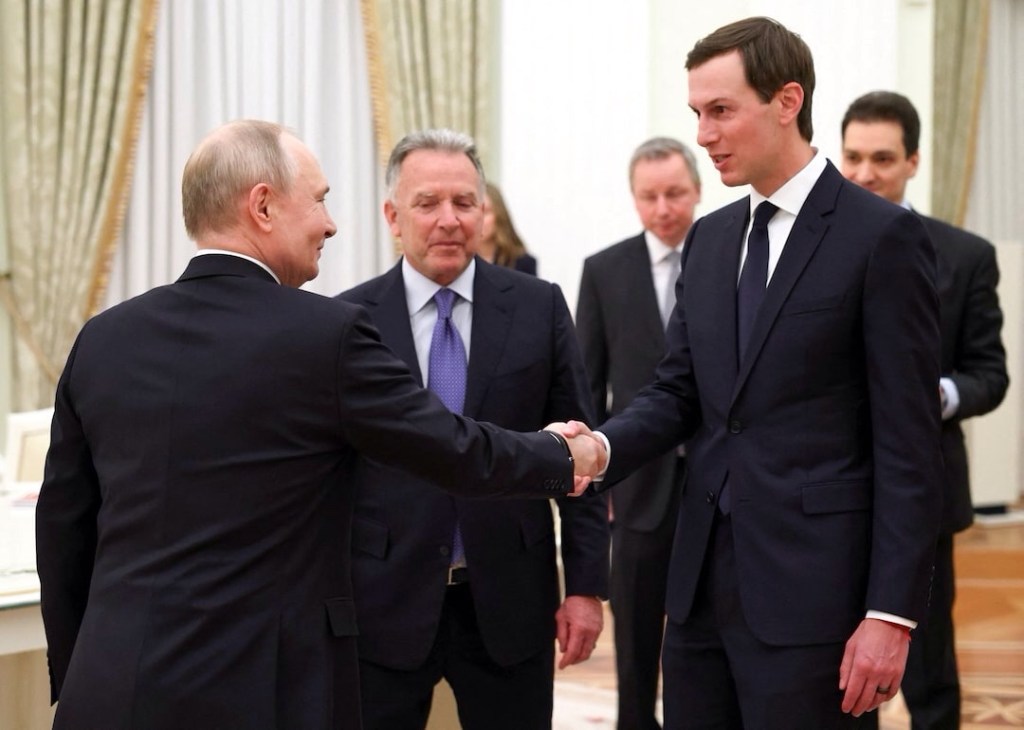
Talks about Ukraine quieted down for a while, as Trump busied himself with potentially more lucrative matters — Venezuela, Greenland, Cuba — until suddenly, following a disastrous couple of days at Davos, Steve Witkoff and Jared Kushner took off from there for Moscow, where they met with Putin for three hours on January 22nd in discussions about Ukraine described by Yuri Ushakov as “exceptionally substantive, constructive, and, I would say, extremely frank and confidential.” [Helen Regan and Darya Tarasova, CNN, January 23, 2026.]
Meeting in Moscow – January 22, 2026
What emerged from that session, as far as the public was told, was an agreement for negotiators to meet a few days later in Abu Dhabi — which they did, again without any resolution other than an agreement to try once more, on February 1st. And I asked myself, not for the first time, why we should expect anything different to emerge from this gathering.
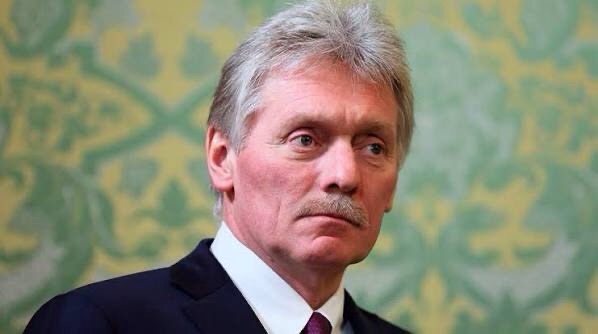
A clue to the answer came on Monday, January 26th, in the form of a statement from Kremlin spokesman Dmitry Peskov:
“The territorial question, which is part of the ‘Anchorage Formula,’ of course carries particular significance for the Russian side.” He added that “our negotiators continue to defend our position.” [Clare Sebastian, CNN, January 27, 2026.]
Kremlin Spokesman Dmitry Peskov
And in one voice, the world responded: “Anchorage Formula? What Anchorage Formula?”
Well, two days earlier, Deputy Foreign Minister Sergey Ryabkov had mysteriously also brought up that long-ago meeting in Alaska, saying that Moscow wanted a peace deal “that fully corresponds to the fundamental understanding reached by the presidents of Russia and the US during their meeting in Anchorage.” [Id.]
But here’s the thing: We have never heard of an “Anchorage Formula,” or of any sort of agreement reached during that red-carpeted, hail-fellow-well-met summit. So is it something Putin is now claiming to have happened? Or was there some sort of off-the-record understanding reached that has, for whatever nefarious reasons, been kept under wraps for the past five months? And — whichever turns out to be the case — why?
One Ukrainian war reporter, Illia Ponomarenko, believes it is the former. Writing on X, he said:
“They’re [the Russians] literally constructing reality on the fly, Orwell-style, counting on the average consumer of Russian mass propaganda having the attention span of a guppy.” [Id.]
And analysts at the Washington-based Institute for the Study of War agree. In a post on Saturday, they opined that Russia is looking to “exploit the lack of clarity about the outcome of the August 2025 US-Russian Alaska Summit to claim that the summit achieved a joint US-Russian understanding and agreement to end the war in Ukraine, and present the agreement in ways that benefit Russia — including by obfuscating Russia’s own efforts to impede the peace process.” [Id.]
*. *. *
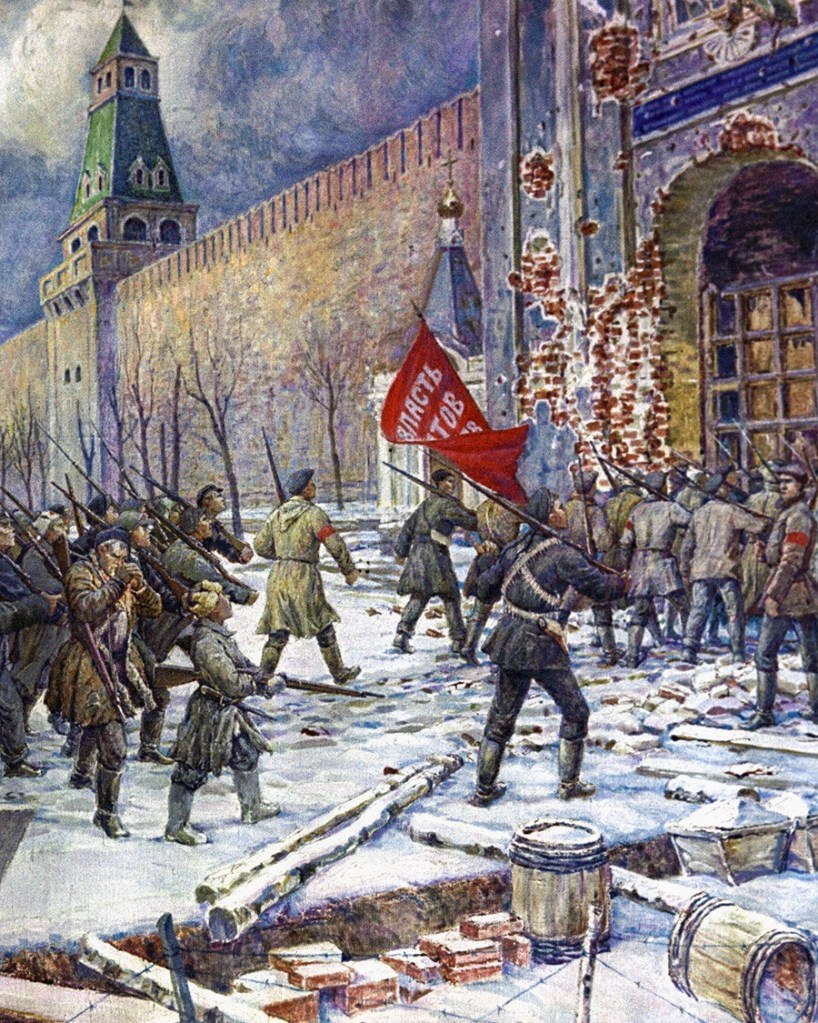
I, for one, am looking forward to the answer. Not that I expect anything earth-shaking to emerge from Abu Dhabi this time; I’m just curious to see how long Putin can stretch this out before the Russian masses get sick of all the bullshit and decide to storm the Kremlin . . . again.
Bolsheviks Bomb the Kremlin – C. 1917
Tragically, while we wait, the people of Ukraine continue to suffer.
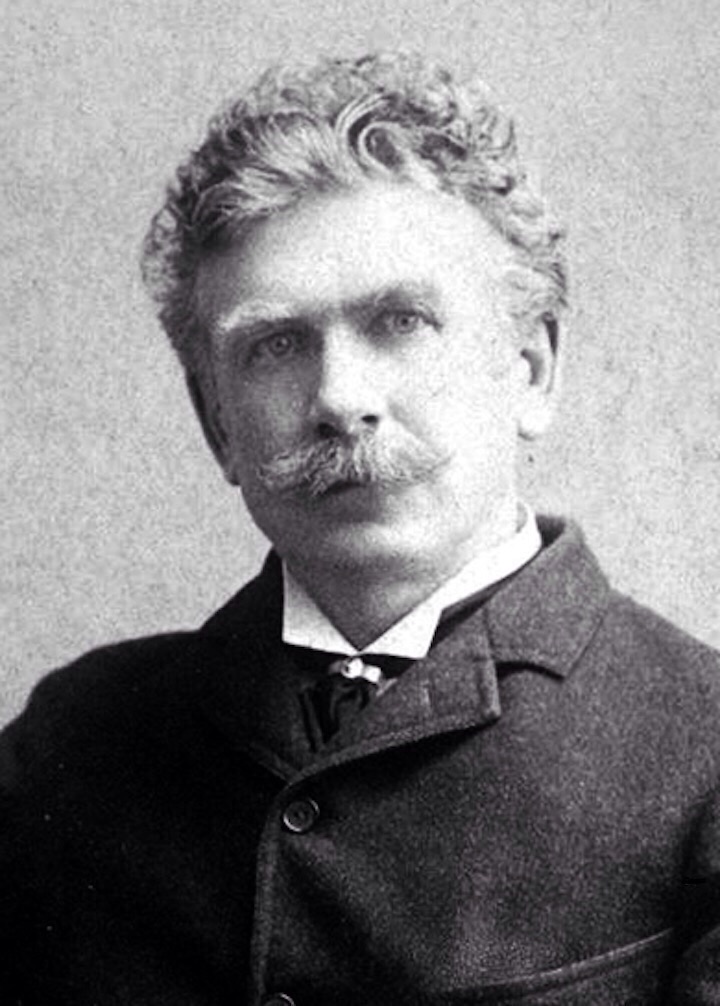
It’s difficult to find humor in politics these days. But a little over a century ago, American author and journalist Ambrose Bierce managed to do just that, with an added touch of cynicism to top it off.
Mr. Bierce appears to have been moderate in his political leanings, as this definition from his “Unabridged Devil’s Dictionary” evidences his equal disdain for both the left and the right:
“Conservative, n: A statesman who is enamored of existing evils, as distinguished from the Liberal who wishes to replace them with others.”
Ambrose Bierce (1842 – c. 1914)
It’s always interesting to note that the more things change, the more they seem to stay the same. We never learn, do we?
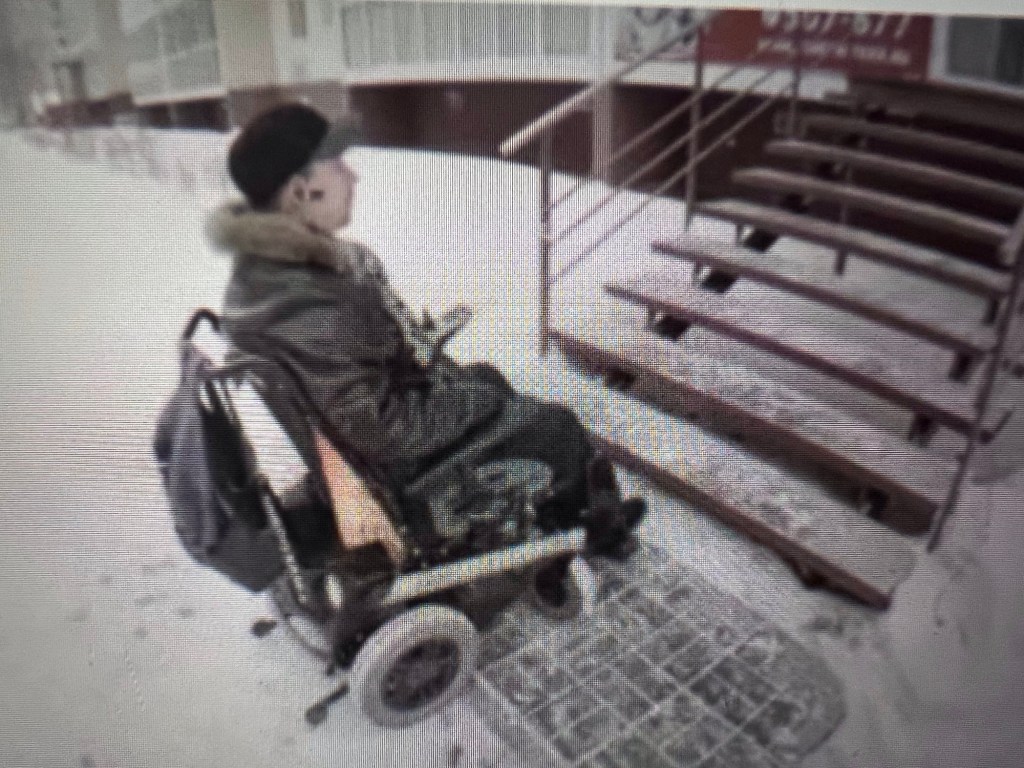
It’s not easy for people with disabilities to get around, regardless of where they live. Even here in the United States, where we have the benefit of the Americans with Disabilities Act (ADA) requiring easy access in public buildings, wheelchair ramps built into sidewalk curbs, and the like, there are many places that are just not navigable to people using wheelchairs or walkers.
And in northern climates throughout the world, when winter adds to the difficulties, disabled and elderly people are pretty much confined indoors for the duration, unless they have help.
Then there are the financial burdens to be contended with. How does a person who can’t work afford a scooter, a wheelchair, or transportation to and from their medical and physical therapy appointments? Aids — and aides — cost money. The fortunate ones may have family members to help; but the burden on them can quickly become onerous as well.
Luckily for many, there are disability benefits available to ease the pain somewhat. But if you live in Russia and have the misfortune of being disabled — even if you are a war veteran who lost a limb, your eyesight, or your general health in Ukraine — you are royally screwed.
Because the rules governing qualification for disability status have been tightened since Vladimir Putin’s invasion of Ukraine four years ago. As the federal budget began allocating more and more money into military spending, and hundreds of thousands of severely wounded troops started returning home in need of care, the government began crunching the numbers and found that they could save an estimated 120 billion rubles ($1.6 billion) a year by simply reducing the rolls of the officially-designated disabled.
According to a former medical and social assessment specialist, who declined to be identified for fear of repercussions:
“The authorities understood that the war would increase the number of people with disabilities. So they decided to make the statistics look better — and save money.” [Valery Panyushkin and Systema, RFE/RL, January 26, 2026.}
Changes had already been made several times since the 2014 invasion of Crimea. But the decree issued in April of 2022 has taken matters to an even more draconian level. That decree lists three conditions for recognizing a person as disabled: the persistent impairment of bodily functions; the “complete or partial loss of a citizen’s ability or capacity to care for themselves, move independently, orient oneself, communicate, control their behavior, study, or engage in work activities”; and the need for rehabilitation. [Id.]
Any one of those conditions should be enough for an individual to have to live with. But the decree also stipulates that one condition alone is not sufficient grounds for a disability classification; a combination of conditions is required, which means that authorities are able to deny disability status to nearly everyone.
The Walking Wounded
And even the most severely disabled (classified as Group One) must regularly collect documents, undergo repeated examinations, and pass medical and social assessments every two years. Those with less severe conditions are required to confirm their status every year.
There is — theoretically, at least — such a thing as permanent disability status; but again, the wording is so vague as to make it virtually impossible to attain. One 70-year-old woman said that she was advised to hire a private consultant to help her gain permanent disability status, at a cost of 100,000 rubles ($1,310). She has heart stents, but still must undergo an annual exam to confirm her condition. As she said:
“As if the stents will just disappear. If I undergo coronary angiography every year, I’ll die from the tests sooner than from a heart attack.” [Id.]
*. *. *
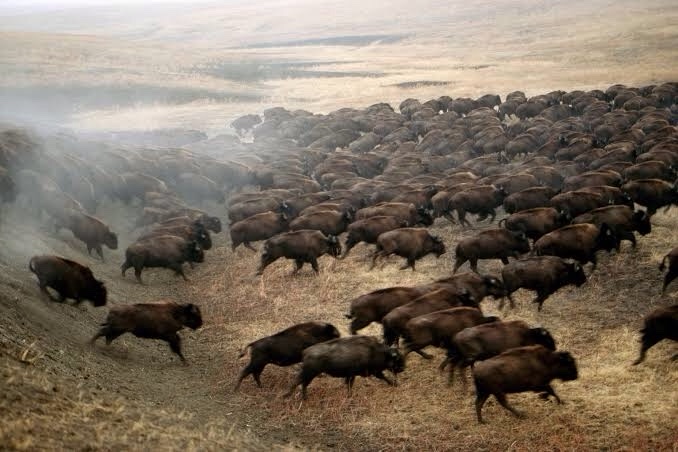
Life is hard enough. And it becomes harder as we grow older, or become handicapped due to injury or illness. We lose abilities we took for granted; we lose our accustomed source of income; and if we live long enough, we lose our friends because we simply outlasted them. But when governments make it exponentially more difficult for us to go on . . . well, I can only compare it to culling a herd of wild animals that has become too populous for the land to sustain.
What was it Ebenezer Scrooge said about the poor?
“If [they] would rather die . . . they had better do it, and decrease the surplus population.”– Charles Dickens, A Christmas Carol.
You’d better hurry, tovarishchi. Because that seems to be what Comrade Putin is thinking about the old and infirm.
So I’m giving my brain and my psyche a rest for the remainder of the day, while I catch up on a few mind-numbing household chores. I know things are tough when I find myself actually looking forward to doing laundry.
So, barring something huge — such as Russia withdrawing its troops from Ukraine, or the Taliban in Afghanistan deciding to embrace a “woke” philosophy — I’m out of here.
Well, if you’re smart, you will never have created the problem by sending in your goon squad in the first place. But, since it’s obviously too late for shoulda-woulda-coulda in this case, what you do in order to squirm out of a tight spot is what you always do when you’ve screwed up: find a fall-guy (or several) to take the blame for you.
And it seems that the first person to be thrown under the bus in this case is Border Patrol Commander Gregory Bovino.
Gregory Bovino, in Minneapolis
Not that he doesn’t deserve it. Of course, he’ll tell you he was “just following orders” (where have we heard that before?). But in the wake of two fatal shootings of U.S. citizens — one trying to leave the scene and the other attempting to help a woman who had been knocked down by ICE agents — even Bovino had to realize that things were out of control.
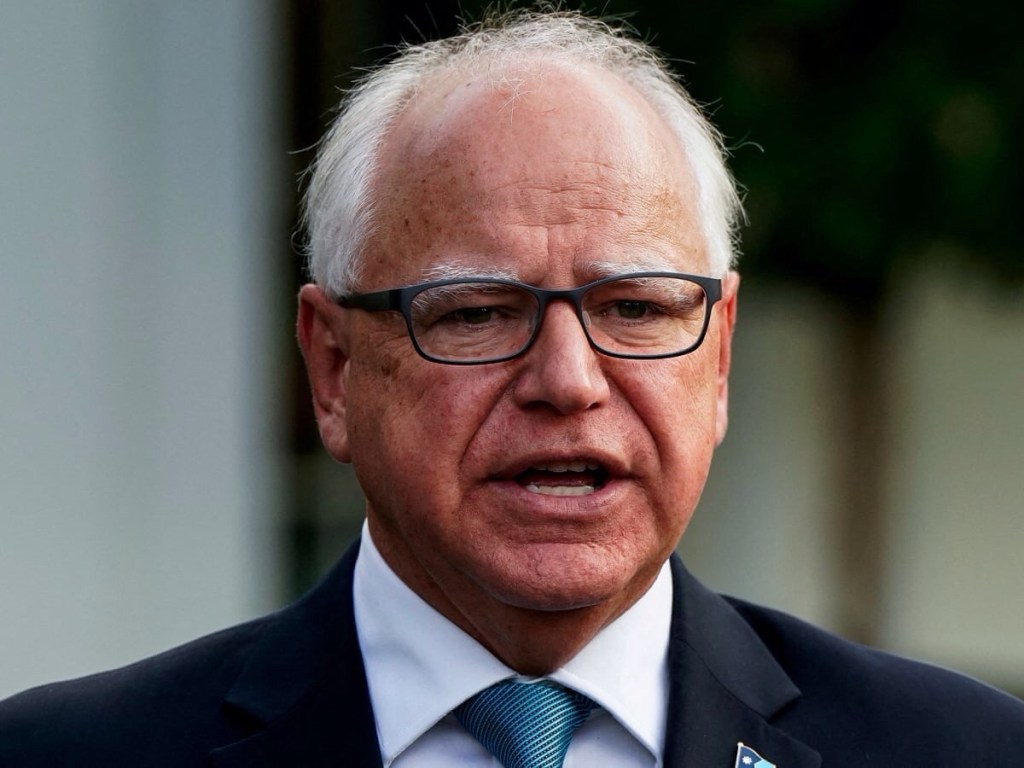
And so on Monday — when it was clear that the public and the federal courts weren’t buying the administration’s lies, and the problem wasn’t going to go away of its own accord — Trump did one of his whiplash-worthy U-turns: he recalled Bovino from Minneapolis, sent in his Border “Czar” Tom Homan, said he would withdraw some of the troops from the city, and had a “very good call” with Minnesota Governor Tim Walz, thereafter posting on social media:
“Governor Tim Walz called me with the request to work together with respect to Minnesota. It was a very good call, and we, actually, seemed to be on a similar wavelength. I told Governor Walz that I would have Tom Homan call him, and that what we are looking for are any and all Criminals that they have in their possession. The Governor, very respectfully, understood that, and I will be speaking to him in the near future.” [Julia Manchester, The Hill, January 26, 2026.]
Governor Tim Walz
I’d be willing to bet that the Governor’s “request” was more of a demand that Trump get his hit squad out of Walz’s state, whereas Trump will gaslight it as a victory — perhaps even the ninth “war” he’s managed to settle in his second term. But whatever works to end the madness . . .
Then word came out yesterday evening that Gregory Bovino had not only been pulled out of Minnesota; he has been removed from his role as Border Patrol “commander at large,” and will be returning to his former job in California — where, according to a DHS official and “two people with knowledge” of the matter, he is expected to retire soon. [Nick Miroff, The Atlantic, January 26, 2026.]
Score one under the bus.
By the way, did Trump offer to bring back Renee Nicole Good and Alex Pretti? Oh, that’s right . . . he can’t. They’re still dead.
R.I.P., Alex and Renee
*. *. *
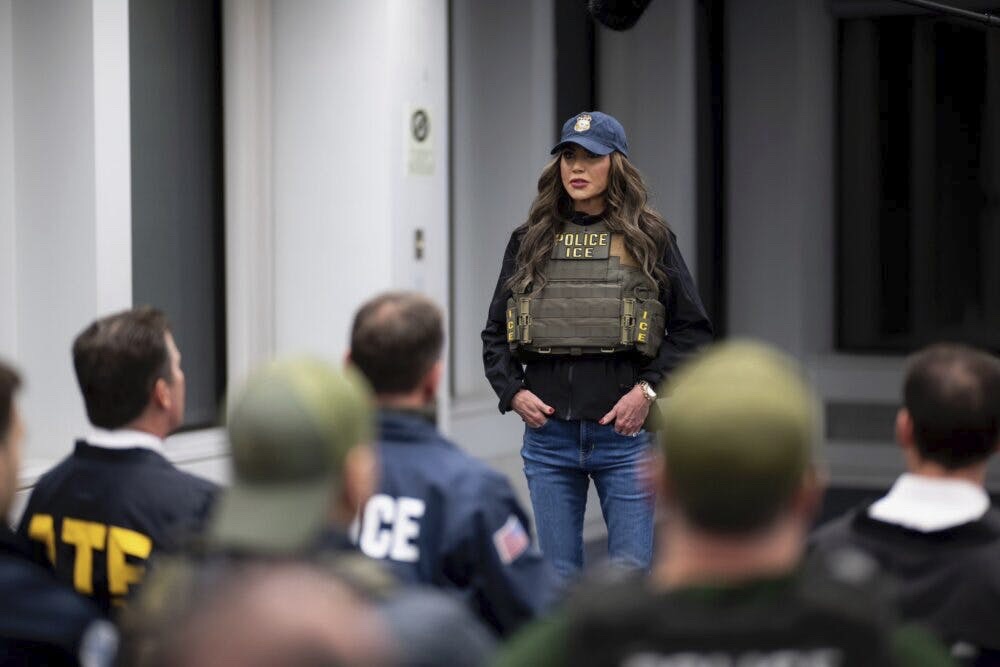
So now it’s damage control time, wherein someone is sacrificed on the Altar of Trump. If I had been allowed to make the choice, I know who it would have been: the ICE Queen herself.
Kristi Noem: Calling the Shots at ICE
Although, if some Democrats in Congress have their way, she may already be on her way out the door. One can only hope.












 The Blog About Everything … and Sometimes Nothing