I love Mitch Albom’s books. They are filled with warmth, humor, and optimism — all so sorely needed in our world today.
But yesterday, I had to take exception to one of his quotations — one that previously had resonated positively with me — and all because it snowed.
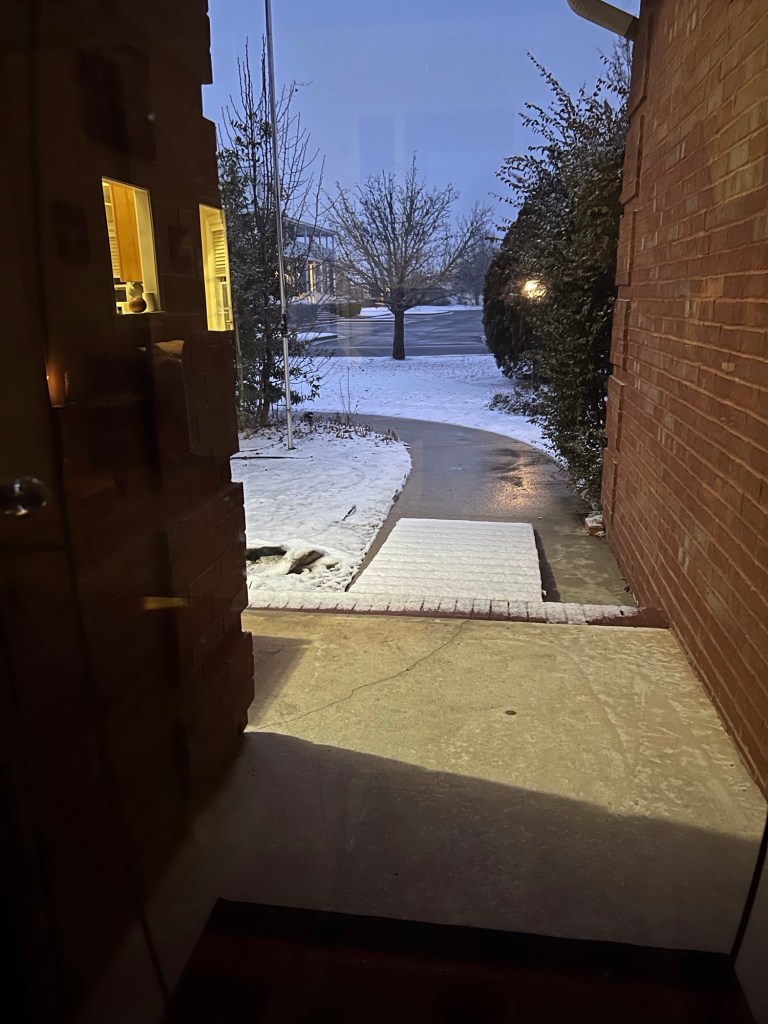
Southern Snow – January 31, 2026
First, the quote:
“Embrace aging. If you’re always battling against getting older, you’re always going to be unhappy, because it will happen anyhow.”
– Mitch Albom, “Tuesdays With Morrie: An Old Man, a Young Man, and Life’s Greatest Lesson”
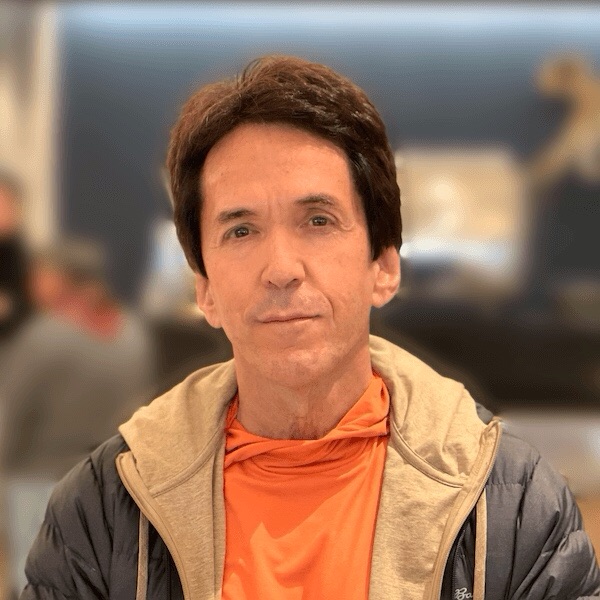
Mitch Albom
It’s sound advice. Logical. True. Well-meaning.
But, as i said, it snowed yesterday. That doesn’t happen often down here in the southeastern United States; and being from the north, I miss it. So today, as the first inch of white stuff accumulated on the lawn, my first impulse was to grab my winter coat, scarf, boots and gloves, head outdoors, and challenge someone to a snowball fight.
Only I couldn’t. To begin with, when I moved here five years ago, I gave away my heavy jackets, snow boots, gloves and scarves, because I was so sure I would never need them again.
Sure, I could have layered up in sweats and a jacket. What was still missing, though, was the physical ability to navigate down the steps without falling and breaking a hip, bend down to scoop up a fistful of snow without losing my balance, and get either of my shoulders to work well enough to launch a snowball toward its target.
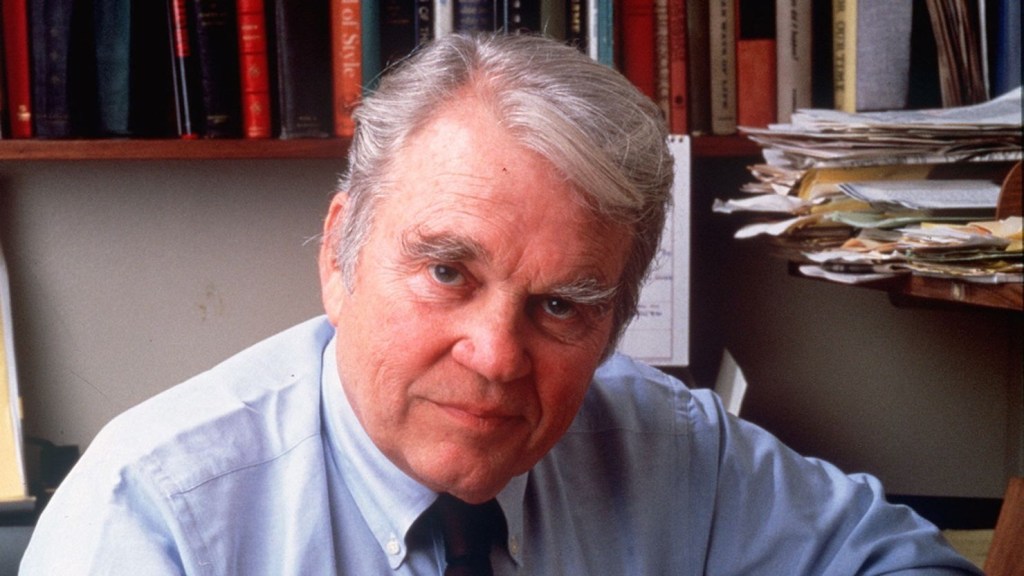
Instead, I looked longingly out the window, told myself that Mitch Albom was too young to know what the hell he was talking about when he wrote those words, and recalled instead the wisdom of the late broadcaster Andy Rooney, who said:
“It’s paradoxical that the idea of living a long life appeals to everyone, but the idea of getting old doesn’t appeal to anyone.”
It’s been another no-news week with regard to the world’s political hostages, which means it’s a good time to pay our respects once more to the Americans still being held overseas. And in double-checking my information, I found an item of good news that had escaped my earlier attention, as it doesn’t seem to have received a great deal of fanfare when it happened.
Back in September of 2025, Wells Fargo banker Chenyue Mao was released by Chinese authorities, and returned home to the United States. So it is with great glee that I remove her name from our list, and welcome her back.
Chenyue Mao
*. *. *
But eight Americans still remain incarcerated in Russia, and I bring their names forward again as a reminder to U.S. authorities that they and their families continue to suffer through another brutal winter as we pray for their safe return.
Once again, please do not forget:
David Barnes Gordon Black Robert Gilman Stephen James Hubbard Michael Travis Leake Eugene Spector Joseph Tater (whereabouts unknown) Robert Romanov Woodland
And the others:
Victims of Greed:
The President, First Lady, and citizens of Venezuela
Europeans Under Threat:
The Nation and the People of Greenland The people of NATO and EU member states
Prisoners of War:
The 19,500 Kidnapped Ukrainian Children The People of Ukraine
Immigrant Detainees in Russia:
Migrants from the Central Asian nations of Kazakhstan, Kyrgyzstan, Tajikistan, Turkmenistan and Uzbekistan
Endangered Exiles:
Mikita Losik Yulia Navalnaya Countless Journalists and Other Dissidents
Andrei Chapiuk Uladzimir Labkovich Andrzej Poczobut Marfa Rabkova Valiantsin Stafanovic Yuras Zyankovich
In Georgia:
Mzia Amaglobeli
In China:
Chenyue Mao (American)
In Russia:
The “Crimea 8”: — Oleg Antipov — Artyom Azatyan — Georgy Azatyan — Aleksandr Bylin — Roman Solomko — Artur Terchanyan — Dmitry Tyazhelykh — Vladimir Zloba
James Scott Rhys Anderson (British) David Barnes (American) Gordon Black (American) Hayden Davies (British) Antonina Favorskaya Konstantin Gabov Robert Gilman (American) Stephen James Hubbard (American) Sergey Karelin Timur Kishukov Vadim Kobzev Darya Kozyreva Artyom Kriger Michael Travis Leake (American) Aleksei Liptser Grigory Melkonyants Nika Novak Leonid Pshenychnov (in Russian-occupied Crimea) Nadezhda Rossinskaya (a.k.a. Nadin Geisler) Sofiane Sehili (French) Igor Sergunin Dmitry Shatresov Robert Shonov Grigory Skvortsov Eugene Spector (American) Joseph Tater (American, disappeared) Laurent Vinatier Robert Romanov Woodland (American)
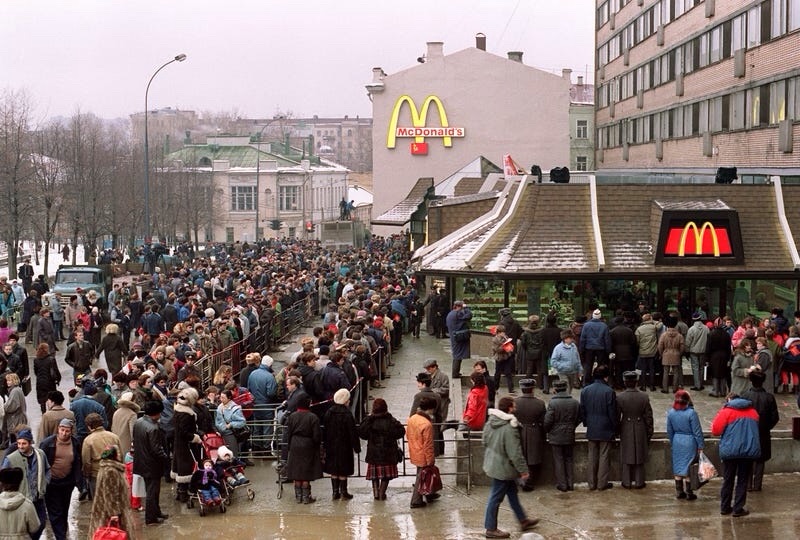
On this date 36 years ago — January 31, 1990 — the first McDonald’s opened its doors on Pushkin Square in central Moscow, to a rousing welcome.
Even in the Soviet Union, that was a really long line!
For the average Russian worker in those days, a Big Mac, a shake and an order of fries could cost several days’ wages. But this was the West — this was America! — coming to the USSR. And it brought, not only good food and friendly service, but hope for a brighter future.
It wasn’t until three and a half years later that I finally gave in and agreed to eat at a Moscow McDonald’s; I mean, who travels halfway around the world from the U.S. to do that, when the local cuisine is so fantastic? But it was at the request of some Russian and American friends that I finally surrendered. I was outnumbered, after all.
It was the beginning of July, 1993. I had been working in Moscow for a couple of months with an American humanitarian aid foundation, providing healthy food for children in orphanages and hospitals. When I received a call from an American friend, Mary, telling me she and her teenaged son would be in Moscow for a few days, I was thrilled, and invited them to stay with me rather than the Russian hotel they had been booked into.
Mary’s son Colin had done a little research on sights to see while in Moscow, and one thing that had piqued his interest was the Military Museum. My neighbors — all of them — were military officers and their families, as the building in which we had rented our office/apartment belonged to the Ministry of Defense. And one couple on my floor had become my good friends and guardian angels.
Home Sweet Home in Moscow
So I went to them to inquire about access to the Military Museum, and they offered to take us there and make a day of it. In return, I said I would treat everyone to lunch . . . and they chose McDonald’s. Mary and Colin were also curious to compare it to the ones back home, so — not being a huge fan of grease — I nevertheless gritted my teeth, forced a smile, and said, “Great.”
And it was there that I received one of the biggest surprises of my time in Moscow. In addition to being incredibly inexpensive (by U.S. standards), that was the best fast-food meal I had ever eaten, or expected to. Everything — the meat, the fries, the lettuce and tomatoes — was fresh from local farms, perfectly seasoned and prepared, and served piping hot. Even the buns were freshly baked at a local bakery.
By 1993, more U.S. and other Western businesses had begun popping up, particularly in the larger cities like Moscow and St. Petersburg: I recall Pizza Hut being next. The Soviet Union had collapsed under its own weight in December of ‘91, and Russia was in the midst of an economic and social boom.
But in another six years, it would all begin to slide backwards when Boris Yeltsin — old, sickly, and pickled in alcohol — resigned as President, and Vladimir Putin stepped into the breach. The burgeoning market economy gradually gave way to an oligarchy; Putin became increasingly authoritarian; and finally, on February 24, 2022, his army invaded Ukraine.
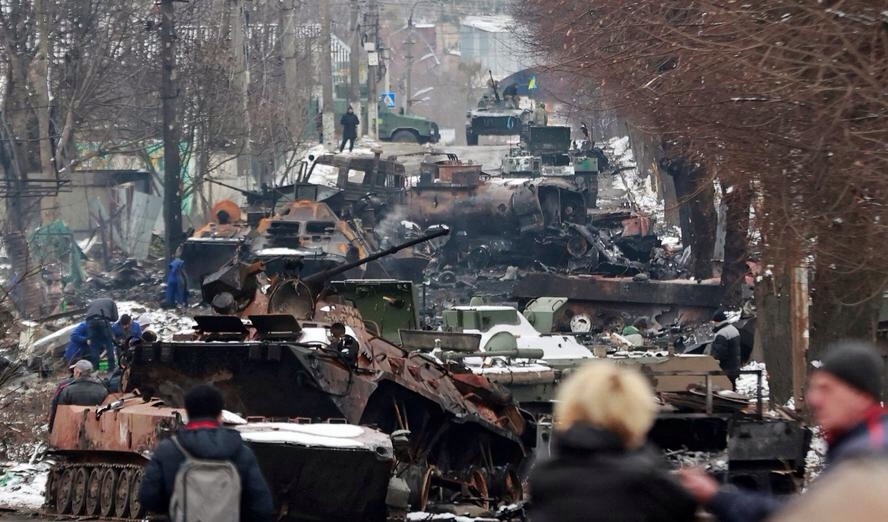
Defending Ukraine – February 2022
The world first recoiled in horror, then reacted with sanctions. Western businesses began pulling out of Russia — some selling out at prices ridiculously below market value, others simply abandoning their holdings completely.
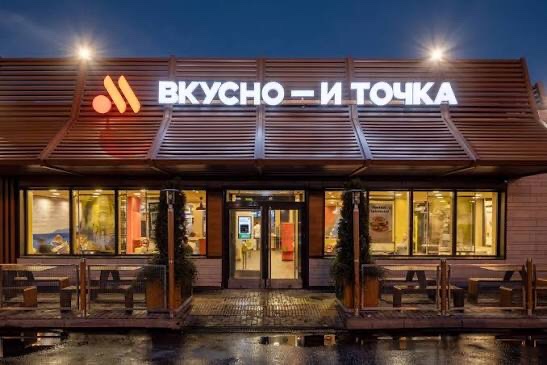
One that sold quickly was the still-popular McDonald’s — purchased by Russian businessman Aleksandr Govor, who changed the name to “Vkusno i Tochka” (“Tasty and That’s It”), added a logo faintly reminiscent of the McDonald’s “M,” and offered a “Big Hit” in place of the Big Mac.
“Vkusno i Tochka”
I haven’t been back to Russia since 2009, so I can’t tell you how the new burger joints are doing. Russians are deservedly proud of their cuisine; but I don’t know whether the owners of these successor establishments feel the same way about fast food. My guess would be that, even if the quality of the food has remained high, the service has probably slipped back to the surly attitude of Soviet times, when the popular meme of the workers was: “They pretend to pay us, and we pretend to work.”
I prefer to remember it as it was in 1993, when five of us piled into my neighbors’ little Lada automobile, shared a most congenial feast at an exotic restaurant, and went on to inspect the Military Museum, where I was nearly arrested — or possibly shot — by the security guards when . . .
What my Ukrainian grandmother lacked in formal education, she more than made up for with her incredible food, limitless amounts of love, and old-world folk wisdom. For example: “If you keep frowning, your face will freeze like that.” Or: “Don’t sit on the cold concrete steps, or you’ll get piles (hemorrhoids).”
And this actually useful bit of advice: “You are judged by the company you keep.”
As I recall, her exact words were: “Stay away from that girl; she’s a “kurva.” (Google Translate can help you with that one, though it’s probably not necessary.) But the meaning of her warning was unmistakable: you are indeed judged by the company you keep.
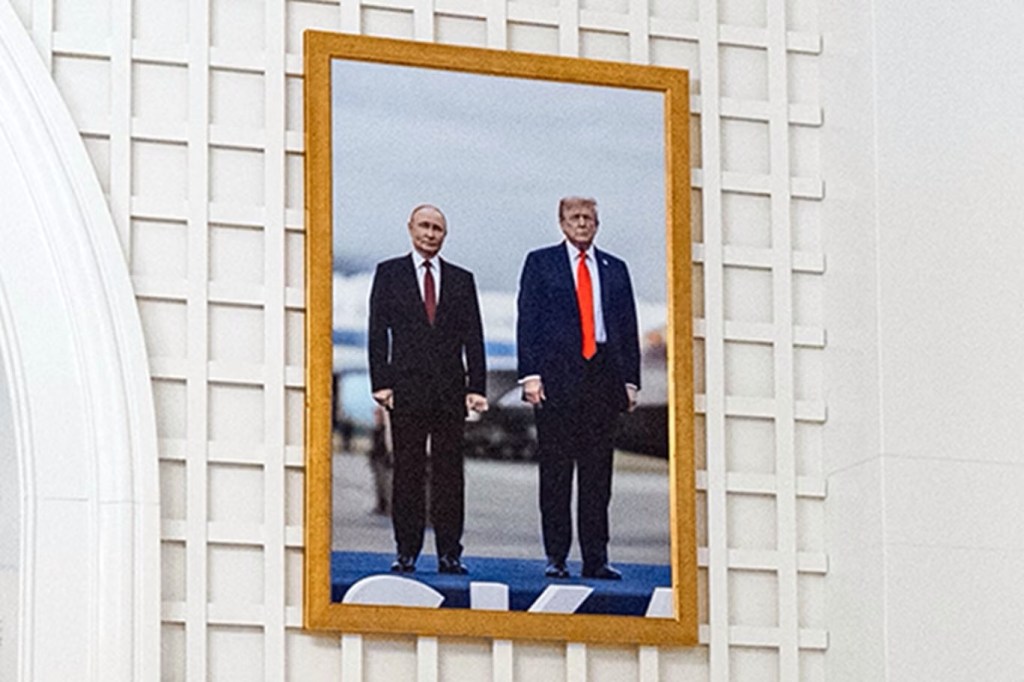
And she was an amazing judge of character. So I wonder what she would have said if she were here today to witness this photo being hung in a place of honor in the U.S. White House:
Photo Taken at Anchorage, Alaska – August 15, 2025
I can think of a few appropriate expletives that might have come to my grandmother’s mind. But beyond the numerous synonyms to be found in my little “Dictionary of Russian Obscenities,” I know what that picture says to me: that the real “enemy within” is not the alleged murderers, rapists or drug dealers; not the undocumented immigrants; and not the so-called “terrorist” demonstrators.
The real enemy of our democracy is the guy in the red tie, welcoming an internationally-wanted war criminal onto our territory in flagrant disregard of an outstanding ICC warrant, rolling out the red carpet, greeting him like a long-lost brother, and making back-room trade deals with him while his Russian troops continue to decimate Ukraine.
That is the company Trump chooses to keep, and to flaunt. I know that my grandmother — whose greatest joy was feeding people — would not have allowed either of the people in that picture to set foot in her kitchen. She had escaped the horrors of Tsarist Russia, and she knew evil when she saw it.
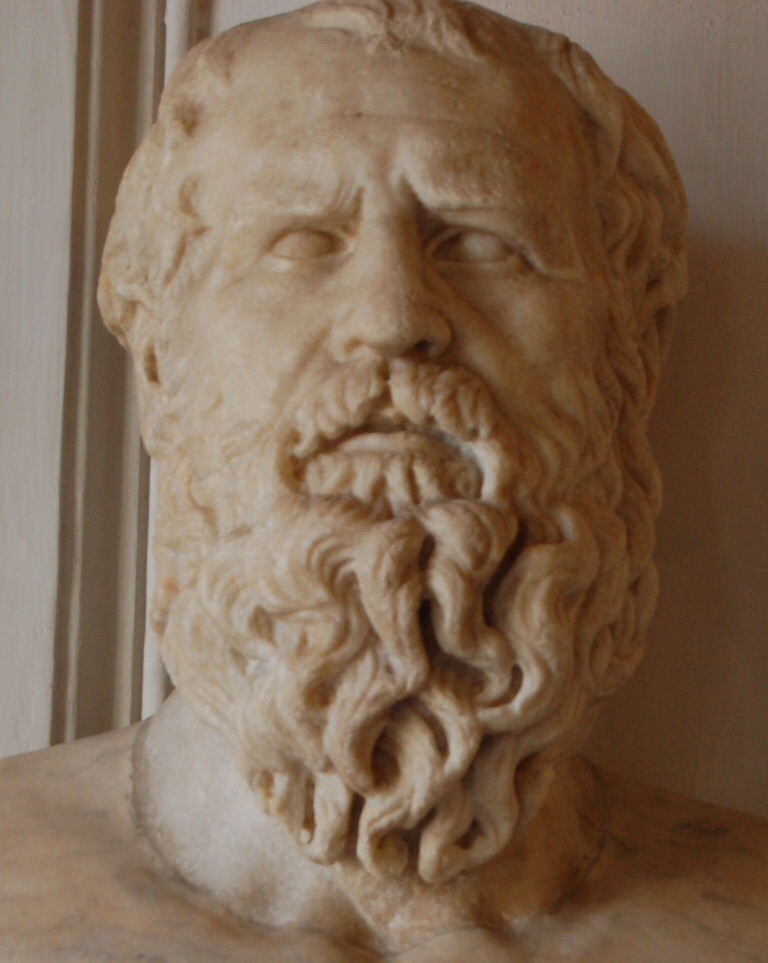
So, of course, I immediately began a search for something incredibly wise to say on the subject, and found this by the pre-Socratic Greek philosopher Heraclitus. It explains, in one brief sentence, the inability of a certain current occupant of the Oval Office to accept, not only criticism, but any sort of sound advice:
“Stupidity is doomed, therefore, to cringe at every syllable of wisdom.”
Everyone knows the old adage: “You can’t fix stupid.” But when you put the stupidity on display for the whole world to witness and to make fun of . . . well, you’re just compounding the problem, aren’t you?
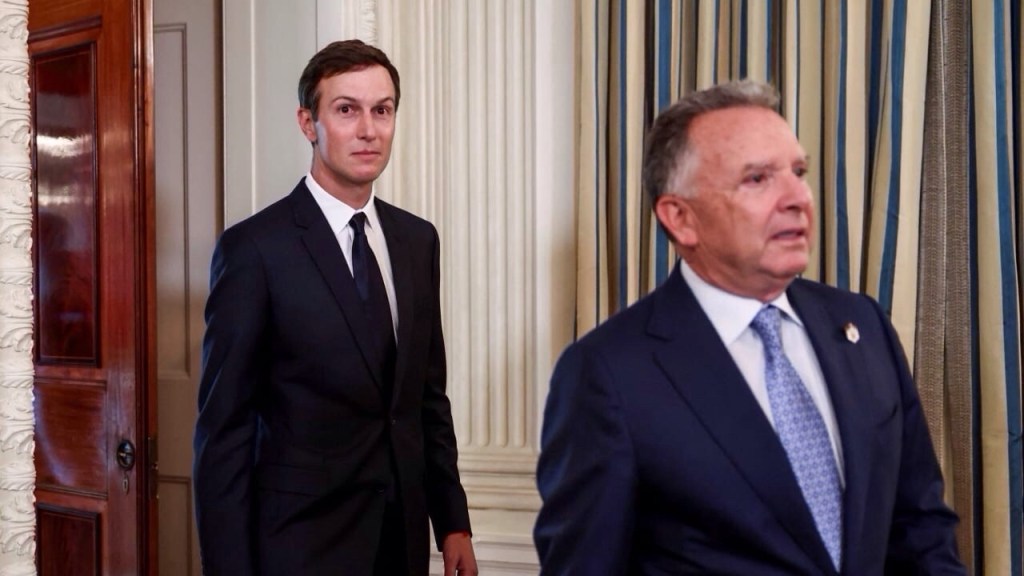
I am referring, of course, to the vaudeville team of White House special envoys Steve Witkoff and Jared Kushner, who were so recently given the “hook” removing them from the theater of international relations after their humiliating flop as negotiators for a cessation of Russia’s war against Ukraine.
Frick and Frack? Nope … just Kushner and Witkoff
On January 28th, U.S. Secretary of State Marco Rubio announced that the Witkoff-Kushner Show has been cancelled. Unfortunately, there is no way to refund the investors’ money.
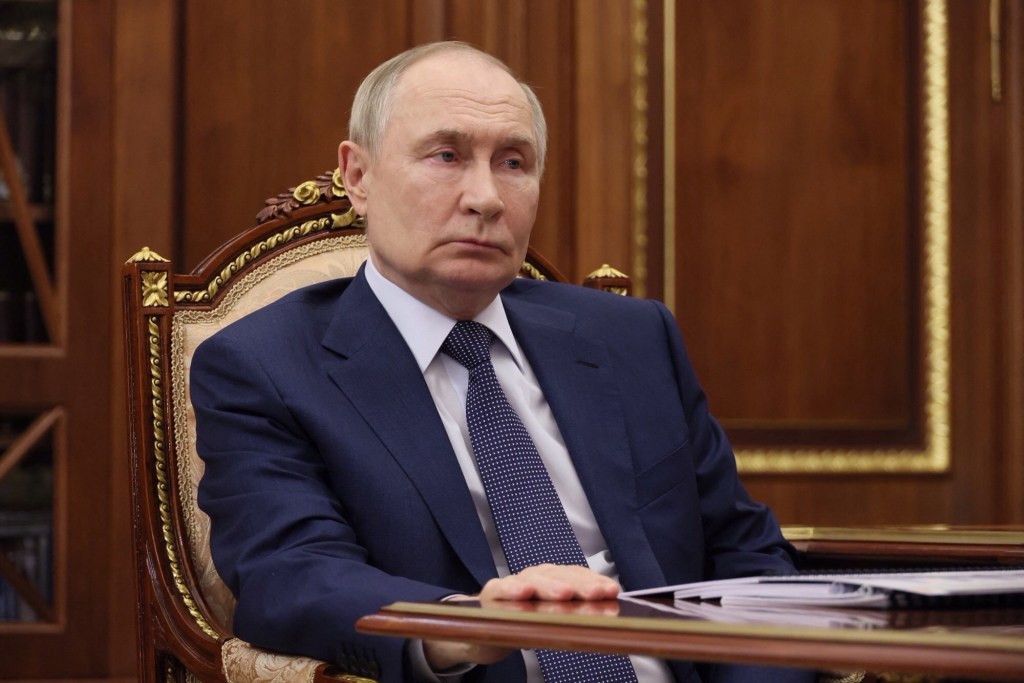
What is worse, the perpetrators of this debacle now have to endure the ridicule of their principal antagonist, Vladimir Putin, as he sits back to enjoy the comments revealing the extent of America’s blunder.
For example, one source reports that an unnamed “senior envoy” made several comments during trilateral meetings with Kremlin and Ukrainian officials in Abu Dhabi that “exposed a basic lack of knowledge about the war between Ukraine and Russia,” including incorrect statements as to how long the war had been going on, when it started, and whether Ukraine has a vice-president (it doesn’t).[Maria Butt, The Independent, January 30, 2026.]
Asked whether he hoped to agree on a peace deal before the four-year anniversary of the conflict, the unnamed official reportedly replied:
“I wasn’t aware of what that anniversary date was. I don’t think we feel pressure to because we have a four-year anniversary.” [Id.]
He is also reported to have said:
“I think it’s the longest war now. It was longer than World War II. At this point, it’s been going on.” [Id.]
(Just to be clear, World War II lasted for six years, from 1939 to 1945. The current war in Ukraine, at the four-year mark, is now the longest European war since — not longer than — WWII.)
“Holy crap!”
The head of the Ukrainian Parliament’s Foreign Affairs Committee, Oleksandr Merezhko, has said that those comments pose a “serious problem,” and that the situation is troubling, adding:
“[The envoy] has already made several big mistakes — both technical and, in essence, serious diplomatic ones. For example, [they] view territorial issues as real estate. That is completely wrong. They do not know the basics of — the fundamentals of politics, history, international law.” [Id.]
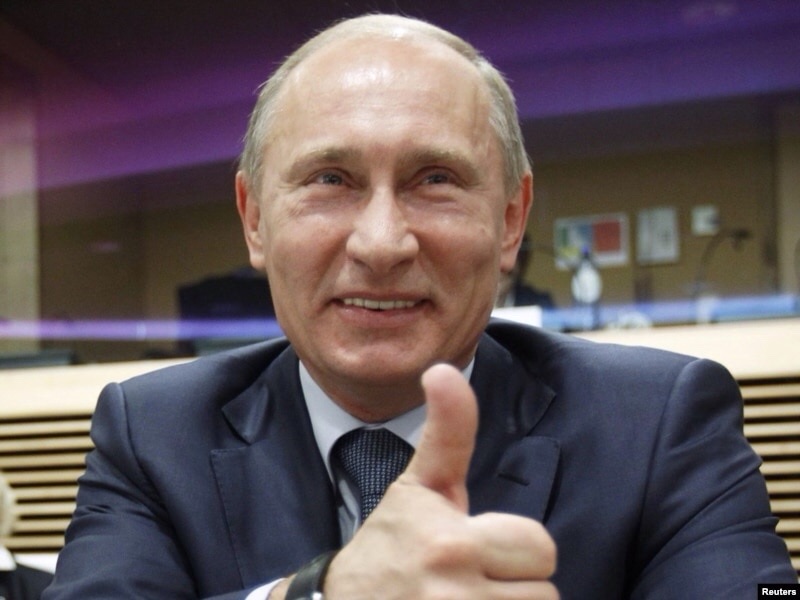
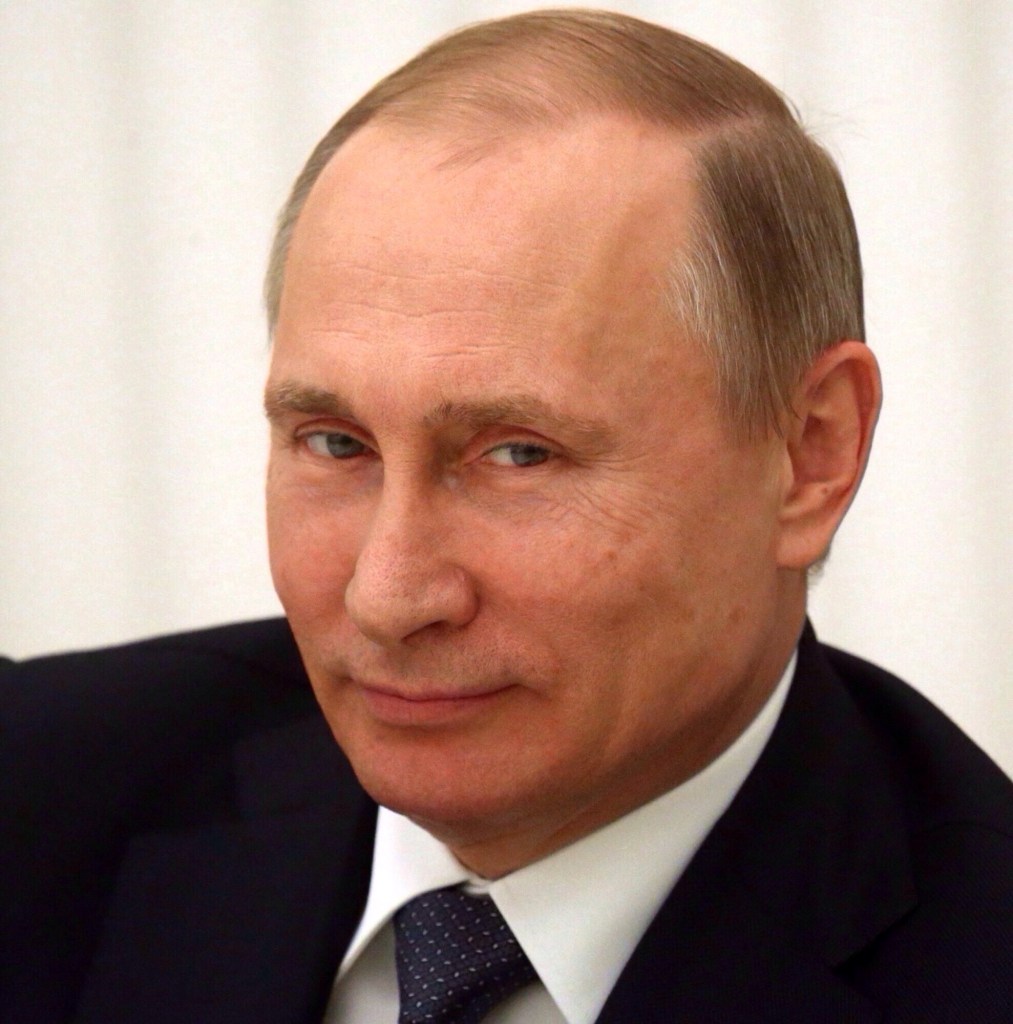
Real estate? Well, that figures. It could be either Witkoff or Kushner . . . or both. It really doesn’t matter; the damage has been done. And this guy in Moscow must be reveling in our humiliation, and the knowledge of how he has been parlaying our ignorance to his own advantage for the past year:
It’s beginning to look as though nothing short of a miracle will end this war in the foreseeable future. Considering the state of the world today, I’d say we’re long overdue for one . . . but considering that the mess is of our own doing, I wonder whether we really deserve it.
The New START Treaty — the last remaining nuclear arms pact between Russia and the United States — is due to expire on Thursday, February 5, 2026. That’s six days from now.
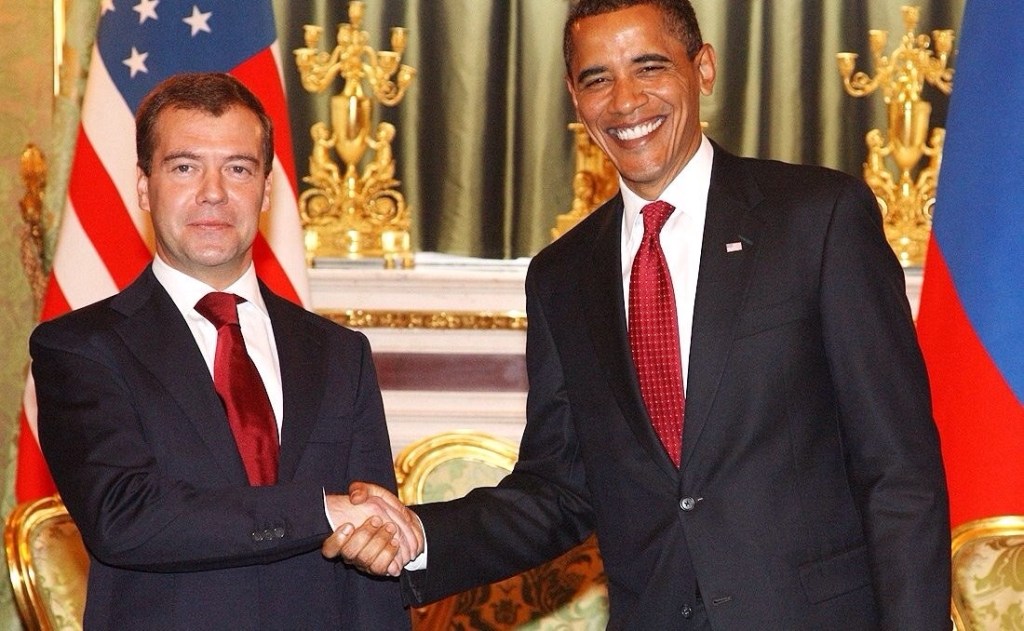
The treaty, signed during the Obama administration in 2010, sets limits on the strategic weapons that each side would be allowed to use to target one another other’s critical political and military centers in the event of a nuclear war. It also caps the number of deployed strategic warheads at 1,550 on each side, with no more than 700 deployed ground- or submarine-launched missiles and bomber planes to deliver them. [Dmitry Antonov and Andrew Osborn, Reuters, January 29, 2026.]
Then-Presidents Dmitry Medvedev and Barack Obama
Russian President Vladimir Putin has proposed extending the provisions of the treaty for another year. But he is still waiting for a response from the U.S. side. And Kremlin spokesman Dmitry Peskov has told reporters that allowing the treaty to expire “could lead to a serious gap in the legal framework regulating nuclear arms.” [Id.]
So why has Donald Trump not responded to this crucial issue? It seems simple enough. Is he unaware of the deadline? Is he too busy with his ballroom and his Mar-a-Lago bacchanalias to bother? Or is he thinking of using this as some sort of strategic leverage in other negotiations?
Nuclear power is not a carrot on a stick. It is not a tariff that can be invoked and revoked at will. Both sides have more than enough nuclear weapons and delivery systems to destroy the world; we don’t need proliferation, nor would it serve any purpose. Extend the damned treaty already!
In 1999, people flocked to theaters to see “The Matrix,” then laughed at the concept of robots taking control of us, the very people who had created them.
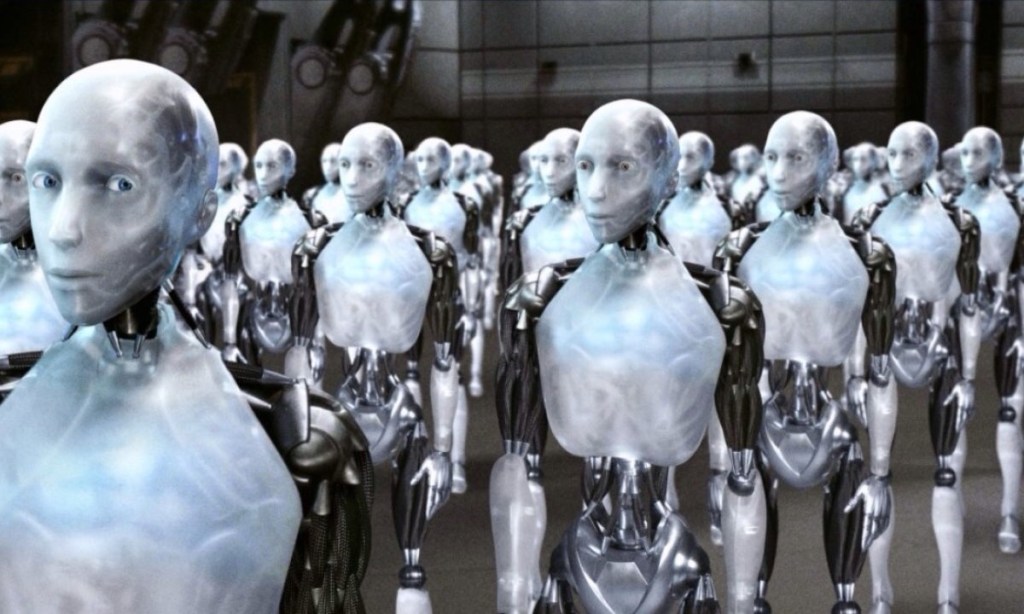
And in 2004, as we watched “I, Robot,” we pooh-poohed the possibility of a robot conspiracy.
I, Robot
Imagine what our reaction would have been if someone had told us then that, in less than 20 years, those humanoid gearboxes would already be obsolete, replaced by something called Artificial Intelligence, and that every aspect of our lives would be indelibly recorded and remotely accessible to nearly everyone and anyone with the right equipment and computer skills.
But that is precisely what has happened.
We could go all the way back to 1950 and blame Alan Turing for starting the whole thing. But realistically, the trouble didn’t begin until a couple of years ago, when AI-generative tools became widely available . . . and wildly popular with young techies who would rather lose an arm or a leg than be separated from their phones and laptops.
And what better environment for the reproduction and dissemination of AI “cells” than the internet?
I’ve said it before, and I’ll shout it to the world again: it scares the bejeezus out of me.
The other evening, I watched a full ten minutes of a YouTube video before I realized that the speaker had not once changed position, facial expression, or vocal intonation, and that his hands didn’t look quite right. AI still has trouble with hands. I could have figured it out sooner, if I’d been looking for clues; I just wasn’t expecting it. But I will be from now on.
There is no question that the internet has made life easier in so many ways: keeping in touch with distant family and friends; working from home; shopping and banking for people who find it difficult to get out of the house; studying and doing research for students and scholars; and keeping up with the daily news. I would certainly miss those conveniences.
But most of us are also well aware of the frauds perpetrated via the internet by the legions of faceless, unscrupulous scammers out there. And AI has made it so much easier for them to operate, because it all looks so absolutely, completely real.
AI-Generated Broadcaster
And it goes far beyond the pushing of products that turn out to be junk when — or if — we receive them. Far more insidious are the “news” items about things that never really happened, and the political propaganda from all sides designed to make us believe what the perpetrators want us to believe, until we no longer trust our own senses.
Taken to the nth degree, it is nothing short of mind control, and it is terrifying. It has the capability — if we allow it to happen — of turning us all into blithering idiots. But before that happens, perhaps the day will come when the internet will simply die of its own internal rot.
Or maybe — as Dick the Butcher said about the lawyers * — we could just kill all the robots.
Just sayin’ . . .
Brendochka 1/30/26
* William Shakespeare, King Henry VI, Part II (Act IV, Scene 2).
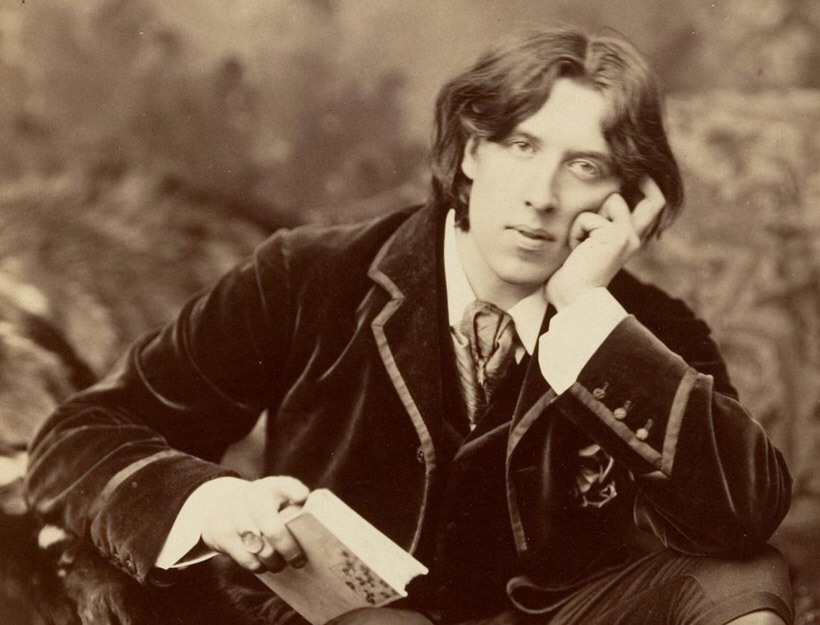
Oscar Wilde was a man who did not live long enough. An Irish poet, playwright and novelist who challenged the rigid mores of the Victorian era through the use of wit and satire, he died of meningitis at the age of just 46 years.
But he left behind a legacy of great works, notably including a play still being performed today — “The Importance of Being Earnest” — and the Gothic novel, “The Picture of Dorian Gray.”
Oscar Wilde (1854-1900)
He also — obviously unknowingly — provided a bit of self-deprecating humor that would fit perfectly into any rambling speech given by a certain “stable genius” today:
“I am so clever that sometimes I don’t understand a single word of what I am saying.”
– Oscar Wilde, “The Happy Prince and Other Stories”
That’s okay, Donnie . . . neither does anyone else.
Yesterday, Donald Trump said that he had asked Vladimir Putinto call a week-long ceasefire in Ukraine because of the bitterly frigid weather this winter has brought to a country already suffering from Russia’s bombardments. He told his cabinet members:
“They’ve never experienced cold like that. And I personally asked President Putin not to fire into Kyiv and the various towns for a week. And he agreed to do that. A lot of people said, ‘Don’t waste the call, you’re not going to get that.’ And he did it.” [RFE/RL, January 29, 2026.]
Thinking about it . . .
Has Donald Trump suddenly grown a heart? Maybe . . . or we can at least hope so. But there has been no confirmation as yet from the Kremlin, while multiple attacks continued yesterday against the cities of Kherson and Kryvyi Rih.
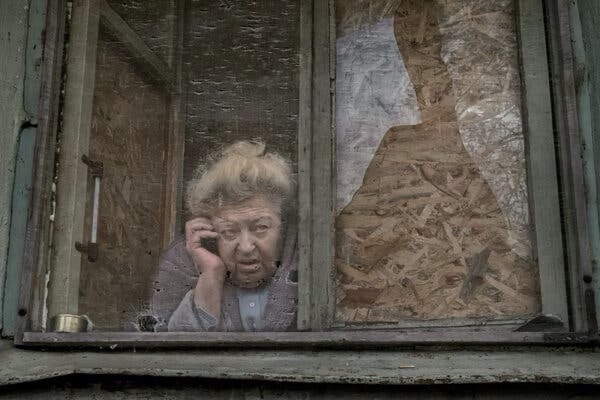
And meanwhile, temperatures across Ukraine dropped to minus 20 degrees Celsius, with over 400 residential buildings in Kyiv alone remaining without heat. Similar power outages have also been reported in the regions of Dnipropetrovsk, Donetsk and Zaporizhzhya.
In the Donetsk region — one of the areas partially occupied by Russian forces — a gas service worker was killed by a Russian drone while on his way to work, trying to help restore gas facilities.
Life in Kherson, Ukraine – January 2026
And authorities in other regions have warned that attacks might continue despite ongoing negotiations. Andriy Sadoviy, Mayor of the city of Lviv, wrote on Telegram:
“Our enemy is such that it could take advantage of this and try to strike at the critical infrastructure of our cities.” [Id.]
So, even if Trump has sincerely made a humanitarian appeal to ease the suffering of the Ukrainian people, the burden is now on Putin to grant the request.












 The Blog About Everything … and Sometimes Nothing