Throughout my years of travel, I found much to love in every city and every country I was privileged to visit. Yet I always held tight to my U.S. passport, considering myself the most fortunate of people for having been born under the greatest political system ever devised by man.
Today, that democracy — or republic, if you prefer — is under attack by destructive internal forces never before experienced in our 250-year history. I believe those forces will fail, due both to their innate rot and to the will of the people to prevent them from stealing what is ours.
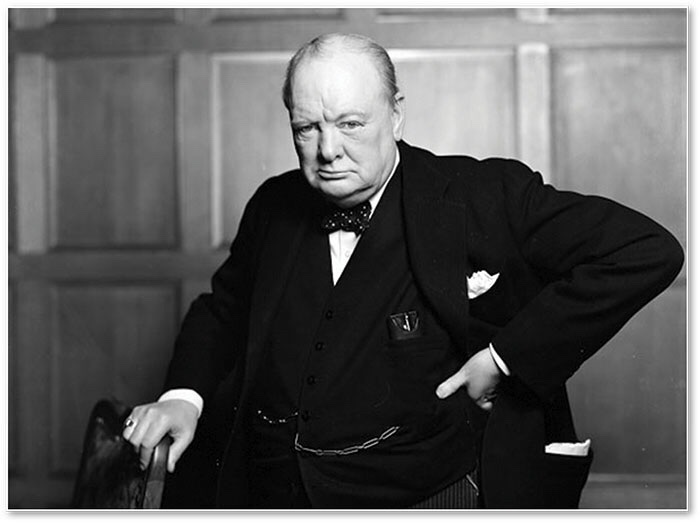
Is the United States a perfect country? Of course not. Countries are comprised of people, who are themselves inherently imperfect. Perhaps a fellow advocate of democracy — not an American, but a great British friend and ally — expressed it best:
“Many forms of Government have been tried, and will be tried in this world of sin and woe. No one pretends that democracy is perfect or all-wise. Indeed it has been said that democracy is the worst form of Government except for all those other forms that have been tried from time to time.”
– Winston S. Churchill, 11 November 1947
Sir Winston Churchill (1874 – 1965)
Imperfect people have yet to devise a perfect form of government. And until someone does, we Americans will continue to fight for the survival of our democracy. We will tolerate no tyrants, no dictators, no fascists.
In the 20th century alone, Hungary’s political fortunes fluctuated nearly as often as the weather.
Following the collapse of the Austro-Hungarian Empire in the wake of World War I, Hungary lost some 71 percent of its territory and 66 percent of its population to surrounding nations. Seeking to regain its former territory and status, the government aligned with the Axis powers of Germany and Italy, carrying it head-first into World War II.
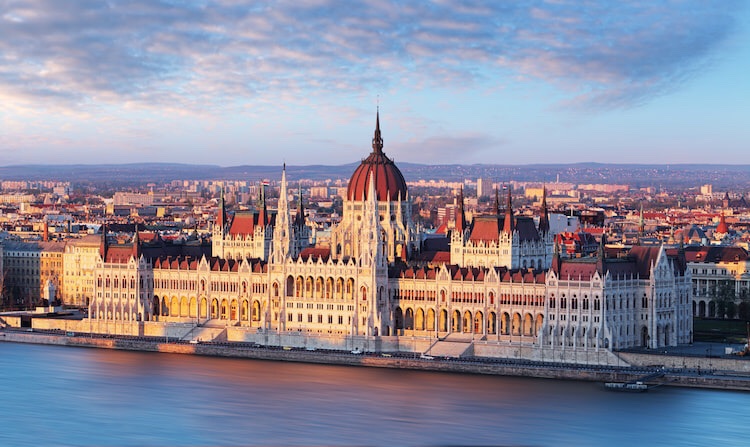
Hungarian Parliament, Budapest
Following that devastation, which included the deportation and slaughter of hundreds of thousands of Hungarian Jews, there followed a brief period of quiet beginning in 1945 (Renaissance #1) . . . until the Communist Party seized power, creating the Hungarian People’s Republic in 1949.
A popular uprising in 1956 brought hope of renewal, but was quickly crushed by Soviet troops. And Hungary remained under the control of the USSR as part of the Soviet Bloc of nations until the fall of Communist rule in Eastern and Central Europe in 1989 (Renaissance #2).
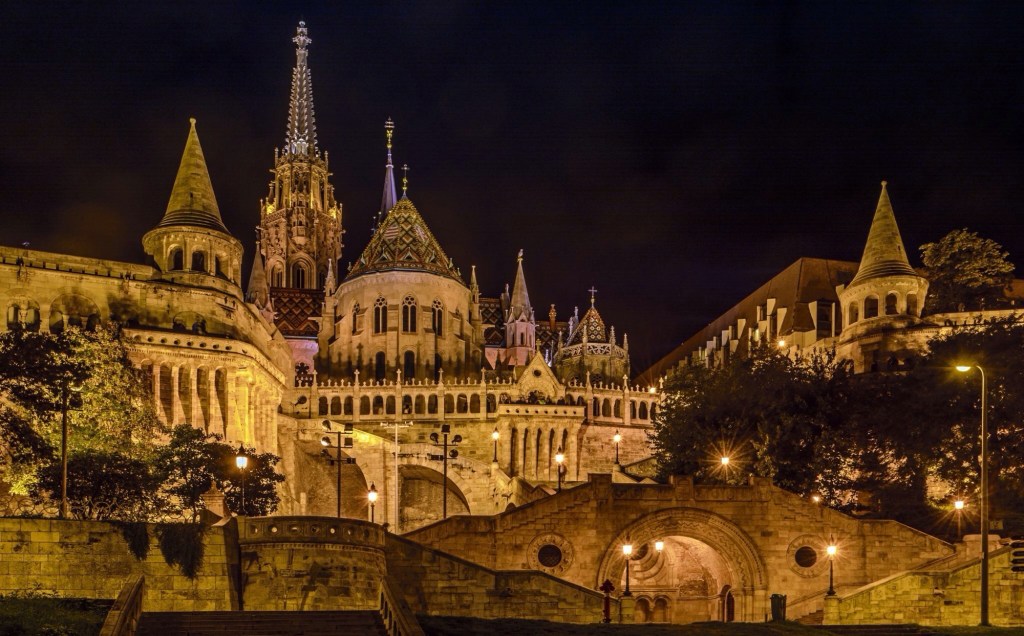
Fisherman’s Bastion, Budapest
When I visited Budapest in the fall of 1990, Hungary was in the throes of a great recovery: reinventing itself, yet again, as a free and democratic nation with a prosperous future.
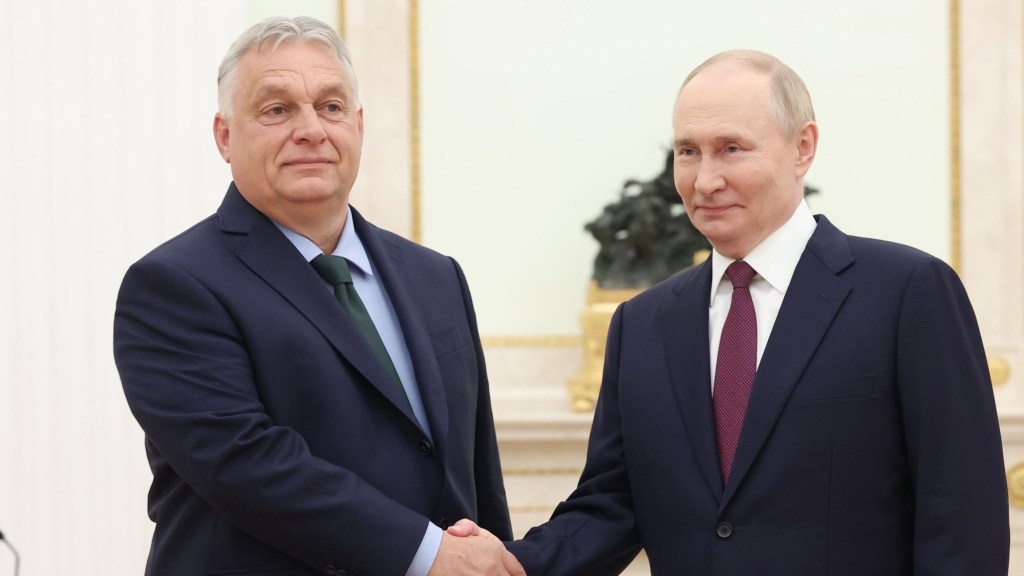
Then along came Viktor Orban, who has served as Hungary’s Prime Minister on and off since 1998, and as head of its leading Fidesz Party since 2003. And in that position, he has become an ally and puppet of Vladimir Putin, using Hungary’s position in the EU to further Russia’s interests — even feeding information directly to Kremlin officials from strictly confidential EU meetings through Hungary’s Foreign Minister, Peter Szijjarto.
Orban’s autocratic governance of his country also mirrors that of Putin. But in the lead-up to parliamentary elections on April 12th, even Moscow’s blatant interference is failing to overcome the Hungarian people’s growing disaffection for Orban and his Fidesz Party. And a documentary film, aired last Thursday at a Budapest movie theater and on YouTube, has publicized the results of an independent six-month investigation, accusing Orban’s party of mass voter intimidation and corruption, even involving regional governments and police administrations. [Nick Thorpe, BBC, March 26, 2026.]
Viktor Orban with Vladimir Putin: BFFs … for now
Recent polls show Peter Magyar’s center-right opposition party, Tisza, leading by an ever-widening margin. And for the first time in 16 years, it appears that Viktor Orban may be headed for the unemployment line. At a recent rally, he was met with boos from his supposed supporters, with some chanting Magyar’s name.
But nothing is certain in politics; and the EU is taking no chances. Well aware of Orban’s double-dealing activities, they are discussing steps to limit his influence within the bloc in the event he does win the election, including possible changes to voting rules, an increase in financial pressure, and — in extreme circumstances — possibly going so far as to suspend Hungary’s rights within the bloc altogether. [Julia Struck-Feshchenko, Kyiv Post, March 30, 2026.]
And when Orban’s power at home is gone — either through his loss of the election, or the diminishment of his authority within the EU — how long do you think his friendship with Putin will last?
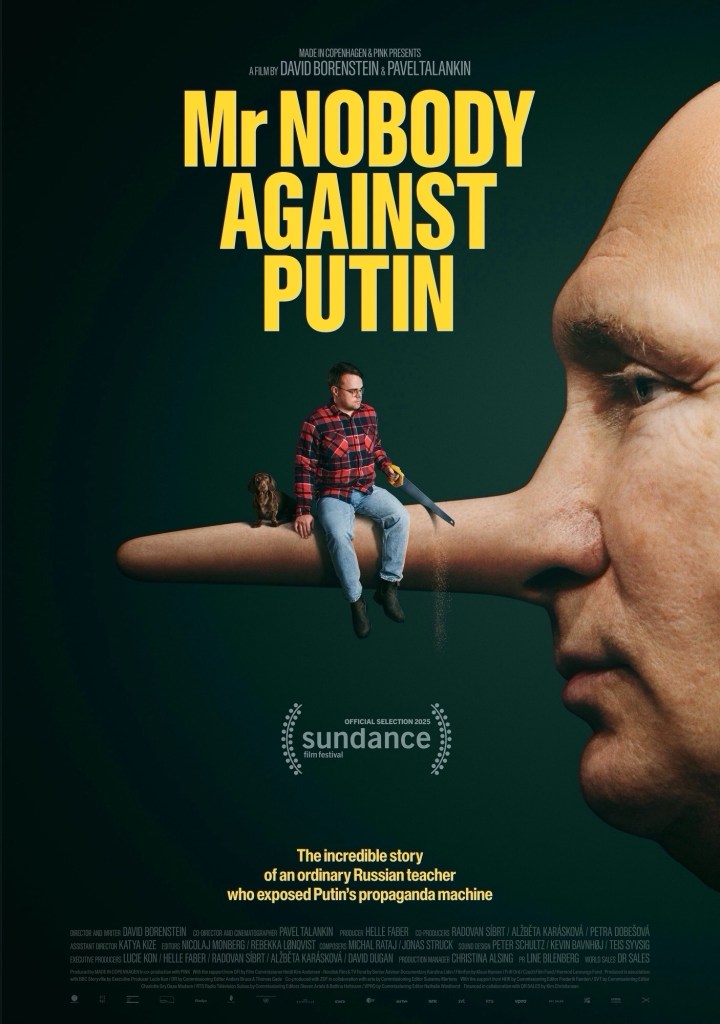
The word is out: The Kremlin has banned the Academy Award-winning documentary, “Mr. Nobody Against Putin.” To the surprise of . . . well, absolutely no one . . . it will not be available for viewing in Russia.
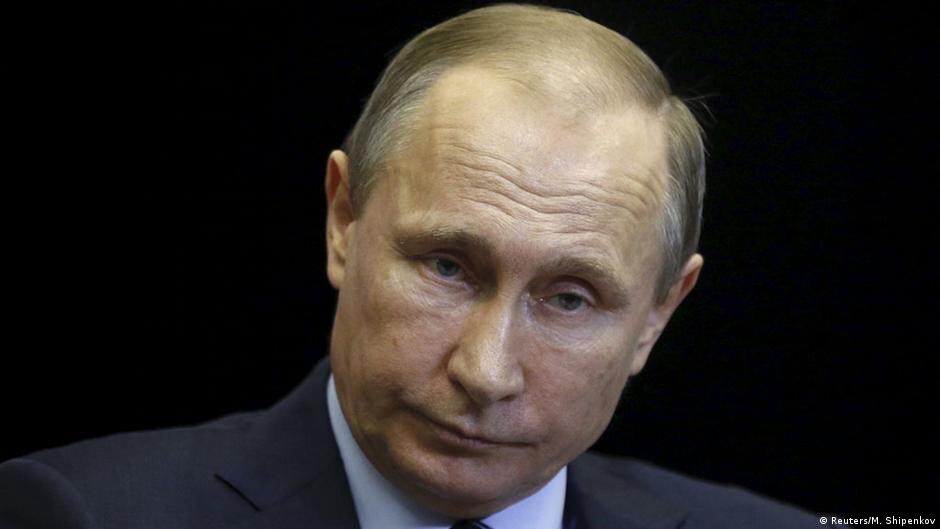
A little thin-skinned, are we, Mr. P.? Worried about the people’s reaction? Maybe a popular revolt in the offing?
If so, you might want to get together with your good friend Donnie for a little one-on-one pity party — things aren’t going so well for him, either.
There are two quotes from the writings of Umberto Eco that, when taken together, strike me as being particularly relevant to the actions and the psyche of someone you may recognize:
“[L]earning does not consist only of knowing what we must or we can do, but also of knowing what we could do and perhaps should not do.”
– Umberto Eco, “The Name of the Rose”
. . . and . . .
“I have come to believe that the whole world is an enigma, a harmless enigma that is made terrible by our own mad attempt to interpret it as though it had an underlying truth.”
– Umberto Eco, “Foucault’s Pendulum”
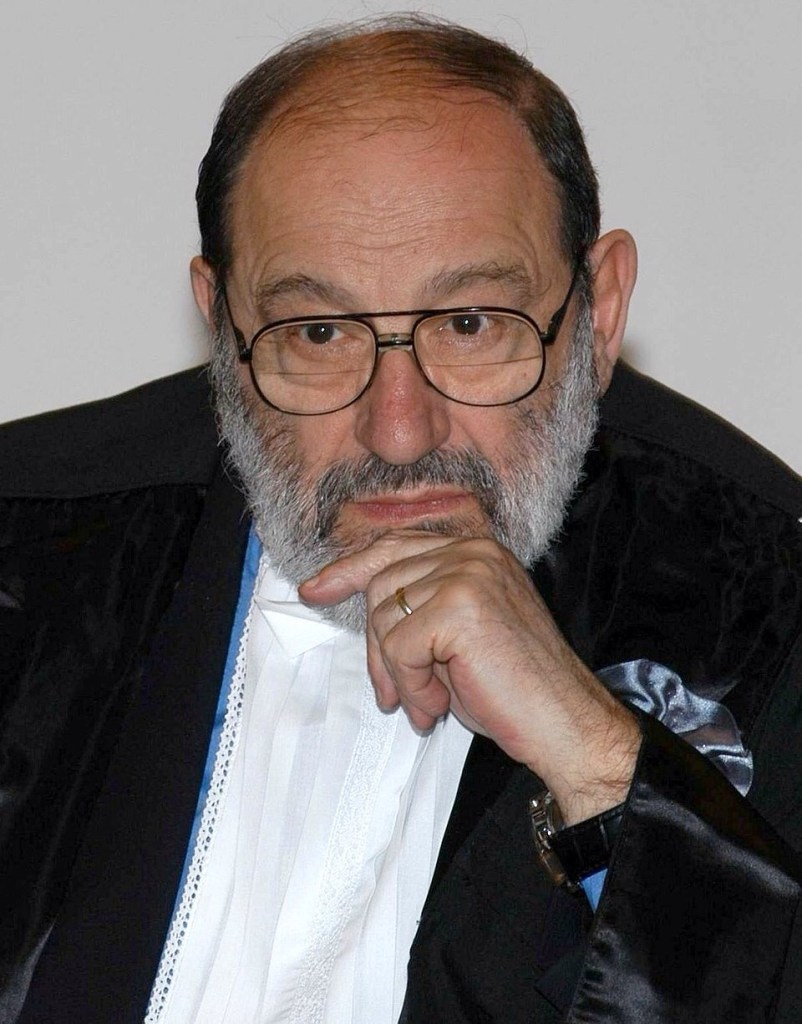
Umberto Eco (1932 – 2016)
What do you suppose Umberto Eco would have said about a man who, having lived nearly 80 years, has learned nothing about right or wrong, cares nothing about learning, and whose “mad attempt” at interpreting the world has been designed and carried out through the narrow lens of his own totally selfish interests?
Or what happens when such an individual holds a seat of absolute power?
While reading the daily update on Trump’s war against Iran yesterday, I got to thinking about the pre-Ayatollah history of that country, during the reign of the last Shah. And my thoughts turned to his widow, Farah Pahlavi, now 87 years old and living in the Washington, D.C., area.
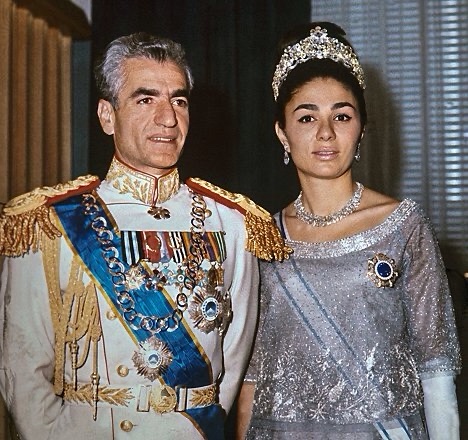
The Last Shah and Shahbanou of Iran
I was going to write about my one interaction with her, but then I recalled already having done so, very briefly, as part of a longer blog post dated July 6, 2024. So I re-read that article, found myself chuckling again over some of my less-illustrious life experiences, and decided to share them once more, for any new readers or those who may have missed them the first time around.
And in the process, I realized that it’s not my imagination after all: life — or at least, my life — really was more fun 50 years ago. So here it is, updated ever-so-slightly:
*. *. *
7/6/24: THE BEST OF MY LIFE
People are forever talking about their “best” this, or their “favorite” that. Or they’re asking you about yours. And a lot of those are easy enough to answer (though often there’s a tie and you just can’t decide). For example, my favorite . . .
Broadway show: “Les Miz” — no contest. Movie: “The Russia House” — know most of the dialogue by heart. TV Series: “The West Wing,” “M*A*S*H,” “Downton Abbey” Meal: Either the stuffed baked lobster at Mattakeese Wharf in Barnstable, Cape Cod, Massachusetts; or the Dover sole at a little restaurant downhill from the Royal Palace in Stockholm, Sweden.
Actual Stuffed Baked Lobster (stuffed with an even dozen giant scallops) at Mattakeese Wharf Restaurant, Barnstable, MA, USA
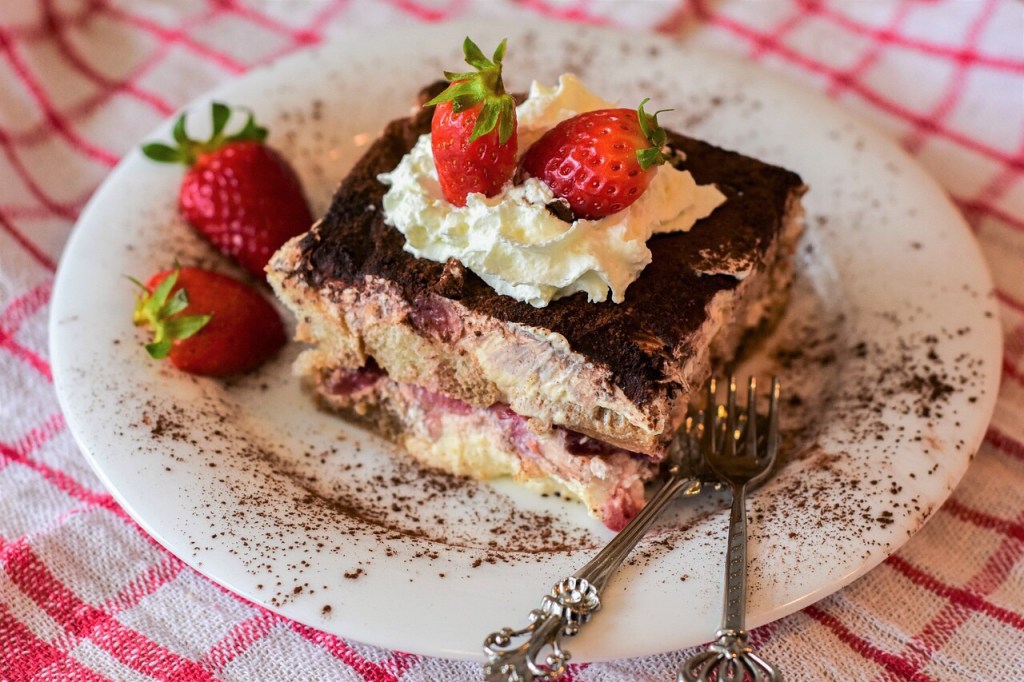
Book:“The Charm School,” by Nelson DeMille. Color: Blue. Or green. So, I guess . . . teal. Vacation: Baltic Cruise on Holland America Lines, 2009. Concerts: Paul Simon in Prague, 1991; Neil Diamond in Washington, D.C., around 1980. Summer: Prague, May – August, 1991. Desserts: Tiramisu. And coffee ice cream (not together).
Heaven On A Plate
Compliment:“Wow!” (It was the strapless gown. I was 18 and cute.) Popular song:“The Sound of Silence,” by Simon & Garfunkel. More recent popular song:“Hallelujah,” by Leonard Cohen. More recent than that: None. Not a single, solitary one. Classical composer: Tchaikovsky, Mozart, Beethoven . . . so many. Popular composer: Paul McCartney, Simon & Garfunkel. It’s a tie. Older popular composer: Irving Berlin
*. *. *
You get the idea. But these are pretty straightforward, to the point of being somewhat boring. The memories I prefer are the more, shall we say, unusual ones. Some are funny, some not so much . . . and some were red-faced-get-me-the-hell-out-of-here embarrassing. But they were memorable. Such as . . .
Best trip to Emergency Room. Picture it: Around 20 years old, monthly cramps, pitcher of whisky sours, sundeck on a hot day, cool shower, passed out, hit wood floor face-first, split chin open, no car, called EMTs, went to ER, got sewn up, had to return home in taxi . . . in cotton robe, nothing underneath, bare feet, big white dressing across chin, through crowded lobby of apartment building. My only comment: “You should see the other guy.” Talk of the building for weeks.
“And how are we feeling today?”
Best fender-bender. There’s really no such thing as a “good” accident, but this one was worse for the other guy than for me. In the usual bumper-to-bumper evening rush-hour traffic around the Jefferson Memorial in D.C., everyone had stopped except the driver behind me, whose front bumper French-kissed my rear bumper, audibly shattering something made of glass (turned out to be his headlight). We were exchanging insurance information when another car pulled over, a man and a woman exited the car and began walking toward us. The other driver — typically for people in larger cities — looked concerned, but I told him not to worry, as I knew the couple. In fact, they were a partner and a paralegal at the law firm in which I worked and they had obviously spotted me and were just making sure I was all right.
You could see the poor guy (the offending driver) deflate on the spot; he heard “lawyer,” and figured his life had just gone down the drain. I’m sure he had a couple of sleepless nights until I informed my insurance adjuster, who informed his insurance adjuster, who then informed him that I wasn’t injured . . . and in fact, my Datsun’s rock-solid bumper was barely even scratched. No damage, no law suit. He got lucky; but judging from the expression on his face when a lawyer showed up at the scene, he had already suffered his punishment.
“No! No! Not a lawyer!”
Best breach of protocol. I can’t go into detail, but my firm at one time (in the ‘80s) had been retained to represent the widow of the last Shah of Iran in some commercial business matters. I never did meet her, and our representation of her was kept strictly confidential; but I was super impressed to be even indirectly connected to a royal family. Answering the phone one morning — just one of the dozens of calls I fielded during a typical day — I was stunned to hear a lovely, friendly female voice say, “Hello. This is Farah Pahlavi.”
Now, I was accustomed to dealing with people at high levels of industry and government, but was taken aback by the fact that an Empress would, first of all, place her own calls, and second, be so down-to-earth. At that moment, all of my years of training went out the window, and I heard myself replying, “Oh, hi. How are you?”
What the hell was wrong with me??!!! Did I think I was talking to my best friend? But before I could grab the scissors and kill myself, she stepped right in and said, “I’m fine, thank you. You must be Brenda. I’ve heard so much about you.”
Wow! That beautiful lady was and is the very soul of graciousness, and though I never did have the privilege of meeting her face-to-face, I have never forgotten her. And when I think of that conversation, I still do this:
“OMG! I didn’t just say that!”
Best funeral. My mother’s, actually. Okay, I know that’s beyond weird. But, to begin with, she died on my sister’s birthday, which should have served as a warning of things to come. The funeral was in Rhode Island, so there were travel and other arrangements to be made, and all as quickly as possible since we’re Jewish and that means no embalming and . . . well, you get the point.
There were a few little incidents that broke through the misery: my daughter packing seven pairs of socks and no toothbrush for the four-day trip; the rainy day that turned bright and sunny, as if on cue, just as we reached the cemetery; the man arriving at the cemetery whom my sister and daughter didn’t know and who gave me the biggest bear hug ever, leaving them wondering about my secret life; and swapping growing-up stories late that night with our aunt, my mother’s younger sister, all three of us breaking down in tearful, therapeutic laughter.
But the best moment occurred on the day before the actual funeral, when the Rabbi came to my aunt’s home to pay his respects. When he walked into the living room, where my sister and I were seated next to each other, we took one look at him, turned to each other, and in unison blurted out, “Mottel.” That Rabbi was the absolute image of Mottel the Tailor, from “Fiddler On the Roof.” And we both burst out laughing, leaving the poor man thinking he’d walked into an insane asylum. This was, after all, supposed to be a household in mourning. But sometimes you just need a good belly laugh, and apparently the previous night’s wasn’t enough.
“Even a poor tailor deserves some happiness.” – Fiddler On the Roof
Best time almost getting shot in a Russian museum. Well, the only time, really. Back in the day (1993) before smart phones and digital cameras, while living and working for a few months in Moscow, a good friend from Washington was staying with me for a couple of days on her way to meet up with her husband, who was in one of the former Soviet republics on business. With her was her teenage son, whose only request while there was to visit the Military Museum. As it happened, my next-door neighbors were a military family, and the husband offered to take us there. So the five of us piled into their little car; stopped for lunch at McDonald’s on the way (a real treat for the Russian couple); and headed for the museum, where the admission was free but I was required to pay one ruble for the privilege of taking pictures with my own camera.
Well, as I said, it was a film camera, and after snapping away for a while, the camera told me it was out of film by beeping at me — quite loudly, and repeatedly. “Beep! Beep! Beep!” And, like a scene from a Chevy Chase movie, everyone in the room froze as two armed Militia officers — the kind that are absolutely everywhere in Moscow — came running into the room, hands on holsters, ready for action. Instinctively holding the camera up in the air where they could see it, I shouted, “Nyet! Nyet! Fotoaparat! Fotoaparat!” (“No! No! Camera! Camera!”) (I couldn’t think fast enough to say “Don’t shoot!”in Russian.) Mercifully, their hands still on their holsters, they heard me, saw the camera up in the air, and came walking slowly and cautiously toward me as I turned off the beeper. They examined the offending device, decided it wasn’t a bomb, and everyone finally relaxed; in fact, we all had a rather hearty laugh in the end, once my neighbor identified himself as an army officer and vouched for me. Just another bizarre day in Moscow.
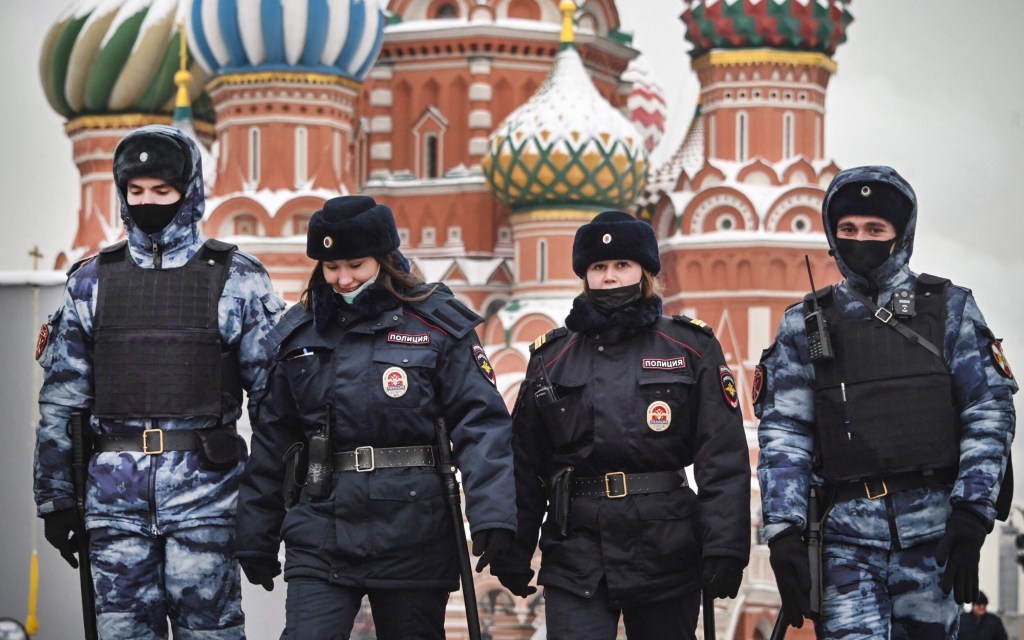
They’re everywhere!
Best time passed out in 5-star restaurant. Nope, I’m not going through this whole story again. But it was hilarious enough to warrant its own blog post (6/13/24: “The Trauma of Turning Thirty” — check it out.)
Life Is A Never-Ending Belly Laugh.
*. *. *
My point, after all of this, is that it’s not the routine and mundane side of life that we value or remember throughout the decades. Nor is it necessarily just the good things. For me, at least, it’s the unusual, the bizarre, the quirky, even the embarrassing. Maybe I have a strange sense of humor, but it works for me. When I need to lighten up on a not-so-great day, I just call out to the universe, “Fotoaparat! Fotoaparat!” . . . and I recall once again that much of this life has, after all, been great fun.
You might want to give it a try. “Fotoaparat! Fotoaparat!”
At last, we have some idea of what our favorite itinerant Canadian-Russian family has in store for the near future. It’s difficult to pin down dates, as it’s never clear how long ago the most recently posted video was actually made; but as of Friday’s post, Arend Feenstra reported that the whole clan was packed up and headed north from Florida to Georgia.
On the Road Again
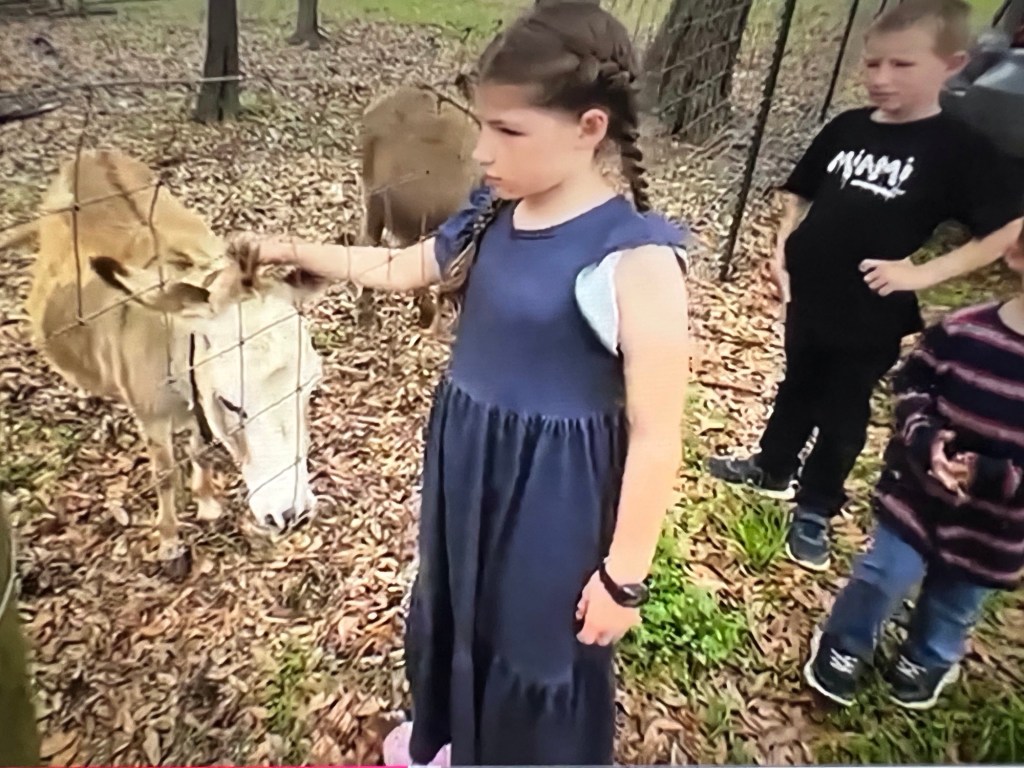
They were on their way to visit friends there for a couple of days, stopping by a dairy farm en route.
Fun at the Farm
Then they would be on to North Carolina . . . where Anneesa and the youngest six children would once again be deposited at a campground while Arend and the three eldest — Ben, Cora and Wes — would continue (presumably in Ben’s van) back to Ontario.
As I understand it, the plan calls for Arend, Cora and Wes to work for another month in Canada, then for Arend to fly down to pick up the others in North Carolina, head back to Ontario in the camper for another couple of weeks of work, finally flying back en masse to their farm in Russia. Except for Ben, of course, who was the only one old enough and smart enough not to have left Canada for Russia in the first place.
Arend’s left ear, Ben, and Wes
I know, I know . . . it doesn’t make any sense to me either. Why don’t they all just drive back to Canada from North Carolina in the two vehicles now, instead of making an additional exhausting — and expensive — round trip? Particularly since the whole purpose of working for the past three months has been to earn enough money to pay for the whole “vacation” in the first place.
That’s right. As Arend explains in this video, the ten round-trip airline fares between Russia and Canada cost a total of $25,000, which needs to be repaid. In addition, he has been trying to earn enough money to sustain them on the farm until — he hopes — it becomes a profit-making enterprise this year.
You see, it turned out that, once they arrived in Nizhny Novgorod a couple of years ago, got their residency and finances straightened out, and began building their farm from scratch, they discovered that their savings wouldn’t last forever, and that earning money in Russia is not as simple as it was in Canada. Arend frankly admits that his connections in his home country, and the availability of work — not to mention his ability to speak the language — make things much simpler than in his adopted country.
But he says they’re excited to return to Nizhny Novgorod and resume their lives as strangers in a strange land. I guess Canada is still too “woke” for them . . . or perhaps they simply have too much invested in their new farm to change their minds.
Or — and this, to me, is the most mind-boggling possibility of all — maybe they really do like living in Russia.
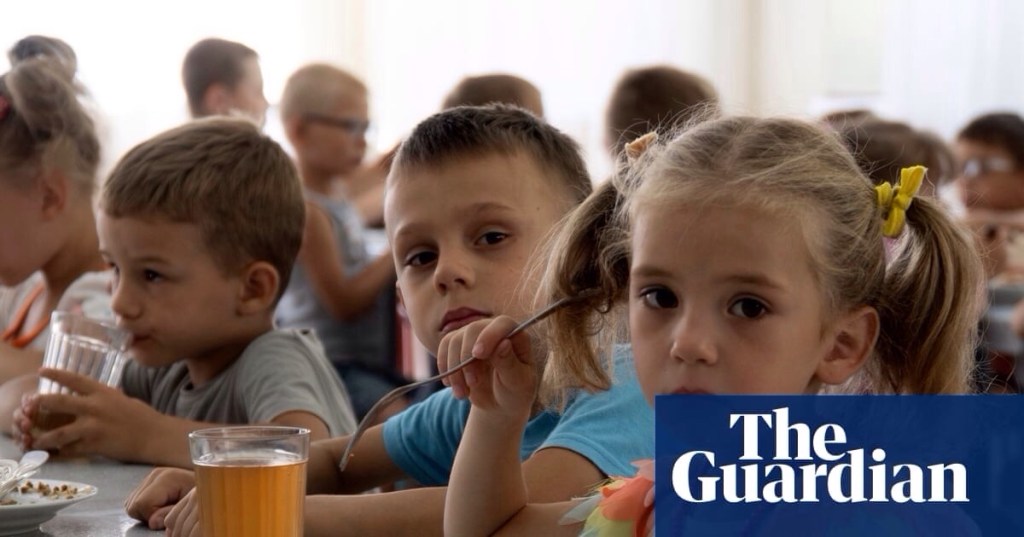
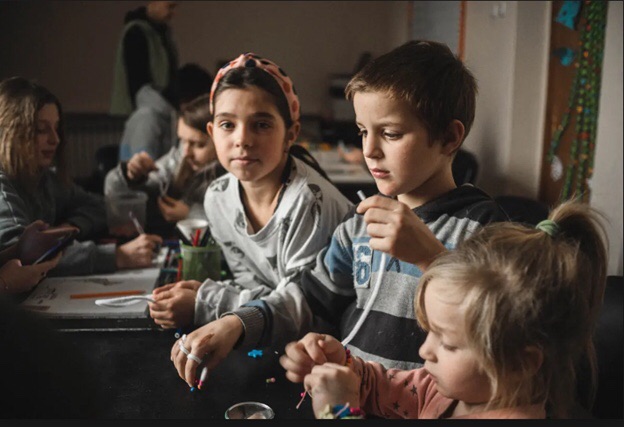
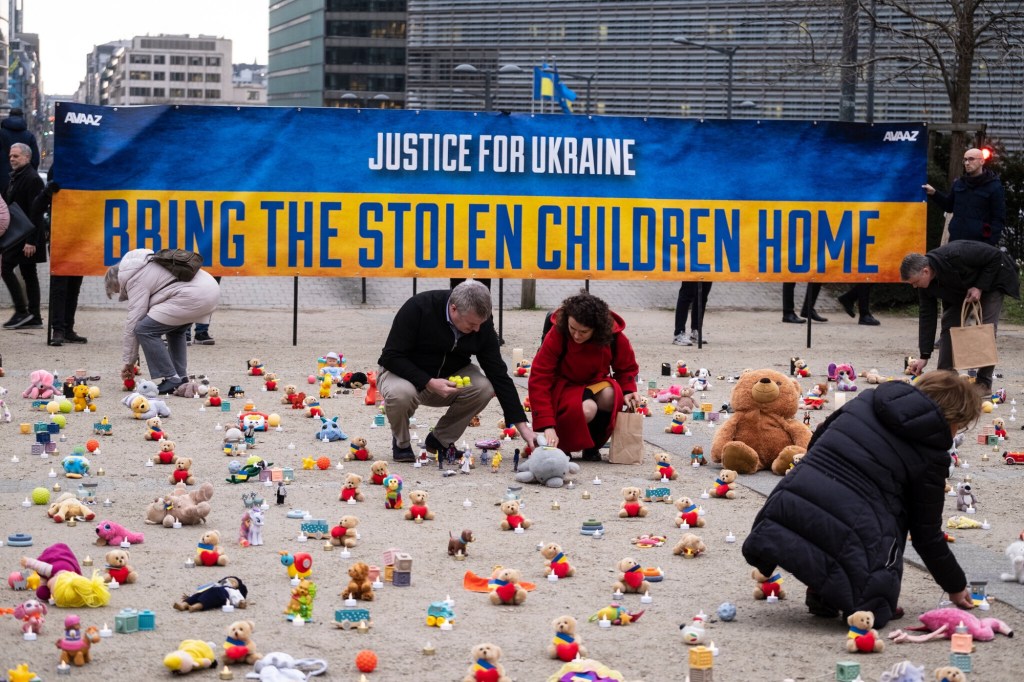
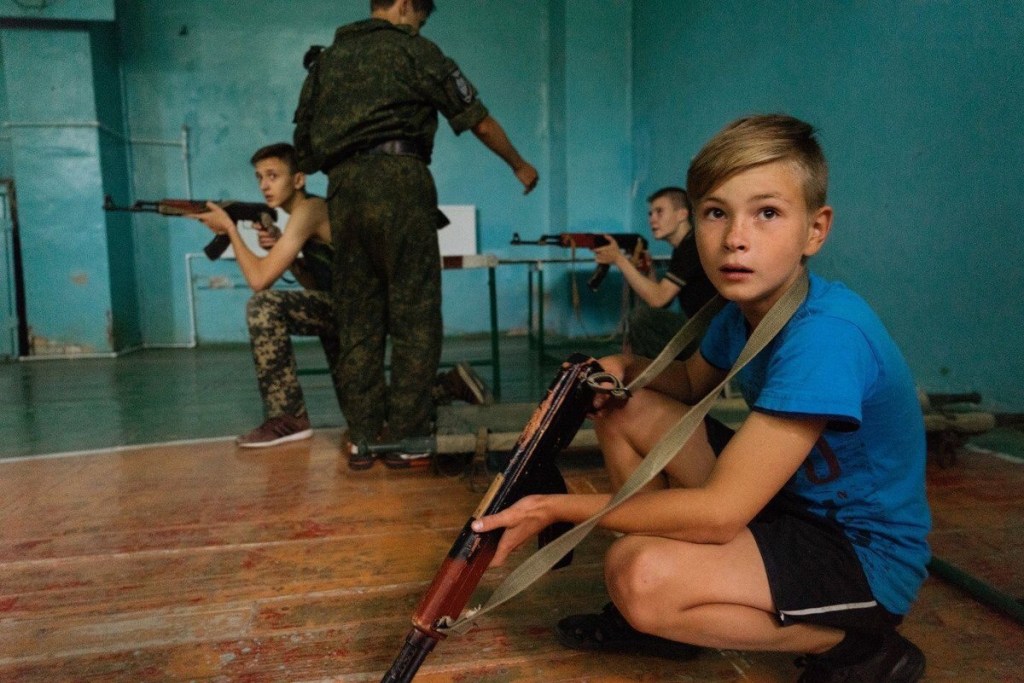
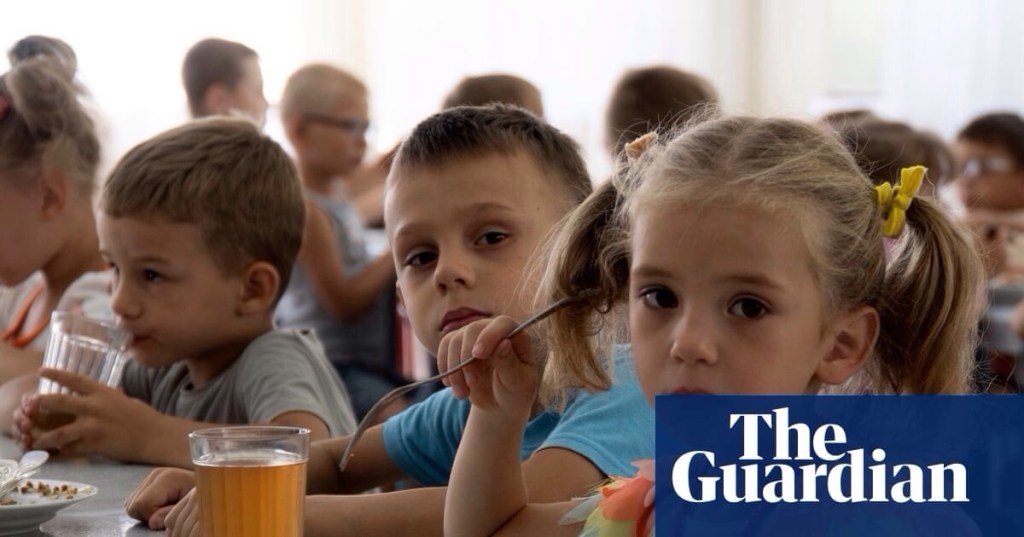
We hear and read daily of the number of deaths and other casualties being sustained by the people of Ukraine as a result of Vladimir Putin’s continuing war of attrition. But perhaps the most devastating statistic is one that receives less attention, but should be constantly in the headlines: that is, the number of Ukrainian children who have been snatched from their homes and families, to be “re-homed” in Russian facilities where they are required to speak the Russian language, subjected to Russian propaganda, given Russian military training, and potentially being turned into Russian citizens.
While the most frequently cited estimates place the number of such children at around 20,000, those are only the documented cases. In reality, there may be as many as 400,000 children enrolled in Russian paramilitary youth programs or placed with Russian families or institutions, according to Katya Pavlevych, a policy adviser for the Razom for Ukraine NGO and the American Coalition for Ukraine. Pavlevych describes the situation as “the largest case of missing children since World War II.” [Alex Faufoglu, RFE/RL, March 26, 2026.]
And there may be as many as 1.6 million at-risk Ukrainian children still living in the Russian-occupied regions of Donetsk, Luhansk, Kherson, and Zaporizhzhia. [Id.]
Some 2,000 children have been located and returned, primarily through covert operations coordinated by Ukrainian authorities and civil society groups. [Id.] But that is a drop in the bucket.
Inna Liniova, director of the Human Rights Center of the Ukraine Bar Association, says that multiple organizations — including the International Criminal Court, the International Court of Justice, and the European Court of Human Rights — are addressing the legal issues. But the prosecution of the perpetrators of these war crimes is a major sticking point, for which a Special Tribunal for the Crime of Aggression Against Ukraine was launched in 2025, designed to fill the existing gap in the process of holding the guilty parties accountable. [Id.]
These are all vitally important steps, of course. But we must continue to shine the spotlight on this urgent issue in order to bring them all back before irreparable psychological damage is done to the children — which is one more reason pressure must be kept on the U.S. and European nations to continue providing maximum support to Ukraine’s defense.
These children need to go home!
*. *. *
And of course we must simultaneously continue the multinational effort to bring the political prisoners back from their illegal incarceration in Russia and elsewhere. Here again is the list of those known, which sadly is only a fraction of the total:
Prisoners of War:
The 20,000+ Kidnapped Ukrainian Children The People of Ukraine
Immigrant Detainees in Russia:
Migrants from the Central Asian nations of Kazakhstan, Kyrgyzstan, Tajikistan, Turkmenistan and Uzbekistan
Endangered Exiles:
Mikita Losik Yulia Navalnaya Countless Journalists and Other Dissidents
Andrei Chapiuk Uladzimir Labkovich Andrzej Poczobut Marfa Rabkova Valiantsin Stafanovic Yuras Zyankovich
In Georgia:
Mzia Amaglobeli
In Russia:
The “Crimea 8”: — Oleg Antipov — Artyom Azatyan — Georgy Azatyan — Aleksandr Bylin — Roman Solomko — Artur Terchanyan — Dmitry Tyazhelykh — Vladimir Zloba
James Scott Rhys Anderson (British) David Barnes (American) Gordon Black (American) Hayden Davies (British) Anastasia Dyudyaeva Antonina Favorskaya Konstantin Gabov Robert Gilman (American) Stephen James Hubbard (American) Sergey Karelin Timur Kishukov Vadim Kobzev Darya Kozyreva Artyom Kriger Michael Travis Leake (American) Aleksei Liptser Grigory Melkonyants Nika Novak Leonid Pshenychnov (in Russian-occupied Crimea) Nadezhda Rossinskaya (a.k.a. Nadin Geisler) Sofiane Sehili (French) Igor Sergunin Dmitry Shatresov Robert Shonov Grigory Skvortsov Eugene Spector (American) Joseph Tater (American, disappeared) Laurent Vinatier Robert Romanov Woodland (American)
More and more frequently of late, I find myself wondering why I am still here, when my life seems to have so little purpose now: there are no children dependent upon me, my years of meaningful work and joyous travels are in my rear-view mirror, and so many of my friends are gone. Even this blog, which I do enjoy writing, has only a few loyal readers.
It’s an age thing, and there is no cure.
But then something will happen to remind me that there is a reason for everything, although it may not be given us to understand it.
Today is the third “No Kings Day” in America. Millions of proud citizens are gathering peaceably to oppose the autocratic regime of Donald Trump, and to demand that our democracy be preserved and our Constitution obeyed. Sadly, I am physically unable to join them, though I am with them in spirit.
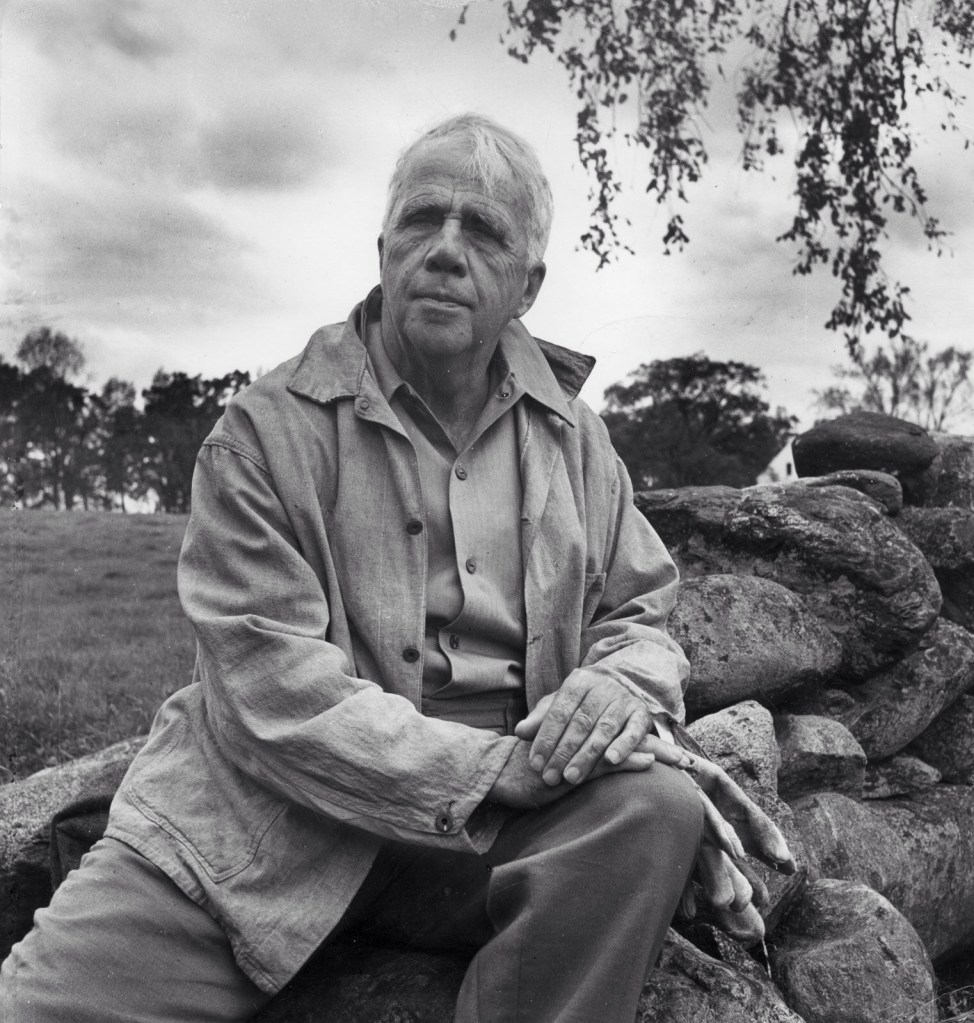
This morning, as I was thinking about how, in my younger days, I would have been right out there with those protesters, I stumbled upon a beloved old verse by the celebrated American poet Robert Frost, and that little light bulb in my head switched on.
As I read, for perhaps the hundredth time, those immortal last lines, I remembered that I do indeed have a reason for lingering on this “mortal coil,” as another poet (Shakespeare) called it: to keep writing, sending my verbal support out there for even a handful of readers, joining the marchers and fighting for our freedom in the only way left to me: with my words. And not only for my fellow Americans, but for oppressed people throughout the world.
The lines that spoke so clearly to me this morning are these:
“The woods are lovely, dark and deep, But I have promises to keep, And miles to go before I sleep, And miles to go before I sleep.”
– Robert Frost, “Stopping by Woods on a Snowy Evening”
Robert Frost (1874 – 1963)
So I’m still here, keeping my promise to continue the fight for whatever time may be left to me, and hoping that a few more people will join me.
VFor some time now, I have expressed my dismay concerning the estimated 20,000 Ukrainian children who have been kidnapped and “re-homed” by Russian authorities since the start of Putin’s war in February of 2022 — a despicable war crime of the greatest magnitude and the utmost urgency, which Ukraine and its allies have been trying without success to rectify.
And now, a new report by the Yale School of Public Health’s Humanitarian Research Lab concludes “with high confidence” that Russian state-owned energy giants Gazprom and Rosneft have been directly involved in the transportation and political indoctrination of at least 2,158 children from Russian-occupied areas of Ukraine since 2022.
The report identifies six camps in Russia and Russian-occupied territories to which children have been taken, including facilities owned by Gazprom subsidiaries, stating:
“Gazprom and Rosneft are critical components of President [Vladimir] Putin’s industrial-scale campaign of child deportation, transportation [and] indoctrination.” [Alex Raufoglu, RFE/RL, March 25, 2026.]
The children, from the Donetsk, Luhansk and Zaporizhzhia regions of Ukraine, have been relocated to camps where they are indoctrinated into pro-Russian propaganda, patriotic education, and, in some cases, military activities.
While both Gazprom and Rosneft are the subjects of extensive sanctions by the US, UK and EU, the report identifies 44 subsidiaries and trade unions tied to the parent companies, some 80 percent of which are not currently under sanctions. Researcher Ruth Gibson said:
“This matters, because American foreign policy is . . . putting dollars directly into the pockets of two Russian companies implicated in the forcible transfer and reeducation of Ukrainian children.” [Id.]
And this month, a U.S. exception was granted allowing certain Russian oil shipments to proceed — in the hopes of alleviating some of the havoc created by Donald Trump’s invasion of Iran — potentially providing further benefit to the two energy giants.
But while Trump continues to play Russian Roulette with the world’s economy, the U.S. Congress, at least, has finally done something right in an effort to help the youngest, most innocent victims of Vladimir Putin’s war.
On March 25th, the same day the Yale report was released, a hearing was held by the Tom Lantos Human Rights Commission — a House of Representatives panel focused on global human rights — in which bipartisan support and a demand for accountability was issued.
And the following day, the U.S. Department of State announced that, in conjunction with Congress, it is “providing $25 million in new assistance to support the identification, return, and rehabilitation of Ukrainian children and youth who have been forcibly transferred or otherwise held away from their families and communities.” [Alex Raufoglu, RFE/RL, March 26, 2026.]
Comments from Congress included the following:
> From Chris Smith (R.-New Jersey): “There’s no space between us [Republicans and Democrats].”
> From Lloyd Doggett (D.-Texas): [The forced transfer of children] is not a side effect of war — it’s a crime.”
> And from Suzanne Bonamici (D.-Oregon): The fact that thousands of children remain unaccounted for is “gut-wrenching.” [Id.]
Personally, I would like to have seen a higher dollar figure offered; but the fact that bipartisan action has been taken is a huge step in the right direction . . . and proof that Congress can act, as a unified entity, when they really want to. And for that, honor is due.
*. *. *
There is much more to the story of Ukraine’s missing children, and that will be the subject of my regular Sunday post on Putin’s hostages tomorrow. See you then.
It is obvious to everyone that Donald Trump is a great admirer of “strong men” (a.k.a. autocrats) — and the more tyrannical, the better. And his favorite is clearly Vladimir Putin, as evidenced by the warm reception Vlad received on the red carpet in Alaska last year, and the continued leverage being granted in his pursuance of the war in Ukraine.
Trump has even mimicked Putin’s naming the war in Ukraine a “special military operation” by calling his own invasion of Iran a “military operation.”
Well, I guess we all have our idols — even malignant narcissists like Trump. So, if he really wants to let Putin know how much he admires him, I have a suggestion.
As reported both by Russia’s independent news outlet The Bell and by The Financial Times, Putin — whose economy has suffered greatly from four years of his non-war — has turned to his oligarchs for financial help, broaching the subject in a closed-door meeting with the country’s leading businessmen.
Thus far, at least two are said to have responded favorably: Russian Senator Suleiman Kerimov, worth an estimated $25 billion or more, has offered the equivalent of $1.23 billion; and metals tycoon Oleg Deripaska, with a personal fortune of more than $7 billion, also agreed to “contribute” an unspecified amount to the cause. Both men, not surprisingly, are already under sanctions by the U.S. and Ukraine.
And, as noted by The Financial Times, the request coming personally from Putin rendered it “all but inconceivable” that any of the others would refuse to help. [Ewan Palmer, The Daily Beast, March 27, 2026.]
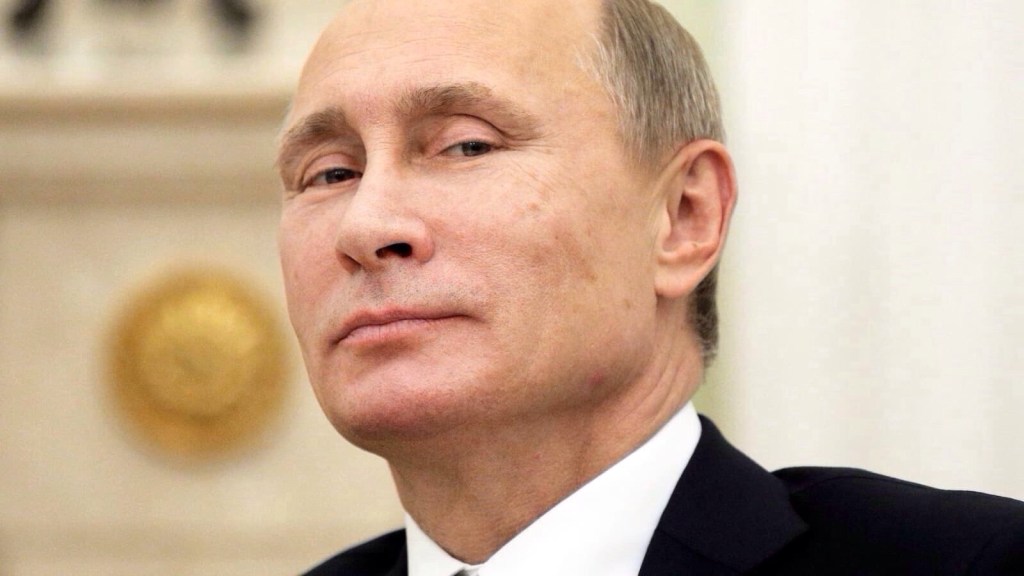
A hard man to say “no” to
It should be noted, however, that the Kremlin has denied that Putin actually asked for assistance, claiming instead that one of the participants in the meeting — whose name was not provided — had volunteered to donate a “very large sum of money” to the state. Kremlin spokesman Dmitry Peskov said that the anonymous individual felt it was their duty to contribute; since he and his fellow billionaires had made their fortunes from businesses initially obtained from the government following the breakup of the Soviet Union in the 1990s, it was the least they could do to express their appreciation. According to Peskov:
“This was absolutely his initiative, and not President Putin’s. Although, of course, the head of state welcomed such an initiative.” [Reuters, March 27, 2026.]
Well, of course he did. And we all know how altruistic those oligarchs can be, don’t we?
Peskov also added that the “contributions” were not for the furtherance of the war in Ukraine. And if you believe that — or any of the rest of his bullsh*t — then I have a bridge I’d like to sell you.
Brooklyn Bridge, New York: For sale to the highest bidder. Call me.
*. *. *
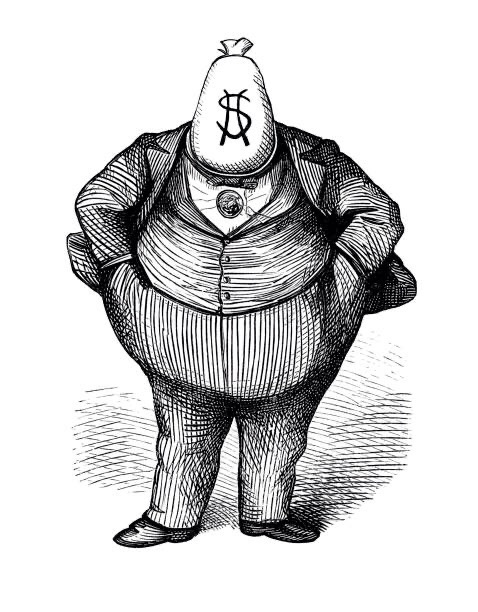
Anyway, the whole purpose of this story is to point out to Trump that he is missing a great opportunity. He has certainly done enough favors for his uber-rich friends (whose names we need not reiterate here), such as: “encouraging” Congressional passage of legislation in favor of their business holdings; overlooking blatant violations of antitrust, financial, and environmental laws and regulations; erasing criminal convictions with a presidential pardon; redacting and burying relevant portions of the Epstein files; etc., etc., etc.
Those guys owe him . . . BIG TIME!
So, instead of dealing in penny-ante stuff like increased tariffs, taxes, and job eliminations, he should try gathering all of those patriotic American gazillionaires into one room — preferably the one with a view of that future ballroom he’s so orgasmically excited about — and raking in some really big bucks by making them an offer they can’t refuse.
And this time — just for once — not putting the money into his own pockets.





















 The Blog About Everything … and Sometimes Nothing