Or so says the candidate for next year’s Senate midterm election from the great state of “Georiga,” Republican Mike Collins, as he rolls out his MAGA agenda:
But it’s understandable: he’s just following in Trump’s footsteps. You may recall that he once created a whole new African country: “Nambia.”
We already have MAGA and MAHA; I propose we add MAIA:
It’s too bad Donald Trump isn’t the least bit interested in history . . . or in anything factual, for that matter. Because even he might appreciate the irony of two items that popped up in today’s column of “This Day In History” at History.com.
July 28, 1868. 14th Amendment adopted. Yes, folks . . . on this date, 157 years ago, the 14th Amendment to the United States Constitution was officially adopted following its ratification by the required three-quarters of U.S. States. And in case you’ve been out of school long enough to have forgotten the details, this is what is enshrined in Section 1 of that Amendment:
“All persons born or naturalized in the United States, and subject to the jurisdiction thereof, are citizens of the United States and of the State wherein they reside. No State shall make or enforce any law which shall abridge the privileges or immunities of citizens of the United States; nor shall any State deprive any person of life, liberty, or property, without due process of law; nor deny to any person within its jurisdiction the equal protection of the laws.” [Constitution of the United States, constitution.congress.gov.] [Bold emphasis is mine.]
And lest anyone try to convince you that the restrictions refer only to the individual State governments, and not to the Federal government, you might remind them that the first sentence applies to everyone — even the President — and that it cannot be circumvented without passage of another amendment by a two-thirds vote of both Houses of Congress.
Now, about those unconstitutional ICE raids and deportations . . .
At Alligator Alcatraz
*. *. *
And how about this one:
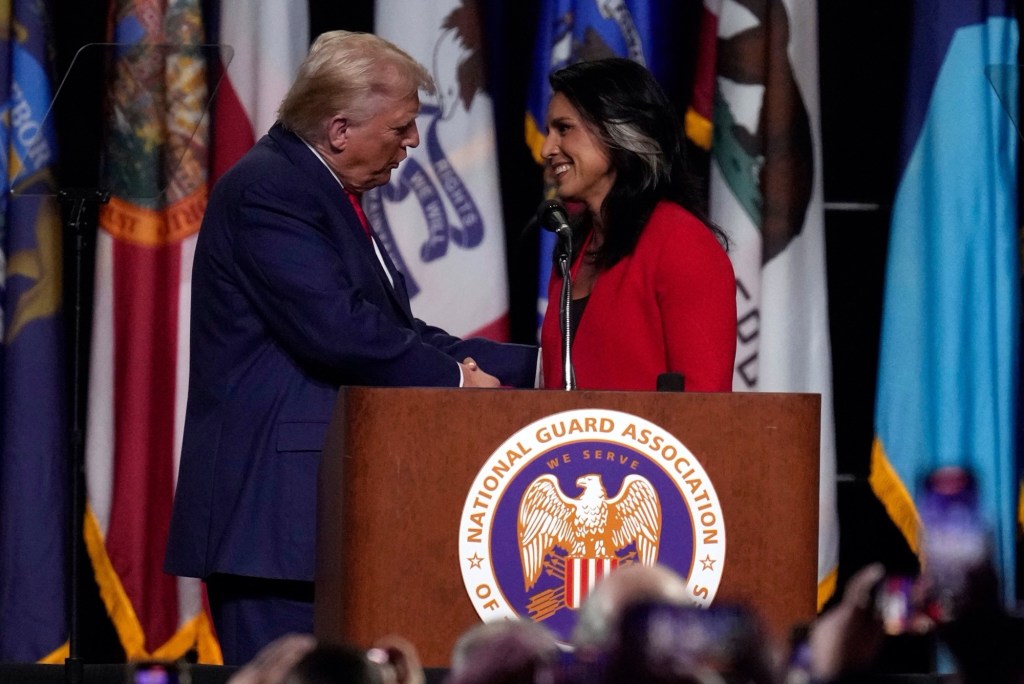
July 28, 2016. Hillary Clinton accepts Democratic nomination for president. It’s been nine years, and Trump is still blaming then-President Barack Obama for trying to fix that election in Clinton’s favor — even now accusing him, with the gleeful assistance of head cheerleader and renowned mean girl Tulsi Gabbard, of “treasonous conspiracy.” [Emily Brooks and Rebecca Beitsch, The Hill, July 28, 2025.]
But Trump conveniently ignores at least two facts:
First, even his Republican cohorts in Congress realize that the current phase of his ongoing, jealousy-driven witch hunt against Obama will never stand up in a court of law, since it is no more than an attempted distraction from Trump’s own problems with the Jeffrey Epstein debacle; and
Second, Trump himself, backed by a Supreme Court ruling in 2024, has covered his own substantial a** by seeing to it that former presidents retain immunity from criminal prosecution even after leaving office for actions within the scope of their executive power. Or is he now going to claim that that only applies to Republican presidents?
Co-conspirators Trump and Gabbard
And finally, one more reminder and a word of advice to the hypocrite-in-chief:
Taking time out from his real passion (golf), Donald Trump appears finally to have taken action to light a fire under Vladimir Putin.
British Prime Minister Keir Starmer with Donald Trump in Scotland
Trump met with British Prime Minister Keir Starmer today at Turnberry, Scotland, where they discussed — most likely among other topics — Russia’s continuing bombardment of Ukraine and Vladimir Putin’s refusal to participate in meaningful ceasefire negotiations.
Following their meeting, Trump spoke to journalists and repeated earlier comments that he is “very disappointed” with Putin. Today, however, he added that he “doesn’t need to wait” for the conclusion of the original 50-day deadline he had given earlier this month, and said instead:
“I’m going to make a new deadline for about 10 or 12 days from today. When you deal with someone long enough, you know what they’re going to do — or not do. I gave him [Putin] a chance. He’s not taking it.” [RFE/RL, July 28, 2025.]
Unfortunately, he didn’t stop there. Without specifying what actions he had in mind at the end of the 10-to-12-day period, he gave himself some wiggle room by adding:
“ . . . maybe we’ll still make a deal with Russia but it’s very late in the process.” [Id.]
And further weakening the impact of his latest threat was last Friday’s comment by Secretary of State Marco Rubio to the effect that Trump is “losing patience” with Moscow and “losing the desire to continue waiting.” [Id.]
Well . . . is he “losing patience,” or has he actually lost it? And will we have to wait 10 or 12 days to find out?
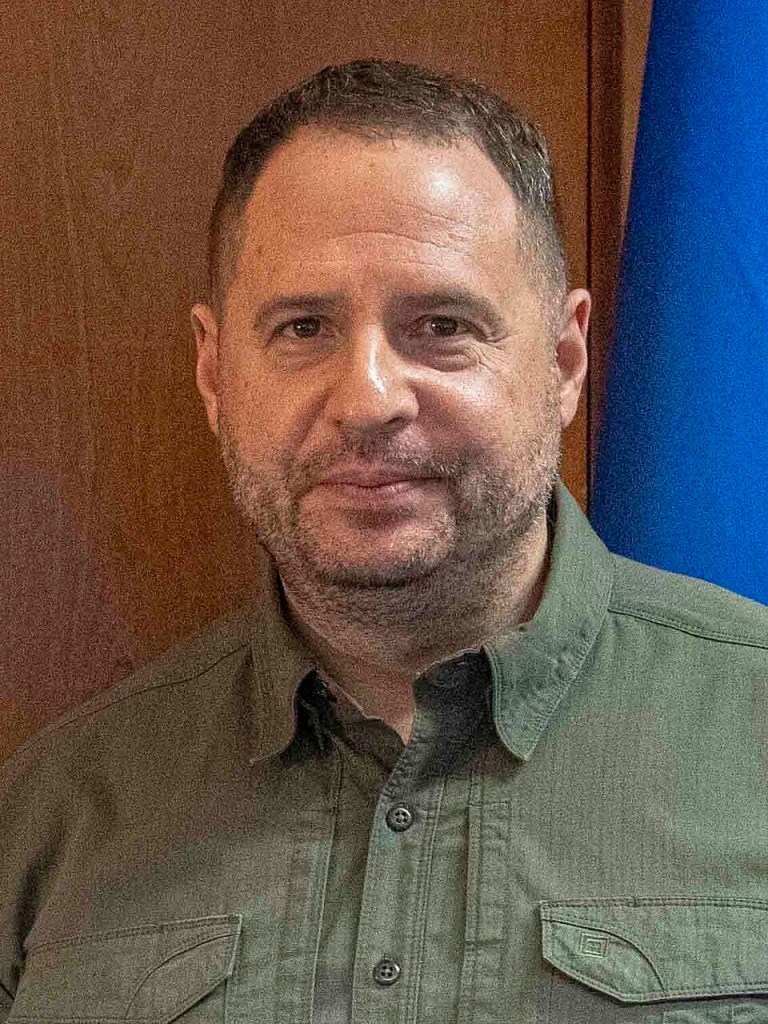
Putting a positive spin on this new development, Andriy Yermak, head of the Office of the President of Ukraine, wrote on Telegram:
“We thank President of the United States Donald Trump for his firm position and a clear signal — peace through strength. President Trump stated that he is shortening the deadline he gave Putin to end the war because he believes the answer is obvious. Putin understands only strength, and that message has now been delivered clearly and loudly. This is a principle fully shared by President Volodymyr Zelenskyy.” [Id.]
Andriy Yermak
Whether Kyiv is being overly optimistic will depend in large part on the rest of Trump’s message to Putin, i.e., exactly what measures the U.S. is ready to take if the Russian leader continues to stonewall . . . and, of course, what long-term strategy Putin has in mind.
Because one thing is for certain: Vladimir Putin does nothing without a well-thought-out plan.
Arresting dissidents and demonstrators wasn’t enough. Shutting down independent news outlets and rights groups wasn’t enough. Monitoring social media content wasn’t even enough. Broadening the definition of “extremist” activity didn’t quite do the trick either. In spite of all of the Kremlin’s onerous restrictions, people in Russia are still finding ways to search out the truth.
So on Friday, the upper house of Russia’s Parliament approved a bill providing for punishment of individuals “deliberately searching for and accessing extremist materials.” [Associated Press, July 25, 2025.] The bill is set to be signed into law by President Vladimir Putin . . . who no doubt “suggested” it to the legislature in the first place.
Russian officials say that ordinary internet users won’t be affected by the law, and that it is intended to root out those who “methodically seek outlawed content” . . . though there was no explanation as to how the distinction would be made. [Id.]
Arrest of Activist In Front of Parliament
Despite their assurances, there is nothing to stop the government censors from monitoring the online searches of any individual. Even accidentally stumbling across an “undesirable” website while doing research for a class project or in the course of one’s employment would be enough of an excuse for an arrest.
Thus far, the penalty under the new law is only a fine of up to the equivalent of $64. But there are hundreds of political prisoners already serving extended sentences on more serious charges that mysteriously materialized after their initial detainment for minor misdeeds.
George Orwell’s dystopian novel “1984” referred to Big Brother’s enforcers as the “Thought Police.” And in today’s cyber-driven environment, keeping one’s innermost thoughts to oneself is nearly impossible. Make no mistake: Big Brother is alive and well in the Kremlin, and his Thought Police are out there.
*. *. *
Of course, this is not a surprising development in light of Putin’s history of totalitarian rule. But that’s Russia. It couldn’t happen here in the United States.
Oh . . . really? If you don’t see it happening already, then you must have had your head buried in the sand for the past six months.
Surely you’ve heard of ICE’s brutal immigration raids; U.S. Marines being called in to break up peaceful demonstrations; elimination of DEI programs; the blackmailing of media outlets, universities, and law firms; firing of people who dare to criticize the administration; decimation of government agencies responsible for the health, welfare and safety of the public; elimination of social safety nets for the most vulnerable of our citizens; the disgraceful subservience of the Congress and the Supreme Court to a single authoritarian with a God complex; and the contravention of the U.S. Constitution itself.
No, not yet . . . though with the blistering heatwaves blanketing the northern hemisphere this summer, a lot of us are probably wishing it were.
There now … don’t you feel better?
But take heart: it’s less than five months away. And a week after that, another year will have whizzed by while we were preoccupied with Jeffrey Epstein’s list, the illicit couple caught on camera at the Coldplay concert, Donald Trump’s latest lawsuit, and whatever else the world has in store for us in the meantime.
This month also marked the birthdays of both my son and daughter (two years apart), which — using Jack Benny’s somewhat skewed method of calculation — makes me about 20 years younger than my own kids.
And yesterday, while ruminating on the fleeting nature of Father Time, I made a huge mistake: I looked in the mirror. I mean . . . I really looked at the reflection in front of me, and finally had to admit that — while I had always thought I would age like this:
. . . or, at the very least, this:
. . . what had actually happened, while I was busy following the news of the day, was this:
So now I’m going to do this:
. . . after which, I’m going back to bed, where I will do this:
. . . hopefully until it’s time for this:
I realize I won’t be any younger then; but at least it should be cooler outdoors . . . and I won’t have to look at that damned mirror again.
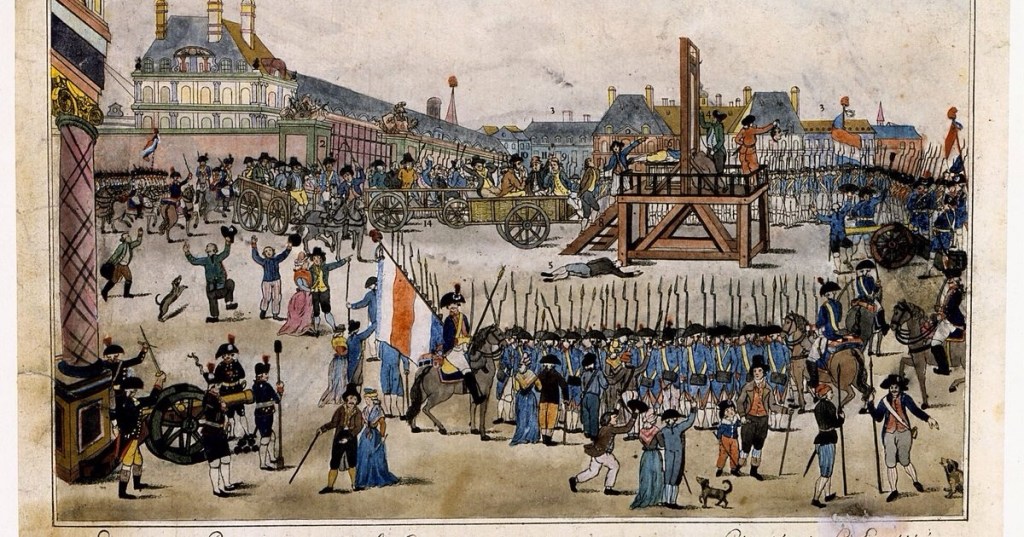
On July 27, 1794, Maximilien Robespierre — the architect of France’s Reign of Terror who had ordered or “encouraged” the execution of more than 17,000 opponents of the French Revolution — was himself guillotined, along with 21 of his followers, “before a cheering mob in the Place de la Revolution in Paris.” [“This Day in History, History.com, July 27, 2025.]
The End of Robespierre’s Reign of Terror
*. *. *
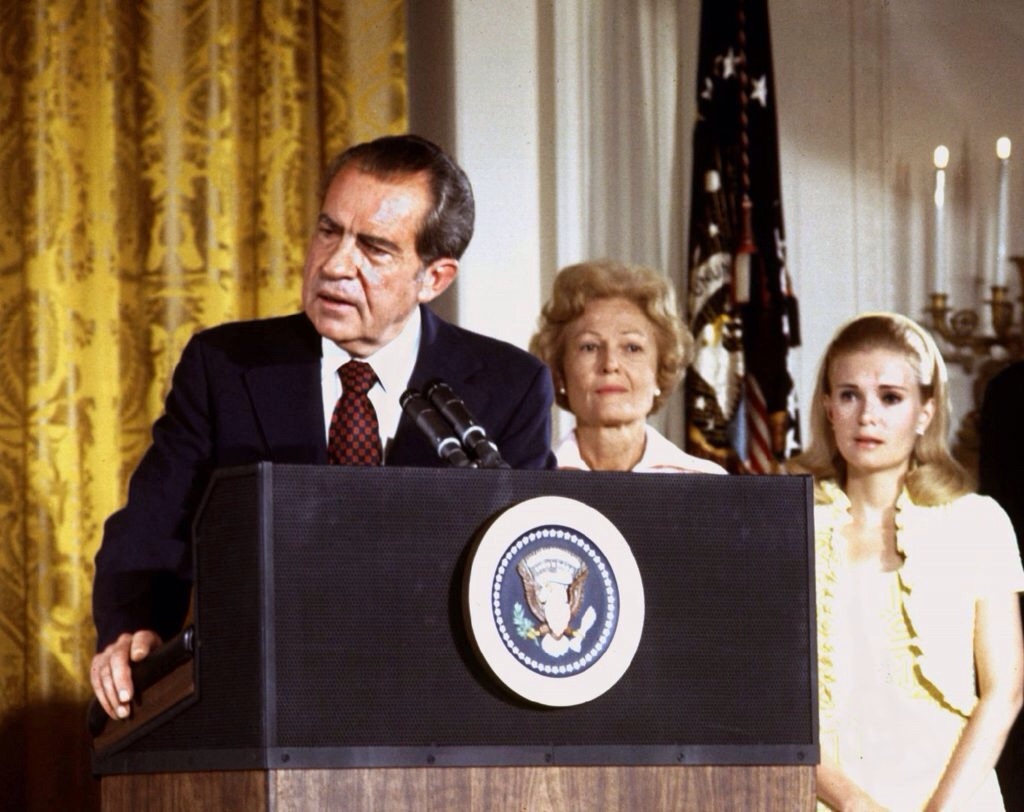
In somewhat more civilized times — exactly 180 years later, on July 27, 1974 — the U.S. House of Representatives’ Judiciary Committee recommended that the 37th President of the United States, Richard M. Nixon, be impeached and removed from office.
In less than two weeks, on August 8th, Nixon announced his resignation, thus becoming the first U.S. President to leave the office voluntarily. [Id.]
As we all know, his fall from grace was the result, not of a reign of terror, but of the lies and corruption surrounding the Watergate scandal, which first came to light in 1972 upon the discovery of the break-in at the headquarters of the Democratic National Committee in the Watergate apartment-hotel-office complex in Washington, D.C.
Nixon’s More Peaceful Departure
*. *. *
Happily, we have come a long way from the days when tyrants and corrupt leaders were ousted by celebratory beheading. But that didn’t mean it couldn’t still be done . . . as it was in Nixon’s case . . . by gentler, bloodless, legal means.
I am a second-generation American; my mother was born in Boston, Massachusetts, and my father in Providence, Rhode Island. I grew up in a family of four Russian/Ukrainian grandparents, one great-grandmother who spoke very little English, numerous aunts and uncles (a couple of whom had been born in the “old country”), and plenty of cousins, mostly on my father’s side though I always have preferred my mother’s-side relatives.
The grandparents (and beyond) also happened to be Jewish, which explains why they left their ancestral home in the first place, for which I thank them.
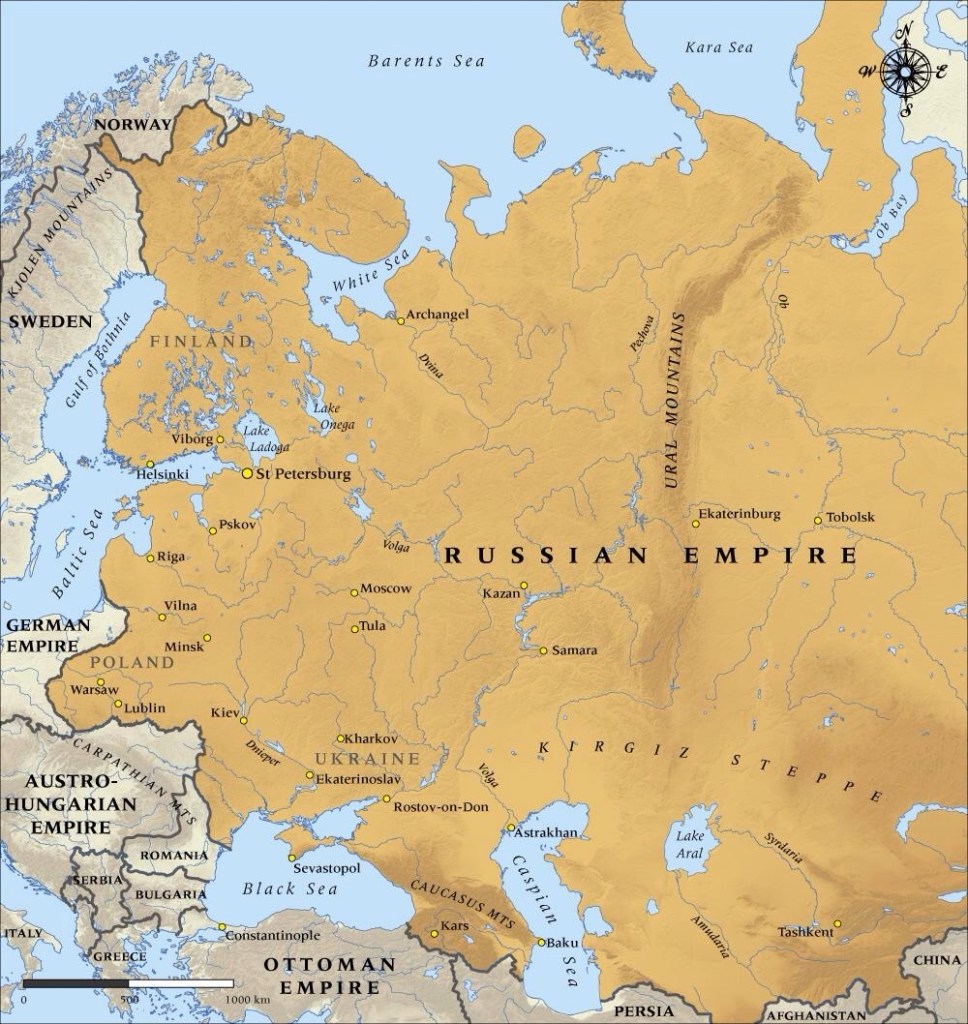
So I was always told that I was of 100% Russian ancestry, since, at the time of my grandparents’ emigration in 1905, what we now know as Ukraine was — for a while — part of the greater Russian Empire. And I was fine with that.
Russian Empire in 1914
But the decades of my life have seen incredible scientific and technological advances, including the discovery of something called “deoxyribonucleic acid,” better known as DNA, which initially was lauded as an invaluable tool for tracking criminals. And thus the late 20th century became the era of “You can run, but you cannot hide.”
Eventually, however, some entrepreneurial soul also came up with the idea of making DNA tracking available to everyone . . . or those who might be curious about their ancestry, at least. So one day I joined in the fun, spit bubbles into a little test tube, sent it off in the mail, and awaited what I thought would be confirmation of what I already knew. But . . .
Surprise! According to 23 and Me, my DNA is “only” 99% Russian.
But how was that possible? Did some marauding Hun catch one of my great-great-great-grandmothers alone in the hayloft?
Actually, it wasn’t a Hun at all. Because the other 1%, as it turns out, is split between “Middle Eastern or East African” (0.6%) and Norwegian (0.4%).
Well, that would explain my blue eyes and my fondness for couscous. But otherwise, it seemed to make no sense at all.
So I began researching the ancient migratory patterns of peoples from those two parts of the world, and found — lo and behold! — that my saliva could indeed have originated, centuries ago, in either or both of those regions . . . and not in some Ukrainian hayloft with one of Attila’s legions. (Sorry, great-great-great-grandma, for misjudging you.)
Attila the Hun: Not Related After All
From the Middle Eastern regions, I might well be descended from the Scythians — described as Iranian-speaking nomads with a strong military presence who established settlements in southern Russia from around 700 B.C. to the end of the third century B.C.
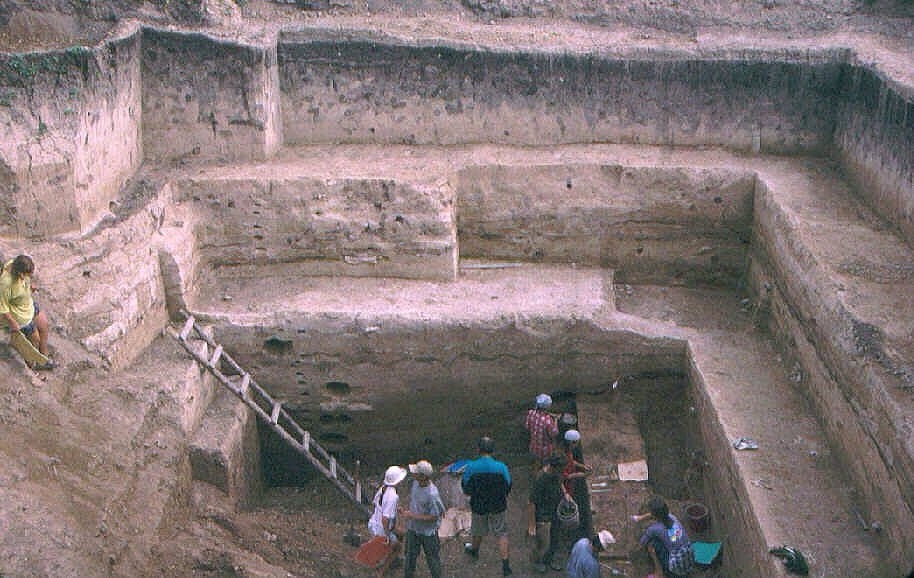
Or not. There were also ancient migrations (70,000 to 50,000 years ago) into Russia from Africa, as shown by archaeological discoveries at Kostyonki, south of Moscow. And more recently — the 8th to 10th centuries A.D. — there was an active slave trade from Africa into many parts of Asia and Europe. So I might even be 0.6% African-American.
Wow!
Kostyonki Archaeological Sites
But even more exciting is the Norwegian connection. During the Viking age (8th to 11th centuries A.D.), both Swedes and Norwegians, then known as Varangians, established trade routes via the Volga and Dnieper (Dnipro) Rivers and settled in Kievan Rus’ — the birthplace of modern-day Russia (though Vladimir Putin would have us believe otherwise).
My Varangian Ancestors?
And it was the Varangian Prince Rurik who is believed to have founded the Rurik Dynasty, also known as the Rurikid, and established himself at Novgorod in the year 862. So I might well be 0.6% descended from royalty.
All of which — if true — would make me a Russian-Ukrainian, Norwegian-Varangian, African-American, Jewish Princess.
Or, in simpler terms, a mongrel . . . which, to be honest, is what we Americans have always been: a proud mixture of a wide variety of ancestries.
Even those who seek to erase DEI.
Suck it up, Donnie … you’re Scots and German!
And you can’t hide from that, no matter how fast you run.
. . . is that Ukrainian President Volodymyr Zelensky should stop beating a dead horse — rather than just putting it behind the cart, as suggested earlier — and give up on his attempts to arrange a meeting with Vladimir Putin in the near future. Because Putin simply is not going to show up.
How many ways can they say it? Apparently, quite a few.
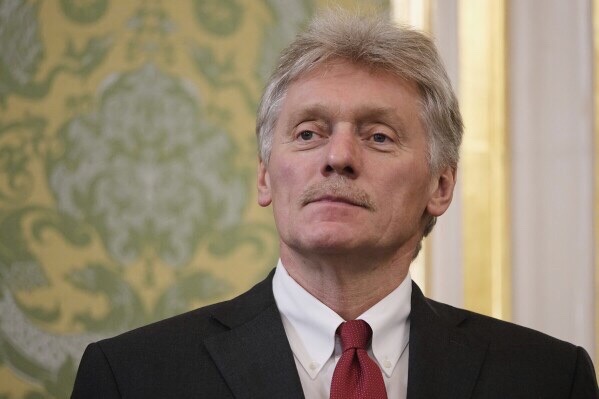
On Thursday, Kremlin spokesman — and all-around dispenser of joy and glad tidings — Dmitry Peskov said that Zelensky’s suggestion of a meeting before the expiration of Donald Trump’s 50-day deadline was indeed “. . . trying to put the cart slightly ahead of the horse.” [Laura Gozzi, BBC News, July 24, 2025.]
But apparently our friend Dima wasn’t sure he had made his boss’ point strongly enough, because on Friday he issued a further statement to the effect that a summit between the two presidents would only take place as a final step to seal a peace deal . . . and that it was unlikely that any such meeting could occur within Zelensky’s proposed time frame.
Speaking to reporters, Peskov said:
“A summit meeting can and should put the final point on a settlement and cement the modalities and agreements worked out by experts. It is impossible to do it the other way round. Is it possible to go through such a complex process in 30 days? Well, obviously, it is unlikely.” [Dmitry Antonov, Anastasiia Melenko and Mark Trevelyan, Reuters, July 25, 2025.]
The Eloquent Dmitry “Dima” Peskov
That sounds clear to me . . . incorrect, but clear.
However, either Zelensky isn’t getting the message, or (more likely) he is simply unwilling to give up the fight to put a peaceful end to the devastation. In the wake of three failed talks between the two countries’ delegations, he says that a face-to-face meeting of the leaders is required for a breakthrough. He also told journalists that Russia had “begun to engage” over the possibility of such a meeting:
”Now, in talks with us, they have begun to discuss it. This is already progress towards some kind of meeting format.” [Id.]
However, Peskov made it quite clear that the negotiating positions of the two countries are “ . . . diametrically opposed. It is unlikely that they can be brought together overnight. This will require very complex diplomatic work.” [Id.]
End of discussion.
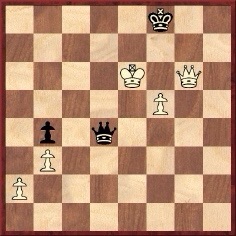
So have we reached a stalemate? And if so, how do we break it?
Stalemate
I hope someone figures it out soon, before there is nothing but rubble left for Putin to claim.
As happily reported yesterday, the escape of Mikita Losik from detention in Belarus enabled me to move his name from the list of hostages to a new category: that of “endangered exiles.” He remains in hiding; but he is out of prison and outside Belarus. That’s one step forward in the fight to free all of the political hostages being held by Vladimir Putin and his cohorts in Belarus and elsewhere.
Mikita Losik
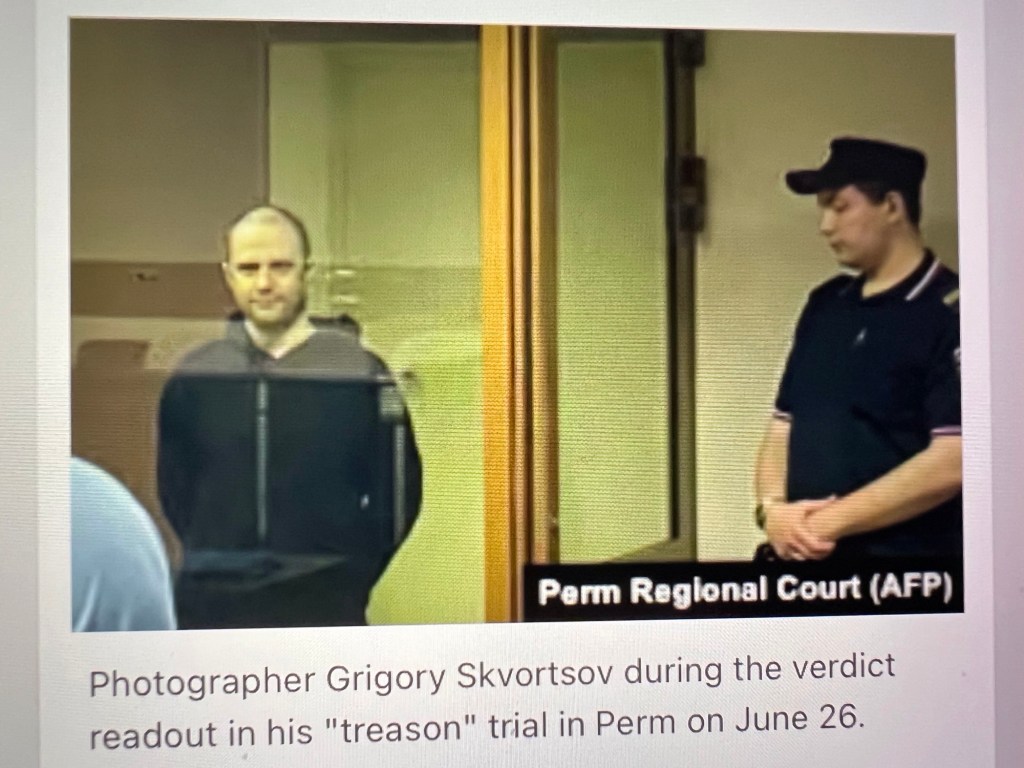
Unfortunately, there is a new inmate in Russia’s archipelago of prisons and penal colonies: 35-year-old Grigory Skvortsov, a professional photographer and musician from the city of Perm, nearly 1,000 miles east of Moscow.
Skvortsov was arrested, beaten, charged, tried, convicted, and sentenced to 16 years in prison for sharing with an American journalist some declassified documents from a publicly-available book, Secret Soviet Bunkers, by historian Dmitry Yurkov.
Grigory Skvortsov
Architecture had always been Skvortsov’s passion, and he earned his degree from the Perm Construction College. However, he also had a talent for photography, and combined the two interests by photographing places of architectural interest. According to a colleague:
“He had no equal in photographing industrial sites. He loved it: roofs, abandoned buildings — he could make eye-candy from any workshop. real estate companies in Perm and elsewhere in Russia ordered advertising shoots from him. I remember there was even an exhibition of his in the building of the local administration. He was very much in demand.” [RFE/RL’s Siberia.Realities, July 21, 2025.]
Quite naturally, Yurkov’s book would have been of great interest to Skvertsov. The volume he bought was one of thousands sold across Russia, and contained previously-classified diagrams of Soviet installations. But the material was no longer considered secret, and his sharing of them was merely an exchange between history enthusiasts, not a monetary transaction. A friend said, “He did not pursue any selfish goals.” [Id.]
“Soviet Secret Bunkers,” by Dmitry Yurkov (The stamp at upper right – “Рассекречено” – reads “Declassified”)
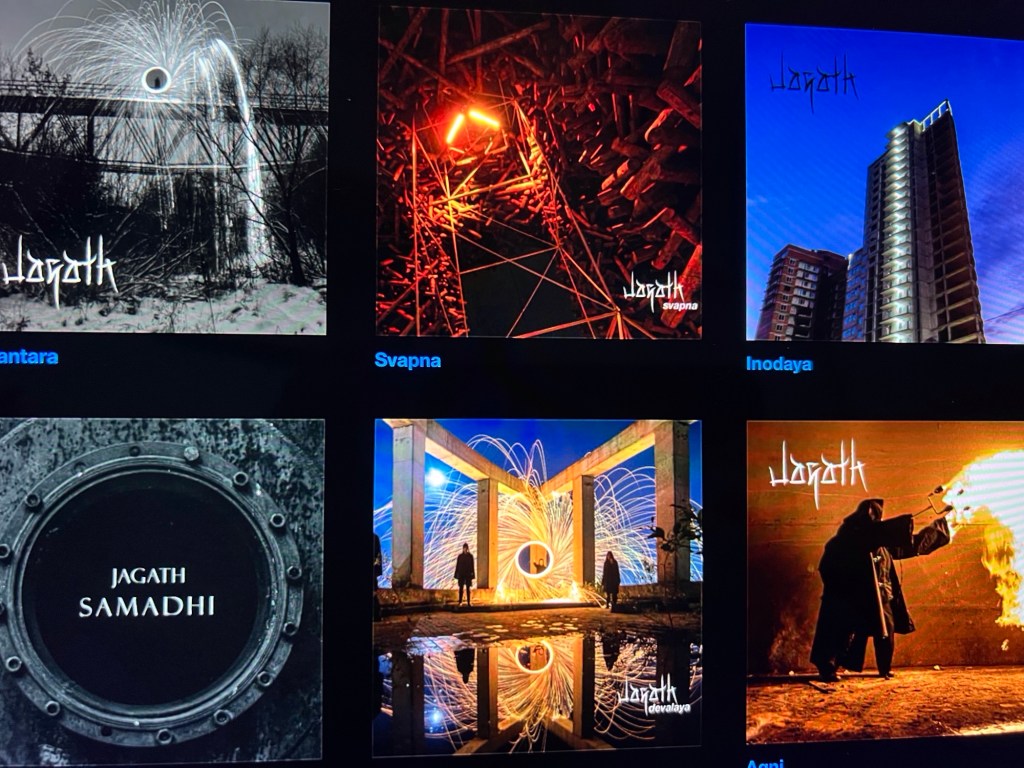
But Skvortsov also had a love of music, and had founded a band called Jagath whose music he described as “industrial ambient.” Their website explains:
“We create our music in abandoned industrial places — at the bottom of a damp underground sewer shaft and inside huge hollow oil tanks.” [Id.]
A recording of the band’s music was released by a British record label, which attracted the attention of Sonic Seducer Magazine, a German music publication. And it was during an interview with that magazine that Skvortsov made his mistake: he voiced his opposition to the Russian invasion of Ukraine. [Id.]
From Jagath’s Website
The assumption is that someone who saw the interview informed on him to Russia’s Federal Security Service (FSB, successor to the KGB) . . . and the rest doesn’t require much imagination.
“KGB USSR” — Only the name has been changed
And so, Grigory Skvortsov joins the ranks of those being held for purely political reasons in a prison somewhere in Russia, simply for having spoken against Putin’s war against Ukraine. The charges regarding the declassified book were just gravy.
*. *. *
Now, another week having passed, here again is my list of those remaining hostages known to me:
Prisoners of War:
The People of Ukraine The Azov 12
Endangered Exiles:
Mikita Losik Yulia Navalnaya Countless Journalists and Other Dissidents
David Barnes Ales Bialiatski (in Belarus) Gordon Black Andrei Chapiuk (in Belarus) Antonina Favorskaya Konstantin Gabov Robert Gilman Stephen James Hubbard Sergey Karelin Vadim Kobzev Darya Kozyreva Artyom Kriger Uladzimir Labkovich (in Belarus) Michael Travis Leake Aleksei Liptser Ihar Losik (in Belarus) Grigory Melkonyants Nika Novak Marfa Rabkova (in Belarus) Nadezhda Rossinskaya (a.k.a. Nadin Geisler) Igor Sergunin Dmitry Shatresov Robert Shonov Grigory Skvortsov Eugene Spector Valiantsin Stafanovic (in Belarus) Laurent Vinatier Robert Romanov Woodland Yuras Zyankovich (in Belarus)
. . . and any others I may have overlooked.
Your families, your friends, and your countries have not forgotten you, and will not rest until you are all at home once again.
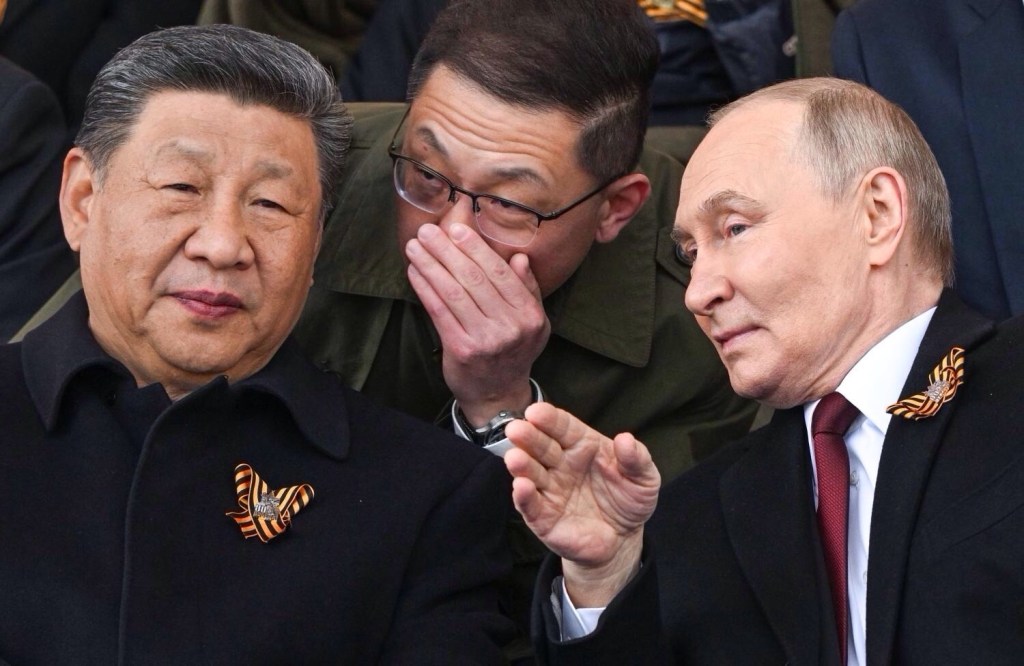
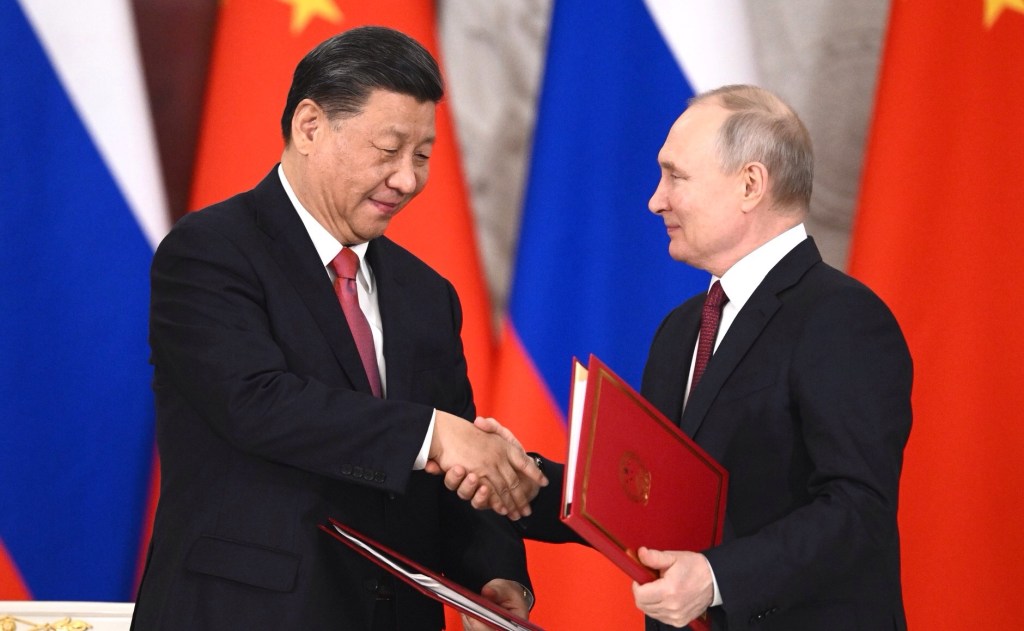
He has somehow managed to keep a straight face while insisting that he is not aiding Vladimir Putin in the furtherance of Russia’s war against Ukraine, despite refusing to speak out against it.
He also ignores the fact that he has continued to boost Russia’s economy — and therefore its military budget — by remaining the largest customer for its oil and gas.
And there’s that little matter of Chinese dual-purpose technology being provided to Russia’s military for use against Ukraine, which Xi shrugs off as being untrue . . . while welcoming officials from Ukraine’s Russian-occupied territories at trade shows where Chinese manufacturers sell heavy equipment to Russian companies operating in those territories. [Id.]
But now he has been caught in yet another lie, and it will be interesting to see how he squirms out of this one . . . or whether he even tries.
“Oops!”
Ukraine’s intelligence service announced earlier this month that a 24-year-old Chinese man and his father had been arrested for attempting to obtain classified information about the Neptune missile program and deliver it to Chinese intelligence.
The younger man — who had been expelled from a Ukrainian technical school two years earlier — had befriended a defense worker in an attempt to gain access to the information, which his father would then pass on to the Chinese authorities. [Todd Prince, RFE/RL, July 25, 2025.]
(There is no explanation as to why the pair were still in Ukraine after the student’s expulsion.)
This comes on the heels of Ukrainian President Volodymyr Zelensky’s imposition of sanctions on five Chinese companies for aiding Russia’s war effort.
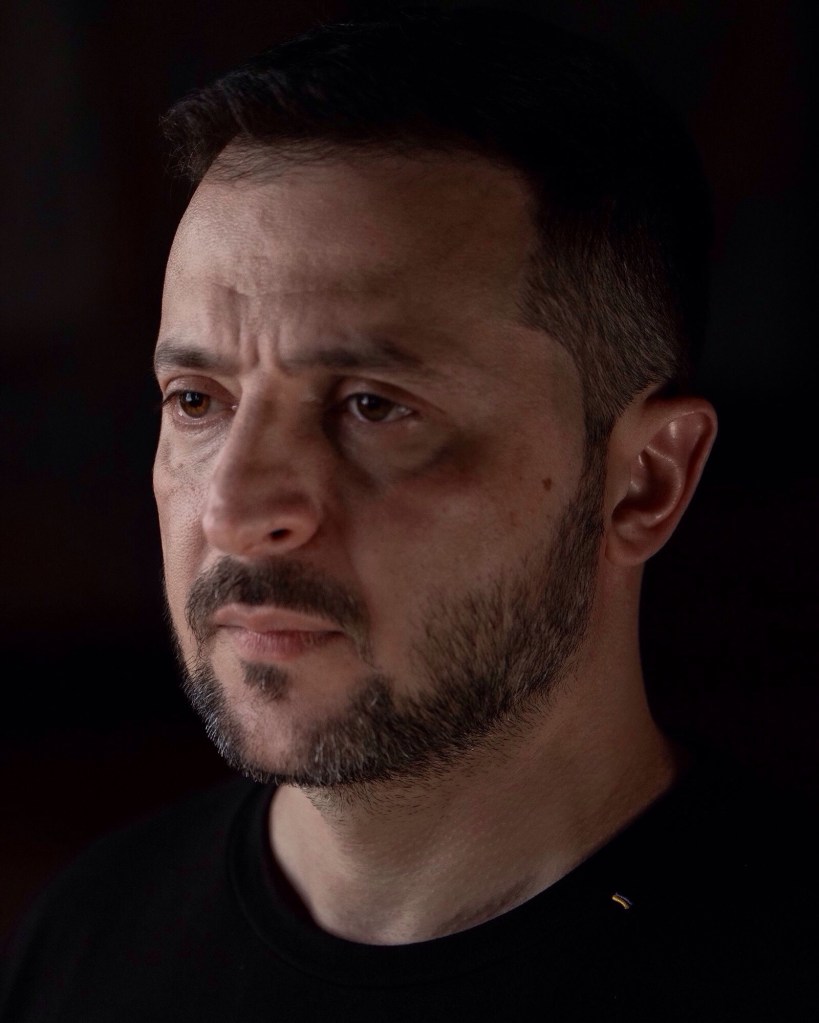
An Embattled Leader: Volodymyr Zelensky
While it had been hoped by Ukraine and its Western allies that Xi would be able to use his leverage with Putin to assist in ceasefire talks, it has become evident that that’s simply not going to happen, as Xi needs Putin’s war to continue drawing U.S. attention away from China.
His Foreign Minister, Wang Yi, admitted as much earlier this month at a meeting in Brussels with EU foreign policy chief Kaja Kallas, when Wang is reported to have said that Beijing could not accept a defeat of Russia in the war because it would leave Washington free to focus on China. [Id.]
China’s protestations of neutrality are no longer believable. The world knows they are buying Russian fuels, selling them military technology, and sending their spies into Ukraine.
In the words of Oleksandr Merezhko, chairman of the Ukrainian Parliament’s Foreign Affairs Committee:
“At the very beginning, there was some hope China could be involved in the [peace] process. But now we’ve become more realistic and speak more openly: China supports Russia.”
So you are free, President Xi, to erase the inscrutable smile from your public face; you are fooling no one.



























 The Blog About Everything … and Sometimes Nothing