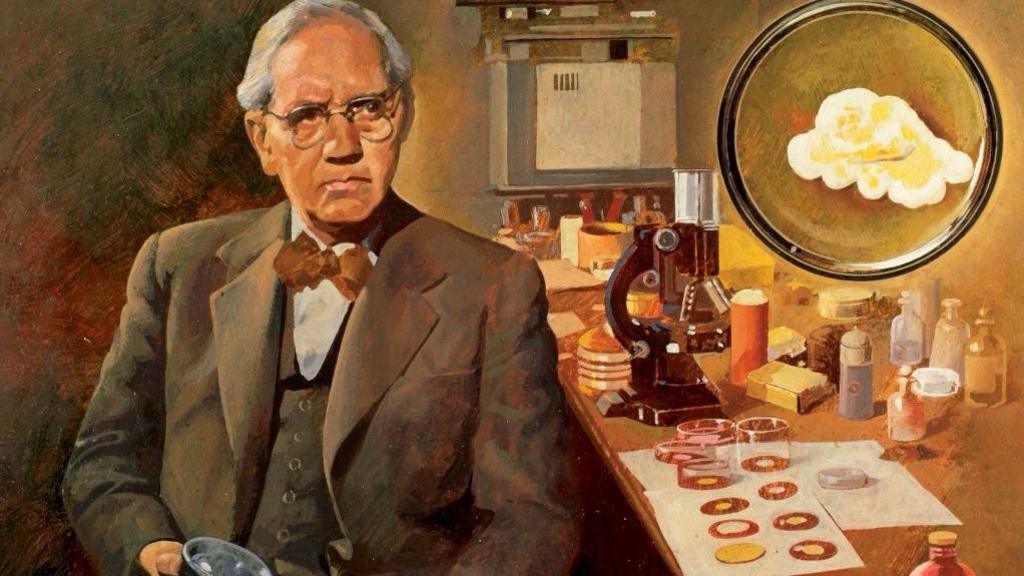
On this date in 1928, a young Scottish bacteriologist named Sir Alexander Fleming accidentally left a plate of staphylococcus bacteria uncovered in his laboratory. He later noticed that a mold had fallen on the culture, and had killed many of the bacteria. He was able to identify the mold as similar to the kind found on bread: penicillium notatum. [“This Day In History,” History.com, September 3, 2025.]
Sir Alexander Fleming
Thus did the world become the beneficiary of penicillin, and ultimately other antibiotics that have been responsible for saving countless millions of lives from bacterial infection over the past century.
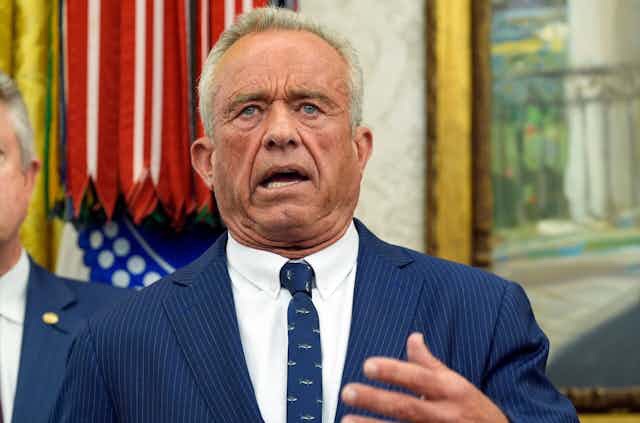
And I can’t help wondering: What would have happened to the use of penicillin in the United States if Bobby Kennedy, Jr. had been in charge of the nation’s health services 97 years ago? Would it have been dismissed as fake science? Blamed for causing autism? Or accused of being a Scottish plot to infect the world with a deadly virus?
Robert F. Kennedy, Jr.
Think about it . . . and then tell me it doesn’t scare the crap out of you.
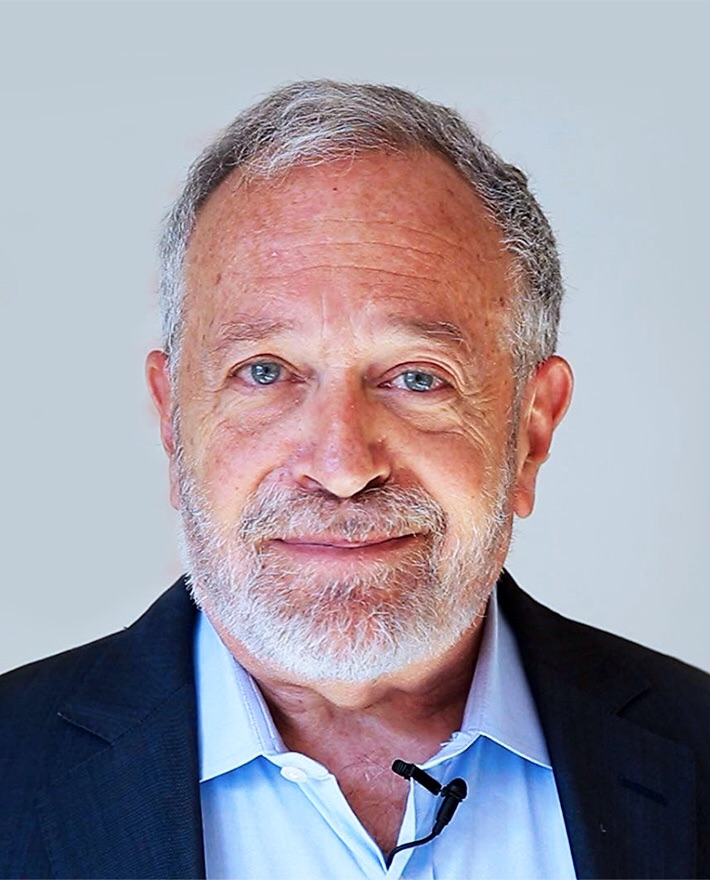
I just turned the last page on a wonderful book by former U.S. Secretary of Labor (Clinton Administration) Robert Reich, in which he writes — among many other things — a bit about a long-time friend of his who has worked for half a century fighting for campaign finance reform. He once asked this friend whether he ever became discouraged by the difficulties he encountered in his work, to which the friend replied:
“This is my life. This is what I do.” *
I hope I haven’t violated any copyright laws in quoting from Mr. Reich’s book, but those nine words so resonated with me, at this period of my life, that I felt compelled to comment on them.
Because this is what I do now: I write a blog.
The last chapter of Mr. Reich’s memoir is about “Growing Old” — a subject with which I am all too familiar — and about what he does now that he is in his 70s (it’s a lot, by the way). I identified with his descriptions of the way Mother Nature plays havoc with us as we age, and laughed at the humor with which he handles it. And, being a huge fan of his writing and his thoughtful, common-sense approach to life, I am delighted that he has chosen, not to retire, but to continue educating and inspiring us for as long as he can.
Robert Reich
I’m a few years older than Mr. Reich, and not nearly as smart or accomplished. But I refuse to let the aches and pains of old age keep me from doing the things I love, as long as they don’t require any athletic ability — or, in fact, much mobility of any sort. (Like an old car, my electrical system still works, but the chassis is shot.)
What do I love? I love reading . . . mostly non-fiction, but also a good thriller or spy novel. In fact, I just joined a neighborhood book club.
I love following the daily news and vicariously staying involved in world events.
And I love writing about whatever enters my mind on any given day.
Friends have asked me why I keep at it, since I don’t get paid for my efforts. In fact, I have occasionally asked myself the same question. And the answer is: If not this, then what else?
So I’m not J. K. Rowling. So what? I have my daily blog, and my small but loyal following. And like Mr. Reich’s friend, I can say with some satisfaction:
“This is my life. This is what I do.”
And that’s okay.
Thanks to Mr. Reich and his friend for the inspiration.
Just sayin’ . . .
Brendochka 9/3/25
* Robert Reich, Coming Up Short: A Memoir of My America, Alfred A. Knopf Publishers, 2025.
As the saying goes, you can’t fix stupid. And trying to fix some colossally stupid blunders can be painfully expensive. Like, $450 million expensive.
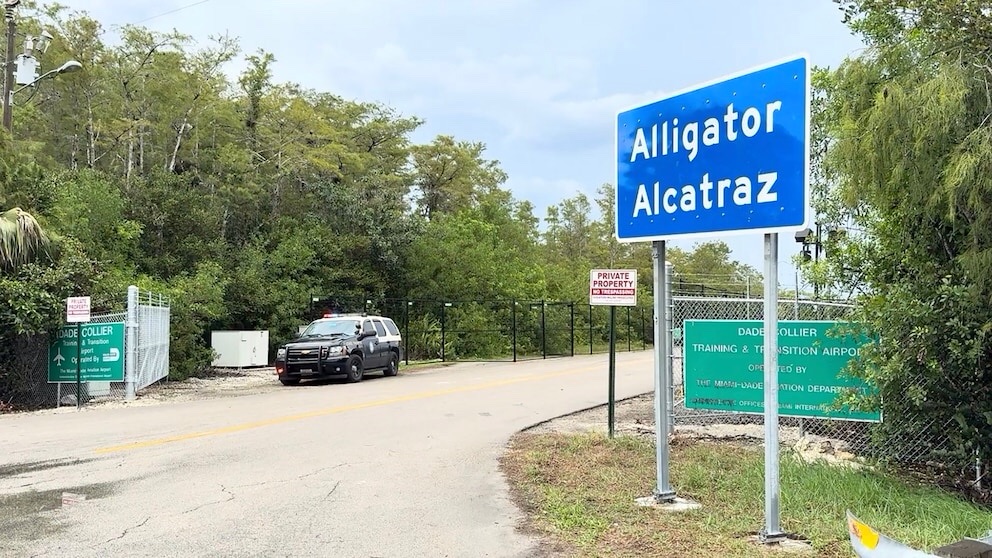
That’s what the U.S. government and the State of Florida stand to lose on that monument to man’s inhumanity to man in the Florida Everglades know as Donald Trump’s “Alligator Alcatraz.”
Not that it was ever meant to resemble Trump’s palatial Mar-a-Lago; it was, after all, just temporary housing for those so-called lowlife immigrants being deported en masse, without due process, to third-world nations that Trump himself has called “shithole countries.” But it was the most ill-conceived, hastily-developed, inhumane, downright evil piece of work devised since the Nazis built Auschwitz. The only things lacking were the gas chamber and crematorium.
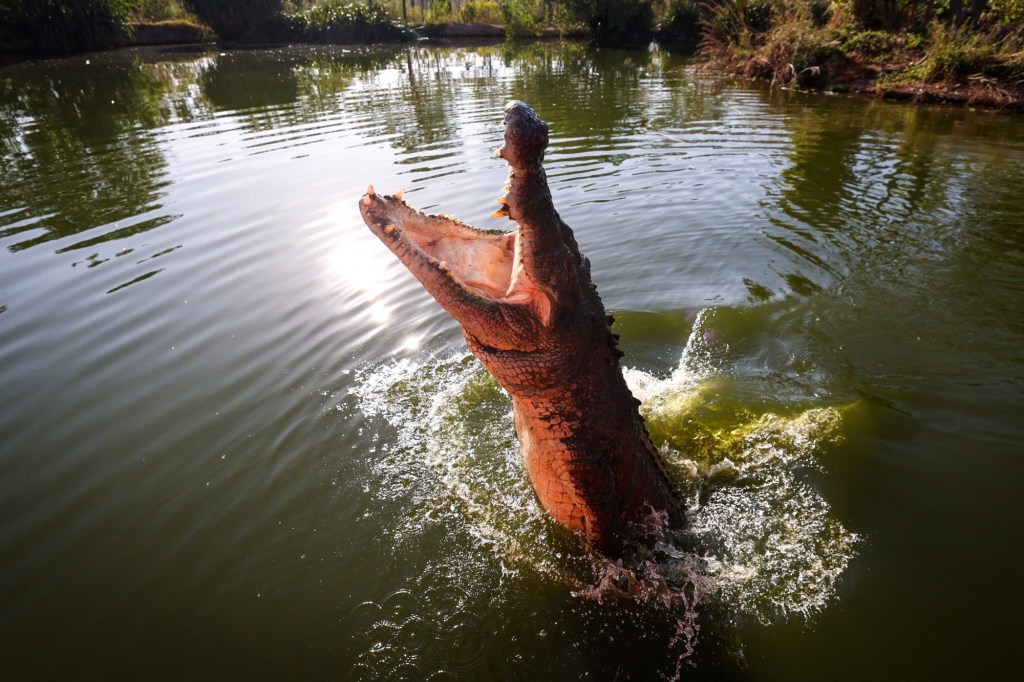
And it was stuck, intentionally, in the middle of an alligator-infested swamp, to make it impossible for any inmate to escape alive and with all of his limbs intact.
Howdy, Neighbor!
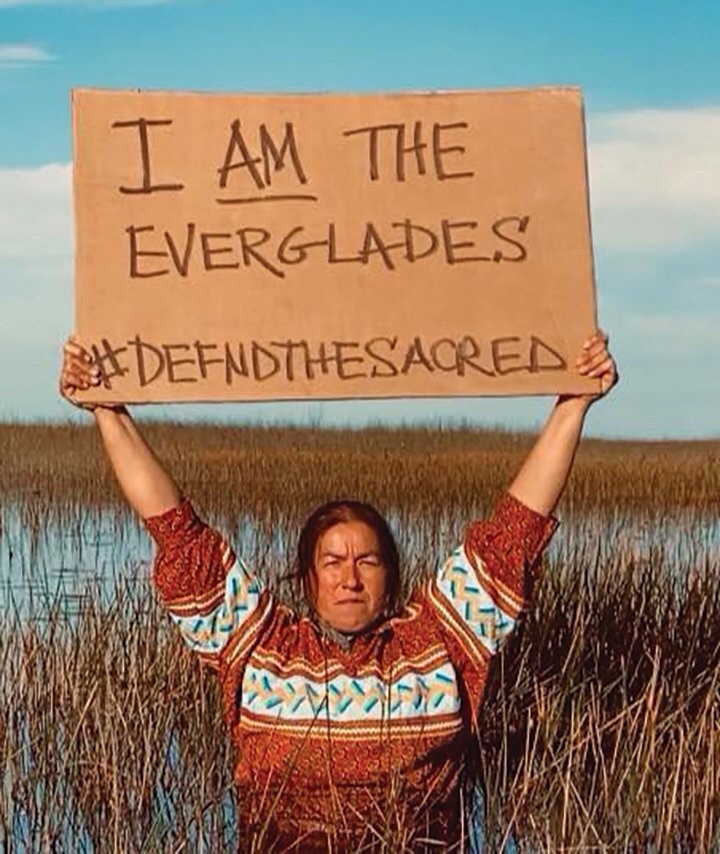
All of the voiced opposition, the evidence of uninhabitable conditions, and the public outrage at the inhumane treatment of the detainees failed to bring about any improvements . . . until last week, when U.S. District Judge Kathleen Williams ordered the facility to wind down its operations. What finally did the trick was a movement by local environmental groups fighting for the protected wetlands, and the pleas of the indigenous Miccosukee Tribe to refrain from desecrating their sacred lands.
And here is a huge shout-out to those good Americans!
Defending Their Sacred Land
Judge Williams disagreed with the protestations of the Department of Homeland Security (DHS), who complained that her order would disrupt their immigration process. She said that the government’s “immigration enforcement goals will not be thwarted by a pause in operations,” and that the number of detainees had been dwindling in any event. [Mike Schneider and Kate Payne, A.P. News, August 28, 2025.]
DHS finally acknowledged that they are “complying with this order and moving detainees to other facilities.” [Id.]
So, at last we have a bit of good news to celebrate.
All we have to do is not dwell on thoughts of how much good could have been done with all of that wasted money, or what new hell awaits the people who were imprisoned there.
A catastrophic earthquake in Afghanistan, killing at least 1,100 people. An entire village and its 1,000 inhabitants wiped out by a landslide in Sudan. Thirteen dead and more missing in devastating floods in China. Raging wildfires consuming countless acres and taking lives in Spain, Portugal, Turkey, Greece, Canada . . .
When the gods get pissed off, they don’t hold back.
All I can say is, we must have finally crossed the threshold of their patience to warrant so many natural disasters at once. Don’t you think it’s time we began paying attention?
Are the powers-that-be trying to tell us to get our act together and begin behaving like rational human beings? To stop killing our planet — and each other — and start fixing our broken world before it is no longer capable of being repaired? To stop bowing to fascist leaders and get busy mending our fences?
In the 1960s — the days of “peace, love and brotherhood” — a group called the Youngbloods had a hit song titled “Get Together,” about choosing peace over war, love over hate. The chorus went like this:
Come on, people now Smile on each other Everybody get together Try to love one another right now.
Listen to the folk music of the ‘60s; really listen to it. Listen to Bob Dylan’s “Blowin’ In the Wind,” and Barry McGuire’s “Eve of Destruction.” In today’s world of anger, hate, and heavy metal, they may sound corny . . . even hopelessly Utopian. But they speak of a better world, of striving to do the right thing, of a brighter future.
And what’s wrong with that?
Given the chance, would I go back to the ‘60s? Yes, I would — and not only because I’d be young and sexy again. But because the world would have those 60 years back . . . a chance to undo all the damage we’ve done to ourselves, to grab those missed opportunities to save our planet and ourselves.
We can’t go back; but we can change our forward path. We can be the instruments of that change. We can, as individuals, speak out against the destruction and vote for a new, better direction.
In the contentious atmosphere of today’s world, it is — or should be — obvious to even the least politically-astute person that the president of any country must possess, at a bare minimum, a knowledge of world history and culture, an understanding of international diplomacy, a cadre of expert advisors, and a willingness to follow (or at least consider) the guidance of those advisors.
It is — or should be — equally obvious that Donald Trump possesses none of the above.
Case in point: His appointment of Sergio Gor to the dual, and potentially conflicting, posts of U.S. Ambassador to India and special envoy to South and Central Asia — a region defined by the U.S. Department of State as including Afghanistan, Bangladesh, Bhutan, India, Kyrgyzstan, Kazakhstan, Maldives, Nepal, Pakistan, Sri Lanka, Tajikistan, Turkmenistan, and Uzbekistan. [2001-2009.state.gov]
I’ve already covered Gor’s obscure personal history and his total lack of experience or training in a previous article [8/31/25: Mr. Gorokhovsky Goes to India]. Since the announcement of his appointment a few days ago, it has become clear that the Indian government may have its own concerns over the deployment to their country of Trump’s “great friend.” [Cherylann Mollan, BBC News, August 31, 2025.]
While some have said that having a trusted Trump aide in Delhi might be helpful to maintaining close ties between the two countries, others have pointed out that Gor’s dual role would include his involvement in U.S. relations with Pakistan . . . a definite conflict from India’s point of view.
Sergio Gor (a.k.a. Sergey Gorokhovsky)
Alyssa Ayres of the Council on Foreign Relations has said:
“The special envoy’s additional designation will likely create some challenges, at least in India. India typically prefers not to be ‘hyphenated’ with Pakistan.” [Id.]
And Lawrence Haas, senior fellow at the American Foreign Policy Council, said that it might also appear to India that Trump doesn’t feel the role of Ambassador to their country is necessarily a full-time job:
“I imagine that India’s leaders will feel slighted and insulted, which will further strain US-India relations.” [Id.]
Haas added that Gor’s lack of diplomatic experience might exacerbate the already strained relationship between the U.S. and India, and that Trump should have chosen someone better able to facilitate improved relations:
“Instead, I suspect that Delhi will interpret this appointment as a slap in the face and further evidence that Trump doesn’t care about the relationship.” [Id.]
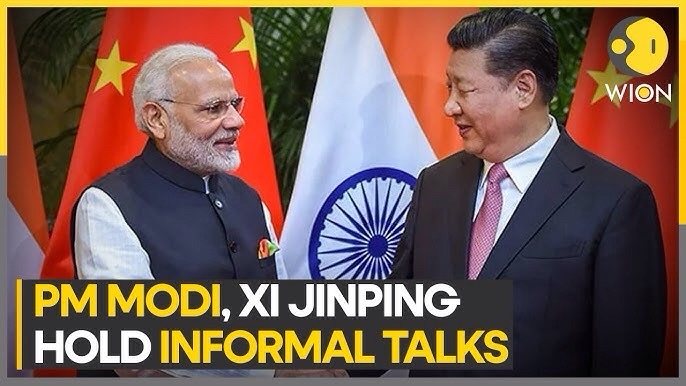
Indian Prime Minister Narendra Modi, with Chinese President Xi Jinping
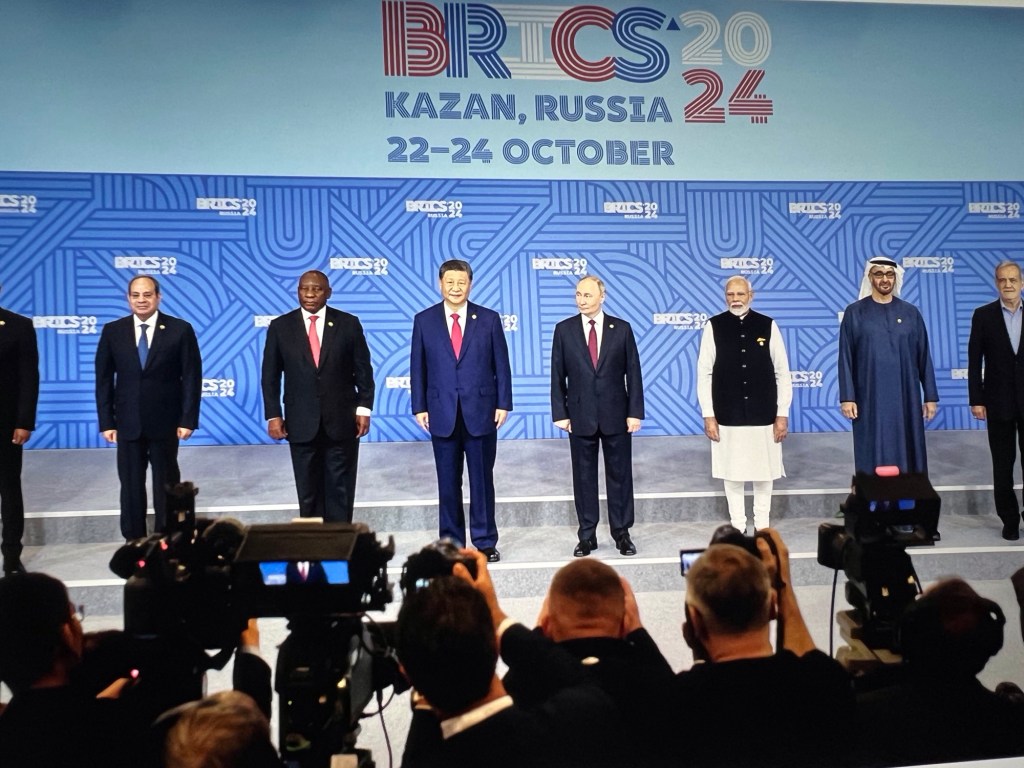
If Haas is correct, and Trump does indeed intend to belittle India’s importance in the South/Central Asia region, he may be making a grave miscalculation. Certainly, India does not have the clout of Russia or China. But it does possess an estimated 180 nuclear warheads; it has a population of about 1.5 billion people; and it is — along with Brazil, Russia, China and South Africa — a founding member of BRICS, whose avowed raison d’être is to create a “new world order” to overtake and displace the long-standing political and economic dominance of the United States and Europe.
Which begs the questions:
> Should the U.S. Ambassador to India also serve as special envoy to the nations of South and Central Asia?
> By appointing someone as young and unqualified as Gor to the dual roles of Ambassador and special envoy, would Trump actually be demeaning India? And, if so . . .
> Would Trump — whether intentionally or otherwise — end up strengthening India’s ties with Russia and China, and furthering the goals of the BRICS alliance?
International relations are incredibly complex, and require people with an intimate knowledge, not only of the political histories of other nations, but also a deep sensitivity to their ethnic, religious and social mores. What we need are trained, experienced foreign policy experts and diplomats . . . not deal-making businessmen.
Is it likely that Sergio Gor is the right person to fill that role on behalf of the United States?
Or, for that matter, is there one single individual in the entire Trump administration who is?
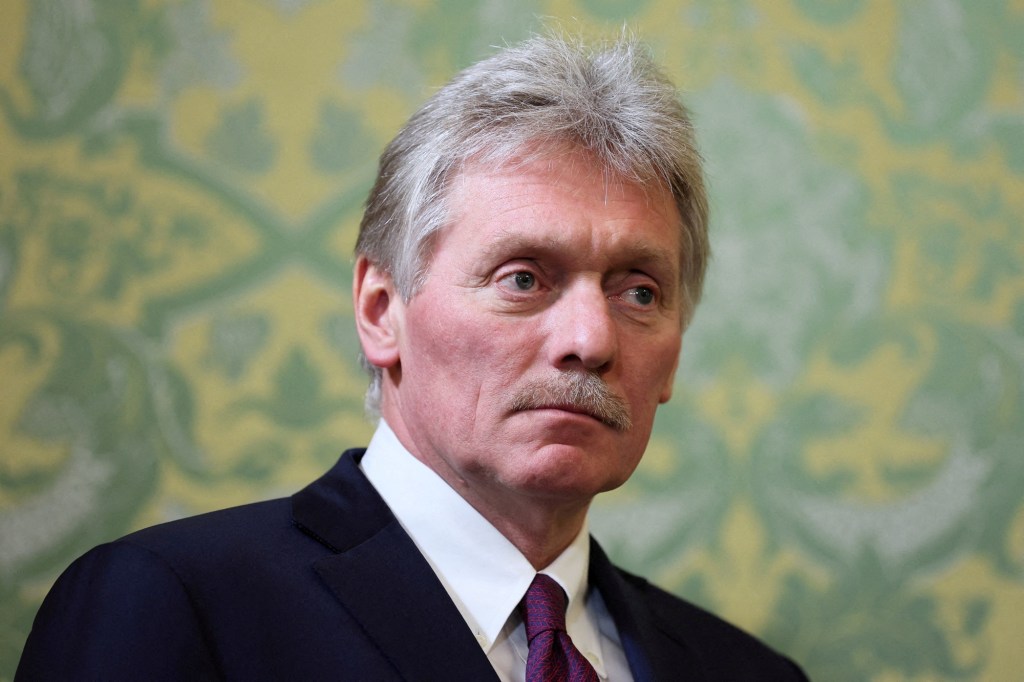
What Moscow’s very own reality TV star — Kremlin spokesman Dmitry Peskov — had to say on Russian state media yesterday was that the “European party of war” was at fault for blocking U.S. and Russian efforts to end the war in Ukraine, adding:
“We are ready to resolve the problem by political and diplomatic means. But so far we do not see reciprocity from Kyiv in this. So we shall continue the special military operation.” [Guy Faulconbridge, Reuters, August 31, 2025.]
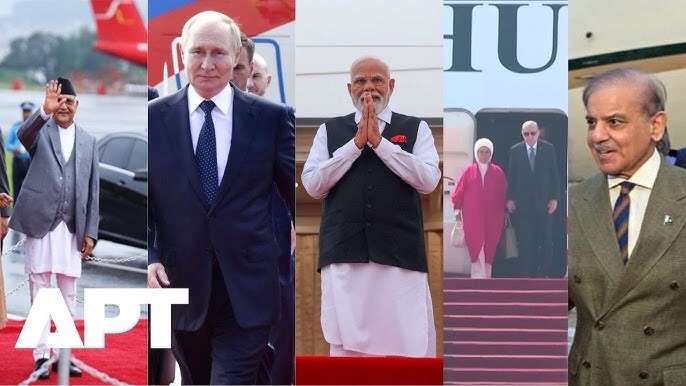
It’s nothing new. In fact, we’ve heard it so often, it’s in danger of becoming a meme. But Peskov’s reiteration yesterday of the Kremlin’s ludicrous allegation is significant because of its juxtaposition to two other events: Vladimir Putin’s participation in the summit of the Shanghai Cooperation Organization (SCO) now underway in China, and the expiration today of Trump’s two-week grace period in which Putin was supposed to have agreed to a meeting with Ukrainian President Volodymyr Zelensky.
SCO Participants Arriving in China
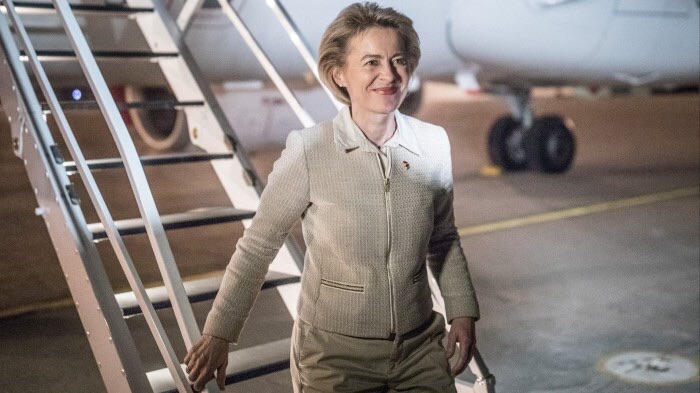
And separately — or not, depending on whether you believe in coincidence — there was a report today that the plane carrying European Commission (EC) president Ursula von der Leyen suffered a disruption (jamming) of its navigation system as it was preparing to land at Bulgaria’s Plovdiv Airport on Sunday.
The Financial Times reported, on the basis of information from unnamed sources, that the plane was forced to land with the pilots using paper maps. [Maia Davies and Will Vernon, BBC News, September 1, 2025.]
Ursula von der Leyen – Landing Safely in Bulgaria
An EC spokesperson said that they “have received information from the Bulgarian authorities that they suspect that this was due to blatant interference by Russia.” [Id.]
The EC added that “threats and intimidation are a regular component of Russia’s hostile actions,” and that the incident would reinforce its determination to “ramp up our defence capabilities and support for Ukraine.” [Id.]
And what did Dmitry Peskov have to say about the accusation? He simply told the Financial Times: “Your information is incorrect.” [Al Jazeera, September 1, 2025.]
Our Dima is becoming a man of fewer and fewer words.
*. *. *
Whether or not these two incidents are connected, the Kremlin’s farcical accusations against the EU/EC and the European nations comprising the “Coalition of the Willing” in defense of Ukraine, viewed together with the thousands of communications-jamming incidents in the region since Russia’s 2022 invasion of Ukraine, clearly negate Vladimir Putin’s pronouncements of his country’s desire to bring an end to his so-called “special military operation.”
I should begin by apologizing for the repetition. But today is the anniversary of one of those moments in history that remains blindingly vivid in my memory because it is personal . . . as it is for the families and friends of the 268 other people who died together on that day in 1983. For that reason, and also because of its political significance, I think it bears repeating.
*. *. *
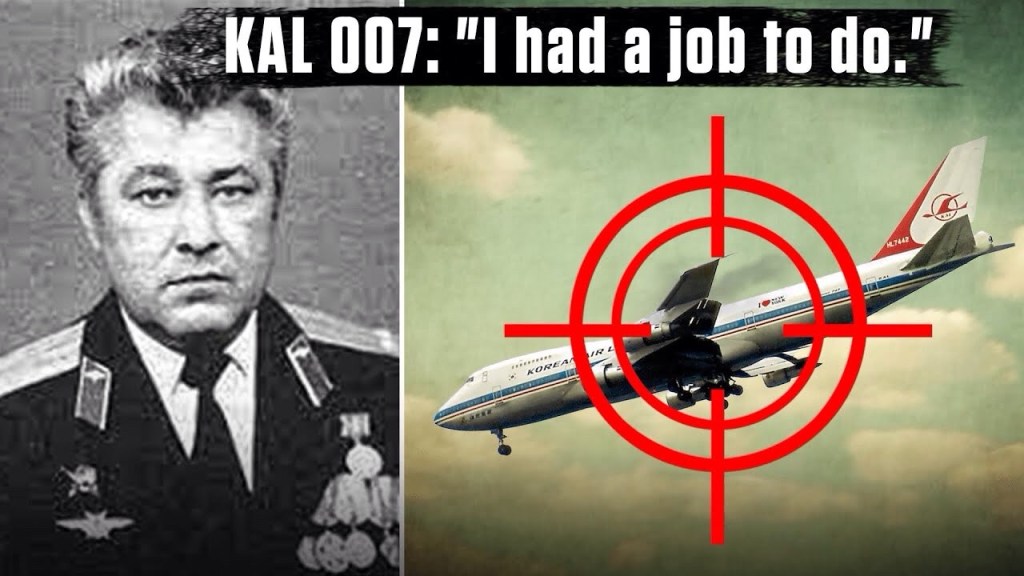
September 1, 1983: Korean Airlines flight shot down by Soviet Union.
I was in the office when the call came from the Dean of Columbia University Law School, telling me that John Oldham had been on that Korean Air Flight 007 to Seoul, en route to China for his summer of study and teaching. “No! Not the one the Soviets shot down!”
Tragically, it was.
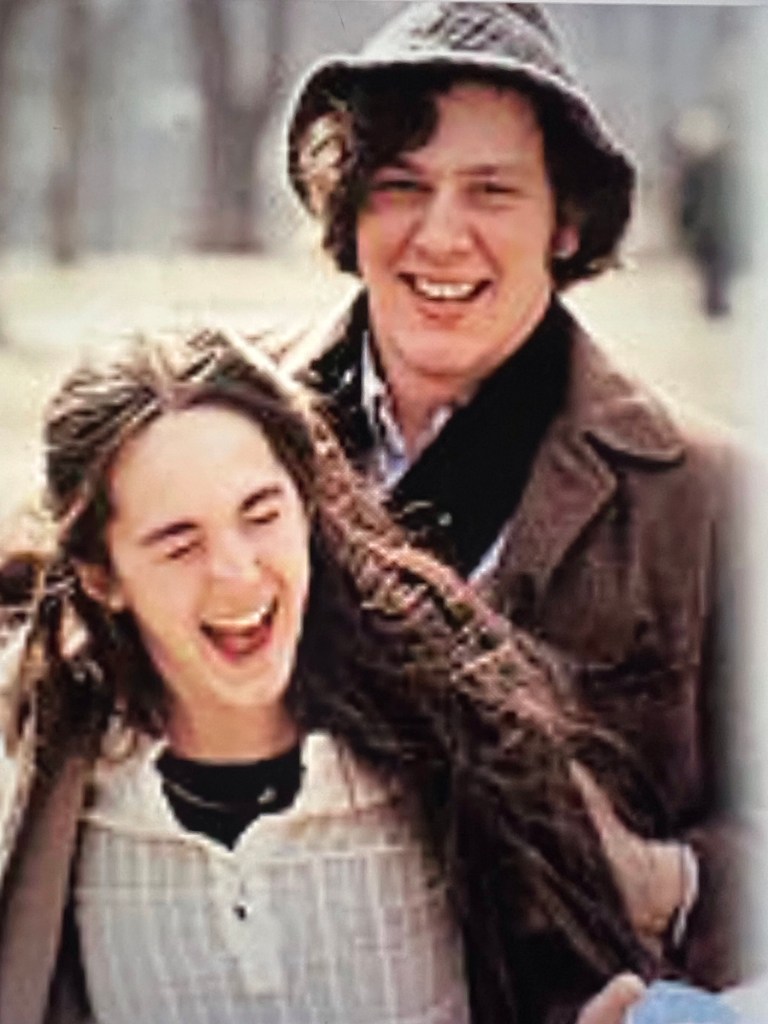
John was an amazing young man — smart, hard-working, decent, with a bright future. Just having graduated from law school, he was scheduled to join our firm; but first he had been offered an internship in Beijing for a year of study, with a side job of teaching English. He had been scheduled to leave a day earlier, but had changed his reservations in order to accommodate a friend who needed help with something. That was John.
And now he was gone.
John Oldham
It fell to me to tell everyone in the office . . . but first of all, Walter. That was my immediate boss, Walter Sterling Surrey: a prominent international attorney and senior partner of the Washington-based law firm of Surrey & Morse, with clients doing business throughout the world, including China and the Soviet Union. But he was at a dental appointment that morning, so I had to tell him by phone, before he might hear it somewhere else.
When I called him at the dentist’s office and broke the news, he said nothing for a moment. Then: “Call Tregub. I want him in my office at noon. No excuses.” And he hung up.
Valeriy Tregub was our commercial contact in the Soviet Embassy. When I reached him by phone, there were none of the usual niceties. I told him bluntly, “One of our people was on that plane. Walter wants to see you here at noon.” And he didn’t argue.
When Tregub arrived, he looked as though he’d already been through hell; and his meeting with Walter didn’t help. I learned later from Walter that he had told Tregub what he thought the Soviet government should do — accept responsibility for a terrible, accidental tragedy, and offer restitution — but of course, they did just the opposite, denying fault and accusing the Koreans of spying.
The Downing of KAL Flight 007 – September 1, 1983
And to this day, there has been no justice for the 269 passengers and crew members on that flight . . . John Oldham included. He would have been in his late 60s now, probably married with children and grandchildren, and likely looking forward to retirement from a successful and meaningful career, or already embarked on a new one.
But that never happened for John . . . just as it will never happen for the tens of thousands of those killed during the past three and a half years, and still being killed, on the battlegrounds and in the cities and villages of Ukraine. Because it never stops.
In 1983, it was Yuri Andropov seated in the Kremlin; today it is Vladimir Putin. It seems that only the names on the office doors have changed.
I was, however, the target of an attempted mugging in broad daylight, in a busy tourist area of St. Petersburg, Russia, one warm summer day in 2009. I shouted (in Russian) at the would-be purse-snatcher like a woman possessed, hollered “Police!” as loudly as I could, and watched as the startled young man pulled his hand back from my bag and disappeared into the crowd.
Then I finished my tour of the beautiful city on the Baltic, and returned to my Holland America cruise ship for another delightful evening of dining, theater, and a bit of low-stakes gambling. After all, I lived in the city once known as the murder capital of the United States. A failed mugging attempt was no big deal.
Actually, in 60-plus years of living in Washington, D.C. and its close-in suburbs, never once was I the victim of any sort of crime . . . unless you count the time a gang of neighborhood kids keyed my car (and several others) in the parking garage of my apartment building.
The same was true of everyone I knew. It wasn’t just luck; we knew what precautions to take, what neighborhoods to stay out of, and how to protect ourselves. But we didn’t barricade ourselves in our homes. We went out in the evening — to dinners, to movies, shopping, visiting friends — doing all the normal things that people enjoy doing.
Was there crime? Of course, there was. And there still is. It’s part of city life. But is it — in Washington, Chicago, Los Angeles, or most other U.S. cities — so out of control that the local police can’t handle it?
Not according to the police officials, mayors of the cities and governors of the states — all “blue” Democratic states, by the way — that are being targeted.
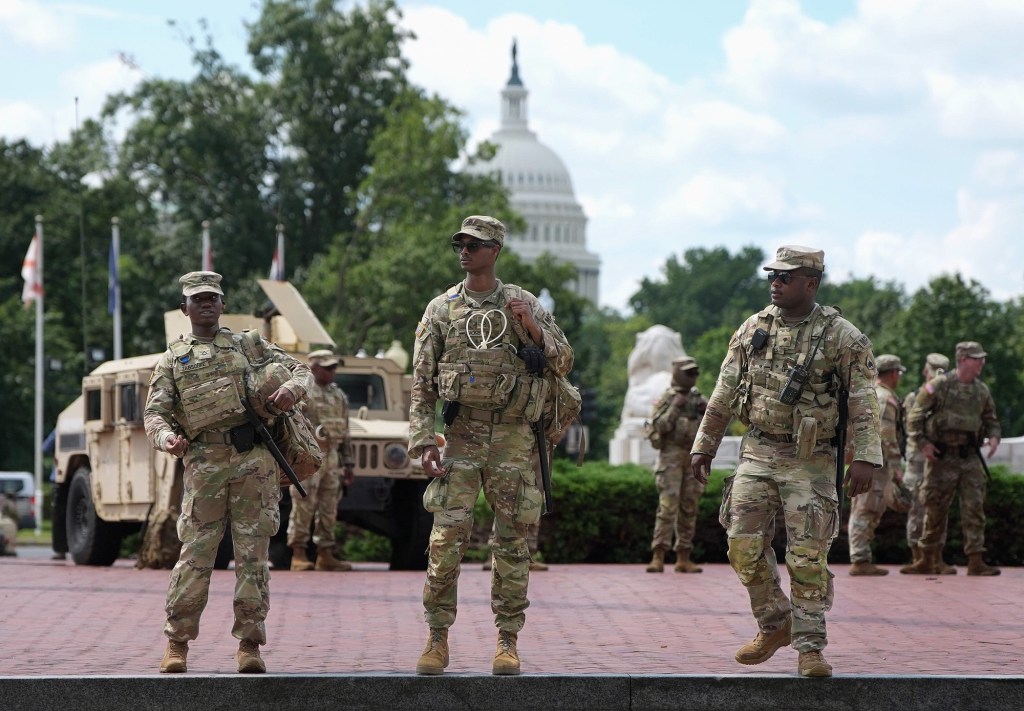
In my six decades of living in Washington, there was only one occasion when the federal government had to step in and activate the National Guard: during the riots of 1968, following the assassination of Martin Luther King, Jr., when rampaging mobs burned down whole neighborhoods, demolished vehicles, killed 13 people and injured 1,000 more during a four-day period of total, unhinged bedlam.
Washington, D.C. – April 1968
Other cities — notably Baltimore and Chicago — suffered similar riots. It was a time when the danger was real and obvious, local law enforcement was truly overwhelmed, and reinforcements were legitimately needed. The Army National Guard was rightly deployed, and they did their job.
But they did it properly, with respect for law-abiding citizens. And when the rioting had been quelled, the troops were withdrawn.
They weren’t sent out to dislodge homeless people from their encampments, or to arrest anyone who looked like an immigrant. They weren’t lied to about some imaginary crime wave. And they weren’t there for an indefinite period of time.
Washington, D.C. – August 2025
I’m not angry atthe troops who are patrolling Washington’s streets today; I’m angry for them. Because they have been sent out on a fake mission to do a job that is not rightly theirs. And their organization — the military force to which they have sworn their allegiance — is being bastardized by a power-crazed sociopath who knows no limits.
That is not my Washington. And this is not my America.
It sounds like the title of a children’s book about geography, but it’s far more than that. It is, in fact, the mysterious tale of a real-life, enigmatic, Soviet-Uzbek-Maltese-American man now known as Sergio Gor.
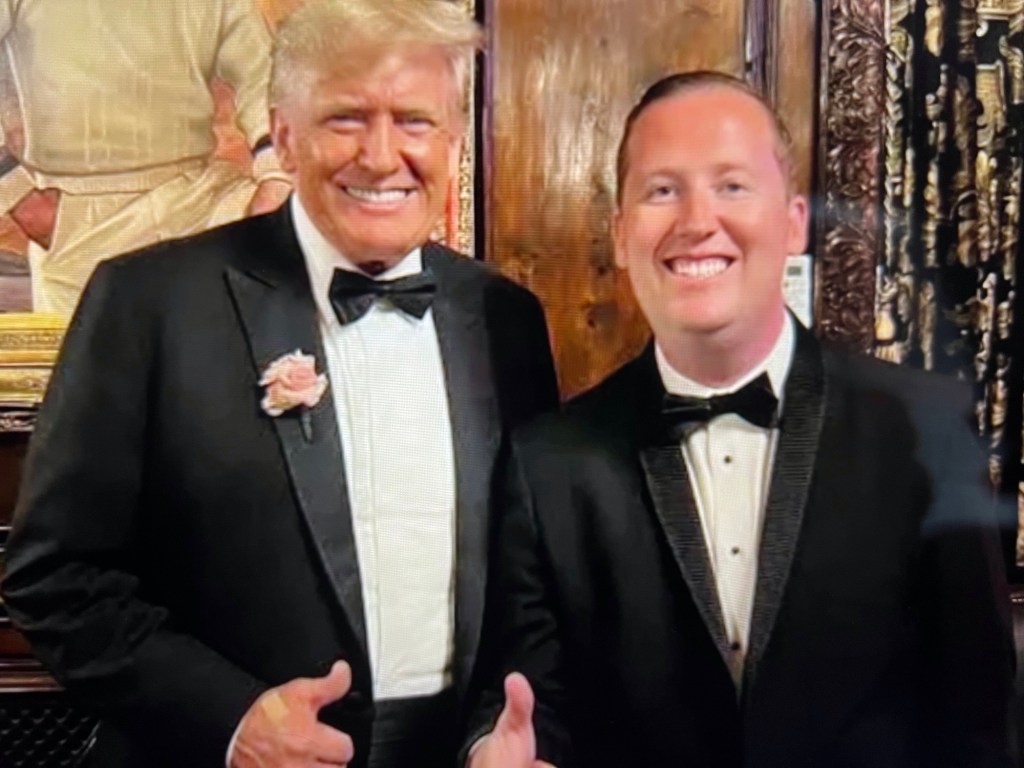
Sergio Gor: Getting Two Thumbs Up From the Boss
Since I love a good mystery — and because, when it comes to politics or espionage, I do not believe in coincidence — the elusive Mr. Gor has aroused my curiosity.
I first heard of him back in June, when he ran afoul of then presidential best buddy Elon Musk. Gor was, and still is, head of the White House personnel office, and opposed the hiring of an individual recommended by Musk. Musk was angry; the two men feuded; Gor won the dispute; and Musk departed the White House inner circle shortly thereafter. Considering Musk’s well-known influence with Donald Trump up to that time, Gor’s triumph was a clear signal that he was not a man to be messed with.
The End of a Beautiful Friendship
But who was he, really? His entire history — his birthplace, his parentage, his application for U.S. citizenship, his security clearance vetting for the White House post — all were being questioned.
After Musk’s departure, however, Gor — and all the questions — faded back into the shadows. He was no longer news. And, in all honesty, he had also receded from my thoughts, overtaken by the greater urgency of multiple national and international crises.
Until this morning.
An Awakening
As I said, I do not generally believe in coincidence . . . at least, not where the shady business of politics is concerned. So when I began my usual morning routine today — clearing the junk mail from my inbox, scanning the news headlines, and checking to see whether anyone had been reading my blog — I was astonished to see, first, that six people had suddenly decided to read the article I wrote about Gor some two and a half months ago.
That was no coincidence: not one, but six people (and later, a seventh), from other parts of the world, had simultaneously become interested in what I had previously written about this little-known person. So I did a Google search, and found that Sergey Gorokhovsky, or Sergio Gor, or whoever he is, is now Donald Trump’s nominee to serve the dual — and very different — roles of Ambassador to India and Special Envoy for South and Central Asia Affairs.
Furthermore, with some 30 ambassadorial posts still vacant and awaiting Congressional approval, this one is being fast-tracked, and looks like smooth sailing. Gor should probably be getting his shots for travel to India soon, if he hasn’t already done so.
The surprise is not that there is a rush to fill the post in India. These are contentious times between our two countries, what with Trump’s excessive tariffs and India’s playing the U.S. against Russia by continuing to purchase Russian oil and gas.
And not to be overlooked is India’s role as a founding member of BRICS, and President Modi’s participation, even as I write this, in China’s hosting of the annual summit of the Shanghai Cooperation Organization (SCO), along with Russian President Vladimir Putin and — for the first time — North Korean President Kim Jong Un.
So yes, having an Ambassador in place in India is a matter of some urgency. But why Gor? And again, who is he, really?
He claims to have been born in Malta, but they have no record of his birth. Other sources identify him as Sergey Gorokhovsky, born November 30, 1986, in Tashkent, Uzbek SSR, Soviet Union. His father is not identified by name, but his parents are said to have left Russia for Malta in 1994, where his mother Liya registered as an Israeli national and “started a business.” They then emigrated to the United States in 1999. [Wikipedia.org.]
Tashkent, Uzbekistan
Like so many of Trump’s upper echelon, he is completely unqualified for the job he is being offered. He has zero diplomatic training or background. None. Zilch. He found his way to the White House by joining conservative causes while still in college, and later working for various Republican representatives, the Republican National Committee, and Senator Rand Paul’s political action committee (PAC).
Then he made the leap to the Trump camp: he began working for Donald Trump, Jr. as his consultant and book publishing manager. Together, Gor and the younger Trump founded a conservative publishing house, churning out several books about Daddy Trump.
Gor was also a senior advisor to MAGA Inc., and led a PAC, known as Right for America, for Trump. Finally, after the election in November 2024, Trump named Gor as his director of the White House Presidential Personnel Office. [Wikipedia.org.]
So, while having no diplomatic background to qualify him as ambassador, no negotiating experience to support him as special envoy, and having held no elected office, he has now managed to leapfrog into one of the nation’s most sensitive overseas posts . . . an appointment that makes India’s President Modi very happy, as it gives him a direct, friendly line to the Oval Office.
But have the questions of Gor’s personal history and his security clearance been answered? The White House says they have, but without presenting any evidence. We do — for what it’s worth — have the word of Secretary of State Marco Rubio, who said in a statement to Semafor:
“I have known Sergio Gor for many years from his time in the US Senate, and now working with him daily in the White House. I am confident he will make an exceptional Ambassador.” [Shelby Talcott, Semafor, August 29, 2025.]
And we have this assurance from White House counsel David Warrington:
“Mr. Gor is fully compliant with all applicable ethical and legal obligations. His SF-86 form has been completed, and his security clearance is active; any insinuation otherwise would be completely false.” [Id.]
An unnamed White House official also added:
“He’s super trusted. He’s known the president for a very long time.” [Id.]
“Super trusted”? Wow . . . isn’t that super keen!
Someone also pointed out that “he has traveled extensively — including with White House delegations and the Senate Foreign Relations Committee — and has already been on the ground in parts of the region he’ll now be focused on.” [Id.]
Well . . . I feel much better now. He has experience as an aide to various officials, knows how to pack for overseas travel, and has the trust of several equally unqualified government officials. But he is unstintingly loyal to the one person who matters: Donald J. Trump.
And that’s all that counts in Washington these days.
A brief footnote to the recent story about the presence of Americans in Greenland trying to drum up support for U.S. annexation of the island. (See my post on 8/28/25: “In Case You Thought He’d Forgotten About Greenland …”)
A Homeland Worth Fighting For
Following the Danish Foreign Ministry’s protest delivered to U.S. Charge d’Affaires Mark Stroh last week, an assessment by the Danish PET security and intelligence service said that influence campaigns of the sort complained of would likely aim to “create discord in the relationship between Denmark and Greenland . . . [by exploiting] existing or invented disagreements . . . [either with] traditional, physical influence agents or via disinformation.” [Paul Kirby, BBC, August 27, 2025.]
Further, Danish public broadcaster DR has reported details of one American’s visit to the capital city of Nuuk for the purpose of compiling a list of Greenlanders who were known to back U.S. attempts to acquire the island, and attempting to recruit them for an organized secessionist movement. [Id.]
And what was Washington’s response to all of this? Well, in a typically brilliant display of international diplomacy — and while not confirming the existence of any such influence campaign — an unnamed White House spokesperson had this to say:
“We think the Danes need to calm down.” [Id.]
White House Spokesperson
Genius. Absolute genius.
How calm do you suppose Donald Trump would be if, for example, Vladimir Putin tried to appropriate Alaska?