With the future of an entire nation at stake, the second day of talks ending after just two hours is not a good sign.
Russia’s chief negotiator for this round of talks in Geneva — former Minister of Culture Vladimir Medinsky — acknowledged that the brief meeting had been “difficult but businesslike,” and that further meetings would follow. In Moscow, Kremlin spokesman Dmitry Peskov said it was “too early” to assess the results of the talks. And there was no immediate comment at all from the U.S. side.
But in an online chat with journalists, Ukrainian President Volodymyr Zelensky was more forthcoming, saying that “all three sides were constructive on the military track [of the talks]. The military basically understands how to monitor a cease-fire and the end of the war, if there is political will. They have basically agreed on pretty much everything there. Monitoring will definitely involve the American side. On the political track there was dialogue — they agreed to move forward and to continue. I did not hear the same level of progress there as on the military side. But . . . my group said they cannot report everything to me over the phone.” [RFE/RL, February 18, 2026.]
Following yesterday’s six-hour session, White House envoy Steve Witkoff said in a post on X that there had been “ . . . meaningful progress. Both parties agreed to update their respective leaders and continue working towards a deal.” [Id.]
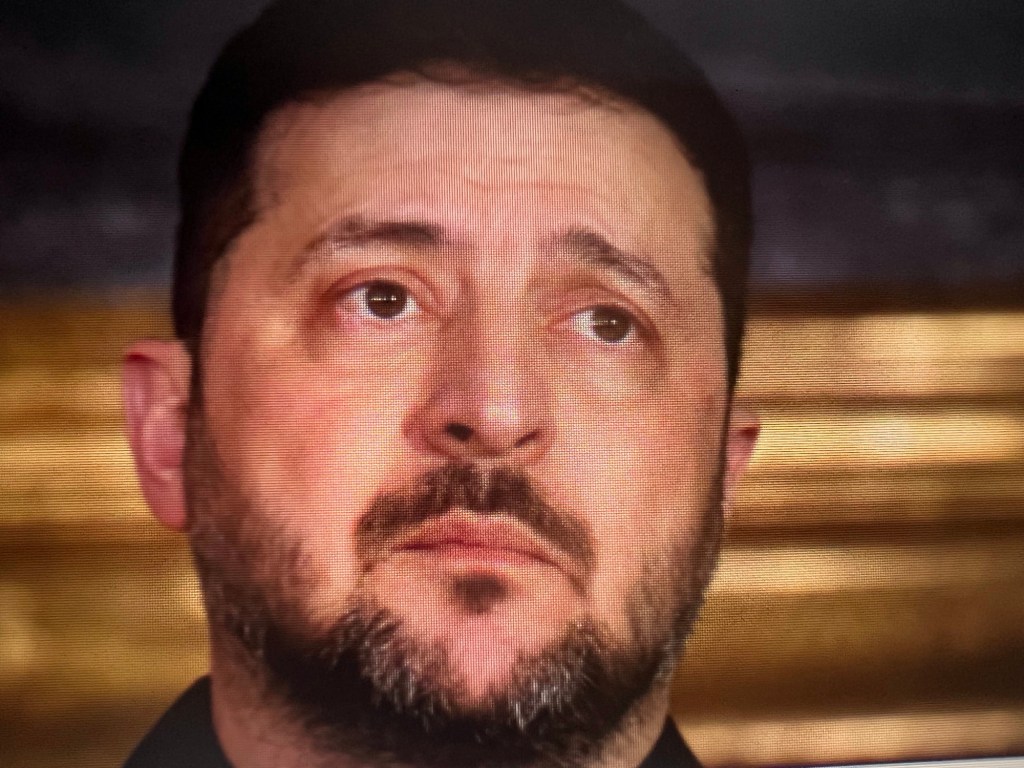
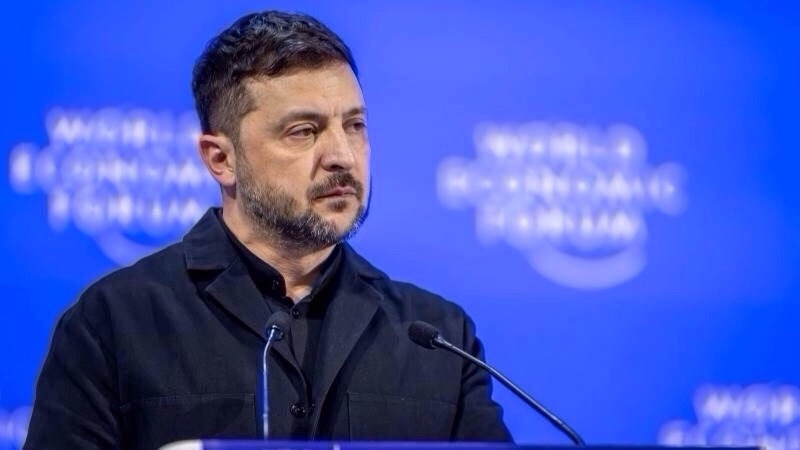
Ukrainian President Volodymyr Zelensky
In other words, it’s been two days of the same old same old.
The problem? Vladimir Putin’s continued intransigence on the two most vital issues in terms of Ukraine’s sovereignty and future security: territorial claims and security guarantees.
Putin’s strategy is simple: As long as he has the military means, he will continue to bombard the Ukrainian civilian population and infrastructure until there is nothing left: no further support from the West, no way to continue on their own, and no will to go on.
It is up to the West — Europe and the United States — to stop him. As long as we stand behind the Ukrainian people, they will continue to fight . . . not only for their own country, but because they also understand that if they fall, the rest of Europe will not be far behind. And we cannot let that happen.
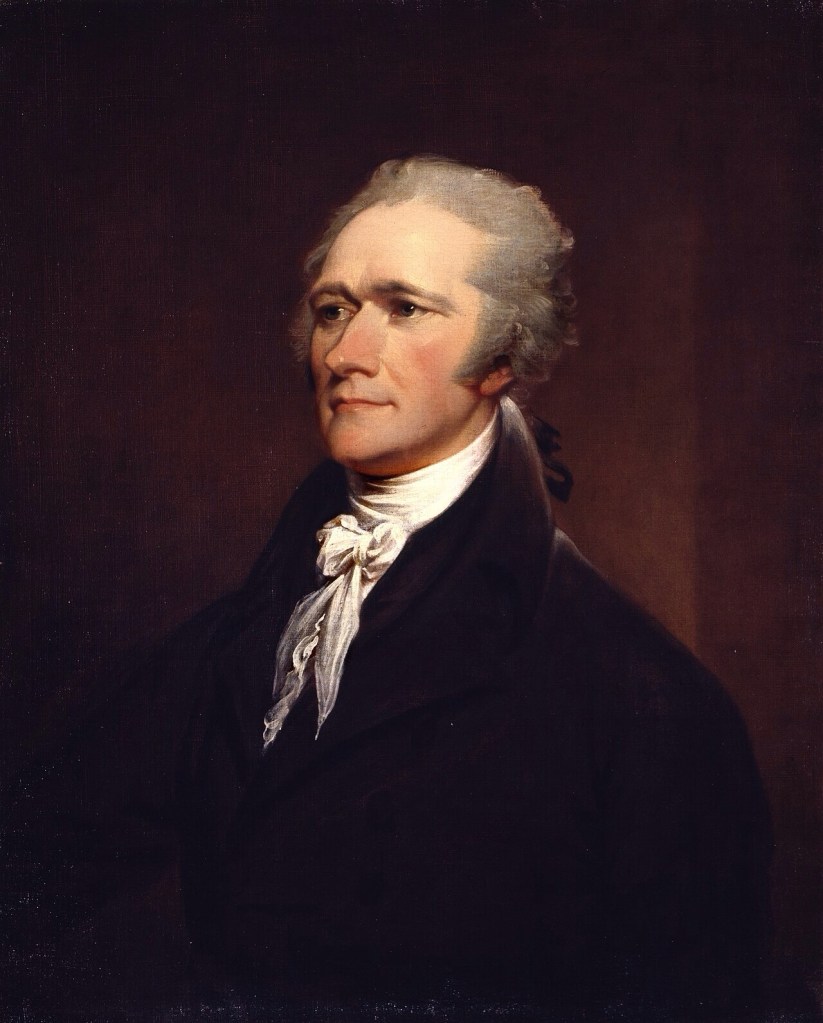
The Library of Congress’ archives contain a collection of letters and other documents, known as “The Hamilton Papers,” written by one of America’s Founding Fathers, Alexander Hamilton: signatory to the U.S. Constitution, first Secretary of the U.S. Treasury, and author of the Federalist Papers.
Alexander Hamilton (1755 or 1757 – 1804)
One such letter includes the following remarkably prescient warning:
“When a man unprincipled in private life, desperate in his fortune, bold in his temper, possessed of considerable talents, having the advantage of military habits — despotic in his ordinary demeanour — known to have scoffed in private at the principles of liberty — when such a man is seen to mount the hobby horse of popularity — to join in the cry of danger to liberty — to take every opportunity of embarrassing the General Government & bringing it under suspicion — to flatter and fall in with all the non sense [sic] of the zealots of the day — It may justly be suspected that his object is to throw things into confusion that he may ride the storm and direct the whirlwind.”
So even then, it seems, there were such people. Unfortunately, there still are.
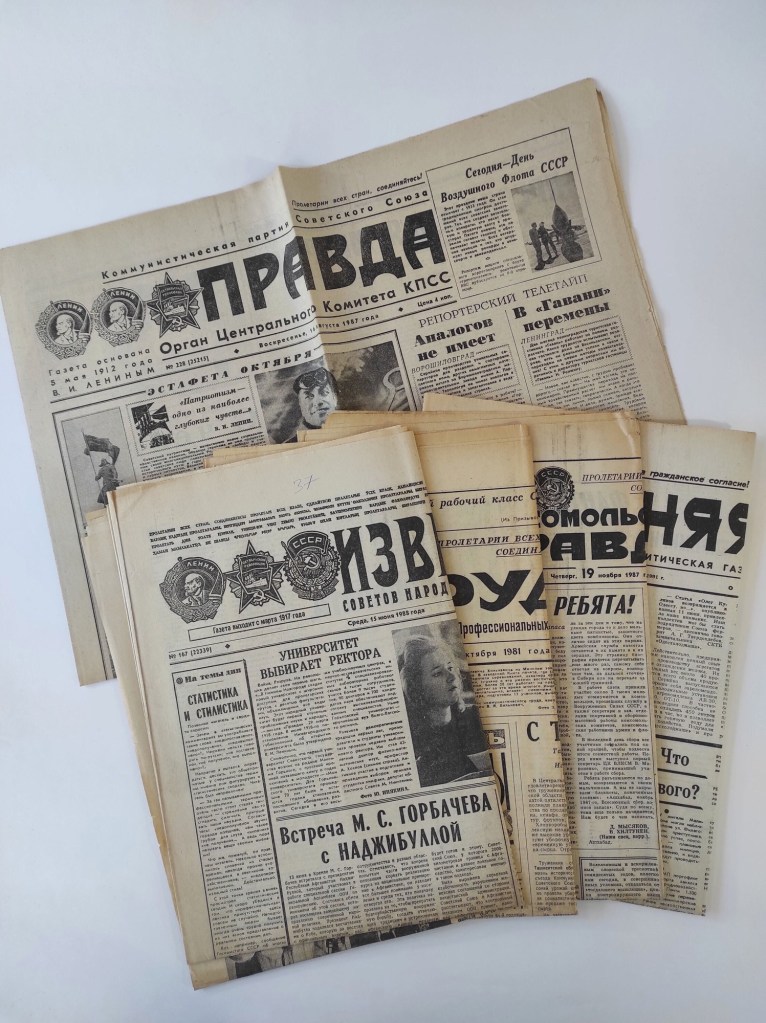
In Soviet times, before Mikhail Gorbachev’s reforms known as glasnost and perestroika, the ordinary citizens of Russia and the 14 other Soviet Socialist Republics only knew as much about the outside world as their government masters allowed them to know. Their TV and print news sources — Pravda, Izvestia,TASS, and the like — were state-owned and controlled; their access to foreigners was limited and considered risky. They accepted the daily ration of propaganda without question, because they had nothing to compare it against.
Those programs of “openness” and “restructuring” represented a sea change in the lives of the Russian people. With the disintegration of the Soviet Union, westerners flooded into Russia bearing previously unimagined business and educational opportunities, and the technology to implement them. With them also came western media outlets, and — at the dawn of the new millennium — the internet and social media.
And suddenly, everyone had a computer and a smart phone. Not only were they aware of what was happening outside of their borders; they were part of it. And they took to it like babies to their first taste of apple sauce.
The problem was that Gorbachev was gone . . . his liberal successor, Boris Yeltsin, was gone . . . and Vladimir Putin was now in the Kremlin. And all of the reforms — the openness and restructuring — of the two previous administrations were anathema to him and to his messianic belief that the collapse of the Soviet Union had been the greatest geopolitical tragedy of the 20th century, and that it was his destiny to restore it to its former glory.
But how does one do that in the largest country in the world, with a population of nearly 150 million people in an area spanning eleven times zones? Well, first, he cut off their access to the outside. One by one, he pushed through Parliament new laws restricting freedom of speech. Next he began arresting people and shutting down media for violating those laws.
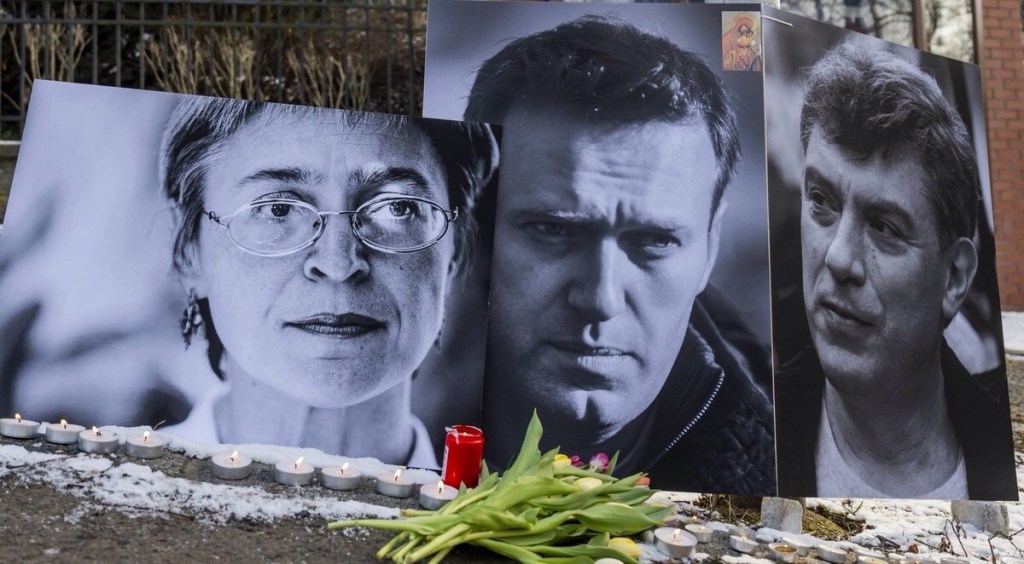
He also killed off a few of his most popular, outspoken dissidents, including Anna Politkovskaya, Boris Nemtsov, and Aleksei Navalny.
(L-R) Anna Politkovskaya, Aleksei Navalny and Boris Nemtsov
Then, on February 24, 2022, he invaded Ukraine, giving him a new excuse for strengthening the already onerous laws, and creating an exodus of both western enterprises and the few remaining independent Russian media outlets.
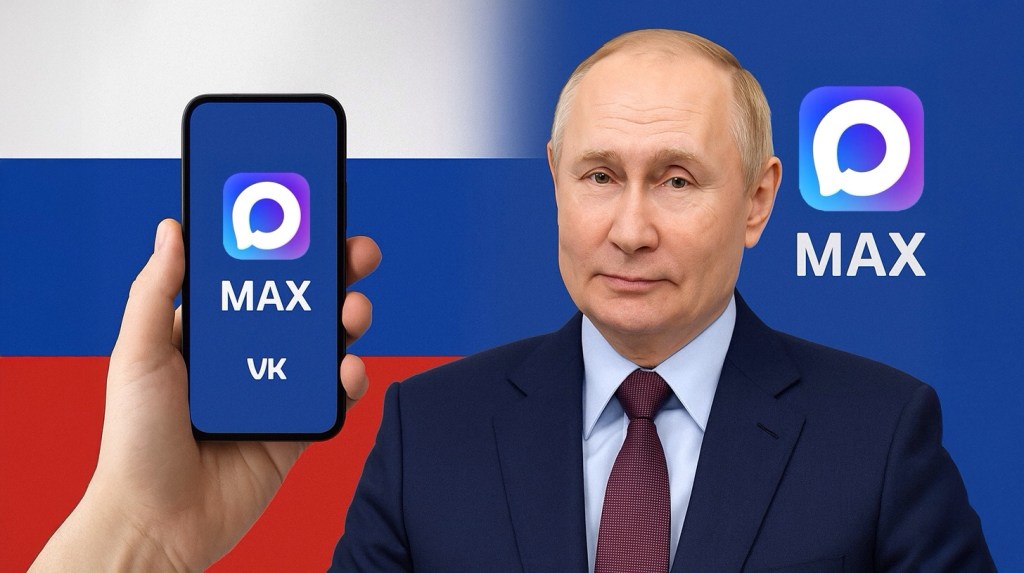
But there were still all of those pesky cell phones, and millions of people with access to Google, Facebook, YouTube, WhatsApp, Instagram, and the like. Suddenly pulling the plug on all of them could cause a massive revolt. So he began limiting access gradually, while simultaneously building a state-controlled platform named “Max” to take the place of all the others.
People posting regularly on YouTube and others have already complained of periodic outages — including two emigre families I’ve been following: the Canadian Feenstras and the Australian Pulleys. And on Thursday, February 12th, it was confirmed that instant messenger WhatsApp has been blocked completely.
Even Telegram — used by millions in Russia including the military, top-level public officials, state media services, and government bodies such as communications regulator Roskomnadzor and the Kremlin itself — has become the victim of restricted access by Russian authorities.
Enter: “Max.”
“Max” (with what’s-his-name)
It’s been in the works for a while, but now it seems to be close to becoming the only choice — if you can call it a choice — as explained by Kremlin spokesman Dmitry Peskov:
“Max is an affordable alternative on the market for citizens, a developing national messenger. Regarding the blocking of WhatsApp, our authorities did indeed state that the decision was made and implemented due to the corporation’s unwillingness to comply with the law.” [Sophie Tanno and Anna Chernova, CNN, February 12, 2026.]
WhatsApp confirmed the move, saying:
“Today the Russian government attempted to fully block WhatsApp in an effort to drive people to a state-owned surveillance app. Trying to isolate over 100 million people from private and secure communication is a backwards step and can only lead to less safety for people in Russia.” [Mike Eckel, RFE/RL, February 13, 2026.]
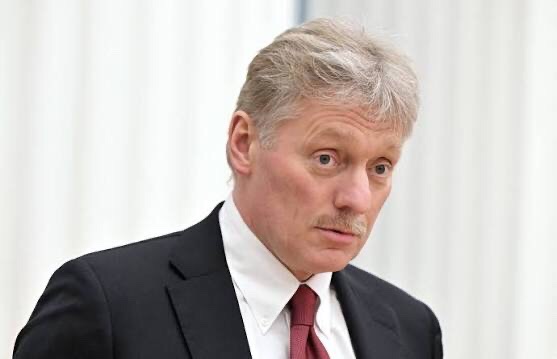
Kremlin Spokesman Dmitry Peskov
Alena Epifanova, a cyber researcher at the German Council on Foreign Relations, noted that this is the first time regulators have moved to effectively delete websites en masse from the Russian domain system, saying:
“It’s unfortunately not surprising. It was just a matter of time. [Regulators] move to block everything that they can’t control and take another step toward a sovereign Internet. … Max is part of the puzzle. They introduced it, but no one was going to use it. As long as you have alternatives that work, as long as you have alternatives that your friends and family use, people won’t move to another platform. Therefore, they have to block Telegram, they have to block WhatsApp to get people to use Max.” [Id.]
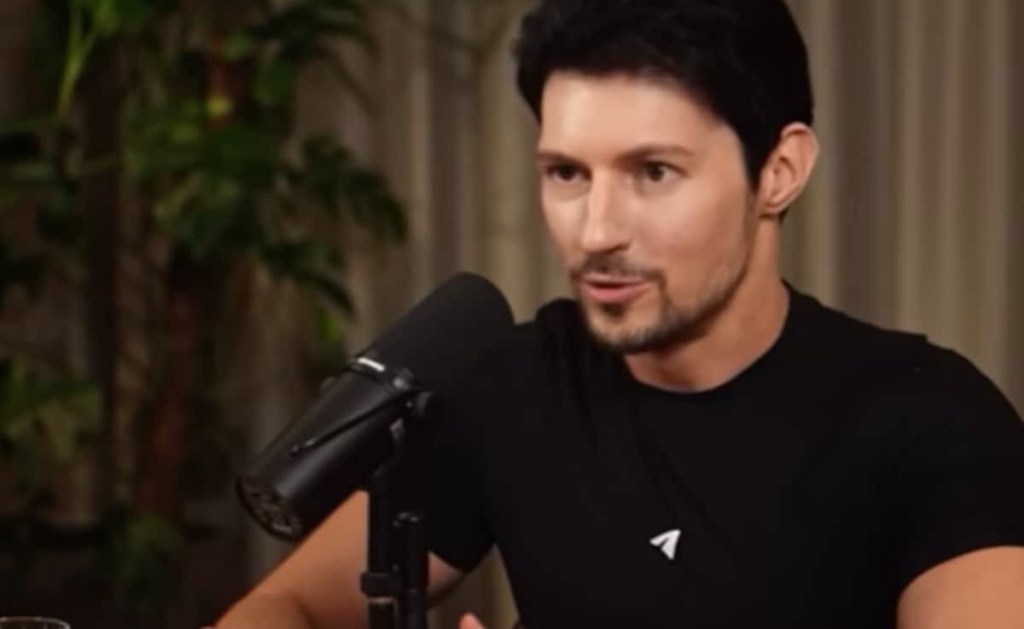
And Pavel Durov — the Russian-born entrepreneur who created Telegram and chose to abandon it and live in exile rather than submit to Putin’s restrictions — agreed:
“Russia is restricting access to Telegram in an attempt to force its citizens to switch to a state-controlled app built for surveillance and political censorship.” [Id.]
Pavel Durov
So, with the compliments of the Kremlin, “Max” welcomes his comrades back to the 1960s. The 21st century was fun while it lasted.
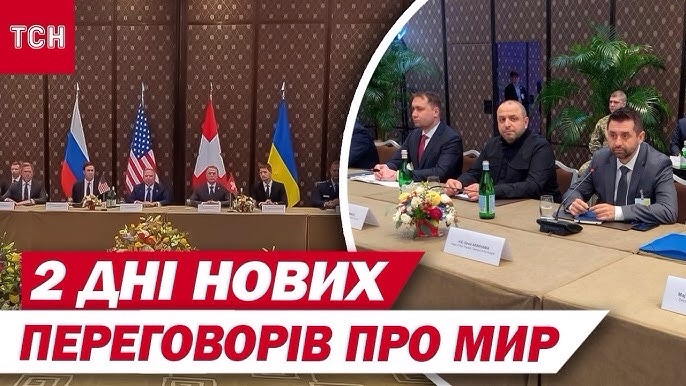
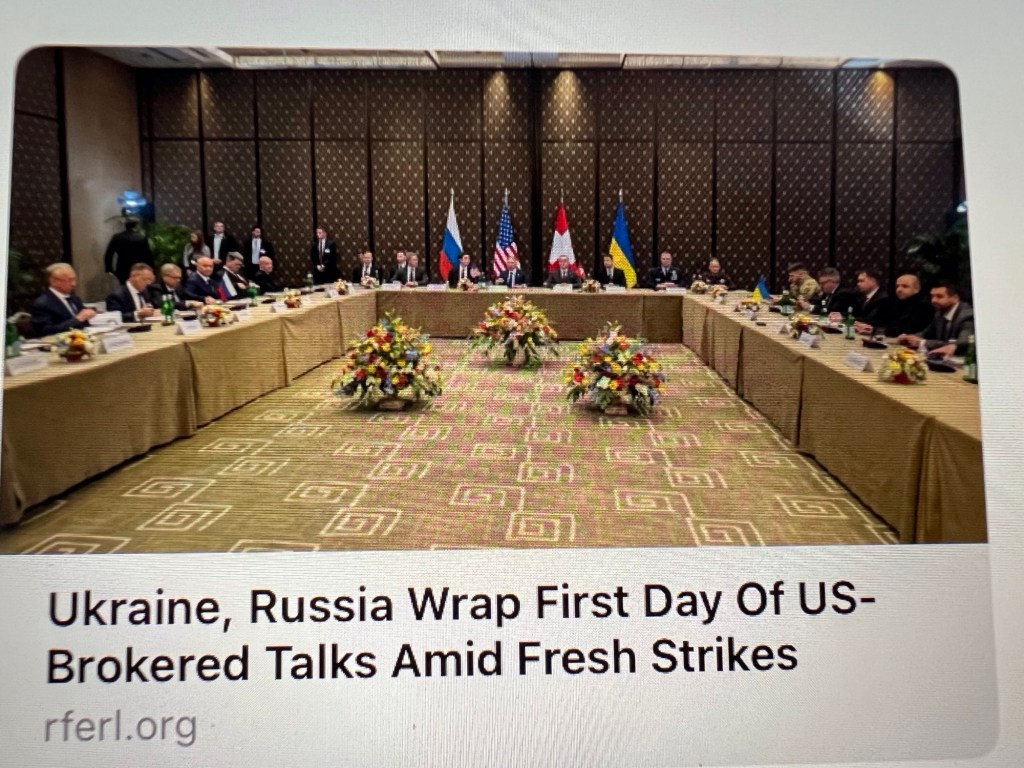
The location is different: Geneva, rather than Abu Dhabi. But the faces at the table are pretty much the same; the rhetoric hasn’t changed; and nothing is resolved after the first day of talks, while Vladimir Putin continues to batter Ukraine’s energy infrastructure in the midst of one of the coldest winters on record.
Geneva, Switzerland – February 17, 2026
Following six hours of talks described by a source in the Russian delegation as “very tense,” Ukraine’s chief negotiator, Rustem Umerov, posted on social media:
“Discussions focused on practical issues and the mechanics of possible solutions. For today, both the political and military blocs have completed their work.” [RFE/RL, February 17, 2026].
So . . . nothing.
As the talks began, the previous night had seen a dozen regions across Ukraine deluged by some 400 drones and nearly 30 missiles, killing at least three people. At the same time, Russian air defenses reported repelling more than 150 Ukrainian drones, and one drone strike setting fire to a Russian oil refinery.
Ukrainian President Volodmyr Zelensky said in a video address that his country is ready to cease strikes against Russia in accordance with an earlier U.S. proposal:
“We don’t need war . . . [we are] defending our state, our independence. We are also ready to quickly move towards a worthy agreement to end the war. The question is only for the Russians: what do they want?” [Hafsa Khalil and Laura Gozzi, BBC, February 17, 2026.]
Volodymyr Zelensky
*. *. *
The talks are scheduled to continue tomorrow. But expectations for any meaningful progress are low. Contrary to my earlier hopes, the U.S. is still relying on Steve Witkoff and Jared Kushner to lead the American negotiating team, while on the eve of today’s talks, Donald Trump himself had this bit of presidential gibberish to offer reporters:
“We have big talks. It’s gonna be very easy. Ukraine better come to the table fast. That’s all I’m telling you.” [RFE/RL, op.cit.]
“Quiet, piggy!”
And the Russian delegation has added a new face: Putin aide, former Minister of Culture, and revisionist historian Vladimir Medinsky.
Trained in international relations at the prestigious Moscow State Institute of International Relations (MGIMO), Medinsky has been characterized by some as “statist” and “ultraconservative.”Forbes has described him as a member of Putin’s “ideological clan.” He supports such proposals as the erection of statues of Stalin in places where the majority of local people approve, and the restoration of historic, pro-Soviet place names (such as Leningrad and Stalingrad). [Wikipedia biography.]
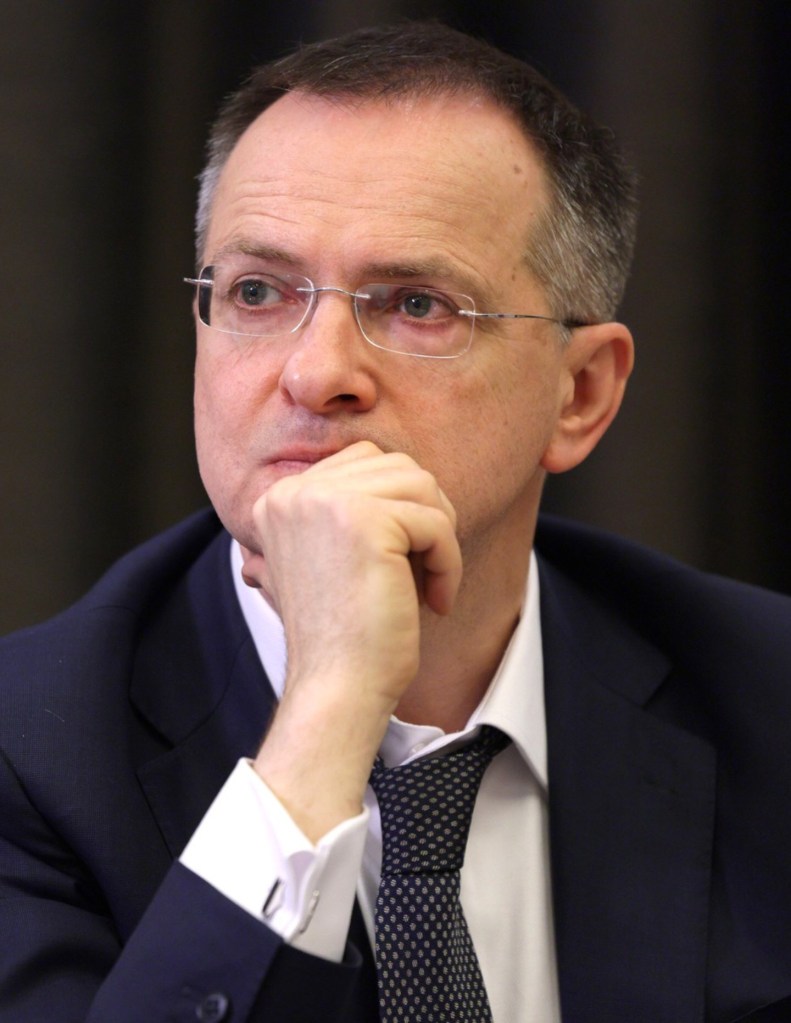
Vladimir Medinsky
In 2013, while Medinsky was serving as Minister of Culture, the Ministry proposed an updated cultural policy calling for “a rejection of the principles of tolerance and multiculturalism,” emphasizing Russian “traditional values,” and cautioning against “pseudo-art” that might be at variance with those values. [Id.]
Enough said. The addition of Medinsky to the negotiating team, while of uncertain value to the peace talks themselves, is clearly indicative of the direction in which Putin is not only leading Russia, but would immediately force upon the citizens of any Ukrainian territory that may end up under his control.
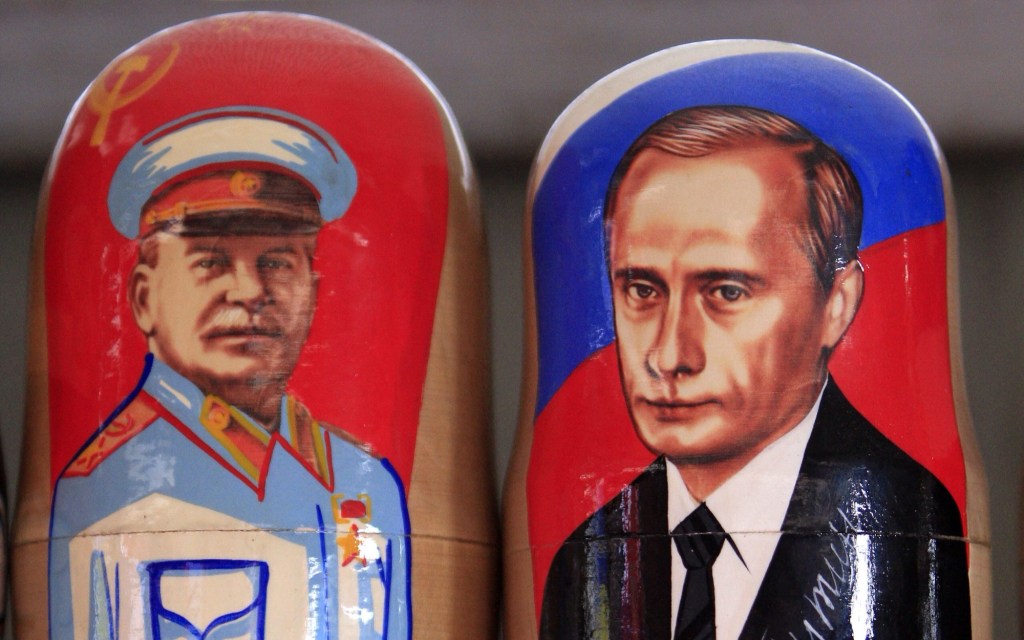
Welcome to Stalinism.102, students.
There is still tomorrow’s session in Geneva to anticipate, but sadly without a great deal of enthusiasm. Still, we hope for some progress toward a ceasefire, at the very least.
In general, I have avoided commenting on the contents of the Epstein files, as I prefer not to wallow in slime. My main area of concern with the files is the blatant, illegal cover-ups being revealed at the highest levels of government and private industry as more files become available.
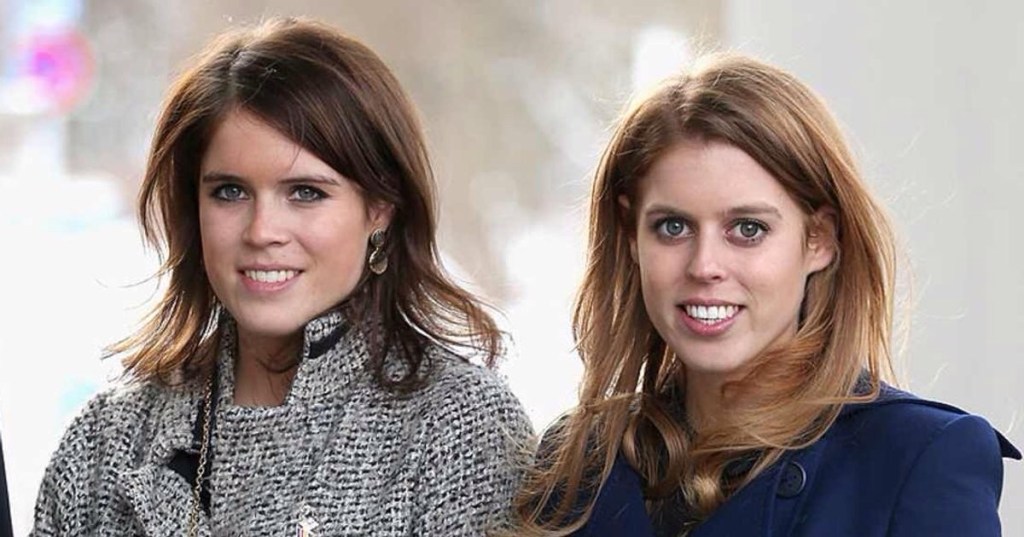
But I was recently touched by the story of the two adult daughters of former Prince Andrew, Princesses Beatrice and Eugenie, and the implications of the ongoing revelations for the families of those individuals who ultimately will prove to have been complicit in Epstein’s heinous activities.
Princesses Eugenie and Beatrice
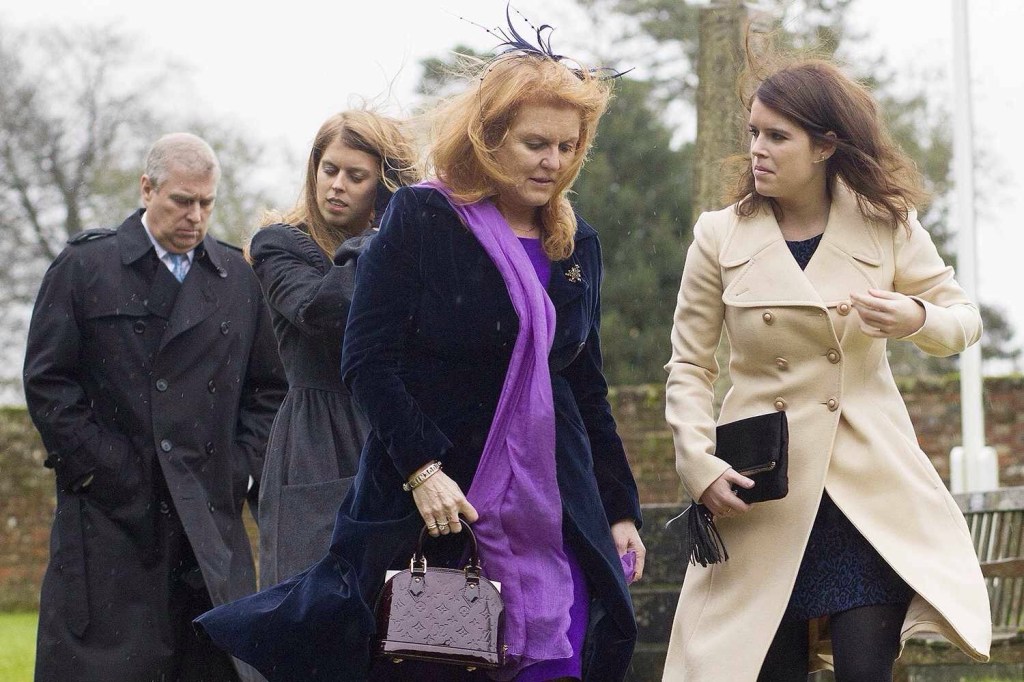
Indications are that they believed — or wanted desperately to believe — their father when he denied the extent of his relationship with Epstein and his cohort, Ghislaine Maxwell. Now, with references in the files to their mother, Sarah Ferguson, and to their parents’ having mentioned the daughters’ names countless times in communications with Epstein, they can only feel betrayed.
As stated by Russell Myers, the royal editor of Britain’s The Mirror newspaper:
“It’s incredibly distressing for both young women to see themselves mentioned so freely by their parents to a convicted sex offender.” [Lauren Said-Moorhouse, CNN, February 16, 2026.]
A Family in Crisis
The files even indicate that Ferguson took her daughters to visit Epstein just days after his release from prison in 2009. Aged 19 and 21 at the time, they were likely told they were simply visiting a friend of their parents. According to royal author Robert Jobson:
“They are pretty torn because they believed [their father]. Just like the late Queen and Charles, Andrew told them all the same story — that he had done nothing wrong. My understanding is they feel pretty duped by the whole thing.” [Simon Perry, People.com, February 5, 2026.]
And it doesn’t end with the royal family. Each and every one of the sick individuals who participated in Epstein and Maxwell’s degenerate circle of hell, or knew what was going on and chose to enable it by keeping silent, has someone — a spouse, children, parents, siblings, close friends — who will be similarly affected by the fallout.
But I suppose it would be too much to hope that anyone who could treat innocent children as pieces of meat — no more than flesh-and-blood objects of their perverted desires — might at any time have given a single thought to their own families. That would be attributing to them a modicum of decency they obviously do not possess.
For the guilty ones — when they are finally identified, tried and convicted — there is no punishment severe enough.
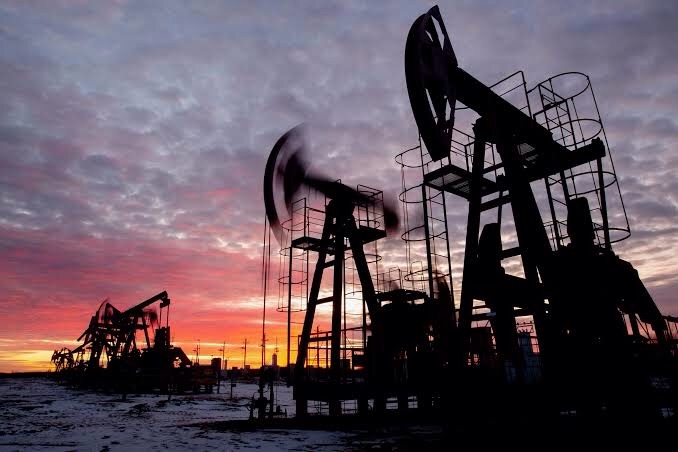
In a continuing effort to choke off the main source of income — exports of oil and petroleum products — financing Vladimir Putin’s war against Ukraine, a bipartisan group of U.S. legislators has introduced a bill ironically referred to as “DROP,” or “The Decreasing Russian Oil Profits Act of 2026.” The Act would require targeted sanctions on any foreign individual or entity involved in the purchase, importation, or facilitation of Russian-origin crude oil and petroleum products. [Alex Raufoglu, RFE/RL, February 12, 2026.]
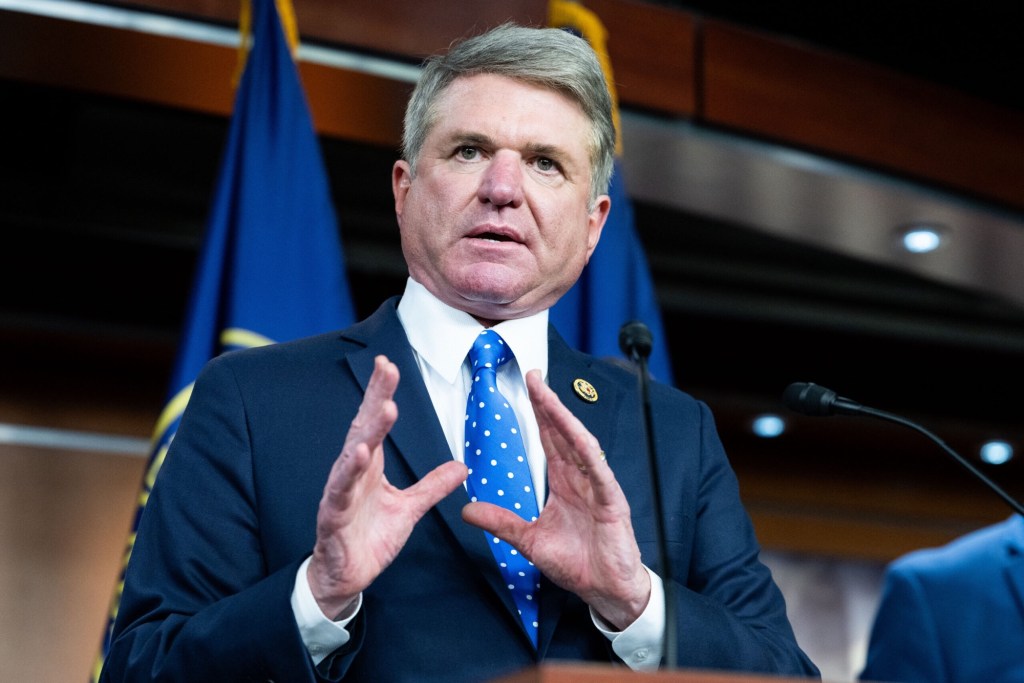
In announcing the bill, one of its originators, Republican Congressman Michael McCaul of Texas, said:
“Russian energy is the lifeblood of the Kremlin’s war machine, and the DROP Act would drain this primary source of revenue.” Arguing that Putin has shown that he will not seek peace “until the cost of his continued bloodshed is too high,” McCaul added:
“It’s time for every nation and individual to choose between doing business with the free world or continuing to bankroll Putin’s brutality.” [Id.]
Representative Michael McCaul
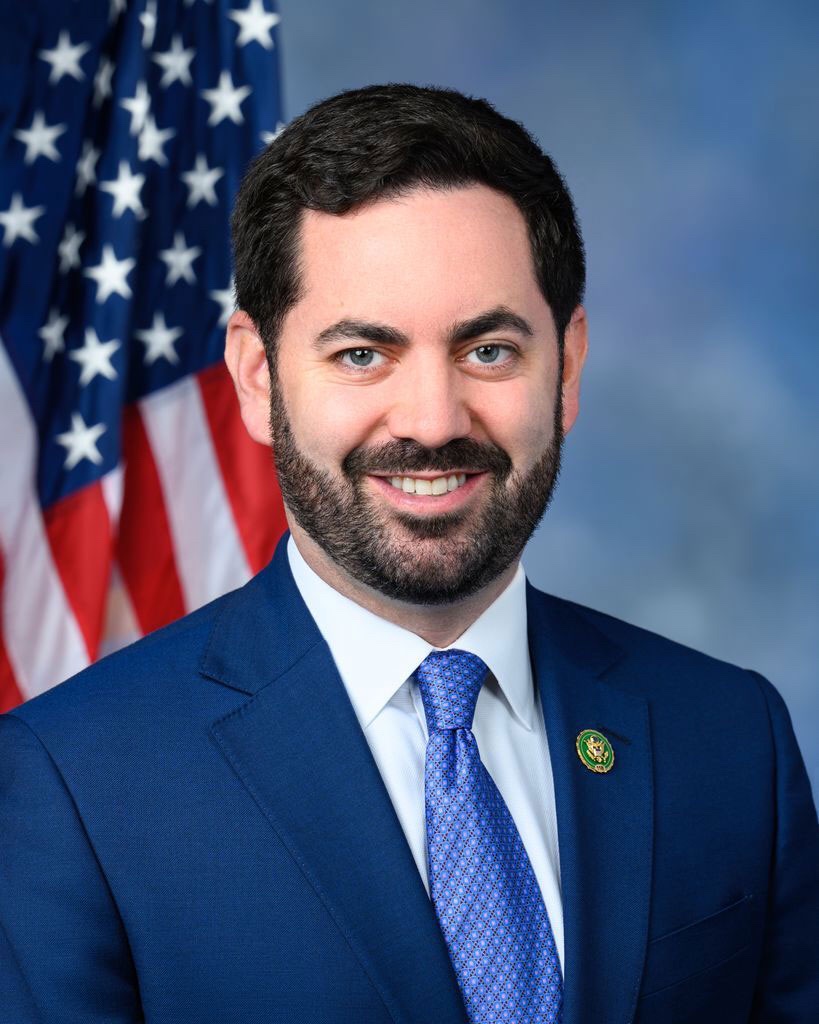
Another sponsor of the bill, Congressman Mike Lawler (R-NY), said the bill would strengthen existing designations and close loopholes in current sanctions:
“Sanctions only work if they’re enforced,” Lawler said, adding that the new legislation would “cut off a key funding for Putin’s war machine.” He stressed that it is time to use “the full strength of American economic power to squeeze out the Kremlin.” [Id.]
Representative Mike Lawler
There are, of course, a number of countries that still buy Russian oil. Not surprisingly, China, India, Turkey and Brazil are among their biggest customers; but two EU members — Hungary and Slovakia — also have failed to reduce their reliance on Russian energy: Hungary, at around 44.6%, and Slovakia, as much as 96% dependent.
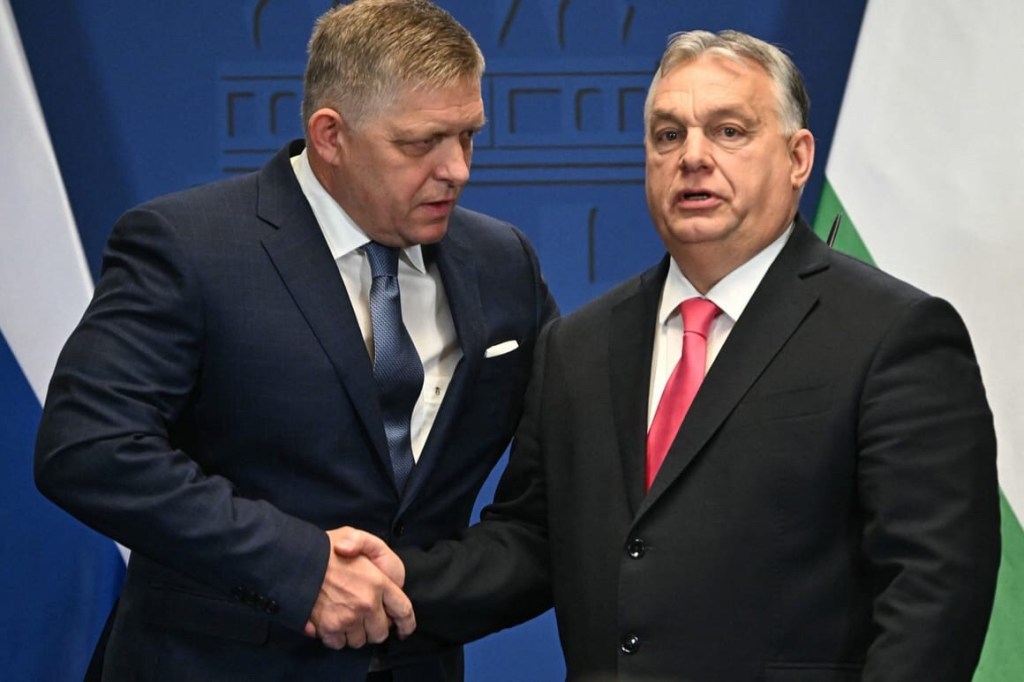
This would explain the reason for Secretary of State Marco Rubio’s side trip to the capitals of both countries following the Munich Security Conference last week for meetings with their respective Prime Ministers: Viktor Orban of Hungary and Robert Fico of Slovakia, both outspoken supporters of Putin and autocratic leaders in their own right.
(L-R) PM Robert Fico (Slovakia) and PM Viktor Orban(Hungary)
At this stage, we can only speculate as to how Donald Trump’s administration proposes to convince Orban and Fico to comply with the new sanctions, when their dependency on Russian crude oil is so deeply entrenched. But my first guess is that it might have something to do with all of that recently-acquired Venezuelan crude.
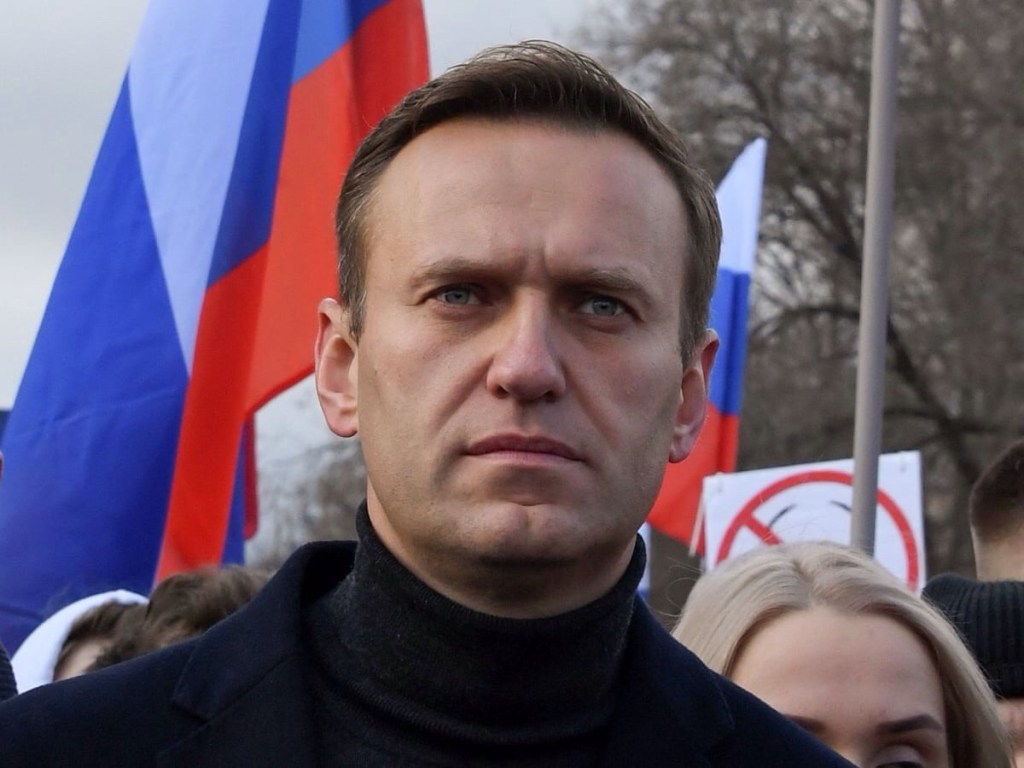
Two years ago today, Russian dissident and anti-corruption leader Aleksei Navalny died under mysterious circumstances in a Siberian penal colony known as Polar Wolf. Officially, his death was ruled to have been of “natural causes” — allegedly a heart condition. But the world knew better.
Aleksei Navalny (1976-2024)
On Saturday — just two days before the second anniversary of his death, the true cause — poisoning by means of a rare toxin from a South American poison dart frog — was revealed by a team of European experts who had spent the last two years analyzing biological matter from Navalny’s body that was smuggled out of Russia at the time of his burial.
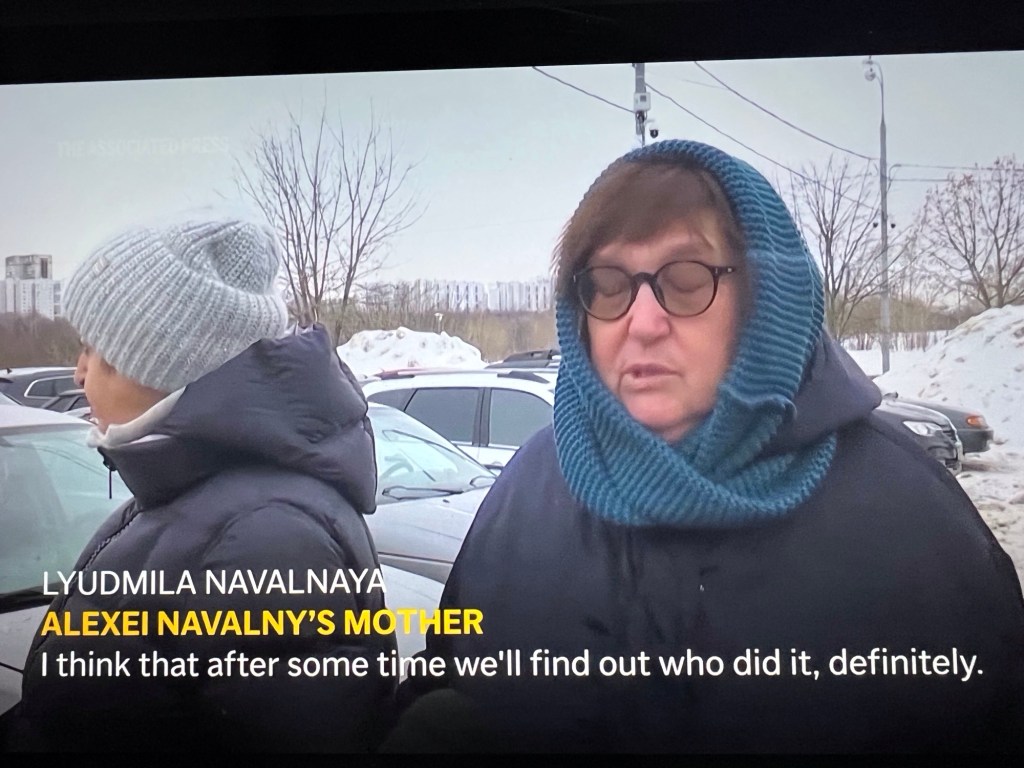
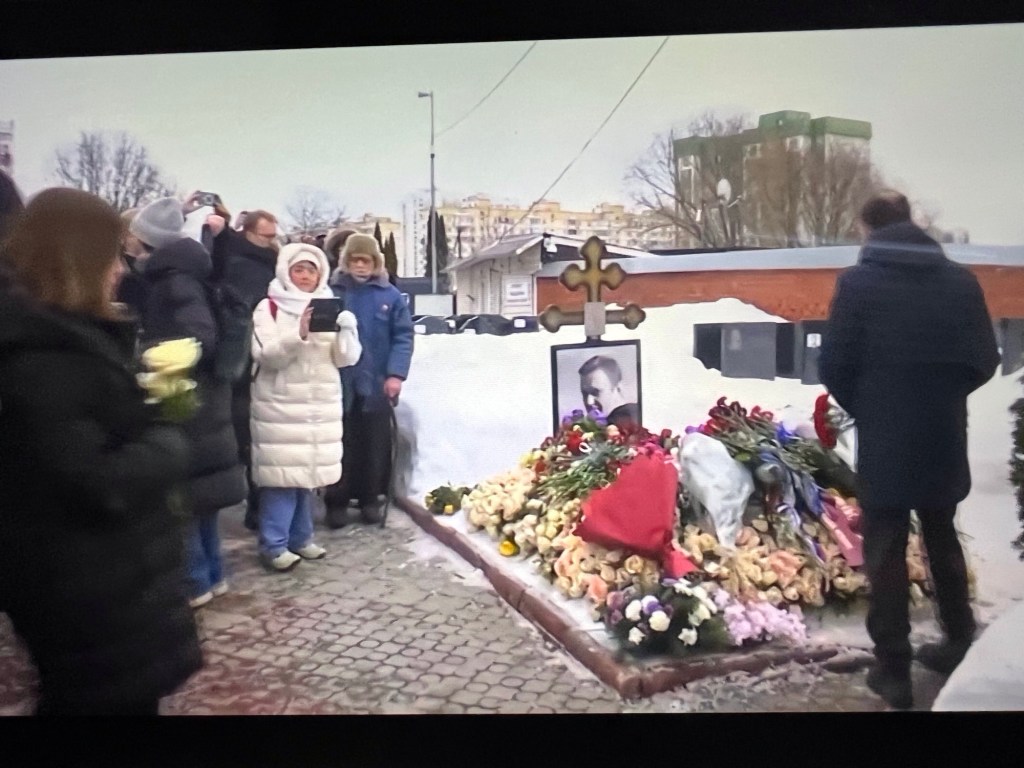
And today, at a memorial service held in his honor at the Borisovskoye Cemetery in Moscow, his mother, Lyudmila Navalnaya, spoke to a crowd of his still-devoted friends and followers.
Demanding justice for her son, she said that the findings confirmed “what we knew from the beginning . . . He was murdered.” [RFE/RL, February 16, 2026.]
Lyudmila Navalnaya
And in an interview, Ksenia Fadeyeva — a former associate of Navalny who was herself imprisoned and released in a prisoner exchange later in 2024 — told reporters:
“We can’t afford to become apathetic and believe that our country has no future. If we do believe that it’s all over and that evil has prevailed, it really will prevail.” [Id.]
Good advice, not only for Russians living under Vladimir Putin’s authoritarian rule, but for all of us.
*. *. *
So Aleksei Navalny’s fight against corruption and totalitarianism continues. And as long as it does, his spirit will be kept alive.
R.I.P., Aleksei Navalny – Moscow, February 16, 2026
Earlier today I wrote about my concerns for the future of the various Smithsonian and other museums in Washington, D.C., that are in peril from the current administration’s determination to wipe out symbols of, and references to, any and all subjects that they find inconvenient or contrary to their vision of what America should be.
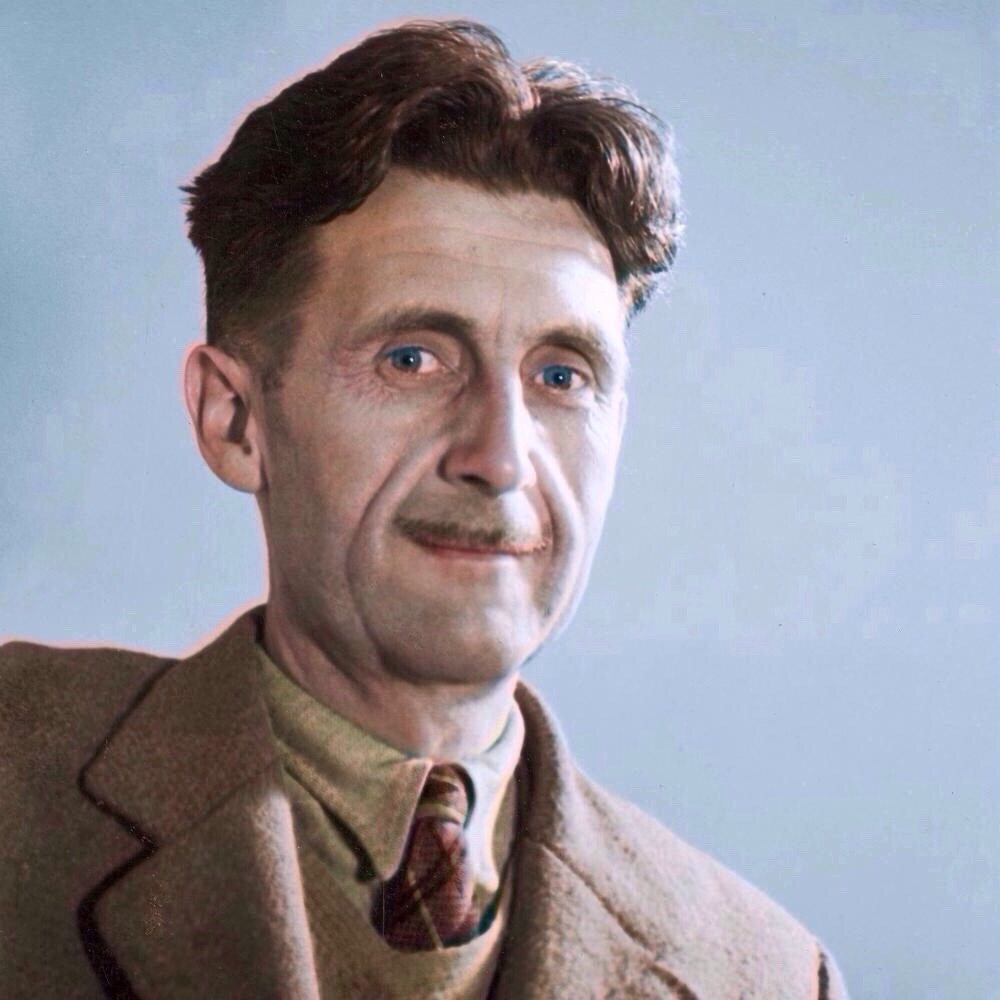
I was steered along that train of thought by a quotation from one of my favorite authors, who needs no introduction, and who foresaw many of today’s events more than 75 years ago when he wrote:
“Who controls the past controls the future. Who controls the present controls the past.”
– George Orwell, “1984”
George Orwell (1903-50)
Think about that for a minute . . . and then tell me it doesn’t scare the hell out of you.
He has decimated the John F. Kennedy Center for the Performing Arts. He has threatened universities that do not comply with his anti-DEI and anti-LGBTQ+ mandates. And he is going after the venerable Smithsonian Institution to alter its honest, unbiased, heretofore unfettered presentation of history, science and the arts.
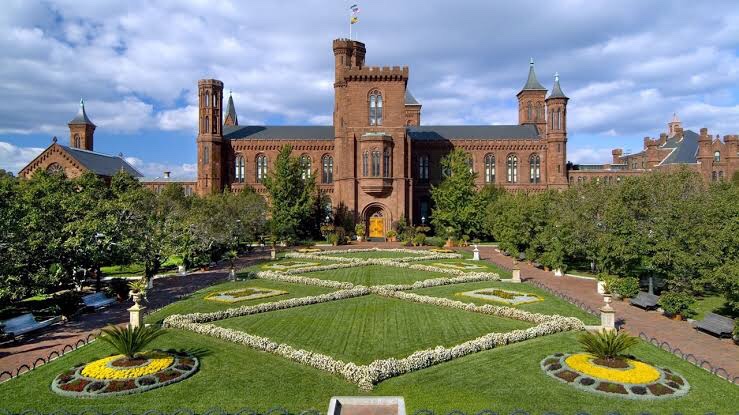
Smithsonian “Castle” and Gardens
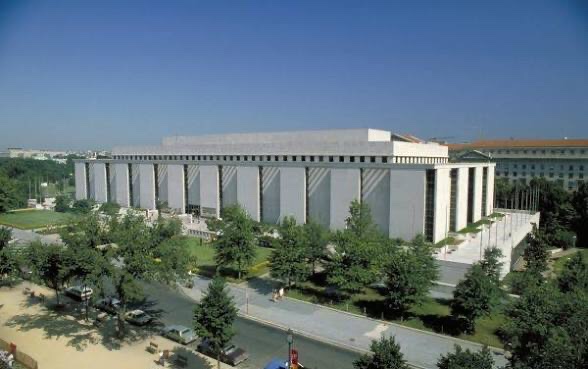
Having lived most of my life in the Washington, D.C., metropolitan area, I have spent countless hours in its vast complex of museums, absorbing history and culture in ways that even the best textbooks could not fully impart. And now I fear that the current generation of children may be deprived of an enormous segment of the true history of our great nation because of the changes being wrought as a result of an irrational fear of the truth that eats away at one man in the Oval Office.
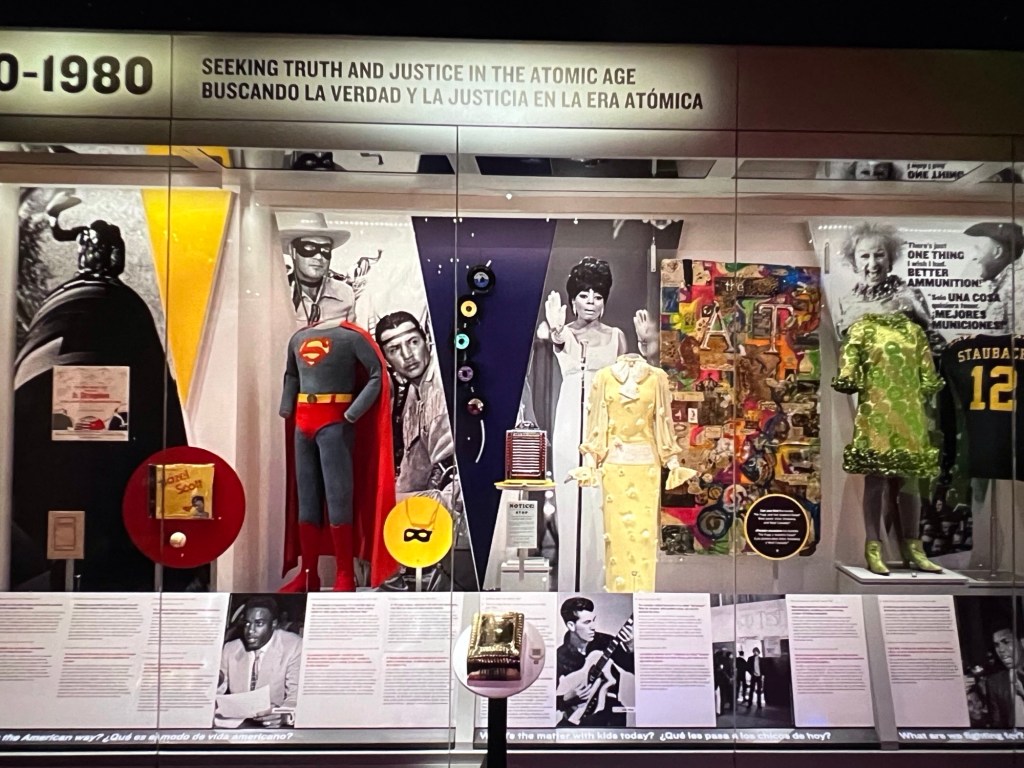
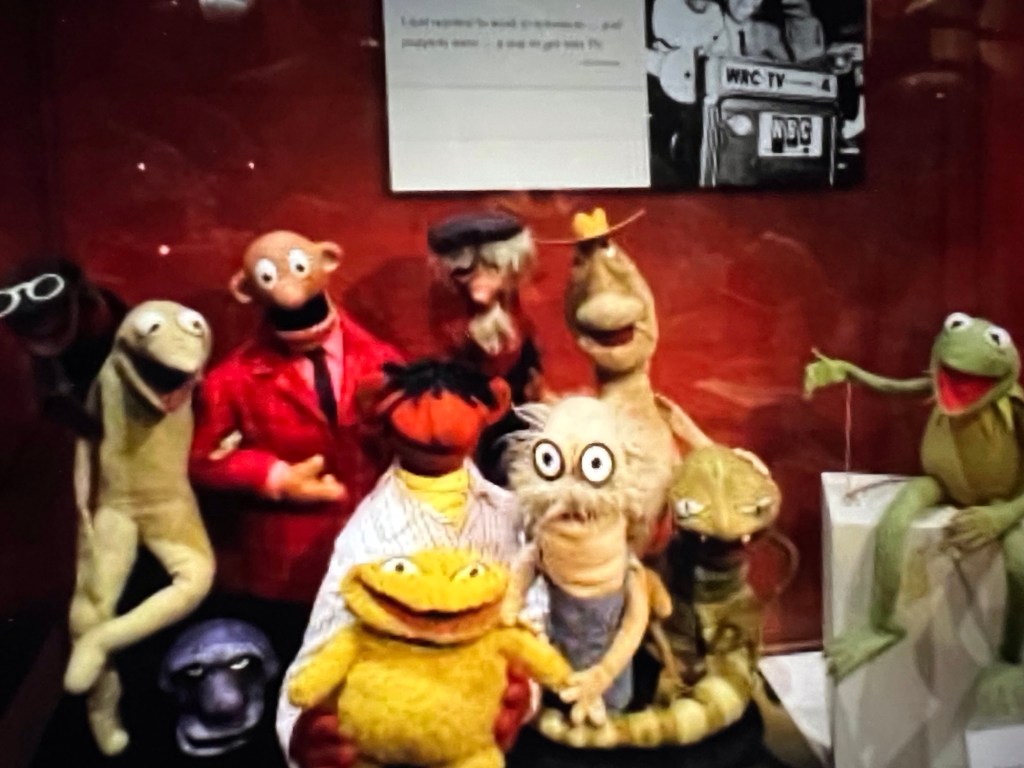
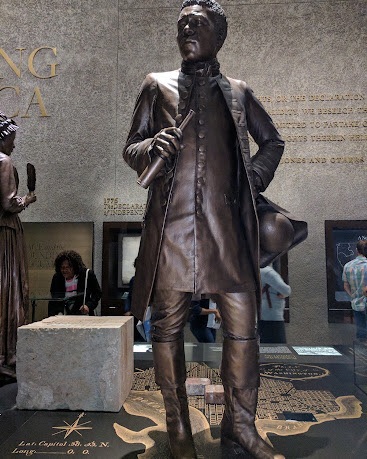
My greatest fears revolve around the Museum of American History:
*. *. *
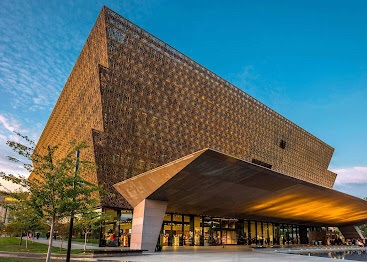
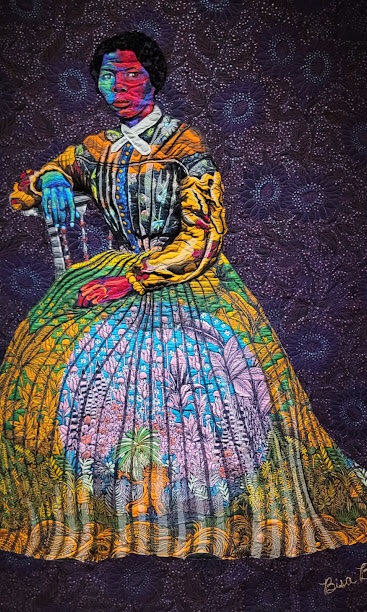
the Museum of African American History:
*. *. *
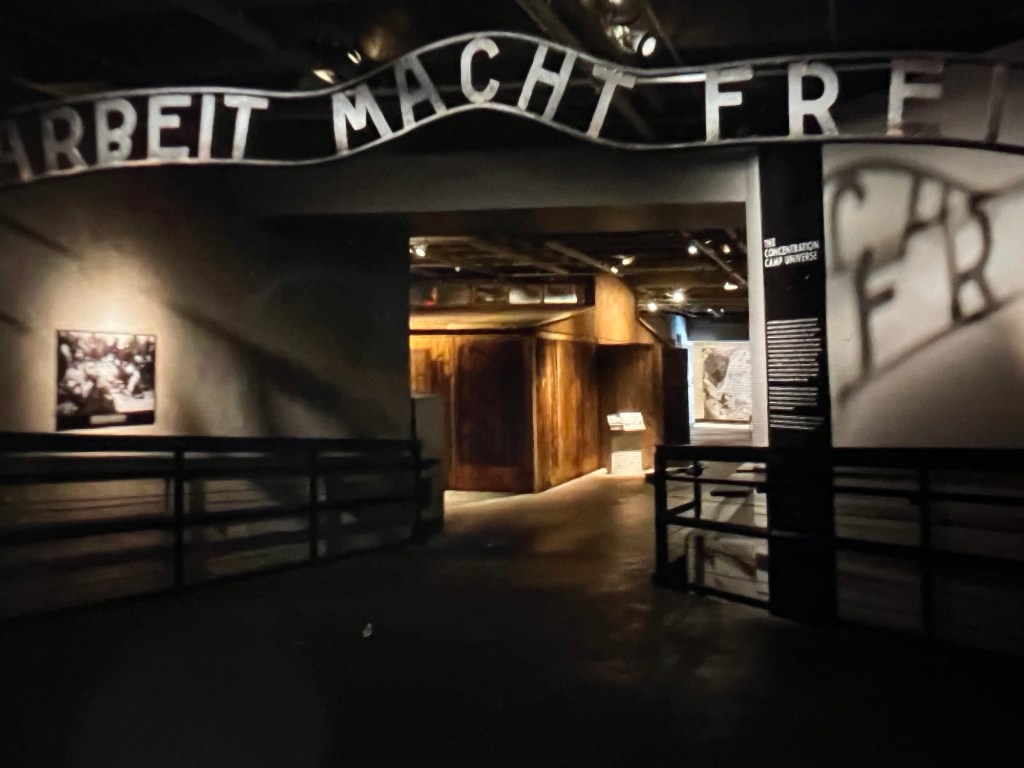
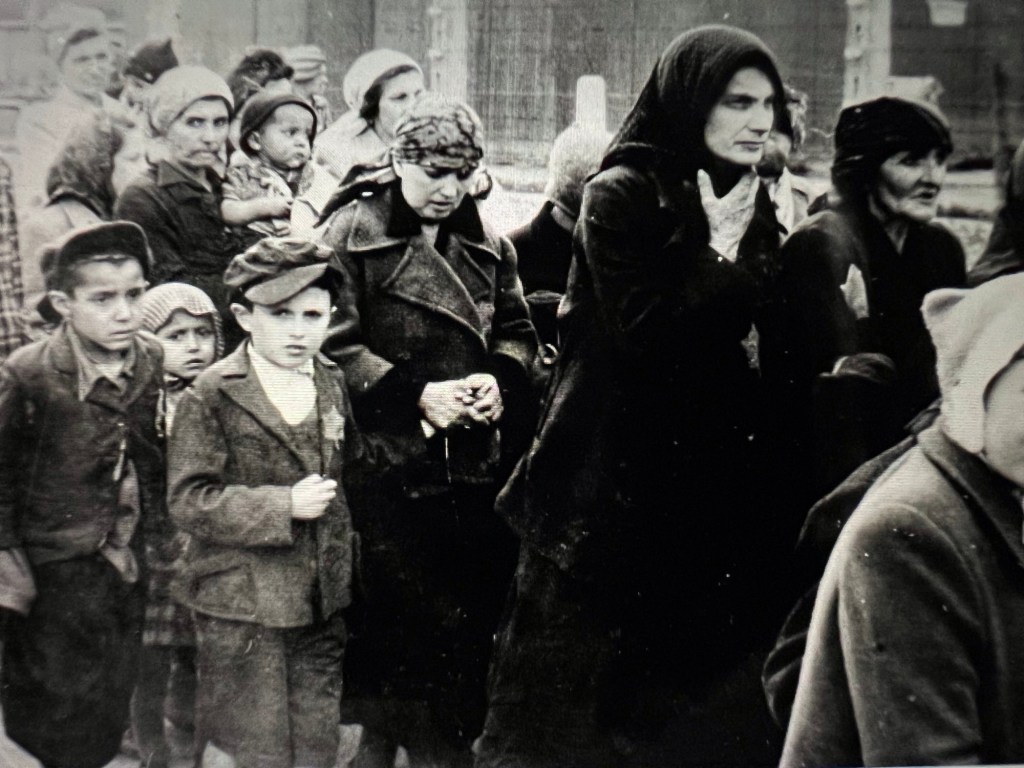
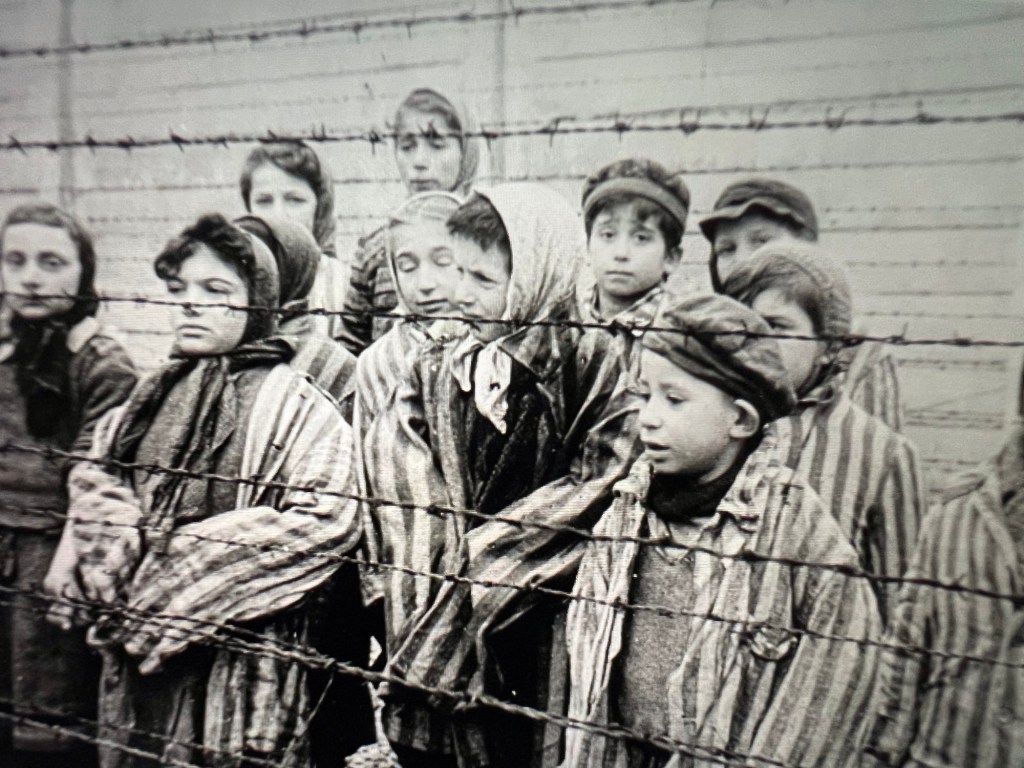
and the National Holocaust Museum, which — while not part of the Smithsonian complex — was created and is funded by an Act of Congress, and is therefore vulnerable:
*. *. *
As with any country, there are parts of our history that are difficult for us to face: the years of government-endorsed slavery, denial of equal rights to minorities, the “Red Scare” of the 1950s, and participation in international conflicts that we should have stayed out of, to name just a few. But they happened; and they tell the story of who we are as a people, and of how we have struggled and the progress we have made toward overcoming and correcting our mistakes.
They happened. And you do not change history by pretending otherwise; instead, that pretense opens the door to the likelihood of making the same mistakes again.
We must fight to retain the honesty and inviolability of these objective institutions of learning. They are among the finest in the world, and to lose them — or to see them bastardized by one who would erase history to suit his preferences — would be unbearable and unforgivable.
So if you are, or plan to be, in the D.C. area, please be sure to visit as many of the museums as possible . . . before someone finds an excuse to take a wrecking ball to them.











 The Blog About Everything … and Sometimes Nothing