Having a wonderful time reminiscing about all my past travel (and other) adventures. Hope you’ll share them with me in my blog, “All Roads Led to Russia.”
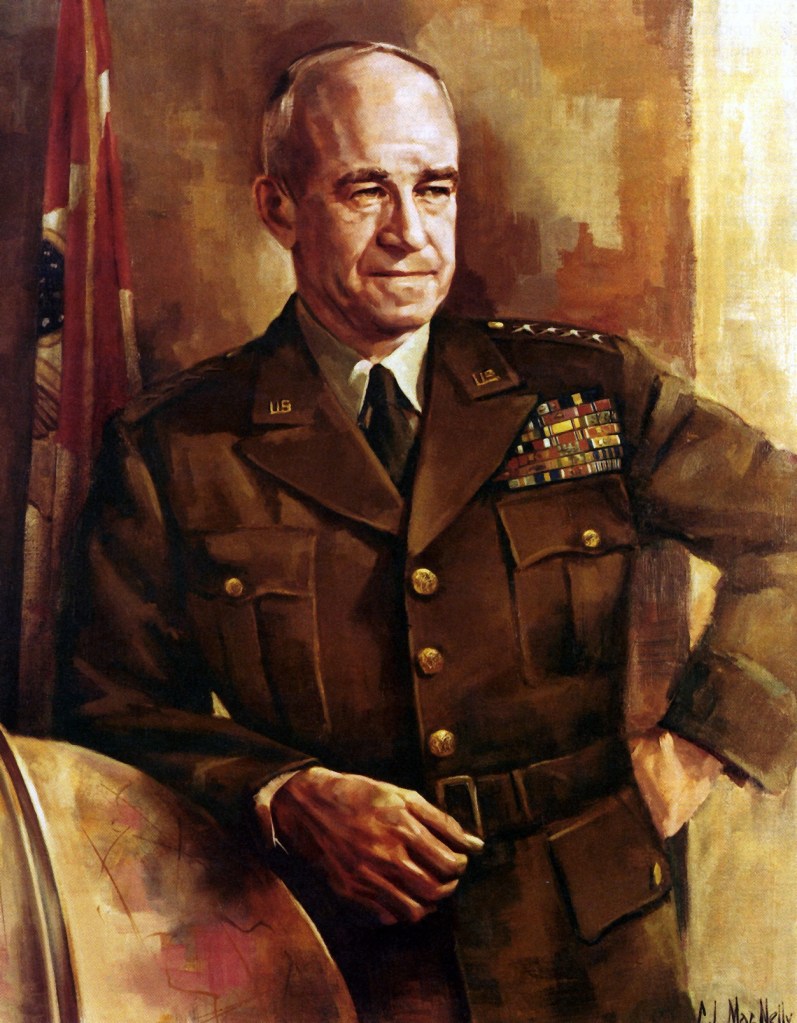
This is not about Lev Tolstoy’s epic Russian novel. It is, rather, about the views of a 20th-century American five-star general who knew as much about war as anyone, and who — after giving most of his life to the service of the U.S. military — had this to say about it:
“Ours is a world of nuclear giants and ethical infants. We know more about war than we know about peace, more about killing than we know about living. We have grasped the mystery of the atom and rejected the Sermon on the Mount.”
– Omar N. Bradley
General of the Army Omar N. Bradley (1893-1981)
That is, sadly, the nature of mankind. I can’t help wondering whether a matriarchal society would have evolved differently.
On May 8, 2025, I wrote that “The World Is Not Underwear” . . . but that Donald Trump’s rampage to alter the world map had him choosing new targets as frequently as most of us change our skivvies.
In less than a year since then, his mad march has expanded, causing increasing alarm throughout the world. Here as a reminder is that earlier article again, with updates at the end to include Trump’s most recent forays into Soviet-style expansionism. If you think this is intended to scare you, you’re right . . . because it is something that cannot be ignored.
*. *. *
“5/8/25: THE WORLD IS NOT UNDERWEAR
There are some things we change daily. Underwear comes immediately to mind.
And, while perhaps not daily, it’s a good idea — and sometimes just fun — to make small changes to our routines . . . maybe a different breakfast cereal, a more scenic route to work in the morning, or a new hair style.
But the world map is not underwear. It’s not cereal, or a haircut. Yet Donald Trump keeps trying to remake it as though it were his own plaything.
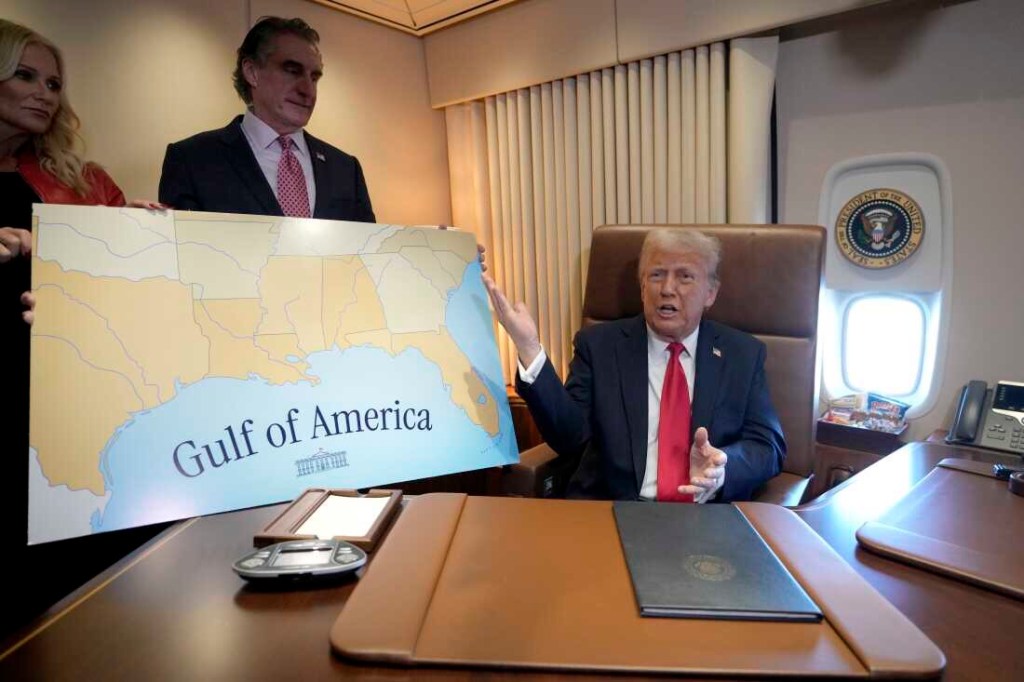
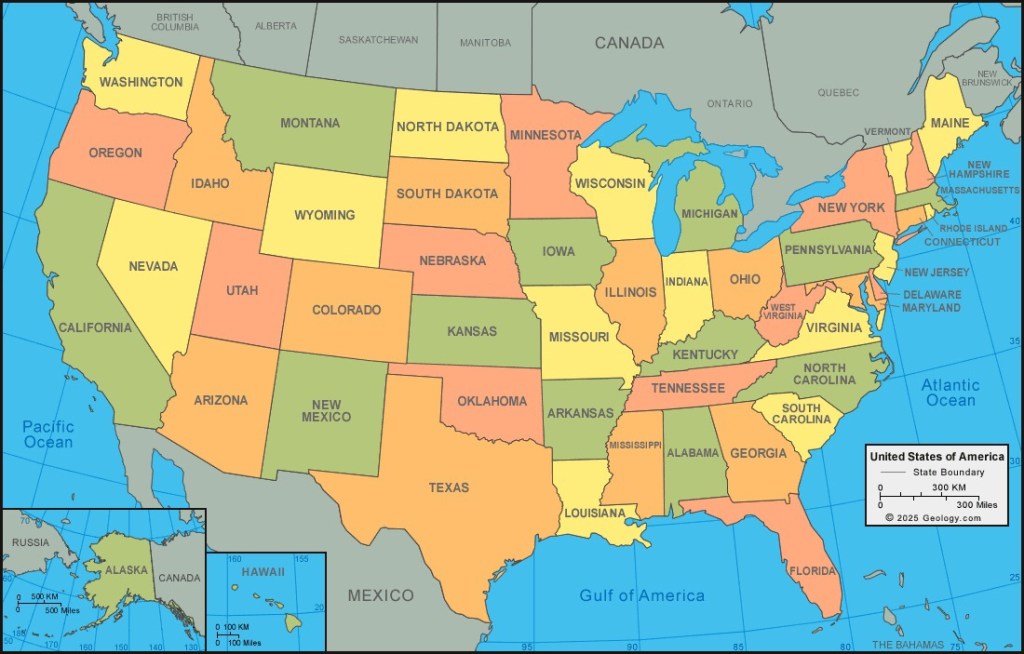
First it was renaming the Gulf of Mexico, calling it — for whatever reason (ego? a power trip?) — the Gulf of America. As though Mexico doesn’t matter.
*. *. *
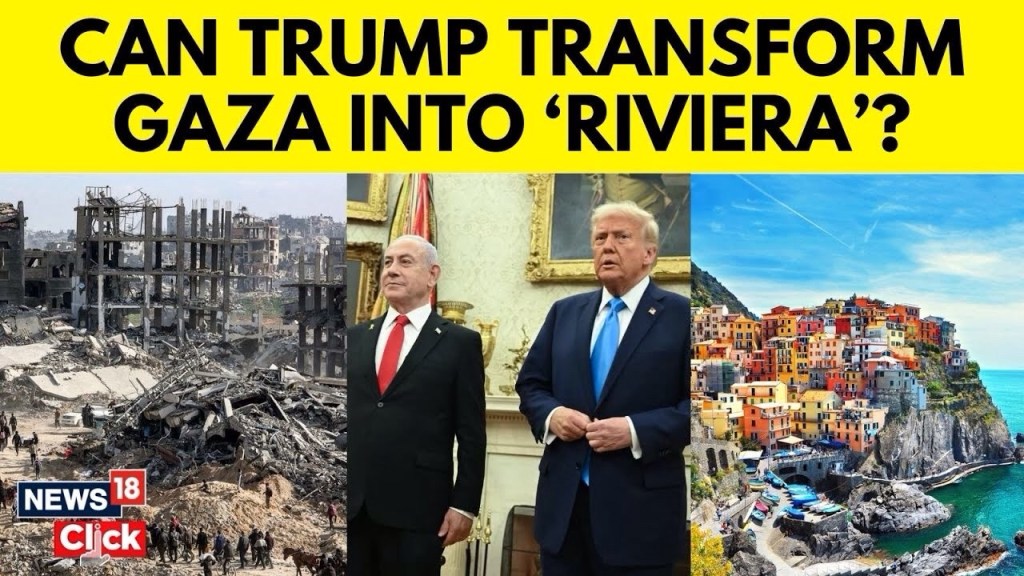
Then he said the U.S. should simply take over Gaza and turn it into another Trump-themed playground for the world’s rich and famous. As though the Palestinians don’t matter.
*. *. *
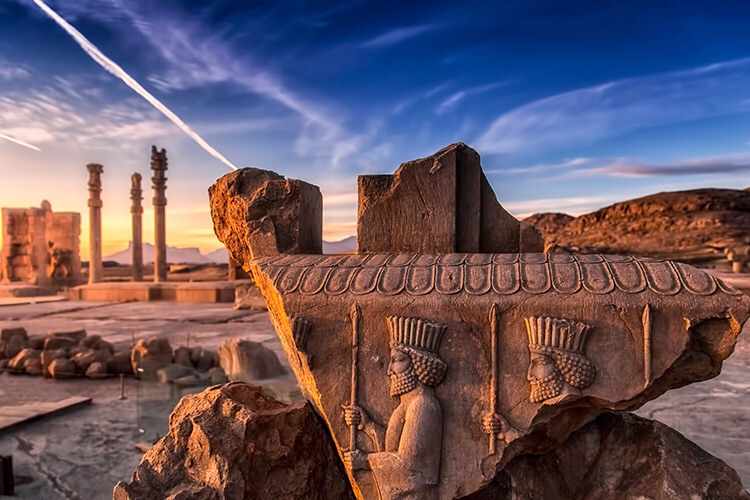
He’s also in favor of renaming the Persian Gulf, instead calling it the Arabian Gulf, or Gulf of Arabia. As though the entire history of the Achaemenid (Persian) Empire never mattered.
*. *. *
He’s threatening to steal Greenland from Denmark. Clearly, the lives of the Greenlanders don’t matter . . . to him.
*. *. *
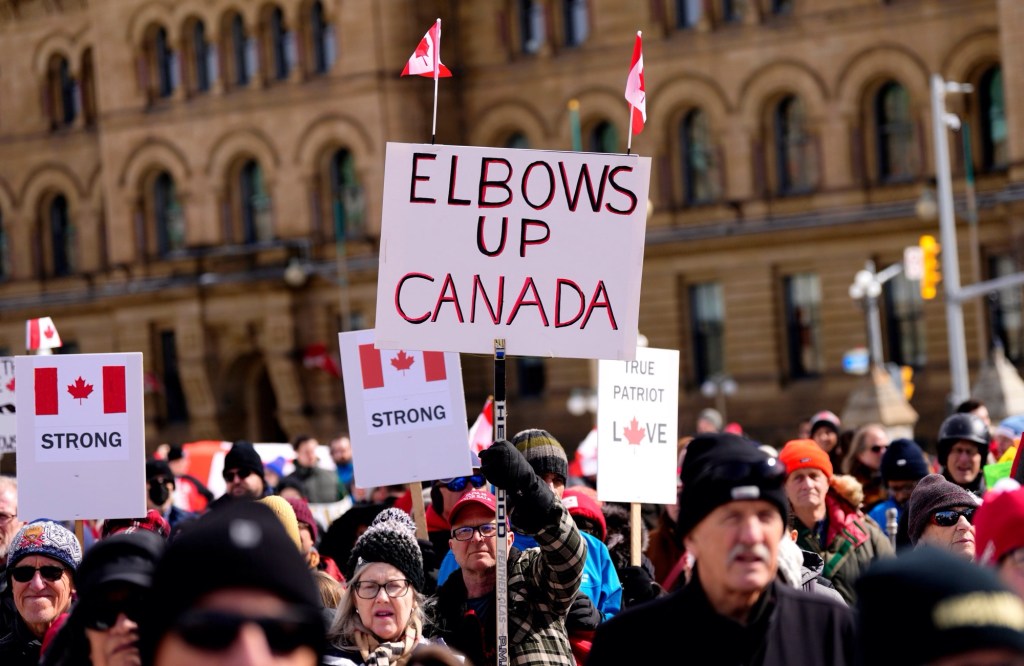
He keeps trying to persuade Canadians that they’d be better off as part of the United States. Fat chance there!
*. *. *
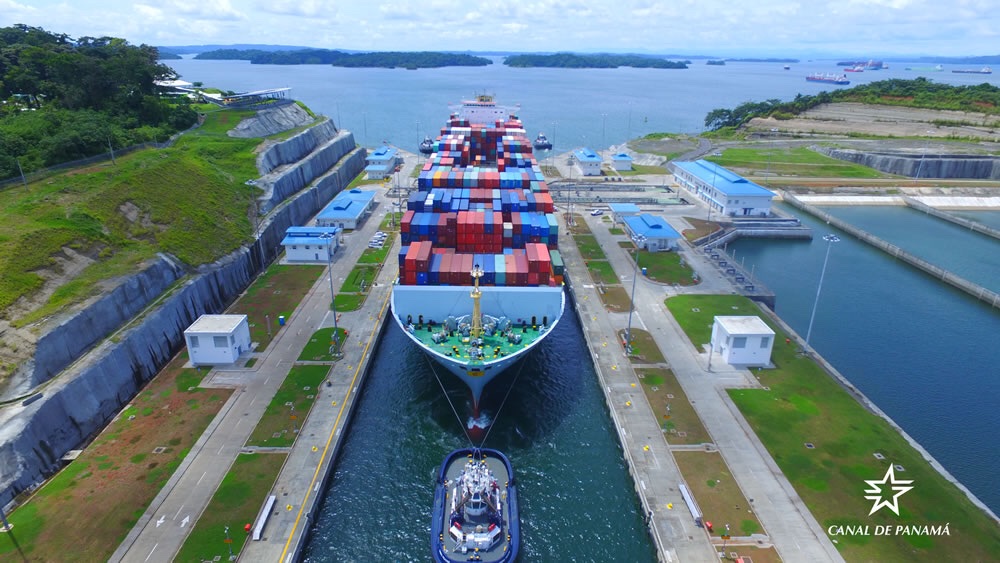
He wants to reclaim the Panama Canal Zone on the spurious ground that he’d be protecting it from a takeover by China. Excuse me?
*. *. *
And with all of that, I have to wonder . . . could this be next:
The United States of Trumplandia?”
*. *. *
UPDATE
That was last May. In light of events since then, I have added the following to the list of Trump’s proposed alterations to the world’s geopolitical status quo:
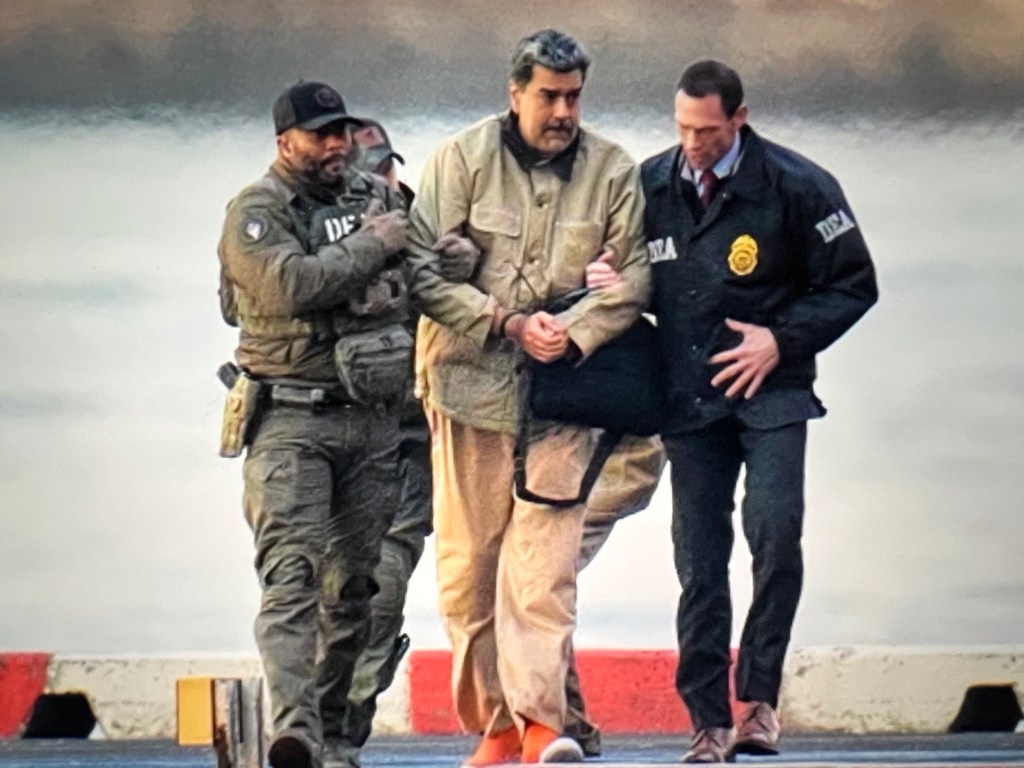
> The invasion of Venezuela, kidnapping of its president and first lady, confiscation of its oil reserves, and assumption of control over the country’s regime change.
Venezuelan President Nicolas Maduro – Under Arrest
> Threatening Cuba with military intervention, while strangling the island nation’s already desperate economy.
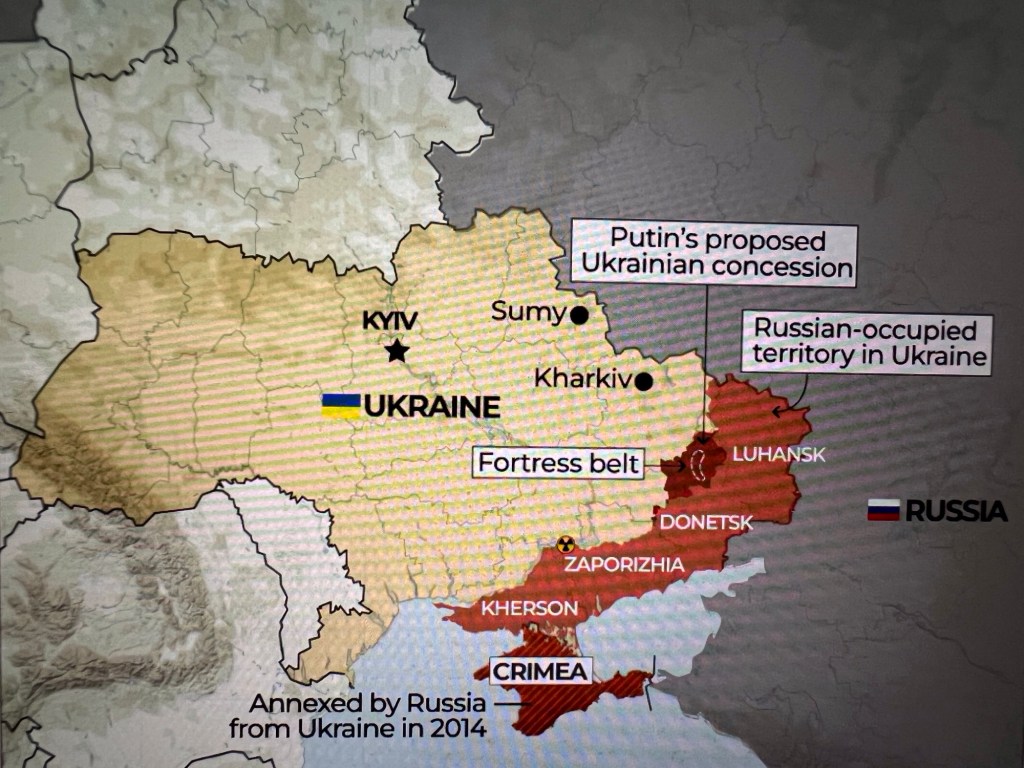
> Continuing pressure on Volodymyr Zelensky to give away 20% of his country’s territory to Russia in order (if Putin keeps his word) to end the war, now in its fifth year . . . thus literally redrawing the borders of Russia and Ukraine.
Beheading Ukraine
> Domestically, he has been changing the landscape by gerrymandering — literally moving boundaries — in traditionally “blue” (heavily Democratic) states to favor Republican candidates; renaming or attempting to rename landmarks — the John F. Kennedy Center for the Performing Arts, Washington’s Dulles International Airport and New York’s Penn Station — after himself; and demolishing the East Wing of the White House itself to make room for an atrocious ballroom . . . also to bear his name, of course..
> And — most alarmingly — teaming up with Israel to wage all-out war on Iran, kill its leader, and . . .
. . . well, we don’t yet know where that’s going to lead, though it’s not looking good.
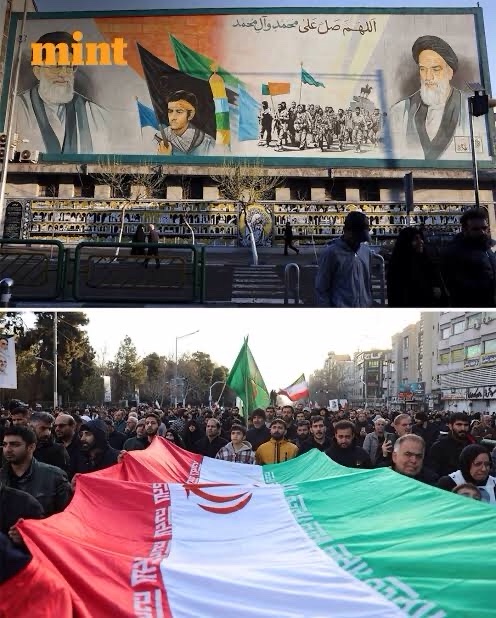
Tehran, Iran – March 1, 2026
And he’s only 13 months into his term of office.
He is more treacherous than a loose cannon, or a runaway train with no engineer. He is . . . well, let’s face it: he is Genghis Khan, Attila the Hun and Vladimir Putin, rolled into one . . . but without the benefit of a functioning brain.
And he is in charge of the U.S. military and the nuclear codes.
I try not to repeat myself too often; but as the daily news grows worse and worse, and the world’s situation more dire by the hour, my mind keeps returning to the words of Macbeth:
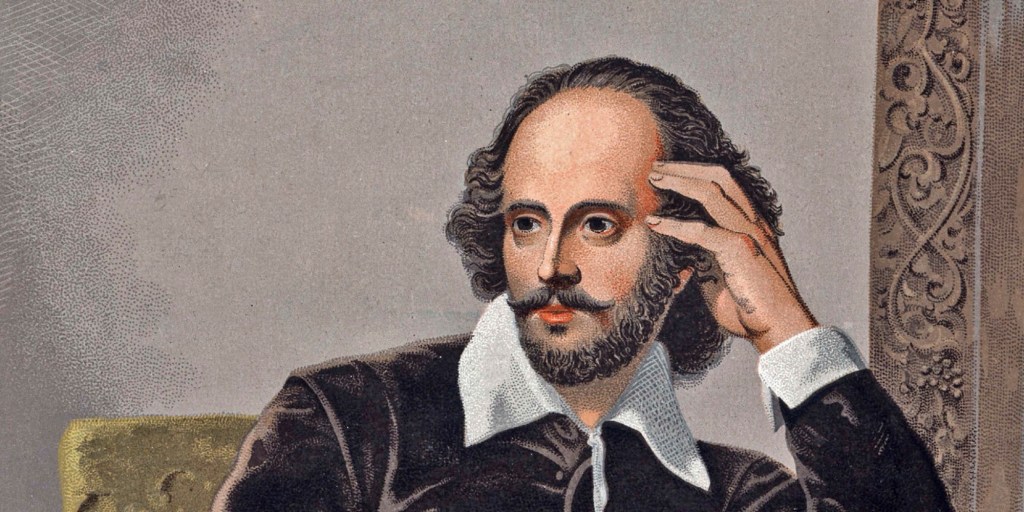
“Tomorrow, and tomorrow, and tomorrow, / Creeps in this petty pace from day to day, / To the last syllable of recorded time; / And all our yesterdays have lighted fools / The way to dusty death. Out, out, brief candle! / Life’s but a walking shadow, a poor player, / That struts and frets his hour upon the stage, / And then is heard no more. It is a tale / Told by an idiot, full of sound and fury, / Signifying nothing.”
– William Shakespeare, Macbeth, Act V, Scene 5
William Shakespeare (1564-1616)
I keep thinking that this life, governed as it is by idiots, must have some significance . . . but at this point, I’m damned if I can figure out what it is.
Of the estimated 1,500 to 2,000 political prisoners being held in Russian prisons and penal colonies, I have the names of a very few. Yesterday I learned of two more — sadly, too late for one of them.
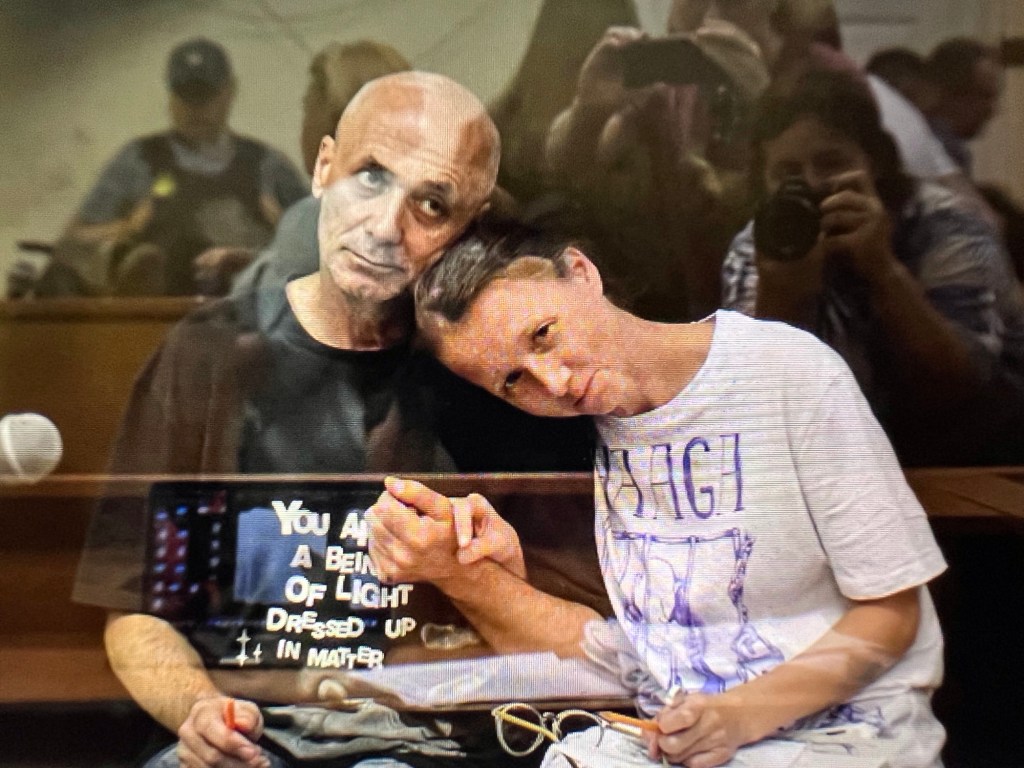
Aleksandr Dotsenko, 65, and his wife Anastasia Dyudyeva, 46, were arrested in May of 2023 during a raid on a gathering at their home in the village of Taytsy, a suburb of St. Petersburg. They were charged with “justifying terrorism” — specifically, allegedly distributing in a supermarket paper napkins bearing an anti-Putin slogan that roughly translates to “Hang Putin from a branch.” [Mediazona, February 26, 2026.]
Aleksandr Dotsenko and Anastasia Dyudyeva
Though there was no concrete evidence against them, they were nonetheless convicted in July of 2024. Dotsenko was sentenced to three years in a low-security prison camp; Dyudyaeva received a three-and-a-half-year sentence in a similar facility.
On February 12, 2026, Dotsenko suffered a massive heart attack in prison. He was hospitalized in critical condition, briefly regained consciousness on February 17th, but immediately suffered acute cardiac arrhythmia. He was placed in a medically-induced coma, but died on February 19th.
Dotsenko’s funeral was held in his home village of Taytsy, near St. Petersburg, attended by about 30 friends and supporters. But his wife, still serving her sentence in prison — though far from a dangerous criminal — was denied a temporary release to attend her husband’s funeral.
There is no room for compassion in Russia’s judicial system. But today we offer our condolences to Anastasia Dyudyeva and to the family and friends of Aleksandr Dotsenko, as we also remember the other victims of Putin’s repressive regime:
*. *. *
Victims of Greed:
The President, First Lady, and citizens of Venezuela
Europeans Under Threat:
The Nation and the People of Greenland The people of NATO and EU member states
Prisoners of War:
The 19,500 Kidnapped Ukrainian Children The People of Ukraine
Immigrant Detainees in Russia:
Migrants from the Central Asian nations of Kazakhstan, Kyrgyzstan, Tajikistan, Turkmenistan and Uzbekistan
Endangered Exiles:
Mikita Losik Yulia Navalnaya Countless Journalists and Other Dissidents
Andrei Chapiuk Uladzimir Labkovich Andrzej Poczobut Marfa Rabkova Valiantsin Stafanovic Yuras Zyankovich
In Georgia:
Mzia Amaglobeli
In Russia:
The “Crimea 8”: — Oleg Antipov — Artyom Azatyan — Georgy Azatyan — Aleksandr Bylin — Roman Solomko — Artur Terchanyan — Dmitry Tyazhelykh — Vladimir Zloba
James Scott Rhys Anderson (British) David Barnes (American) Gordon Black (American) Hayden Davies (British) Aleksandr Dotsenko Anastasia Dyudyaeva Antonina Favorskaya Konstantin Gabov Robert Gilman (American) Stephen James Hubbard (American) Sergey Karelin Timur Kishukov Vadim Kobzev Darya Kozyreva Artyom Kriger Michael Travis Leake (American) Aleksei Liptser Grigory Melkonyants Nika Novak Leonid Pshenychnov (in Russian-occupied Crimea) Nadezhda Rossinskaya (a.k.a. Nadin Geisler) Sofiane Sehili (French) Igor Sergunin Dmitry Shatresov Robert Shonov Grigory Skvortsov Eugene Spector (American) Joseph Tater (American, disappeared) Laurent Vinatier Robert Romanov Woodland (American)
I quoted from it just six weeks ago in conjunction with the U.S. strikes against suspected Venezuelan drug boats: the 1997 film titled “Wag the Dog” — a political satire in which a Hollywood producer (played by Dustin Hoffman) and a spin doctor (Robert De Niro) are hired by the U.S. government to fabricate a war with Albania in order to distract the public from a presidential sex scandal expected to break just weeks before an election.
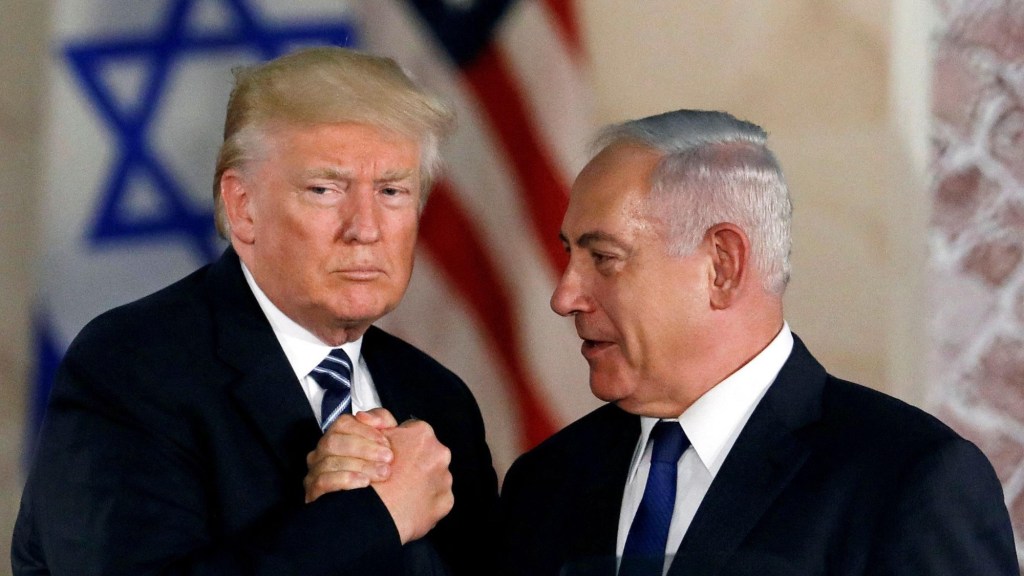
Donnie and Bibi: BFFs, in Peace or War
And now they’ve gone and done it. Only this time, it’s not a fabrication, and it’s not a country unlikely to strike back. This time it’s real, and it could set the entire Middle East on fire, with repercussions to be felt throughout the world.
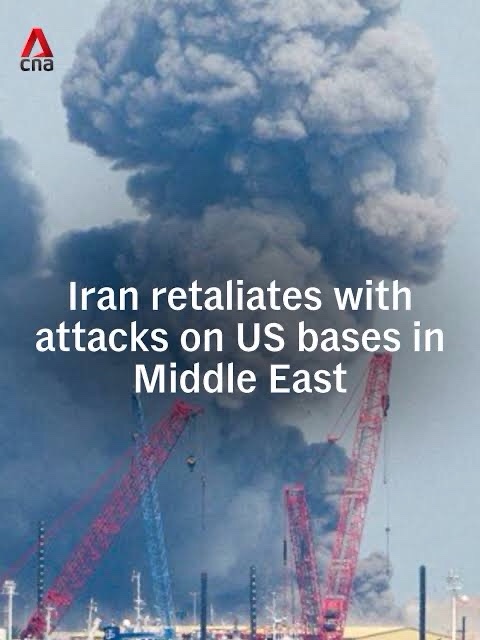
This morning, Israel launched a “preemptive” attack on Iran, followed by the start of “major combat operations” by the United States — necessitated, according to Donald Trump, in order to”to defend the American people by eliminating imminent threats from the Iranian regime.” [RFE/RL, February 28, 2026.]
Calling the operation “Epic Fury,” Trump said in a video:
“I do not make this statement lightly. The Iranian regime seeks to kill. The lives of courageous American heroes may be lost and we may have casualties that often happens in war, but we’re doing this not for now. We’re doing this for the future, and it is a noble mission.” [Id.]
Personally, I’ve never seen anything “noble” about war. And I believe the people of Bahrain, Abu Dhabi, Dubai, Qatar and Saudi Arabia — where retaliatory missile strikes have already been felt — would agree with me.
February 28 2026
On February 21st, I wrote that “Iran is not Venezuela” . . . that they would not sit idly by while a foreign invader attempted to overthrow their regime. I’m not an expert on Middle East affairs; but it doesn’t take an expert to look at the unique history of that part of the world and realize the dangers inherent in fomenting yet another conflict.
But Trump doesn’t bother with history. Nor, apparently, do the few people to whom he actually listens: his cadre of self-serving yes-men, rather than those with actual historical, diplomatic, and military experience.
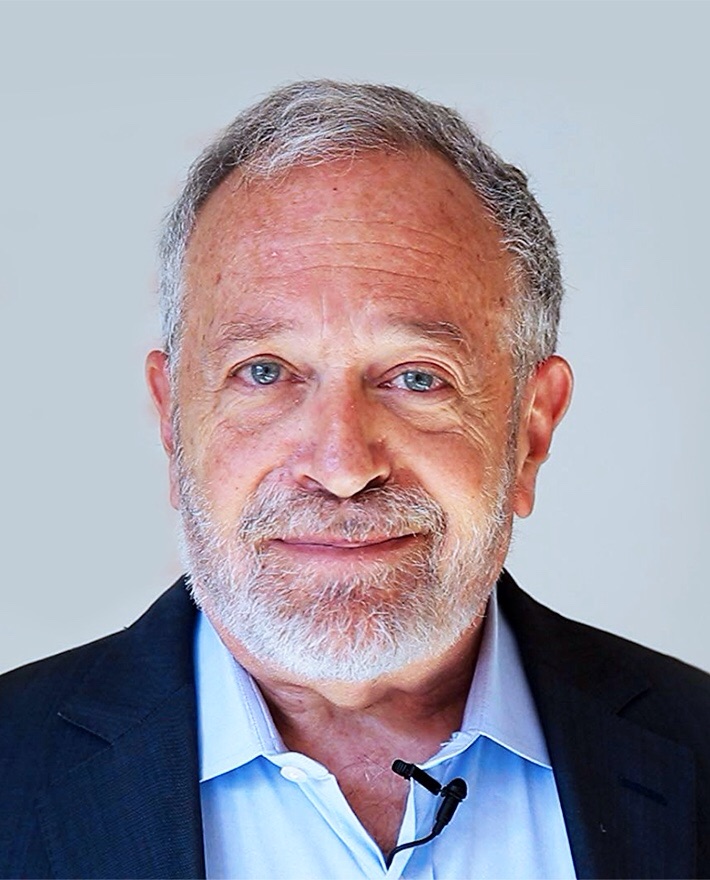
As former Secretary of Labor Robert Reich wrote today:
“Even if our president was a wise and judicious man, surrounded by thoughtful advisers with impeccable integrity and wisdom, this would be a highly dangerous move.” [Robert Reich, substack.com, February 28, 2026.]
Professor Robert Reich
Donald Trump, and the like-minded lunatics propping him up in the White House, will not be satisfied until they have destroyed us all. Are we — and in “we” I include the U.S. Congress and Supreme Court — going to allow that to happen?
My maternal grandmother, better known as “Bubbe,” was not an educated woman . . . but she was wise. And she had a repertoire of advice-laden sayings that covered any subject you could think of. Some she had brought with her from the old country (Russia/Ukraine); others she collected through the years as she honed her English-language skills.
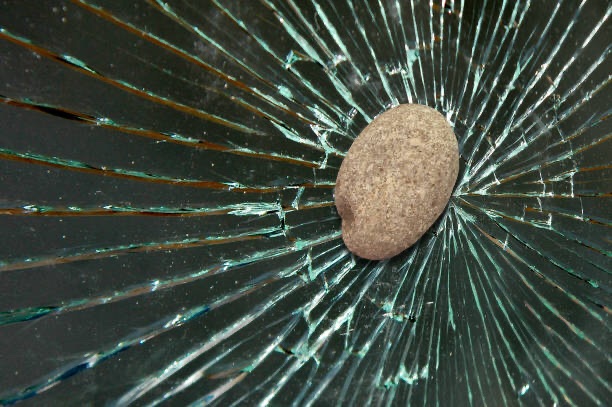
One of those was the well-known, “People who live in glass houses shouldn’t throw stones.”
And that is the one that came to mind yesterday, when I read that the Trump administration had formally designated Iran as “a state sponsor of wrongful detention” in accordance with an earlier executive order intended to deter countries from illegally detaining U.S. citizens and to urge them to release wrongful detainees already in custody.
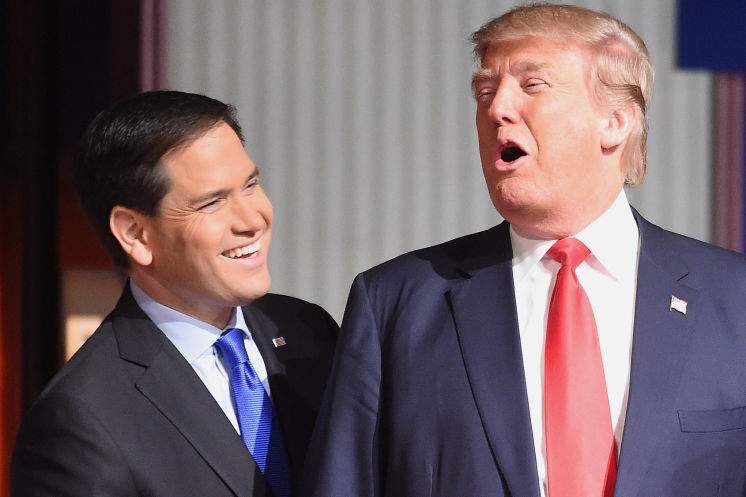
In a statement issued by the U.S. Department of State, Secretary of State Marco Rubio said:
“For decades, Iran has continued to cruelly detain innocent Americans, as well as citizens of other nations, to use as political leverage against other states. This abhorrent practice must end.”
He added that, if Iran does not stop detaining Americans, “we will be forced to consider additional measures, including a potential geographic travel restriction on the use of U.S. passports to, through, or from Iran.” [Jennifer Hansler, CNN, February 27, 2026.]
“Well, what’s wrong with that?” . . . I hear you ask.
Absolutely nothing. We need to take a stand, not only against Iran, but against all countries that arrest innocent Americans and others to be used as political hostages. But . . .
But what about all of the Central Americans, Mexicans, Venezuelans, Asians and Africans being rounded up in the thousands by ICE’s storm troopers? Supposedly, they are the “worst of the worst” illegal immigrants — allegedly violent criminals with past convictions or outstanding charges registered against them. In reality, only about one-fourth of them — according to Department of Homeland Security’s own figures — fall into that category. Many are guilty of nothing more than a traffic violation.
Yet they are being herded into detention hellholes like Florida’s notorious “Alligator Alcatraz,” or being deported to third-world nations other than their native countries, all without due process of law . . . simply because of their nationality or ethnicity.
So who are we to preach to others about “wrongful detention,” when we are as guilty as the worst of them? We may offer different reasons — no, excuses — for our actions. But in truth, this administration has sunk to lows that just a few years ago would have been laughable even to contemplate.
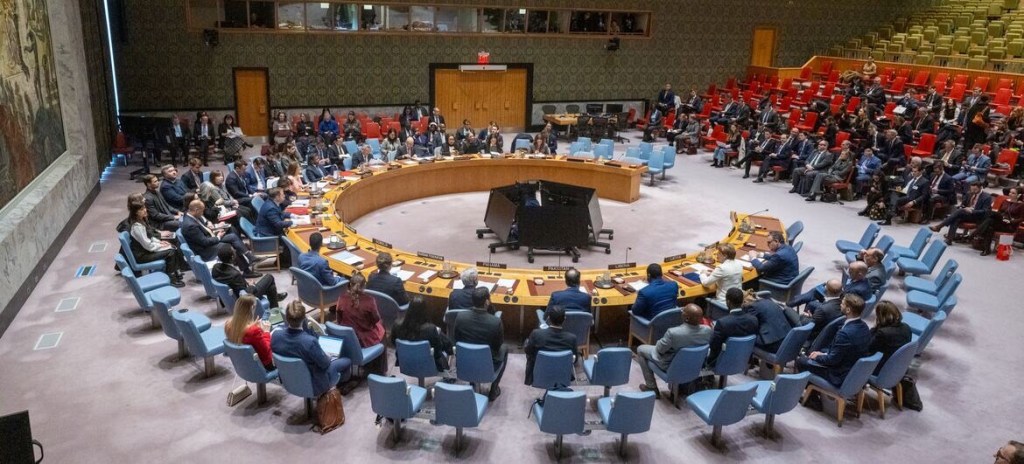
How is it possible . . . how is it even conceivable . . . that the United States would — just 15 minutes before a vote on a U.N. General Assembly resolution calling for “a just and lasting peace” in Ukraine — advise the Ukrainian representative that the U.S. was presenting a proposal to delete two crucial paragraphs from the draft resolution: text that contained references to Ukraine’s “sovereignty” and “territorial integrity”?
U.N. General Assembly – February 24, 2026
It sounds impossible. But that is precisely what happened earlier this week, when U.S. deputy permanent representative Tammy Bruce told the member states:
“The United States welcomes, of course, the call for an immediate ceasefire. As we’ve said, this resolution also includes language that is likely to distract from ongoing negotiations, rather than support discussion of the full range of diplomatic avenues that may pave the way to that durable peace.” [Damilola Banjo, PassBlue, February 24, 2026.]
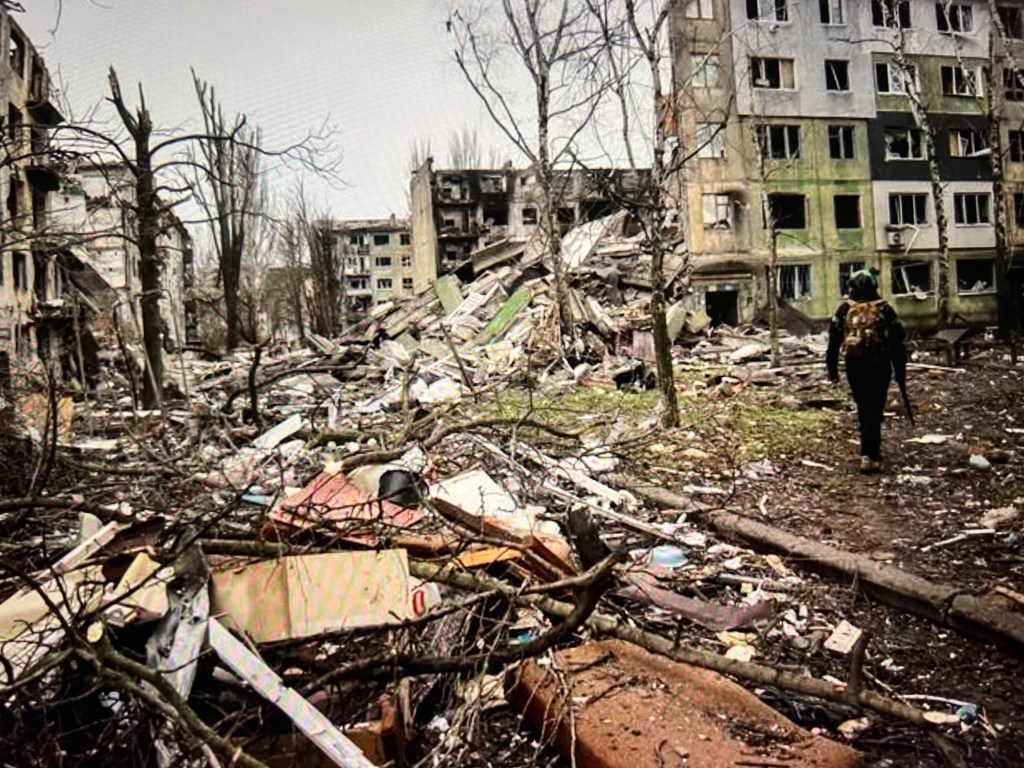
The “full range of diplomatic avenues” to which Bruce alluded no doubt referred to Vladimir Putin’s unwavering demands that Ukraine cede approximately 20 percent of its territory, consisting of the four regions of Donetsk, Luhansk, Kherson and Zaporizhzhia; and placing untenable restrictions on the sovereignty of Ukraine’s remaining territory — demands that have thus far been the principal sticking point in the ongoing negotiations.
Fortunately, the so-called “motion for division” was voted down after receiving only 11 votes in favor, 69 against, and 62 abstentions. It is important to note that among those countries voting in favor were Russia, Belarus and Hungary.
Most outspoken against it, not surprisingly, were the U.K., France and Latvia. And Ukraine’s Deputy Foreign Minister, Mariana Betsa, said that the proposed deletions were “deeply concerning and cannot be accepted,” and that they would send “a very dangerous signal that these fundamental principles are negotiable.” [Id.]
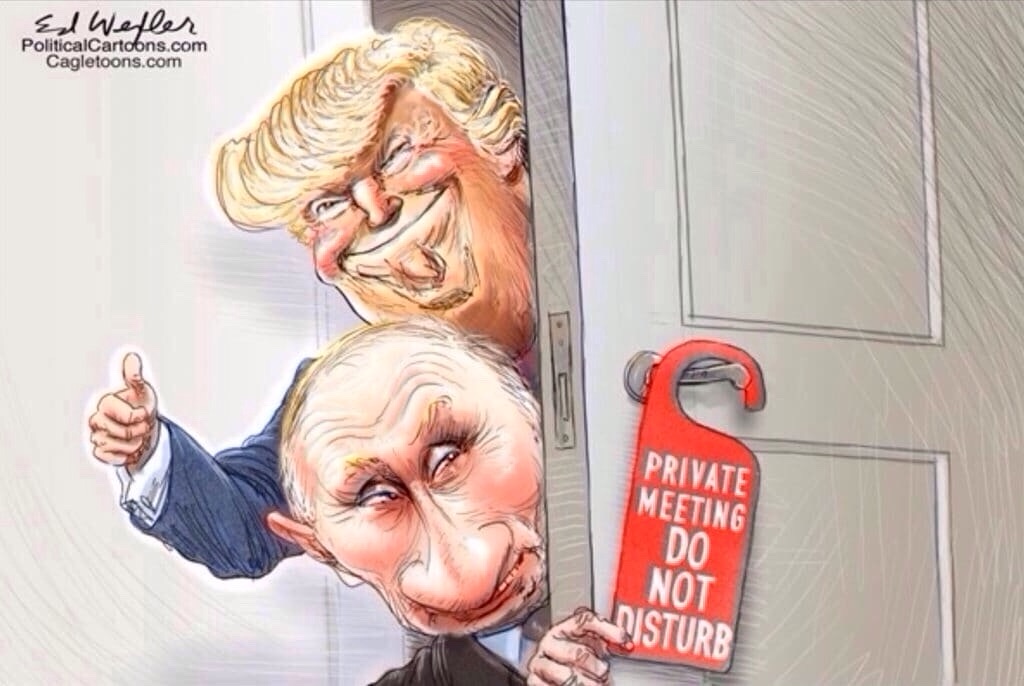
Well, isn’t that exactly what would best serve Vladimir Putin’s interests? In fact, the failed proposal could not have better echoed the Kremlin’s demands if Putin had written it himself.
Later, in a meeting of the Security Council, Bruce took a somewhat modified stance, conceding that the U.S.-led resolution of a year ago had not come to fruition. But, rather than blame Russia directly, she singled out Belarus, China, Iran, Cuba and North Korea for enabling Russia’s continuation of the war through its financial support, saying:
“We call on all countries to join us in our efforts to encourage a negotiated, durable peace that will restore prosperity, security and a bright future for everyone around the globe.” [Id.]
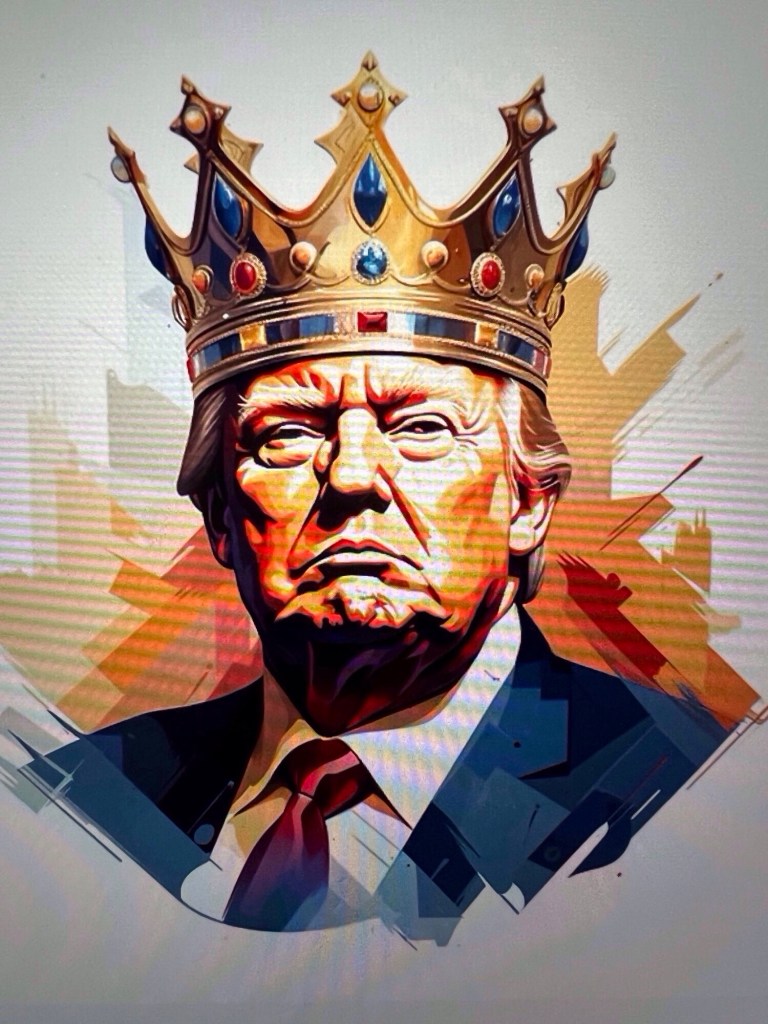
Which is nothing more than diplomatic double-talk. What speaks more loudly is the deleted language of that back-stabbing, double-dealing, self-serving proposal that would have given Russia exactly what it has been demanding all along . . . thus leaving Ukraine a devastated, permanently weakened, semi-autonomous nation; opening the door to Russia’s further westward expansion; and, not incidentally, giving Donald Trump a path to the success he is so desperate to achieve.
“King Me”
The attempt failed. But the fact that it was made at all is an unspeakable, unforgivable betrayal of all that this country has represented for 250 years.
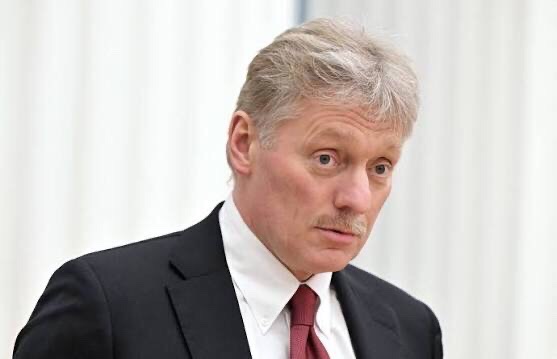
Contrary to my earlier impression that Moscow was maintaining silence on the subject of Russia-Ukraine peace talks, a brief statement from Kremlin spokesman Dmitry Peskov was issued on February 24th, the fourth anniversary of Russia’s all-out attack on Ukraine. It merited only a brief news report, quoting Peskov as follows:
“Following the direct intervention in this conflict by Western European countries and the United States, the special military operation de facto turned into a much larger confrontation between Russia and Western countries, which had and continue to harbour the goal of destroying our country.
“We are continuing our efforts to achieve peace, our position is very clear and consistent. Now everything depends on the actions of the Kyiv regime.” [Gleb Stolyarov, Reuters, February 24, 2026.]
Kremlin Spokesman Dmitry Peskov
Frankly, that tidbit of non-information didn’t merit more than the brief reportage it received. Peskov said nothing that hasn’t been said a thousand times: that Russia continues to insist that the West is to blame for the entire four-year disaster, and that it can only be resolved on Moscow’s terms.
Ukraine understands. European leaders get it. But Donald Trump lives in a parallel universe where perceived trade and business deals with a murderous tyrant supersede the stability, security, and possibly the very survival of the free world.
And until Trump wakes up, or is somehow forced to do the right thing, Putin’s war against democracy will continue and Ukraine will be the first to fall . . . but it won’t be the last.
Much has already been said about the exhausting length and disturbing content of this week’s State of the Union speech. But I think it can all be summed up in one brief sentence from the writing of a man who, though he passed away when Donald Trump was just 16 years old, might seem to have been in the U.S. Capitol on Tuesday, listening to that history-making rant:
“Talk, talk, talk: the utter and heartbreaking stupidity of words.”





 The Blog About Everything … and Sometimes Nothing