Having a wonderful time reminiscing about all my past travel (and other) adventures. Hope you’ll share them with me in my blog, “All Roads Led to Russia.”
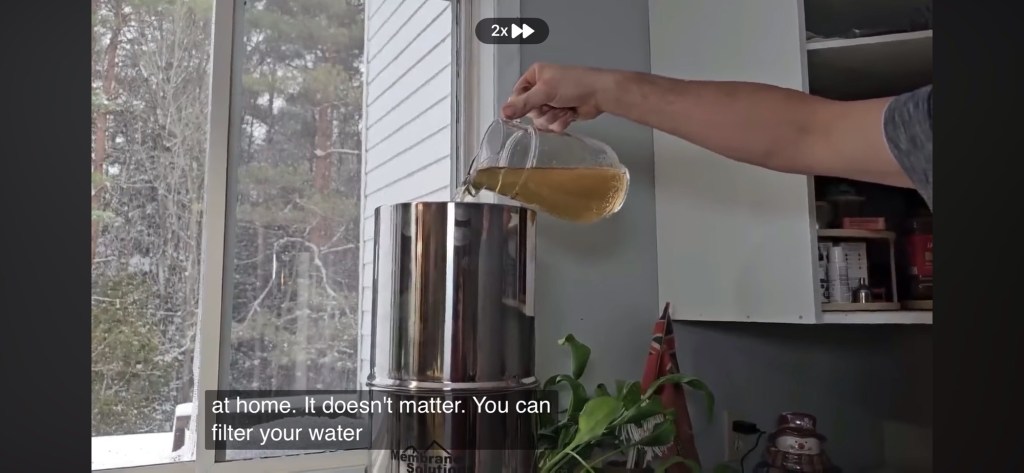
There’s never an idle moment in the Feenstra household, even on vacation with the family . . . and apparently, time is money. Because in the middle of a video broadcast from his in-laws’ home in Ontario, Canada, Arend Feenstra found time on Wednesday to plug yet another sponsor: this time, a countertop water filtration system. We were treated to a hands-on demonstration, complete with a link to the company’s website (not shown here). Ah, the busy life of a Russian celebrity.
Commercial Break
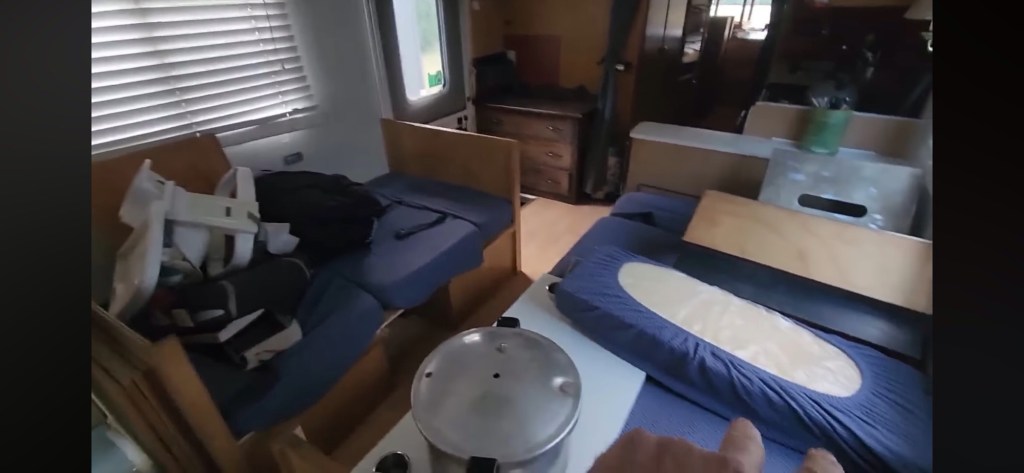
And when he wasn’t touting the product du jour, he was busy checking out the family’s motor home in preparation for their upcoming trip to the southeastern United States.
The Feenstra Home on Wheels
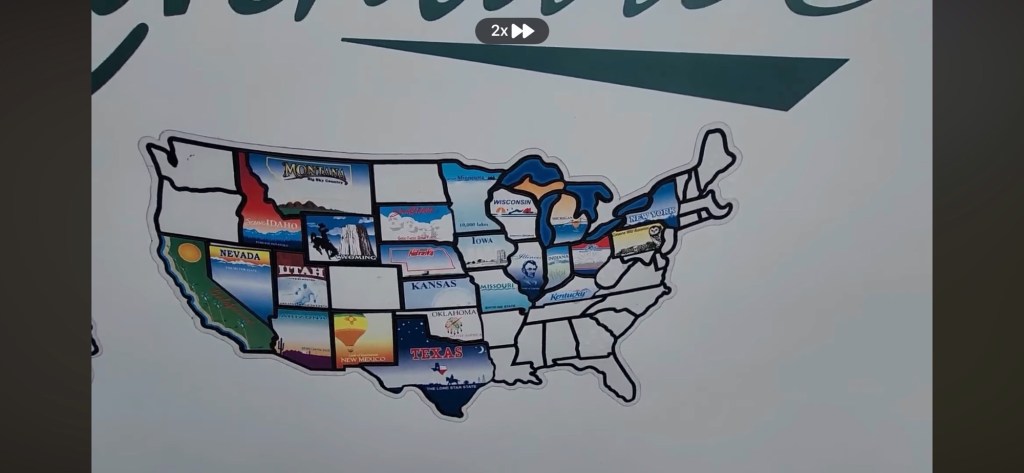
Some of my questions about that trip were answered when he showed us a map of the lower 48, indicating which of the states the family had already visited (roughly half), and which ones they hope to check out after the holidays. It looks as though they’ll be coming my way. I’d invite them to stop by for lunch, but I’m afraid I don’t have a big enough table.
U.S. Travel History
The interior is already fitted out with sleeping space for everyone, but — as with most motor homes — just one bathroom. That would be my worst nightmare . . . but they’ve made it work before, and I’m confident they’ll do it again.
Spacious . . . but for ten people?
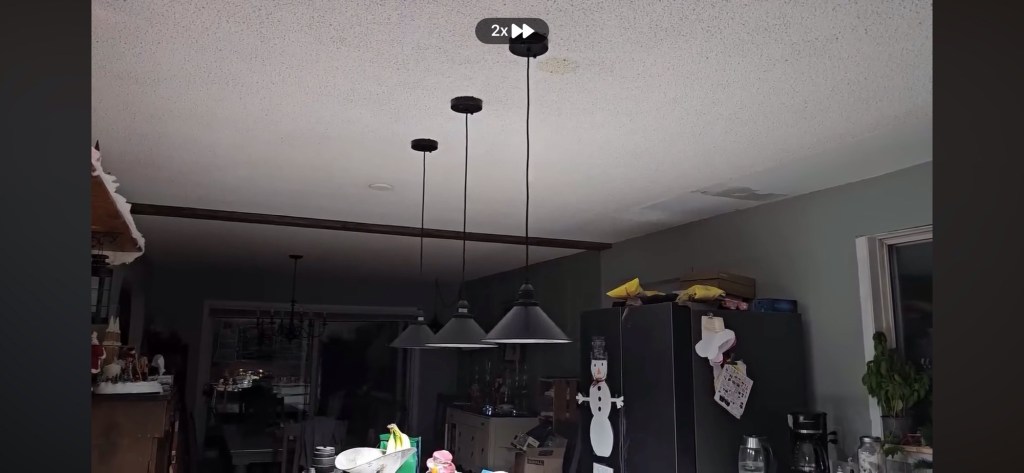
There was also time for Arend and son Wesley to install some updated hanging lights in the in-laws’ new home. (You may remember that they had just sold their farm and were preparing to move last April when Anneesa was visiting.)
Arend and Wes: Wearing their electrician hats
The finished product – very nice
And meanwhile, the younger kids were busy just being kids . . . as well they should be.
Now, that’s how you enjoy a vacation!
Thus ends another day in the lives of Russia’s Canadian goodwill ambassadors from Nizhny Novgorod . . . or whatever they consider themselves.
At least while they’re in North America, they don’t have to worry about their broadcasts falling victim to Russia’s war on the media.
I don’t know whether it is technically possible or acceptable to “sit Shiva” (mourn) for a building or an institution. But that is how I am feeling today: in mourning for the John F. Kennedy Center for the Performing Arts.
Sitting Shiva
Because I know that, as long as this defilement remains in existence, I will not set foot inside the Kennedy Center that I have loved and supported since its opening in 1971. And at my age, that may be never.
Illegally Adding His Name
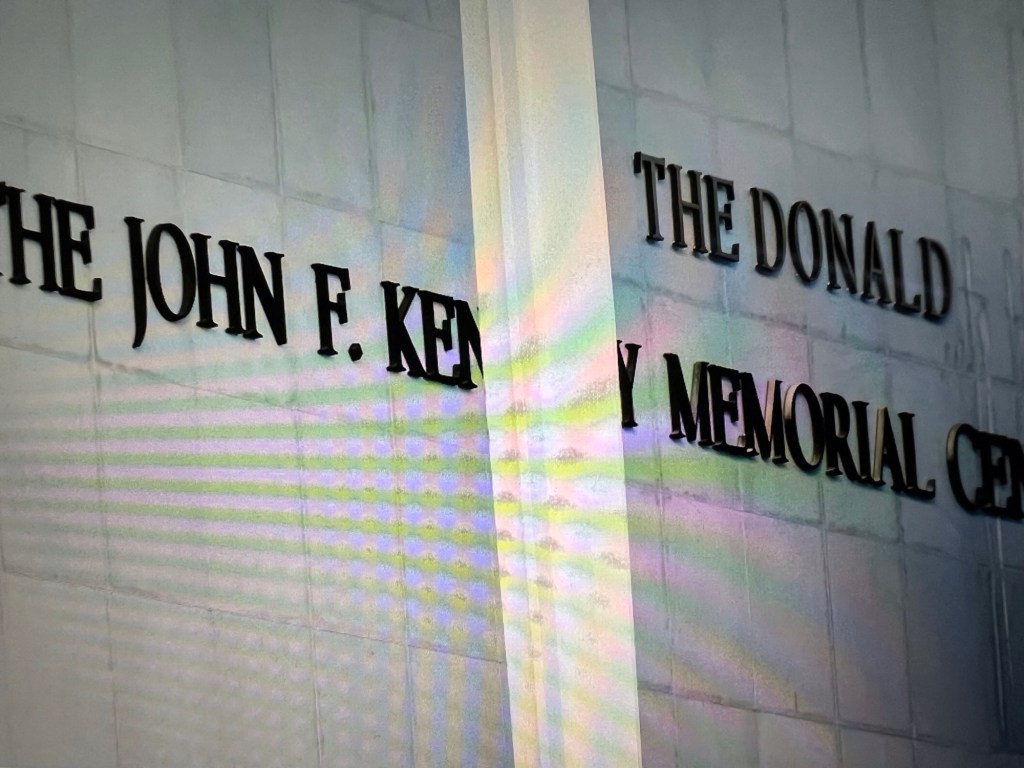
Donald Trump’s sycophantic Kennedy Center Board of Directors voted this week — without the requisite Congressional approval, and by blocking any and all dissenting votes — to add Trump’s name, ahead of Kennedy’s, to the cultural institution that was created and named for the slain 35th President of the United States. And — still without approval — workers have already begun applying the lettering to the exterior of the building.
Trump’s repurposing of the Kennedy Center as his personal billionaires’ club and “Peace Prize” venue wasn’t enough for him. Nor was his reimagining of what constitutes “culture.” He had to deal the final blow to the dignity of the institution, and to the honor of the Kennedy family name, by proclaiming to the world that he, and only he, had “saved” the “failing” Center.
My withdrawal will mean nothing. But if enough lovers of the arts — and particularly the regularly-subscribed patrons — follow suit, the message will become clear:
In difficult times, we don’t always need or want lengthy explanations of why things are as bad as they are, or sermons on courage and coping. Maybe what we need is simply to face facts.
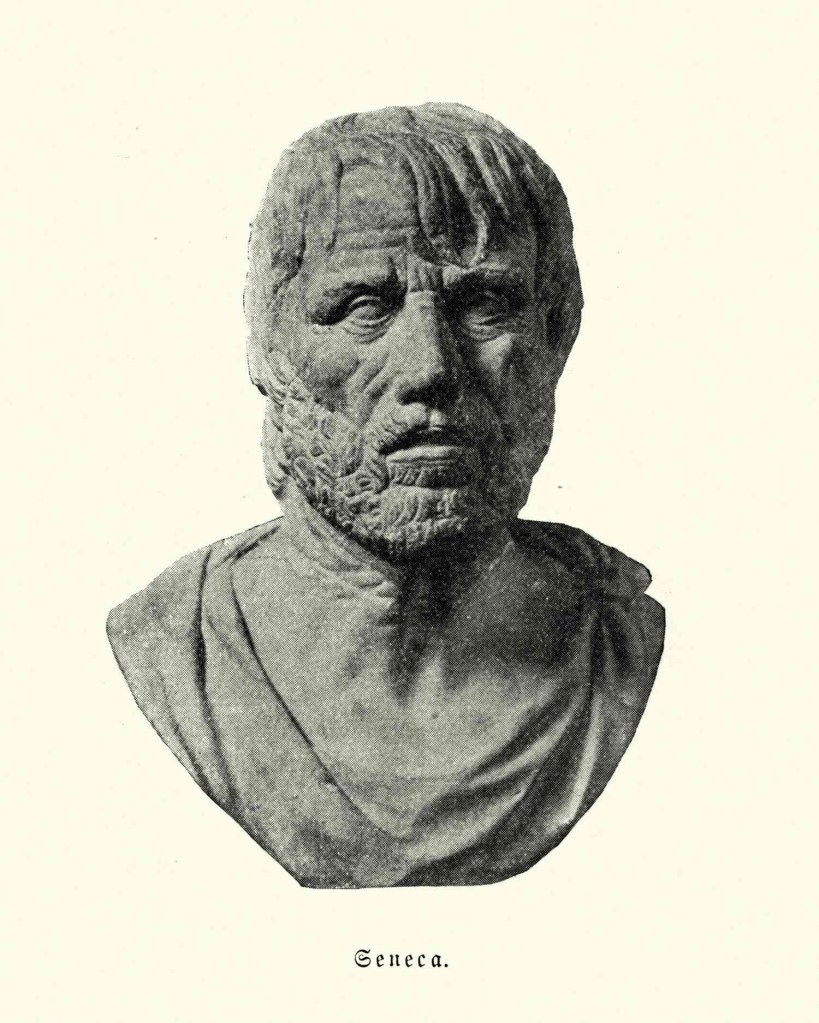
Or, as Roman philosopher Seneca succinctly observed:
“Sometimes even to live is an act of courage.” – Lucius Annaeus Seneca
In a speech describing European leaders who support Ukraine as “piglets,” and accusing them of wanting to “feast on the collapse of Russia,” Vladimir Putin has once more made it clear that his demands for a peaceful end to his war of attrition have not changed . . . nor will they.
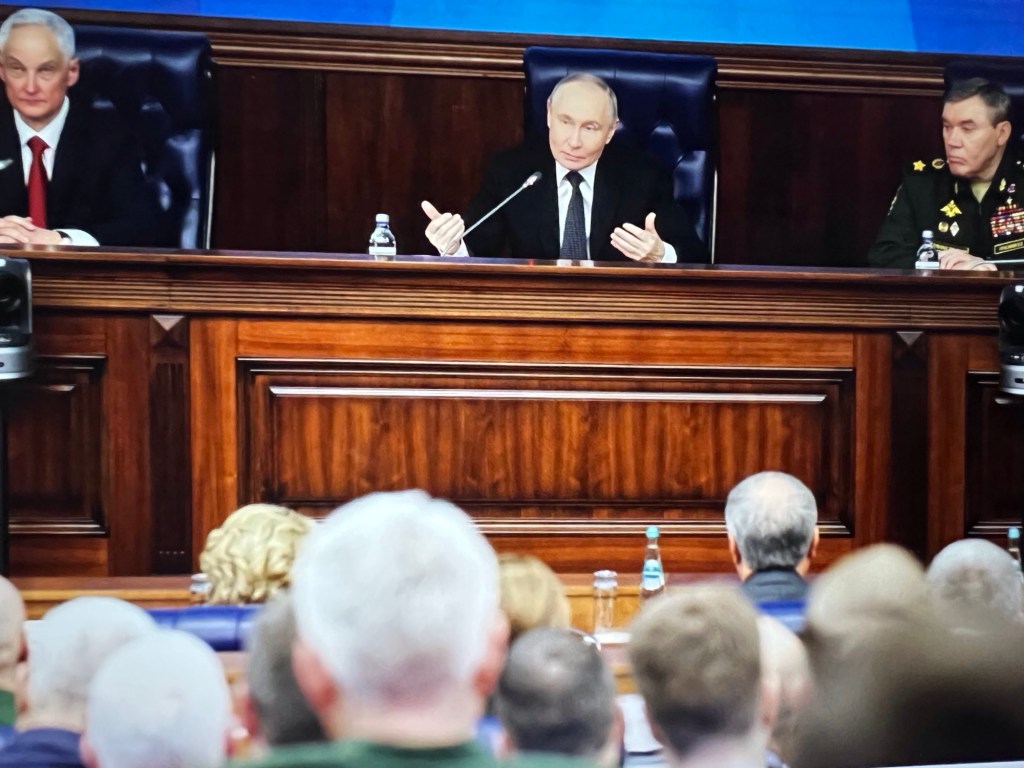
At Russian Defense Ministry Meeting, December 17, 2025: (L-R) Defense Minister Andrei Belousov, President Vladimir Putin, and Chief of the General Staff Valery Gerasimov
At a meeting of Defense Ministry officials on Wednesday, Putin said:
“The goals of the special military operation will undoubtedly be achieved. If the opposing side and their foreign patrons refuse to engage in substantive discussions, Russia will achieve the liberation of its historical lands through military means.” [Thomas Grove, Wall Street Journal, December 17, 2025.]
Those goals include, most notably and most controversially, Ukraine’s agreement to cede some 20% of its territory to Russia, to permanently surrender its hope of joining NATO, and to limit its future defense capabilities to a level acceptable to Putin.
Head-to-Head with Valery Gerasimov
What was unusual about Putin’s latest statement was his use of the derogatory term “podsviniki,” or “little pigs,” when referring to Ukraine’s allied European leaders. While he has frequently been known to resort to gutter language when describing adversaries or targets of his repression, this was different. And it was not uttered in the same sense as Donald Trump’s calling a female reporter “piggy” for asking a question he didn’t like.
According to one analyst, this was intended to depict the European heads of state as followers, rather than leaders — allegedly weak and dependent upon the United States — and to sow discord among the European alliance members themselves. [Steve Gutterman, RFE/RL, December 18, 2025.]
It makes sense. Since Trump’s offering of a 28-point “peace plan” that would have granted Putin’s entire wish list and left Ukraine shrunken and defenseless, Europe’s “Coalition of the Willing” have jumped in to fill the void, increasing aid to Ukraine and simultaneously shoring up their own defenses against possible future incursions by Russia. The last thing Putin wants is a stronger, more united European front on his western border . . . or a weakened Donald Trump.
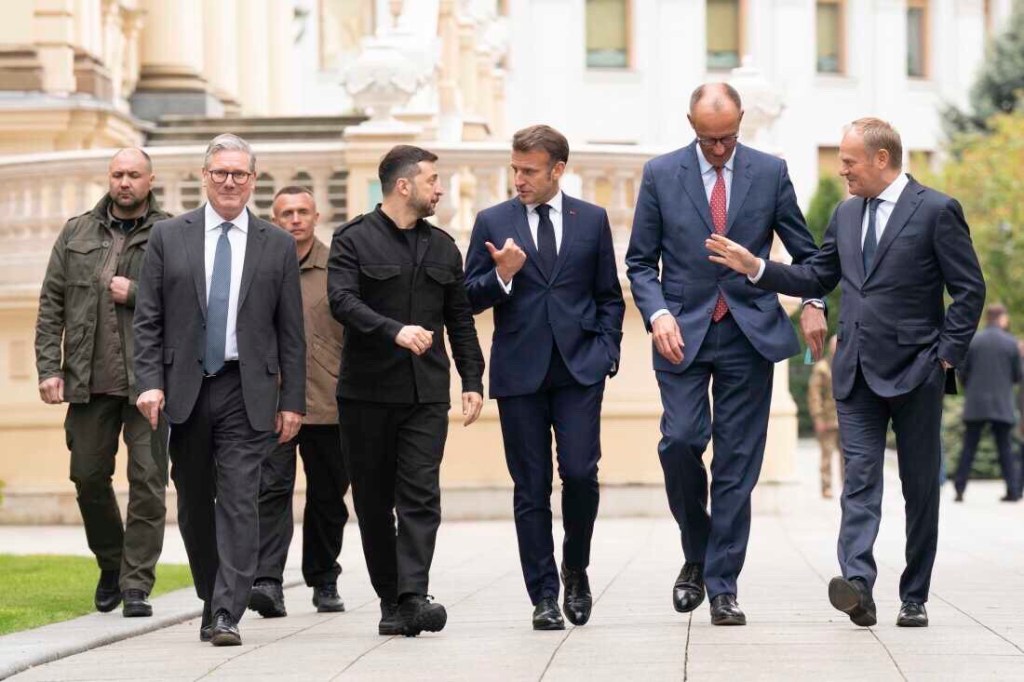
Ukrainian President Zelensky with European Leaders
So he does what comes naturally: He wields his metaphorical sword, exaggerates his country’s military and economic capabilities, assigns blame against anyone and everyone but himself, and threatens to take all of Ukraine by force if necessary — despite his failure to have done so over the past four years.
And, like a third-grade schoolyard bully, he calls the good guys “piglets.”
According to William Shakespeare, “That which we call a rose / By any other name would smell as sweet.”
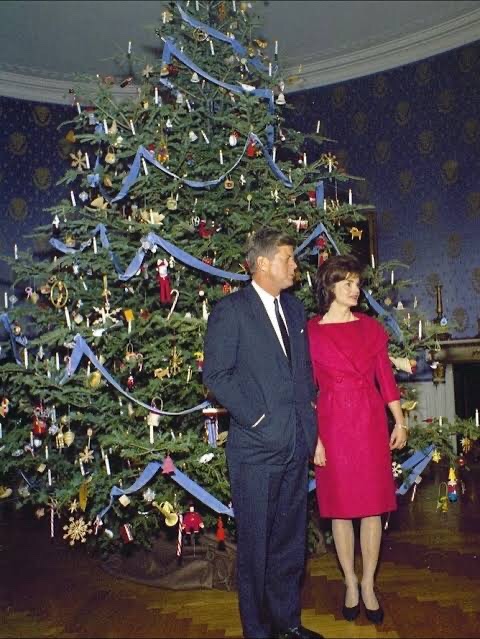
That’s true: rename it “stinkweed,” and it would still look and smell like a rose. But sometimes in life, the purpose behind the renaming is more significant than the name itself. And such is the case with the John F. Kennedy Center for the Performing Arts in Washington, D.C.
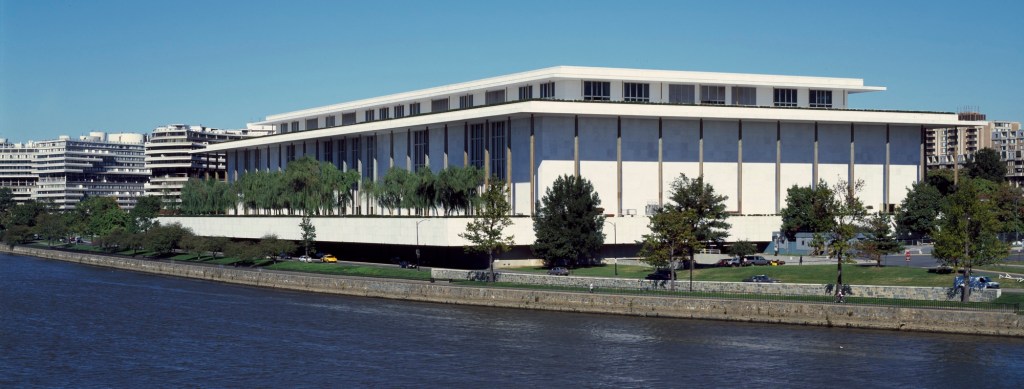
John F. Kennedy Center for the Performing Arts
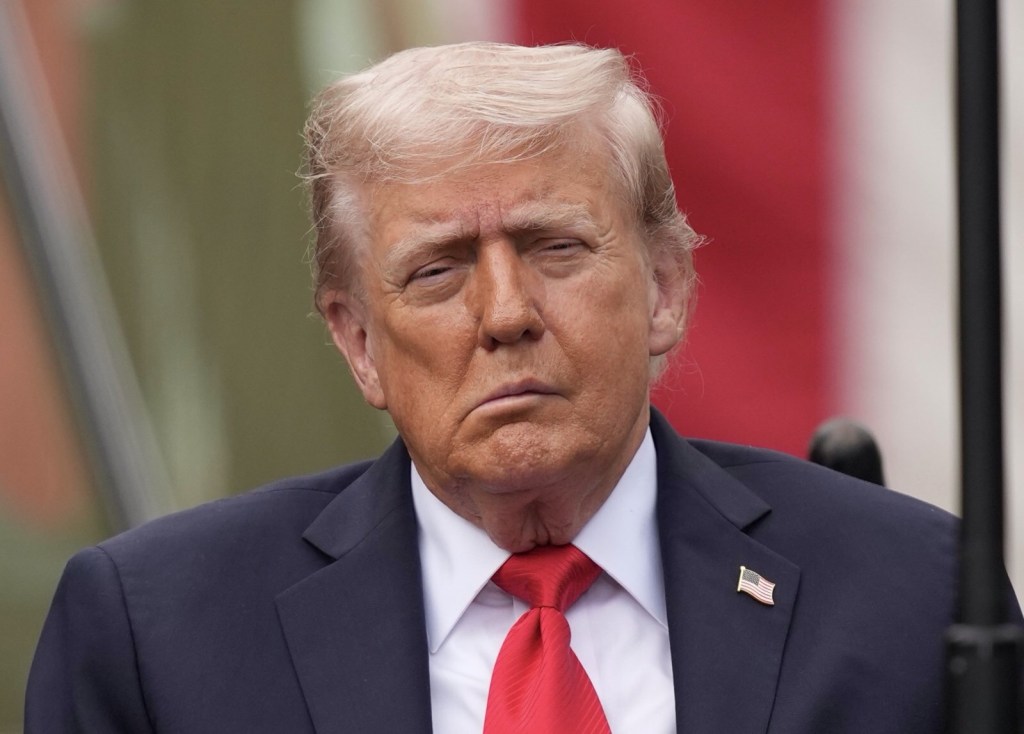
Donald Trump, as the lifelong victim of his own insecurity and malignant narcissism, has to have his name emblazoned on everything . . . preferably in gigantic, gold-plated letters visible from space. But no longer content with building skyscraper hotels, golf courses, numerous failed business ventures, and tacky souvenirs bearing the Trump moniker, he has now had the venerable Kennedy Center renamed for himself.
According to Kennedy Center spokeswoman Roma Daravi:
“The Kennedy Center Board of Trustees voted unanimously today to name the institution The Donald J. Trump and The John F. Kennedy Memorial Center for the Performing Arts. The unanimous vote recognizes that the current Chairman saved the institution from financial ruin and physical destruction. The new Trump Kennedy Center reflects the unequivocal bipartisan support for America’s cultural center for generations to come.” [Betsy Klein, CNN, December 18, 2025.]
Trump himself pretended to be taken aback by the Board’s action, saying:
“I was honored by this. The board is a very distinguished board, most distinguished people in the country. And I was surprised by it. This was brought up by one of the very distinguished board members, and they voted on it, and there’s a lot of board members, and they voted unanimously.” [Id.]
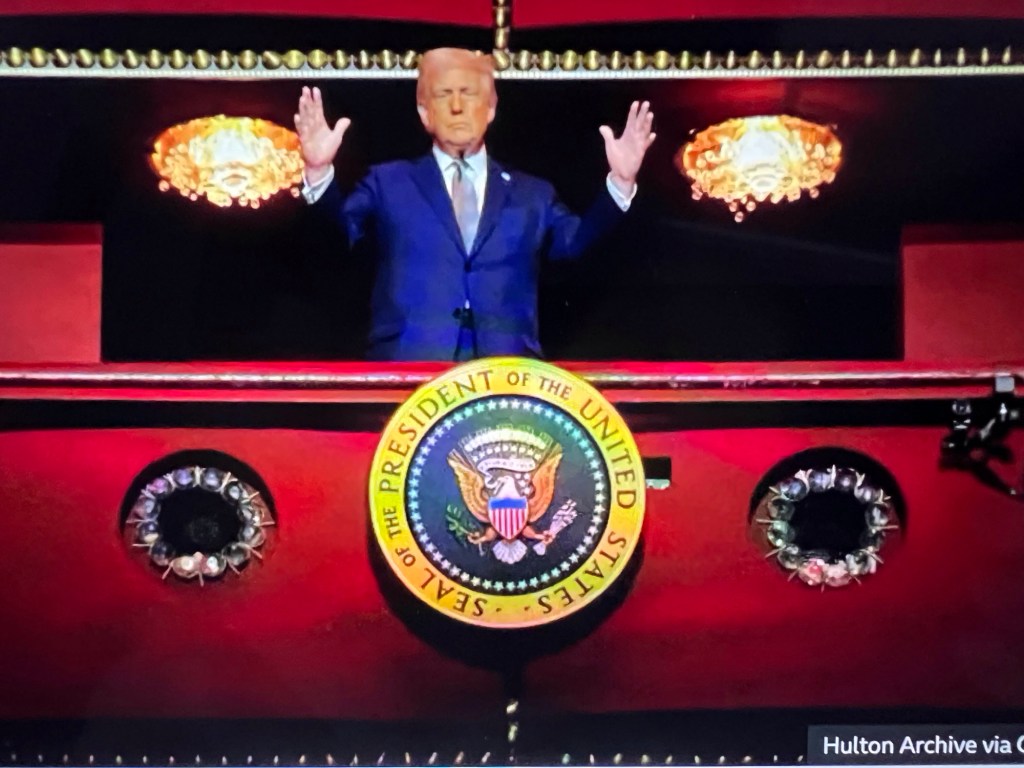
In the Presidential Box at the Kennedy Centr
There are just a couple of things wrong with those statements, besides the fact that the Kennedy Center’s name was mandated by law in 1964, and can only be officially changed by Congressional vote — a technicality of no significance to Trump, who believes himself to be above the law.
First of all, the Board’s action was neither unanimous nor bipartisan. One of the Board’s members, Ohio Democratic Representative Joyce Beatty, was on the conference-call meeting, but has said in a post on X:
“I was on that call and as I tried to push my button to voice my concern, to ask questions, and certainly not to vote in support of this, I was muted. Each time I tried to speak, I was muted.” [Id.]
Secondly, Trump has been hinting for months that he would love to have his name attached to the Center. The Board — a hand-picked group of his cronies installed after he fired the previous members — were merely acting on his wishes . . . just as they did when they elected him Chairman of the Board. Surprise!
And finally, Trump’s claims that he has saved the Kennedy Center from physical and financial ruin are, at best, greatly exaggerated. In fact, since his takeover of the institution — including being “98% involved” in the selection of this year’s Kennedy Center honorees, in which “wokesters” were rejected from consideration — ticket sales have plummeted, long-time season subscribers have unsubscribed, and numerous performers have pulled out in protest. [Kwasi Gyamfi Asiedu and Bernd Debusmann, Jr., BBC, December 18, 2025.]
What remains is Donald Trump’s idea of culture. Coming from a man whose tastes run to gold-plated trinkets, artery-clogging McDonald’s junk food, and neckties that cover the fly of his trousers . . . well, let’s just say his definition of “culture” is not the same as Webster’s Unabridged.
And I have to wonder what else he’ll take credit for. Perhaps the Trump-Washington Monument, the Trump-Lincoln Memorial, or the Trump-Smithsonian Institution? How about — from a guy who used bone spurs as an excuse to escape military service — the Trump-Vietnam Memorial?
Or why not go all the way, and simply rename the nation’s capital:
TRUMPLANDIA
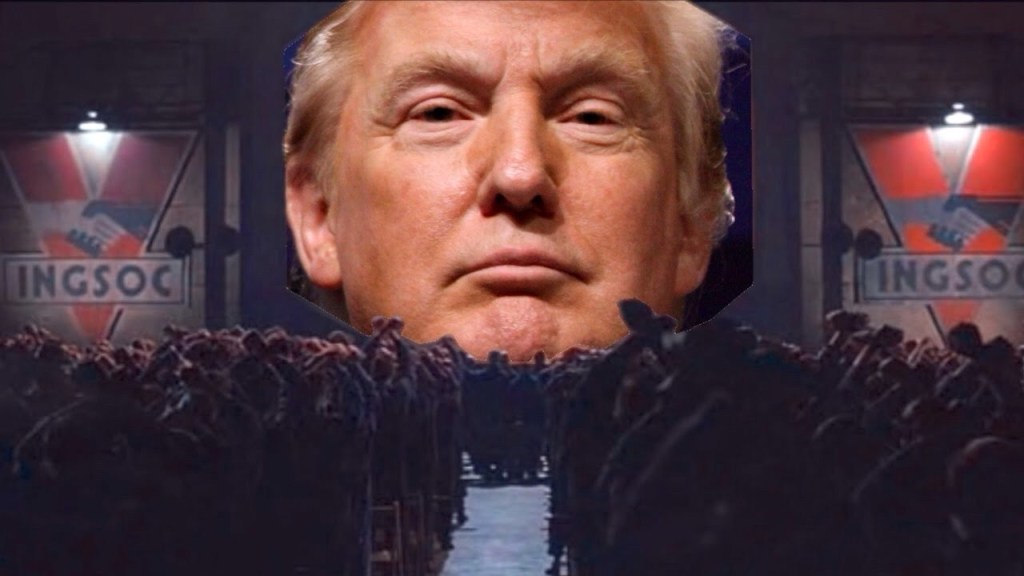
That has a nice, Orwellian ring to it, don’t you think?
“Big Brother” Trump, President-for-Life of Trumplandia
So, do you really want to know what’s in a name? Apparently, if your name is Trump, it’s everything.
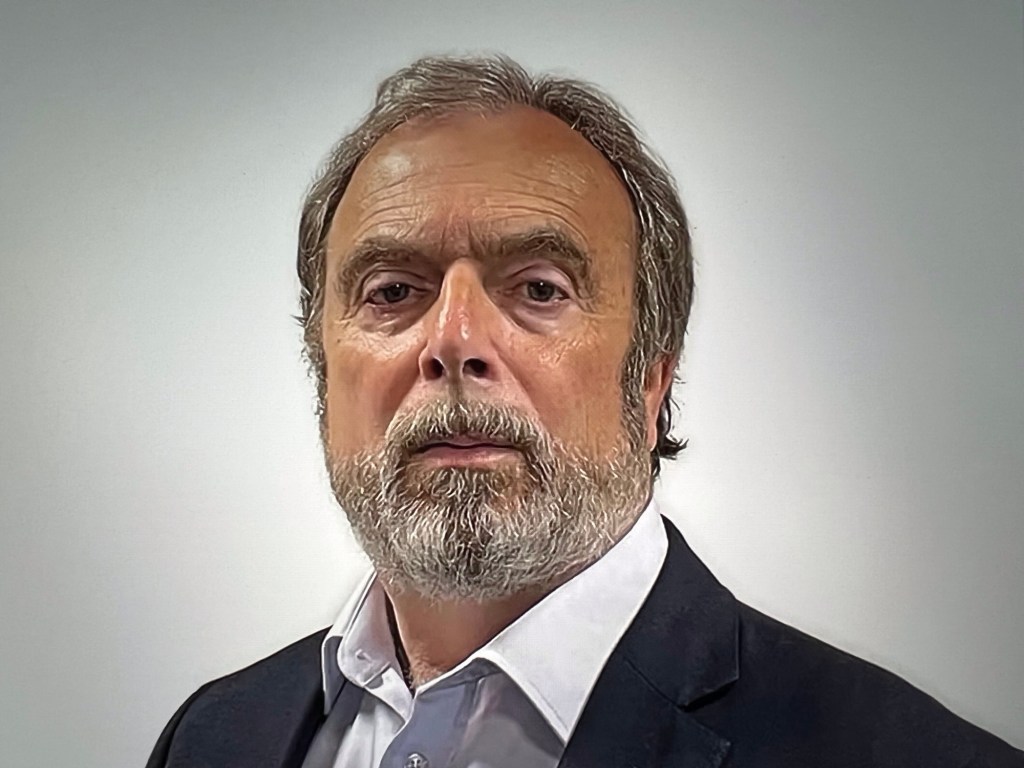
Peter Hitchens is an English author, broadcaster, journalist and commentator who, as a foreign correspondent, has in the past reported from both Moscow and Washington. In his 2010 book, “The Rage Against God,” he recounts his ideological and spiritual journey from extreme leftist Marxism-Trotskyism and atheism to right-wing conservatism and faith. He now is a proponent of a strong nation-state, and a social order grounded in Christian morality, duty, and self-restraint. [en.wikiedia.org.]
Peter Hitchens
It is odd, then — being diametrically opposed as I am to nearly everything Peter Hitchens stands for — that I would stumble upon the perfect quote on any subject among his writings. While the specific work is not cited, I found this commentary on mid-20th-century tyrants on goodreads.com, and was struck by its relevance, not only to today’s Russian and North Korean leaders, but to one much closer to home as well:
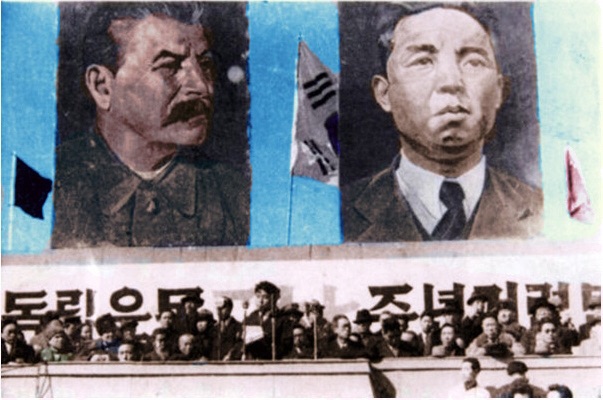
“Stalin and Kim [presumably Kim Il-Sung] made human idols of themselves because they believed, as utopian idealists always do, in the ultimate goodness of themselves and the unchallengeable rightness of their decisions. There was no higher power, and so there could be no higher law. If people disagreed with them, it was because those people were in some way defective — insane, malignant, or mercenary. The rulers could not tolerate actual religion, because they could not tolerate any rival authority or any rival source or judge of goodness, gratitude, and justice.”
Poster of Josef Stalin and Kim Il-Sung – North Korea, C. 1950s
*. *. *
While not in itself a psychiatric or psychological diagnosis, “malignant” narcissism is considered a severe and potentially dangerous form of narcissistic personality disorder (NPD), characterized by such symptoms as:
> Seeking power and control, aggression, risk-taking; > Enjoyment in hurting others, extreme cruelty; > Exhibiting charm but lacking remorse; > Paranoia; > Needing a scapegoat due to inability to accept blame; > Dehumanization of others; > Grandiosity, entitlement, and lack of empathy; > Disregard for the rights of others.
NPD can appear anywhere in the world, among people of all classes. Where those people do not belong is at the head of any nation’s government; but sadly, their disorder is precisely what drives them to seek, achieve and maintain positions of supreme power.
Unfortunately, we don’t appear to have seen the bottom just yet . . . but it’s not for a lack of trying on his part.
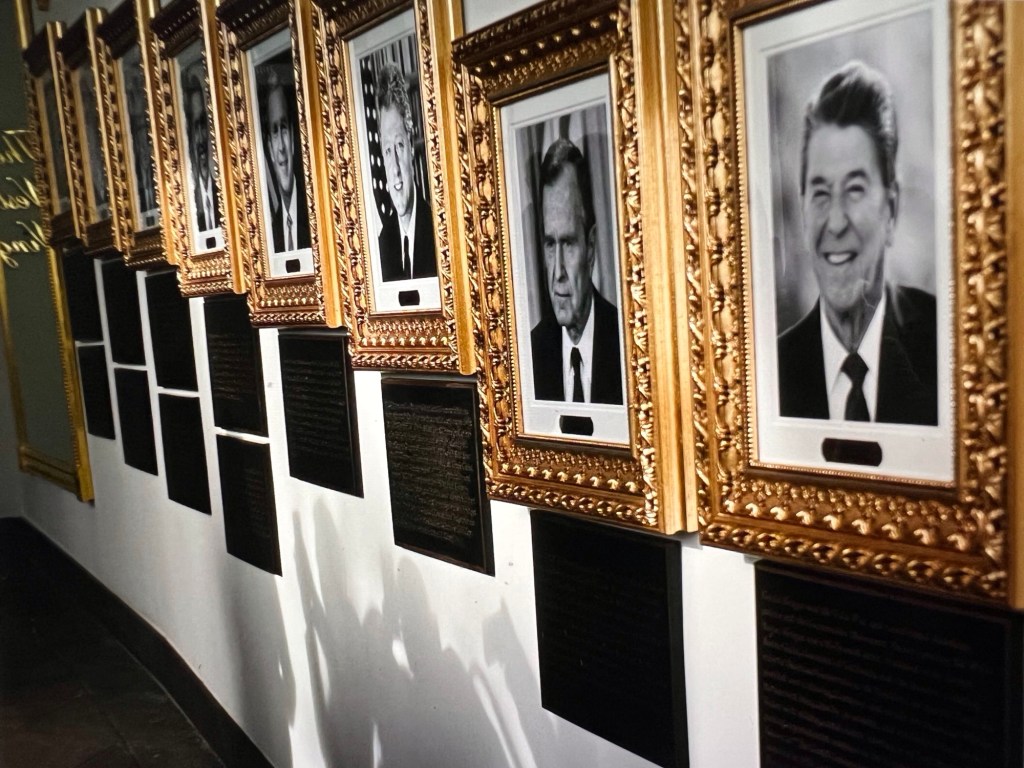
This is Donald Trump’s brand new, gilt-framed “Presidential Walk of Fame” in the White House corridor leading to the West Wing:
If you’ve seen the pictures of the original presentation, you will no doubt notice the recent addition of a plaque — sometimes two plaques — beneath each portrait. Apparently the byproducts of some nocturnal mental spasm on the part of their creator, the plaques — which one might assume would contain brief tributes to each of the nation’s previous leaders — instead display more of his malignant narcissism and his twisted, angry, gut-wrenching jealousy and vengefulness.
A plaque at the front of the exhibit carries a mixed message, saying that it was “conceived, built, and dedicated [by Trump] as a tribute to past Presidents, good, bad and somewhere in the middle, who served our Country, and gave up so much in so doing.” [Alejandra Jaramillo, CNN, December 17, 2025.]
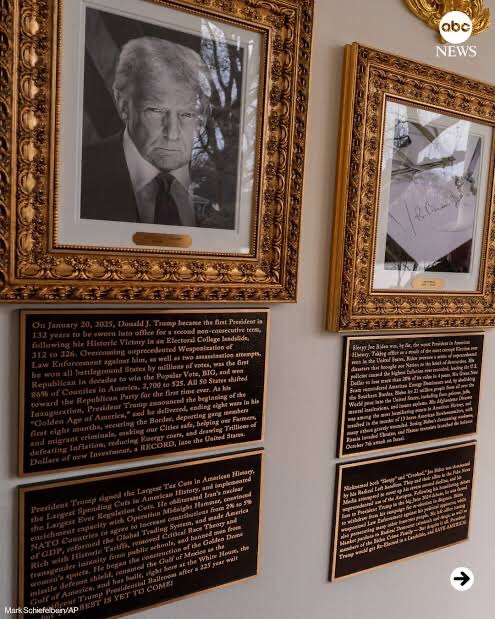
His own plaque, of course, runneth over with accolades for his largely exaggerated or imaginary accomplishments. He references his 2024 election victory, saying that he overcame an “unprecedented Weaponization of Law Enforcement against him, as well as two assassination attempts,” and that he has “delivered” on his promise to bring about a “Golden Age of America” by ending wars, securing borders, and deporting alleged gang members. [Id.]
Self-Tribute
And next to that lovely piece of self-aggrandizement, we come to the two plaques — because one was insufficient to contain the entirety of his vitriol — for his immediate predecessor, President Joe Biden . . . which isn’t a portrait at all, but a snarky photo of an autopen. Copied in exact detail from Trump’s original text — including his inexplicable initial- and all-caps emphasis — the Biden plaques begin with this charming honorific:
“Sleepy Joe Biden was, by far, the worst President in American History. Taking office as a result of the most corrupt Election ever seen in the United States, Biden oversaw a series of unprecedented disasters that brought our Nation to the brink of destruction.” And it ends with: “But despite it all, President Trump would get Re-Elected in a Landslide, and SAVE AMERICA!” [Id.]
The Biden “Portrait”
Moving on, we come to . . . whoops! . . . another Trump portrait, for his first term. (The same was done for Grover Cleveland, who also served two non-consecutive terms.)
Next is President Barack Obama, whom he describes as “. . . the first Black President, a community organizer, one term Senator from Illinois, and one of the most divisive political figures in American History.” [Id.]
And, while magnanimously noting some of President Bill Clinton’s achievements, Trump couldn’t resisting adding — despite the irrelevancy — that “In 2016, President Clinton’s wife, Hillary, lost the Presidency to President Donald J. Trump!” [Id.]
*. *. *
I honestly am unable to imagine any individual being so totally consumed by hatred and insecurity that they could even conceive of doing such a thing; and I wonder whether this unspeakable malevolence — churning away at his insides as it must be doing — might even be an underlying cause of his accelerating physical decline, like some sci-fi flesh-eating demon.
Looking Unwell
In a statement to CNN, when asked for information as to who is paying for the plaques, White House press secretary Karoline Leavitt offered this non-responsive reply:
“The plaques are eloquently written descriptions of each President and the legacy they left behind. As a student of history, many were written directly by the President himself.” [Id.]
Yes, I believe he did write some of them himself — and we can guess which ones. But as for the “student of history” . . . well, I doubt that includes anything earlier than his own birth.
In any event, we can but hope that the next occupier of the Oval Office will have the decency to remove the plaques, and replace the autopen photo with an actual portrait of President Biden. Because what the White House needs, in addition to some old-fashioned courage, integrity and empathy, is the return of class.
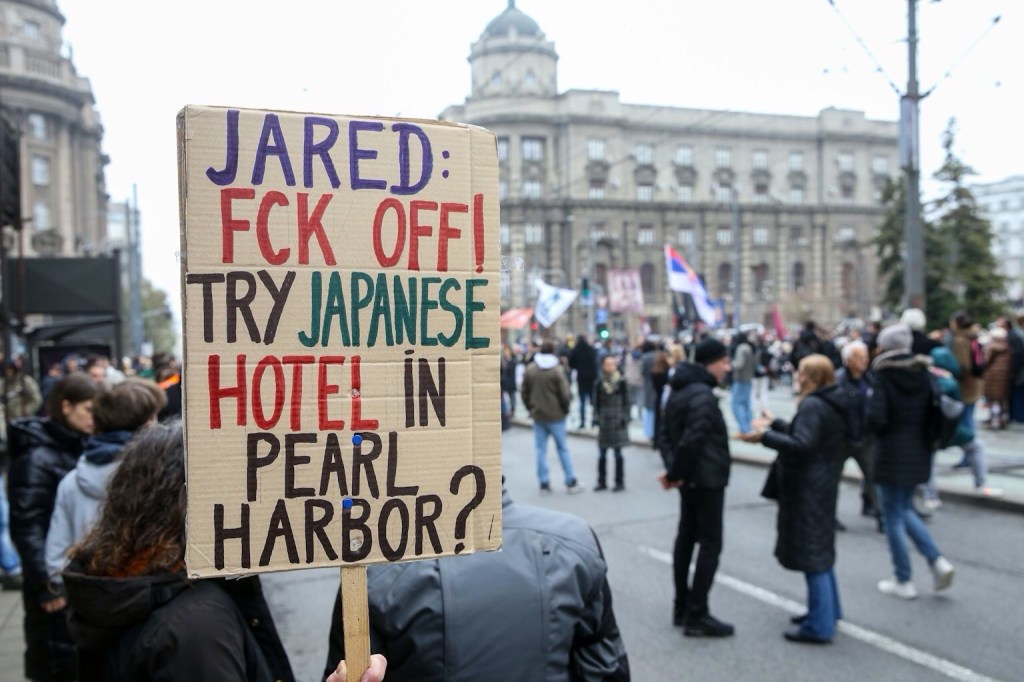
A few weeks ago, I reported on the latest undertaking of Trump son-in-law, real estate mogul, and diplomat-come-lately Jared Kushner: a proposed $500 million, five-star Trump hotel/apartment/museum complex in the Serbian capital of Belgrade. In and of itself, it sounds like just another bigger-than-life, money-making Trump family tribute to themselves . . . until you look at the fine print.
To begin with, this project would require tearing down the historic, bombed-out General Staff building dating back to Serbia’s conflict with Kosovo . . . a proposal vehemently opposed by the people of Serbia who suffered greatly in that war and consider the site to be hallowed ground.
Of course, the Trumps aren’t known for their sentimentality or empathy. What they are known for, however, is their willingness to do anything for another billion dollars — including shady deals with dictators, tyrants and crooks.
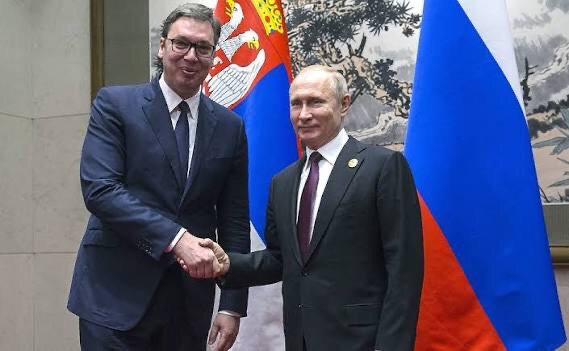
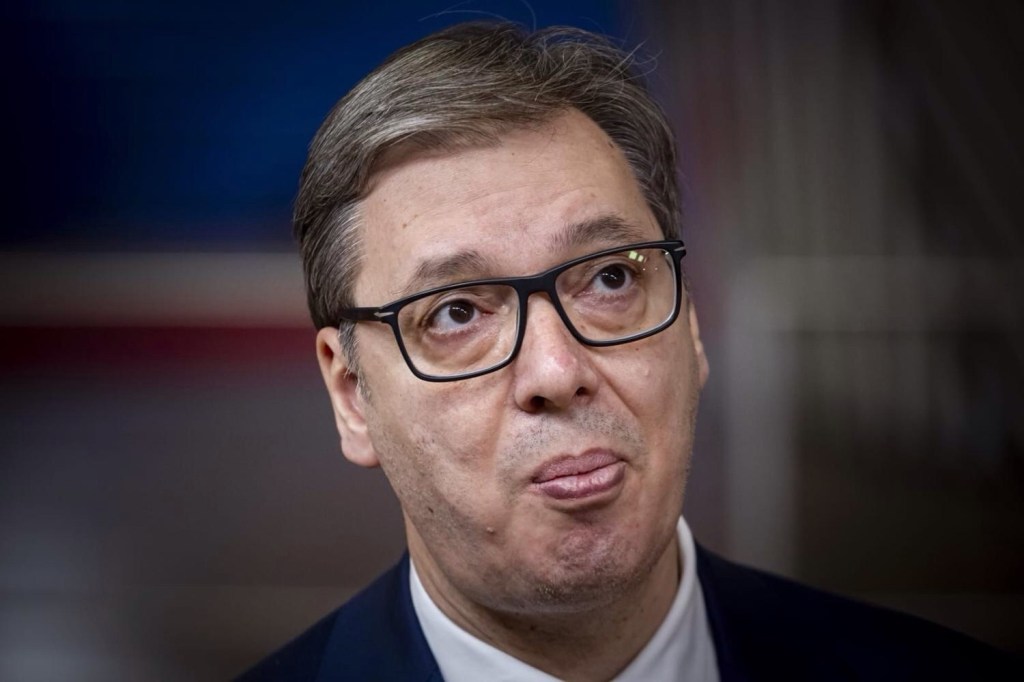
Which brings us to Serbia’s current president, Aleksandar Vucic: an autocrat whose national oil company is under U.S. sanctions due to its majority stake being owned by Russia’s Gazprom and Gazprom Neft. Despite his well-known friendship with Vladimir Putin, Vucic has been making overtures to the Trump administration in hopes of gaining relief from those sanctions, and has been trying to push through legislation that would remove the designation of the property in question as a cultural heritage site.
Aleksandar Vucic and Vladimir Putin
In fact, that designation had already been removed by Serbian Culture Minister Nikola Selakovic — who has now been indicted by Serbia’s own Prosecutor’s Office for Organized Crime. And just hours after news broke of the indictment, Jared Kushner’s investment company, Affinity Partners, issued a statement saying that the proposal had been withdrawn:
“Our vision for the Belgrade project was to offer an elegant, uplifting design that honored Serbia’s progress. We are proud of the architecture our team created. Because meaningful projects should unite rather than divide, and out of respect for the people of Serbia and the City of Belgrade, we are withdrawing our application and stepping aside at this time.” [Nevena Bogdanovic and RFE/RL’s Balkan Service, December 16, 2025.]
“What he said . . .”
I’m sorry . . . I just can’t get past that “meaningful projects should unite rather than divide” comment. I wonder if his father-in-law wrote that for him while he was tearing down the East Wing of the White House.
But to continue . . .
As for Vucic, he has gone swiftly into damage control mode, announcing that he will “personally file criminal charges [against] all those who participated in the witch hunt and the destruction of the investment,” accusing them of the “economic sabotage of Serbia.” [Id.]
And, in what sounds like a classic Trumpian sulk, he added:
“We will now be left with a destroyed building, and it is only a matter of time before bricks and other parts start falling off it, because no one will ever touch it again.” [Id.]
And finally:
“There was never any corruption, nor was that ever the intention.” [Id.]
No, of course not. Which is why, instead of, say, restoring the remaining structure and repurposing it as a school, a library, or a hospital for the benefit of the people, he plans to go after the Prosecutor’s Office for “the destruction of the investment.”
Not the building . . . the investment.
Because, as he has learned from his idols Putin and Trump, it’s all about the money.
War is not funny. In truth — and as first stated by American Civil War General William Tecumseh Sherman — war is hell.
Diplomacy, on the other hand, can sometimes be friggin’ hilarious. And that is especially true when the words issue forth from the Moscow Kremlin.
Dmitry Peskov, with Vladimir Putin (and some guy in a yarmulke?)
While Ukrainian President Volodymyr Zelensky and his U.S. and European allies work frantically to finalize a peace proposal that has even a prayer of being accepted by Russian President Vladimir Putin, Kremlin spokesman and all-around good sport Dmitry Peskov — though admitting that Moscow has not yet seen the latest proposal from the West — nevertheless said yesterday that Zelensky’s call for a Christmas truce was not satisfactory. In his words, what Russia wants is not a cease-fire, but a final overall peace deal to stop the war. This is what he said . . . and apparently what he expects the rest of the world to believe:
“We want peace. We don’t want a truce to give Ukraine breathing space and prepare for a continuation of the war. We want to stop this war, achieve our goals, secure our interests, and guarantee peace in Europe for the future. That’s what we want.” [RFE/RL, December 16, 2025.]
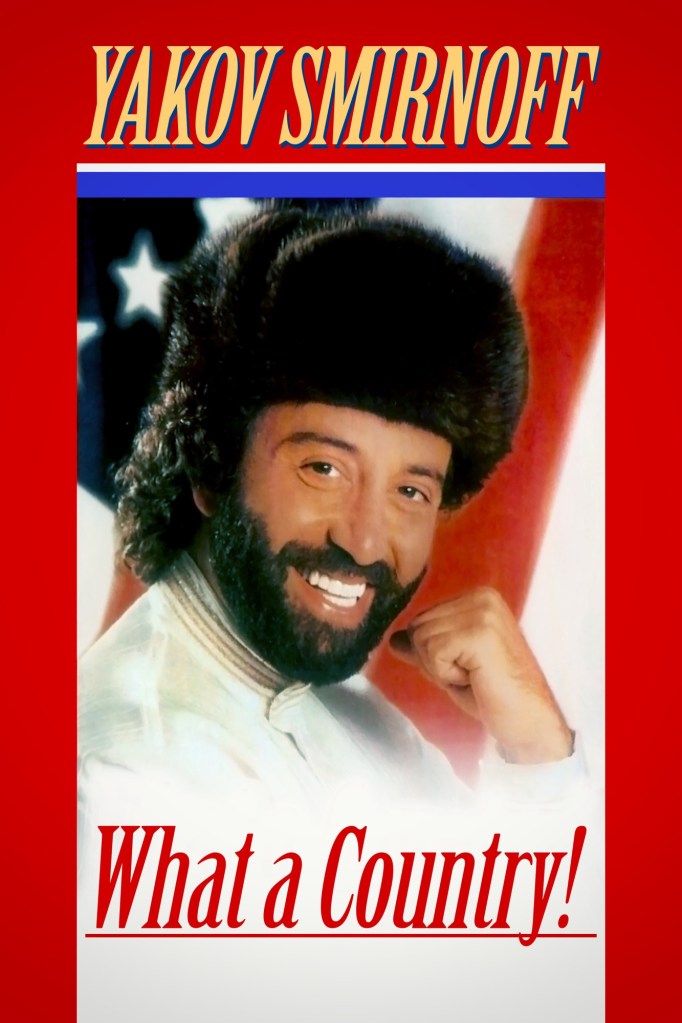
Oh, Dima! You slay me . . . you really do. Seriously: who needs stand-up comics like Yakov Smirnoff when we have you?
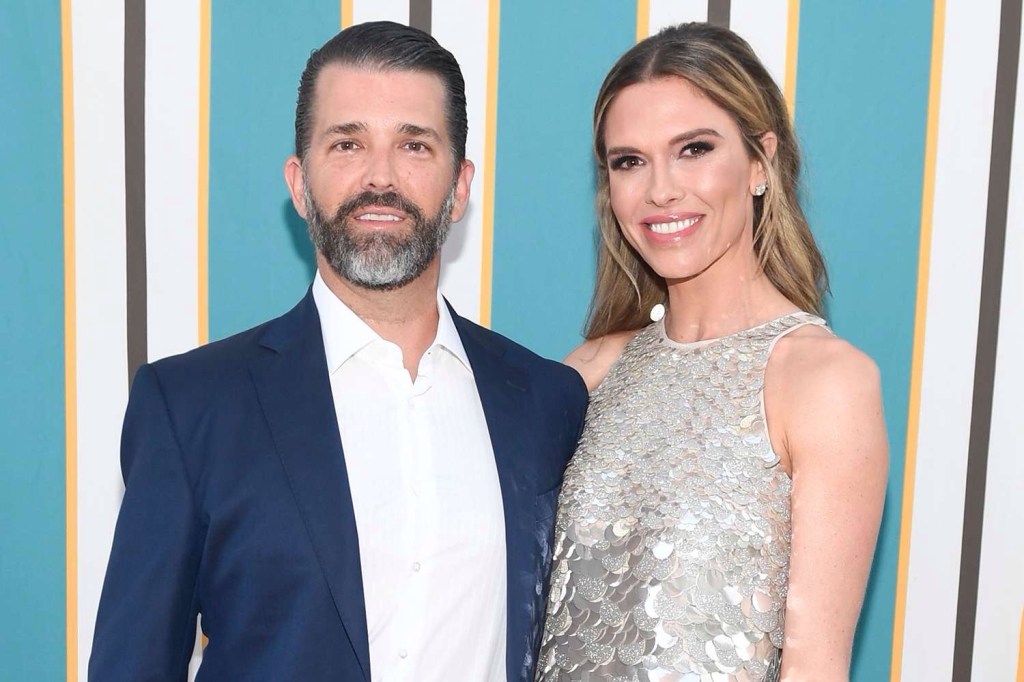
On Monday, December 15th — as the world mourned two horrific mass shootings and the murders of a beloved Hollywood couple — the White House chose to focus on announcing the engagement of presidential namesake Donald J. Trump, Jr., 47, and model/socialite Bettina Anderson, 39.
Donald Trump, Jr., and Bettina Anderson
And I asked myself: WHY??!!!
Aside from the obvious question — “Why was the announcement timed so inappropriately?” — I have to wonder why a woman who obviously has everything — money, social position, and really good teeth — would choose to attach herself to any member of the Trump family?
Then it occurred to me: Maybe it’s because her wealth and social position pale in comparison to those of the Trump clan and she yearns for more, or simply because she is colossally stupid. Or both. In any case, there really is no accounting for taste.
Based on Don Jr.’s record — divorced by his wife Vanessa after 12 years of marriage and five children, then engaged to Kimberly Guilfoyle who quietly fled the scene at some point — as well as his general character (or lack thereof), I’ll wait to see if they actually make it to the altar before placing any bets on the future of this pair.
But before then, Bettina might do well to request a private sit-down with Melania.
*. *. *
Then came Tuesday, December 16th, and another surprise announcement: Conservative journalist Brian Glenn has chosen to solidify his two-year relationship with — OMG! — Marjorie Taylor Greene??!!!
Seriously?
Brian Glenn, 69, and Marjorie Taylor Greene, 51
After two years together, I suppose he knows what he’s doing. And presumably they are politically compatible. But I am unable to fathom why anyone would choose to spend their remaining years with someone described (in her Wikipedia biography) thus:
“Greene has promoted Islamophobic, antisemitic, and white supremacist views including the white genocide conspiracy theory as well as QAnon, and Pizzagate. She has amplified conspiracy theories that allege government involvement in mass shootings in the United States, implicate the Clinton family in murder, and suggest the attacks of 9/11 were a hoax. Before running for Congress, Greene supported calls to execute prominent Democratic Party politicians, including Hillary Clinton and Barack Obama. As a congresswoman, she equated the Democratic Party with Nazis, and compared COVID-19 safety measures to the persecution of Jews during the Holocaust, later apologizing for this comparison. During the Russian invasion of Ukraine, Greene promoted Russian propaganda and praised its president Vladimir Putin. Greene identifies as a Christian nationalist.”
There is more revealed in her bio, but it’s just too exhausting, so I’ll stop now.
*. *. *
As Shakespeare famously wrote in “The Tempest”:
“Misery acquaints a man with strange bedfellows.”
And perhaps that’s all the explanation we need.
*. *. *
Anyway, I wish all of them the best of luck. Really. No, seriously . . . I mean it. Honestly. I’m not kidding.





















 The Blog About Everything … and Sometimes Nothing