Having a wonderful time reminiscing about all my past travel (and other) adventures. Hope you’ll share them with me in my blog, “All Roads Led to Russia.”
In the midst of all of the hubbub, the angst, and the total insanity coming out of Washington lately, has anyone noticed how quiet Russia has been . . . aside from that little war in Ukraine, that is?
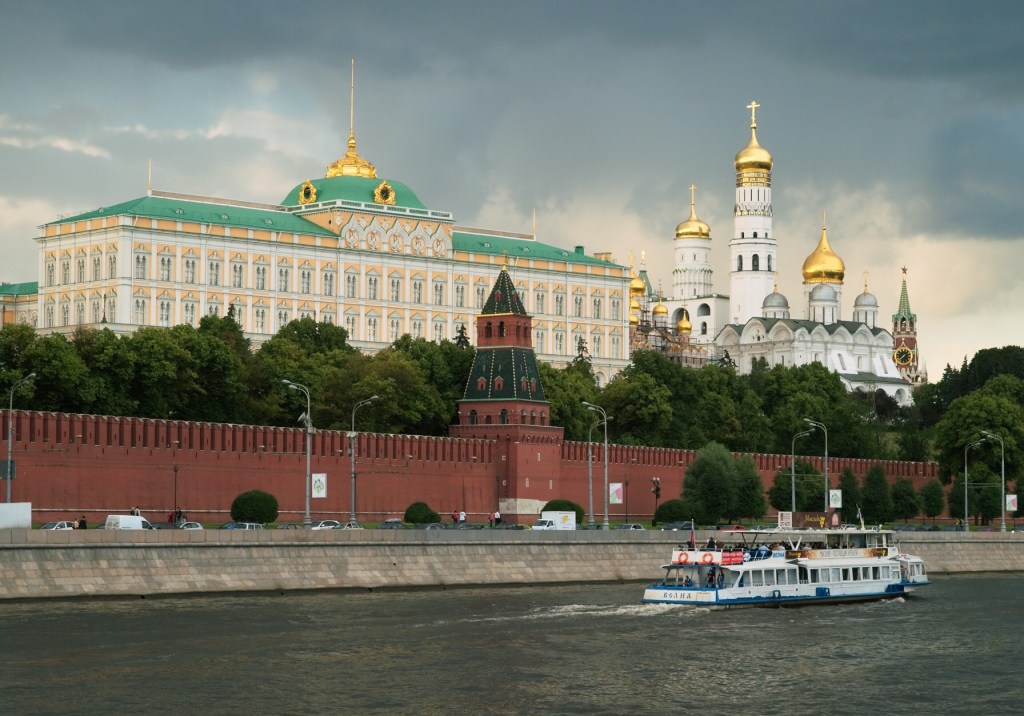
Moscow Kremlin (River View)
True, there have been a couple of military officers — well, one real military officer and one mercenary type — killed by bombs in Moscow in the last few weeks. But there hasn’t been the usual saber-rattling; and other than calling Volodymyr Zelensky an “illegitimate” president, even Vladimir Putin has been relatively quiet.
Most of all, I’ve missed poking fun at Putin’s press secretary, good old Dmitry Peskov, who, under normal circumstances, should be poking fun at Donald Trump and Elon Musk right about now. Where are you, Dima? Your silence is making me nervous.
Kremlin Spokesman Dmitry Peskov
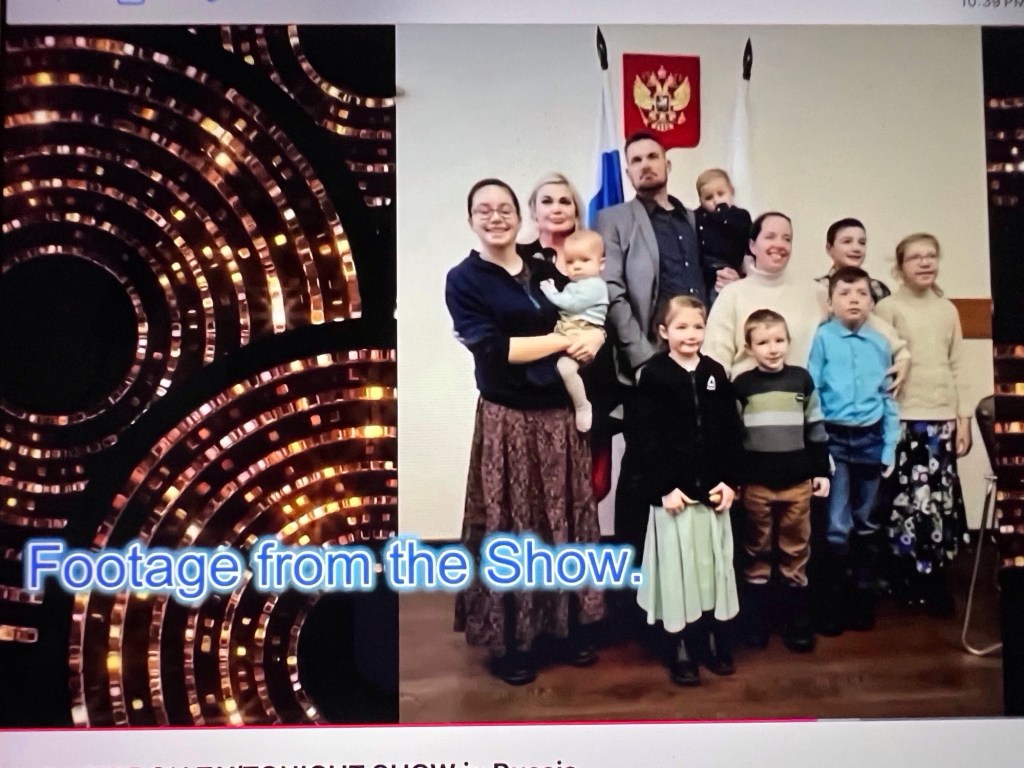
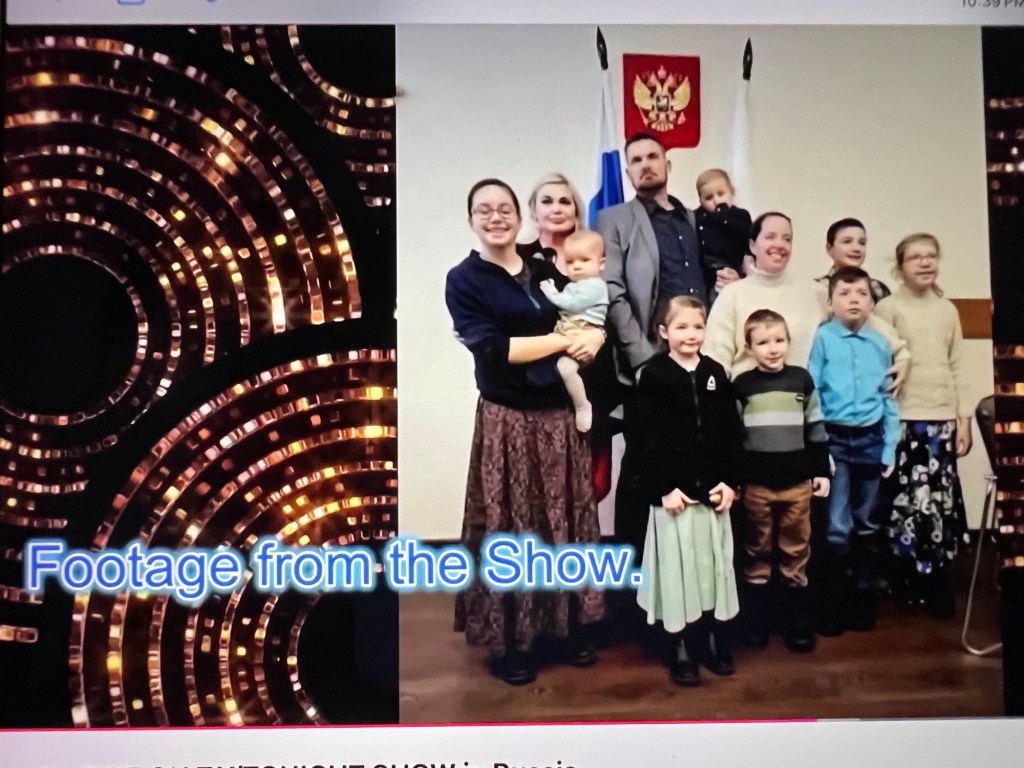
But the Kremlin’s public relations folks have managed to keep busy — mostly, it seems, managing the careers of that fascinating emigre family from Canada, the Feenstras. Their YouTube channel and Facebook account — in a country where most outside social media are being blocked — have been keeping us informed, on a daily basis, of their idyllic life in the land of — their words — “religious freedom” and “unlimited opportunity.” They’ve even just finished filming an appearance on Channel One’s “Tonight Show.”
Who would have thought, a year ago, that their rough start in their new home would have led to fame and . . . well, maybe not fortune, but an obviously comfortable life . . . and in such a short time? Good job, everyone!
The Feenstra Family
Anyway, rather than bite my fingernails over the relative silence from that part of the world, perhaps I should simply sit back and enjoy it while it lasts. Because, based on history and personal observation, it probably won’t last very long.
We all know what’s been going on; the headlines are so full of it, it’s pushed everything else onto the back burner. The wars, the natural disasters, the plane crashes . . . they might never have happened, for all the attention they’re getting now. And most of us are feeling like this:
Because it’s all about what this guy has been doing since his coronation . . . sorry . . . inauguration, just 18 days ago.
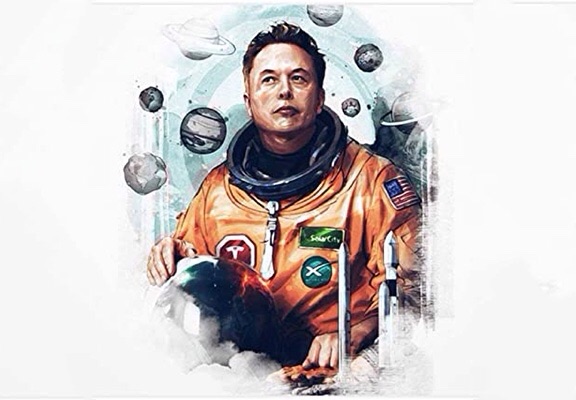
Just him, and his loyal Space Cadet, here:
Between them, they’ve not only begun trying to deconstruct and reconstruct the entire U.S. government . . . they’re intent on building an empire — greater than the Mongol, Roman, Ottoman, British and Russian Empires combined — one that would cover the entire globe.
And, if this century’s answer to Flash Gordon can ever get his rockets off the launch pad, he’d like to include Mars, for good measure.
But leaving the other planets aside for the moment, the daring duo have started with a far-flung quartet of lands to be conquered right here on Earth. We’ve already heard about the plans for Canada as a 51st state; Greenland, where many of the residents are allegedly thrilled at the idea of becoming Americans; the Panama Canal, which the Panamanians have been dying to give back anyway; and Gaza, where the Palestinian folks are ecstatic at the prospect of being resettled somewhere else, and the neighboring countries are undoubtedly ready and anxious to welcome them with open arms.
And we may as well throw Mexico into the mix, as soon as the new tariffs destroy what’s left of their economy. After all, the Gulf of Mexico no longer exists; why not just take the rest of the country along with it? Make that No. 52.
Viva Mexico!
*. *. *
But all of this started me thinking: Why stop there? If you’re going to build an empire, don’t do it halfway. Go big or go home . . . right?
So what’s next? Well, how about Ukraine? They’ve got vast, fertile farmlands, rare earth minerals, churches full of historic treasures — all worth a fortune on the world market. And they’re so worn down from three years of defending themselves against Russia, they’d hardly put up a fight, in all likelihood. The only problem would be our having to come to some sort of a sharing agreement with Vladimir Putin, which wouldn’t be easy.
Unless he’d like Russia to become the 53rd U.S. state . . .
St. Basil’s Cathedral, Red Square, Washington?
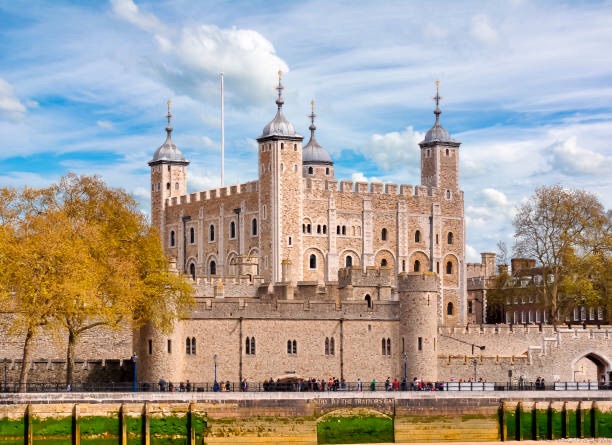
Then maybe we could make the UK an offer. They’ve got the Crown jewels, castles and palaces filled to the turrets with more of those historic treasures; mysterious Stonehenge; and, of course, the Tower of London to house all the undocumented people. The late Queen Elizabeth II would never have gone for it, but Charles seems like a bit of a pushover. Anyway, it’s worth a try.
The Tower of London
Of course, there’s always little Switzerland — not a lot of real estate, but banks full of money from all over the globe, world-class ski resorts, and just for pleasure, there’s all that delicious cheese and chocolate. I’m sure the Emperor and his First Fool could use a couple of beautiful new Swiss watches as well.
Snacks Fit for an Emperor
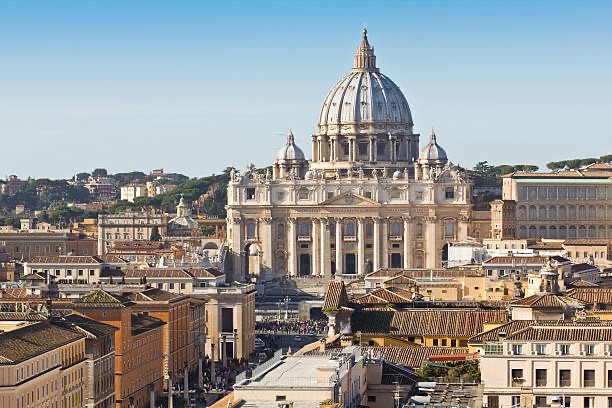
And since money seems to mean almost as much as absolute power to this pair, I hear the Vatican is loaded. So why not go all out and grab the Holy See? I imagine the world’s Catholics wouldn’t mind genuflecting to their new spiritual leaders . . . though in all fairness, I doubt the Pope would give in without an argument.
The Vatican
*. *. *
Well, that’s all I have to offer at the moment, but I think it’s a pretty good start . . . it should keep them busy for a few months, at the very least.
Only . . . uh-oh! There is one major sticking point:
I foresee trouble in Paradise, when Washington’s very own Don Quixote takes a break from tilting at windmills and tunes in to Fox News, only to find that his Sancho Panza has become the more talked-about, the bigger news item, and — already being the richest person in the world — the more powerful of the pair.
Sometimes it just feels wrong to be right. This is one of those times.
I just finished watching another YouTube video from the Feenstra family in Russia — the most blatant piece of bullshit propaganda imaginable, reminiscent of those old Stalin-era films of happy farmers singing happy songs while slashing away at the fields of golden wheat with their shiny scythes; and happy children with shiny faces, singing happy songs in their happy kindergarten classrooms.
And all my wishful thinking — that I might still be wrong and the Feenstras might actually live happily ever after in Russia — went up in smoke.
When last seen, they were in Moscow for several days to attend an agricultural show, and to see the sights. They were to have returned home on a Friday, but now we hear that they were asked to extend their stay until Monday in order to appear on Russia’s version of the Tonight Show — Sevodnya Vecherom — to be filmed at the preeminent Mosfilm movie studios, and shown later on state-controlled TV Channel One.
The Tonight Show, Russian Style
And who could resist an invitation like that? Not this group — and not when everything is being arranged and provided for you, from extra days in your rented house, to transportation, a driver, an interpreter, and a very appreciative live studio audience.
There were a few shots of the entertainment portion of the show — a bit of Russian folk dancing — while the Feenstras were in the “green room,” enjoying snacks and having makeup applied for the cameras.
That’s Entertainment
And then it was interview time.
Ready for the Cameras
The host of the show spoke as slides were shown of the family arriving in Moscow the previous year, of their new farm, and — not surprisingly — of the day they raised the huge Russian flag on their property. There were also scenes of some of the children harvesting eggplants during the summer, while singing a Russian song. I hadn’t seen that one before, and it was . . . well . . . charming. Staged, but charming.
Raising the FlagHappy Feenstra Children Singing Happy Russian Songs
Then the questioning began.
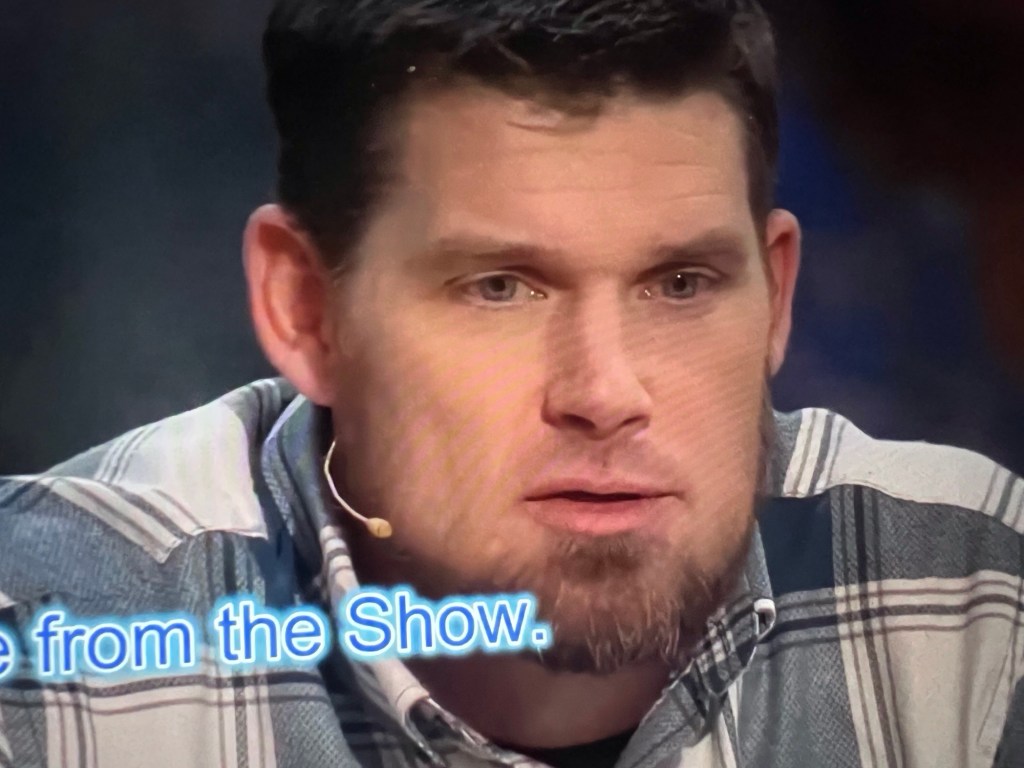
The family had to be at least a little nervous — anyone would be on national TV for the first time — but they hid it quite well. After a year of being paraded around like a carnival exhibit, I suppose they’re getting used to it. The children did not speak at all, and Anneesa only chimed in when she was asked how they had made the decision to move from Canada to Russia. She said that it had been her husband’s idea, but that they had decided together. She may have said more, but that’s all that was included in the video.
Smiling for the Cameras
Arend, as always, was the spokesman for the family. And, as always, he said all the right things. The main questions, of course, were geared toward what had influenced their decision to make the move, and whether they were glad they had done it. And the answers were textbook.
He said they had left Canada for multiple reasons: economic considerations; reasons of faith; the freedom to live according to their beliefs, which they said no longer exists in Canada; and finding the right path for their future.
And, of course, they are extremely grateful that — in his words — “God led us here.”
At that point — as the host thanked them for appearing and wished them good luck and good health in the future — I had to ask myself what this close-knit, conservative, hard-working, religious family could possibly have done that was so bad that God would punish them by leading them to choose Russia as their Promised Land.
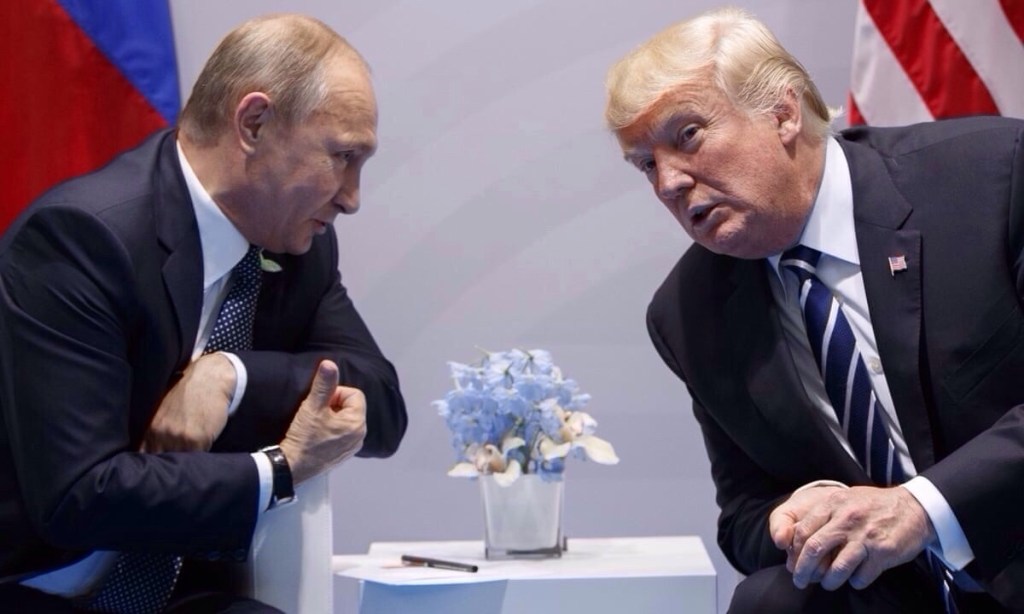
Apparently, four years of that one-sided bromance weren’t enough. We’re now looking at a renewal of the relationship, wherein one thinks that talking tough makes him smarter . . . and the other one actually is smarter.
Only this time around, there’s more at stake.
This time, there’s a war in Ukraine, begun three years ago — without provocation — by the smarter one. People are dying by the thousands. The sovereignty of a nation is in danger. And the surrounding countries are building their defenses because any one of them might be next in line.
Before he was elected, Donald Trump repeatedly boasted that he would end the war in Ukraine within 24 hours of taking office.
Well, he was elected back in November, and actually plopped himself down in the Oval Office on January 20th. That was 16 days ago . . . and we’re still waiting for the war to end while he’s busy alienating our staunchest allies and worrying about sexual identification in women’s sports.
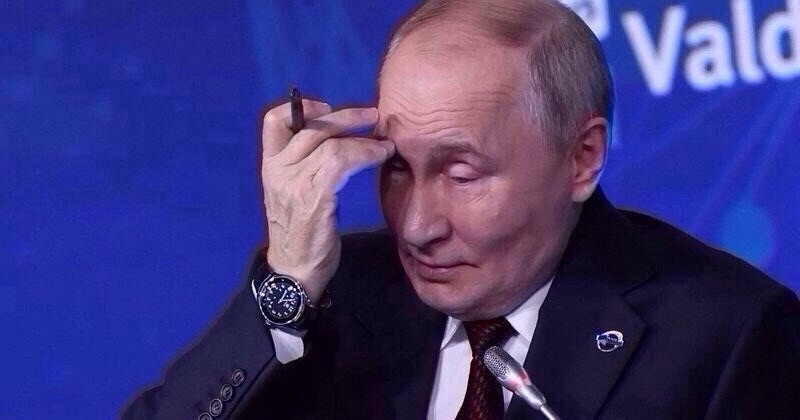
No one is really surprised, though; the entire world knew that it couldn’t be done — that it was all braggadocio — because Vladimir Putin is neither stupid nor a pushover. And now he has come forward with a clever new argument to support his refusal to negotiate directly with Ukraine’s President Volodymyr Zelensky: that Zelensky is allegedly not the legitimate president of Ukraine, as his term was supposed to have expired last May.
It’s a specious argument, of course . . . as are most of Putin’s excuses for his inexcusable actions. Ukraine has been in a state of war since Russia’s invasion on February 24, 2022, and as such, is being ruled under martial law in accordance with its constitution. And this constitutional provision further enabled an indefinite postponement of the last scheduled election. Thus, according to Ukrainian law, Volodymyr Zelensky is indeed the legitimate president . . . regardless of any other country’s leader’s opinion to the contrary.
Ukrainian President Volodymyr Zelensky
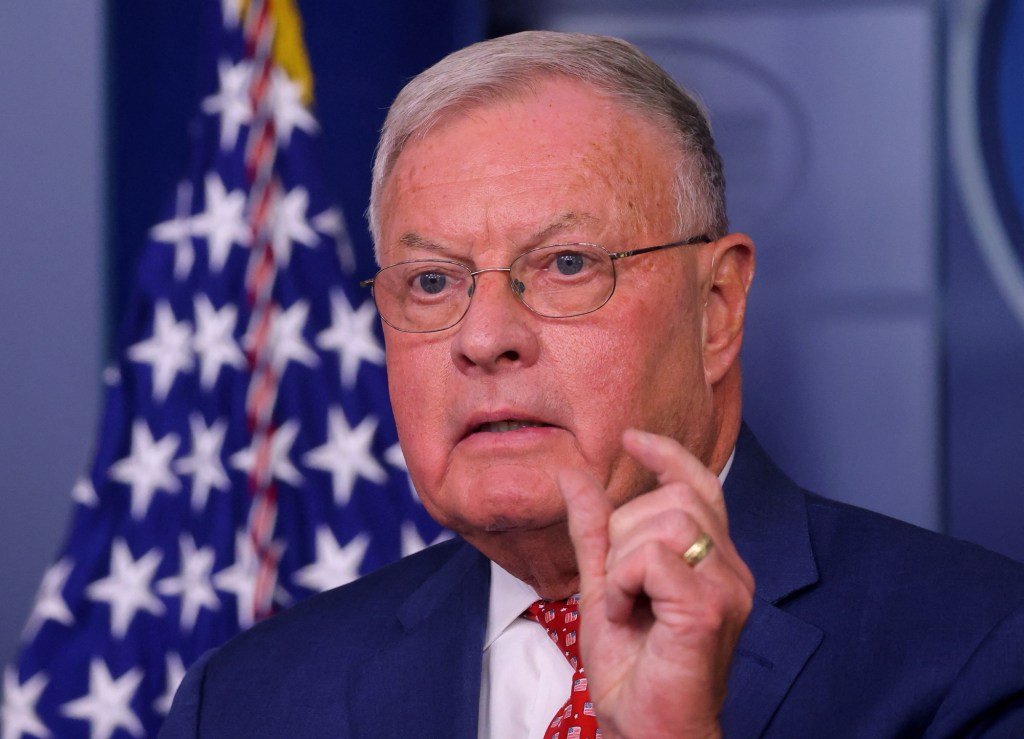
But now, Donald Trump — who has begun talking about a possible timeline of “months” for a peace settlement — has seized on Putin’s lie as a basis for his own. Ignoring the provisions of Ukraine’s constitution, Trump’s special envoy to Ukraine, Keith Kellogg, said in an interview with Reuters on February 1st that elections in Ukraine “need to be done,” and could be held following a cease-fire deal — which he said could be achieved within months:
“Most democratic nations have elections in their time of war. I think it is important they do so. I think it is good for democracy. That’s the beauty of a solid democracy, you have more than one person potentially running.” [Todd Prince, RFE/RL, February 5, 2025.]
Keith Kellogg
What Mr. Kellogg seems to overlook is that, also among the many beautiful aspects of a solid democracy, is the fact that it is a law-based form of government . . . not an autocracy, and not subject to the whims of outsiders. Neither Vladimir Putin nor Donald Trump — nor anyone else, for that matter — has the right to circumvent Ukraine’s constitution. And if that constitution provides for the institution of martial law during wartime, and if postponement of elections is permissible in times of martial law, then . . . well, then, it’s a moot point, isn’t it?
But Trump sees no fault with Putin’s reasoning, and is playing directly into the Russian leader’s hands. And if the ploy succeeds, and a new election becomes part of the peace negotiations, who is to say it will be a fair and honest election? Or that a “cease-fire” will be any more than temporary, allowing Russia time to regroup, rearm, and re-invade, with — if Putin has his way — a less formidable president in Ukraine?
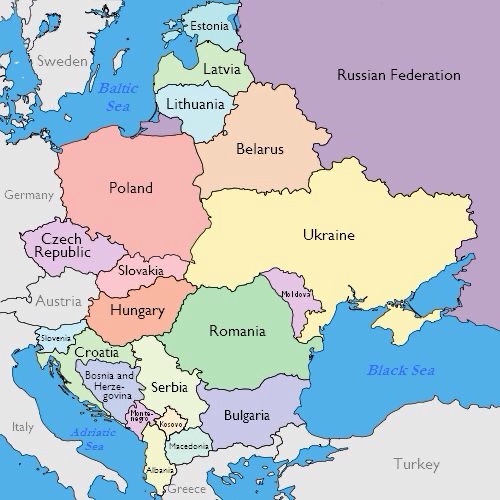
Or that Moldova, or Poland, or Hungary, or Slovakia, or Latvia won’t be next?
*. *. *
Make no mistake: In matters of international politics, Vladimir Putin trumps Trump every time. Donald Trump is a shrewd businessman. But in business, he was answerable to no one; he was the boss, and his word was law. In a democratic government, he does not have that ability. Whether he likes it or not, he is subject to constitutional and federal laws that limit his powers . . . as he is slowly finding out from some of our federal courts.
Putin has no such restrictions; he is the sole boss of his “business.” He is also a master of Russian-style “palace intrigue,” and as such, he is merciless. There are other world leaders who fear him, or need his patronage.
Donald Trump is not afraid of Vladimir Putin; he simply doesn’t understand him, and he never will . . . not until it’s too late.
The old expression usually refers to borrowing from your own budgeted funds — say, next month’s rent money — to cover a more immediate need, such as this week’s groceries. But always, of course, with the expectation of being able to replace the borrowed money in time to pay the landlord.
Never — not in a quadrillion years — would I have expected to hear anyone seriously propose dismantling an entire government, putting thousands of people out of work, and creating total operational chaos, in order to have enough money in the treasury to cover the cost of taking over part of a whole different nation, in a distant (and none too friendly) part of the world . . . in order to turn it into a new playground for the rich and famous.
But guess who has done just that.
No, no, no! Not that guy . . . though I can certainly understand how he might have been your first thought. But no. It’s actually . . .
This one:
Yup . . . that’s him, all right. Time’s “Person of the Year” wants to take possession of Gaza — a hell-hole region devastated by the war between Hamas and Israel — and spend whatever it takes to “own it and be responsible for dismantling all of the dangerous unexploded bombs and other weapons on the site.” And, in order to accomplish that, to first relocate the area’s residents to other countries and rebuild it into a new “Riviera.” [Jennifer A. Dlouhy, Jordan Fabian and Iain Marlow, Bloomberg, February 4, 2025.]
He also suggested that he would “do what is necessary,” possibly even deploying U.S. troops to secure the region in order to achieve a “long-term [U.S.] ownership position.”[Id.]
“Har-de-har-har!”
No, wait . . . it’s not a joke. He’s dead serious! And I can hear even this guy saying:
“Oh, my God!”
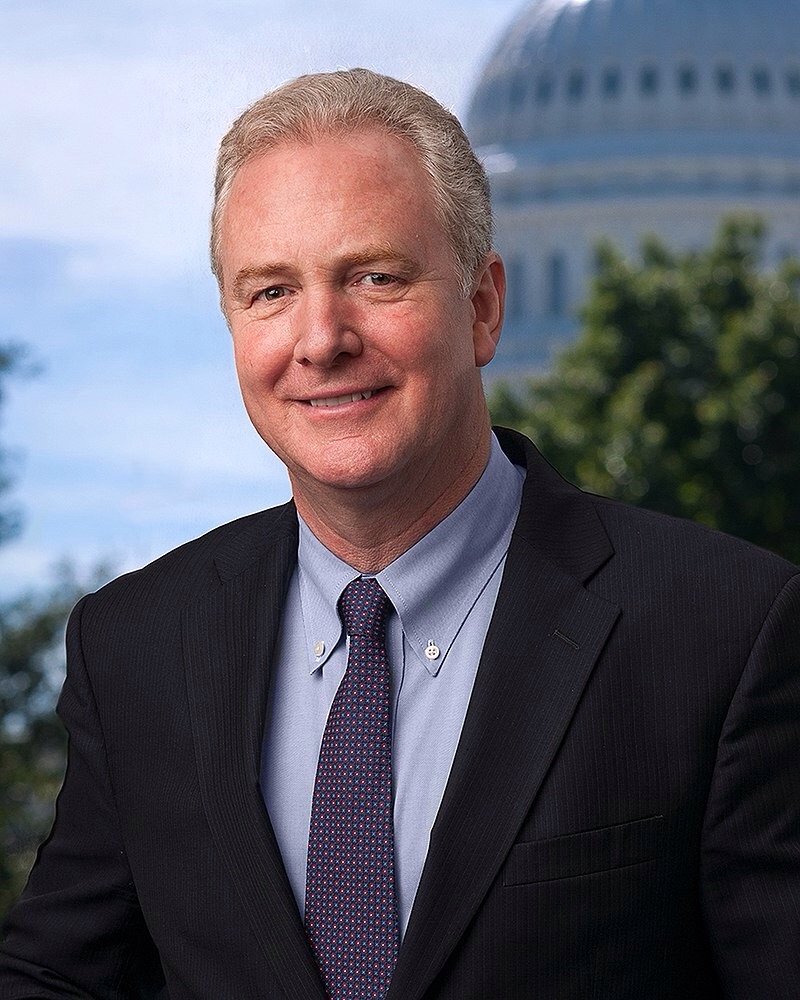
Needless to say, this all went over like the proverbial lead balloon with other Middle Eastern leaders. And at least one U.S. Senator — Chris Van Hollen, a member of the Foreign Relations Committee — had the guts to call it what it is: “ethnic cleansing by another name.” [Id.] Thank you, Senator.
Senator Chris Van Hollen
But here’s what makes the whole scenario doubly frightening. As Trump presented his lunatic vision at a White House press conference, Israel’s Prime Minister Benjamin Netanyahu, who had been paying a state visit to Washington this week, sat quietly by. He even praised Trump for thinking on a “much higher level,” and added:
“We’re talking about it, he’s exploring it with his people, with his staff. I think it’s something that could change history. And it’s worthwhile really pursuing this avenue.”[Id.]
Benjamin Netanyahu
I don’t even know what to say to that, or what the people of Israel must be thinking right now. But I do know where my mind has been going for the last two weeks: to the 25th Amendment of the Constitution of the United States. Because this is total insanity.
I know that’s not a pretty picture . . . but neither is what’s happening to our country, or the domino effect it is already having, and will continue to have, on the rest of the world.
It’s not like the London Blitz of World War II; there are no bombs dropping from enemy planes flying over the city of Moscow . . . although there is the occasional Ukrainian drone.
The explosions hitting Moscow recently are much more personal, directly aimed at specific individuals, and with the added “benefit” (to the perpetrators) of being likely to take out a few bystanders, destroy a bit of property, and instill fear in the Russian people.
The question is: Who is doing it?
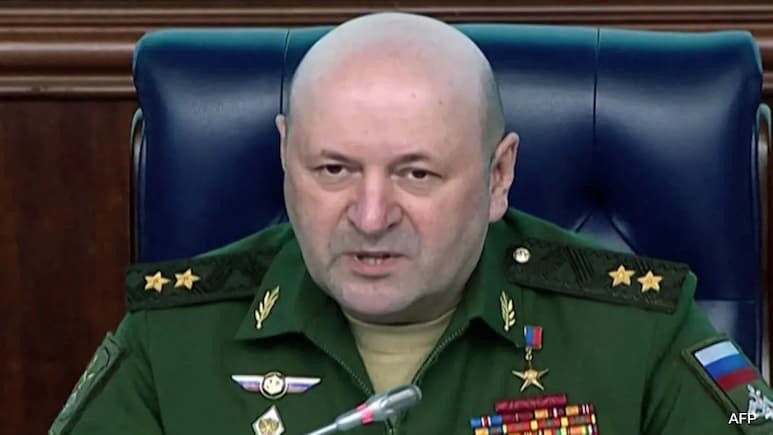
There have been two instances in just the past three weeks, both involving the Russian military. The first, previously reported on, was Igor Kirillov, commander of the Russian chemical, biological and radiation defense troops, who was killed when a motor scooter parked in front of his apartment building was detonated by remote control as he and his aide exited the building on December 17, 2024. The aide also died in the explosion.
In that case, Ukraine’s intelligence agency, the SBU, did not deny responsibility; in fact, an SBU source has “informally” stated that the blast was “the result of an operation” by their agency. [Steve Gutterman, RFE/RL, February 3, 2025.]
Igor Kirillov
*. *. *
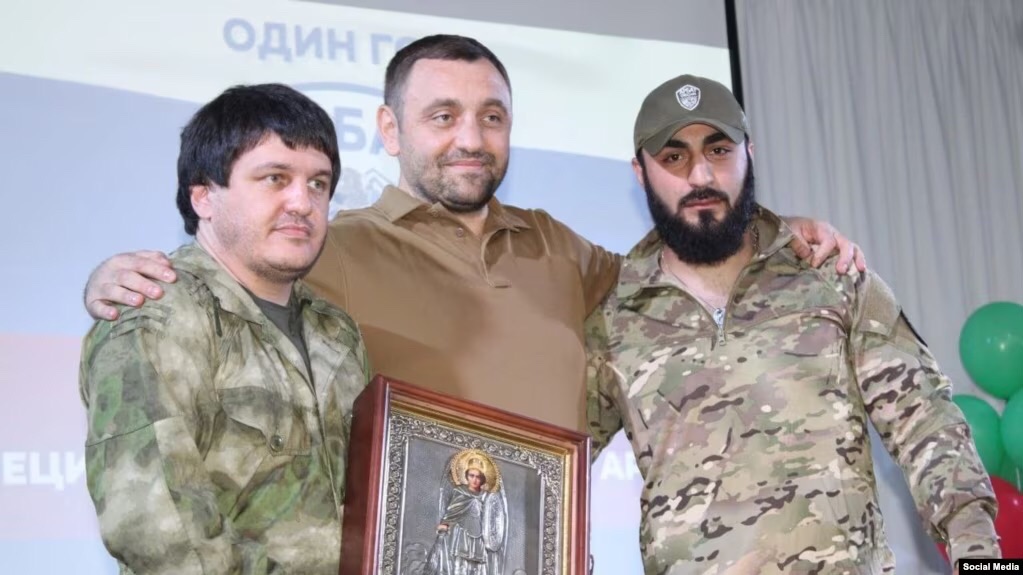
And on Monday, February 3rd, Armenian-born Armen Sarkisian was killed, along with one other individual, by an explosion in the high-end Alye Parusa (“Scarlet Sails”) residential complex in northwest Moscow.
Alye Parusa (“Scarlet Sails”) Complex, Moscow
Sarkisian was a long-time member of notorious crime groups, who worked his way up during the early 2000s to found his own paramilitary force known as “Arbat” — short for Armenian Battalion — which is now part of Redut, a mercenary network backed by Russia’s military intelligence agency, the GRU. [Id.]
He has been wanted by Ukraine since the first Russian invasion in 2014, charged with aiding the Russian forces, and for “organizing murders in the center of Kyiv.” [Id.]
Armen Sarkisian (Center)
In this case, there is not yet a clear-cut picture of responsibility; but there is a good bit of finger-pointing taking place. On the one hand, because of Sarkisian’s criminal activities, this may have been just one more Mafia-style hit by a rival gang, of the sort that was so commonplace in Russia in the 1990s.
But on the other hand, it may have been another assassination by Ukrainian forces of Russian commanders considered responsible for so much of the devastation of the past three years. No “credit” has as yet been claimed for this hit, and the investigation is ongoing.
*. *. *
While the frequency of these incidents seems to be increasing, they’re really nothing new. These types of killings, along with attacks by alleged terror groups such as last year’s slaughter at the Crocus Music Hall, have all the earmarks of the “Wild East” days of Moscow in the 1990s. It brings back memories of the months I lived and worked there in ‘93: the burnt-out cars by the side of the road; the daily reports of shootings, kidnappings, and robberies; the limousines with darkened windows that you knew belonged to the new oligarchs and their security details.
In other words . . . the good old days.
“Russian Mafia”
And, in the words of the old (1974) Peter Allen song, it seems that indeed, “everything old is new again.”
Having had all I could take of current world news for now, I lay in bed this morning, staring at the ceiling and trying to think of something pleasant to write about for today’s blog. The best I could come up with was a search through today’s date in history for some interesting bits and pieces that — due to the fact that they are in the past — were not likely to be upsetting.
I was at least partially right.
First, the good stuff:
1789: George Washington unanimously elected first U.S. president. Probably the last time the Electoral College was ever unanimously in agreement on anything. But at the time, there were only 69 electors, representing the 11 states that had ratified the U.S. Constitution. Simpler times, indeed.
1826: “The Last of the Mohicans” is published. A classic.
1913: Civil rights icon Rosa Parks is born. Good news for the future.
1938: Disney releases “Snow White and the Seven Dwarfs.” Probably not politically correct nowadays, but in my view, you still can’t outdo Disney for sheer joy.
“Hi-ho, hi-ho . . .”
*. *. *
Next, a bit of quirky news:
1974: Patty Hearst kidnapped by the Symbionese Liberation Army. Following payment of ransom by her father, media tycoon Randolph Hearst, surveillance videos of bank and store robberies showed Patty — in what appeared to be a classic example of Stockholm Syndrome — having willingly joined with her captors in their crime spree. Eventually captured by authorities, she was convicted of armed robbery and served 21 months of a seven-year sentence before having her sentence commuted by President Jimmy Carter. She later married her bodyguard, Bernard Shaw, and lives with him and their two daughters in New York and Connecticut. In an amusing twist of fate, Shaw is now head of security for . . . wait for it . . . the Hearst Corporation.
Patty Hearst – Then and ow
*. *. *
And some good news/bad news, depending upon your view of social media:
2004: Facebook launches. This one is still open for debate.
*. *. *
Unfortunately, even looking to the past, I found items related to man’s continuing inhumanity to man:
1861: States meet to form Confederacy. Leading to the start of a bloody four-year conflict that — emotionally, at least — never really ended.
1915: Germany declares war zone around British Isles. World War I, of course.
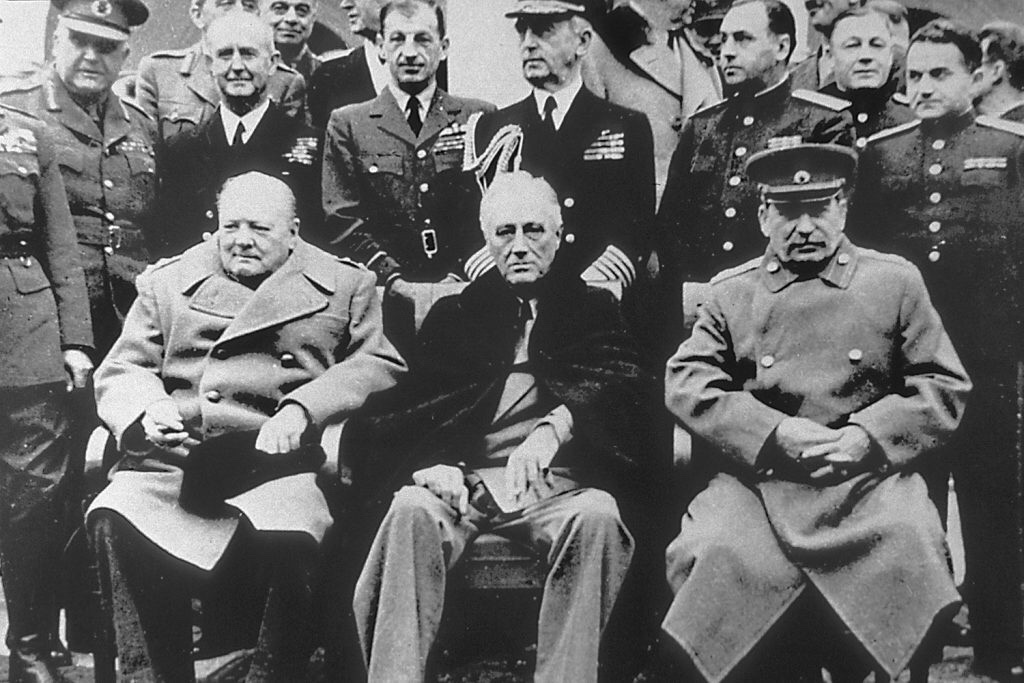
1945: Yalta Conference foreshadows the Cold War. With World War II drawing to an end, this historic meeting among U.S. President Franklin Roosevelt, British Prime Minister Winston Churchill, and Soviet leader Joseph Stalin would seem to have been good news. But, with each of the three leaders determined to fulfill their respective agendas, compromises were necessary, and issues remained at the close of the conference that ultimately led to the decades-long Cold War . . . another one that, like the many-headed Hydra of mythology, seems destined never to die.
Churchill, Roosevelt and Stalin at Yalta
*. *. *
And, as though we needed another war:
1962: First U.S. helicopter is shot down in Vietnam. By any standards, a major disaster that would drag on for another 13 years.
*. *. *
I think I’ll go back to staring at the ceiling now, while I contemplate which of today’s news flashes are screaming most loudly for my attention.
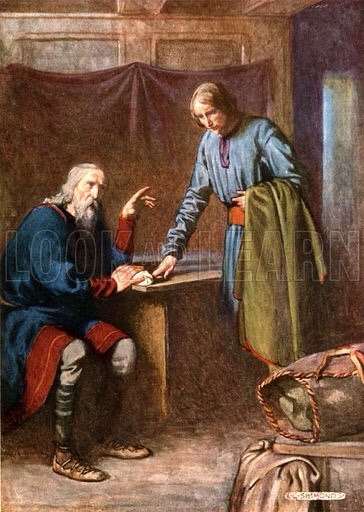
When his son, Laertes, was leaving home for university, Polonius famously gave him a good deal of fatherly advice on how to conduct his life as an honorable man — with caution, common sense, and above all, with integrity. And he ended with this bit of wisdom:
“This above all: to thine own self be true, And it must follow, as the night the day, Thou canst not then be false to any man.” (William Shakespeare, Hamlet, Act I, Scene 3)
Polonius and Laertes (from the play)
Excellent advice. But what Polonius was obviously counting on was that his son was inherently honorable, and that by being true to his “own self,” he would be certain to behave honorably.
But what if Polonius had been wrong about Laertes? What if, underneath a benign exterior, his son had been a lying, cheating, heartless, misogynistic, power-mad, narcissistic scumbag who wanted from life only what benefited him, no matter how many other lives — or nations — he destroyed along the way?
Then being true to himself would take on an entirely different meaning, wouldn’t it? Certainly, the effects of his behavior would not be at all what poor, deluded Polonius had in mind for his beloved offspring.
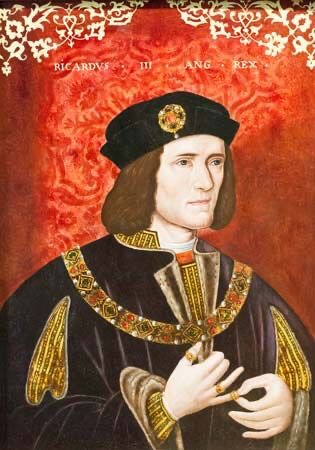
Indeed, Laertes would more likely have ended up as did poor old King Richard III — glorying in his evil nature:
“And thus I clothe my naked villainy With odd old ends stol’n out of holy writ, And seem a saint, when most I play the devil.” (William Shakespeare, King Richard III, Act 1, Scene 3)
Image of King Richard III
Now, does that description remind you of anyone . . . covering his villainy with meaningless, purposely deceptive speeches “stol’n out of holy writ”?






































 The Blog About Everything … and Sometimes Nothing