Yesterday, a long-time autocratic leader was defeated by a landslide in Hungary’s election. And while Viktor Orban is not quite in the same league as Josef Stalin, Adolph Hitler, Vladimir Putin . . . or even Donald Trump . . . his long-overdue political downfall reminded me of others of his ilk throughout history, and gave me a glimmer of hope for the ultimate departure from power of others still living.
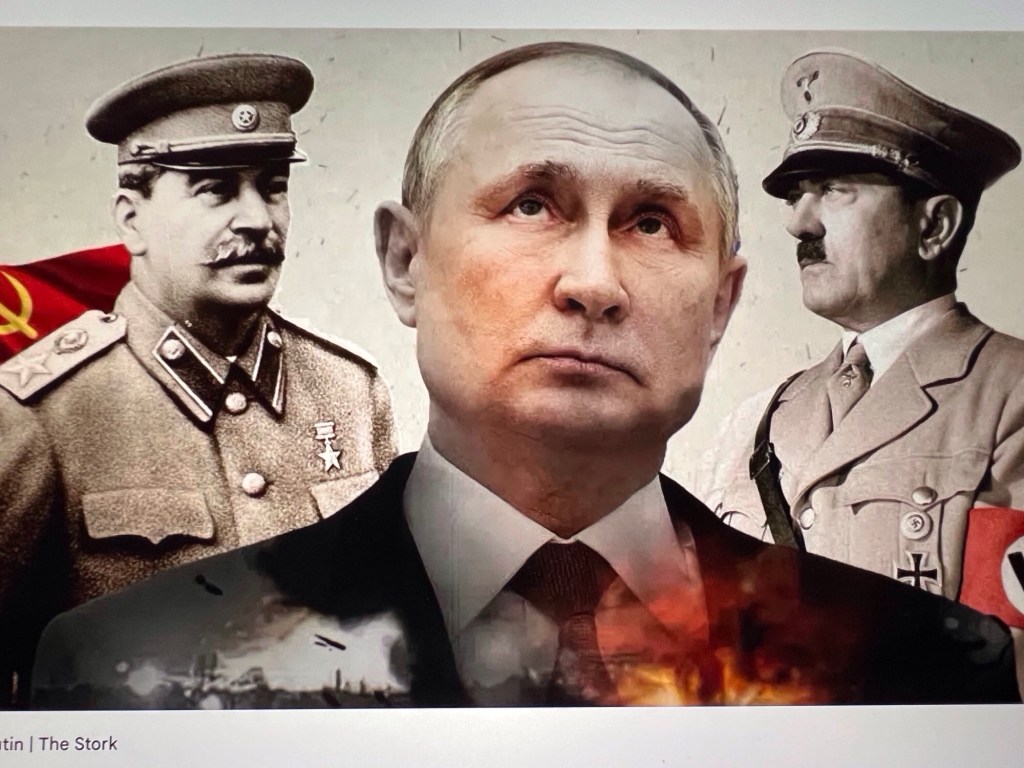
But how, I wondered (for about the millionth time), do such aberrations of humankind manage to come to power in the first place? We look at the historical facts, of course, such as being in the right place at the right time under the right circumstances — as Hitler was when Germany was suffering from the aftermath of World War I and the crippling effects of the Versailles Treaty, and the German people desperately needed a “savior” to resurrect their nation.
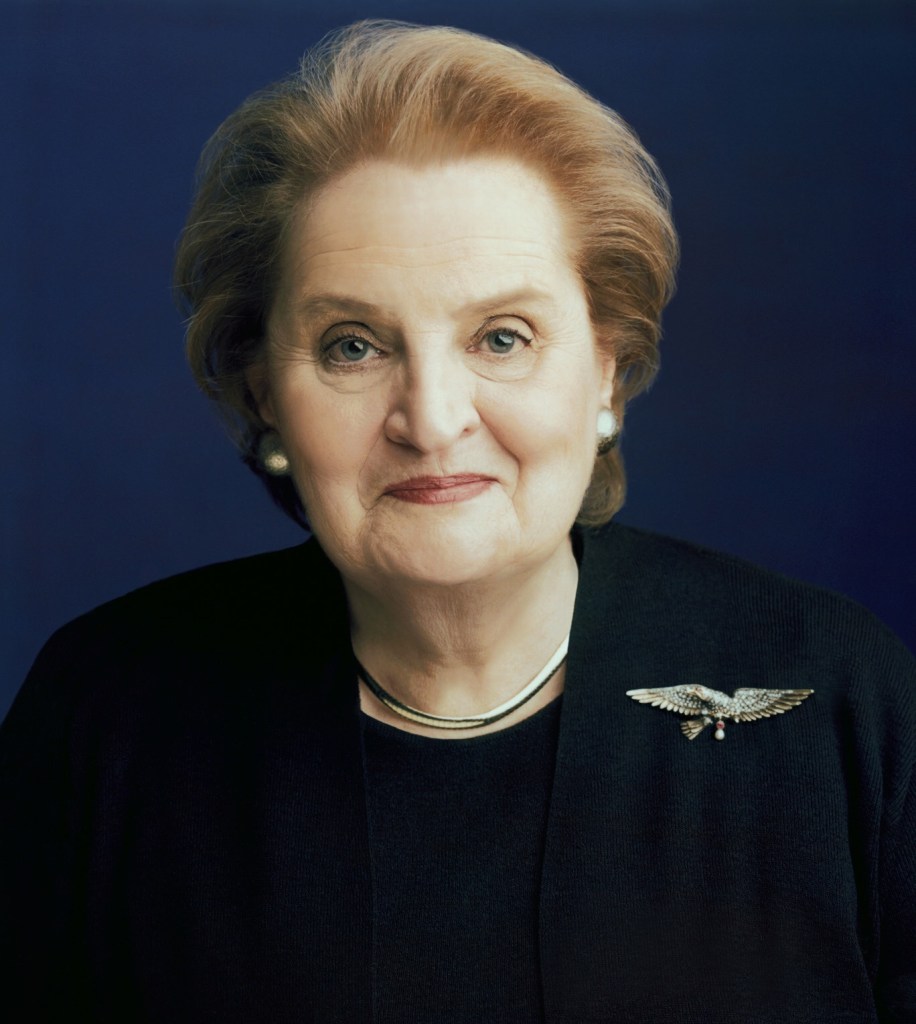
But there is also a psychological factor — a sort of mass hysteria or hypnosis, if you will — that comes into play at that specific moment in time. And the late U.S. Secretary of State Madeleine Albright understood it completely when she wrote the following:
“My students remarked that the Fascist chiefs we remember best were charismatic. Through one method or another, each established an emotional link to the crowd and, like the central figure in a cult, brought deep and often ugly feelings to the surface. This is how the tentacles of Fascism spread inside a democracy. Unlike a monarchy or a military dictatorship imposed on society from above, Fascism draws energy from men and women who are upset because of a lost war, a lost job, a memory of humiliation, or a sense that their country is in steep decline. The more painful the grounds for resentment, the easier it is for a Fascist leader to gain followers by dangling the prospect of renewal or by vowing to take back what has been stolen.”
– Madeleine K. Albright, “Fascism: A Warning”
Understanding it is, of course, only half the battle. The other half requires us to do something about it.
That “something” is what just happened in Hungary.
Just sayin’ . . .
Brendochka
4/13/26
 The Blog About Everything … and Sometimes Nothing