In the 20th century alone, Hungary’s political fortunes fluctuated nearly as often as the weather.
Following the collapse of the Austro-Hungarian Empire in the wake of World War I, Hungary lost some 71 percent of its territory and 66 percent of its population to surrounding nations. Seeking to regain its former territory and status, the government aligned with the Axis powers of Germany and Italy, carrying it head-first into World War II.
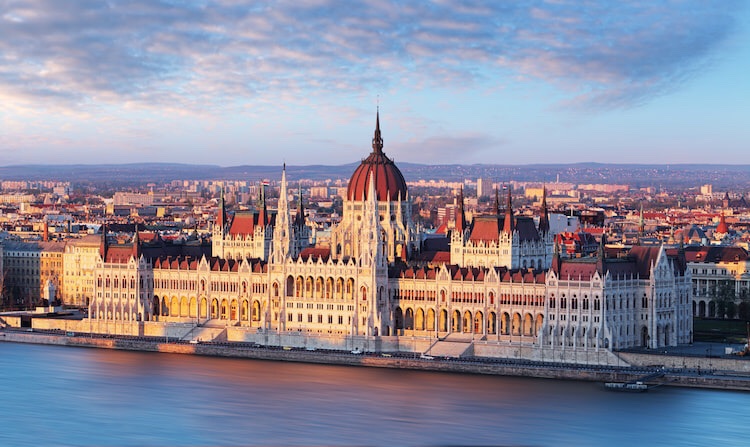
Following that devastation, which included the deportation and slaughter of hundreds of thousands of Hungarian Jews, there followed a brief period of quiet beginning in 1945 (Renaissance #1) . . . until the Communist Party seized power, creating the Hungarian People’s Republic in 1949.
A popular uprising in 1956 brought hope of renewal, but was quickly crushed by Soviet troops. And Hungary remained under the control of the USSR as part of the Soviet Bloc of nations until the fall of Communist rule in Eastern and Central Europe in 1989 (Renaissance #2).
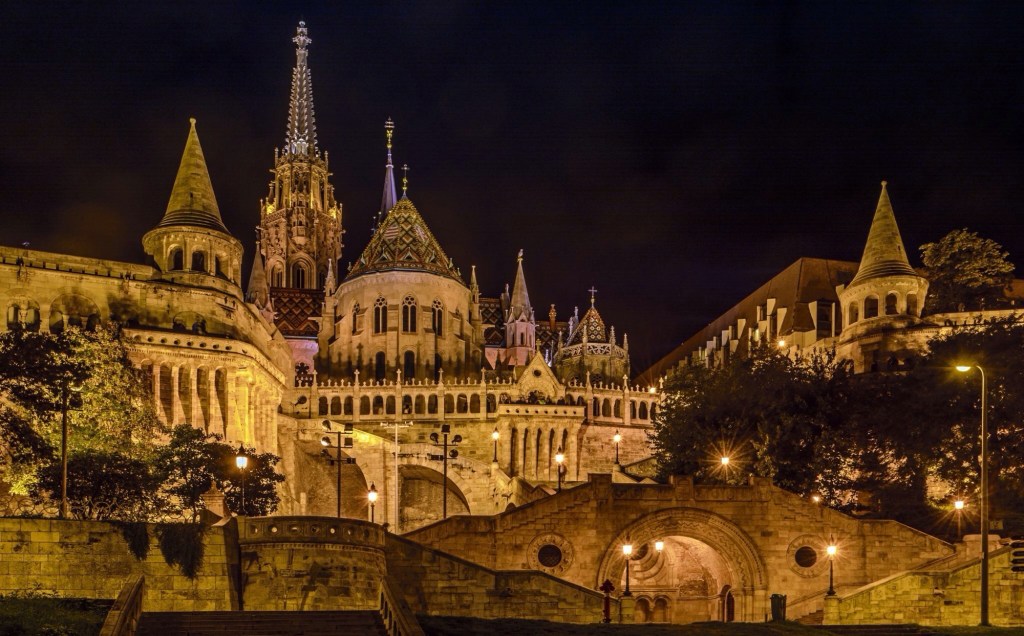
When I visited Budapest in the fall of 1990, Hungary was in the throes of a great recovery: reinventing itself, yet again, as a free and democratic nation with a prosperous future.
Then along came Viktor Orban, who has served as Hungary’s Prime Minister on and off since 1998, and as head of its leading Fidesz Party since 2003. And in that position, he has become an ally and puppet of Vladimir Putin, using Hungary’s position in the EU to further Russia’s interests — even feeding information directly to Kremlin officials from strictly confidential EU meetings through Hungary’s Foreign Minister, Peter Szijjarto.
Orban’s autocratic governance of his country also mirrors that of Putin. But in the lead-up to parliamentary elections on April 12th, even Moscow’s blatant interference is failing to overcome the Hungarian people’s growing disaffection for Orban and his Fidesz Party. And a documentary film, aired last Thursday at a Budapest movie theater and on YouTube, has publicized the results of an independent six-month investigation, accusing Orban’s party of mass voter intimidation and corruption, even involving regional governments and police administrations. [Nick Thorpe, BBC, March 26, 2026.]
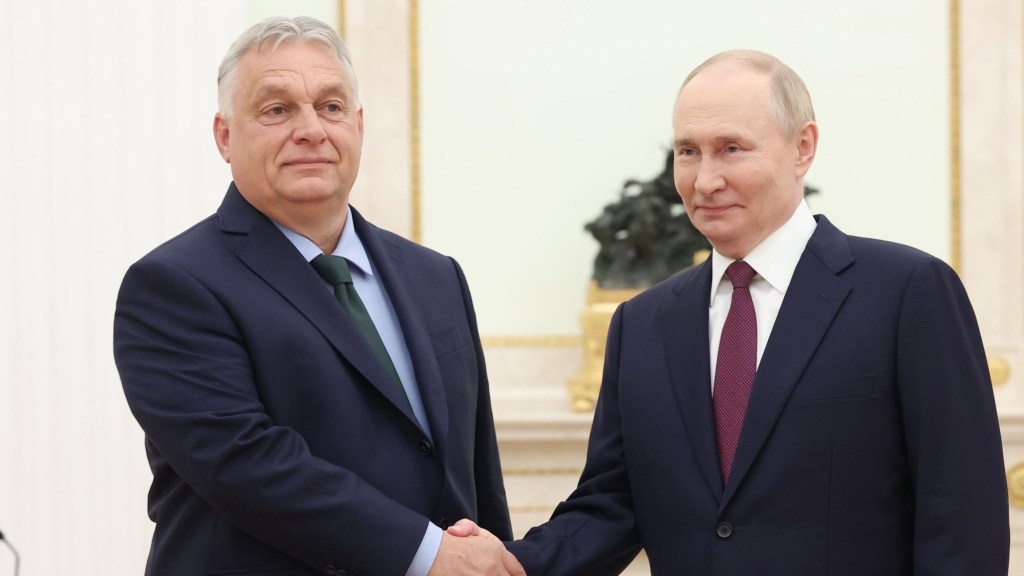
Recent polls show Peter Magyar’s center-right opposition party, Tisza, leading by an ever-widening margin. And for the first time in 16 years, it appears that Viktor Orban may be headed for the unemployment line. At a recent rally, he was met with boos from his supposed supporters, with some chanting Magyar’s name.
But nothing is certain in politics; and the EU is taking no chances. Well aware of Orban’s double-dealing activities, they are discussing steps to limit his influence within the bloc in the event he does win the election, including possible changes to voting rules, an increase in financial pressure, and — in extreme circumstances — possibly going so far as to suspend Hungary’s rights within the bloc altogether. [Julia Struck-Feshchenko, Kyiv Post, March 30, 2026.]
And when Orban’s power at home is gone — either through his loss of the election, or the diminishment of his authority within the EU — how long do you think his friendship with Putin will last?
I’m betting, about a Moscow minute.

And that would hopefully usher in Renaissance #3.
Just sayin’ . . .
Brendochka
3/31/26
 The Blog About Everything … and Sometimes Nothing