. . . and it’s all Max’s fault.
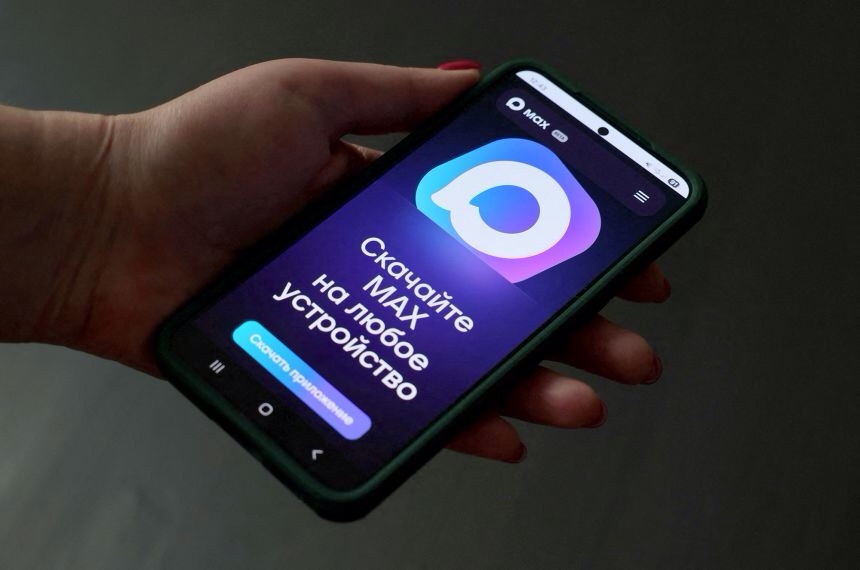
Well, it’s actually Vladimir Putin’s fault, of course. But it seems to have been his introduction of Max that finally sent the people in Moscow, St. Petersburg, and practically every corner of Russia into panic mode.
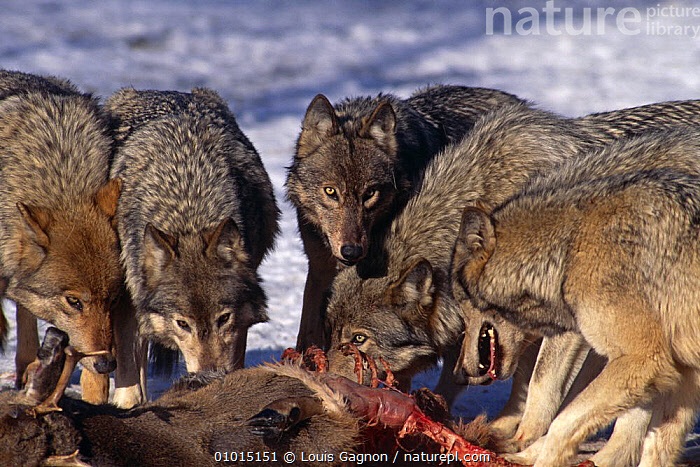
It’s most noticeable in the cities, where the last 35 years have seen Russia reborn in terms of modern conveniences. Having slept through most of the 20th century, the country was able to join the rest of the world as it entered the new millennium following the collapse of the Soviet Union. And, like a pack of starving wolves, they have devoured technology with a vengeance.
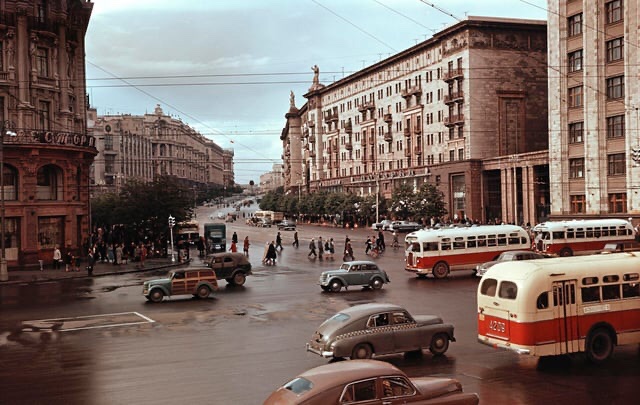
Let me paint a picture of life in Moscow as it was in 1993, when I lived there.
Although Western businesses had begun arriving, there was still a lot of catching up to be done. Computers were mostly restricted to government facilities and larger companies; home computers were virtually unheard of. There were, of course, no cell phones. In fact, there was still a long waiting list for home phones.
You couldn’t order a taxi online, because there was no online. Which meant you couldn’t order anything that way: no home deliveries, no shopping, no banking transactions. There was no GPS; in fact, there were few paper maps of the city to be had, for “security” reasons dating back to the war years . . . and only a handful of telephone directories, generally located near public pay phones that rarely worked.
I became acclimated to the city with the help of my Russian co-workers and friends. I learned to navigate the Metro (which worked exceptionally well), how to hail a taxi if I needed it, and where to find the best shops for food and other necessities. In return, I educated them in the use of such miracles as a fax machine, desktop copier, and a staple remover, which they particularly loved because it rescued their fingernails from breakage.

Life was decidedly slower. I lived on the outskirts of the city, and when I had a meeting in the city center, I relied on our hired driver to get me there. On weekends, though, I rode the Metro and walked . . . and somehow survived.
In general, life was more as I remembered it in the U.S. back in the 1950s.
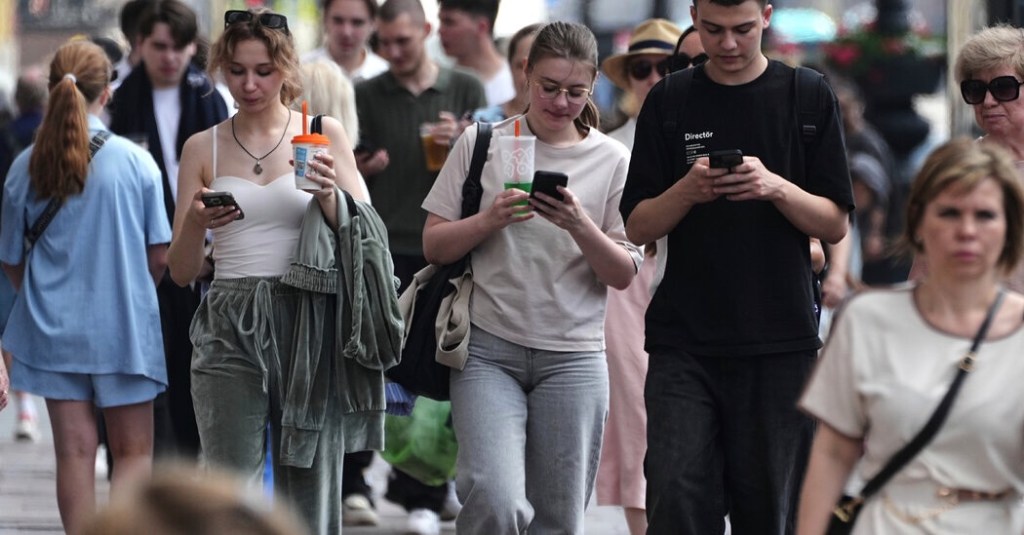
But now, an entire generation of Russians has reached adulthood never having experienced life without the conveniences they take for granted. And, having joined the world’s multitudes whose cell phones are like a fifth bodily appendage, they are being told that many of the most useful and vital features of those phones will no longer be available to them.
It’s a truism that you don’t miss what you’ve never had. But imagine having all of those things taken away from you today!
As I’ve written before, Putin has been gradually shutting down mobile Internet services, blocking YouTube, WhatsApp, and others, and offering instead his new, state-supported Max app, which severely limits accessibility. Even Telegram — the most widely used messaging app by the government itself, and by families trying to communicate with their relatives fighting in Ukraine — is being blocked. Max is being forced on everyone, and is pre-installed on all new smart phones.
When asked how the Kremlin is functioning without their usual services, spokesman Dmitry Peskov said: “We’re using land lines.” [Mike Eckel, RFE/RL, March 23, 2026.]
Back to the future.
Igor Yakovenko, a Russian sociologist, described the situation:
“A significant portion of Muscovites are accustomed to a very comfortable Internet experience, accustomed to living in cozy Telegram channels and communicating via a very convenient messenger. Now Muscovites are being kicked out of this rather comfortable environment.” [Id.]
*. *. *
The Kremlin would have the people believe these steps are necessary for their protection against recent Ukrainian “aggression” (in reality, counter-attacks), in which drones have been reaching farther and farther into Russian territory. But, while that may sound reasonable to some, the truth is that these communication interruptions were started long before Ukraine began retaliating against Russia’s assaults.
In fact, it’s all about control.
According to an article written for the Carnegie Russia Eurasia Center by Russian commentator Maria Kolymchenko:
“The Kremlin is trying to make the Russian Internet into a closed ecosystem, where all the important services are controlled and accessible [to the Federal Security Service]. If there are foreign platforms that haven’t been blocked yet, it’s only because there’s no viable domestic alternative yet.” [Id.]
And as Telegram’s creator and owner, exiled Russian billionaire Pavel Durov, said in a post to X last month:
“Russia is restricting access to Telegram to force its citizens onto a state-controlled app built for surveillance and political censorship.” [Id.]
*. *. *
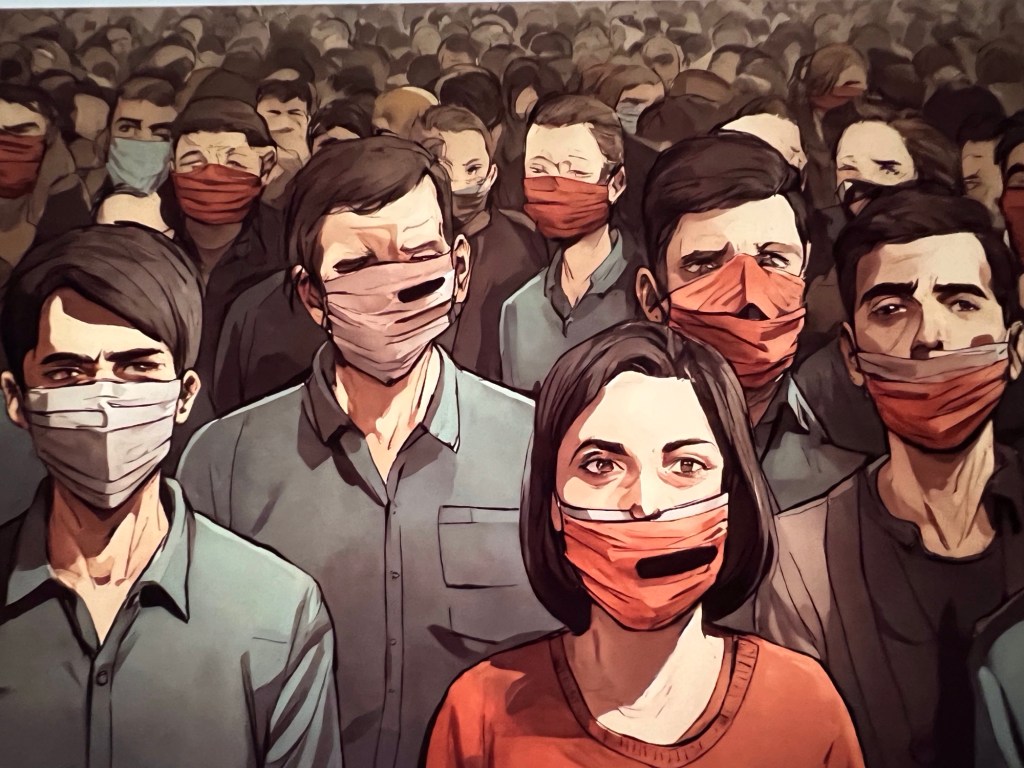
It’s standard operating procedure for dictators: In order to control the populace, you must first silence them and prevent them from organizing a resistance by cutting off their means of communication. In earlier times, it meant physically attacking and seizing the local telegraph office and railroad station.
Today it’s done without firing a single shot.
Just sayin’ . . .
Brendochka
3/25/26
 The Blog About Everything … and Sometimes Nothing