Something is going on in the Kremlin with regard to the war — sorry, the “special military operation” — in Ukraine, and it is going to keep me awake until we find out what it is, hopefully by next week.

A new round of peace talks had been tentatively scheduled to take place this week but were postponed, allegedly because of Washington’s focus on its little “excursion” in Iran. Ukrainian President Volodymyr Zelensky expects the discussions to resume next week, either in Switzerland or Türkiye.
In the meantime, Kremlin spokesman Dmitry Peskov took this moment in time to announce that the 2022 Istanbul peace agreements are no longer relevant, saying that “reality has completely changed” and that, as a result, the previous frameworks “do not correspond to the situation.” [Cyril Barabaltchouk, United24Media, March 11, 2026.]
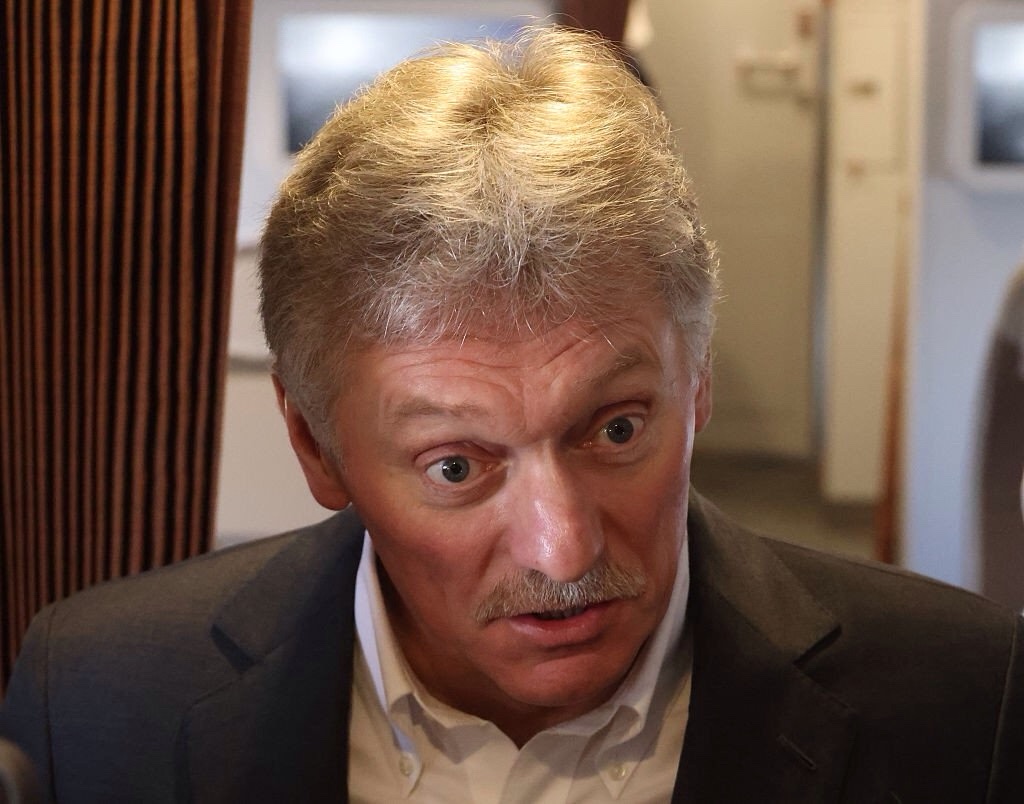
But what has changed? Whose “reality”? What is the “situation”? And why are things different now?
To begin with, what Peskov referred to as the “Istanbul principles” are a set of demands that Moscow has consistently put forth in all of its so-called peace talks from day one. And last June, in a memorandum outlining its conditions for ending the war, the Kremlin again repeated the same terms. These, of course, include Ukraine’s ceding of the territories of Donetsk, Luhansk, Kherson and Zaporizhzhia; reducing its military forces; abandoning its goal of joining NATO; and sacrificing post-war security arrangements essential for its future protection against renewed aggression, among other onerous restrictions.
So why, after four years of refusing to give an inch, is Vladimir Putin suddenly changing direction . . . and which way is he turning?
Donald Trump’s sudden, inexplicable, utterly disastrous invasion of Iran has turned the entire world, including Russia, upside-down and inside-out. The bad news for Putin was that he lost a long-time ally when the Ayatollah Khamenei was killed; however, with the new supreme leader of Iran being the late Ayatollah’s son, it’s fairly safe to assume not much will change in the relationship between the two countries.
The really good news for Putin was that the disruption in the supply of oil from the Middle East has positioned Russia as the world’s largest exporter of that precious commodity, giving him an unexpected financial windfall with which to continue his assault on Ukraine.
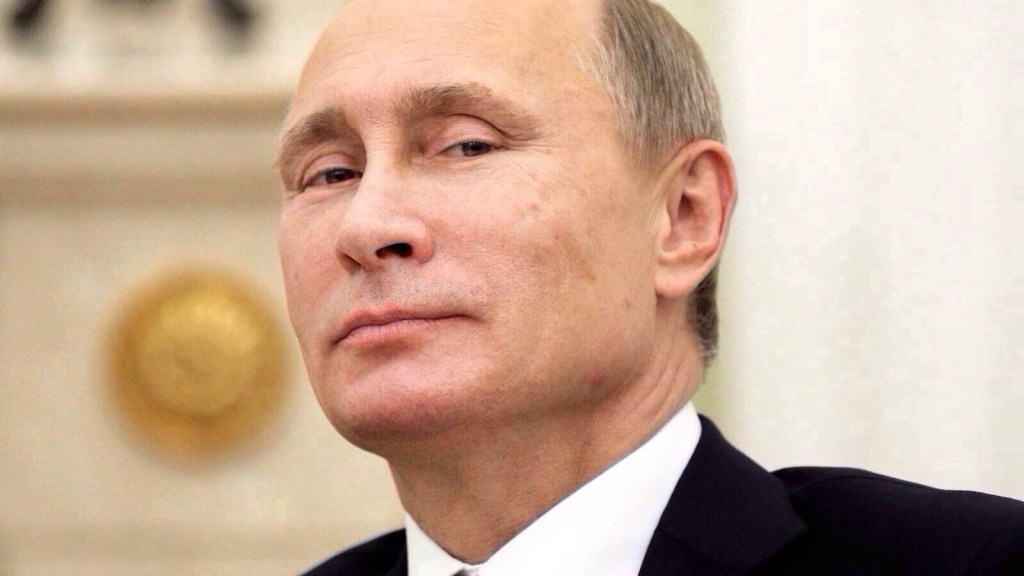
And let’s not overlook that hour-long phone call with Trump on Monday, described by Putin’s foreign affairs adviser Yuri Ushakov as “frank and businesslike.” He said that Putin had “voiced a few ideas aimed at a quick political and diplomatic settlement” of the Middle East situation, following conversations he had already had with Iran’s president and other Gulf state leaders. According to Ushakov, Putin and Trump also discussed Venezuela “in the context of the ongoing U.S.-Israeli operation . . . [and] the situation in the global oil market.” [PBS News, March 9, 2026.]
So they are all somehow interconnected: Ukraine, Venezuela, Israel and Iran; and the common denominator appears to be oil. The principal protagonists in this little drama are, of course, Donald Trump, Vladimir Putin, and Benjamin Netanyahu . . . three men with great power and even greater egos, and each with his own personal and political agenda.
But it is Putin who has an announcement to make.
*. *. *
Now, I am neither smart enough nor diabolical enough to be able to second-guess Putin. But I do know that he is not a man who simply surrenders. Nor does he make an advance announcement of a coming event unless it’s favorable to him.
Vladimir Putin clearly has something up his sleeve, and we will all just have to wait until he’s damned good and ready to tell us what it is. Obviously, I don’t have a clue; but my “spidey senses” tell me we’re not going to be happy.
I hope I’m wrong.

Just sayin’ . . .
Brendochka
3/13/26
 The Blog About Everything … and Sometimes Nothing