It is known as the February Revolution, because of Russia’s use of the old Julian calendar at that time. But according to the modern Gregorian calendar, it began on March 8, 1917, in Petrograd (now St. Petersburg), Russia.
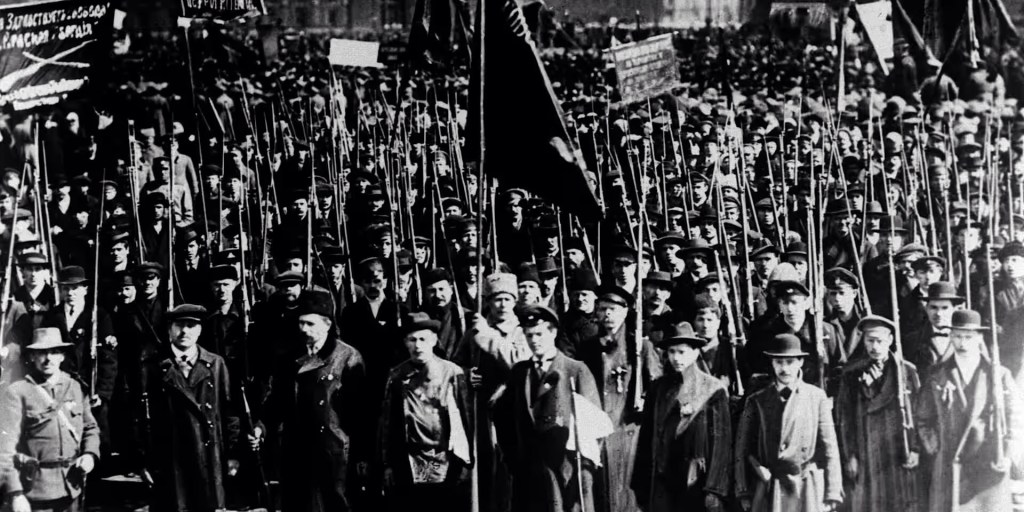
The people were fed up with the excesses and corruption of the Tsarist regime, the rampant poverty and starvation of the masses, and most of all, Russia’s involvement in World War I. Workers — some 90,000 of them — had been on strike, and were joined by other demonstrators in clashing with Petrograd’s police and the local army garrison. After several days, the troops began to defect en masse to the side of the demonstrators, and what became known as the Petrograd Soviet was formed.
In the face of overwhelming opposition, Tsar Nicholas II abdicated the throne in favor of his brother Mikhail. But when Mikhail said “thanks but no thanks,” centuries of tsarist rule in Russia came to an end, and a provisional government was established.
Meanwhile, a man known as Vladimir Ilyich Lenin — leader of the Bolshevik Revolutionary Party living in exile in Switzerland — saw his golden opportunity. Traveling secretly across enemy lines in Germany as the war raged around him, he returned to Petrograd and began his campaign to establish his party as the ruling party of Russia. By November 7th (October 23rd on the Julian calendar) of that year, he had succeeded in overthrowing the Provisional Government in a nearly bloodless coup — now known as Russia’s October Revolution — and creating the world’s first communist-style government. [“This Day In History,” History.com, March 8, 2026.]
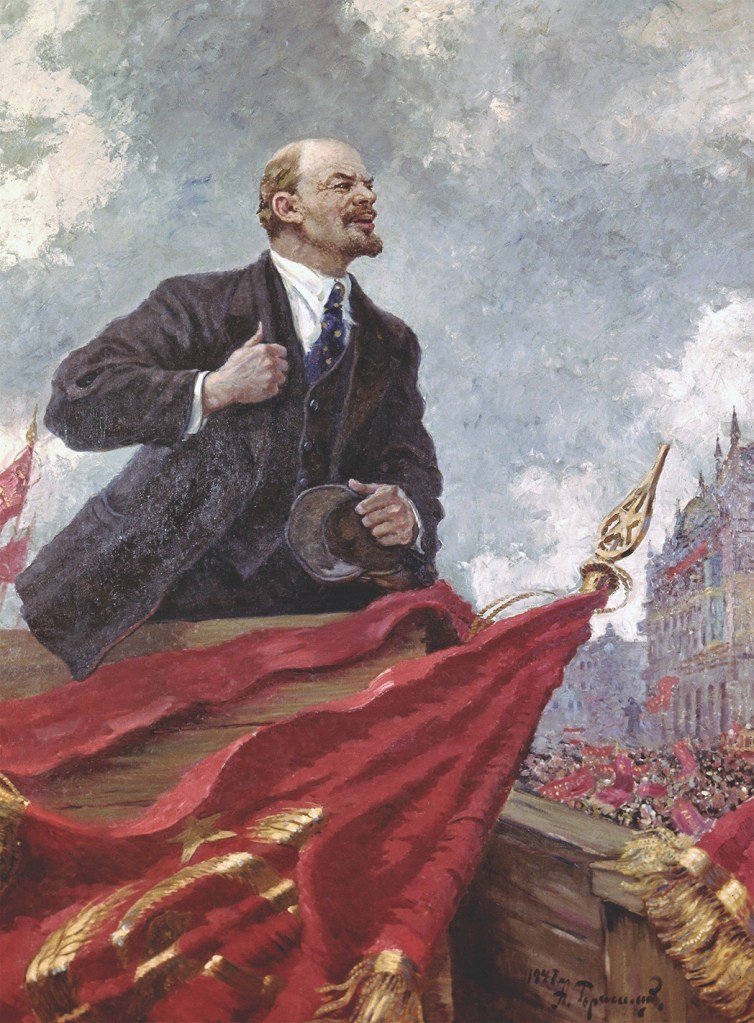
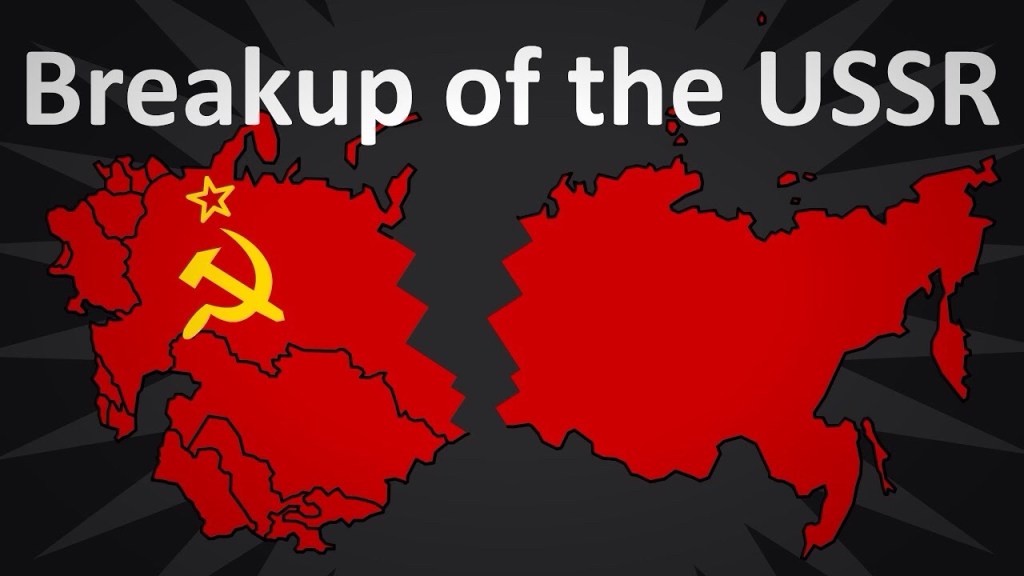
On March 8, 1918 — exactly one year after the workers’ march on Petrograd — the Bolshevik Party formally changed its name to the All-Russian Communist Party. It would rule the country — soon to be known as the Union of Soviet Socialist Republics (USSR) — for another 73 years, until its final dissolution on the day after Christmas, December 26, 1991. [Id.]
*. *. *
For those who pay attention to history, there is an obvious lesson to be learned here . . . not only in Russia, but in other autocratic countries as well: That the people of any nation can only be pushed so far. Eventually, unable and unwilling to accept any more of tyranny and deprivation, they will begin to push back. Whether by revolution or by a majority vote is dependent upon the existing laws and traditions of the particular country. But, one way or another, they will dethrone their oppressors and reclaim their lives.
Count on it.

Just sayin’ . . .
Brendochka
3/8/26
 The Blog About Everything … and Sometimes Nothing