How is it possible . . . how is it even conceivable . . . that the United States would — just 15 minutes before a vote on a U.N. General Assembly resolution calling for “a just and lasting peace” in Ukraine — advise the Ukrainian representative that the U.S. was presenting a proposal to delete two crucial paragraphs from the draft resolution: text that contained references to Ukraine’s “sovereignty” and “territorial integrity”?
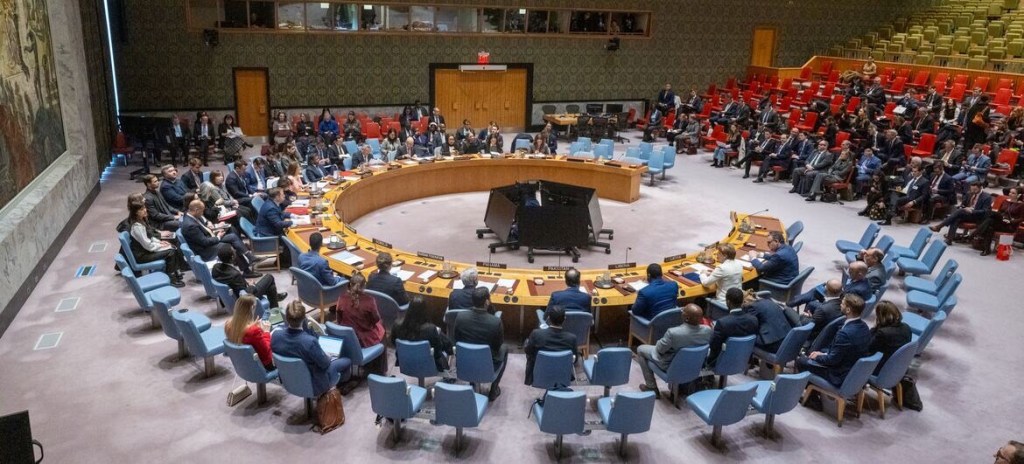
It sounds impossible. But that is precisely what happened earlier this week, when U.S. deputy permanent representative Tammy Bruce told the member states:
“The United States welcomes, of course, the call for an immediate ceasefire. As we’ve said, this resolution also includes language that is likely to distract from ongoing negotiations, rather than support discussion of the full range of diplomatic avenues that may pave the way to that durable peace.” [Damilola Banjo, PassBlue, February 24, 2026.]
The “full range of diplomatic avenues” to which Bruce alluded no doubt referred to Vladimir Putin’s unwavering demands that Ukraine cede approximately 20 percent of its territory, consisting of the four regions of Donetsk, Luhansk, Kherson and Zaporizhzhia; and placing untenable restrictions on the sovereignty of Ukraine’s remaining territory — demands that have thus far been the principal sticking point in the ongoing negotiations.
Fortunately, the so-called “motion for division” was voted down after receiving only 11 votes in favor, 69 against, and 62 abstentions. It is important to note that among those countries voting in favor were Russia, Belarus and Hungary.
Most outspoken against it, not surprisingly, were the U.K., France and Latvia. And Ukraine’s Deputy Foreign Minister, Mariana Betsa, said that the proposed deletions were “deeply concerning and cannot be accepted,” and that they would send “a very dangerous signal that these fundamental principles are negotiable.” [Id.]
Well, isn’t that exactly what would best serve Vladimir Putin’s interests? In fact, the failed proposal could not have better echoed the Kremlin’s demands if Putin had written it himself.
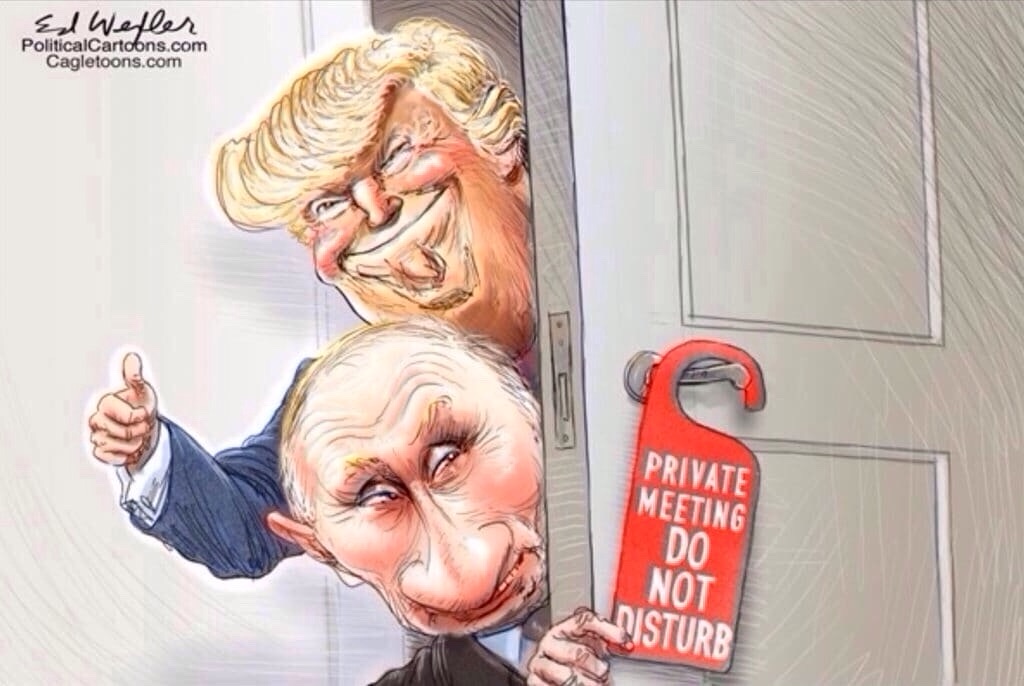
Later, in a meeting of the Security Council, Bruce took a somewhat modified stance, conceding that the U.S.-led resolution of a year ago had not come to fruition. But, rather than blame Russia directly, she singled out Belarus, China, Iran, Cuba and North Korea for enabling Russia’s continuation of the war through its financial support, saying:
“We call on all countries to join us in our efforts to encourage a negotiated, durable peace that will restore prosperity, security and a bright future for everyone around the globe.” [Id.]
Which is nothing more than diplomatic double-talk. What speaks more loudly is the deleted language of that back-stabbing, double-dealing, self-serving proposal that would have given Russia exactly what it has been demanding all along . . . thus leaving Ukraine a devastated, permanently weakened, semi-autonomous nation; opening the door to Russia’s further westward expansion; and, not incidentally, giving Donald Trump a path to the success he is so desperate to achieve.
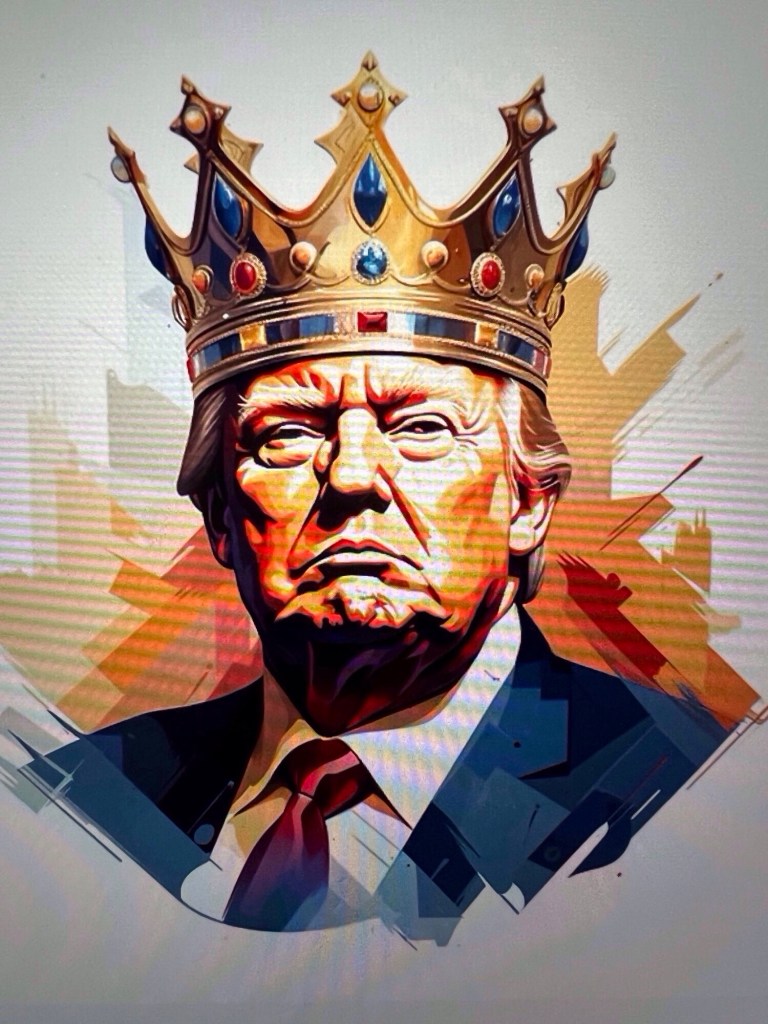
The attempt failed. But the fact that it was made at all is an unspeakable, unforgivable betrayal of all that this country has represented for 250 years.
Just sayin’ . . .
Brendochka
2/28/26
 The Blog About Everything … and Sometimes Nothing