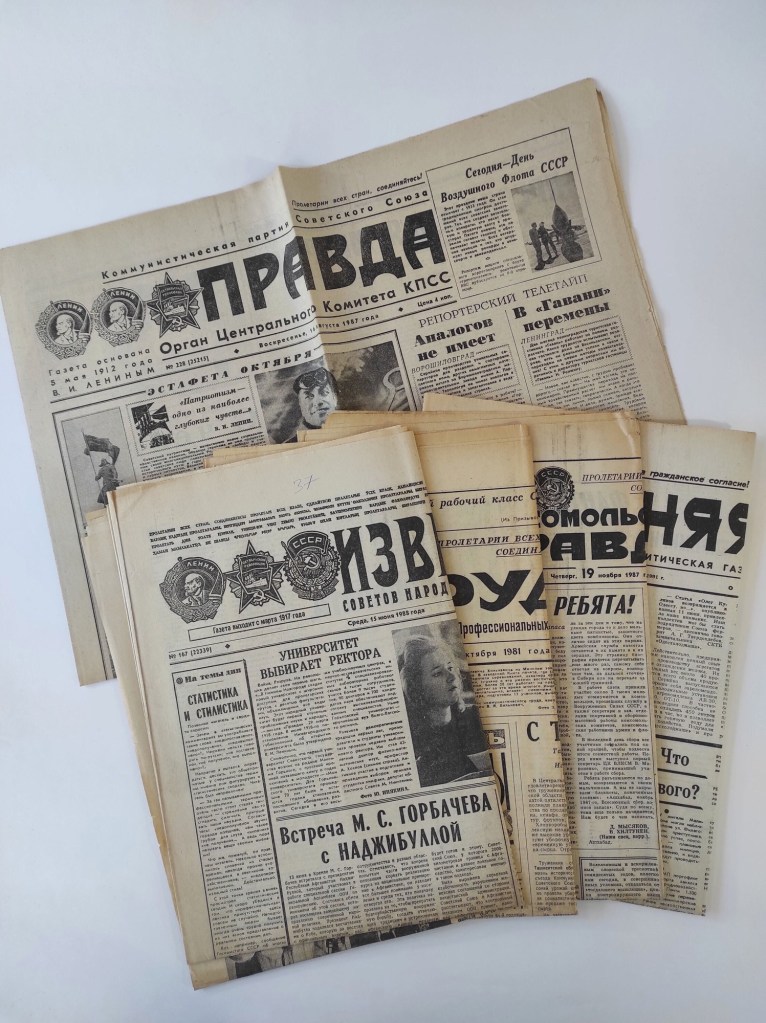
In Soviet times, before Mikhail Gorbachev’s reforms known as glasnost and perestroika, the ordinary citizens of Russia and the 14 other Soviet Socialist Republics only knew as much about the outside world as their government masters allowed them to know. Their TV and print news sources — Pravda, Izvestia, TASS, and the like — were state-owned and controlled; their access to foreigners was limited and considered risky. They accepted the daily ration of propaganda without question, because they had nothing to compare it against.
Those programs of “openness” and “restructuring” represented a sea change in the lives of the Russian people. With the disintegration of the Soviet Union, westerners flooded into Russia bearing previously unimagined business and educational opportunities, and the technology to implement them. With them also came western media outlets, and — at the dawn of the new millennium — the internet and social media.
And suddenly, everyone had a computer and a smart phone. Not only were they aware of what was happening outside of their borders; they were part of it. And they took to it like babies to their first taste of apple sauce.
The problem was that Gorbachev was gone . . . his liberal successor, Boris Yeltsin, was gone . . . and Vladimir Putin was now in the Kremlin. And all of the reforms — the openness and restructuring — of the two previous administrations were anathema to him and to his messianic belief that the collapse of the Soviet Union had been the greatest geopolitical tragedy of the 20th century, and that it was his destiny to restore it to its former glory.
But how does one do that in the largest country in the world, with a population of nearly 150 million people in an area spanning eleven times zones? Well, first, he cut off their access to the outside. One by one, he pushed through Parliament new laws restricting freedom of speech. Next he began arresting people and shutting down media for violating those laws.
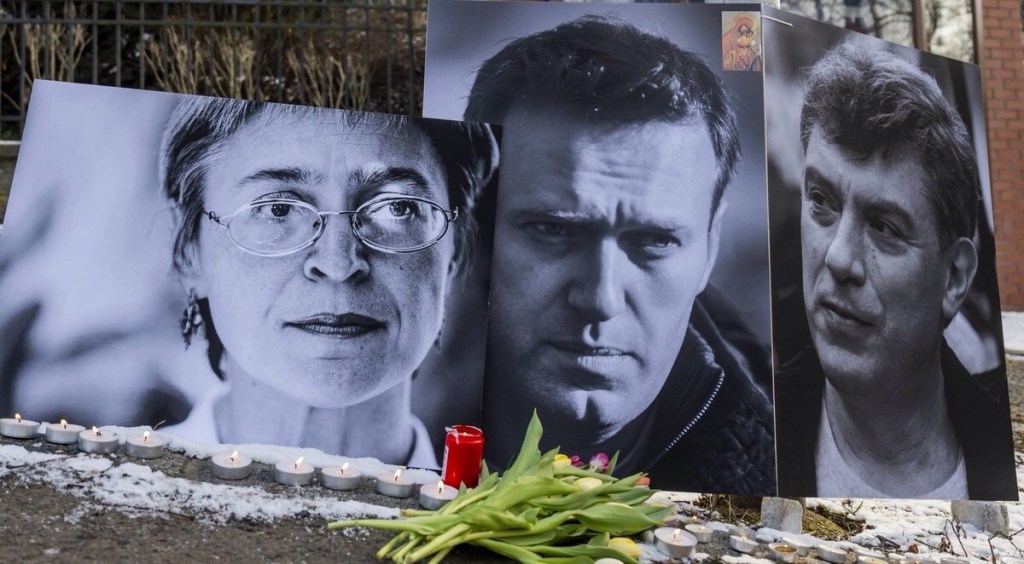
He also killed off a few of his most popular, outspoken dissidents, including Anna Politkovskaya, Boris Nemtsov, and Aleksei Navalny.
Then, on February 24, 2022, he invaded Ukraine, giving him a new excuse for strengthening the already onerous laws, and creating an exodus of both western enterprises and the few remaining independent Russian media outlets.
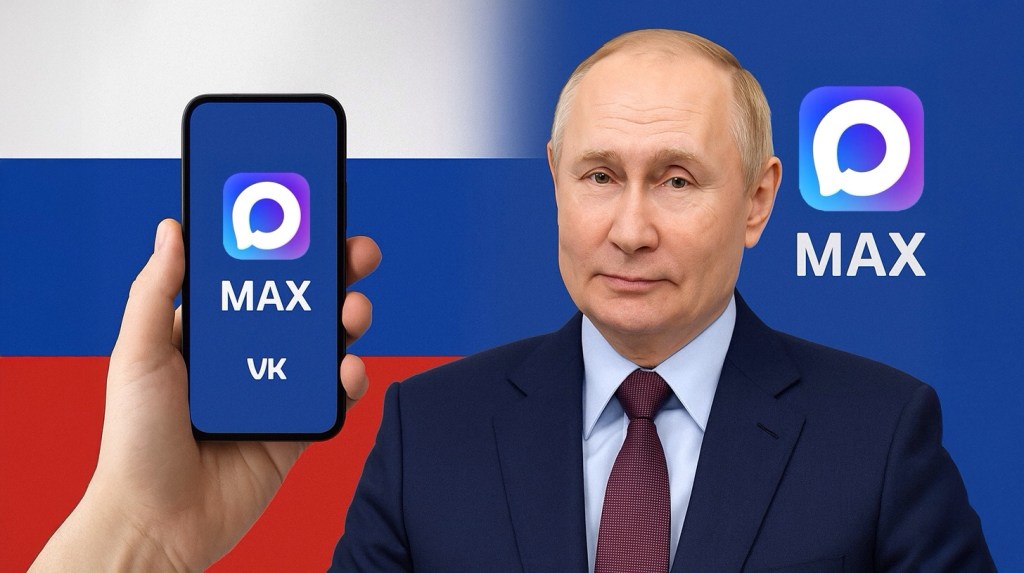
But there were still all of those pesky cell phones, and millions of people with access to Google, Facebook, YouTube, WhatsApp, Instagram, and the like. Suddenly pulling the plug on all of them could cause a massive revolt. So he began limiting access gradually, while simultaneously building a state-controlled platform named “Max” to take the place of all the others.
People posting regularly on YouTube and others have already complained of periodic outages — including two emigre families I’ve been following: the Canadian Feenstras and the Australian Pulleys. And on Thursday, February 12th, it was confirmed that instant messenger WhatsApp has been blocked completely.
Even Telegram — used by millions in Russia including the military, top-level public officials, state media services, and government bodies such as communications regulator Roskomnadzor and the Kremlin itself — has become the victim of restricted access by Russian authorities.
Enter: “Max.”
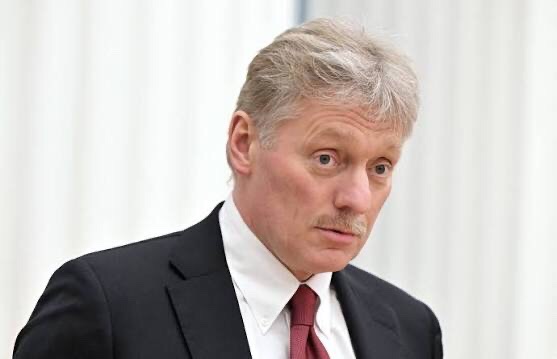
It’s been in the works for a while, but now it seems to be close to becoming the only choice — if you can call it a choice — as explained by Kremlin spokesman Dmitry Peskov:
“Max is an affordable alternative on the market for citizens, a developing national messenger. Regarding the blocking of WhatsApp, our authorities did indeed state that the decision was made and implemented due to the corporation’s unwillingness to comply with the law.” [Sophie Tanno and Anna Chernova, CNN, February 12, 2026.]
WhatsApp confirmed the move, saying:
“Today the Russian government attempted to fully block WhatsApp in an effort to drive people to a state-owned surveillance app. Trying to isolate over 100 million people from private and secure communication is a backwards step and can only lead to less safety for people in Russia.” [Mike Eckel, RFE/RL, February 13, 2026.]
Alena Epifanova, a cyber researcher at the German Council on Foreign Relations, noted that this is the first time regulators have moved to effectively delete websites en masse from the Russian domain system, saying:
“It’s unfortunately not surprising. It was just a matter of time. [Regulators] move to block everything that they can’t control and take another step toward a sovereign Internet. … Max is part of the puzzle. They introduced it, but no one was going to use it. As long as you have alternatives that work, as long as you have alternatives that your friends and family use, people won’t move to another platform. Therefore, they have to block Telegram, they have to block WhatsApp to get people to use Max.” [Id.]
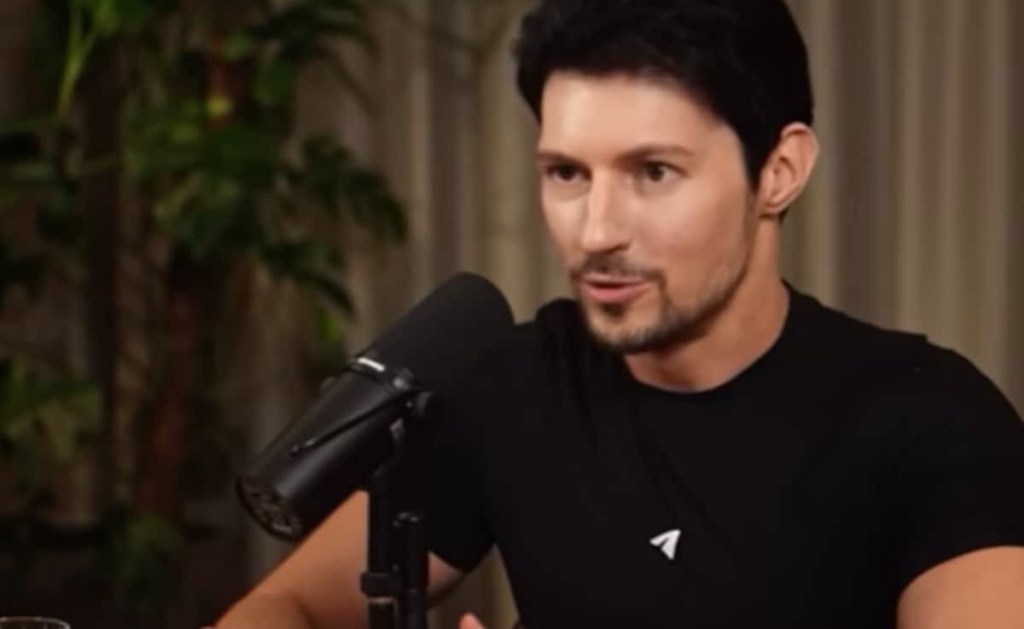
And Pavel Durov — the Russian-born entrepreneur who created Telegram and chose to abandon it and live in exile rather than submit to Putin’s restrictions — agreed:
“Russia is restricting access to Telegram in an attempt to force its citizens to switch to a state-controlled app built for surveillance and political censorship.” [Id.]
So, with the compliments of the Kremlin, “Max” welcomes his comrades back to the 1960s. The 21st century was fun while it lasted.
Just sayin’ . . .
Brendochka
2/18/26
 The Blog About Everything … and Sometimes Nothing